


The Layering Fallacy: Why More Isn’t Always Better
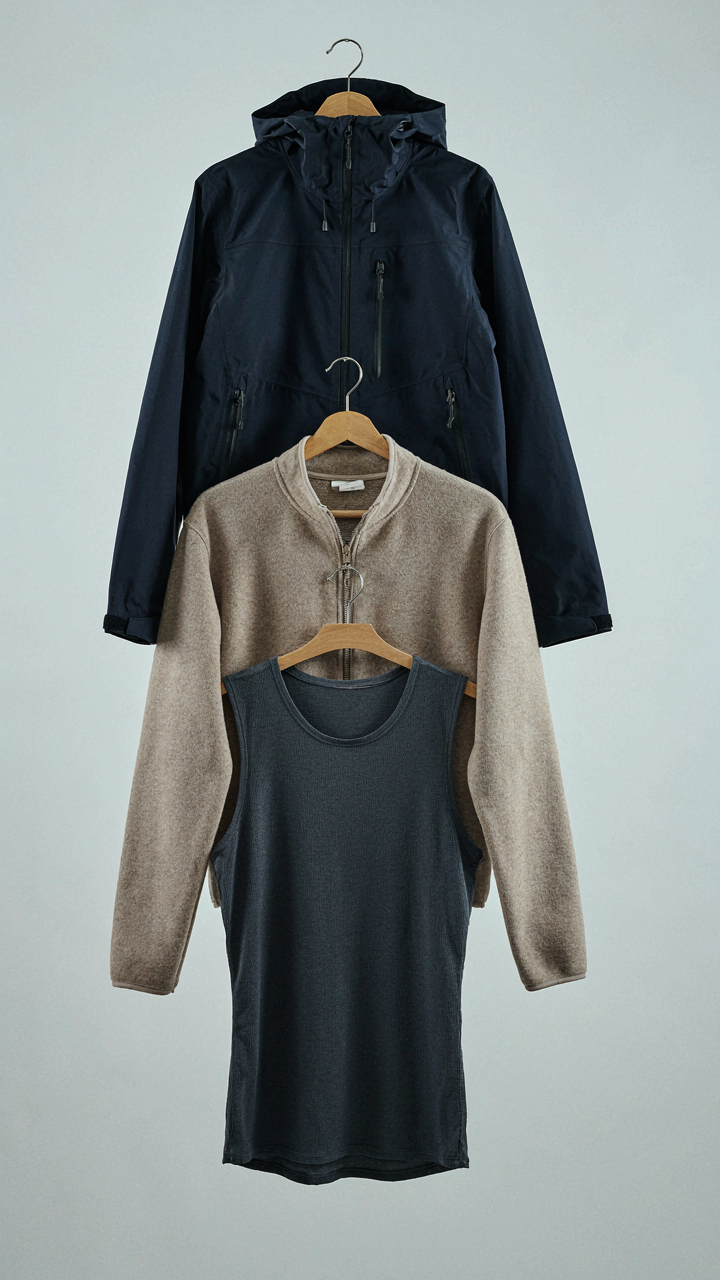
Bulk Without Warmth Solves Nothing
You want the visual proof that you prepared for winter. The mechanism nobody states plainly is this: most people layer to feel secure, not to regulate temperature. They add a sweater, then a fleece, then a puffer, creating a silhouette that reads as “I’m ready” while trapping dead air in all the wrong places and restricting movement so much they sweat under the arms, which then cools you faster than wind ever could.
The physics term is insulation value, measured in R-value. Each layer needs a specific job. A cotton sweater over cotton base layers creates zero advantage because cotton retains moisture and collapses under compression. You’re stacking materials that work against each other. Strip away the redundancy: base layer for moisture, insulating layer for warmth, shell for wind and water. That’s the architecture. Anything beyond it is theater.
Temperature Control Starts With Core Priority
The real constraint in New York winter isn’t how cold it gets outside. It’s that you move between overheated subways, heated offices, and street-level wind without warning. Your core temperature swings violently if you can’t adjust fast. Thermal regulation requires pieces you can remove or layer without adding bulk. A merino wool base layer wicks sweat and doesn’t smell after a full day. A mid-weight fleece or knit layer adds insulation without rigidity. A technical shell blocks wind without trapping heat.
The protocol: start with one quality base layer. Add one insulating layer that compresses small enough to tie around your waist if you overheat indoors. Wear a shell coat that fits over both without puffing into a marshmallow. Your layers adjust your temperature, not your ego. Test this on a weekday commute before you commit to the system.
Winter NYC Outfits: Function Over Fashion Faux Pas
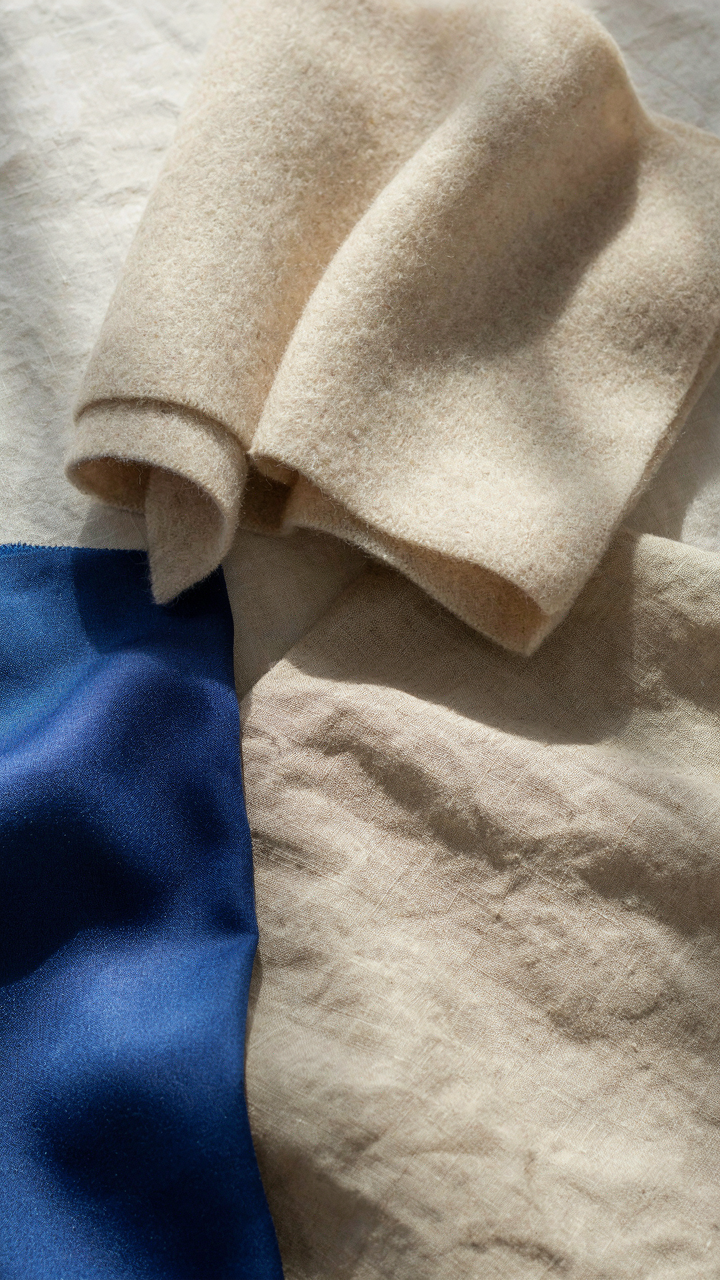
The Fabric Hierarchy That Actually Works
You want to look good without freezing. That’s the real calculation here, and most people sabotage it by starting with appearance and hoping warmth follows. Think in terms of thermodynamics: insulation works through trapped air, not thread count or brand name. Merino wool traps air in its fiber structure. Down does the same. Cotton does not. Synthetics like polyester bridge the gap with loft and moisture management. The mechanism is physics, not fashion.

New York winter demands a fabric stack, not a single garment doing all the work. Your base layer pulls sweat away from skin using synthetic or wool. Your mid-layer traps air using down, wool, or synthetic insulation. Your outer layer blocks wind and moisture. Skip any layer and the whole system fails. Most people wear cotton against their skin in winter, then wonder why they’re cold despite heavy coats. That’s the mistake. Start with the fabric that manages moisture first, then build outward.
The Traps Nobody Warns You About
The standard advice is wrong. People tell you to “layer” without explaining why most layering fails in an NYC winter. The trap is bulk masquerading as warmth. A thick sweater over a cotton shirt over another cotton layer creates compression that blocks airflow and traps moisture. You end up colder. The real enemy is humidity, not just cold temperature, because the city moves you between heated indoor spaces constantly.
Avoid statement pieces in winter. A visible designer puffer or expensive wool coat is a confidence play, not a thermal strategy. Wind cuts through logo-heavy gear the same way it cuts through anything else. Tight fitting jeans kill circulation in your legs and don’t insulate. Wool denim exists; use it or skip the denim entirely. Start with function, layer methodically, then choose colors and cuts that work within those constraints.
The Urban Survival Protocol: Adapting To Microclimates
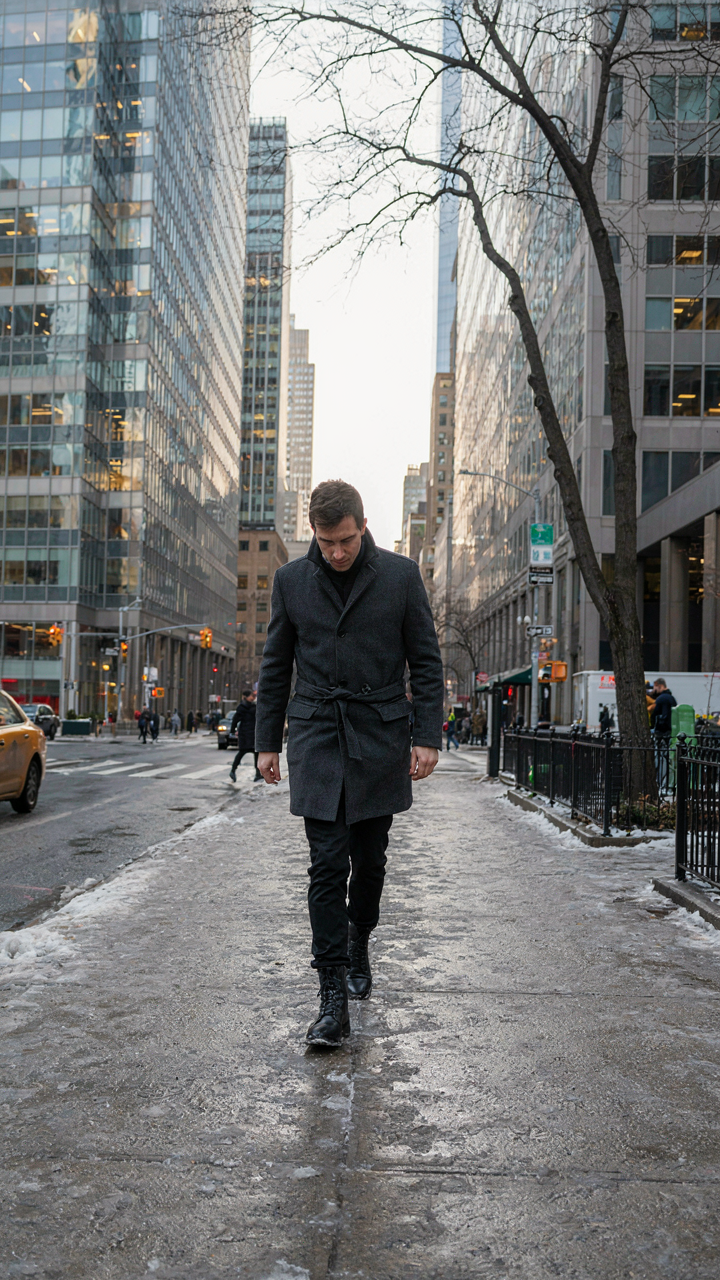
Wind Tunnels And Building Heat Sinks
You want to know this section because you’re tired of looking stupid when you’re underdressed on a specific block. NYC doesn’t have uniform winter—it has physics. Borrow the aerodynamics principle of pressure differential: tall buildings funnel wind down streets and accelerate it, creating zones 10 to 15 degrees colder than surrounding areas. The blocks between skyscrapers become wind tunnels. Fifth Avenue between 42nd and 59th Street, the stretch along Park Avenue South near Gramercy, and the avenues running north-south through Midtown all channel wind velocity upward. Your torso stays warm; your face and exposed neck absorb the acceleration.

Conversely, dense residential blocks and areas surrounded by lower buildings act as heat sinks. The Upper West Side above 86th, parts of the East Village, and neighborhoods like Park Slope trap ambient warmth and wind resistance. This isn’t preference—it’s measurable. Wear your heaviest insulation through the tall corridors. In residential neighborhoods, a mid-weight base layer under a wool sweater works because the microclimate doesn’t punish you. The protocol is simple: identify the geometry of buildings on your route, then match your insulation to the wind exposure, not the thermometer.
Footwear As Non Negotiable Infrastructure
This is where most advice falls apart. People say “wear boots.” That’s lazy. Your feet determine whether you move efficiently through winter NYC or whether you shuffle, slip, and waste energy staying upright. Boots need three properties: grip, insulation, and water resistance. The grip matters most. Icy patches form on sidewalks and subway stairs daily. Rubber soles with deep treads outperform leather. Insulation keeps blood in your feet instead of your core. Water resistance prevents the slow heat drain of damp socks.
Leather boots look intentional but fail on ice. Hybrid footwear with rubber-reinforced soles, wool linings, and waterproof uppers performs. Brands like Sorel, L.L.Bean, and quality hiking boot makers engineer for these conditions. Your feet are infrastructure. When they fail, your whole system fails because you’re now managing pain instead of managing temperature. Choose boots that solve grip first, then stack insulation and water resistance. Test them on an actual icy surface before committing to regular wear.
Long Wool Coat: The Unsung Hero Of City Style
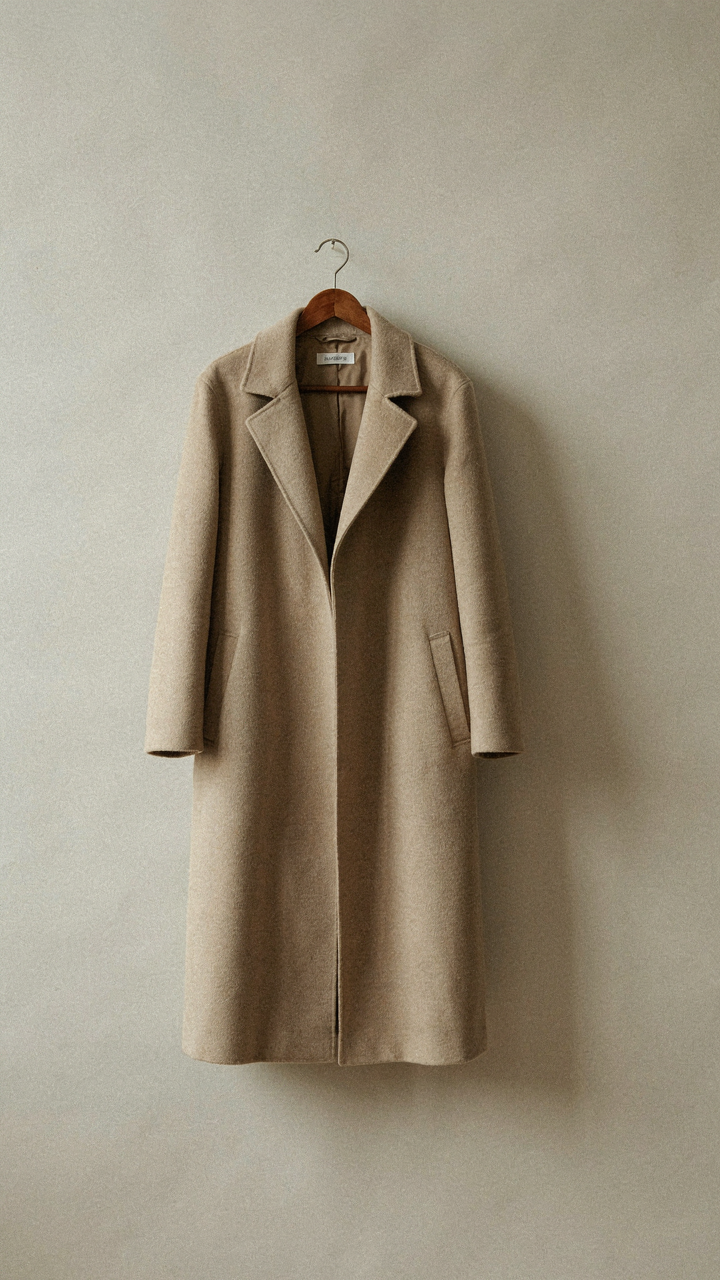
Wool Beats Synthetics In Urban Cold
You want the coat that signals you know what you’re doing without screaming for attention. Here’s the mechanism: wool retains heat through dead air pockets trapped between fibers, while synthetics rely on density alone. In physics terms, wool operates on insulation through structure rather than mass. New York winter demands this efficiency because you move between heated buildings and frozen streets constantly. Synthetics get rigid in cold and break down faster under the friction of constant layering and unlayering.

Wool also manages moisture better than synthetic blends. When you sweat under a coat indoors then step outside, wool wicks that moisture away without losing insulating power. Synthetics trap moisture, which then conducts cold directly to your skin the moment you exit a heated space. The real cost of cheap synthetic coats is the constant temperature shock your body endures. That’s not comfort. That’s a flaw in your equipment.
Quality Means Durability Over Seasons
Most advice says buy what you can afford and replace it yearly. That’s backwards. A quality wool coat costs more upfront but lasts eight to twelve years with basic care. The math is simple: spend three hundred dollars once or one hundred fifty dollars every two years and own inferior gear each time. Real wool fibers hold their structure through repeated wear because the fiber itself is resilient, not because of marketing.
The secondary benefit is timeless cut. A well-made wool coat in neutral colors never looks dated because the shape doesn’t follow trends. You wear it identically in year three as year one. That consistency builds recognition and removes a decision you’d otherwise remake every season. Check the weight when buying: aim for fourteen to sixteen ounces of fabric. Anything lighter than twelve ounces won’t block New York wind. Anything heavier than eighteen becomes cumbersome on subway platforms and crowded sidewalks.
Beyond The Puffer: Redefining Cold Weather Fashion
Wool Coats And Technical Alternatives
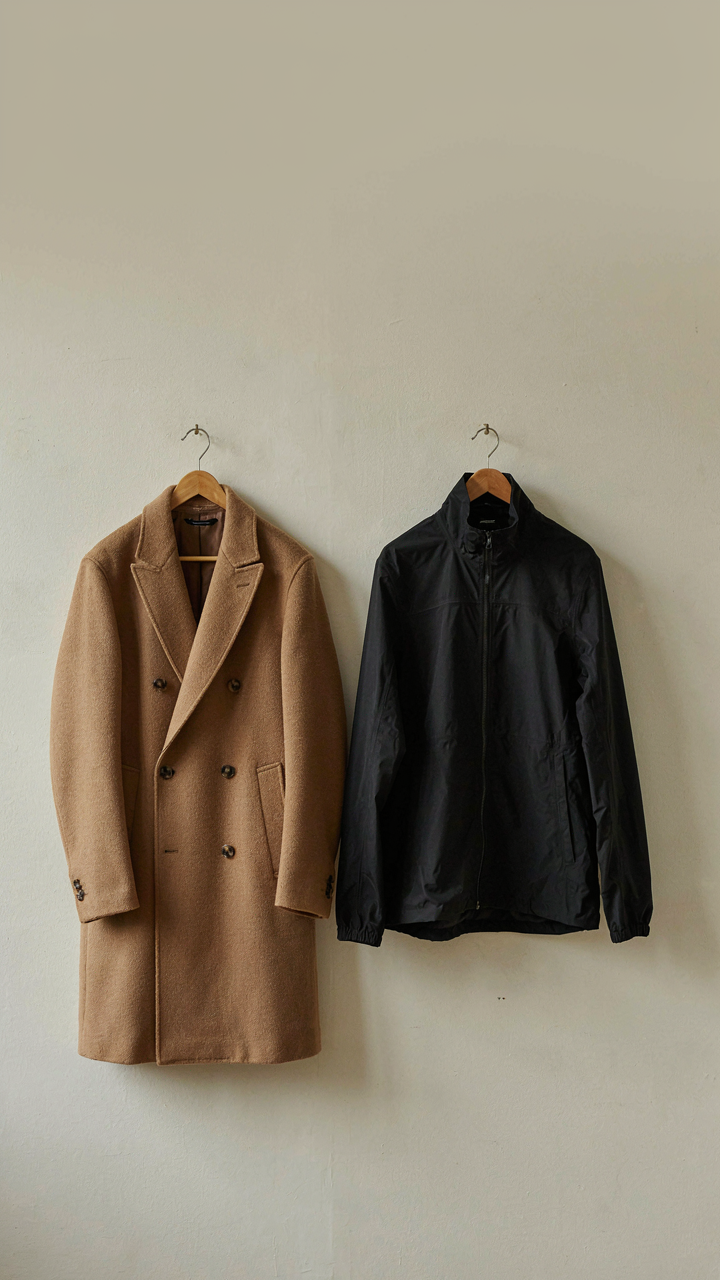
You want to look intentional, not like you bought the same jacket as everyone else on the L train. The mechanism is simple: puffers work, but they’ve become visual noise. Wool coats—particularly merino and wool blends—regulate temperature better than down because they manage moisture. Technical alternatives like synthetic insulation (Primaloft, Thermolite) match down’s warmth-to-weight ratio without the bulk. The real advantage isn’t the material itself. It’s that these coats hold their shape and project deliberateness. You’re communicating that you chose this, not defaulted to it.

Layering under wool or technical coats matters more than the coat itself. A fitted base layer pulls sweat away. A mid-layer adds insulation without volume. Then the coat. This system lets you adjust for the subway’s heat versus street cold without peeling off your entire upper body. Wool naturally resists odor, so you wash it less. Synthetic technical fabrics dry faster if you sweat. Both outlast fast fashion alternatives by years. The protocol: start with the base layer, add the mid-layer only on the coldest days, then decide on your coat based on wind and precipitation—not just temperature.
The Puffer Myth Needs Interrogation
Everyone says puffers are the answer, and that’s incomplete advice dressed up as wisdom. Puffers excel at one thing: trapping dead air efficiently. That’s physics, not fashion. The problem emerges when the fit is wrong or the weight is excessive. A poorly fitted puffer makes you wider. A heavy one restricts movement and makes you sweat indoors. New York winter requires you to move between cold streets and heated buildings constantly. A puffer doesn’t adapt to that. Wool and technical coats shed heat better when you’re indoors, meaning less sweating and fewer readjustments.
Down-filled puffers also compress and lose loft over time, especially in NYC’s humid climate. Synthetic puffers avoid that but often look cheap because the material doesn’t have the recovery properties of real down. Neither solves the core problem: you’re wearing a blanket in a city designed for movement. The better move is a tailored wool coat for daily wear and a technical puffer for genuine emergency cold or extended outdoor time. This distinction matters because puffers should be functional tools, not your default uniform. Wear them strategically, not constantly.
Nyc Outfits: The Thermal Intelligence Framework

Feedback Loops Over Fixed Formulas
You want a checklist so you never have to think again. That’s not how your body works in a city that swings from 65 degrees in the sun to 15 degrees in shadow. Cybernetics is the study of systems that self-correct through feedback. Your outfit needs the same mechanism: observe conditions, adjust layers, repeat. Most people dress for the forecast, not the moment. They freeze or overheat because they locked in a decision six hours prior.

The difference between staying warm and sweating through your coat is responsiveness. Check your actual temperature every ninety minutes by noticing whether you’re generating heat from shivering or shedding it through your core. Adjust a layer without removing the coat. Add a scarf. Unbutton your inner jacket. Remove gloves in a heated train car. Your clothing system must allow this without reshuffling your entire outfit. This is why rigid, single-layer solutions fail in NYC winter.
Sensing Before Solving
Common advice says dress in layers. That’s incomplete. Dressing in layers means nothing if you don’t know what layers do what or when to deploy them. The real variable is your baseline metabolic rate plus activity level plus ambient temperature plus humidity plus wind chill. You can’t calculate this. You can only sense it in real time and respond. Your body generates most of its heat through movement. A stationary wait for the subway demands different fabric choices than a twenty-minute walk.
Build your outfit around one primary heat retention piece that you never remove, then add or subtract everything else. For NYC winter, this is your insulated coat. Your secondary layer should be removable without compromising warmth. Merino wool or synthetic base layers trap heat even when damp from perspiration, unlike cotton. Check your hands and ears every fifteen minutes outside. If they’re numb, you’ve already failed. Adjust before that happens by moving to an interior space, increasing pace, or adding a hat before cold becomes pain.
How To Dress In Nyc Winter: Accessories As Strategic Assets
The Non Negotiable Layer
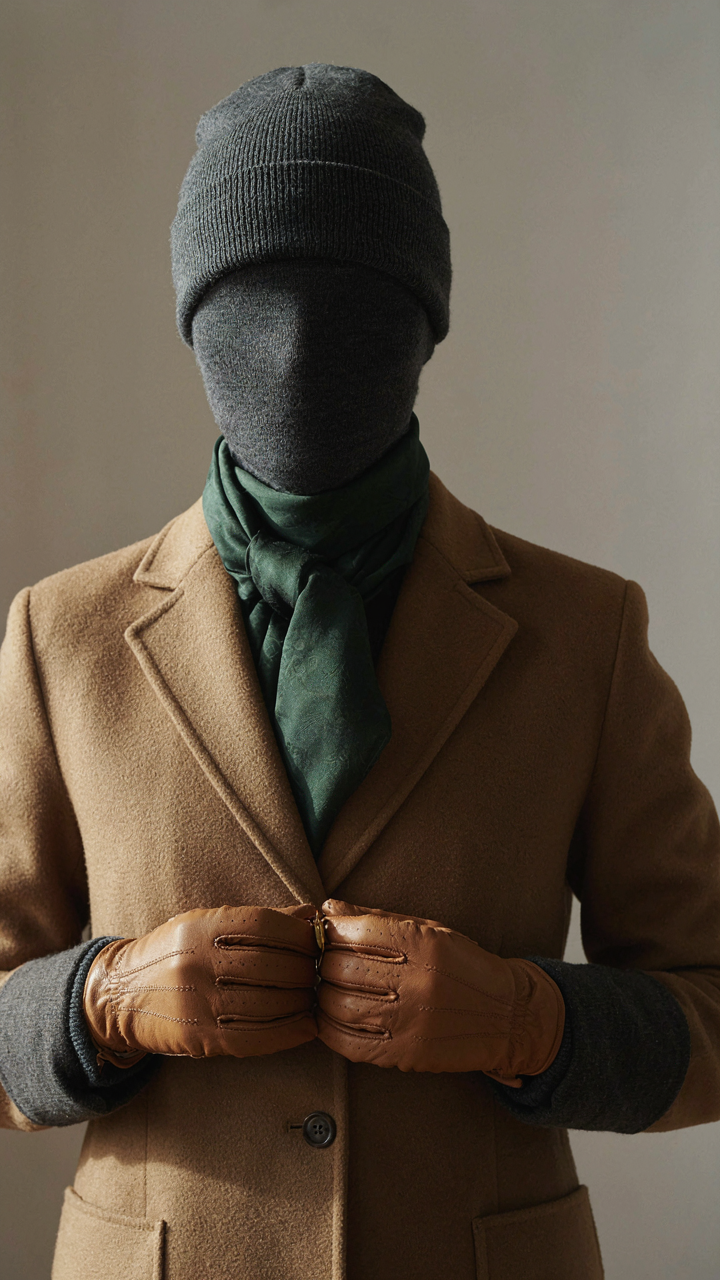
You care about this section because exposed skin in NYC winter isn’t just uncomfortable—it signals you don’t understand the game. The mechanism is simple: accessories aren’t decoration. They’re the system that keeps your core stable while you move through extreme temperature swings. A hat controls heat loss from your head. Gloves protect your hands from wind damage. A scarf acts as a buffer between your neck and the elements. Without them, your body exhausts itself regulating temperature.
- Wool Beanies: Merino or lambswool construction traps dead air without bulk. Choose fitted styles that sit low over your ears, not oversized knit caps that slip.
- Leather Gloves: Lined leather blocks wind better than knit. Touchscreen-compatible palms let you use your phone without removing them, keeping exposure time short.
- Silk Scarves: Thin silk layers trap warmth without the volume of chunky wool. Wrap once around your neck, tuck into your jacket. Silk doesn’t absorb moisture like cotton does.
- Insulated Socks: Merino wool socks regulate moisture better than synthetics. Your feet sweat in warm boots, then freeze when you step outside. Merino wicks and stays dry.
- Hand Warmers: Chemical packs in your pockets work for 8-10 hours. They’re not luxury—they’re infrastructure for anyone spending more than 20 minutes outdoors daily.

The real difference between people who stay warm and people who suffer through winter is this: they treat accessories like load-bearing equipment, not afterthoughts. You add them before you need them, not when you’re already cold.
The Invisible Optimization
Most winter advice treats accessories like they’re equal. They’re not. Utility beats visibility every time. A $200 designer scarf that doesn’t block wind is a prop. A $15 synthetic neck gaiter that seals your airway is infrastructure. The overlooked impact comes from stacking small efficiencies: a balaclava under your hat eliminates the gap where wind enters. Fingerless glove liners under your main gloves let you feel your phone without stripping bare. A base layer neck tube under your jacket seals the open space your collar creates.
The mechanism works like layering in construction: each piece covers what the piece below it doesn’t. Your hat covers your ears. Your scarf covers the gap between your hat and jacket collar. Your gloves overlap your jacket cuff. When gaps remain, cold finds them. The protocol is simple: before you leave your apartment, do a gap check. No exposed neck. No exposed wrist. No exposed ear. No exposed hand. Then you move.
Cozy Chic: The Illusion Of Effortless Warmth

Warmth Without The Bulk
You want people to assume you’re naturally put together, not that you’re fighting the cold. The mechanism is simple: layering beats volume. Winter dressing in New York operates on the physics principle of insulation, which relies on trapping air between materials rather than adding mass. Thin, dense layers under a fitted coat create warmth without the visual weight that kills your silhouette. Merino wool or quality synthetics under a tailored blazer work. Bulky down parkas broadcast surrender.

The real play is strategic material choice over garment stacking. A fitted wool turtleneck plus a structured coat creates the same temperature regulation as three oversized pieces, but reads as intentional. Your body doesn’t care about aesthetics. Your wardrobe choices do. Start with one quality merino base layer, add a fitted mid-layer that actually fits your frame, then top with a coat that fits in the shoulders. That’s the protocol.
The Confidence Mechanism
Comfort fuels confidence because physical discomfort creates a feedback loop that tanks your mental presence. When you’re cold, fidgeting, or restricted by ill-fitting layers, you broadcast distraction. New York reads that instantly. The inverse is harder to fake. You can’t perform social ease when your coat is strangling your movement or your base layers are sliding around. Your nervous system knows.
Wear clothes that maintain your body temperature without constraint, and your attention stays on the room instead of your own discomfort. A fitted wool coat that moves with you, insulated boots that don’t numb your feet, and gloves that don’t require removal every five minutes remove the friction between you and presence. Test this: observe how your posture shifts when you’re cold versus warm in fitted clothes. That’s not psychology. That’s physiology creating behavior, which others perceive as confidence.
Outfit For NYC In Winter: Curating Your Cold Weather Arsenal
The Uniform Approach
You want permission to stop thinking about what to wear. A minimalist winter wardrobe gives you that without the performance of looking like you don’t care. The mechanism is constraint. Fewer pieces force intentional combinations. You eliminate decision fatigue and the paralysis of options that masquerades as choice.

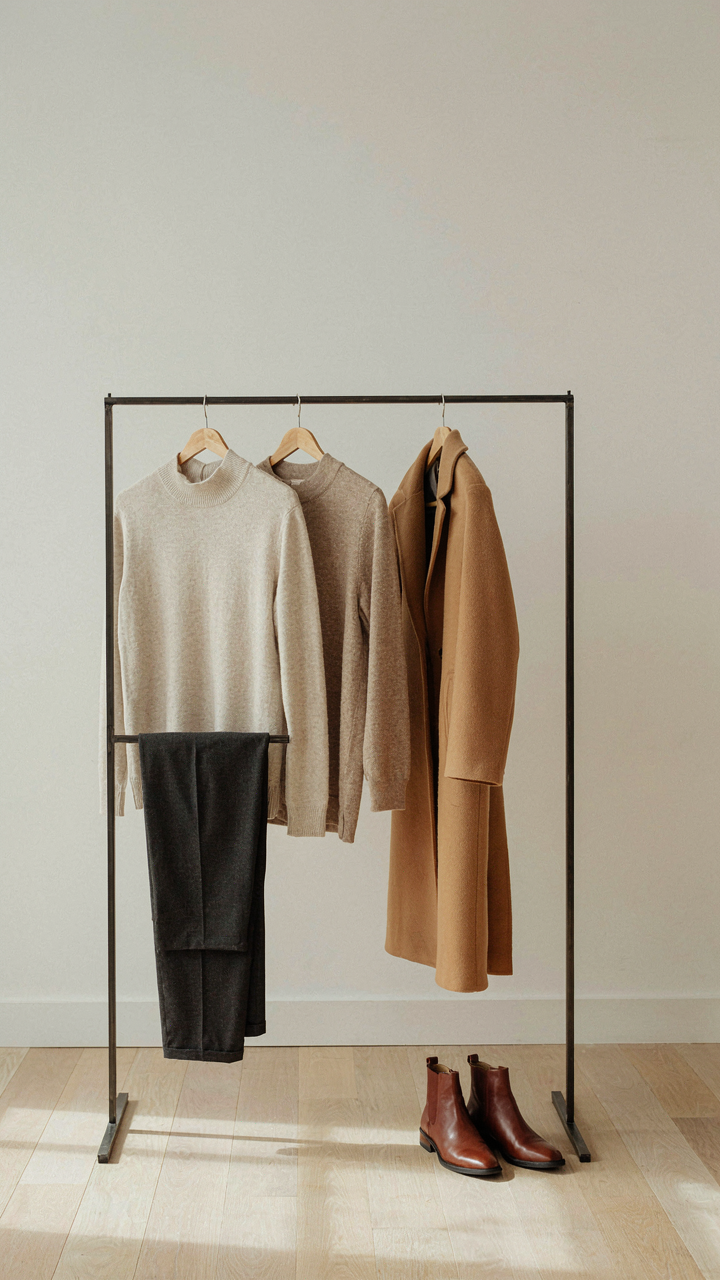
Start with a base layer that repeats: two or three neutral sweaters in merino wool or quality cotton blends that you can wear forty times without washing them to death. Add one structured coat, one lighter jacket for transitional days, and pants in black, charcoal, and navy. That’s your skeleton. Everything else builds from those five pieces. The goal is never “more.” It’s “fewer better things that actually work together.”
Quality Over Replacement Cycles
The conventional advice says buy what you can afford and replace it when it wears out. That’s a scarcity mindset. Wool and dense cotton last years if you pick the right weight. A coat from a brand that understands fabric construction costs more upfront but functions at thirty-five degrees and still fits correctly in year four. You’re trading the friction of replacement for the friction of a higher initial purchase.
Materials matter because NYC winter isn’t theoretical. Merino wool regulates temperature, doesn’t hold odor, and breathes when you move between heated subway cars and frozen streets. Real leather on boots and jackets ages into usability rather than deterioration. When you stop replacing clothes and start maintaining them, you notice fit, durability, and actual protection become the only variables that matter.
The Only Truly Cold Thing In NYC Is An Uninspired Mind

You don’t need more clothes. You need a system. Pick five pieces that work together, layer them with intention, and stop treating winter like a problem to solve. Most people freeze because they dress reactively instead of strategically. Today, photograph your winter staples and build three complete outfits from what you already own. You’ll realize you own more than you think and think less than you need to. Real style isn’t about owning everything—it’s about wearing what matters.