

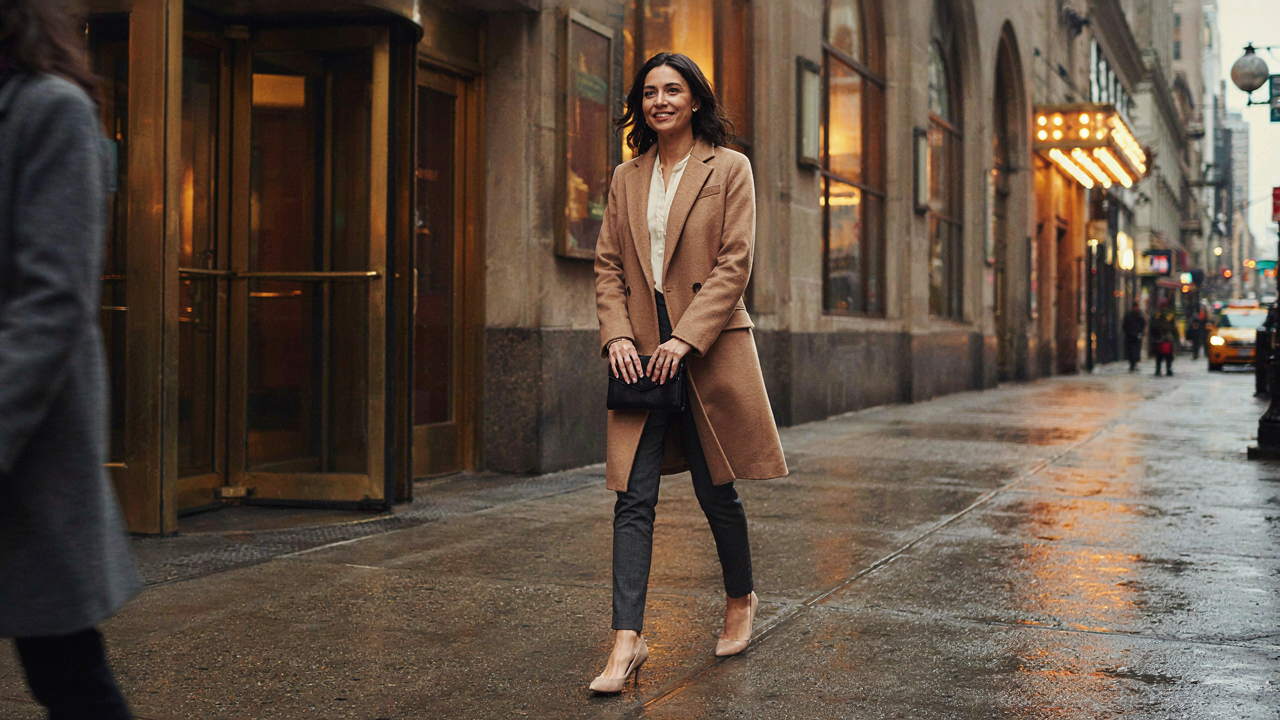
The Instagram Trap: Why Your Outfit Obsession Is Wasted Energy
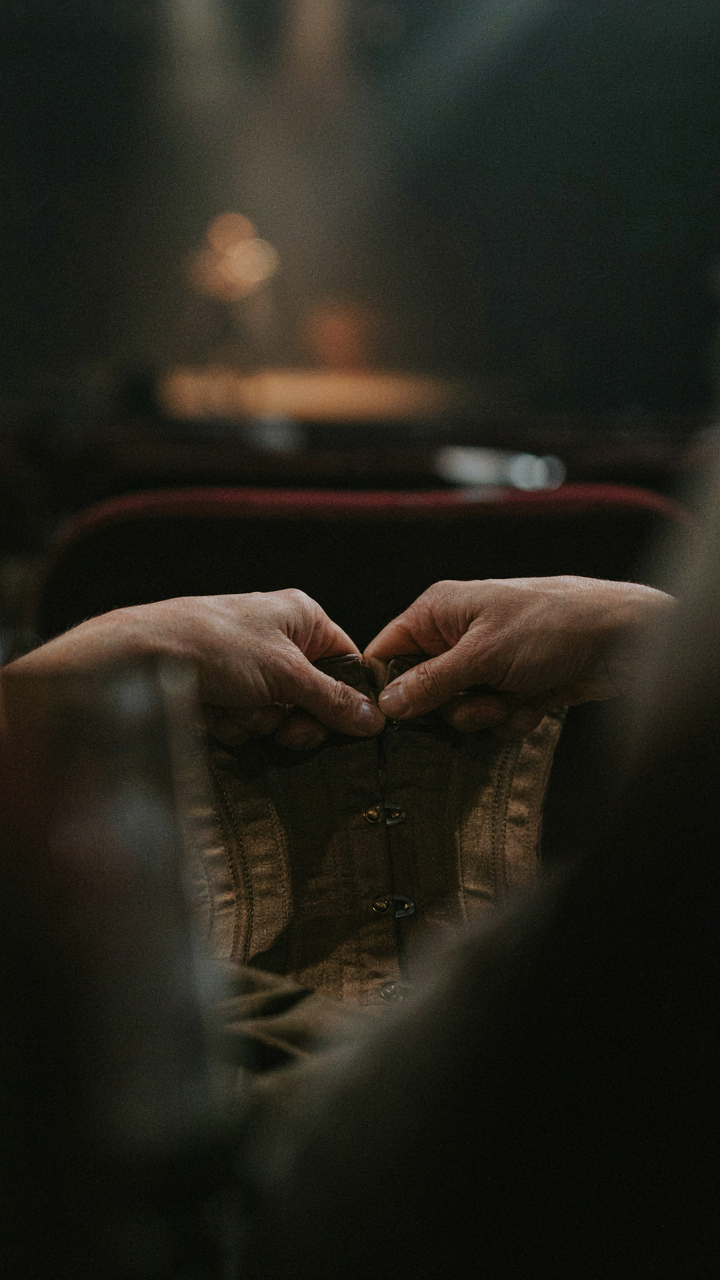
What You See Versus What Actually Happens
You care about this section because you’re afraid the wrong outfit signals something about your status or taste. Here’s the mechanism: social media shows you curated theater photos taken under ring lights with professional angles, then your brain treats those images as data about what Broadway demands. They’re not. Theater photos get engagement because they’re well-lit and composed, not because the outfit choices matter to anyone in the audience around you. The theater itself is dark. You’ll sit in a seat for two to three hours while actors perform on a stage forty feet away. Your outfit visibility window is the lobby and bathroom trips. Everyone else is doing the same calculation you are: showing up, sitting down, watching the show. Social media creates a false consensus that appearance matters more than it does because appearance is what photographs capture.
The actual mechanism at work is signal amplification. A photo of someone in a blazer at the Gershwin Theatre gets likes because the composition works, not because blazers are mandatory Broadway attire. Your brain registers the likes as validation of the outfit choice, then you assume others made the same observation. They didn’t. Most people in that theater don’t remember what anyone wore. They remember whether the show was good.
The Myth Of The Mandatory Broadway Look
Common advice says you need to “dress up” for Broadway, implying there’s a look you must hit. That’s incomplete. There is no dress code at Broadway theaters except at a handful of venues for specific events, and those are clearly stated when you buy tickets. The Theater District is a working commercial area in Midtown Manhattan. Women wear everything from jeans to ball gowns on the same block without consequence. What matters is that your outfit doesn’t distract you during the show. If you spend the performance thinking about your clothes, the outfit failed regardless of how it looked.
The real constraint is comfort during a two to three hour sit with minimal movement. Wear something you can actually wear for that duration without adjusting, pulling, or worrying. Avoid shoes that hurt after an hour. Skip anything that requires constant repositioning or fidgeting. Your outfit’s job is invisibility, not impression. When you stop thinking about it halfway through Act One, you’ve won.
Decoding The Dress Code: What “Smart Casual” Really Means

What Smart Casual Actually Requires
You’re worried the wrong outfit signals you don’t belong. Here’s the mechanism: dress codes exist to filter social friction, not enforce taste. “Smart casual” for Broadway means you’ve eliminated the visible markers of either extreme—no gym clothes, no black-tie formality. In practice, this means tailored pieces in neutral colors paired with one elevated detail. A blazer over dark jeans. A structured dress with real shoes. The rule is internal consistency, not a specific formula.

The theaters on Broadway don’t enforce dress codes, which means the code enforces itself through social observation. You’re reading the room the moment you walk in. Smart casual translates to: your clothes fit your body without excess fabric, they’re made from materials that hold their shape, and they communicate that you chose them intentionally. Most people fail at the third part and wear whatever was clean. You won’t.
Timing And Venue Shape Your Real Options
Time of day and theater location determine what reads as appropriate far more than any written guideline. A matinee in Times Square operates on different social rules than an evening show in the Marquis Theatre on Broadway versus an off-Broadway venue in the East Village. Matinees skew casual because audiences include families and tourists. Evening performances, especially previews and opening nights, trend toward slightly more formality. Off-Broadway allows more experimentation. The mechanism here is crowd composition: you dress for the majority of people in the room, not an imaginary standard.
Your actual protocol: check the show’s typical audience demographics, note whether you’re attending matinee or evening, then choose pieces that sit one level above what that crowd wears casually. If it’s an evening performance of a major production, add a blazer or structured layer. If it’s an afternoon performance of a comedy, quality jeans with a nice top works. The venue’s physical environment matters too. Smaller, older theaters run warmer and feel more intimate, so slightly less formal reads correctly. Larger modern houses feel more formal by default.
The “Comfort First” Protocol: Outsmarting The Seating Arrangement
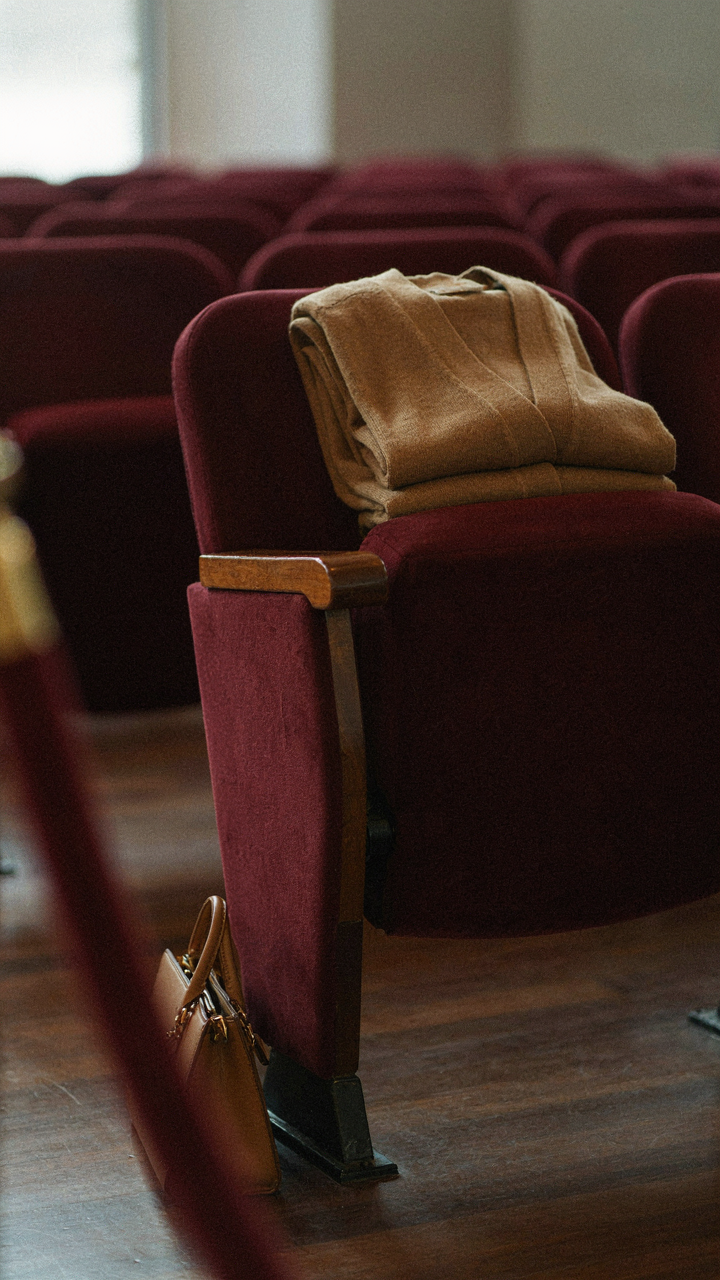
Sitting Still For Three Hours Straight
You want to look polished without fidgeting through the entire second act like you’re being physically punished. Here’s the actual mechanism: Broadway theatres keep you seated for 2.5 to 3.5 hours with minimal movement. Your outfit either supports this constraint or fights against it. Tight waistbands, restrictive fabrics, and shoes designed for walking ten blocks become active liabilities the moment you sit down. Discomfort manufactures distraction, and distraction kills your ability to track the story.

Prioritize pants, skirts, or dresses with give at the waist and hip. Natural fibers breathe better than synthetics during prolonged sitting. Cotton blends, linen, and wool allow your body to regulate temperature without triggering the fidget reflex. Avoid anything that digs into your ribcage or requires constant adjustment. Your clothes should disappear from your awareness the second you sit, not remind you they exist every five minutes.
Temperature Shifts Demand Planned Layers
Theatre HVAC systems operate like military supply chains: unpredictable and designed around capacity, not comfort. Some houses run arctic cold. Others maintain warmth in the lobby but blast AC in the seating area. Your task is thermal regulation without the visual bulk that reads as “I didn’t plan this.” Start with a base layer in a breathable fabric. Add one structured outer layer you can remove and drape across your lap or chair back without consuming floor space.
A blazer, structured cardigan, or linen overshirt works as your temperature valve. Remove it in the lobby if you’re warm. Wear it into the theatre and shed it once seated. Skip heavy coats that force you into awkward wrapping and draping during the show. Scarves add zero practical warmth in a seated position and become a tangled distraction. Your layering system succeeds when you forget it’s there and the temperature stops registering as a problem.
Accessories As Strategic Tools: The Minimalist Approach
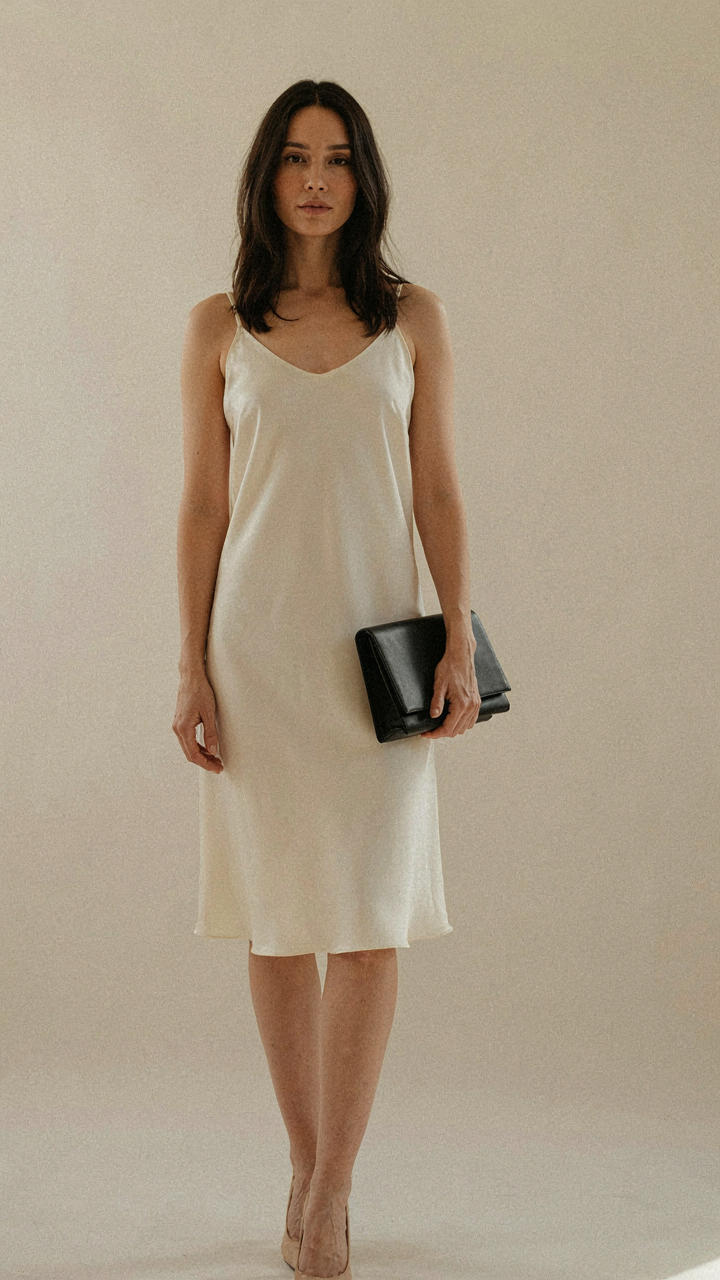
Every Item Earns Its Seat
You want permission to look expensive without trying. That’s the real question. Military strategy operates on a principle: concentration of force. In accessories, this means every piece must justify its presence through either function or visual weight. A woman wearing five accessories dilutes her impact. A woman wearing two chosen ones compounds it. The difference isn’t subtle.

Start by auditing what you own. Which pieces actually work across multiple outfits? Which ones solve a problem—temperature, light reflection, hand placement? A structured clutch isn’t decoration; it’s a container that shapes your silhouette. A silk scarf isn’t filler; it catches stage light and adds dimension to a neutral base. Bags designed to sit under the arm, not across the body, maintain your posture and line. Keep this filter: if an accessory doesn’t either enhance proportions or serve logistics, it stays home.
The Footwear Calculus
Comfort isn’t sentiment on Broadway. It’s engineering. You’ll stand in line, climb theater stairs, and sit in a seat where your feet remain visible if you cross your legs. A three-inch heel that distributes pressure across a wide platform keeps you steady for four hours. A thin stiletto creates fatigue by hour two, which reads as tension in your face and posture under stage light.
Leather soles grip theater carpeting better than rubber, preventing the subtle slip that throws off your stride. Closed-toe shoes maintain a formal line; open-toe reads casual unless the show is experimental or outdoor. Black or neutral tones work universally and won’t compete with what’s happening onstage. Before you buy, walk in the shoe on hard flooring and carpet samples for at least ten minutes. If your foot slides forward or your calf tightens, the shoe fails the test regardless of how it looks.
The Matinee Vs. Evening Show: Subtle Shifts, Not Overhauls
Daytime Theater Requires Strategic Restraint
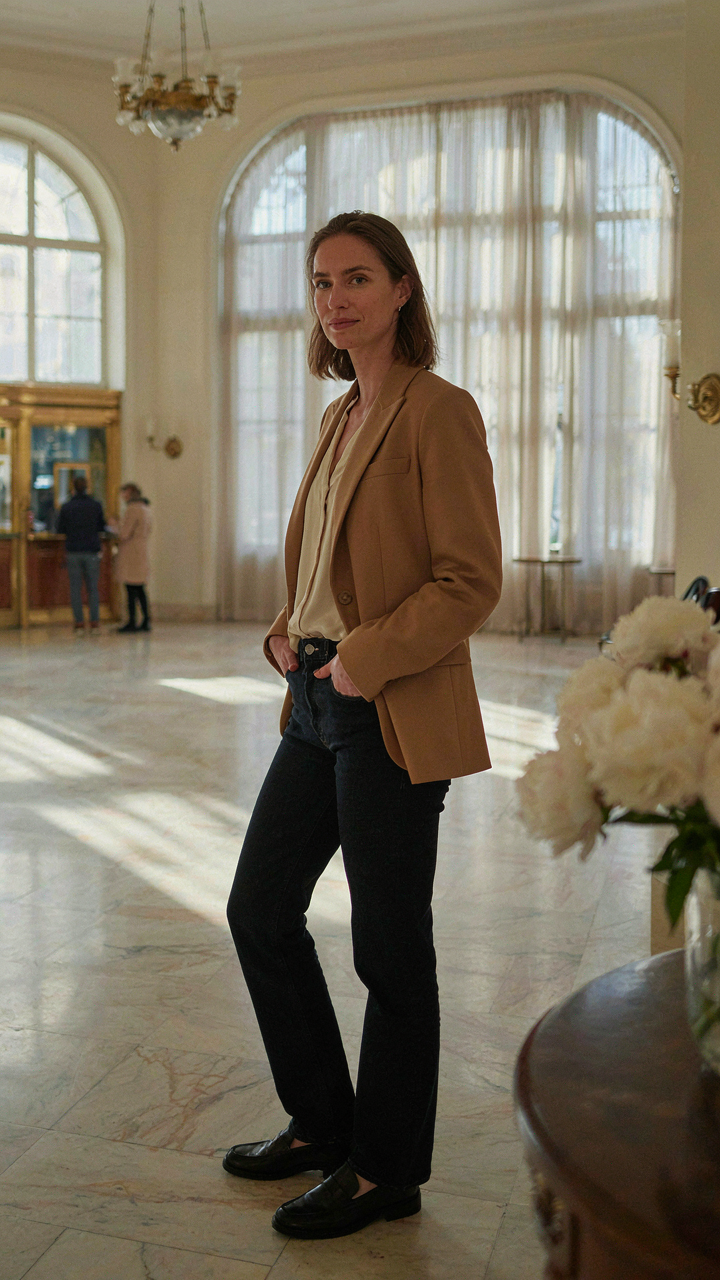
You’re worried you’ll underdress and look like you don’t belong. Here’s the mechanism: matinee audiences contain tourists, retirees, and families. The room’s actual energy is lower. Think of it like light refraction in physics—the same outfit behaves differently depending on what’s hitting it. In daylight and fluorescent lobby lighting, fabric reads differently than under stage lights and evening dimness. A matinee show doesn’t require less effort. It requires calibrated effort. Wear structured pieces without maximum visual weight. A blazer, dark jeans, and a simple top work. Avoid sequins, heavy metallics, or anything that screams “event.” You’re aiming for “I got dressed intentionally” not “I prepared for three days.”

The timing of the show determines your audience composition and the venue’s visual environment. A 2 PM curtain means you’re surrounded by people in their everyday clothes, not people who blocked their calendar for a night out. Matinee attendees don’t expect formality from anyone else. Your outfit should read as polished casual. Leather flats, loafers, or structured boots anchor the look better than heels. Skip the dramatic jewelry. A simple watch and understated earrings signal intentionality without competing with the stage. The goal is to be invisible in the lobby and seat while dressed too well for a coffee run.
Evening Performances Allow Deliberate Elevation
Evening shows operate under different social contract. The room fills with people who chose this specific night, paid more for tickets, and mentally prepared for an experience. The dress code unspoken expectation rises—not because of rigid rules but because the collective energy demands it. You can now introduce the elements matinee restraint removes. Heels become appropriate. A dress replaces jeans without looking overdone. Fabrics can have more visual interest. Gold or silver jewelry lands differently under evening lighting than daylight.
The shift isn’t about wearing something completely different. It’s about upgrading individual components. If matinee was blazer plus jeans, evening can be blazer plus tailored trousers or a midi skirt. If matinee was flats, evening can be heels or statement shoes. If matinee was a simple pendant, evening can be layered chains or chandelier earrings. The principle stays consistent: Broadway audiences reward intentionality and consistency, not costume. An evening outfit shows you understand the occasion requires more considered choices. Wear something that makes you stand taller when you enter the theater. That posture shift is where the real difference lives.
Beyond Trends: Cultivating Your Personal Broadway Style
Stop Copying What Everyone Else Wears
You want permission to dress like yourself without looking out of place. That’s the real question hiding behind “what should I wear.” The mechanism is simple: Broadway crowds run wide demographically, so the dress code is actually loose. Your job isn’t to match some invisible standard. It’s to wear something that works for your body, your lifestyle, and your actual closet without apologizing for it.

Most advice on this topic is garbage because it treats Broadway like a single dress code event. It’s not. You’ll see women in full gowns next to women in tailored blazers and jeans. The constraint isn’t what you wear. It’s that you finish getting dressed, stop second-guessing, and move. Your outfit succeeds the moment you stop thinking about whether it’s “right enough.”
The Economics Of Never Replacing Your Clothes
Economics teaches you about opportunity cost: spending money on one thing means not spending it on another. Apply this to your closet. A well-cut black blazer worn twelve times to Broadway-caliber events over three years costs pennies per wear. A trendy piece worn twice costs everything. Buy pieces that work across seasons, pair with different items, and still fit in three years. Your goal is to reduce the number of times you stand in front of your closet panicking about what to wear.
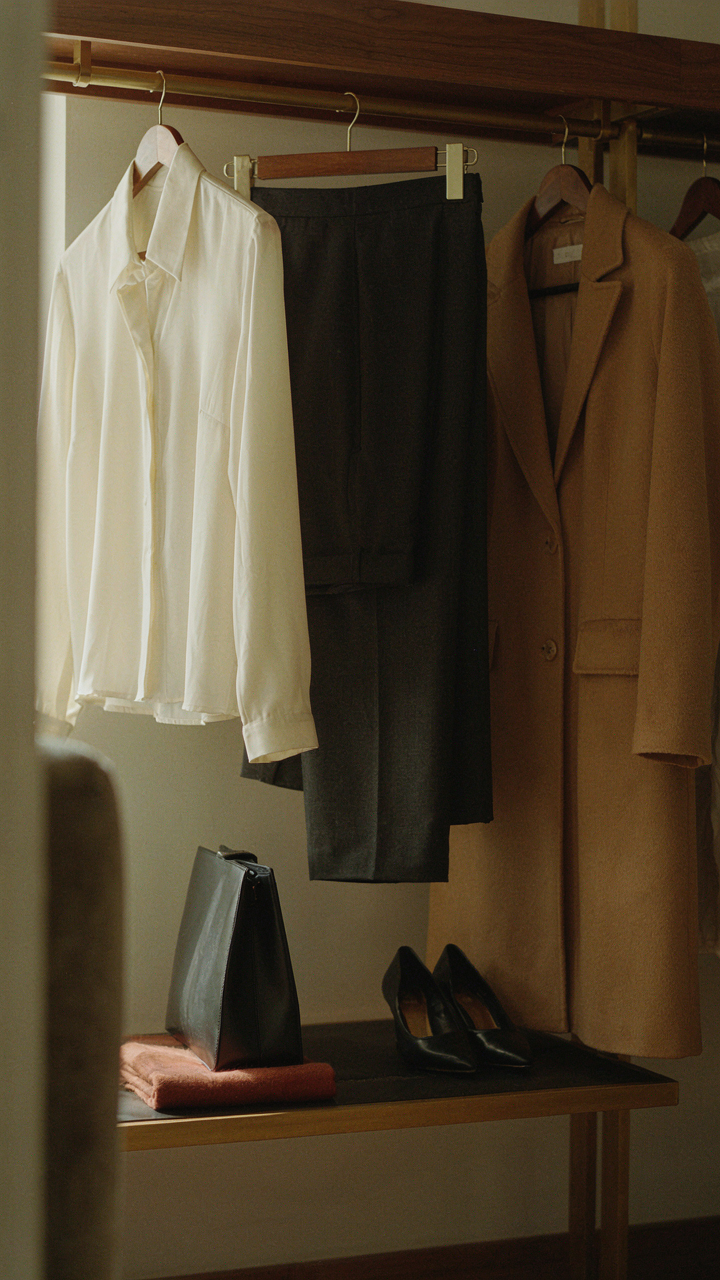
Timeless pieces aren’t boring. They’re efficient. A cream silk blouse, dark tailored trousers, a structured coat, leather shoes you can actually walk in. These items combine endlessly. You build outfits faster, waste less money, and show up looking intentional. That’s not restraint. That’s leverage. Start by replacing one trendy piece in your rotation with something you’d wear to a Broadway show, a work dinner, and a weekend brunch without feeling out of step.
Fabric Intelligence: What To Wear To See A Broadway Show

Breathable Materials That Actually Work
You care about this because sitting for three hours in the wrong fabric turns you into a sweating, wrinkled mess, and that undermines every other choice you made. Here’s the mechanism: fabric breathability is thermodynamic efficiency. Cotton, linen, and performance blends allow moisture vapor to escape. Synthetics trap heat and humidity against your skin. A Broadway theater runs cool, but your body generates heat under stage lights and packed seating. Choose natural fibers or modern moisture-wicking synthetics designed for active wear, not evening gowns that prioritize appearance over function.

Wrinkles compound the problem because you’re immobile for extended periods. Silk wrinkles immediately under pressure. Heavy cotton resists wrinkling but can feel stiff. Linen wrinkles but telegraphs intentional texture rather than neglect. Blended fabrics with small polyester percentages maintain wrinkle resistance without feeling synthetic. A ponte blazer stays pressed. Knit fabrics bounce back from compression. Test any fabric candidate by sitting in it for twenty minutes, then standing up and checking the damage. That’s your actual preview.
Fabric Weight And The Comfort Threshold
Theater comfort is a physics problem: lighter fabrics reduce body load, heavier fabrics trap temperature. Most women wear fabrics too heavy for indoor passive sitting. A structured dress fabric at 6 to 8 ounces per square yard works. Anything above 10 ounces creates unnecessary thermal stress. Lightweight wool, crepe, and quality jersey all clock in at practical weights. The tradeoff is drape and structure, but modern cuts compensate for thinner materials. Wear a slip under light fabrics to prevent cling and manage sheerness.
Fabric weight also determines how your outfit photographs and reads under theater lighting. Heavy fabrics absorb light and look flat. Medium-weight fabrics reflect light naturally. Too-light fabrics can appear translucent or insubstantial on stage and from a distance. Layer a structured piece over lighter basics to create visual weight without thermal burden. A tailored blazer over a silk shell achieves both presence and breathability. Bring a cardigan or jacket you can remove after the first act if the theater runs cold, which most do.
The “Effortless Elegance” Fallacy: It Takes Work
Stop Confusing Intention With Outcome
You want people to think you didn’t try. That’s the real reason you’re reading this. The mechanism is simple: in fashion, perceived effort kills status. So everyone pretends their outfit happened by accident. This is a lie. Effortless elegance requires ruthless curation beforehand. You decide what works weeks before the curtain rises, not thirty minutes before you leave your apartment. The women who look like they threw something on spent time eliminating options.

Execution beats inspiration every time. You build this by knowing your body’s constraints, your venue’s actual dress code, and which pieces in your closet actually coordinate. Most women own clothes that don’t speak to each other. A blazer that works with one pair of pants but nothing else creates friction. Real versatility means each piece functions across multiple outfits without negotiation.
Building A System, Not A Wardrobe
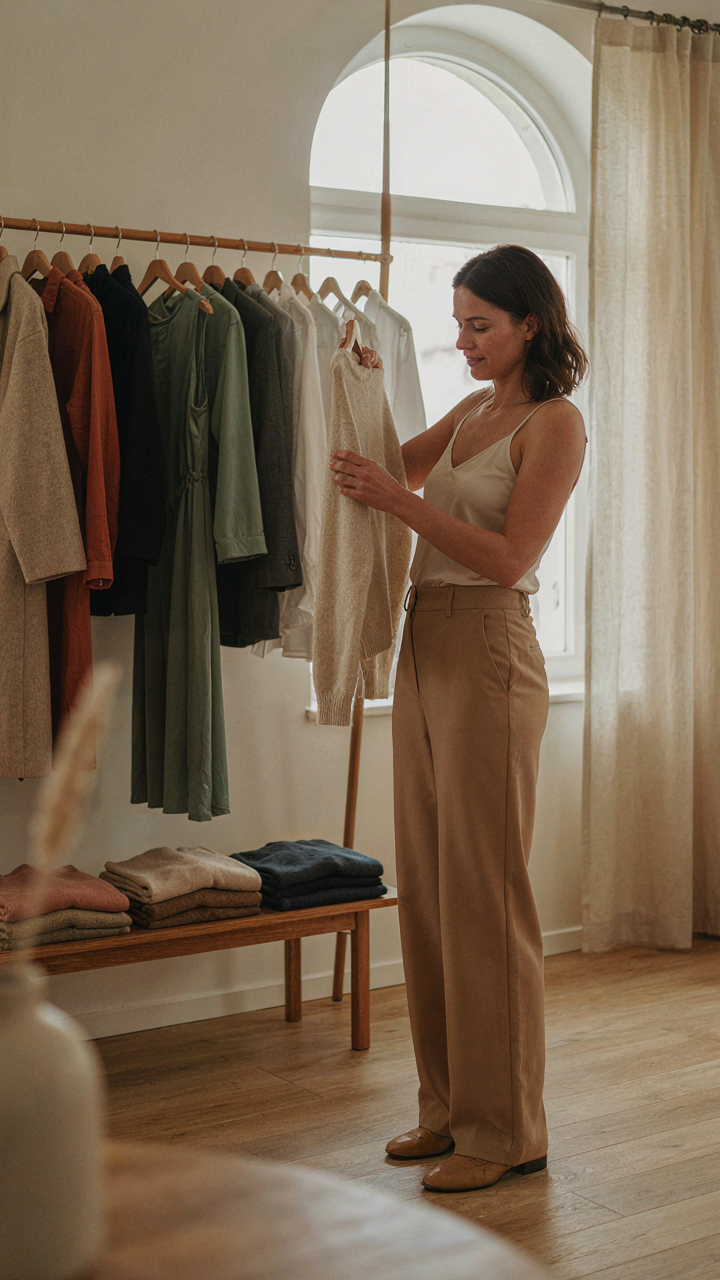
Think of your closet like a military supply chain: redundancy and interchangeability matter more than volume. Each item you own should connect to at least two other pieces you already have. A black pant works with neutral tops and statement accessories. A cream blouse pairs with black, navy, and jewel tones. This isn’t about buying more. It’s about buying pieces that work across contexts: daytime work, evening theater, casual dinner after.
Start by identifying which colors actually live on your body without clashing. Most women wear eight colors when three or four would serve them better. Stick to a primary palette, add one accent color, and move on. This eliminates the paralysis of choosing. When you get dressed for a Broadway show, you’re not deciding between 200 options. You’re picking from pre-vetted combinations that you’ve already tested.
What Not To Wear: Avoiding Common Pitfalls
Clothes That Compromise Your Comfort
You’re worried you’ll look wrong, so you’re really asking: what won’t get me judged? The mechanism is simple. Your nervous system stays activated when you’re physically uncomfortable, which means you can’t actually watch the show. You’re in fight-or-flight mode instead of engaged in the experience.
- Restrictive waistbands: Sitting for two to three hours means elastic digs into your stomach. Choose high-rise pants or skirts with stretch, not rigid belts pulling tight.
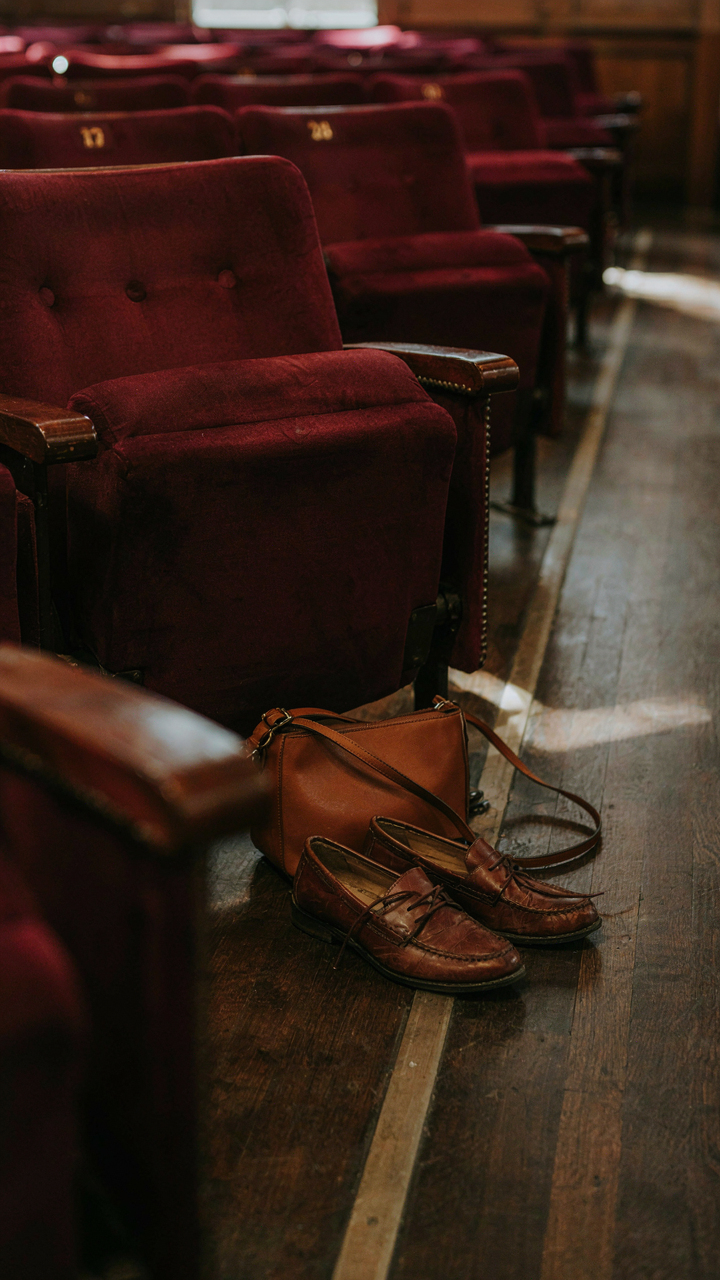
- Stiff new shoes: Broadway involves walking to your seat, climbing stairs, and standing during intermission. Wear shoes you’ve already broken in, or accept that pain will dominate your night.
- Scratchy fabrics: Sequins, heavy brocades, and synthetic blends that don’t breathe create itching and overheating. Cotton, linen blends, and soft jersey give you zero friction.
- Anything requiring constant adjustment: Strapless tops that slip, loose sleeves you must push up, or loose hems that catch on seats distract you every few minutes.
- Underwear that shifts: Thongs in unfamiliar sizes or ill-fitting bras spend the whole show migrating. Wear what you already know works against your body.

Discomfort isn’t a character-building exercise. The theatre demands your attention on stage, not on your own body. Pick clothes that feel invisible the moment you sit down.
Bags And Outerwear That Create Obstacles
Theatre seats have limited space. Your bag and coat become physical problems that either get in your way or annoy the people next to you. The standard advice says to “keep things minimal,” but that misses the actual constraint: Broadway theatres have strict rules about what goes where.
Most Broadway venues require you to check coats during the show. A small crossbody bag or clutch fits under your seat without taking up leg room. Large totes, backpacks, or shopping bags get in the way of your knees or your neighbor’s sightline. Oversized winter coats don’t fit in most theatre coat check spaces, so arrive early if you’re wearing one. During intermission, your bag stays with you or checked, not draped on an empty seat next to you. This is both theatre etiquette and practical—staff clean seats during intermission.
The Only Rule: Dress For Yourself, Not The Audience
Stop Seeking Permission From Strangers
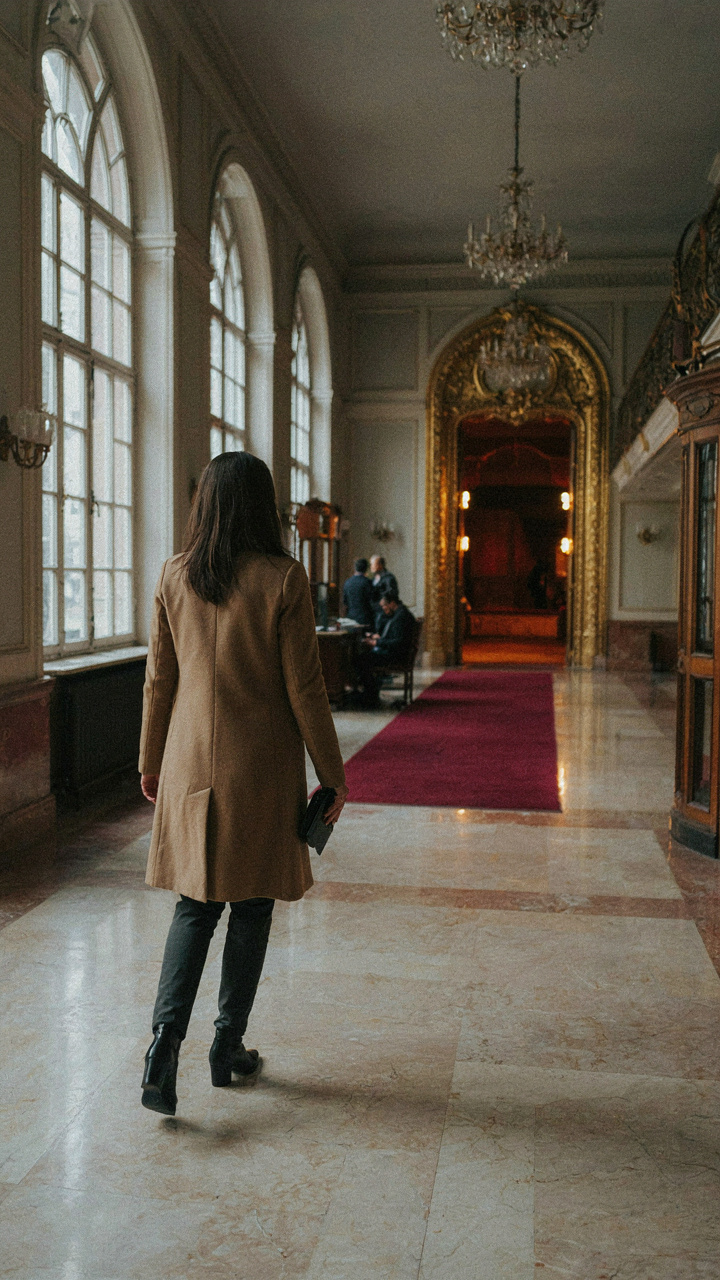
You’re worried someone will judge you. That’s the real issue here. The mechanism is simple: you’ve internalized a fake rule that Broadway requires formal performance from you, when the actual rule is that Broadway attracts people too focused on the stage to scrutinize your outfit. The crowd isn’t a jury. They’re distracted.
Most advice tells you to dress “appropriately” without defining what that means. It’s useless. The truth is that Broadway audiences wear everything from jeans to cocktail dresses. You wear what you’d feel confident in anywhere else. Confidence reads as intentional. Indecision reads as apologetic. Pick one and stop negotiating with yourself the moment you leave your apartment.
The Mechanism Of Presence
Confidence operates like signal-to-noise ratio in engineering. The clearer your signal, the less noise matters. When you dress in alignment with who you actually are, you project certainty. Other people respond to certainty, not to adherence to dress codes. Broadway crowds detect this instantly because the theater amplifies authenticity.
Presence isn’t about looking polished. It’s about moving through space like you know why you’re there. Wear clothes that let you forget about them. Wear shoes you can walk in without pain. Wear colors that don’t make you second-guess yourself mid-show. The outfit disappears. What remains is just you, actually present.
The Only Fashion Rule You’re Breaking Is Your Own Insecurity
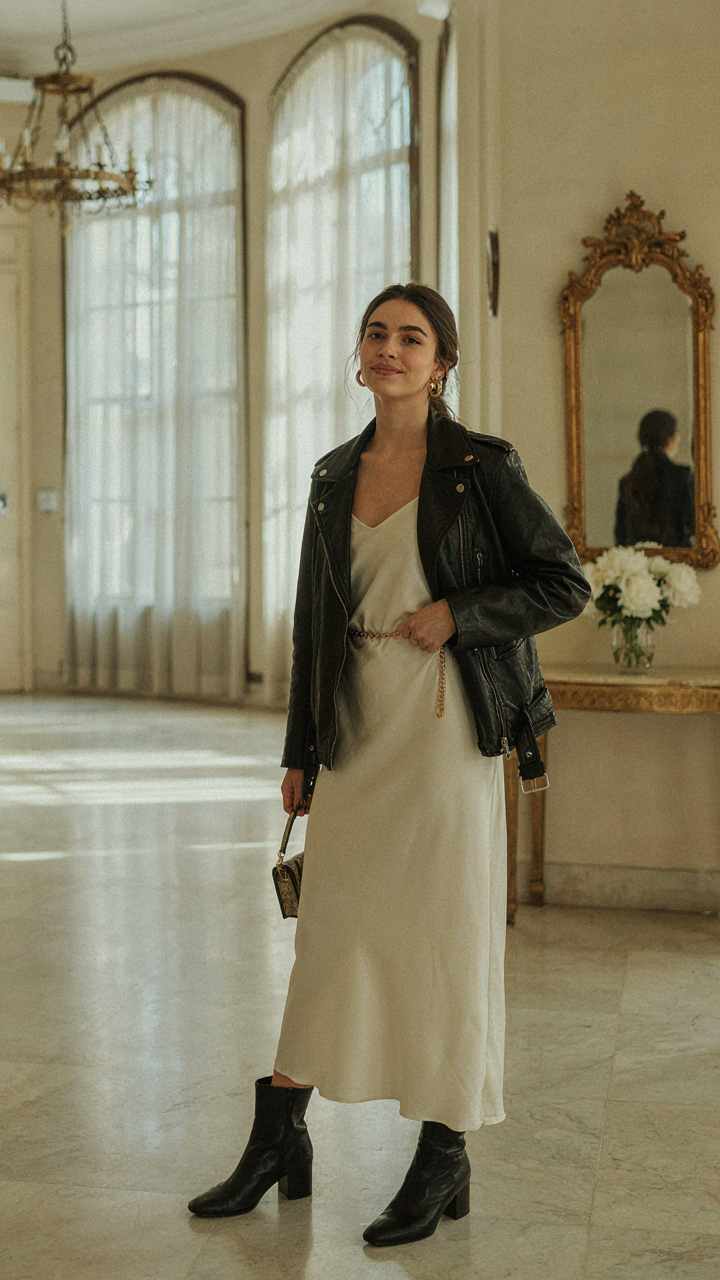
You don’t need permission to wear what makes you feel powerful in that theater. The real show starts the moment you stop apologizing for your choices. Pick one outfit today. Not tomorrow. Not next week. Screenshot it, try it on, commit to it. Broadway doesn’t remember what you wore. It remembers how you carried yourself. Confidence reads from the back row.