


The Myth Of Predictable Spring: What To Pack For Europe In Spring
Spring Isn’t Mild, It’s Volatile
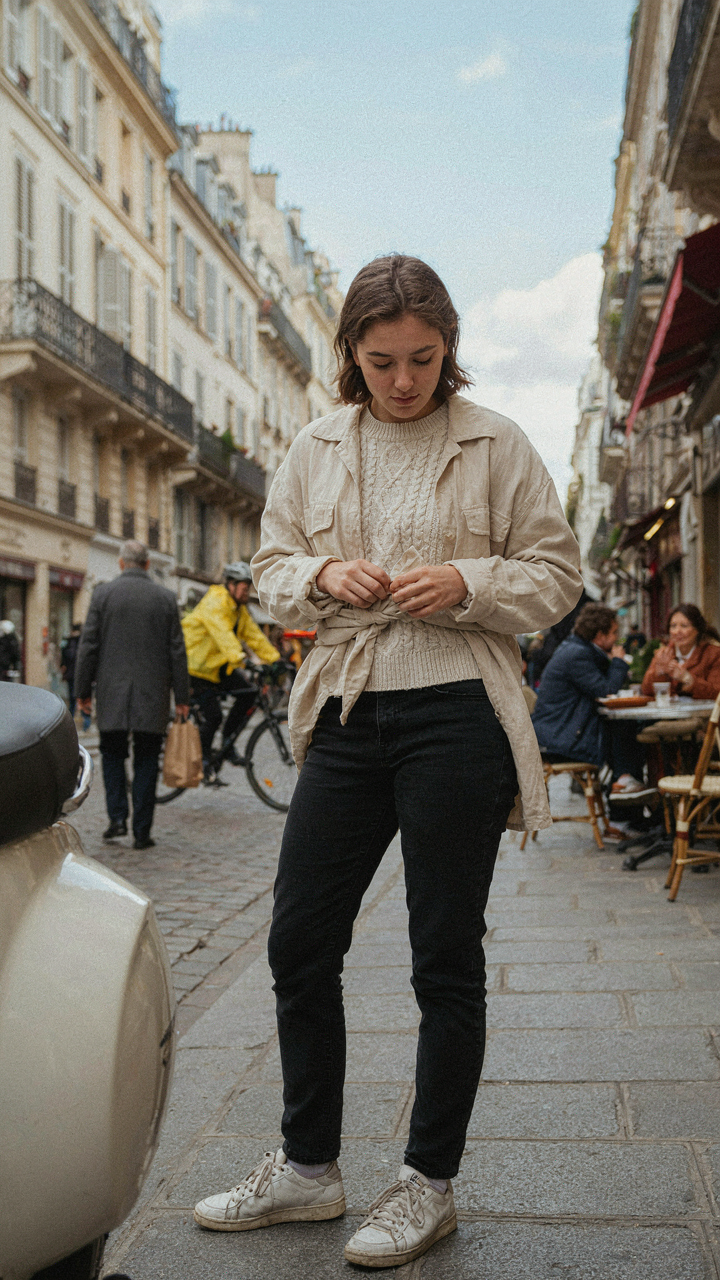
You want to pack light because you’re afraid of overpacking—afraid you’ll look like a tourist, afraid you’ll waste luggage space, afraid spring means easy. That fear kills your trip. Spring in Europe isn’t a season. It’s a temperature band with no floor. Using meteorology’s concept of “diurnal range”—the gap between daily highs and lows—European spring operates on a swing of 15 to 25 degrees Fahrenheit. Madrid hits 68 degrees at noon and drops to 48 by evening. Amsterdam does 50 and 35. You don’t pack for the average. You pack for the range.
The consensus tells you spring means cardigans and light layers. That’s incomplete. Spring means you experience winter mornings and summer afternoons in the same day. A single outfit needs to compress three seasons. Most travelers pack as though they’re going to one climate, then spend their trip either cold or overheated with no middle ground. The mechanism is simple: you own one pair of pants, one light layer, and one warm layer. You rotate them. Not three outfits. Three pieces that rebuild themselves across seven days.
Why Generic Packing Lists Betray You
Standard advice recommends a capsule wardrobe without acknowledging what breaks a capsule in spring: unpredictable layering needs. You’ll read “pack neutral colors” and “choose versatile pieces.” Both are lazy. The real problem is that most people pack items that only work in one temperature band. A linen shirt works at 72 degrees. It fails at 48. A heavy sweater works at 48. It’s useless at 70. Conventional packing lists ignore this binary problem because they’re designed for single-climate destinations.
European spring forces a different logic: every piece must function across at least two temperature ranges. Your base layer needs to work under a t-shirt and under a sweater. Your outer layer needs to compress small enough to carry all day but insulate enough for morning cold. This isn’t about having more clothes. It’s about choosing clothes that layer efficiently without bulk. Start by abandoning the idea of “spring outfits.” Start by choosing pieces that solve temperature problems, not style problems.
The Layering Protocol: Travel Capsule Wardrobe Europe Spring
Base, Mid, Outer: The Thermal Regulation System
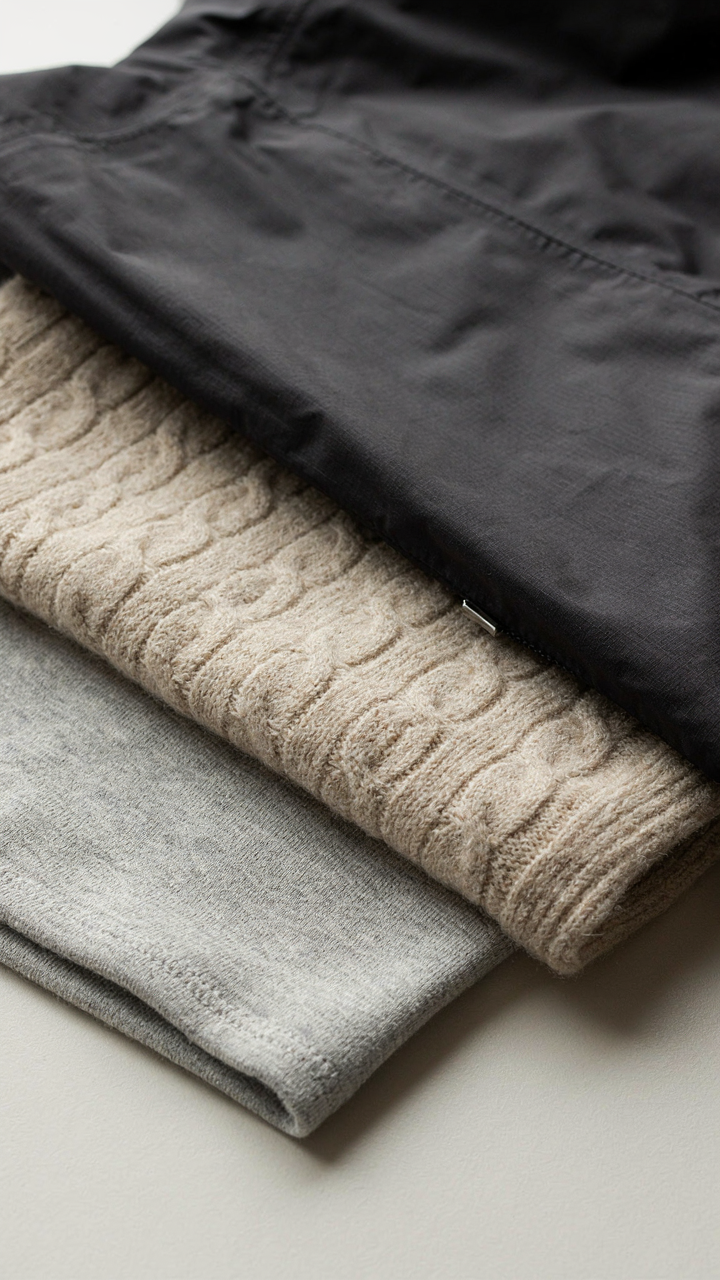
You’re worried you’ll look unprepared or feel stupid in front of Europeans who seem to dress effortlessly. The mechanism is simple: thermal regulation works like an insulation stack. Physics governs this. Your base layer traps air closest to skin, your mid layer holds warmth, your outer layer blocks wind and moisture. This isn’t fashion theory. It’s thermodynamics applied to fabric. Europeans understand this because spring weather swings twenty degrees between morning and afternoon. You need the system, not the aesthetic.

Merino wool base layers outperform cotton because they regulate temperature instead of absorbing sweat and holding it. A mid layer like a crew neck sweater or lightweight fleece sits between base and outer. Your outer layer is a water-resistant jacket you can tie around your waist by noon. The stack doesn’t require matching. It requires function. Most travelers fail here by packing heavy coats they remove entirely rather than building a system where each layer stays in rotation throughout the day.
Diurnal Shifts Demand Accessible Pieces
Spring European mornings sit around 45 to 50 degrees Fahrenheit. Afternoons hit 60 to 65. You can’t predict which, so you layer in pieces you can remove without a backpack. A button-up shirt over your base works because you unbutton it without undressing. A vest adds insulation without bulk. Carry nothing in your hands. Everything clips to your bag or wraps around your waist. The moment you need to open a map or take a photo, your hands stay free.
The common advice says “dress in layers” like that’s tactical insight. It’s not. Real protocol means each layer removes independently within sixty seconds, survives being tied around your waist for four hours, and weighs almost nothing. A mid-weight wool sweater that fits close doesn’t billow when you tie it. A technical jacket compresses smaller than a water bottle. Your outer layer is not fashion. It’s a deployment tool you use hourly, not hourly and forgotten in a hostel.
Fabric Intelligence: Clothes For Europe Trip Spring
Natural Fibers Beat Synthetics For Spring Weather
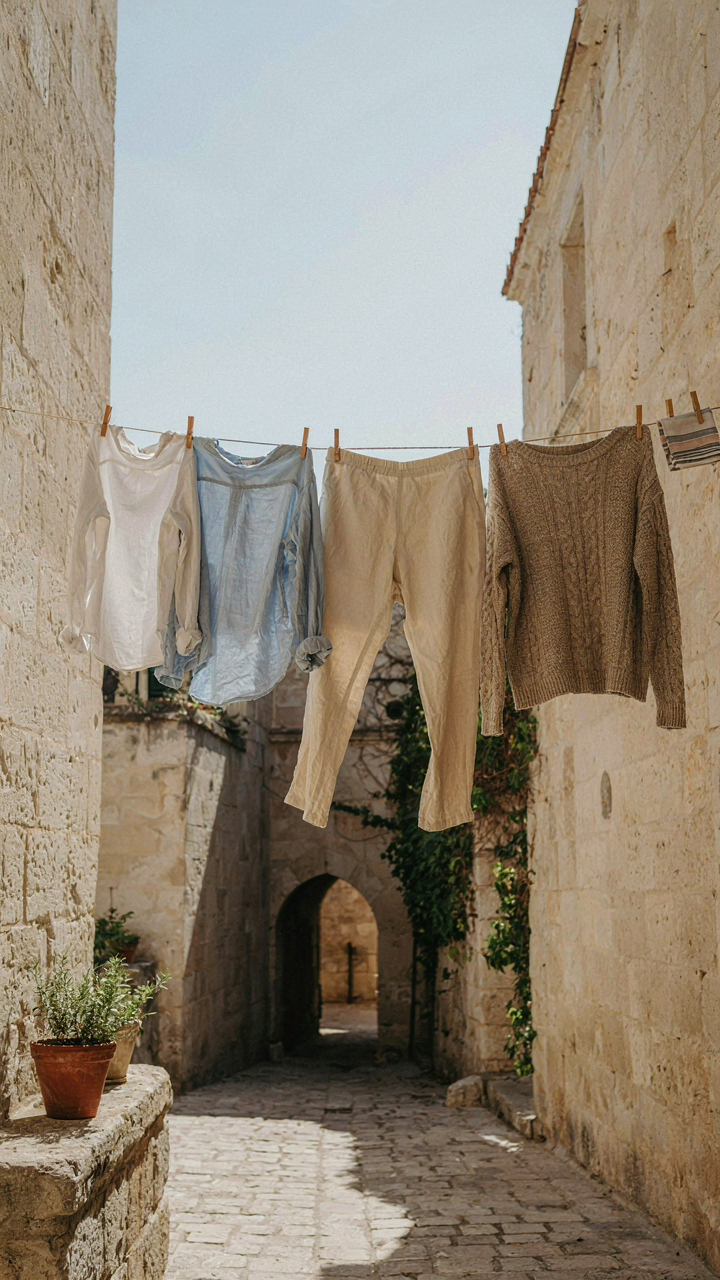
You want to look intentional, not like you’re wearing performance gear to brunch. The mechanism is simple: natural fibers respond to temperature and humidity shifts faster than synthetics because their molecular structure has built-in air gaps that expand and contract with moisture. Cotton, linen, and wool don’t trap heat the way polyester does. Spring in Europe means you’ll move between cool mornings, warm afternoons, and unpredictable rain. Synthetics lock in sweat. Natural fibers release it.

Merino wool is the exception to the synthetic rule, but it’s expensive and unnecessary for spring. Stick with cotton blends for base layers, linen for outer pieces, and wool sweaters you already own. The blend matters more than purity. A 60/40 cotton-polyester shirt performs better in variable conditions than 100 percent cotton because the synthetic adds durability and reduces wrinkles when you’re traveling. Buy pieces you can layer without bulk. Spring isn’t about single-solution clothing. It’s about stacking thin, breathable layers.
Quick Drying Matters More Than Water Resistance
Humidity is the real problem in spring Europe, not rain itself. Physics tells us that evaporative cooling works only when moisture leaves fabric, not when it sits in it. Most travelers pack rain jackets that trap humidity inside, making you colder and damp for hours. Quick-drying fabrics move moisture through the material instead of blocking it. A lightweight nylon shell with a loose weave beats a “breathable” membrane jacket every time because air actually moves through the gaps.
Your layering strategy should assume you’ll get wet and need to dry. Wear a compact rain layer over a fast-drying mid-layer like a thin wool or synthetic blend. Remove the rain layer when you stop moving and the sun hits you. Evaporation does the work faster than you think. Cotton t-shirts dry in hours. Denim dries in a day and shouldn’t be packed for spring travel. Buy one pair of quick-drying pants in a synthetic blend or linen, wear it daily, and skip the laundry cycle altogether.
The “Italy Outfits” Fallacy: What To Wear To Europe In Spring
Instagram Won’t Prepare You For Rain
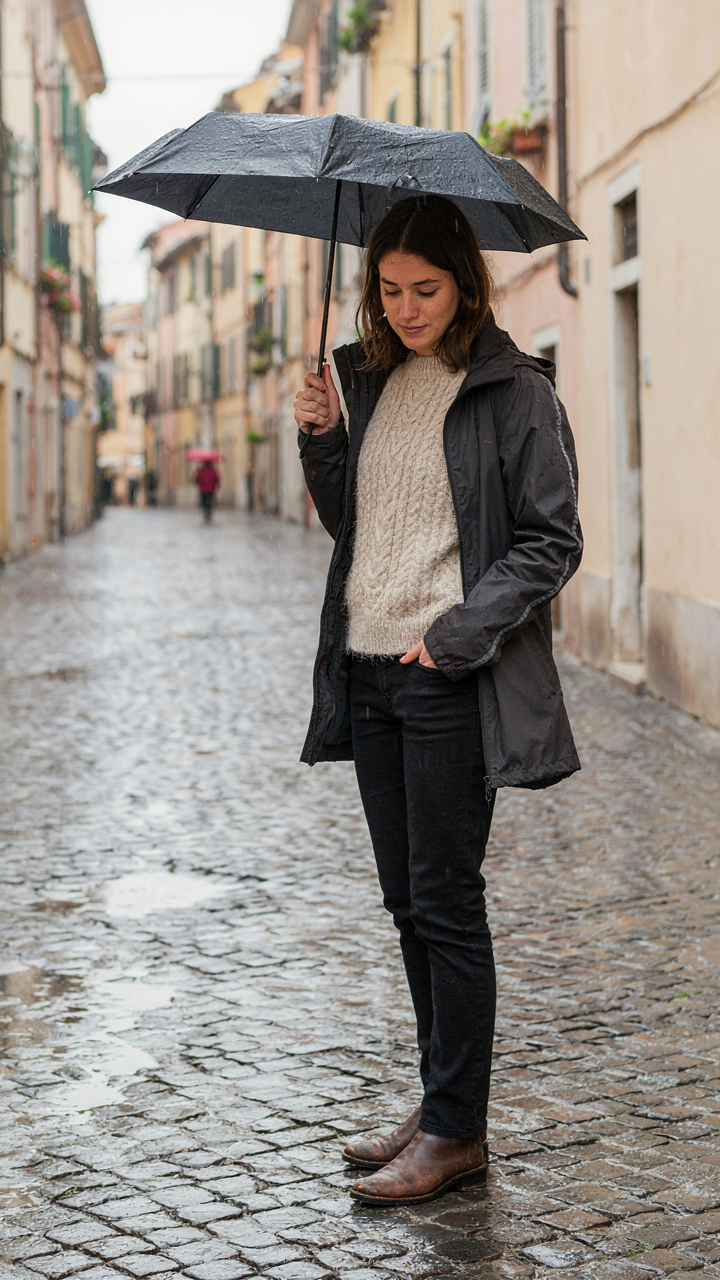
You want to look like you belong in a Roman piazza. That’s the real reason you’re reading this. Here’s the mechanism: European spring operates on a layering system borrowed from military strategy called “defense in depth.” You’re not dressing for one condition. You’re dressing for four in a single day. Instagram shows you the outfit at noon in sunlight. It doesn’t show you 6 AM at the train station or the sudden downpour at 3 PM.

European spring temperatures swing 20 to 30 degrees Fahrenheit between morning and afternoon. A wool sweater that feels essential at breakfast becomes a liability by 2 PM. Most travelers pack either too heavy or too light because they’ve only visualized one scenario. The actual mechanism is this: bring pieces that move independently. Don’t buy outfits. Buy components that remix.
Function Beats Aesthetic Every Single Time
The consensus advice says wear neutral colors and mix and match. That’s incomplete. The real constraint is moisture management, not color theory. Cotton holds water. Linen wrinkles in your backpack within hours. Wool dries faster than cotton and regulates temperature. Synthetics like polyester and nylon dry even faster but feel cheap against skin.
Most spring European visitors own the wrong base layer. They pack cotton t-shirts and jeans. This is the wrong foundation. Buy one merino wool long-sleeve shirt and one synthetic quick-dry base layer. Add a wool sweater that packs small. Layer a windproof outer shell on top. This three-piece system handles 40 to 65 degree weather with flexibility. You’re not chasing Instagram aesthetics. You’re eliminating the friction between what the weather does and what your body needs.
The Travel Wardrobe Spring: Minimalist Mobility Strategy
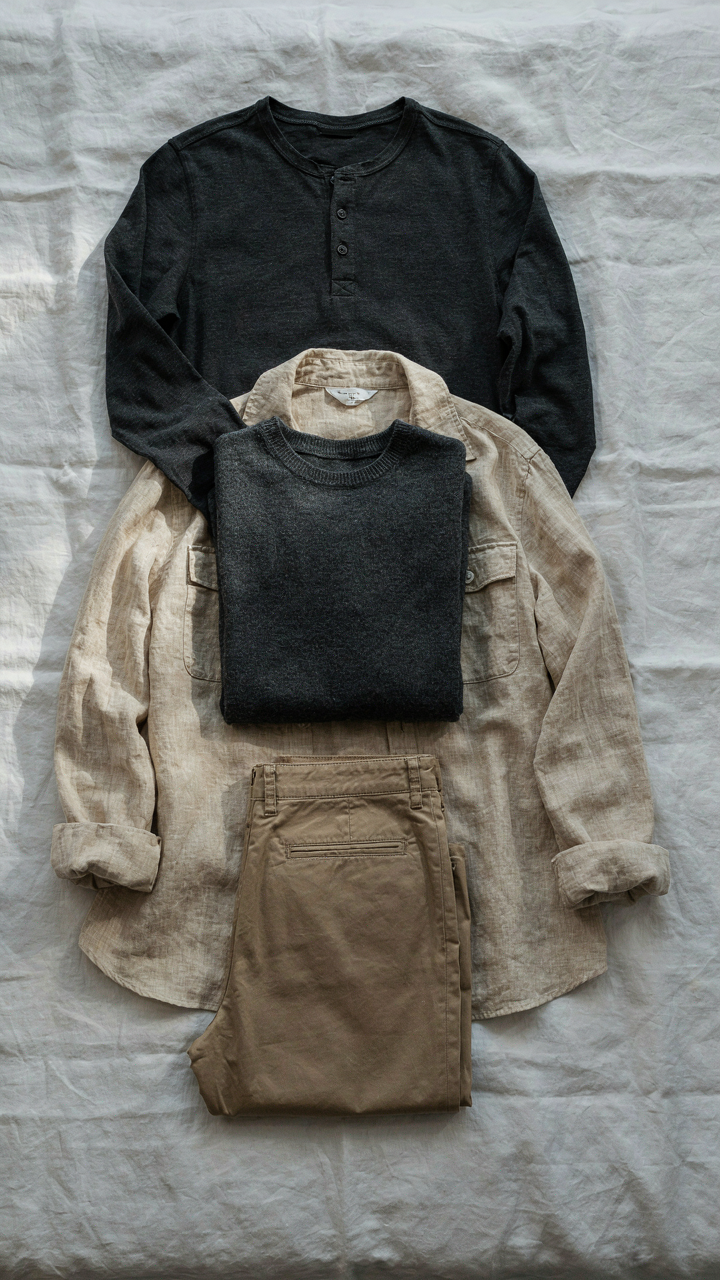
The Five Piece Versatile Core
You want to look intentional without overthinking. The real mechanism here is constraint—the fewer pieces you own, the more they must work together, which forces you to buy things that actually combine. This isn’t about minimalism as virtue. It’s about reducing decision fatigue in a foreign country where your brain is already taxed.

Start with these five anchors:
- Dark neutral base layer: A long-sleeve merino or cotton blend in charcoal or navy. Wears under everything, handles the unpredictable 45-55 degree mornings, dries fast if you hand wash it.
- Lightweight overshirt: Linen or cotton twill in a neutral tone. Rolls up easily, works layered or solo, functions as both casual and dressier depending on context.
- Knit layer: Crew neck pullover in the same color family as your base. Provides warmth without bulk. Merino breathes better than wool if you’re walking cities all day.
- Chino or structured pant: Neutral color, flat front, works for casual and modest restaurants. One pair handles 80 percent of situations in spring Europe.
- Lightweight jacket: A harrington or unlined cotton jacket in a coordinating shade. Packs smaller than a sweater, handles the 10-15 degree temperature swings between sun and shade.
Everything stacks. A base layer under the overshirt under the jacket covers you from 40 degrees. Remove the jacket and overshirt at noon. Add just the knit layer at dusk. No piece fights the others. No piece stays in your bag unused. You rotate these five items for ten days and actually look like you have a wardrobe.
Color Palette For Maximum Interchangeability
The consensus advice is to pick neutrals. That’s correct but useless—it doesn’t tell you why or which ones actually work together. Think in terms of undertone matching, borrowed from color theory in design. Spring in Europe requires two parallel palettes that don’t fight each other: warm neutrals and cool neutrals. Mixing them creates visual friction. Commit to one.
Cool palette: charcoal, navy, cream, stone gray, white. Warm palette: tan, olive, rust, sand, warm white. Pick one family. Every piece you pack fits into that family. This sounds restrictive but it’s actually liberating—you stop second-guessing combinations. In Barcelona at lunch you wear tan chinos and a cream overshirt. In Paris at dinner you add an olive knit layer. The pieces speak the same color language. Your brain stops working and your clothes just function. Spend two minutes deciding your palette before packing. Spend zero minutes deciding outfits after you land.
Footwear: Your Unsung Hero For Spring Outfits For Europe Trip
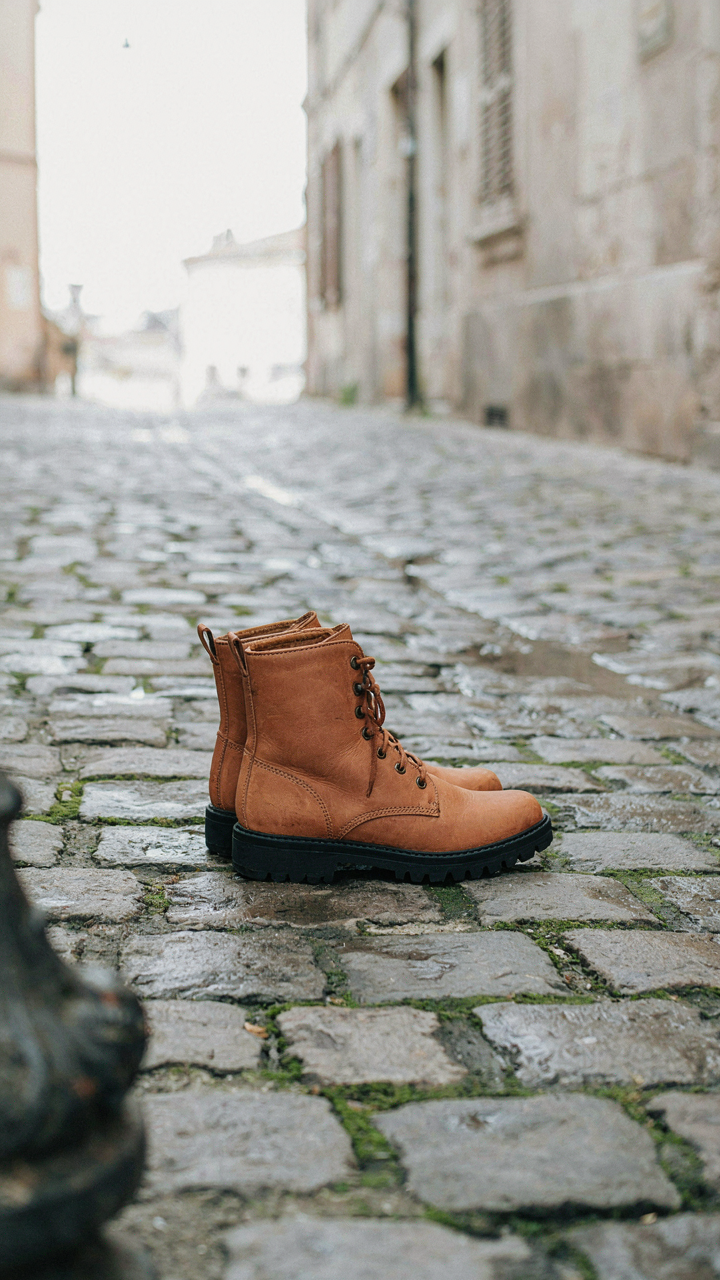
Waterproof And Breathable Materials Matter
You want shoes that won’t betray you in front of people you’ll never see again. The real mechanism is vapor pressure: moisture moves from warm to cold, so your shoe must let sweat escape while blocking rain. This isn’t about looking prepared. It’s about physics.

Leather with a Gore-Tex membrane handles this trade-off. The material blocks liquid water while allowing water vapor to pass through, which means your foot stays dry from both directions. Full rubber soles absorb water and trap it against your skin. A hybrid approach works better: leather uppers, rubber-reinforced heel and toe, treated suede panels on the side. Test waterproofing before you pack. Spray water on the shoe and check where it pools.
Walking Cobblestones Without Pain
Cobblestones punish thin soles. European city centers use uneven stone that shifts weight constantly, so your arch absorbs shock rather than the ground. Bring shoes with at least a half-inch of cushioning in the midsole, not padding in the insole. Padding compresses and fails by day three. Midsole density stays consistent.
Avoid leather-sole shoes entirely for spring Europe trips. They offer zero shock absorption and become slippery on wet stone. Chelsea boots work if the sole is rubber or mixed rubber and leather. Sneaker-style shoes with real arch support beat fashion every time on day four of walking. Pick something you’ve worn for six hours already. Your feet remember what works.
The Contingency Kit: European Vacation Outfits Spring

Micro Adjustments Win The Day
You want to look like you belong, not like you’re sweating through outfit decisions every four hours. The real mechanism is layering’s neglected cousin: the force multiplier. Small pieces do the work of complete outfit changes without the luggage burden. A hat shifts your silhouette and thermal regulation simultaneously. A scarf functions as both insulation and visual anchor. A compact umbrella prevents the cascading failure of wet fabrics destroying your entire rotation.

European spring weather moves between 45 and 65 degrees Fahrenheit depending on the day and region. A structured baseball cap or wool beanie takes two ounces. A merino wool scarf compresses into a pocket and regulates temperature better than cotton. These pieces sit outside your core outfit structure and attach or detach in minutes. You wear the same base layer underneath everything, then toggle the micro-adjustments as conditions shift. This is how experienced travelers stay coherent while everyone else rewashes clothes mid-trip.
Response Before The Storm Hits
Military strategists call this supply chain resilience, and your packing strategy needs it. You don’t react to weather changes after they happen. You predict the three-day forecast before you leave your accommodation, then assemble your outfit the night before. This eliminates the 6 AM panic where you grab the wrong coat.
Spring in Europe follows patterns. Paris warms through the day. London stays damp and cool. Barcelona peaks at 60 and drops fast at sunset. Download the weather app, check the hourly forecast, and identify the two hours of maximum temperature shift. Dress for the minimum temperature at your destination, then use your micro-adjustments to manage the rise. Your outer layer stays consistent. Your inner layers and accessories respond. This protocol prevents wasted morning decisions and keeps you visually coherent across the entire trip.
Packing Smarter: What To Pack For Europe In March
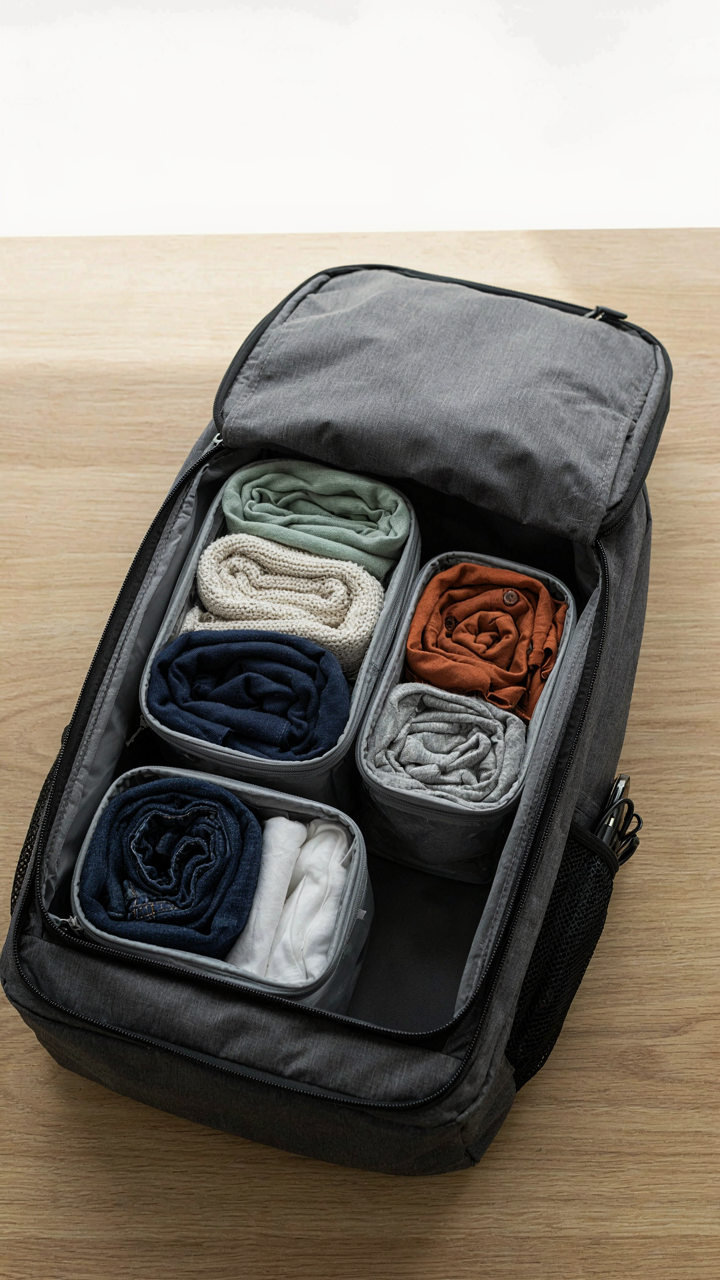
Roll, Don’t Stack Your Layers
You’re worried about wasting luggage space because you’ve been taught to pack like you’re moving, not traveling. The mechanism is simple: compression reduces volume by changing how fabric occupies three-dimensional space. Rolling traps air pockets between folds instead of stacking flat, which lets you fit more without crushing delicate pieces. Merino wool and synthetic blends compress better than cotton because their fibers spring back. Start with your heaviest items (sweaters, jackets) rolled tightly at the bag’s base, then layer lighter pieces on top.

Compression bags work, but they’re often overkill for spring travel. Better approach: use packing cubes organized by garment type, not by day. One cube holds all base layers, another holds mid-layers, another holds socks and accessories. This system lets you see what you have without unpacking everything. When temperatures swing from 45°F to 65°F across a single day in March, you need instant access to specific pieces, not a digging expedition through your entire bag.
Heavy Pieces Go Center, Accessible Items Go Edges
Weight distribution matters here because your spine and shoulders absorb uneven loads, which turns a weekend trip into a pain management exercise. Think in terms of load-bearing architecture: the strongest structures place weight at the core. Position your heaviest items (wool coat, boots, jeans) in the center of your bag, close to your spine. Lighter pieces (socks, underwear, accessories) go in the bag’s exterior pockets where you can grab them without opening the main compartment.
Accessibility wins over perfect organization when you’re moving between hotels every two days. Pack your layers in the order you’ll need them: morning base layer on top, midday jacket in the middle, evening sweater accessible from a side pocket. Your toiletries and phone charger live in the front pocket, not buried. Shoes pack on the bag’s bottom edges, not the center, because you’ll want to retrieve them without shifting your entire load. This setup cuts packing and unpacking time from fifteen minutes to under five.
The Real Obstacle Isn’t The Weather; It’s Your Inflexible Mindset
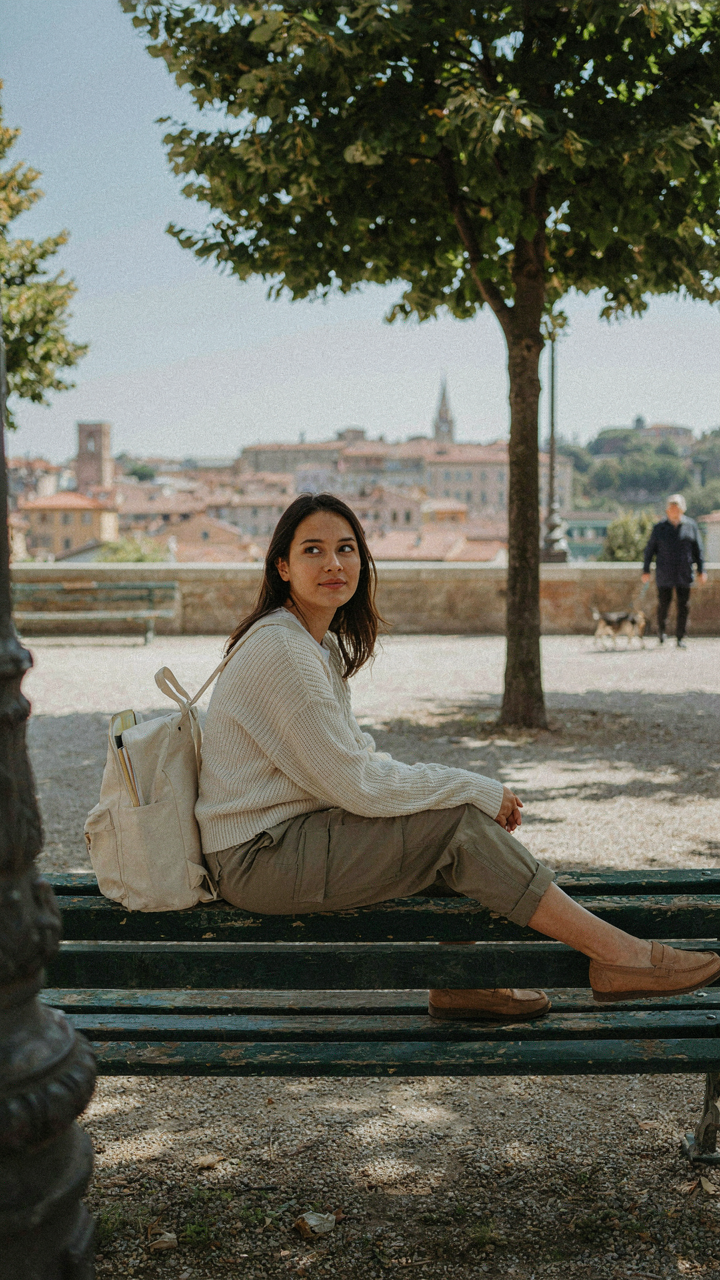
Most travelers pack like they’re moving, not visiting. They bring everything and wear nothing strategically. The real skill isn’t owning the right clothes—it’s building a system where every piece works together regardless of temperature swings. Stop shopping for spring. Start auditing what you already own and identifying the three layers that stack across any condition. Do that today. Your future self won’t remember what you packed, but you’ll definitely remember how much you didn’t need to carry it.