What Does “Optional” Really Mean?
Decoding The Host’s Signal
You’re worried about showing up wrong, which means you’ll overthink this and either underdress or waste money on rental formality you didn’t need. Here’s the mechanism: “optional” is economic signaling dressed in permission language. The host isn’t actually giving you a choice. They’re testing who understands the room. Black tie optional means the host wants flexibility because their guest list is mixed—some people own formal wear, some don’t, some won’t travel in it. The word “optional” is a social pressure release valve, not a genuine either-or.
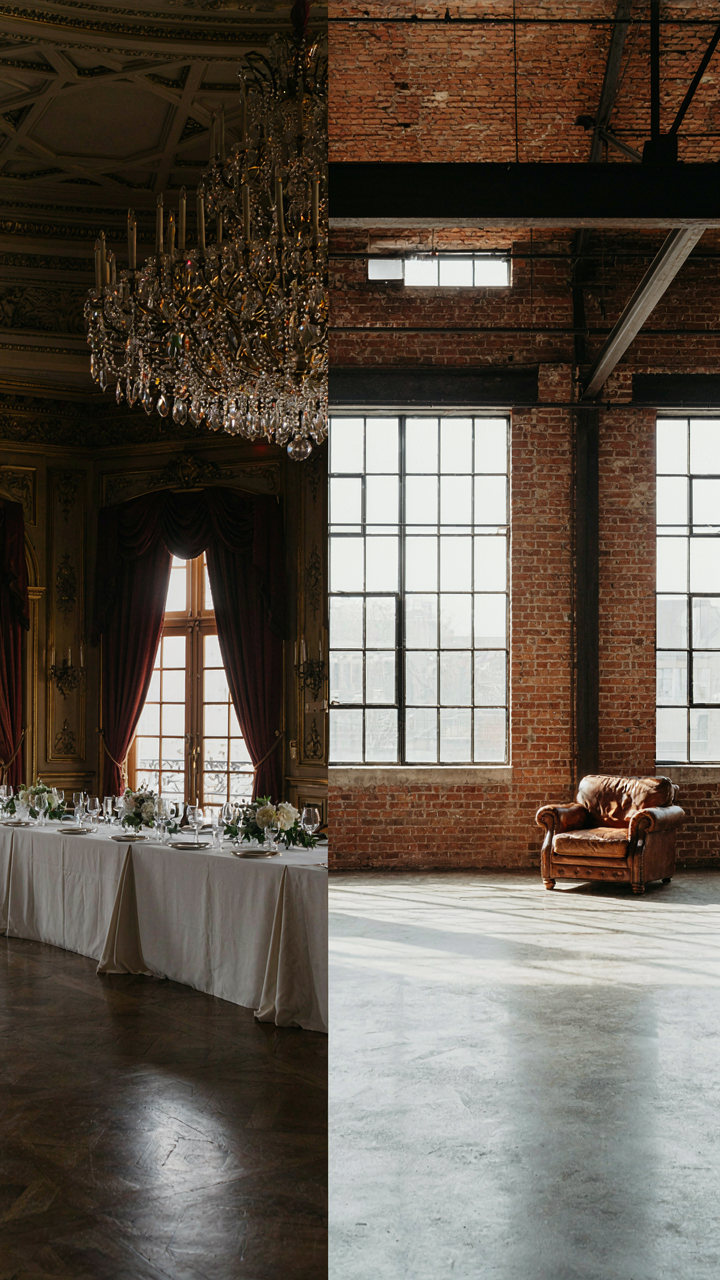
The real tell is venue and guest composition. A formal hotel ballroom with “black tie optional” reads differently than a loft with the same dress code. The ballroom is optional because attendance matters more than perfect formality—they’ll take your $200 ticket in a dark suit. The loft is optional because the host genuinely doesn’t care about hierarchy. Your move is to match the formality of the venue, not the permission slip the invitation gives you.
The Unspoken Power In Compliance
Dress codes are economics in disguise—they’re about resource allocation and group identity. Think of it like signaling theory: the dresscode signals what resources and commitments the host expects from attendees. Everyone who shows up in black tie announces they own the clothes, spent the time, and respect the event enough to invest. Everyone in a dark suit announces they understand the assignment but set boundaries. The host reads both as competent. Everyone underdressed announces they either didn’t know or didn’t care—and the host catalogs that information.
The social mechanics here are cleaner than they appear. Black tie optional creates a permission structure that actually strengthens compliance. When the host says it’s optional, the people who show up formal become the reliable ones—the ones who overdeliver rather than interpret generously. You’re not competing with the dress code. You’re competing with perception. Match the venue’s formality level, show up in something intentional, and you’ve signaled you understand context. That’s the currency that moves in rooms like this.
Black Tie Optional Vs Black Tie: The Unwritten Rules
What Actually Separates Them
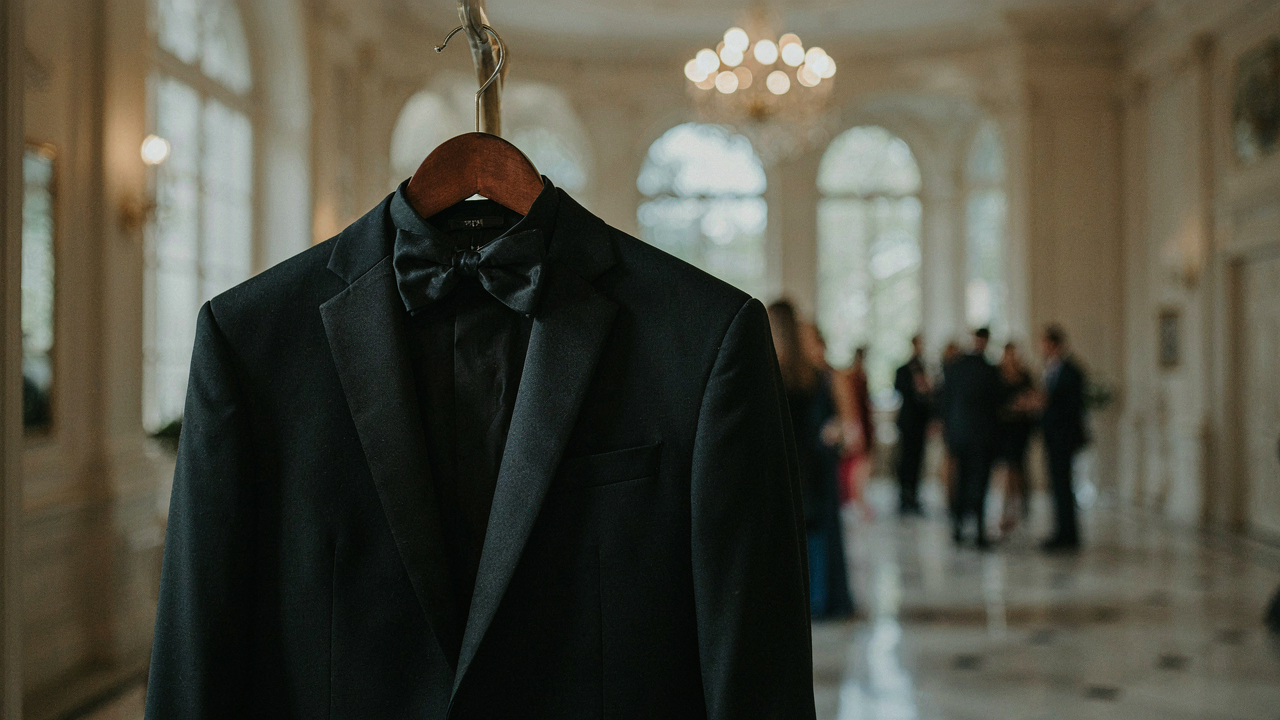
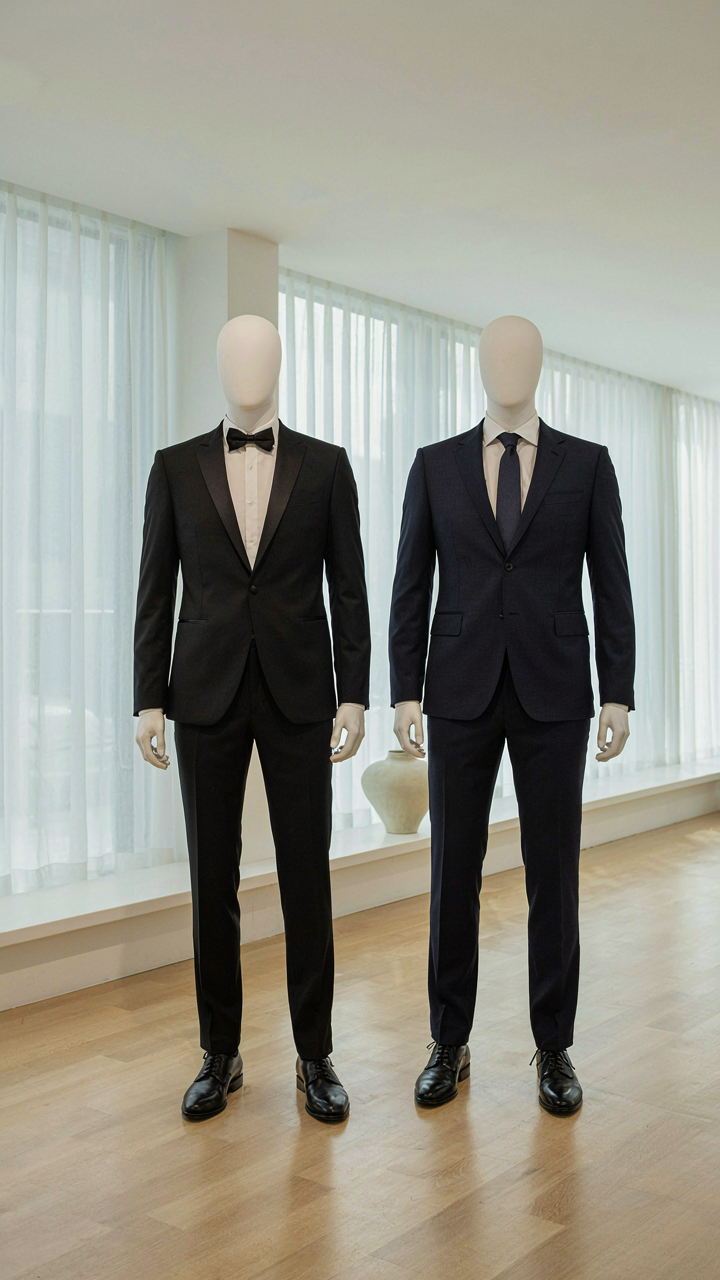
You’re worried you’ll look stupid if you guess wrong. Here’s the mechanism: black tie is a dress code. Black tie optional is permission to negotiate it. Black tie demands a tuxedo or formal evening gown. Black tie optional means the host will accept a tuxedo but won’t penalize you for wearing a dark suit instead. The difference isn’t formality. It’s whether showing up in a suit costs you socially.

The confusion exists because people treat “optional” as meaningless decoration. It isn’t. When an invitation says black tie optional, the host signals that the event’s strictness has a ceiling. You can go formal or one tier down. You cannot go casual. A sport coat and dress pants still underperforms. Jeans kill you regardless. The word optional doesn’t mean ignore the code. It means the top tier is enforced but the second tier is available.
When To Wear The Tuxedo, When Not To
The real question isn’t what the dress code allows. It’s what the room expects. Think like an economist applying signaling theory. In economics, a signal costs the sender something to send. Wearing a tuxedo to a black tie optional event costs you effort and money. You send the signal that you take the event seriously. The person in a suit sends the opposite signal: adequate but not invested.
Use this filter: Does the event determine your professional or social standing? If yes, wear the tuxedo. Corporate galas, client dinners, award ceremonies, weddings where you’re close to the couple. If no, wear the suit. Casual black tie optional events, office parties, industry mixers where attendance is baseline. Wearing the tuxedo when nobody else does reads as tryhard. Wearing the suit when everyone else does reads as normal. Match the room or exceed it intentionally. Never fall short.
The Black Tie Optional Men’s Manifesto
The Baseline Every Man Needs
You’re reading this because you’re afraid of being underdressed and exposing yourself as someone who doesn’t know the rules. Here’s the mechanism: black tie optional is a permission structure, not a suggestion. The host is telling you the ceiling exists, but you’re allowed to operate below it without penalty. Most men misread this as “wear whatever.” It’s not.

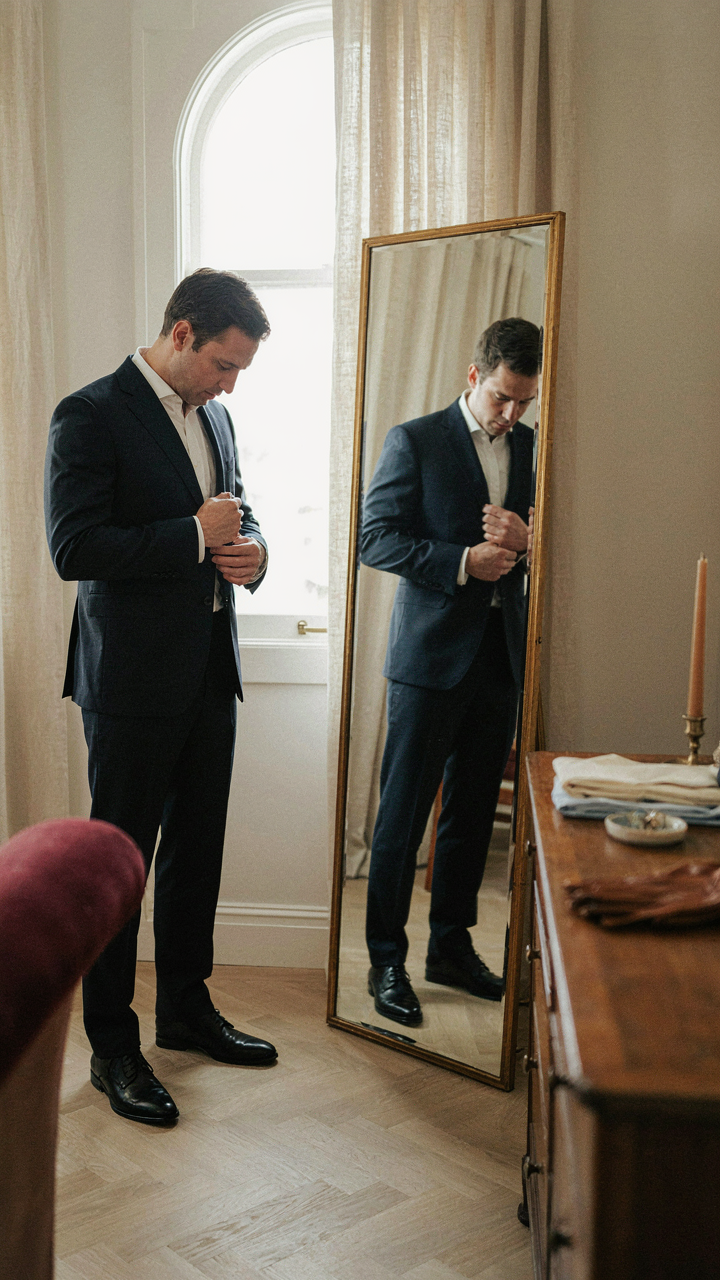
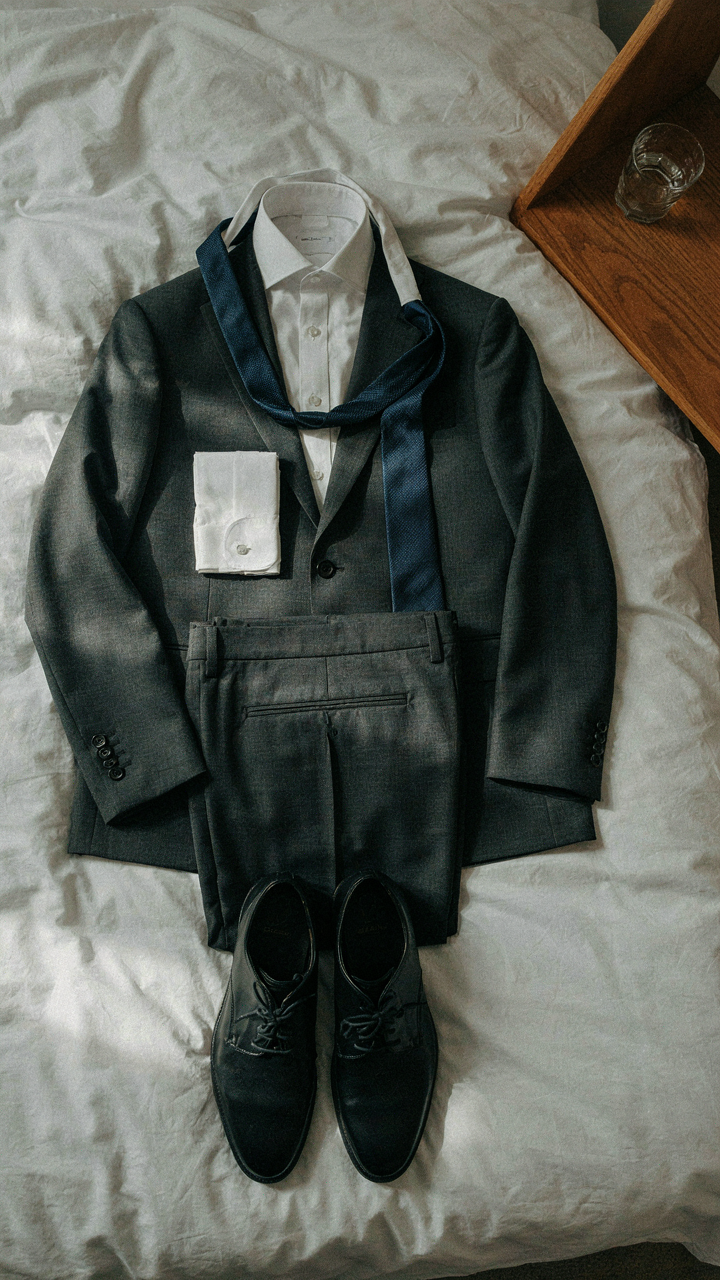
The baseline is a dark suit, dress shirt, and tie. Navy or charcoal. Nothing patterned or textured to draw attention. White or light blue shirt. A tie that matches your suit’s formality level, not your personality. Leather dress shoes, polished. This is the floor. Wearing less than this signals you either didn’t understand the invitation or didn’t respect the event enough to prepare. The host set a standard. Meet it or acknowledge you’re making a choice not to.
The Deliberate Upgrade Without Excess
Escalation in formal dress follows the same principle as military rank insignia: each addition signals increased commitment without changing the fundamental structure. Your suit stays the foundation. Everything else layers intentionality on top. Most advice tells you to “add a pocket square” or “choose better fabrics.” That’s decoration thinking. Real elevation is about fit, material substance, and protocol adherence.
- Tailored jacket and trousers: Fitted through the shoulders and chest without pulling. Trousers break at the shoe without bunching. This costs more but reads instantly as intentional rather than borrowed from a closet.
- Silk or silk-blend tie: Holds knots cleaner than cotton blends and reflects light differently. Signals you understand material hierarchy without announcing it verbally.
- Dress watch, minimal jewelry: A simple leather-strap or metal watch, nothing digital or sports-oriented. Skip the rings and bracelets. Restraint reads as confidence in formal spaces.
- Quality leather shoes, well-maintained: Oxfords or derbies in black or deep brown. Scuffed or worn leather negates everything else. Your shoes get noticed first and last.
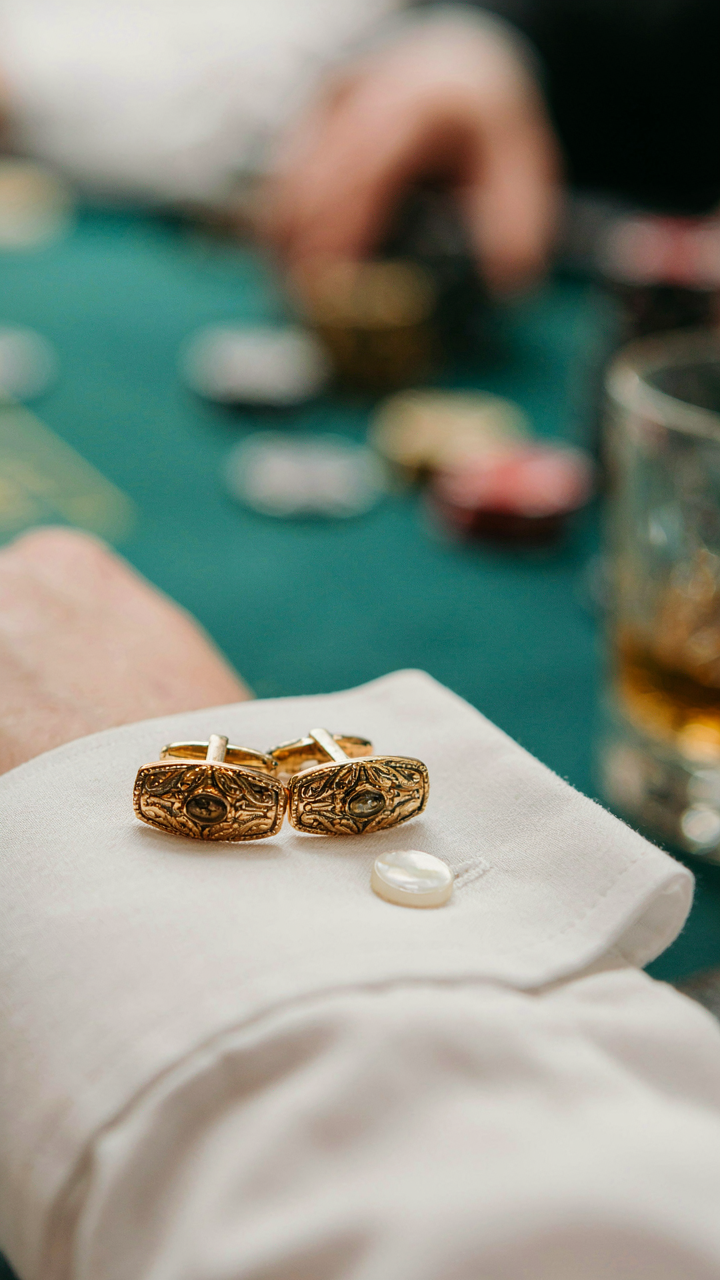
- French cuffs with cufflinks: Optional but the move that signals you understand formal menswear. Requires a shirt tailored for them. Appears only when your wrist breaks the jacket cuff.
The protocol step you’re missing: arrive having tried on your entire outfit beforehand. Not in your head. Actually wear it for thirty minutes. Your jacket pulls when you sit. Your shirt collar gaps when you move your neck. Your trousers bunch at the ankle. You catch these issues at home, not at the venue. Black tie optional means you have permission to dress down, but it also means every choice you make is visible and deliberate.
The Black Tie Optional Dress Code: Women’s Edition
Length, Fabric, And The Dress Code Signal
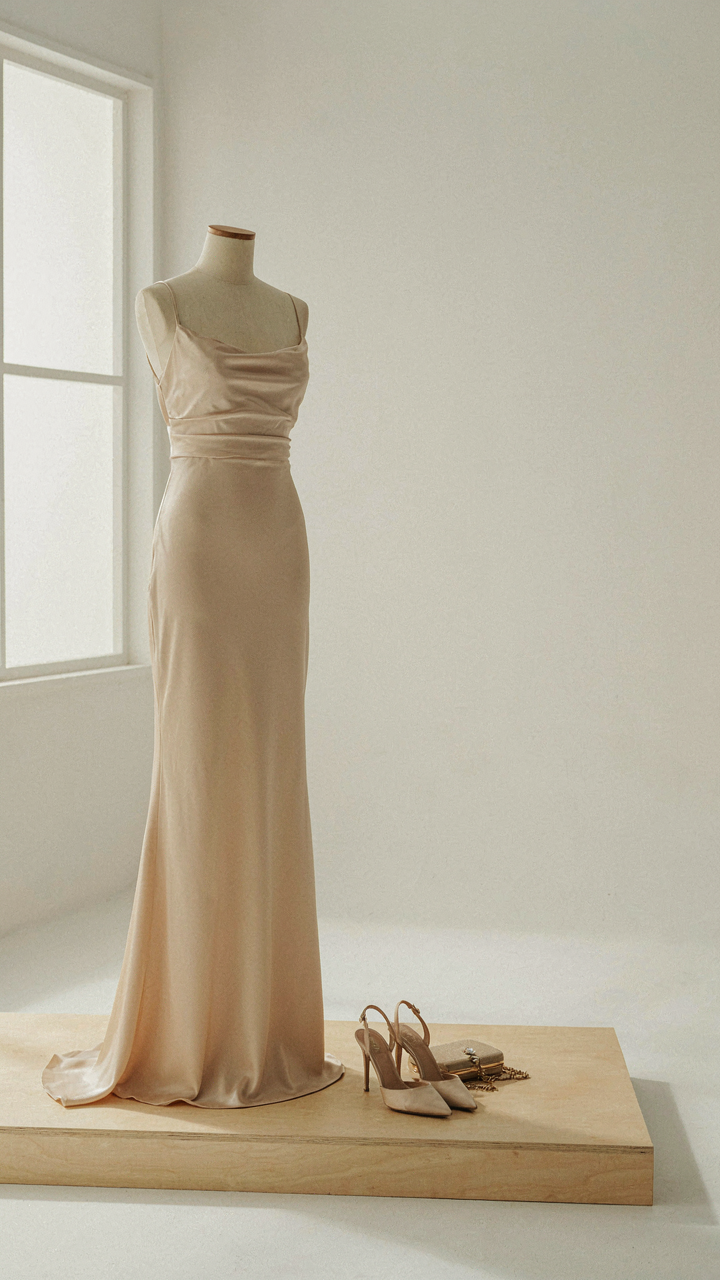
You’re worried you’ll look underdressed and get judged. Here’s what actually matters: black tie optional is a permission structure, not a suggestion. In signal theory, the receiver interprets ambiguity by defaulting to the safest interpretation. For women, that means floor-length or midi length reads as “I understood the assignment.” Shorter hemlines work only if every other element screams formal: fabric weight, structure, zero casual texture.

Fabric selection determines how the dress reads from ten feet away. Heavy silks, structured crepes, and quality taffeta register as intentional. Cotton blends and stretchy knits collapse into cocktail territory. The dress code optional label exists because hosts want optionality without chaos. Choose a fabric that demands respect through weight and drape alone, not through decoration or pattern trying too hard.
Accessories And The Mistake Of Assumption
Everyone says “add statement jewelry to elevate casual looks.” They’re wrong. Statement jewelry on informal fabrics looks like you’re compensating. Black tie optional for women means your accessories confirm formality, not create it. Stick to refined, minimal pieces: simple drop earrings, a structured clutch in leather or satin, heels that command floor presence. Avoid metallics that mix (gold and silver together signals uncertainty), avoid novelty bags, avoid anything that reads as costume.
Shoes matter more than most people admit. Strappy heels, pumps, or refined flats in black, gold, or jewel tones anchor the outfit to formal territory. Metallic shoes work only if consistent with the dress fabric’s tone. Skip embellished styles, ankle straps on shorter dresses, and anything designed to catch light through sparkle. The protocol is simple: every accessory confirms the dress is intentional, not emergency formalwear.
The Signaling Theory Of Black Tie Optional Attire
What You’re Really Buying
You care about this because you’re terrified of looking poor at an event where people judge. Black tie optional runs a game theory calculation: the cost of dressing up versus the payoff of not standing out. Game theory calls this a signaling equilibrium, where the optimal move depends on what everyone else believes everyone else will do.

Here’s the trap. Most people interpret “optional” as permission to dress down. They’re wrong. The mechanism works backwards. When the host says optional, they’re actually raising the stakes. You now signal one of two things: you understand the code and chose formality anyway, or you didn’t understand the code at all. The middle ground disappears.
Status Display In Fabric And Cut
Evolution didn’t wire us to care about tuxedos, but it wired us to track resource expenditure. Biology explains status through costly signaling: individuals display traits that burn resources to prove they have resources to burn. A black tie outfit costs money, requires maintenance knowledge, and demands social calibration. These costs are the point.
Black tie optional forces a choice between two costly signals. You either invest in formal wear that proves you take the event seriously, or you dress casually and prove you don’t fear social consequence. Casual confidence reads as status too. But most people freeze in the middle, wearing business casual to a formal event. That signals neither confidence nor commitment. Wear the bow tie or wear the jeans. The half-measure kills you.
Black Tie Optional Wedding: Context Is King

Where The Venue Sets The Rules
You’re anxious about looking wrong. Here’s the mechanism: black tie optional doesn’t mean the same thing everywhere because the venue itself is a signal about what the couple actually expects. A rooftop bar in Brooklyn operates under different dress codes than a country club in Connecticut, even when both say the same words. The venue telegraphs intent faster than the invitation does.

Formal venues like ballrooms, historic estates, and country clubs pull black tie optional toward the formal end of the spectrum. You see tuxedos and floor-length dresses at these locations because the architecture demands it. Casual venues like breweries, lofts, and beaches do the opposite. Black tie optional there means some people wear it, most don’t, and nobody judges either choice. Read the venue first. It rewrites what optional actually means.
Respecting The Couple’s Signal, Not Just The Code
The common advice says to split the difference and wear a cocktail dress or suit. That’s incomplete. The real mechanism is this: the couple chose a specific venue and used specific language to signal how formal they want the event to feel, and your job is to decode that signal, not negotiate it.
When a couple picks a formal venue and says black tie optional, they’re usually signaling that they want formality as the baseline. Opting out means showing up noticeably less formal than the setting expects. When they pick a casual venue and say the same thing, they’re signaling flexibility because the space doesn’t enforce formality anyway. The dress code doesn’t exist in a vacuum. Respect what they built by recognizing the gap between what optional means in their chosen context and what it means elsewhere.
The Minimum Viable Formality Protocol
Identifying Baseline Requirements For Respect
You’re worried about looking cheap. Here’s the mechanism: “black tie optional” is a permission structure, not a free pass. The host signals what matters by what they wear, and guests calibrate downward from there. Economics calls this “revealed preference”—people show their actual values through action, not words. The outfit you choose signals whether you respect the event’s weight or treat it as background.

The baseline rule isn’t complicated: match the formality level of the host or go one notch up. If the invitation says black tie optional and you show up in chinos and a blazer, you’ve read the room correctly only if everyone else did too. More often, you’ll see 60 percent of guests in full black tie and 40 percent in dark suits. That split tells you the real dress code. Your job is to land in the upper half of that distribution, not the lower half.
Strategic Underdressing Versus Clueless Underdressing
Everyone says “just wear what you’re comfortable in.” That’s wrong. Comfortable is irrelevant. Strategic underdressing means you consciously chose to wear less formal attire because you understand the room and the trade-off you’re making. Clueless underdressing is showing up in business casual because you didn’t think it mattered or you didn’t check the context.
The difference lives in one detail: intentionality. A well-fitted navy suit with no tie at a black tie optional event reads as deliberate restraint. The same suit wrinkled, with a cheap dress shirt, reads as indifference. The mechanism isn’t the formality level—it’s whether your outfit proves you made a decision or just grabbed something. Choose your underdressing: dark suit, pressed shirt, quality shoes, no tie. Execute it cleanly. That’s the protocol.
Beyond The Clothes: The Black Tie Meaning
What Formality Actually Signals
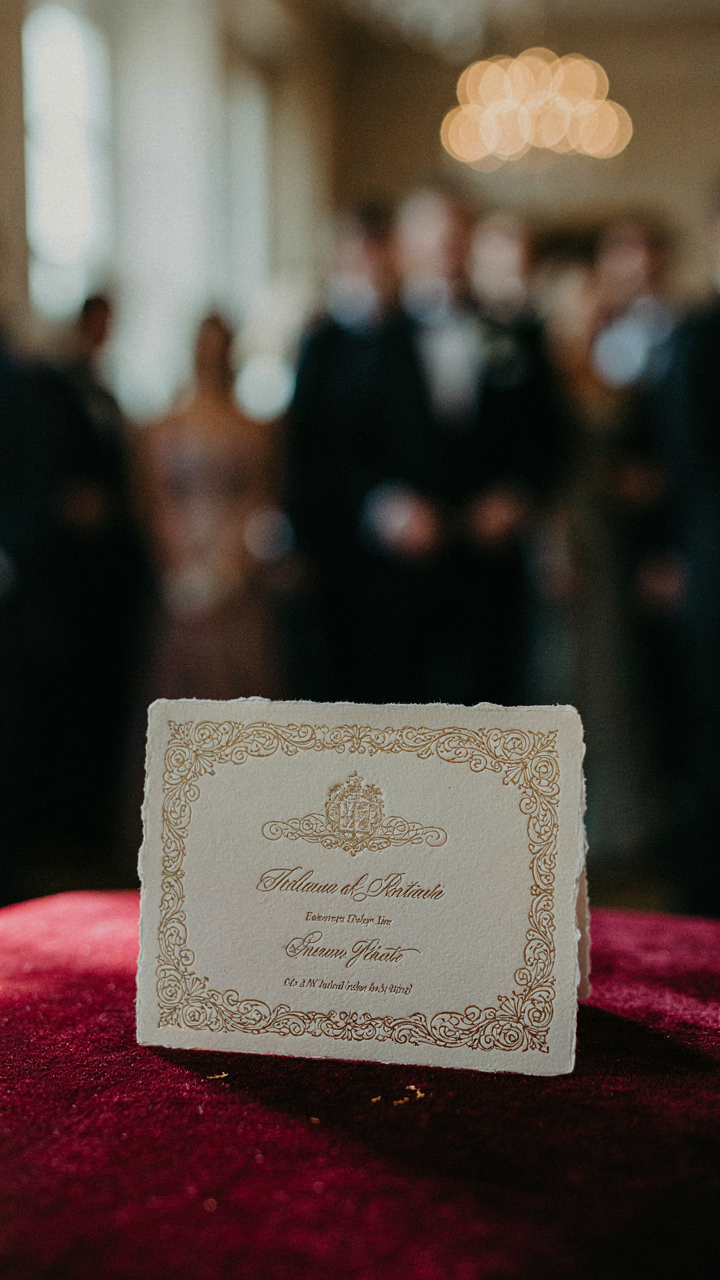
You care about this section because you’re afraid of getting it wrong in front of people who matter. The real mechanism is simpler: formal dress codes exist to remove decision-making from the room. Black tie optional specifically uses ambiguity as a status filter. Those who understand the code dress appropriately. Those who don’t reveal themselves through their choices. The event host gains immediate information about guest sophistication without asking.

Formal events aren’t about looking nice. They’re about demonstrating you understand social contracts. When an institution invests in black tie protocol, it’s broadcasting that standards exist here. Guests who respect that standard signal alignment with institutional values. This matters at galas, weddings, and corporate functions where trust and credibility are currency. The dress code becomes proof of cultural fluency.
Your Part In The Exchange
The common advice gets this wrong: you’re not just following rules to avoid embarrassment. You’re participating in a mutual agreement. When you dress appropriately for black tie optional, you’re confirming that you recognize the event’s weight and respect the other guests enough to meet the standard. This reciprocal obligation is what separates formal events from casual gatherings.
Your choice to dress up or dress down communicates something about how you value the room. Wearing a tuxedo to black tie optional says you take this seriously. Wearing business casual says you’re treating it like any other event. The host expects this variation. Black tie optional works because it lets people self-select into their level of commitment. Show up dressed correctly, and you’ve already communicated respect before saying a word.
Mastering The Black Tie Optional Code

The Real Decision You’re Making
You want permission to show up without looking out of place. That’s the actual fear underneath the question. Black tie optional means the host removed the requirement but kept the standard. The mechanism is simple: optional doesn’t mean casual. It means you can wear either black tie or dark formal business wear, and both read as correct. Most people get this wrong because they hear “optional” and think “relaxed,” when the dress code actually shifted from mandatory to discretionary within the formal range.

The strategic play here is understanding what optional really signals. The host chose not to demand black tie because the event’s tone doesn’t require it. Maybe it’s a mixed crowd. Maybe the venue or time of day makes full formality feel stiff. But they still expect formal dress. You either match that or you deliberately opt down to dark business formal, which is a visible choice the guest makes. That choice works only if your execution is clean. Half measures fail. You commit to one lane or the other.
Dressing Without The Guesswork
Think of this like signal strength in communications. Your outfit broadcasts whether you treat the event as formal or semiformal. Black tie optional runs on a gradient, but you collapse it into one of two positions by how you execute. Position one: full black tie. Tuxedo, bow tie, patent shoes, all the formality. This always works. Position two: dark suit with dress shirt and tie. Navy, charcoal, or black suit. White or light blue dress shirt. Conservative tie or no tie. Both read as respect for the occasion without overshooting into black tie territory.
The execution detail that separates these is shoes and accessories. Black tie requires patent leather or polished formal shoes. Dark business formal accepts polished leather oxfords or loafers. No sneakers, no suede, no detail work. If you choose the suit route, your tie must be silk and conservative in pattern, or you skip it entirely and close the collar with a shirt stud. Your watch should be minimal and classic. Cufflinks if you wear them should be simple and metal. Every element signals “I know the code and I committed to one side of it.” That commitment is what reads as respect, not the formality level itself.
The Real Obstacle Isn’t The Dress Code, It’s Your Fear Of Standing Out For The Wrong Reasons
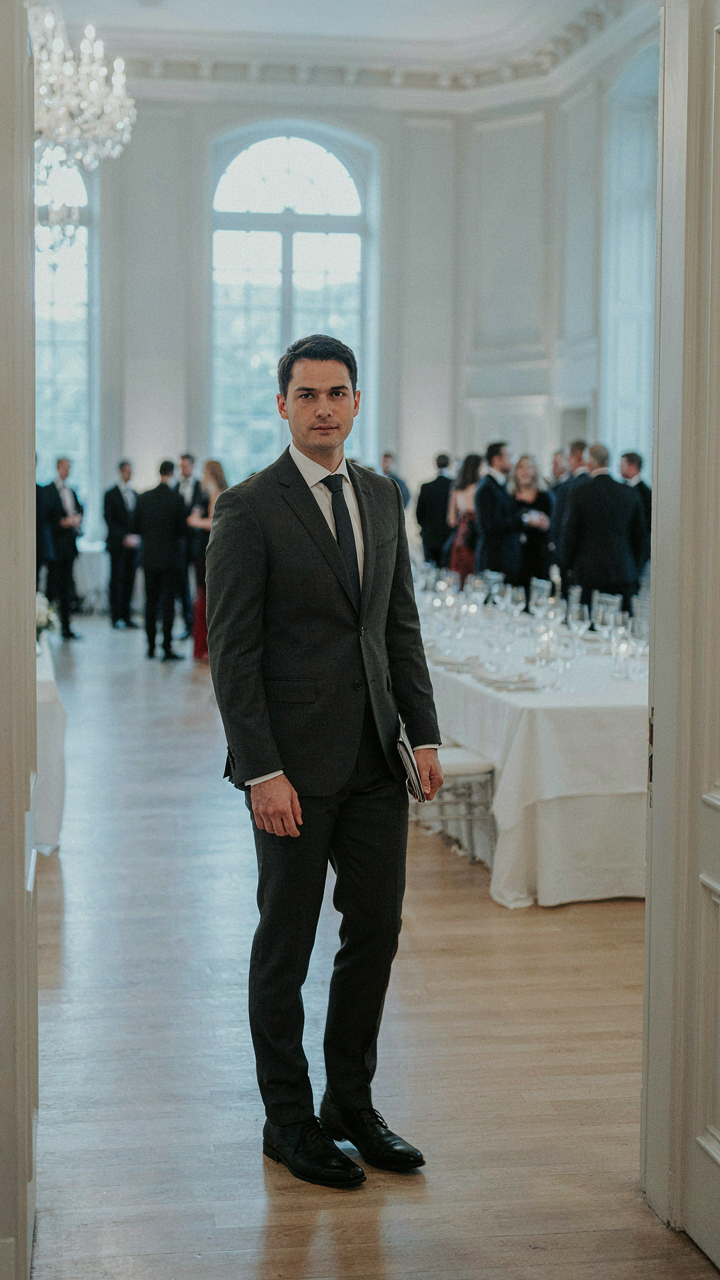
You already know what black tie optional means. The real problem is you’re terrified of choosing wrong and looking foolish. Stop it. Pick one outfit today, commit to it, and stop scrolling for permission. Everyone else at that event is too worried about themselves to judge you. The person who wins isn’t the one dressed perfectly. It’s the one who stopped thinking about what they’re wearing and started thinking about why they showed up.