


The Unspoken Rules Of Dress Codes: Beyond The Brochure

What The Host Actually Means
You’re worried about looking wrong. That fear is the mechanism. Most people assume “festive attire” is a specific costume they need to decode, when it’s actually permission to signal belonging without the rigid rules of formal dress codes. The host used those two words because they’re deliberately vague—they want you comfortable enough to show up, not stressed enough to decline.
Festive attire operates like a signal in game theory: you’re not trying to win against the host, you’re trying to coordinate with other guests toward a shared vibe. The dress code isn’t a test. It’s an invitation to participate in a mood. Nobody’s checking your outfit against a rulebook. They’re checking whether you understood the assignment.
Where You Actually Are Matters
The location, time, and guest list rewrite what “festive” means entirely. A December office party in a downtown hotel demands different attire than a holiday dinner at someone’s home in the suburbs. Same phrase. Opposite execution. Most advice tells you to “dress up,” which is useless because it doesn’t account for context.
Start with the physical space. Corporate venues signal formality through their architecture and lighting. Residential spaces signal comfort through intimacy. The time matters equally: evening events expect darker, richer fabrics and more structure. Afternoon gatherings accept brighter colors and looser silhouettes. Who else will be there—colleagues, family, mixed crowds—determines whether you lean toward polish or personality. When you know the host’s relationship to you, you know the stakes.
Festival Season Fashion: More Than Just Sparkle
What Festive Actually Means Across Traditions
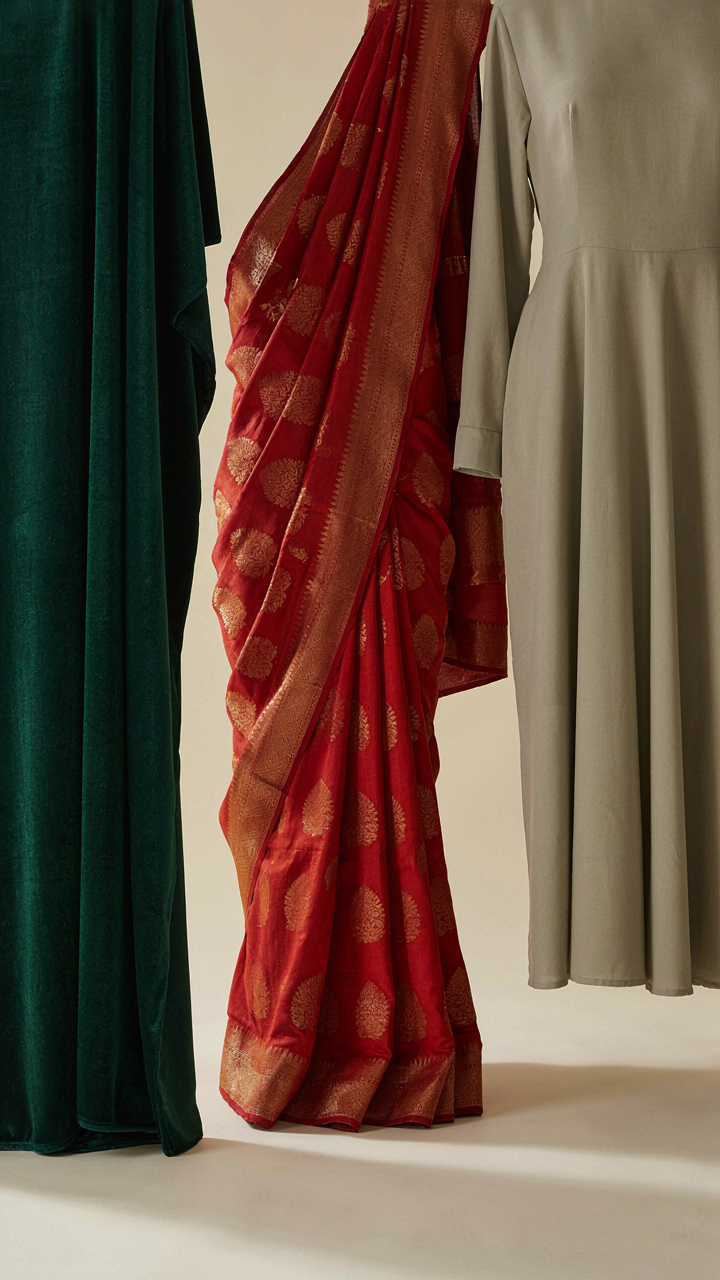
You’re worried you’ll show up wrong. That’s the real anxiety here, and it stems from not knowing the actual code. Festive doesn’t mean one thing globally—it’s a cultural signal system, and the rules change by region. In Western Christian contexts, festive traditionally means rich jewel tones, metallics, and structured fabrics like velvet or silk. In Hindu celebrations like Diwali, festive means bright colors—particularly reds, golds, and oranges—paired with traditional garments like saris or dhotis. Jewish holiday attire emphasizes modesty and dignity rather than flashiness. The mechanism is simple: festive attire signals respect for the occasion by adopting the visual language of that specific tradition, not by following a universal rulebook that doesn’t exist.

The mistake most people make is treating festive as “dressier than normal” without understanding its cultural root. That’s incomplete. An invitation referencing festive attire expects you to know what celebration you’re attending and what visual vocabulary belongs to it. Christmas demands different festive signals than Lunar New Year, which demands different signals than Eid. Research the specific holiday, not just the dress code word. Ask the host directly if you’re uncertain. This eliminates guesswork and shows respect for the tradition you’re entering.
Respect Versus Mimicry In Practice
The line between appreciation and appropriation isn’t vague—it’s a structural difference. Appreciation means understanding why something matters, then honoring it within the bounds of the culture that created it. Appropriation means borrowing the aesthetic without the knowledge, context, or permission. When you wear festive attire to a celebration not rooted in your own tradition, you’re either doing one or the other based on your approach. If you’re invited to a Diwali celebration, wearing a sari because you researched its significance and bought it respectfully from an appropriate vendor shows appreciation. Wearing it as a costume without understanding its cultural weight shows appropriation.
The protocol is straightforward: ask the host if traditional dress is expected or welcome. Many celebrations actively invite guests from outside the tradition and have clear guidance on what’s appropriate. If you’re not from that culture and aren’t certain, wear elevated versions of your own cultural formal wear instead. Choose structured fabrics, rich colors, and refined details that signal you took the occasion seriously without pretending to belong to a tradition you don’t. This keeps you respectful while remaining authentic to your own position as a guest.
The Anarkali Protocol: Elegance In Ethnic Fashion
How An Anarkali Actually Works
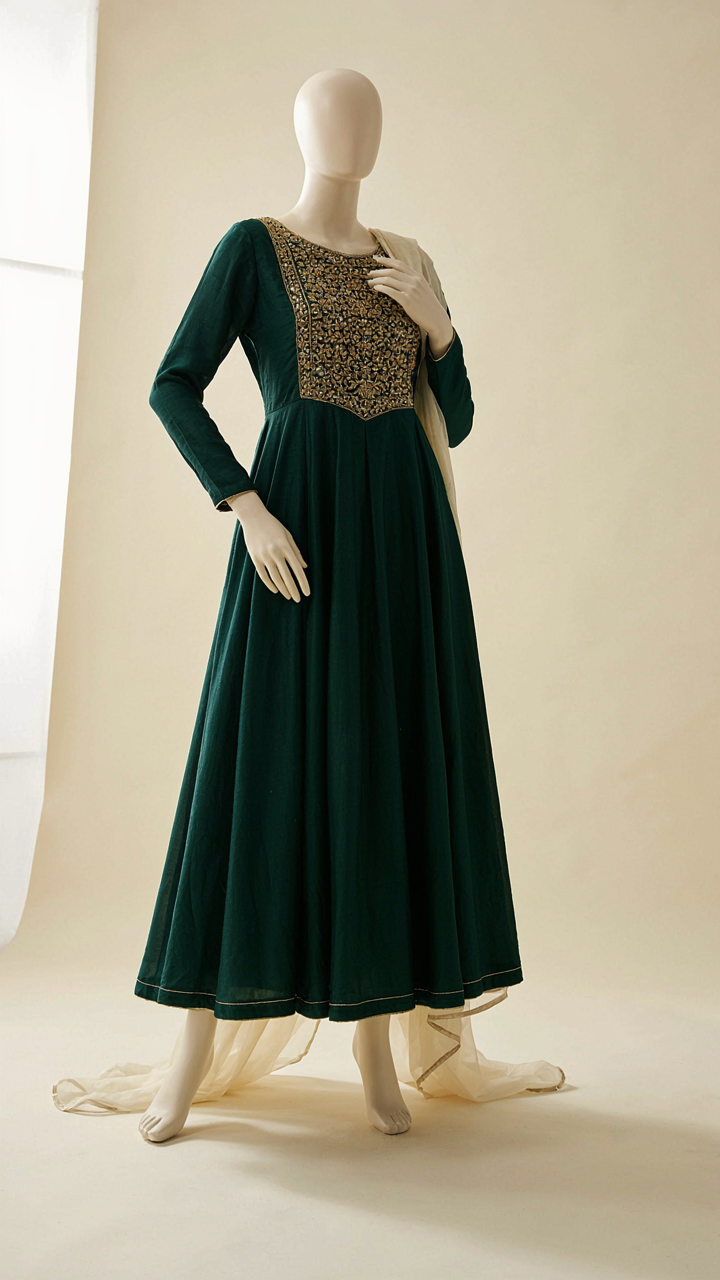
You want this section because you’re afraid of looking out of place at a South Asian celebration. Here’s what matters: an Anarkali is engineered tension between fitted and flared. The garment uses the physics of fabric distribution. A tight bodice and waist channel attention upward, then the skirt releases into volume below the knee. This controlled expansion signals formality without rigidity. Embellishments cluster on the chest and shoulders, where light hits and eyes land first.

The fabric choice determines whether you read festive or costume. Cotton with silk blends, georgette, and chanderi hold structure and drape without stiffness. Embroidery techniques like zardozi use gold thread and sequins layered deliberately, not scattered. A genuine festive Anarkali weighs intention in every placement. The dupatta, a coordinating shawl, grounds the entire piece and adds dimension you cannot achieve with the suit alone.
Wear An Anarkali When Hierarchy Demands It
An Anarkali suit signals respect at family events, religious ceremonies, and formal celebrations where tradition carries weight. This is the garment that communicates you took the occasion seriously enough to invest in proper attire, not borrowed credibility. Weddings, Diwali gatherings, and formal receptions all benefit from its structured formality. An Anarkali works where Western formal wear would feel like an outsider’s translation of respect.
The key mechanism: fit the wearer, not the fantasy. Get the bodice tailored to your actual proportions. A sloppy Anarkali reads worse than skipping ethnic wear entirely because it signals disregard for the garment’s purpose. The dupatta should drape past your hip when worn over one shoulder. Pair it with coordinated jewelry that doesn’t compete with embroidery. This protocol is how you avoid looking like you bought the costume without understanding the grammar.
Wedding Season Wonders: Beyond The Basic Black Tie
The Hierarchy Hidden In Dress Codes
You care about this because you’re afraid of getting it wrong and looking cheap or out of place. The real mechanism is simpler: dress codes exist to establish rank. Black tie signals deference to the host. You’re not dressing for yourself. You’re dressing to acknowledge someone else’s event matters more than your personal expression. The host controls the visual hierarchy by controlling what fabric, silhouette, and formality level people wear into their space.

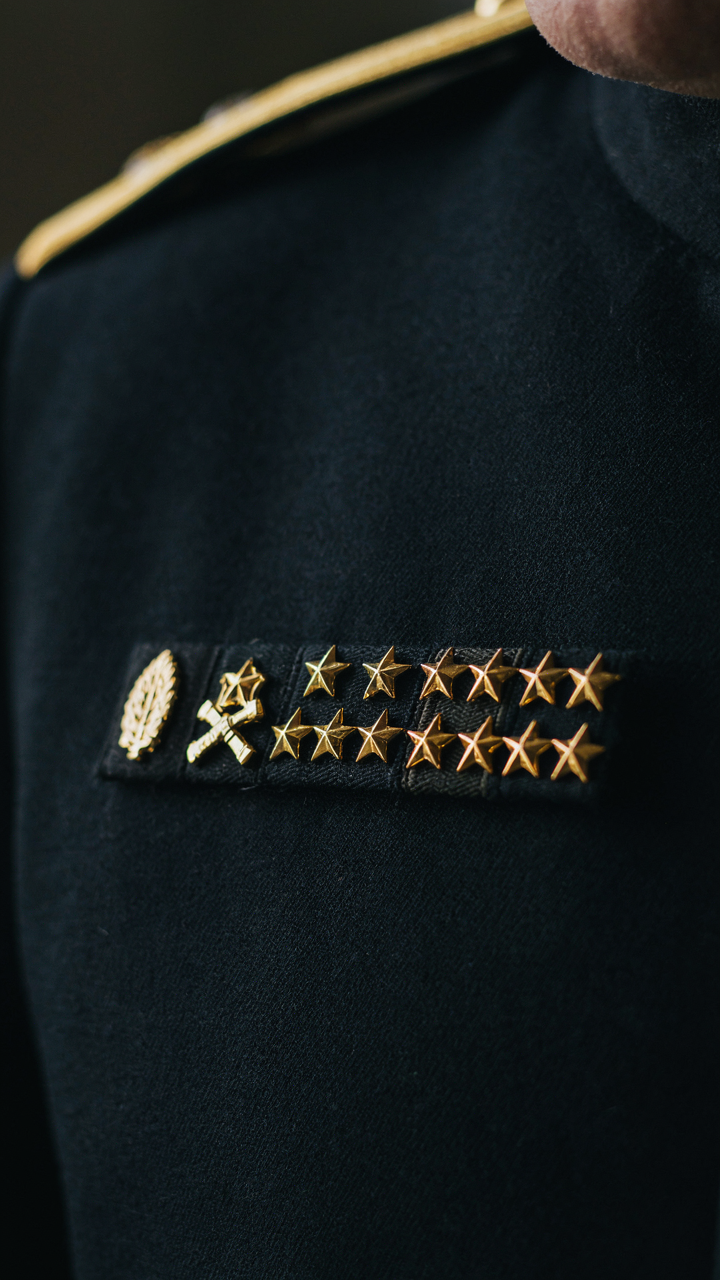
Wedding attire operates like military rank insignia. Each dress code tier signals a specific social distance from the couple. Black tie means maximum formality, maximum respect. Cocktail attire means less rigid deference. Festive means you’ve been invited but not constrained. The couple uses the dress code to filter who feels comfortable attending and what emotional tone they want in the room. You follow the code, or you signal disrespect through violation.
When Dressing Well Becomes A Liability
The common advice is wrong: “wear what makes you feel confident.” That’s how people show up to weddings in statement pieces that pull focus from the couple. Peacocking at someone else’s event reads as hostile. You’re not there to be noticed. You’re there to celebrate their day within the boundaries they set.
The trap is mistaking permission for visibility. Festive attire gives you more freedom than black tie, but freedom isn’t an invitation to standout. The mechanism is about restraint. Wear color. Wear texture. Stay within the formality level. If the invitation says festive, you can wear a patterned blazer or a bold dress, but you calibrate saturation and cut to support the event, not dominate it. The host notices restraint. Guests notice peacocking. Choose who you’re performing for.
The Cognitive Bias Of “Festive”: Why We Overthink It

The Real Cost Of Overthinking The Dress Code
You care about this because you’re terrified of being underdressed and looking cheap. Behavioral economics calls this the opportunity cost problem: the hidden price you pay by spending mental energy on the wrong decision. When you obsess over festive attire, you’re not actually optimizing for the event. You’re optimizing for the story you tell yourself about what others think.

Most people spend disproportionate time researching festive attire because the instruction feels vague. But the vagueness is the point. It’s a filter. The host doesn’t want a uniform response. They want you to signal that you understood the context and made a deliberate choice. Overthinking delays that signal and trades your energy for anxiety that produces no real output.
The Equilibrium Nobody Admits
Game theory teaches us that in situations with incomplete information, people converge on observable patterns from others. When you walk in and see what five other guests wore, you’ve just collected data that reshapes your regret calculus in real time. The mechanism is this: festive attire creates a prediction problem where the optimal strategy is to assume most attendees will dress one notch above casual, then match that floor.
Don’t wait until you arrive to gather signals. Contact the host three days prior or check if other attendees have posted photos from similar events they’re attending. This removes the uncertainty game entirely. You move from “what if I’m wrong” to “here’s what the group is doing.” The decision collapses from complex to obvious once you have one concrete reference point from the actual peer group attending.
The Sharara Set Strategy: Modern Edge To Traditional Roots
When Tradition Meets Right Now
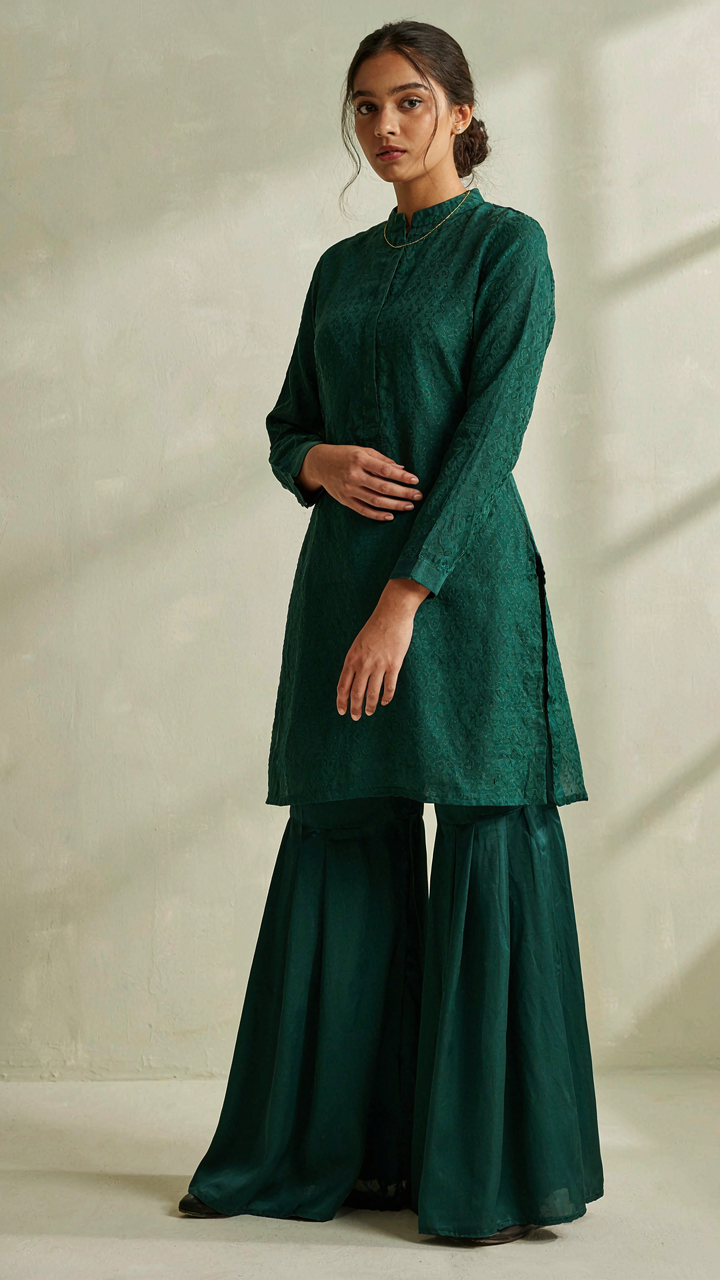
You want permission to wear something that feels like you, not like a costume. That’s the real tension. The sharara set—a fitted kurta paired with wide-legged pants and dupatta—sits at this exact intersection. Design tension works like physics: two opposing forces create stability when balanced correctly. Here, old-world construction meets contemporary silhouette. The mechanism is simple: keep the cut modern, keep the fabric intentional, skip the ornamental excess that signals “I’m performing tradition.”

A sharara in festive context means you’re signaling cultural awareness without abandoning personal style. Designers like Abu Jani and Sandeep Khosla proved this works—they layered heritage techniques into clean lines. The pants stay structured but not stiff. The kurta fits the body rather than drowning in it. Festive doesn’t demand you disappear into fabric.
Less Decoration, More Presence
The advice about accessorizing is wrong. Most people think festive means adding more: more embroidery, more jewelry, more everything. That’s visual noise. The real move is surgical restraint. One statement piece—a single necklace or pair of earrings—reads louder than layered chaos. Your sharara already carries the visual weight through its cut and fabric choice.
Select accessories that complement the garment’s structure, not fight it. If your kurta has intricate embroidery on the neckline, bare wrists and minimal earrings. If the fabric is silk with subtle detailing, a bold bracelet or statement earrings work. The protocol: identify what the sharara is already communicating, then add one element that amplifies that signal. Everything else gets cut.
The Elegant Saree: A Masterclass In Drapery And Decorum
Fabric And Occasion Alignment
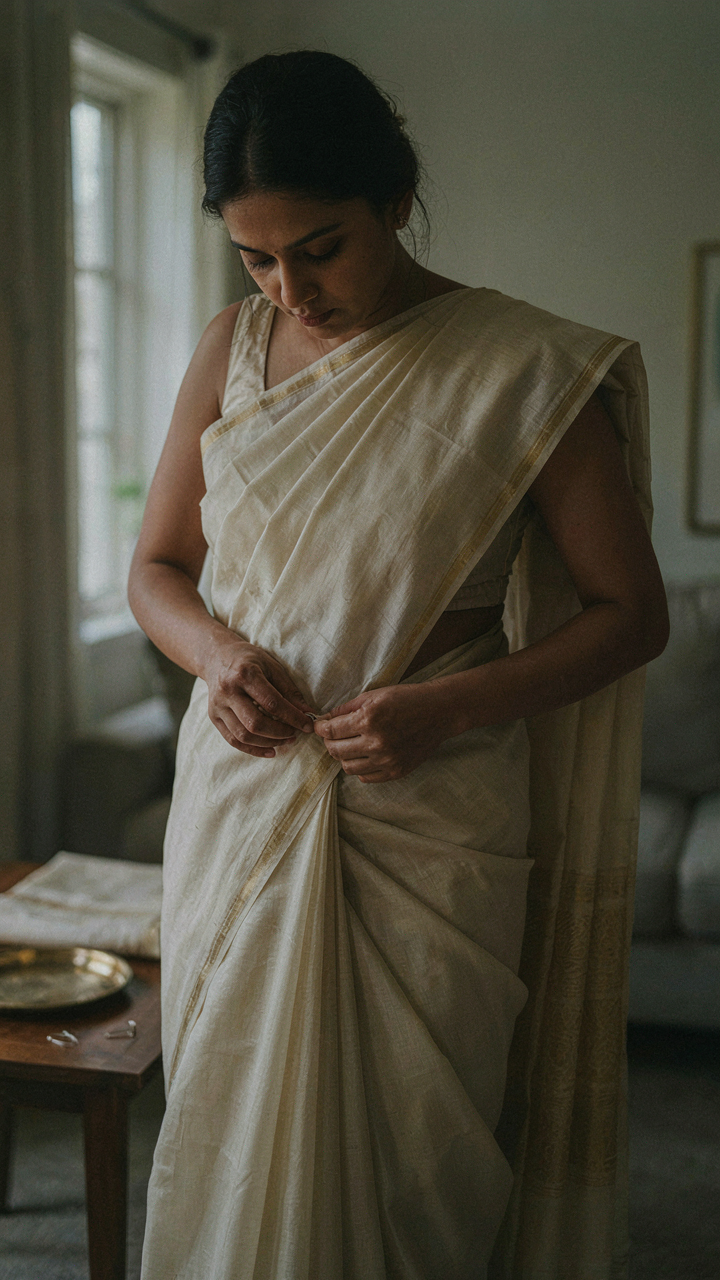
You want the saree because it signals cultural competence and refinement—but most people pick fabric wrong and end up looking amateur. The mechanism is simple: fabric weight and sheen telegraph occasion tier. Silk holds structure and catches light, signaling formality. Cotton breathes and reads casual. Blended synthetics split the difference but commit to neither, which is why they fail at festive events. Match fiber to event type first, then worry about color.

For festive occasions specifically, silk variants dominate because they perform the job invitation etiquette demands. Silk sarees in silk crepe, tussar, or kanjivaram hold pleats crisply and maintain silhouette through a full event. Tissue silk and georgette work for less formal festive settings but require more body awareness—they move unpredictably. Cotton sarees, beautiful as they are, read too everyday for events labeled festive. The fabric choice determines whether guests see you as event-appropriate or underdressed.
How Draping Becomes Visual Authority
Draping is applied physics: tension and anchor points create the illusion of control. Most advice says “drape loosely for elegance,” which is incomplete nonsense. Loose draping actually signals uncertainty. Festive attire demands the opposite—intentional, structured folds that stay placed throughout standing, sitting, and movement. The pallu (draped section) should be pinned or tucked precisely, not left free to slip. The pleats at the front require strategic pinning to the petticoat so they hold their vertical line. Subtlety lives in precision, not sloppiness.
The draping protocol determines readability from across a room. Pin the pallu at the shoulder and waist to prevent drift. Anchor front pleats every six inches along the petticoat seam using small safety pins hidden inside fabric. This takes two minutes and eliminates the entire category of mid-event wardrobe management. Guests see someone composed; organizers remember someone who understood the assignment.
The 3 Tiered Dress Code Decipher: Your Personal Algorithm
What Actually Counts As Non Negotiable
You’re worried you’ll look stupid. That fear is what makes people overthink this, but the mechanism is simple: festive attire has hard requirements and optional layers, and separating them saves you money and time. Think of it like signal processing in engineering—you need the carrier wave before you add the modulation. The carrier wave here is what the dress code literally demands.
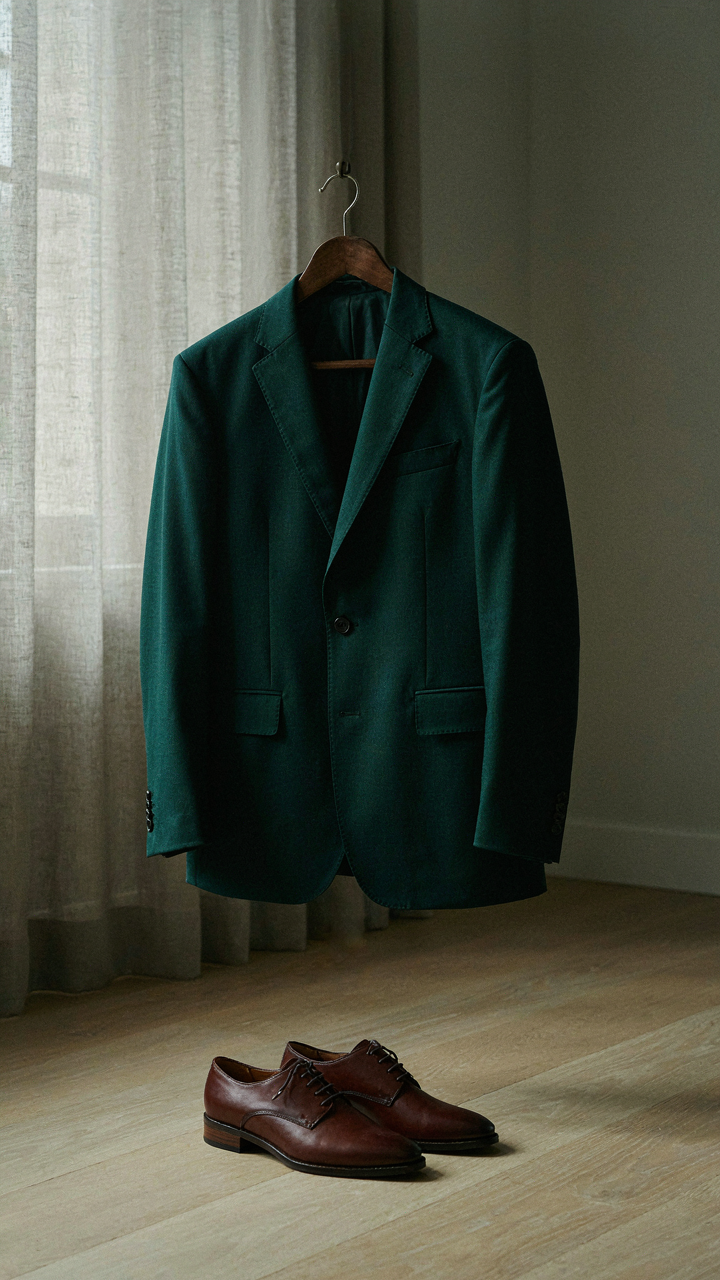
- Elevated Base Garment: A tailored blazer, dress, or suit in a solid color. This is your foundation. Casual materials and athletic cuts fail the signal immediately.
- Color Restriction Obedience: If the invitation specifies red, gold, or silver, you wear one of those colors as your dominant piece. Ignoring this reads as ignorance, not creativity.
- Finished Footwear: Shoes must be polished, paired deliberately with the outfit, and free of wear marks. Sneakers and flip flops communicate that you didn’t prepare.
- Grooming Baseline: Hair styled intentionally, facial hair groomed, nails clean. This costs nothing and signals whether you took the event seriously for five minutes.
- Jewelry Presence: At least one piece that isn’t your watch. A ring, necklace, or earring tells the room you understood the event’s formality tier.

These five elements are gatekeepers. Miss one and festive attire collapses into “I wore something nice.” The invitation doesn’t ask for nice—it asks for festive. You hit all five, you’ve cleared the minimum. Everything else is tactical choice.
The Actual Gap Closers
Everything else is negotiation within your comfort and budget. Most advice tells you to “add sparkle” or “go bold,” which is garbage because it doesn’t account for context, body type, or actual social dynamics at that specific event. The real lever is coherence: every added layer must reinforce the same signal the base garment is already sending.
If your blazer is jewel-toned velvet, your accessories move toward texture and warmth. If your dress is metallic or shimmer-based, you pull back on jewelry to avoid visual noise. The mechanism here is restraint disguised as enhancement. Add one strong secondary element, not five weak ones. Festive doesn’t mean “maximum,” it means “intentional and elevated.”
The True Faux Pas Isn’t Your Outfit; It’s Believing The Invitation Cares About Your Sequins

Stop treating festive attire like a puzzle with a hidden answer. The host doesn’t care if you nail it perfectly. They care that you showed up and didn’t wear gym clothes. Pick one thing that feels intentional, wear it with confidence, and move on. You’ve got real problems to solve. Your outfit isn’t one of them. Confidence beats accuracy every single time.