

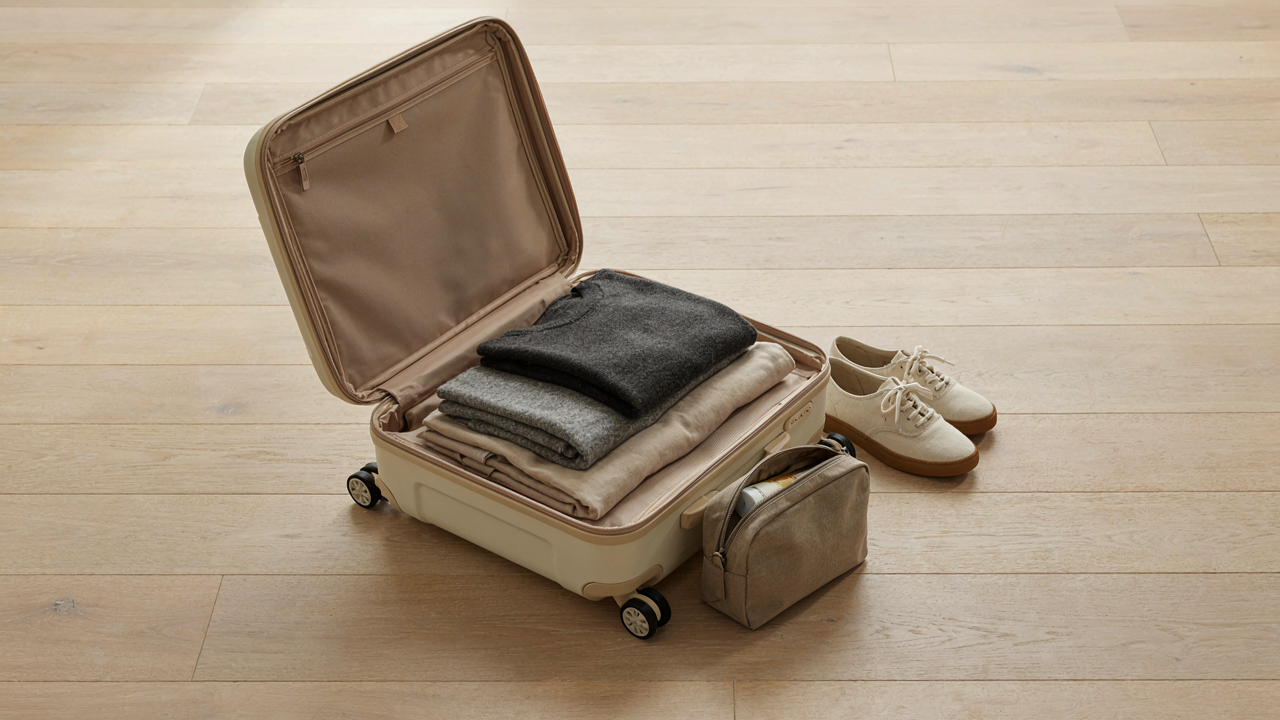
The “Less Is More” Deception: Why Your Capsule Fails

What You Actually Pack Versus What You Wear
You want to believe that one bag proves you’re disciplined and intentional. The mechanism is simpler: you’re afraid of looking unprepared in front of strangers. Most packing advice tells you to “only bring versatile pieces” and “mix and match.” This is incomplete. You don’t fail because you don’t know what versatility means. You fail because you pack items that satisfy your anxiety about hypothetical situations instead of the actual schedule you booked.
The difference between a capsule that works and one that becomes dead weight is brutal. You need to pack for the three to four outfits you will genuinely wear on specific days, not the five outfits you might wear if the weather shifts or you spontaneously decide to hike. A weekend in Barcelona requires different pieces than a weekend in Berlin. The uniform you create must match the actual activities on your itinerary, the climate data for those specific dates, and your baseline style. Guessing costs you bag space and mental load.
The Hidden Cost Of Just In Case Items
“Just in case” thinking borrows from risk management in insurance. You’re treating your bag like a portfolio that needs hedging against every possible outcome. But unlike financial hedging, packing redundancy has a real cost: you carry dead weight for 72 hours straight. That extra cardigan you might need if it gets cold. The backup shoes for the dinner that might happen. The second pair of jeans in a different wash because one might not feel right on day two. These items aren’t safety nets. They’re psychological crutches that destroy the entire point of traveling light.
The compound effect ruins you before you even land. Each “just in case” item reduces your bag’s capacity and increases what you physically haul through airports, up hotel stairs, and down cobblestone streets. More importantly, it signals to your brain that you don’t trust your original plan. Once you pack the backup, you’ve admitted the main outfit isn’t actually good enough. That doubt echoes through your trip. The fix: write your three-day itinerary, check the weather forecast for your destination, and pack only for that reality. No buffer items. No emotional backups. You don’t need them.
The Unburdened Traveler Protocol: Weekend Trip Outfits
Core Items For Maximum Outfit Combinations
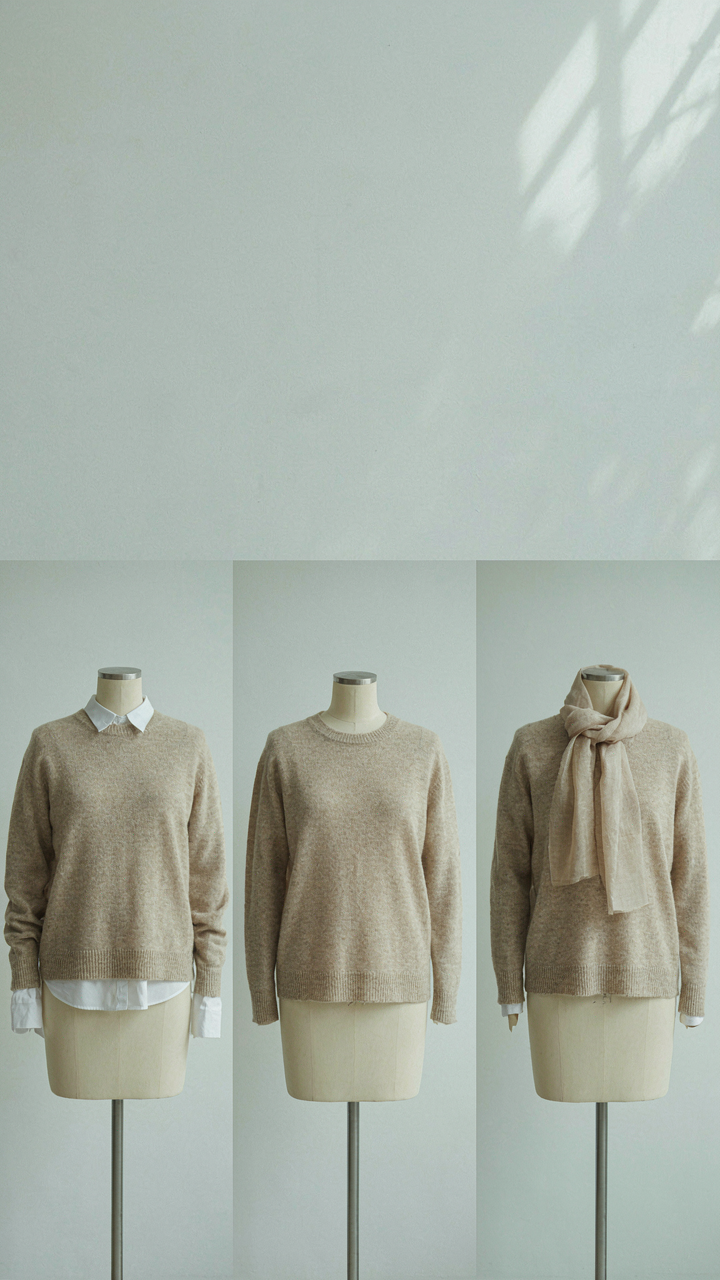
You want to feel confident without overthinking. Here’s the mechanism: you’re solving a math problem, not an aesthetic one. Versatility isn’t about owning many pieces. It’s about owning pieces that work together in multiple sequences. A neutral base layer worn three different ways creates three outfits from one garment. Most people pack by occasion instead of by fabric compatibility, which doubles their luggage and cuts their options in half.

Start with a single color story: one neutral tone as your anchor. A charcoal merino wool sweater, dark jeans, and a cream linen shirt become the spine. Every other piece either matches this palette or contrasts sharply enough to feel intentional. The sweater works layered over a button-up for dinner, worn alone for daytime walking, or stuffed into your bag as backup warmth. Jeans function as your visual constant across multiple outfit combinations. This structure eliminates decision fatigue and guarantees compatibility across all potential outfit builds.
Layering Strategy That Actually Travels
Common advice says pack layers. That’s incomplete. You need layers with different weight densities and different social contexts. A thin merino base layer isn’t the same as a mid-weight sweater isn’t the same as a structured blazer. Think in terms of thermal resistance like an engineer would. Each layer performs a different job: temperature regulation, visual interest, or contextual signaling.
Your second layer should do two jobs simultaneously. A lightweight cardigan adds warmth without bulk and works equally at a museum or a casual dinner. A structured shirt jacket functions as both a layer and a standalone top. Avoid redundancy. If your sweater already handles cold, your second layer must earn its space through versatility in temperature or context. Pack one heavier piece that compresses small: a packable down jacket or wool coat. That single piece expands your climate range without claiming bag space.
The Strategic Wardrobe: Beyond Travel Capsule Hype

Start With Your Actual Itinerary
You’re hoping a checklist will make this easy so you don’t have to think. Here’s the mechanism: your trip objective determines every piece you pack. A museum-heavy weekend in Berlin demands different clothes than a walking food tour in Barcelona or cocktail bars in Dublin. Most capsule advice ignores this because it sells the fantasy of one universal formula. It doesn’t exist.

Map your activities first, then map your clothes to those activities. List where you’ll spend time: outdoors, indoors, restaurants, galleries, transit hubs. Note the weather range and dress code expectations for each location. This takes 10 minutes and eliminates 80 percent of packing confusion. Your clothes serve the trip, not the other way around.
One Bag Means One Constraint That Fixes Everything
Constraint forces decision. Economics teaches us scarcity drives value allocation. One small bag creates artificial scarcity that forces you to choose only pieces that solve multiple problems. The common advice about travel capsules is incomplete because it treats small packing as a nice aesthetic choice. It’s not. It’s a decision filter.
When your bag holds one pair of pants, both outfits must use it. When you have four tops, each top must work with all bottoms. This eliminates dead weight. You stop packing aspirational pieces and pack only pieces that earn their space through overlap. The protocol: choose your bag size first (22 liters or less for most weekend trips), then build around that constraint instead of against it.
The Inversion Principle: Travel Capsule Wardrobe Women
Why Your Bag Feels Heavy Before You Leave
You want to feel prepared, which really means you want to feel like you won’t fail in front of strangers. Biology frames this as shedding unnecessary baggage—humans evolved to drop weight when traveling long distances because carrying excess depletes energy faster than moving light. Your ancestors survived by minimizing load. You’re doing the opposite instinctively, which is why your weekend bag keeps gaining items.

The mechanism is simple: every piece you add past the functional minimum doesn’t increase confidence. It increases decision fatigue and reduces mobility. Women often overpack because the narrative says more options equal more control. That’s false. More items mean more combinations to mentally process at 7 AM in a hotel room. The constraint forces better choices beforehand.
The Evolutionary Advantage Of Wearing The Same Outfit Twice
Every major explorer, soldier, and nomadic culture operated on repeat-wear protocols. Wearing the same piece multiple days wasn’t a failure of planning—it was the planning. Modern clothing storage is recent. Your biology still expects reuse as normal.
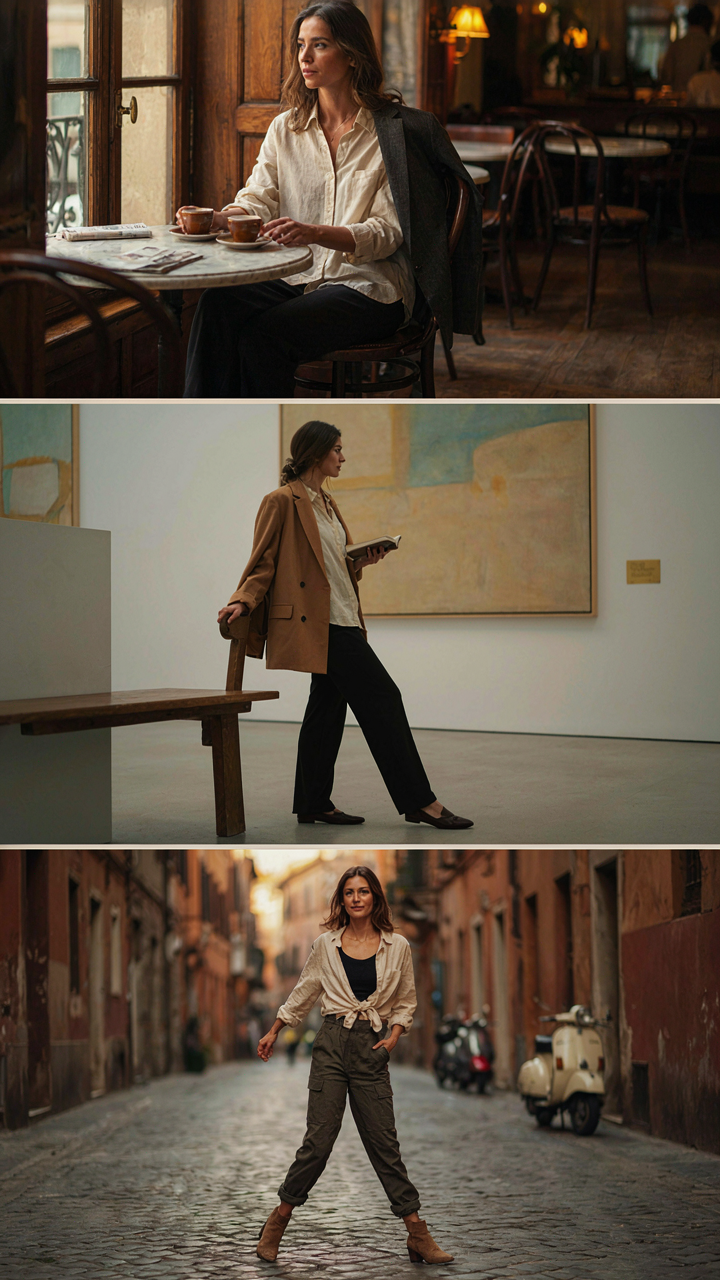
Women encounter social friction around repeat wearing that men don’t, which is why this section matters strategically. You solve this by choosing fabrics that don’t show wear across three days and layering differently each time. A linen shirt worn with a blazer on day one, with a cardigan on day two, and tied at the waist on day three reads as three outfits. It isn’t. This is the actual mechanism: strategic repetition masquerading as variety, not variety masquerading as minimalism.
Day Trip Outfit Mastery: Optimize Your Capsule Wardrobe

The Layering System That Actually Works
You want the freedom to move between environments without looking like you tried. That’s the real fear driving this section. The mechanism is borrowed from military load-bearing: base layer, mid layer, outer layer. Each serves a function and removes independently. In a city break capsule, you apply this vertically. A neutral base tee becomes formal under a blazer, casual under an overshirt. The piece doesn’t change. The context does. You control which version shows by removing or adding a single layer.

Most advice says “mix and match.” That’s incomplete. What works is building outfits where each layer exists as its own complete outfit. If you strip the blazer, the base and mid-layer read as a standalone day look. Remove the mid-layer, the base and outer read as evening. No outfit falls apart when you subtract. This is the only way to travel light without compromising range. Your three-piece day outfit becomes six outfit combinations because each layer independently functions.
Accessories That Reduce, Not Multiply
Stop buying small accessories thinking they compress your bag. A scarf, crossbody bag, three belts, two hats, four jewelry pieces, sunglasses, and regular glasses is not minimalist. It’s maximum clutter in different packaging. The real play is the dual-function accessory that solves two wardrobe problems simultaneously. A structured leather belt does daily duty and dresses up evening wear. A packable tote collapses flat and functions as both day carryall and evening clutch when cinched. A silk square works as headwrap, bag accent, or shirt tied at the waist.
Choose accessories that share a material story. If your bag is cognac leather, your belt and shoes speak the same language in the same shade. This eliminates the mental tax of matching and creates depth through consistency instead of variety. Jewelry works the same way: one metal, two styles maximum. Gold throughout or silver throughout means everything coordinates automatically. You pick up the pieces that match your outfit’s color temperature in under five seconds. This is where you actually save space and sanity.
The Anti Trend Formula: Travel Capsule Wardrobe Summer
Fibers That Actually Work
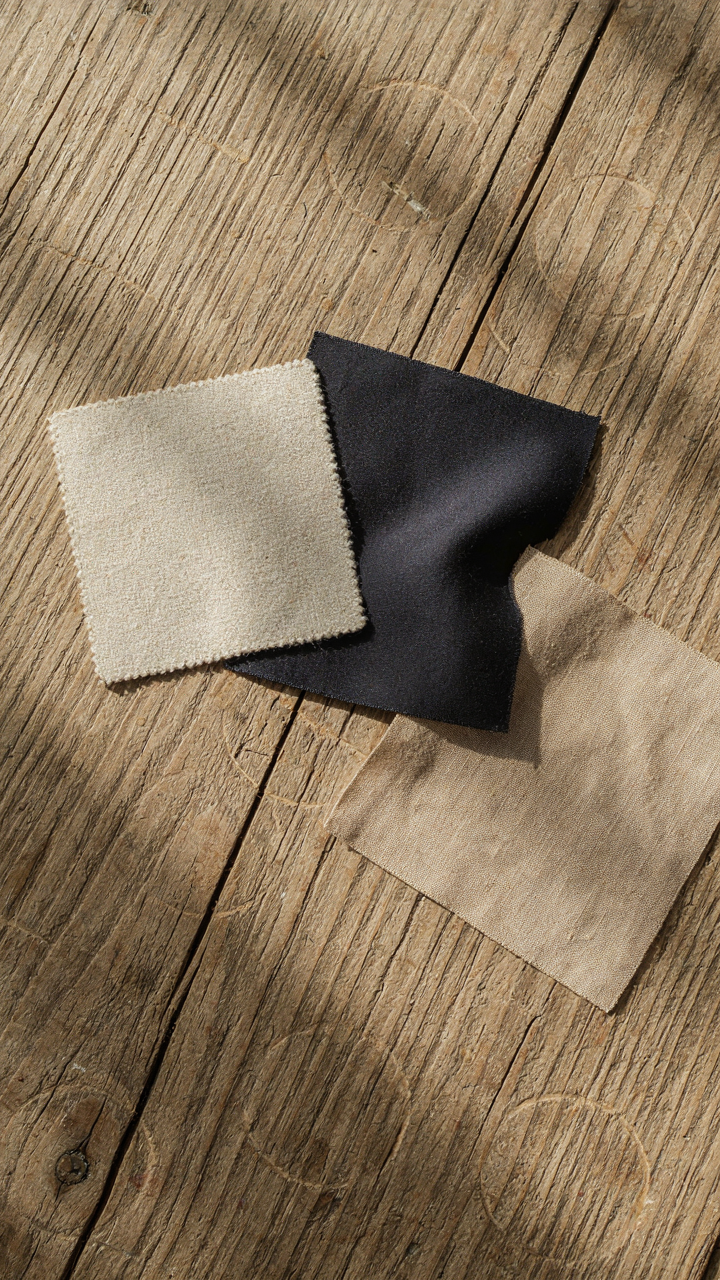
You want permission to buy expensive travel gear without admitting you’re afraid of looking unprepared. Here’s what matters: fabric choice determines whether your bag stays light and your clothes stay functional. Think of fabrics like supply chains in military logistics. Cotton is the infantry—reliable but heavy when wet. Synthetics are the air support—they dry fast and pack small, but they trap heat. Merino wool is the special forces unit: temperature-regulating, odor-resistant, and compact. Summer city breaks demand fabrics that earn their weight.
- Merino wool blend: Breathes in heat, regulates moisture, doesn’t smell after three days of wear. Tighter weave than standard wool means less bulk.
- Nylon with stretch: Dries in hours, resists wrinkles, moves with your body during walking. Synthetic durability matters when fabric sees constant friction.
- Linen cotton blend: Lighter than pure linen, wrinkles less than pure cotton, maintains breathability in peak heat. The blend solves both fabrics’ weaknesses.
- Recycled polyester: Packs down smaller than virgin synthetics, dries faster than cotton, performs like modern activewear without the marketing markup.
- Silk blend base layer: Temperature regulation without bulk, moisture-wicking without cling. Works as both undershirt and sleepwear to save bag space.

Most packing lists ignore this: your fabric choice directly controls whether you need five shirts or two. A merino tee worn twice between washes replaces what cotton requires three times. You’re not buying quality for its own sake. You’re buying weight reduction disguised as durability.
Weather Happens Without Warning
Don’t pack for the forecast. Pack for the mechanism of weather itself: rapid temperature swings between sun and shade, humidity shifts between indoor air conditioning and street heat, rain that comes fast in summer storms. A single lightweight rain shell that compresses to the size of a water bottle solves more problems than a heavy jacket ever could. The shell layers over everything else without adding volume.
Summer heat creates a false sense of security. You’ll enter a museum with aggressive cooling, sit in a restaurant at night with windows open, or catch a sudden downpour. Layering in summer isn’t about warmth. It’s about managing transitions without carrying backup outfits. A thin long-sleeve shirt in breathable fabric blocks sun, adds coverage in over-cooled spaces, and ties around your waist when you don’t need it. This single piece eliminates three separate clothing needs. Your second and third backup plan stays in the bag until you actually need it.
Beyond The Hype: Weekend Capsule Wardrobe Reality

The Psychology Of Constraint
You want proof that you can do more with less because it validates your intelligence and self-discipline. The real mechanism is simpler: your brain mistakes scarcity for intentionality. When you have fewer options, you stop making decisions and start executing. Decision fatigue disappears. You pack light not because minimalism is virtuous, but because constraint removes the paralysis that kills weekends before they start.

The mental game isn’t about feeling proud of yourself. It’s about removing the friction between intention and action. A small bag forces priority ranking. You cannot pack “just in case” items because there is no space. This sounds obvious. Most people still pack six outfits for two days because they confuse optionality with security. The real move is accepting that wrong choices happen, they matter less than you think, and a weekend in a city is short enough that nobody remembers what you wore twice.
Dressing For The Role, Not The Scenario
The common advice says pack versatile pieces that mix and match. That’s incomplete. You actually need to identify the single role you’ll occupy for 72 hours, then dress exclusively for that role. Psychology calls this “role congruence.” In a city weekend, your role is not “tourist who might also need to hike” or “professional who might also club.” You are one thing. Pick it.
If you’re there to walk neighborhoods and eat, dress like someone who walks neighborhoods and eats. If you’re there to work from cafes and see friends, dress for that. Every item either serves that role or creates cognitive load. Confidence comes from alignment between your clothes and your actual behavior, not from having backup options. Build your entire bag around a single narrative. When everything serves one purpose, nothing feels wrong.
The Unflappable Traveler: Weekend Getaway Outfits
When Plans Collapse
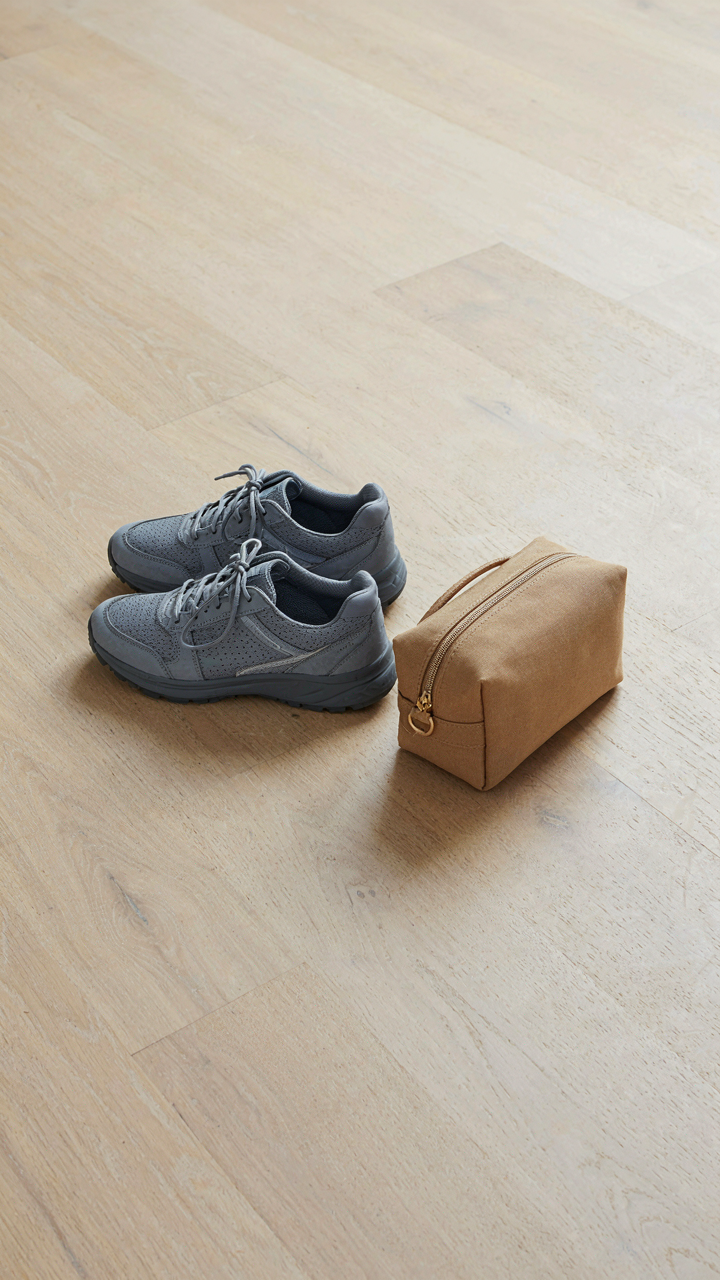
You’re worried you’ll look unprepared. That’s not the real problem. The real problem is you’re mentally unprepared for a system breaking. Your flight delays. The restaurant you planned closes. Weather shifts twelve hours before you leave. A capsule works because it treats contingency as the default state, not an exception. You pack pieces that recombine, not outfits that depend on one specific scenario executing perfectly.

The mechanism here borrows from engineering: redundancy. Build overlap into every layer. Your neutral trousers work with the casual shirt and the structured blazer. Your base layer functions alone or under outerwear. Your shoes handle rain or sun without requiring backup pairs. This isn’t about having “options.” It’s about architecting a wardrobe where failure points don’t cascade. One wrinkled item doesn’t collapse your entire three-day plan because four other combinations remain viable.
Carrying Nothing Is The Tell
People mistake minimalism for deprivation. They think traveling light means accepting discomfort. Wrong. Traveling with one small bag means you stopped carrying the weight of decisions that don’t matter. You own nothing that doesn’t perform. Everything fits. Nothing is backup. You wear what you bring because what you bring works. That’s not constraint. That’s leverage.
The psychological shift happens when you realize you’ve attended dinners, walked museums, navigated airports, and changed environments without once thinking about your clothes. Most travelers spend mental energy managing their wardrobe. You spend zero. That freed attention goes toward the city, the people, the experience. Pack your weekend capsule by testing it first: wear the entire bag for two days at home and run errands. If you think about clothes, remove something. When you stop thinking about them, you’re done.
Your Overpacked Bag Isn’t A Safety Net; It’s A Monument To Indecision
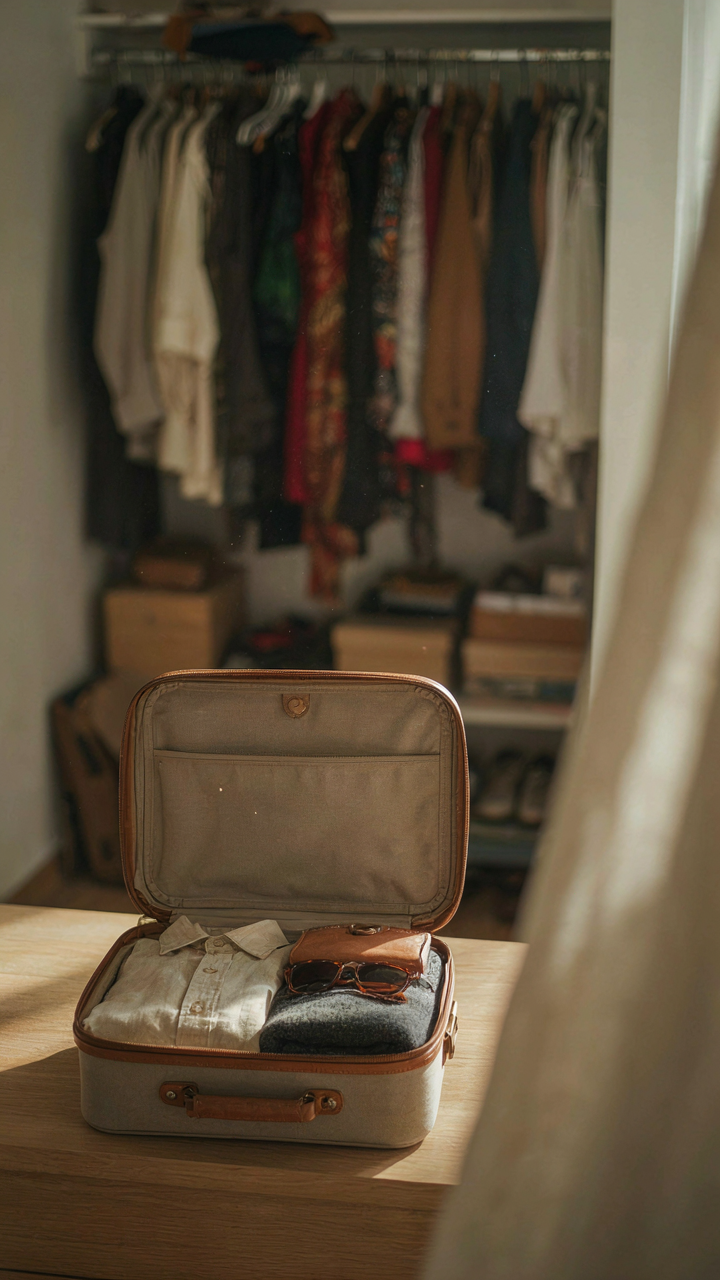
You pack extra clothes because you don’t trust your decisions. The real shift happens when you stop treating your bag like insurance and start treating it like a statement. Pick five pieces today. Wear them. Nothing breaks. Nobody cares what you wore yesterday. You’ll realize the constraint wasn’t the problem; the excess was. Travel light or stay home and reorganize your closet for the hundredth time.