

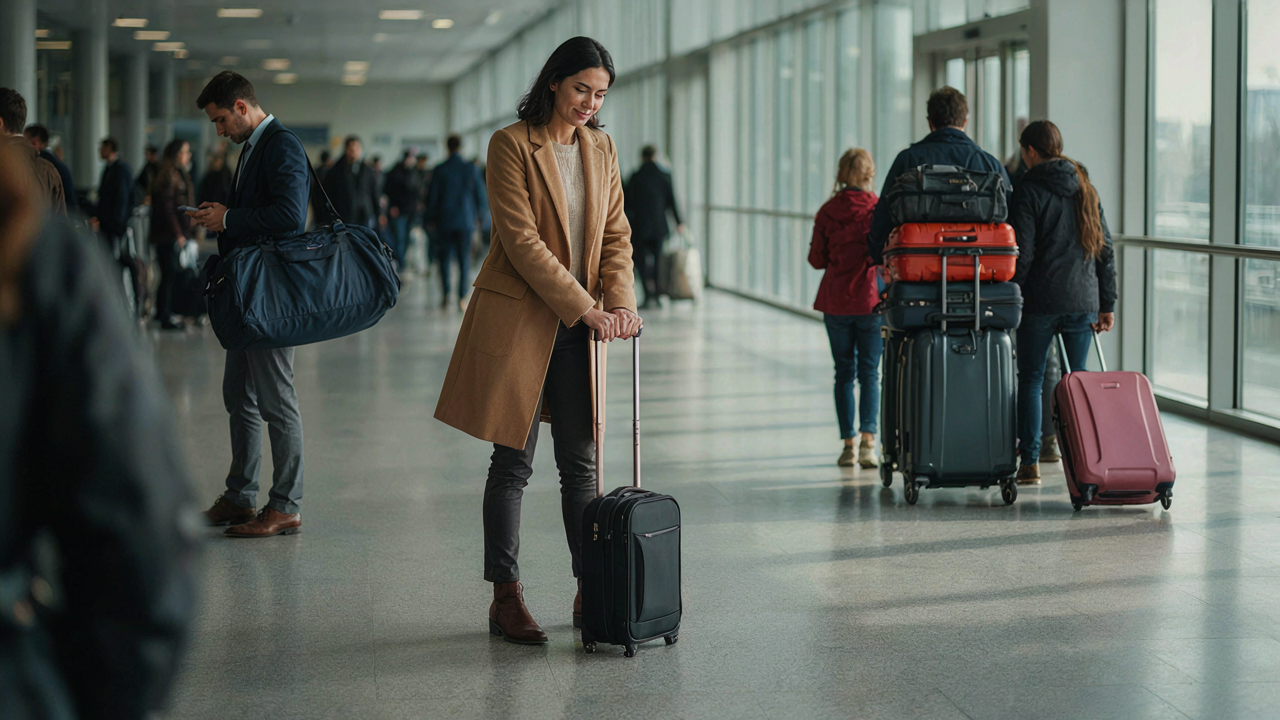
The Myth Of More: Why Your Luggage Is Lying To You

You Pack For The Person You Pretend To Be
You’re afraid you’ll look unprepared. That’s the real mechanism here. Most people overpack because they’re running a simulation in their head where they get caught without the right outfit, and suddenly they’re exposed as someone who doesn’t have it together. The anxiety isn’t about clothing. It’s about control. So you stuff the suitcase as insurance against a scenario that almost never happens. Ten days in a warm climate means predictable conditions. The weather won’t betray you. Other people won’t care. But the uncertainty makes you add one more shirt anyway.
The economics of luggage capacity work against you. Airlines give you a hard limit, so your brain treats it like a tank to fill. Empty space feels like wasted opportunity. You start playing the optimization game backward: instead of asking “what do I actually need,” you ask “how much can I fit.” This inverts the entire process. You’re no longer packing to solve a problem. You’re packing because you have room. The result is a suitcase that weighs more, takes longer to pack, creates decision paralysis every morning, and forces you to do laundry less often, which means more outfit repetition anyway. The opposite of what you wanted.
The Just In Case Doctrine Doesn’t Hold Weight
Everyone says “what if you need it.” Nobody asks what actually happens when you don’t. You’ve traveled before. How many times did you wear something you packed “just in case” for a specific scenario? The answer is rarely. That formal dinner you packed for didn’t happen. The rain jacket collected wrinkles but not rain. The extra shoes sat in the corner. The psychology here is simple: uncertainty feels dangerous, so we buy false safety through physical bulk. But ten days in a warm climate removes most of the genuine uncertainty. The weather is stable. Social expectations are relaxed. Your schedule is already planned.
Here’s the mechanism that changes everything: constraint forces prioritization. When you limit yourself to carry on, you can’t default to “maybe I’ll wear this.” You have to commit to pieces that work with multiple other pieces. This isn’t deprivation. It’s clarity. You stop packing for imaginary scenarios and start packing for actual activities. The warm climate accelerates this because you need less specialized gear. No heavy coat. No boots for different seasons. No layering complexity. Remove the constraint, and you revert to uncertainty-driven packing. Keep the constraint, and you build a system that actually works. Your goal isn’t to fit everything you own. Your goal is to own only what fits in ten days and looks intentional while doing it.
The “3x3x3” Protocol: Minimalist Mastery For Maximum Mobility
The Math Behind The Constraint
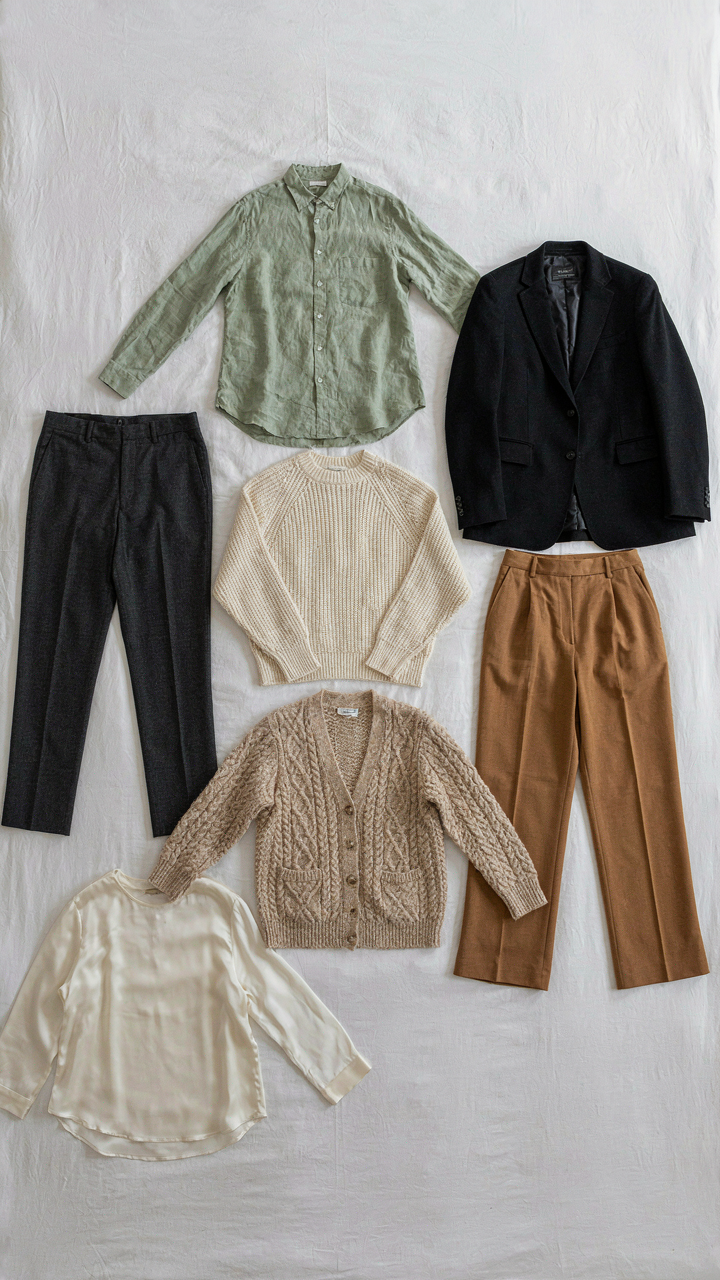
You want to look put-together without thinking about it. That’s the real reason you’re reading this. The mechanism is constraint-based design, borrowed from systems engineering: you reduce variables to increase decision velocity. In a 10-day warm climate carry-on, that means three color families, three garment categories, and three outfit formulas. This isn’t about deprivation. It’s about eliminating the friction that makes packing fail.

Most packing advice tells you to “pick neutral colors” and “mix and match.” That’s useless because it doesn’t address why most people overpack: decision fatigue and fear of repetition. The 3x3x3 protocol removes both by building in mathematical certainty. Every piece talks to every other piece. You own the combinations before you buy a single item.
Tops, Bottoms, And The Layering Slot
Build three garment categories: tops (five to six pieces), bottoms (two to three pieces), and one structured layer. The tops should include short-sleeve shirts, a lightweight tank, and one long-sleeve piece for sun protection or air conditioning shock. Bottoms are simpler: two pairs of shorts in your chosen color family and one pair of lightweight pants for evening venues. The structured layer is your single most important piece. In warm climates, that’s typically a linen or cotton overshirt that works open over everything or closed for dressier settings.
This category split works because it mirrors how humans actually layer in transition climates. You’re not building eight standalone outfits. You’re building a system where each top has three bottoms options and each bottom has five top options. The math compounds your flexibility without adding volume. Your packing list stops at roughly 10 to 11 pieces instead of 15 to 20.
Climate Proofing Your Kit: Warm Weather Warriors
The Fabric Decision That Changes Everything
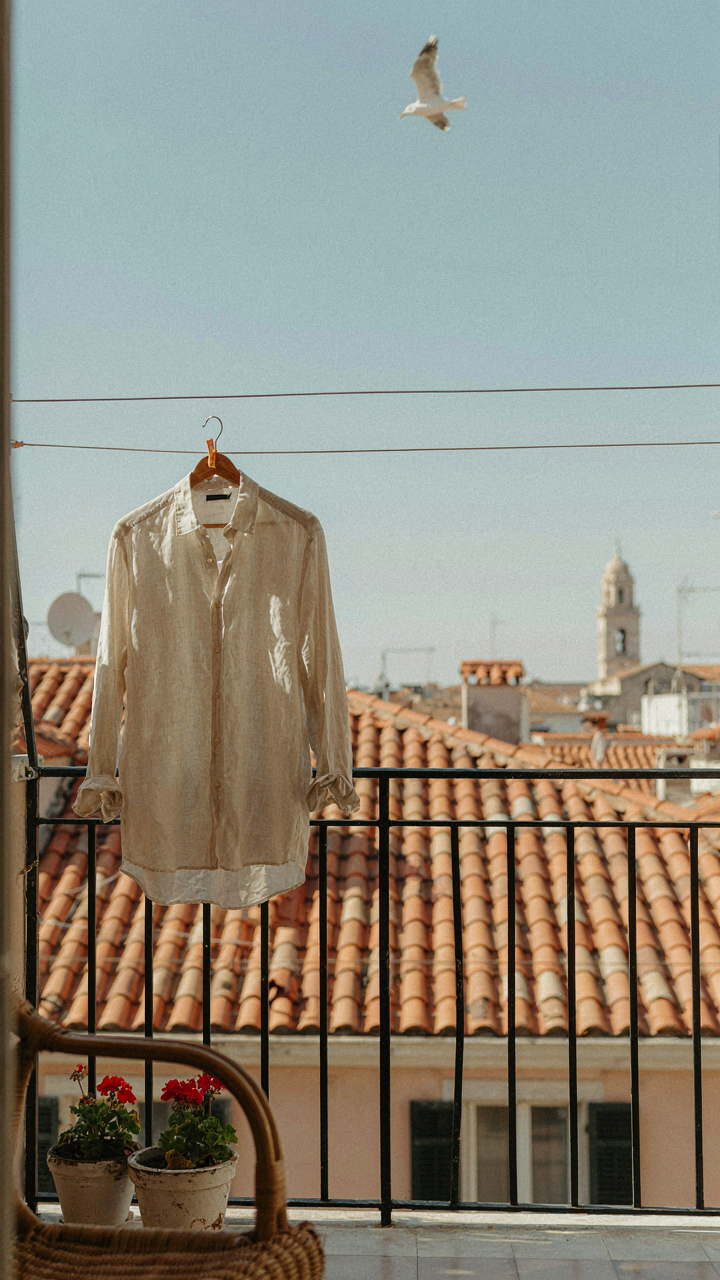
You want to feel put together without looking like you’re melting. That’s the real math here. Fabric selection isn’t aesthetic—it’s thermodynamic. Cotton absorbs moisture and holds it against your skin. Linen and synthetic blends wick sweat away and dry fast. In warm climates, your fabric choice determines whether you feel fresh at hour eight or damp at hour two. Pick materials that move moisture away from your body, not toward it.

Nylon, polyester, and linen blends dominate 10 day carry on capsule wardrobes because they dry within two to four hours of hand washing. Cotton takes six to ten hours minimum. On a ten day trip with one carry on, you’re rewashing items every two to three days. Speed of dry time becomes speed of rotation. Buy pieces labeled quick dry or moisture wicking. Ignore thread count. Focus on fiber type.
Layering For Unpredictable Temperature Swings
The common advice says “bring a light cardigan.” That’s incomplete. Real layering in warm climates handles two specific threats: over aggressive air conditioning indoors and temperature drops at altitude or near water. Layering isn’t about bulk. It’s about thermal regulation—the principle from physics that governs how bodies maintain stable internal temperature. Your capsule needs one lightweight, packable layer that adds zero volume but shifts your thermal state.
A thin merino wool or synthetic shirt works because it regulates temperature in both directions. Wear it under your main top when cold, roll it in your bag when you don’t need it. Merino compresses to roughly half the size of cotton. Synthetic blends compress even smaller. The layer must be thin enough to pack flat inside another piece, not rolled separately. This eliminates excess luggage and keeps your packing strategy intact.
The Wardrobe Matrix: Interoperability For Infinite Outfits
How Math Creates Outfit Abundance
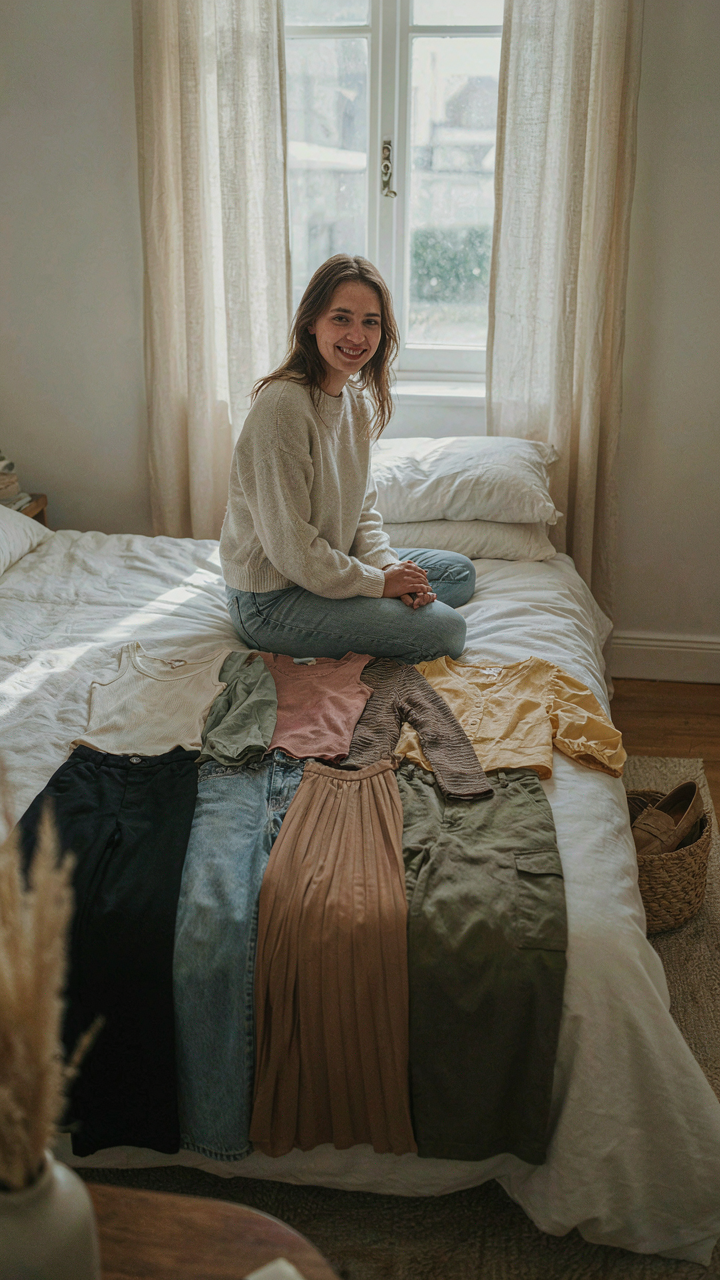
You want to feel like you have choices without carrying a suitcase. Here’s the mechanism: mathematics. In combinatorics, you calculate possible outcomes from a fixed set of variables. A 10-day carry-on wardrobe operates on the same principle. Five tops, four bottoms, and two layers create 40 outfit combinations before you factor in shoes and accessories. Most people don’t think in equations. They pack randomly and end up with pieces that don’t talk to each other.

The constraint isn’t your enemy. It’s your advantage. Every item you select must function across multiple outfit combinations. A neutral linen shirt works with tailored shorts on day one and casual pants on day three. A versatile piece earns its weight by pulling double or triple duty. This forces discipline at the buying stage, not the packing stage. You eliminate dead weight before it enters your bag.
Building The Formula That Works
The common advice says “mix and match,” then leaves you hanging. That’s incomplete. A real formula requires a structure. Start with a color anchor: one neutral that dominates 70 percent of combinations, typically white, cream, navy, or black depending on your climate and skin tone. Build your remaining pieces around that anchor. Two to three accent colors create secondary combinations without confusion.
Your outfit logic follows a simple hierarchy: neutral base, accent piece, then finisher. The neutral base is your bottoms or a dress. The accent piece carries color or texture. The finisher adds function or polish. Day one might be neutral shorts, accent linen shirt, finisher lightweight blazer. Day three flips it: neutral pants, accent patterned shirt, finisher belt or jewelry. Test your actual combinations before you pack by laying them out on a bed. If a piece doesn’t pair with at least three others, it doesn’t come.
Accessories As Amplifiers: The Multiplier Effect
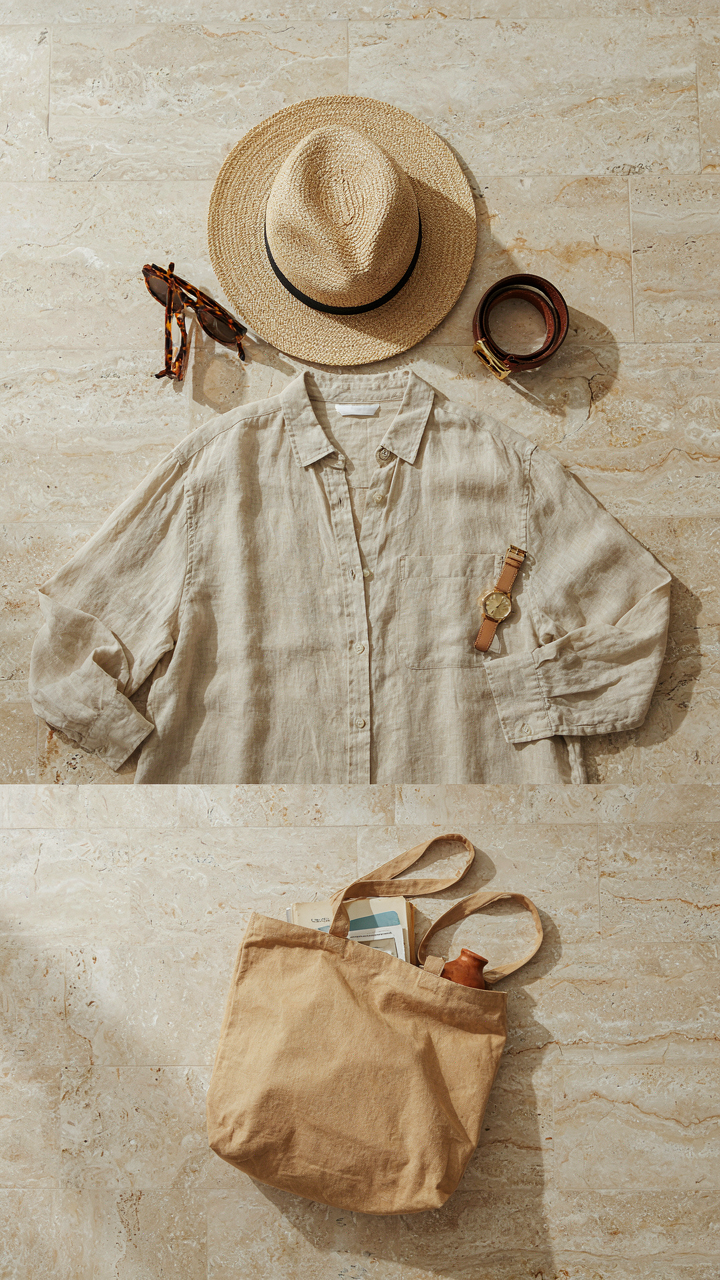
One Piece, Three Outfits
You want accessories to do the work so you don’t feel like you’re wearing the same clothes twice. That’s the real reason you’re reading this. The mechanism is borrowed from economics: leverage. In a 10 day carry on capsule, one accessory creates multiple distinct outfits from the same base pieces by shifting visual weight and perceived context. A linen shirt becomes resort wear with sunglasses and a straw hat, business casual with a watch and leather belt, casual beachwear with a canvas tote. You’re not multiplying garments. You’re multiplying permutations.

The mistake most people make is treating accessories as decoration. They’re not. They’re context switches. A neutral base wardrobe stays invisible until an accessory anchors it to a specific scenario. This is why carrying five accessories beats carrying five extra shirts. Pick pieces that solve functional problems first, then recognize their secondary effect on how outfits read. A crossbody bag isn’t just storage. It signals movement and purpose. A lightweight scarf isn’t just fabric. It becomes a layering tool, sun protection, and visual anchor in one object.
Shoes That Cross Terrain
Most capsule advice says choose shoes by formality level. That’s incomplete. In warm climates, shoes need to handle terrain variation and sweat management. You need one pair that moves from tile to pavement to sand without signaling “I dressed for this specific surface.” Neutral leather sandals with arch support handle resort, casual dinner, and walking. Canvas sneakers cover humidity absorption and quick-dry capability without looking out of place at a casual meal. One pair of structured slides bridges the gap between slip-on convenience and the visual weight that signals “I thought about my outfit.”
Three pairs maximum in a 10 day window for warm climates. Choose based on hours worn, not occasions attended. Your primary shoe gets eight days. Your secondary shoe gets two. Your tertiary shoe fills the gap only when the first two are wet or visibly worn. The pivot point is this: pack shoes that handle moisture first, then aesthetics. Sweat-soaked shoes create outfit failure faster than any color mismatch. Prioritize quick-dry materials like canvas and treated leather over suede or fabric blends that trap humidity.
The Dark Art Of Laundry: Extending Your Wardrobe’s Lifespan

Hand Washing In Hotel Sinks
You’re worried a wrinkled shirt signals you don’t have your life together. The real mechanism is simple: synthetic blends dry in four hours, which means you can wear the same piece twice before day ten without anyone knowing. Most travelers skip hand washing because it feels primitive. It’s not. It’s the difference between packing eight pieces and five.
Fill the sink with cool water and add a small amount of detergent designed for delicates or general use. Submerge each piece for three to five minutes, agitate gently, rinse thoroughly with fresh water twice, then squeeze out excess moisture without wringing. Lay flat on a towel or hang near airflow. This takes eight minutes total per load and costs nothing beyond what you already packed.
Air Dry Fast In Humidity
Evaporation physics governs how quickly fabric releases water. In warm climates, heat accelerates this process, but humidity fights back by slowing moisture escape into the air. The mistake everyone makes is hanging wet clothes in direct sun thinking it’s faster. Actually, shade with airflow beats sun because humidity steals the heat advantage. Position pieces where they catch cross-breeze, even if indirect sunlight takes longer.
Hang items in corners or near windows where air moves consistently. Synthetic materials like nylon and polyester dry within two to four hours in warm climates with ventilation. Cotton takes longer. Strategic placement matters more than temperature. Never stack wet pieces or bunch them together, even briefly. Space between garments lets air reach all surfaces equally. This single protocol step is what makes a five-piece warm-weather capsule actually functional for ten days.
Packing Precision: The Art Of The Carry On Capsule Wardrobe
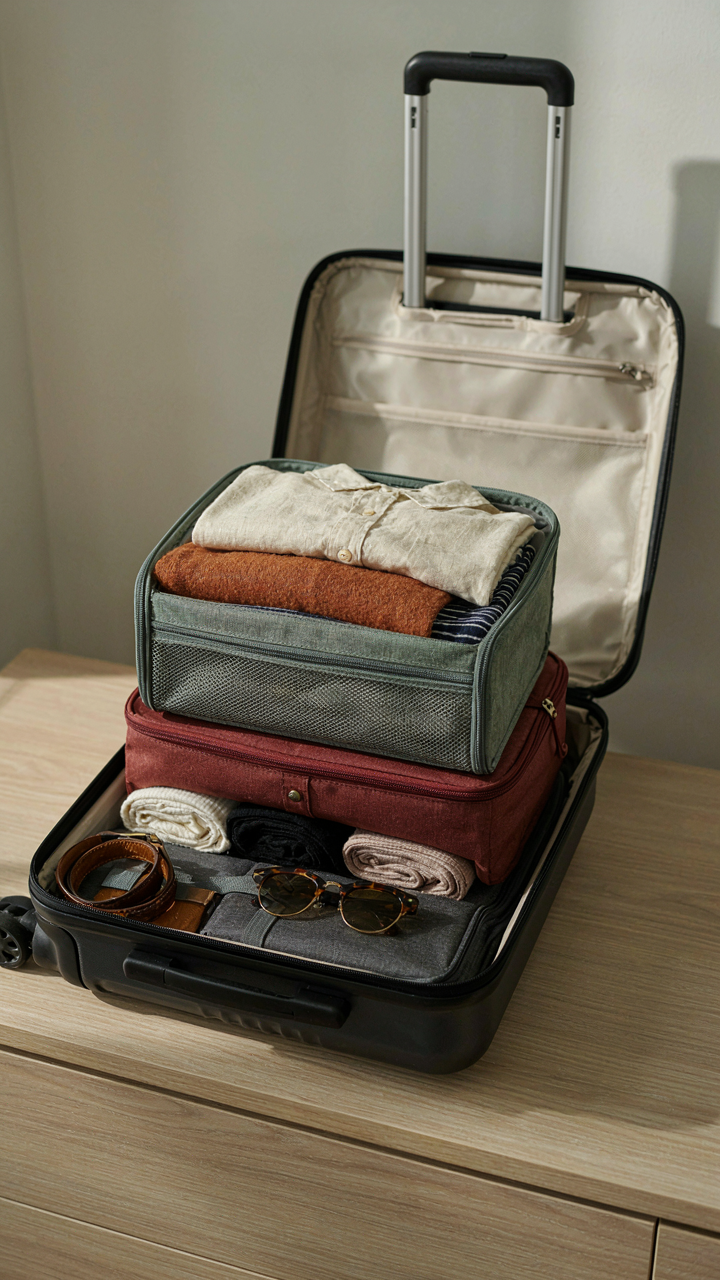
Rolling Versus Folding: The Space Equation
You care about this because you’re terrified of checking a bag and losing control. The real mechanism is volumetric density: rolling compresses fabric along its longest axis, reducing air pockets that folding leaves behind. Rolling works for knits and casual pieces. Folding preserves structure in linen and structured shirts, preventing creases that take hours to release in humid climates where steam rooms don’t exist in your hotel.

The tradeoff is this: rolling saves roughly 20 to 30 percent more space than folding for identical garments, but it stresses seams and hems under sustained pressure. For a 10-day warm climate carry-on, roll everything except your two best button-ups and your one structured piece. This gives you maximum capacity without sacrificing the items that signal intention in social settings.
Packing Cubes: Compression Without Waste
Packing cubes don’t organize anything. That’s the lie everyone repeats. They compress. Compression is what matters. A cube with a zipper reduces volume by removing excess air between garments while keeping categories separated so you’re not excavating your entire bag to find one pair of shorts.
For warm climates, buy cubes in two sizes: medium for tops and bottoms, small for undergarments and accessories. Fill each cube to capacity, zip it down, and stack them vertically in your carry-on. This method prevents shifting during transport and lets you access any category without unpacking. Deploy the same cube for your return trip.
Beyond The Clothes: Essential Personal Kit For 10 Days
Toiletries: Condensed And Concentrated
You want people to think you packed light because you’re organized, not because you forgot things and hope nobody notices. The real mechanism is constraint forcing specificity. You don’t need variety here—you need concentration. Travel-sized bottles exist because brands discovered that people will buy the same product twice if the first one fits in a carry-on. Buy the concentrates once and stop paying the markup.
- Solid shampoo bar: One bar lasts 50-80 washes depending on hair type. Takes no liquid allowance, weighs under two ounces, and actually costs less per wash than bottled alternatives over time.
- Toothpaste tablet or solid: Eliminates the 3.4-ounce liquid restriction entirely. One small tin covers ten days and doubles as toothpowder if needed.
- Multipurpose face and body soap: One item replaces three. Pick an unscented bar that doesn’t strip skin in hot, humid climates where you’ll shower daily.
- Deodorant stick: Solid form, under two ounces, no liquid rules apply. In warm climates, reapply after showering rather than relying on powder formulas that cake.
- Sunscreen stick or solid formulation: Compact, no TSA worries, and won’t leak in your bag. Reapply every two hours in direct sun, especially near water that reflects UV.

Pack these into a small drawstring bag and you’ve solved the toiletry problem without negotiating with TSA or paying hotel markup prices. Warm climates mean you shower daily anyway, so you’ll use everything before it dries out or expires.
Digital Essentials: Power And Connectivity
Your devices fail without power before they fail from poor software. In warm climates, lithium batteries degrade faster and your phone runs hotter. Bring a 20,000 mAh power bank rated for at least two full charges of your primary device—this covers a day of heavy use plus a backup charge if you’re away from outlets. Pack a charging cable and wall adapter rated for the voltage and outlet type of your destination. USB-C is now standard, but verify before you travel.
Connectivity solves itself through local SIM cards or existing roaming plans. Download offline maps before departure using Google Maps or equivalent—warm-climate locations often have patchy data, and knowing your route before you move saves battery and time. Store one backup of critical documents as encrypted PDFs on your phone. The mechanism is redundancy: two power sources, one map system that works without signal, one document backup independent of cloud access.
Europe Wardrobe Capsule: Adapting For Cultural Context

What Europeans Actually Observe
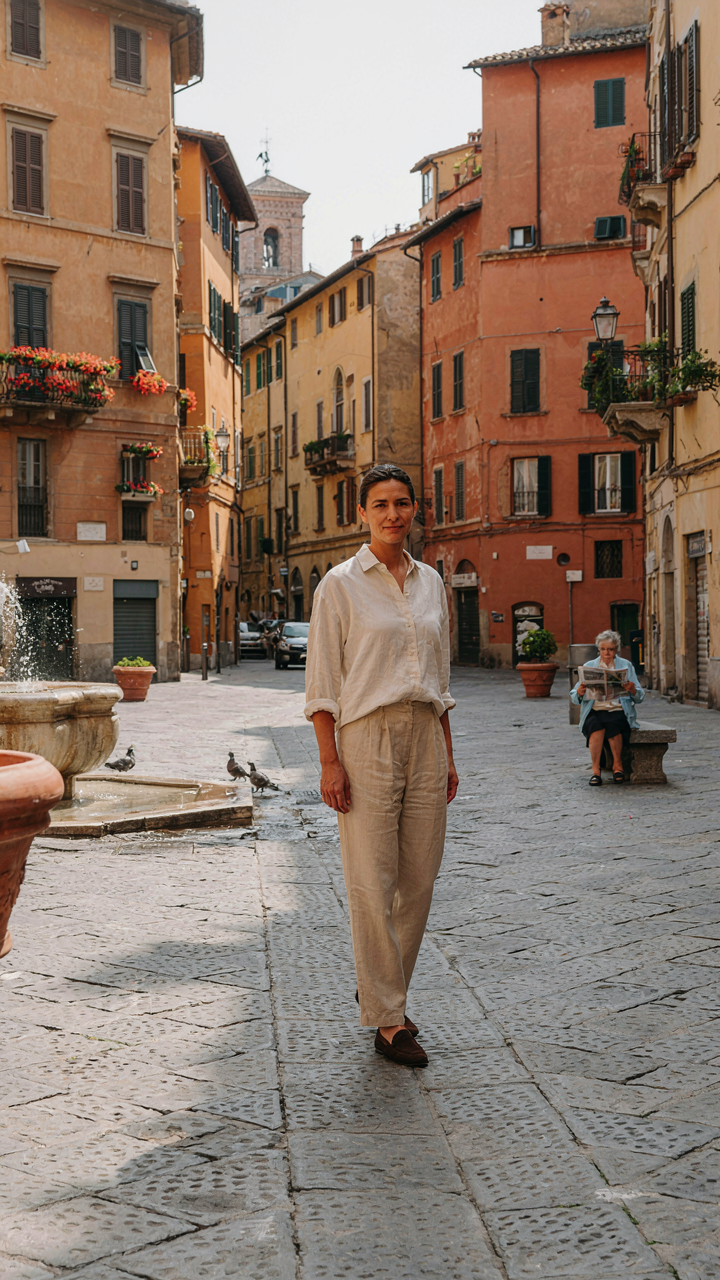
You’re worried you’ll look like a tourist. That’s not the real problem. The real problem is you don’t know the mechanism: Europeans signal class and intentionality through restraint, not visibility. A warm-climate capsule works in Europe only when you strip it down further and eliminate the casual American reads that broadcast “I flew in yesterday.” The gap between fitting in and standing out is one decision per garment, not a vague feeling about “looking European.”

Dress codes in European cities operate on an unspoken hierarchy. Casual doesn’t mean athletic or logo-forward. A linen shirt worn in Barcelona reads differently than in Miami because context shapes interpretation. Warm climates demand breathable fabrics, but Europeans treat those fabrics as neutral infrastructure, not as the outfit itself. Your 10-day carry-on works the same way: neutral linen, cotton, and lightweight blends form the base. The distinction is quality and fit over novelty. A wrinkled linen shirt signals intention in Rome. A wrinkled athletic shirt signals you don’t have a plan.
Blend Through Subtraction, Stand Out Through Precision
The common advice says “add local pieces.” That’s backwards and it wastes luggage space. You blend by removing, not adding. Subtract logos, subtract bright colors, subtract visible tech accessories. Europeans don’t need to announce themselves. Standing out happens through one calculated choice: a single garment that reads expensive or thoughtful while staying within the warm-climate constraint. That precision matters more than volume. When everything is neutral except one piece, that one piece does the work.
Your baseline stays the same across European cities: neutral bottoms, neutral tops, one structured layer. The standing-out move is deliberate texture or cut, not color. A well-fitted linen blazer in natural stands out against polyester casualness. A pair of leather sandals, not plastic ones, does the work without shouting. You don’t need different wardrobes for Paris versus Athens. You need different decision-making inside the same capsule. Before packing, eliminate anything that looks mass-produced or trend-dependent. Keep what reads intentional.
The Unburdened Traveler: Freedom Through Scarcity
Your Brain On Constraints
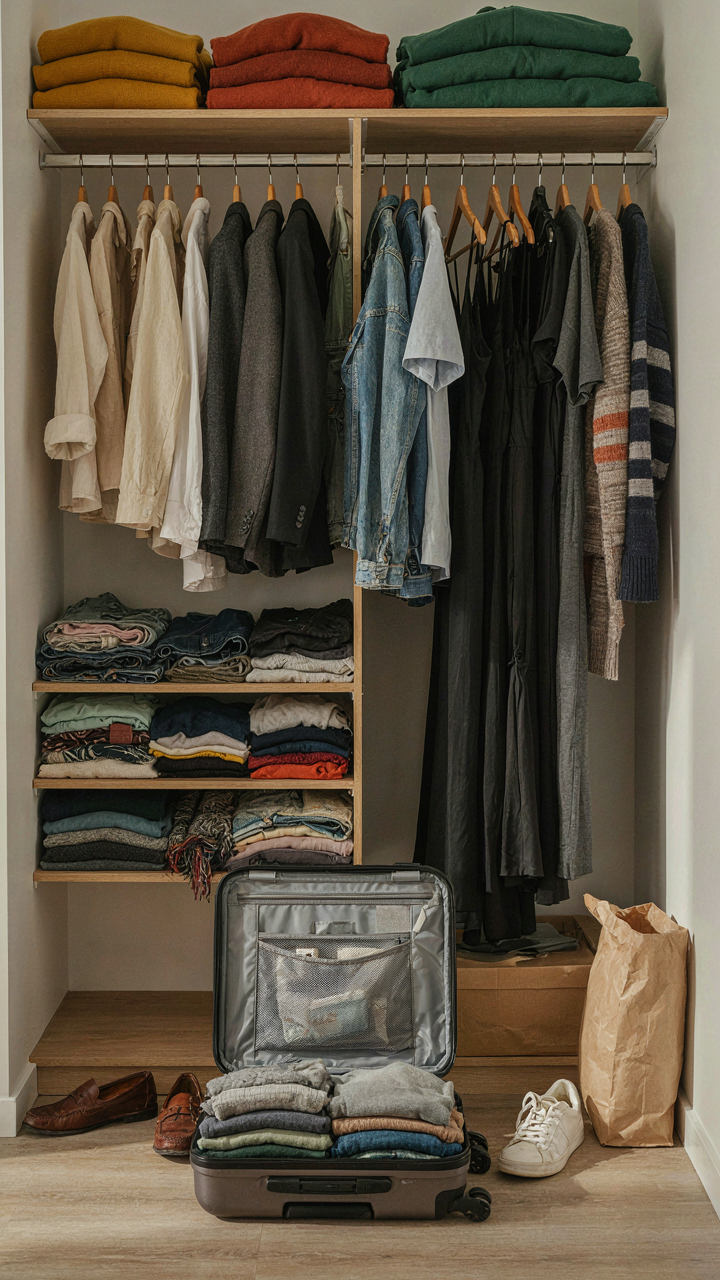
You want to feel in control. That’s why minimalist packing appeals to you. But the real mechanism comes from neuroscience: scarcity shrinks decision fatigue. When you limit options, your prefrontal cortex stops burning resources on choosing between sixteen shirts and settles into execution mode. A 10 day carry on capsule wardrobe removes the paralyzing weight of endless combinations.
The psychological shift is measurable, not mystical. Less inventory means fewer decisions per morning. Your brain allocates that freed mental energy toward the actual trip: conversations, observations, experiences. You arrive mentally sharper because you never spent cognitive currency on outfit selection. This is why military personnel perform better under uniform requirements. The constraint became a feature.
Experience Scales Down, Not Up
Everyone says travel light to see more. That’s incomplete. The real mechanism is attention allocation. Baggage demands management: luggage tracking, security theater, bag checks, loading and unloading. Each transaction costs focus. A 10 day carry on capsule wardrobe eliminates the operational overhead. You move faster through airports, streets, and logistics.
When you travel with one bag, you notice the city instead of managing your stuff. You spend thirty minutes less per day on luggage friction. Over ten days, that’s five hours reclaimed for walking, talking, eating, observing. Your trip compounds because you removed a specific drain on attention. The freedom isn’t poetic. It’s mechanical: fewer physical objects mean fewer operational interruptions.
Your Real Limitation Isn’t Your Luggage, It’s Your Imagination
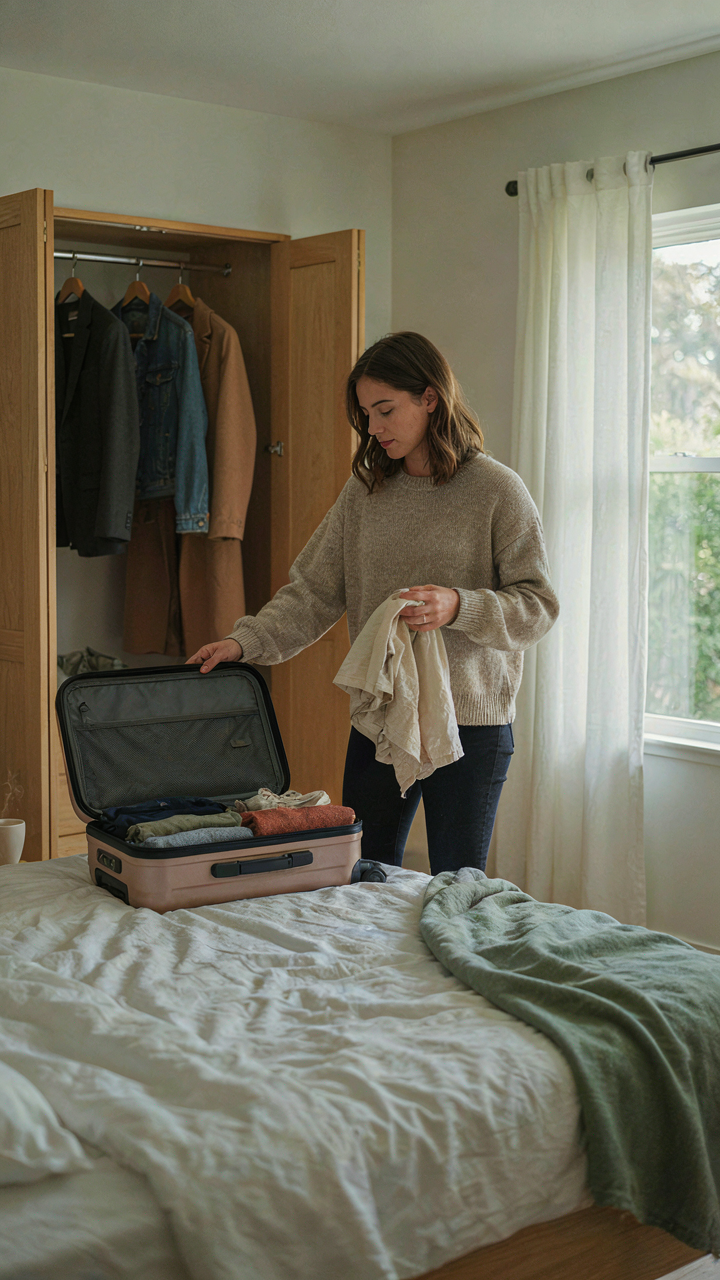
Most people don’t need a smaller wardrobe. They need permission to stop overthinking it. A ten-day carry-on forces you to abandon the illusion of choice and actually get dressed. Pull out your phone right now and photograph every item you own. Physically arrange them into one outfit per day. You’ll realize you don’t own a capsule. You own a closet full of excuses. Your suitcase didn’t shrink your options. Your laziness did.