

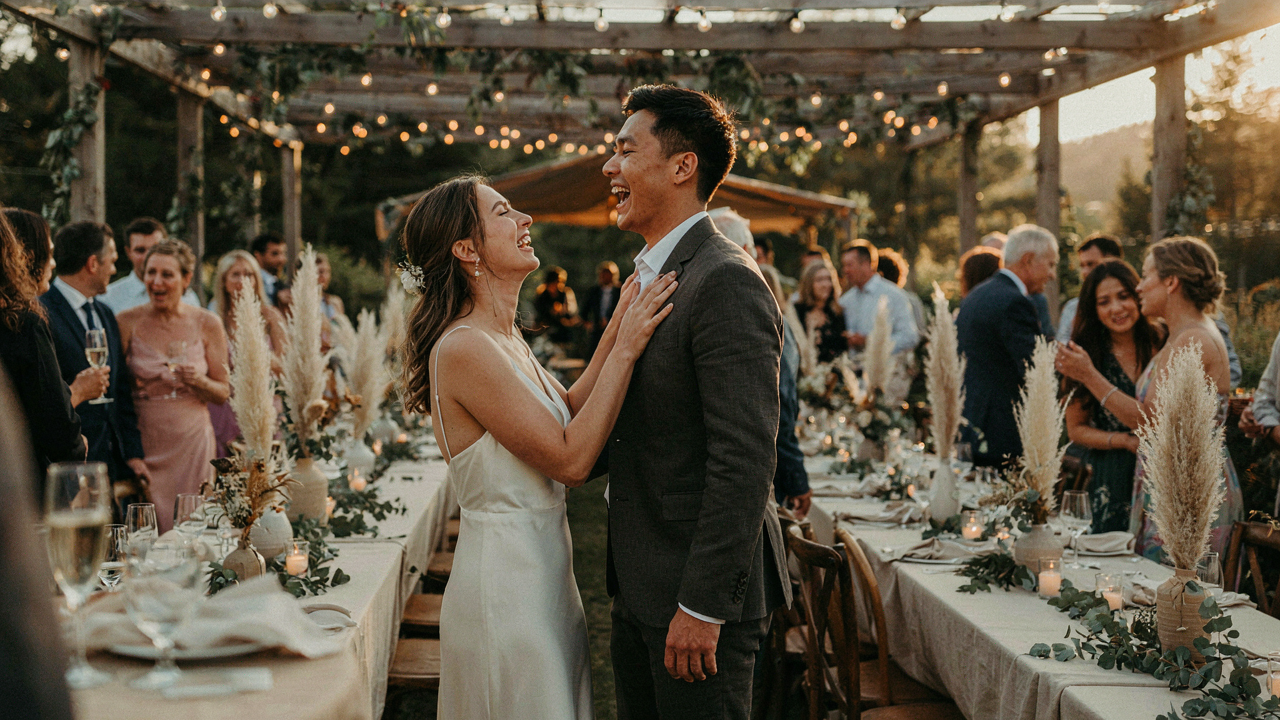
The “Less Is More” Fallacy: Why Your Current Wedding Guest Packing List Fails

The Myth Of Comprehensive Packing
You want permission to pack light because you’re afraid of looking unprepared. Here’s the mechanism: comprehensive packing lists don’t exist because no two weddings demand the same things, yet you’ve been trained to follow templates as if they do. Most wedding guest packing advice treats your suitcase like a checklist you complete rather than a problem you solve for one specific event. The list becomes security theater. You pack for scenarios that won’t happen, then feel virtuous about your thoroughness while dragging dead weight through three days.
The real issue is that generic lists treat all weddings identically. A beach destination wedding, a mountain ceremony, a city hotel affair, a backyard reception all demand different fabric weights, shoe types, and coverage levels. You don’t need more items. You need fewer items chosen for the actual conditions and activities you’ll face. Packing isn’t about having options. It’s about having the right option.
Overpacking’s Hidden Costs Aren’t About Luggage
Economics calls this “hidden cost” the negative externality, and your suitcase operates exactly like that principle. You pack two extra outfits “just in case” but carry the weight penalty through every transition, every venue change, every moment of the weekend. Airlines charge for overweight bags. Hotels charge for extra hangers you don’t use. You waste mental energy deciding between redundant choices instead of enjoying the event itself.
The real cost isn’t the luggage fee. It’s the friction you create. You arrive at the venue tired from managing luggage. You spend the reception thinking about what you’re wearing instead of who you’re talking to. You overthink outfit combinations that don’t matter because you brought too many pieces. The weekend narrows down to logistics management instead of actual experience. Pack only what serves the three outfits you’ll actually wear, then stop adding.
The 3 Outfit Conundrum: Beyond Basic Wedding Itinerary Requirements

Why Three Outfits Actually Matters
You’re worried three outfits won’t be enough to look competent across the entire weekend. Here’s what actually happens: most weddings compress into two real events—the rehearsal dinner and the ceremony—plus casual time nobody photographs. The three-outfit rule exists because it covers those two anchors plus one buffer. But the mechanism most people miss is that outfit repetition signals either laziness or financial constraint to other guests. You’re not packing three outfits because the math requires it; you’re packing three outfits because wearing the same dress twice in 48 hours reads as a choice rather than a limitation.

The real calculation isn’t about how many events fill your calendar. It’s about sight lines. If you’ll see the same 40 people at rehearsal dinner, then at the ceremony the next day, then at brunch, wearing the same outfit compounds across those interactions. Three outfits gives you enough rotation that nobody tracks what you wore, which is the entire goal. This isn’t about luxury; it’s about baseline social cover.
The Role Of Schedule Density
Most wedding advice treats the itinerary like it’s fixed. It isn’t. Some weekends pack five events across three days; others have one ceremony and dead time. Your outfit count depends directly on event frequency and overlap, not on some universal wedding law. A destination wedding with rehearsal, welcome dinner, ceremony, and brunch needs different preparation than a Saturday-only local wedding.
Check the actual invite details, not the ceremony time. Count distinct events where you’ll appear in front of guests. If the schedule shows two major events, three outfits is overkill. If it shows four, three becomes tight. Most guests don’t know how many events are happening because wedding invites rarely spell this out clearly. Text the couple or search their wedding website. Adjusting your packing to the real schedule prevents both overpacking and the embarrassment of repeating an outfit.
The “Essential Capsule” Method For Your Weekend Wedding Packing List
Core Pieces That Work Across All Three Events
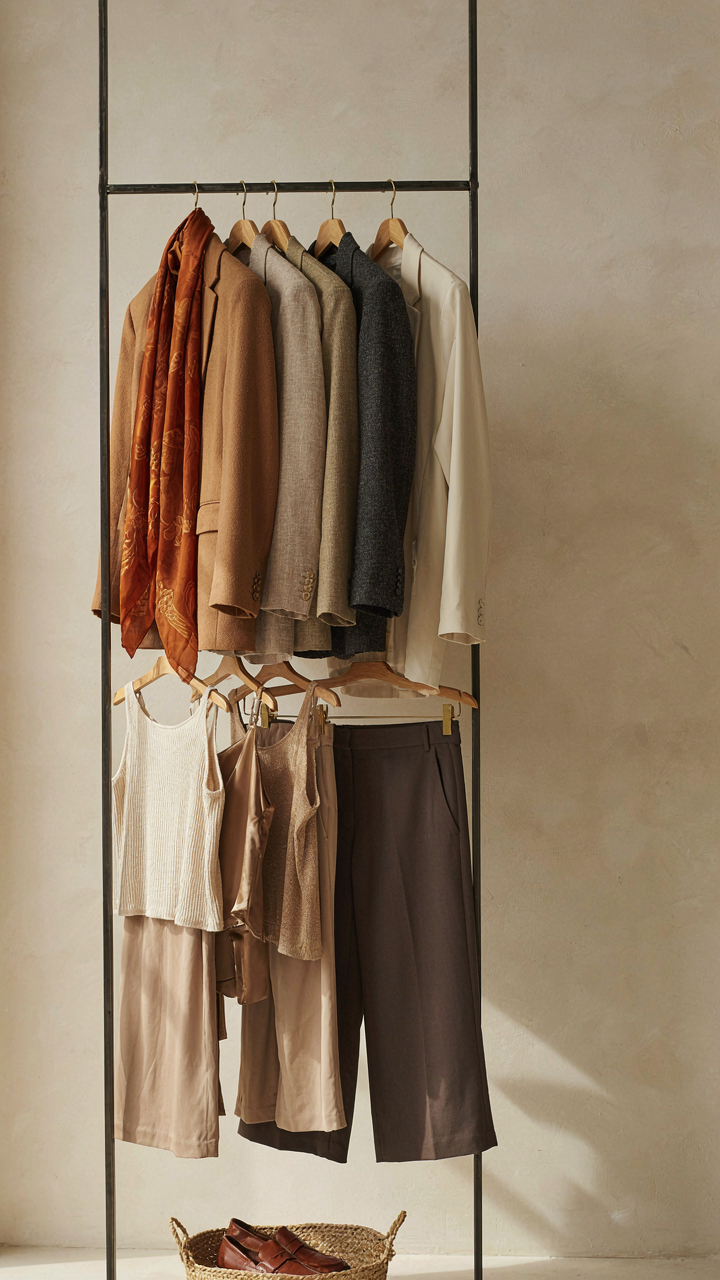
You’re afraid of looking unprepared or repeating an outfit and signaling you don’t care enough to change. Here’s the actual mechanism: a wedding weekend creates three distinct contexts—rehearsal dinner, ceremony, reception—but they share the same functional requirements. You need pieces that shift their role depending on what you layer them with. A structured blazer reads formal at the ceremony but casual at brunch the next morning. A silk camisole works under a dress, under the blazer, or alone at the rehearsal. The constraint forces intentionality. You stop packing reaction outfits and start packing pivot pieces.

The real advantage isn’t how many looks you create. It’s that you eliminate decision fatigue on Friday night and Saturday morning when you’re already stressed about timing and logistics. You’ve already solved the puzzle at home. You pack one color story—neutrals anchored by one accent color—and every piece coordinates by default. No surprises at the venue. No digging through your bag at 6 PM wondering if that shirt works. The system removes the variable entirely.
Layering As Your Actual Constraint
Economics uses the concept of scarcity to explain decision-making. In a wedding packing list, your scarcity is suitcase space and outfit slots, not fabric. This forces strategic layering—the mechanism that multiplies your outfit count without adding bulk.
Two structured layers—a blazer and a cardigan—transform one base dress into three distinct looks. The dress alone handles the rehearsal. Add the blazer for ceremony formality. Swap to the cardigan for cocktail hour comfort. You’ve moved between environments without changing your core piece. The cardigan packs flat. The blazer hangs. Together they take up the space of one bulky sweater, and they do three jobs instead of one. Choose neutral colors for both so they work with every base piece you’re bringing. Neutrals aren’t boring—they’re invisible infrastructure that lets your actual statement pieces shine without conflict.
Accessory Amplification: Optimizing Your Wedding Travel Packing List
The Anchor Piece Strategy
You want accessories to do the work so you look intentional without thinking about it. The real mechanism here is constraint: limit yourself to one anchor accessory per outfit, then build everything else around it. This isn’t about looking minimal. It’s about reducing decision fatigue while you’re tired, hungover, or pressed for time at the venue.

Pick one standout piece for each of your three outfits. A watch, a necklace, a pair of earrings, or a bracelet. Not all of them. One. That piece sets the visual tone and tells your brain the outfit is complete. Everything else you pack should coordinate with those three anchor pieces, not compete with them. You’ll pack less, wear more, and stop second-guessing yourself.
Shoe Architecture Across Three Days
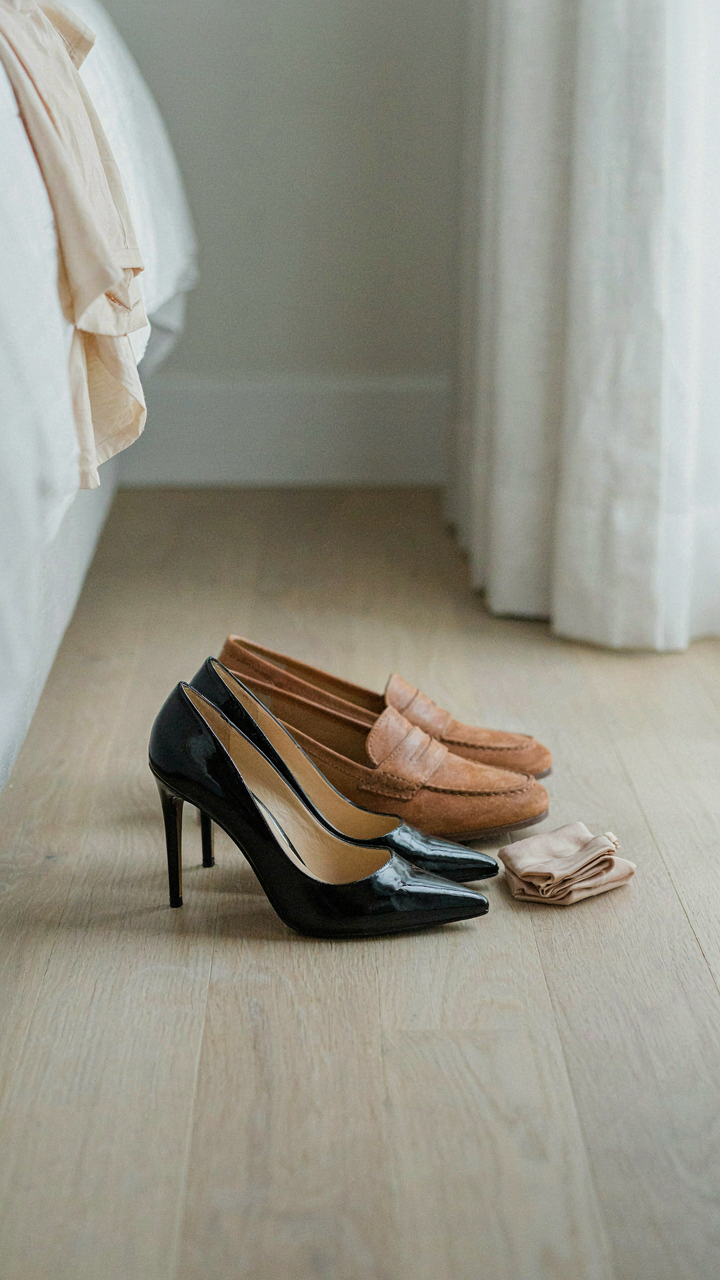
Comfort and style aren’t actually a tradeoff here. The tradeoff is between looking cohesive and looking like you own forty shoes. Bring two shoes maximum: one for the ceremony and rehearsal dinner, one for everything else. The second shoe absorbs the reception, brunch, and casual moments. This works because weddings don’t demand variety. They demand consistency.
Your ceremony shoe sets expectations. If it’s formal, wear it to the rehearsal dinner too. Your second shoe handles all remaining time on your feet. Choose something you’ve already broken in. New shoes at a wedding weekend guarantee blisters, limping, and resentment. The protocol is simple: ceremony shoe plus one backup. Nothing more.
The Pre Mortem Protocol: Anticipating Wedding Guest Packing Checklist Flaws

What Actually Goes Wrong Before You Leave
You’re afraid of being underdressed or looking unprepared in front of people who matter. That fear drives packing mistakes. Military strategists use pre mortems to identify mission failures before they happen by assuming the operation already failed, then working backward to find why. Apply the same logic: assume your packing fails at the wedding, then identify which specific item or gap caused it. This reverses normal thinking and exposes blind spots.

Most people pack forward, adding things they think they need. Pre mortem thinking packs backward, removing assumptions that create problems. You don’t need to predict every scenario. You need to eliminate the three to four categories of failures that actually derail wedding guests: outfit gaps, shoe mismatches, and toiletry miscalculations. Start by listing what you’ve seen go wrong at other weddings. That list becomes your failure inventory.
Scenario Mapping For Real Conditions
Weather is the stated concern, but it’s rarely the actual problem. The real issue is that you pack for one weather scenario and the event demands another. If the wedding spans Friday through Sunday and weather could shift, you need one outfit that works across temperature ranges, not three outfits locked into specific conditions. Layering solves this, but only if you plan it during packing, not during the event.
The second-order failure happens when you account for weather but ignore time of day changes. Evening temperatures drop, humidity shifts, lighting changes how colors read on your skin. A daytime outfit that works outdoors fails at a dimly lit reception. Before you pack, map the actual schedule: rehearsal dinner lighting, ceremony outdoor versus indoor, reception venue temperature. Each requires a specific adjustment. Then identify which of your three outfits handles each condition, and what single items you need to bridge the gaps.
Personal Care: The Spartan Approach To Your Wedding Weekend Bag

What Actually Fits In Your Bag
You’re worried you’ll look unprepared or feel uncomfortable without backup options. The real mechanism here is constraint. Every item you pack either serves the three outfits you already decided on or it serves anxiety. Treat your toiletry bag like a military loadout: each gram counts, and redundancy wastes space. Travel sizes exist for this exact reason. You’re not going to a remote island. You’re going to a wedding where stores exist within ten minutes.
- Deodorant: One travel stick covers the entire weekend. You shower before each event anyway.
- Toothbrush and toothpaste: Compact electric toothbrush or folding manual. One small paste tube does a full weekend.
- Face wash: One travel bottle. Use the same product you already know works.
- Prescription medications: Full week’s supply. Never guess on timing.
- Sunscreen: One small bottle. Reapply before outdoor photos only.
- Hair product: Whatever you use daily, but in travel size. One texture, one hold, done.

The weight difference between full-size and travel-size is negligible in your bag but critical in your mindset. You stop thinking you need backup everything. You pack what you’ll actually use and move forward.
Stop Bringing What Hotels Provide
Most advice tells you to bring everything. That’s wrong. Hotels provide shampoo, conditioner, soap, and lotion for a reason. Bringing duplicates wastes bag space for the specific things only you need. Your skin doesn’t care if the soap is your preferred brand for one night. The mechanism is psychological, not dermatological. You’re seeking control through overpacking.
Your body doesn’t change during a weekend. If you take a specific medication, bring it. If you have sensitive skin, bring your actual cleanser. If you need a specific deodorant formula, bring it. Everything else belongs in the hotel bathroom. Your job is bringing only what creates friction if you don’t have it. Pack the items that matter to your routine, not the items that matter to your fear.
Tech & Documents: The Digital Wedding Guest Packing List
One Cable Solves The Charging Problem
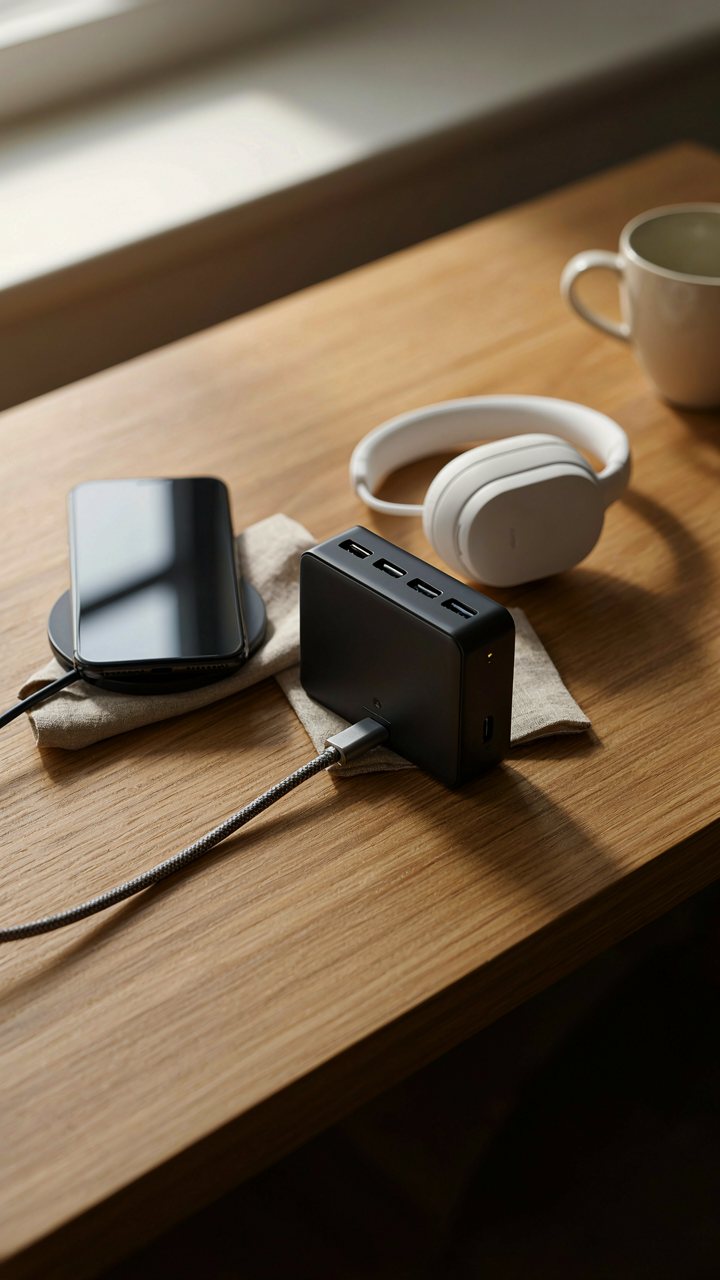
You’re worried about looking unprepared or running out of battery during toasts. The real mechanism here is load consolidation from systems engineering: you reduce failure points by standardizing inputs. Most guests pack three cables for three devices. This creates friction, takes up space, and guarantees you’ll forget one.

Bring a single USB-C cable with a multi-port adapter. Modern phones, tablets, and headphones all charge on USB-C now. One cable handles everything. The adapter lives in your hotel room or the reception venue’s charging station. You avoid the dead battery moment that forces you to borrow from strangers mid-ceremony.
Tickets Live On Your Phone, ID Lives In Your Pocket
The common advice says “back everything up.” That’s incomplete. Digital tickets do their job on your phone with zero redundancy needed. Physical IDs do not work digitally, so they must exist as paper or plastic in your pocket at all times.
Save wedding day logistics on your phone’s calendar or notes app: ceremony time, venue address, parking instructions, rehearsal schedule. Screenshot or photograph your digital invitation. Carry your driver’s license or passport separately from your phone. If your phone dies, your ID still gets you through check-in and into the venue. Your phone getting lost means you lose convenience, not access.
The “Re Wear” Revolution: Mastering The Weekend Wedding Packing List

Outfit Stacking Without Looking Lazy
You’re worried people will notice you wearing the same thing twice. That fear is exactly why you’ll overpack and waste a weekend dragging luggage around. The real mechanism here is borrowed from inventory management: rotation velocity. In logistics, you maximize value by cycling items through use cycles efficiently rather than stockpiling. A wedding weekend works the same way. Three outfits rotate through Friday, Saturday, and Sunday events with natural context shifts that make repetition invisible.

The consensus advice says pack different looks for every occasion. Wrong. What matters is strategic placement of your re wear within the social calendar. Wear outfit one Friday evening at the welcome dinner, then outfit two Saturday for the ceremony and reception. Outfit three handles Sunday brunch. By Sunday, nobody’s tracking what you wore Friday. The time gap plus the ceremony’s focal point mean you recycle outfit one for the airport Monday without friction. You control the narrative by controlling the spacing.
Quick Care Hacks That Actually Work
Spot cleaning and fabric-specific treatments prevent odor and wrinkles from forcing a fourth outfit into your bag. This isn’t just tidiness. Proper fabric care extends a garment’s wearable window within the same weekend. A wool blazer worn Saturday can be spot cleaned with a lint roller and hung overnight, making it fresh enough for Sunday dinner. Cotton shirts handle a quick hand wash in the sink and dry within hours on a bathroom towel rack.
Invest in a wrinkle release spray for synthetic fabrics and keep fabric refresher sheets in your toiletries bag. Steam from a hot shower works for hanging garments in a closed bathroom. These aren’t luxury items. They’re force multipliers that keep your rotation tight and your luggage light. The goal is simple: extend each piece’s utility across multiple wearings without visible degradation, so you arrive Monday with clean clothes still in your suitcase instead of laundry filling it.
Packing Hacks: Not What You Think (for The Savvy Wedding Guest)
Rolling Doesn’t Win The War
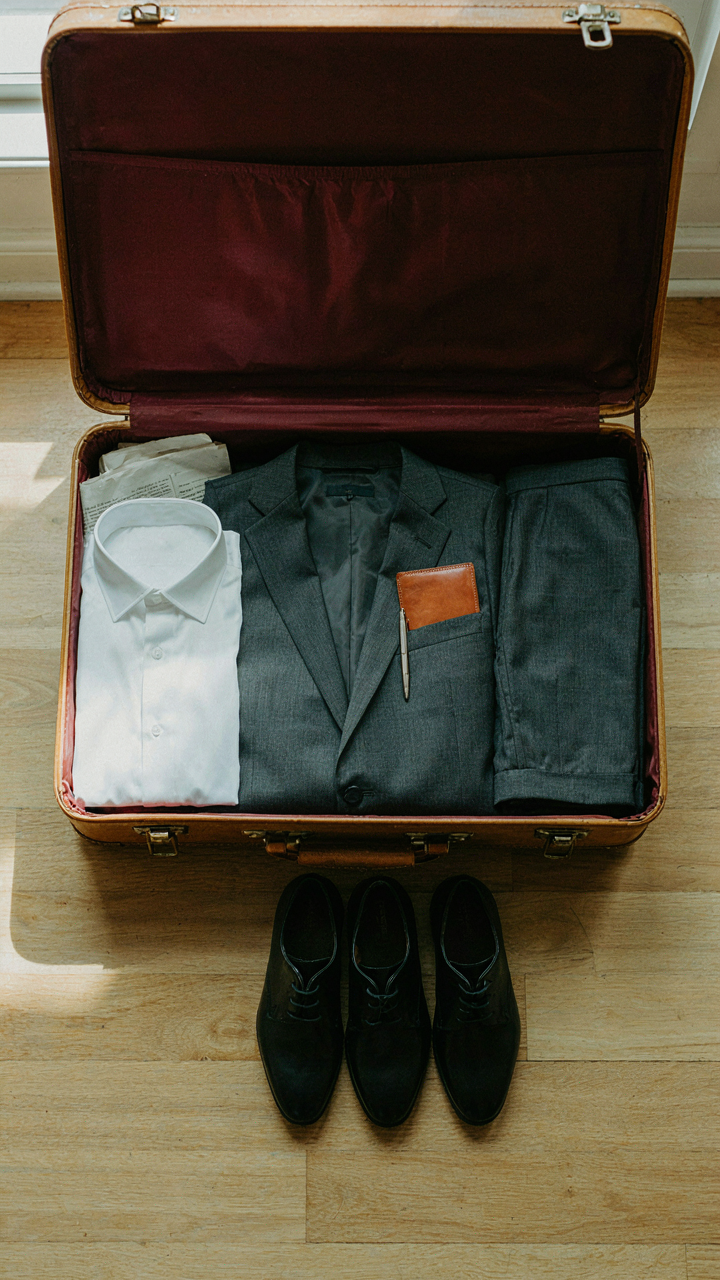
You want rolling to work because it sounds efficient and you’ve seen it on travel blogs. The real issue is this: rolling trades wrinkle prevention for compression density, and wedding clothes punish that trade. Suit jackets, dress pants, and structured fabrics need flat storage or strategic folding to survive a weekend. Rolling works for casual items only. For your three outfits, you’re actually managing three separate problems, not one general packing problem.

Vertical file-folding beats rolling for your dress clothes. Lay the jacket flat, fold it lengthwise, then in thirds. Pants fold once at the knee, then in half. This method keeps creases minimal and lets you see everything at once without excavating. The garment stays structured. Pack these flat against the suitcase wall, then fill remaining gaps with smaller items. You eliminate the rumpling that happens when you stack rolled clothes and dig through them.
The Jacket Pocket Exploit
Physics calls it negative space utilization. Wedding guests call it wasted real estate. Your suit jacket has interior pockets nobody uses for packing. Socks, underwear, cufflinks, and even a folded pocket square fit here without adding luggage volume. Blazer pockets work the same way. This isn’t about being clever. This is about using containers that already exist.
Dress pants have pockets too. Small items like rings, cufflinks, or a phone charger fit inside without shifting around. Use the blazer’s breast pocket for a wallet or hotel key so you don’t have to dig through your main luggage. Utilize the jacket’s interior pockets for lightweight items that need protection from crushing. Every unused pocket is space you’re paying to carry in your suitcase for no reason.
The Return Trip: Your Post Wedding Packing List For Ease

Separate Dirty From Decision Making
You want to leave the wedding looking like you have your life together, not like someone whose laundry exploded in their suitcase. The real mechanism here is containment. Dirty clothes need physical barriers so they don’t contaminate your clean items and so you don’t waste mental energy deciding what’s salvageable when you unpack at home.
Bring one large packing cube or gallon-size ziplock bag. Designate it dirty on Friday night. Everything worn goes there immediately after removal, not back on the chair or folded on the bed. Souvenirs and favors stay separate in your original luggage compartments. This takes thirty seconds to establish and saves you from repacking at the hotel or folding mediocre decisions into your suitcase.
Unpack In Reverse Order
Most people open their suitcase at home and scatter items everywhere, then spend two weeks finding things. That’s inefficient. You’re going to reverse the order you packed.
Before leaving the hotel, stack items in your suitcase in the exact inverse sequence of how you’ll need them at home. Dirty laundry goes in first, against the bottom. Souvenirs next. Clean items you won’t wear immediately go in the middle. Toiletries and the outfit you wore home go on top. When you arrive home, you unload from the top down. Dirty clothes go straight to the washer. Everything else lands where it belongs without a sorting phase.
The Real Problem Isn’t Your Packing List; It’s Your Inability To Ruthlessly Eliminate The Unnecessary

Most people pack for weddings the way they live: by keeping everything just in case. You don’t need seventeen outfit combinations. You need permission to say no. Today, pull out everything you think you’re bringing. Now cut it in half. The guests who look sharp aren’t the ones who packed the most. They’re the ones who decided what matters and ditched the rest. Confidence comes from constraint, not collection.