


Beyond The Hype: Your Real Capsule Wardrobe Mission

Efficiency Isn’t What You Think It Is
You want a capsule wardrobe because you’re afraid of looking wrong, and you think having fewer pieces solves that problem. It doesn’t. Efficiency in business casual operates on a physics principle: constraint. Like a lever, limitation creates force. The real mechanism isn’t having fewer clothes. It’s having fewer decisions that pull you in different directions. Most people confuse “fewer items” with “fewer mental load,” but you can own thirty pieces and still waste mental energy every morning. The actual efficiency lives in pieces that make each other work better, not in the raw count.
Business casual collapsed into chaos because brands flooded the market with interchangeable basics that looked identical but felt different, fit differently, and aged differently. You don’t need less clothing. You need clothing that actually scales across different contexts without requiring you to second-guess yourself. That’s the mechanism. Five deliberately chosen pieces that work together beats twenty pieces that force you to negotiate with yourself before every meeting.
More Clothes, Different Standards
The common advice says a capsule wardrobe should be minimal. That’s incomplete and often wrong. What matters is intentional repetition across contexts, not absolute scarcity. You might own eight blazers, not four, if each one solves a different conference scenario: fabric weight for climate variance, sleeve construction for different body movements in different rooms, color depth for lighting conditions you actually encounter. Less isn’t always more. It’s just different. The real rule is: every piece must earn its place by working across at least three distinct scenarios at your conferences.
Travel amplifies this. A conference in a humid southern venue versus a climate-controlled northern one versus a casual tech event means your pieces must perform under different physical conditions. Humidity breaks down synthetic blends differently than dry air does. Wrinkles show on pale fabrics under fluorescent lighting but disappear on textured ones. You’re not choosing fewer clothes. You’re choosing clothes that stay reliable across the specific conditions you’ll actually face. Your protocol: list the three most common conference environments you attend, then build around pieces that function in all three without alteration or backup plans.
The Influence Inventory: What Your Clothes Actually Communicate

Reading The Room Without Asking
You care about this section because you’re afraid of being read wrong. That’s the real thing. Your clothes communicate before you speak, and you can’t control the interpretation once it leaves your body. Here’s the mechanism: dress codes at conferences exist on a spectrum, not as binary rules. The stated dress code is decorative information. The actual code lives in role hierarchy, industry maturity, and geographic culture. A tech founder in San Francisco signals differently than one in New York or Singapore, even at the same conference. Study the attendee list, not the welcome email. Look at last year’s photos. Check the speaker bios and their LinkedIn profile pictures. This is reconnaissance, not overthinking. You’re mapping the social operating system before you enter it so your clothes read as intentional, not anxious.

The gap between stated and actual dress codes kills confidence. Most people wear what the welcome email says, then arrive underdressed or overdressed relative to actual behavior in the room. The fix is pattern matching. Within the first hour, identify three people in your target audience or peer group and note what they’re actually wearing versus what you expected. Their choices become your calibration point. You now have permission to adjust. A blazer stays in your hotel room. Sleeves roll up. A necklace comes off. You’re not changing who you are. You’re reading the frequency of the room and tuning to it deliberately.
Building Authority Without Costume
Personal branding is borrowed from marketing, but most people apply it wrong. They treat it like a logo instead of a signal. Your capsule for conferences works through consistency of constraint, not variety of impression. When you wear the same base pieces across different outfits, people stop noticing the clothes and start noticing you. The repetition creates cognitive space for your ideas instead of consuming it. Steve Jobs wore the same outfit for a reason, but that’s not the mechanism. The real mechanism is that consistency removes decision fatigue from observers. They trust you faster because nothing about your appearance contradicts itself or demands interpretation. Authenticity isn’t about wearing what you love. It’s about wearing what aligns with how people need to perceive you to take you seriously in that specific context.
Three pieces repeated across five outfits create more authority than ten pieces worn once each. The observer’s brain processes the repetition as intentionality and discipline. They assume you chose this deliberately rather than defaulted to it. Build your capsule around two neutral base colors that work in your skin tone, not around trends. Add one accent color or texture that feels genuinely yours, not performed. This accent piece becomes your signature without being a costume. When someone remembers your outfit from a conference three months later, they remember the person wearing it first.
The Anti Generic Business Casual Capsule For Women

Garments That Actually Carry Weight
You want to look expensive without trying, which is really just fear of being invisible. The mechanism is constraint. Fashion brands exploit this by designing pieces with what industrial designers call “forced compatibility” – garments engineered so one item multiplies the outfit combinations of another. A structured blazer doesn’t just sit on your shoulders; it reframes every bottom you own. A well-cut trouser doesn’t just fit your waist; it changes how a t-shirt reads in a room.

Most advice stops at “buy neutral colors.” That’s incomplete. The real leverage comes from silhouette repetition across price points. If your blazer has a single-breasted, slightly oversized cut, your trousers should echo that proportion through a higher rise and straight leg. Your shoes should follow the same visual logic: clean lines, minimal fuss. The pieces speak the same design language, which means they stack coherence instead of competing for attention. This compounds across five days of conference appearances.
Why Safe Choices Guarantee You’ll Blend In
Generic business casual guidance pushes navy, grey, cream, and “one pop of color” to appear strategic. It’s a playbook designed to keep you unremarkable. The result: you look like you’re following instructions, not making decisions. Real differentiation comes from understanding that color hierarchy matters more than color safety. A deep charcoal grey worn against a cream silk blouse isn’t boring; it’s intentional. A structured camel coat over a white shirt reads as coherent, not cautious. The same rules apply whether you’re at a tech conference or a finance summit.
The tactical move is to break one rule deliberately instead of breaking all of them at once. Wear your classics in unexpected fabrics, not unexpected colors. A wool blend trouser in a tight weave reads sharper than cotton. A linen blazer in charcoal signals you understand fabric behavior and purpose. Skip the “safe outfit insurance” mentality entirely. Your conference wardrobe wins when every piece does actual work, not when it apologizes for existing.
The Feedback Loop Wardrobe: A Cybernetic Approach

Your Clothes Are Sensors
You want to believe your outfit doesn’t matter. It does, and the mechanism is feedback, not magic. In cybernetics, a system self-regulates by receiving input, processing it, and adjusting its output. Your conference wardrobe works the same way. What you wear triggers reactions from your environment, which signals how you should calibrate tomorrow’s choice. The people who master this wear fewer clothes, not more, because they can actually read the signal.

Every piece in your capsule registers data. A blazer that fits poorly sends feedback through micro-expressions on other people’s faces. Colors that clash with the room’s lighting get shut down by the crowd’s energy. Fabrics that wrinkle in three hours teach you they don’t belong. Most people ignore this feedback entirely and buy more stuff. Smart operators use it to eliminate options instead. The goal is a closed loop where your wardrobe tightens around what actually works.
Editing Against The Environment
Saying “dress for the room” is incomplete advice because it skips how to actually identify what the room demands. Your environment is the input variable. A tech conference in San Francisco operates on different signals than a finance summit in New York. The fabric weights, color temperatures, and formality levels will differ. Rather than carry separate wardrobes, you strip pieces in real-time based on observation, not assumption. Walk in, scan the crowd for five minutes, then decide if the blazer stays on or comes off.
The mechanism is practical constraint, not intuition. Note the dominant color palette in the room within the first thirty minutes. Check whether people are wearing closed-toe or open shoes, patterned or solid. Observe sleeve length and collar type. These aren’t style markers, they’re environmental baseline data. Then adjust one variable at a time, not your entire outfit. Roll sleeves if the room runs warm. Unbutton the top layer if formality is lower than you assumed. Keep your capsule items modular so single tweaks cascade through the system without forcing a complete change.
Work Clothes Capsule Wardrobe: The Versatility Multiplier

Layering As Outfit Algebra
You want to look intentional without thinking about it. The real mechanism here is combinatorial math: layering isn’t about looking warm, it’s about multiplying outfit permutations from a fixed inventory. Think of it like CSS cascading in web design. Base layers, mid layers, and outerwear each inherit properties from what sits underneath, creating new visual outputs from the same component set.

A neutral blazer over a solid tee reads formal. Strip the blazer, add a structured shirt underneath, and you’ve shifted the context entirely without buying new pieces. The math works because color and fit stay constant while layering depth changes perception. Two base shirts, two blazers, and one cardigan create nine distinct outfit combinations. Conferences exploit this: you need morning credibility and evening approachability from the same suitcase.
Pivoting Between Staged Settings
Most advice says wear clothes that work everywhere. That’s lazy. Real layering lets you physically transform between contexts without changing core pieces. Morning keynote requires formality. Evening networking requires approachability. The same navy trousers work both, but the top layer changes the signal entirely.
Pack one structured blazer and one unstructured cardigan in matching neutrals. Blazer comes off after the main event. Cardigan goes on for drinks. Both pair with your two base shirts. This isn’t versatility theater. It’s a deliberate protocol: formal layer for scheduled time, casual layer for unstructured time, same foundation throughout. You control the code switch by managing what sits on top.
Conference Outfit: The 3 Tiered Preparedness Protocol

Expected, Probable, And Improbable Scenarios
You’re afraid of showing up underdressed or looking sloppy in front of people who matter, and that fear is rational—but most people pack for only one scenario and panic when conditions shift. Borrow from military contingency planning: soldiers don’t pack gear for ideal conditions, they pack for expected, probable, and improbable outcomes. Your conference wardrobe works the same way. Expected is the official schedule. Probable includes venue temperature swings, unplanned social events, and the dinner nobody told you about. Improbable covers the spill, the weather change, or the sudden pivot to an offsite activity.

The common advice—”pack versatile neutrals”—misses the point entirely. You need pieces that survive specific friction points, not just colors that theoretically go together. Calculate what actually happens at your conference type, then build backward from the worst-case version of each scenario.
- Expected: Main conference sessions and keynotes: Business casual or business formal depending on industry. Pack one outfit per full day of sessions, plus one buffer piece. This is your baseline.
- Probable: Evening networking and dinners: Venues vary wildly. One level dressier than expected. Include one statement blazer and one pair of elevated trousers or a dress that bridges casual and formal.
- Probable: Unexpected cold or heat: Conference rooms run fifteen to twenty degrees colder than hallways. Pack one lightweight layer and one temperature-regulating piece like merino wool or linen that works in both extremes.
- Improbable: Outdoor activities or venue changes: One pair of flat shoes that doesn’t scream casual. Loafers or clean sneakers in neutral tones beat slides every time for credibility maintenance.
- Improbable: Visible damage or stains: One identical backup piece for your most-worn item. If you wear the same blazer three days running, a stain ends your social capital. The backup solves this with zero effort.
This three-tier approach cuts packing time because you’re not second-guessing yourself. You’ve already named what happens, so you pack once and adjust zero times during the conference.
Mitigating Wardrobe Emergencies With Minimal Effort
Real wardrobe emergencies aren’t about outfit choices—they’re about maintenance failures and material weaknesses nobody plans for. A coffee spill on your only blazer, a zipper that jams, a seam that splits under pressure: these happen mid-conference and derail your presence if you haven’t architected a safety net. The mechanism is simple: you prevent emergency mode by removing the conditions that trigger it.
Pack one day’s worth of emergency backup pieces separate from your main rotation. This means a spare button-up shirt, a second pair of trousers, and one undershirt in your primary color. Keep them untouched in a hotel drawer. Separately, carry a small maintenance kit: a stain pen, needle and thread in matching colors, safety pins, and a lint roller. The stain pen solves sixty percent of incidents on the spot. The rest require two minutes of work, and you do it in your room before anyone sees the problem. Conference disasters don’t happen because your wardrobe fails—they happen because you respond too slowly.
The Unspoken Rules Of Conference Wear Mastery
Signals That Actually Work
You want people to assume you belong in the room before you speak. That’s the real driver here, and it works because humans sort strangers into categories in under seven seconds. Think of your outfit as a signal in information theory: you’re transmitting data about reliability, not personality. The mechanism is pattern recognition. Your brain doesn’t evaluate your blazer’s craftsmanship—it checks whether you match the tribe’s visual code. Neutral colors, clean lines, and fitted proportions register as “belongs here.” Clashing patterns and loose silhouettes register as “guest.”

Approachability lives in the details you don’t see coming. A structured jacket says you take things seriously. But a jacket worn with an untucked shirt or rolled sleeves says you’re not rigid about it. The best signal is the one that reads as effort without appearing desperate. When your fit is precise, your proportions are balanced, and your colors coordinate without matching, people trust you faster. This isn’t about fashion—it’s about removing friction from how others perceive your competence before you open your mouth.
What Actually Sabotages You
The common advice says “dress for the role you want.” That’s incomplete because it ignores what actually kills your credibility: misalignment between intention and execution. You can wear the right pieces in the wrong way and reverse all the signaling work. Wrinkled fabric reads as careless. Clothes that don’t fit your frame read as indecision. Shoes that haven’t been maintained read as someone who doesn’t think details matter. These aren’t judgment calls—they’re pattern violations that short-circuit the trust mechanism instantly.
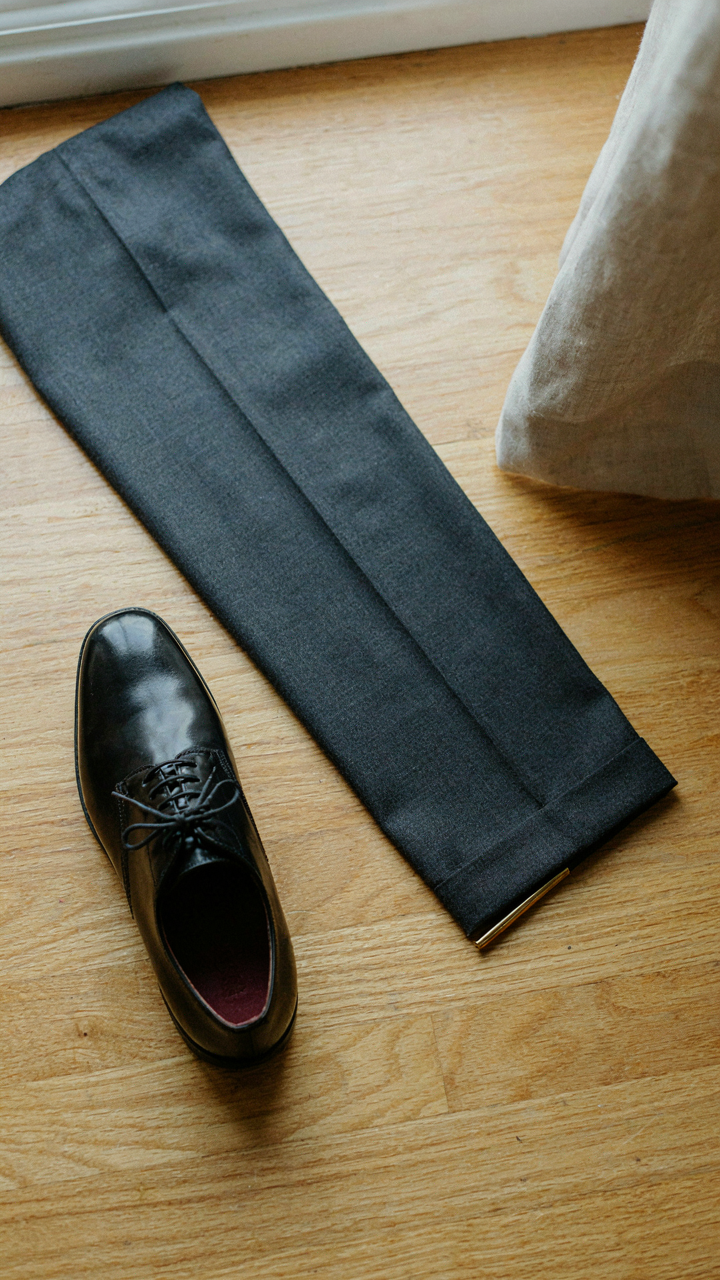
The real sabotage is when your pieces don’t talk to each other. A crisp white shirt with worn-out shoes. Tailored trousers with a jacket that pulls at the shoulders. A designer belt with scuffed leather. Your conference wardrobe fails not when you choose wrong pieces, but when you mix pieces at different levels of care. Fix this by keeping everything at the same maintenance standard. If your shoes are polished, your hem should be clean. If your jacket is pressed, your accessories should show intention. One sloppy element voids the entire message.
Business Casual Capsule For Women: Investment Vs. Expense
Quality Over Trend Cycles
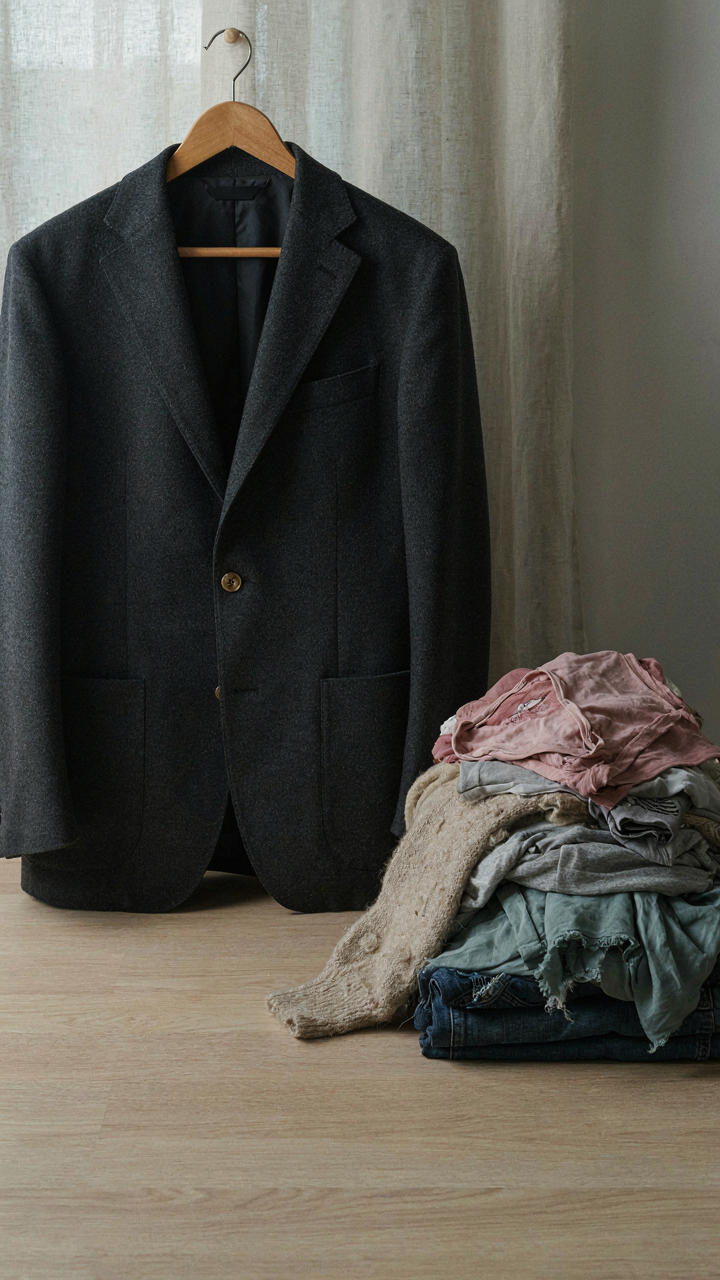
You want permission to spend money without feeling wasteful. Here’s the mechanism: trend cycles exist because the fashion industry needs to reset demand. A blazer from a fast-fashion retailer lasts two conference seasons before seams separate or fabric pills. A structured blazer made from wool or a wool blend survives eight to ten seasons of repeated wear and cleaning. The cost per wear collapses dramatically over time, not because the item is magical, but because durability compounds.

Cotton blends degrade faster than natural fibers under stress. Synthetic linings split where arms move repeatedly. Quality construction means reinforced seams at stress points, full linings that distribute wear evenly, and fabric weight that resists wrinkling during travel. When you calculate actual wear cycles, a two-hundred-dollar blazer worn twenty times annually costs ten dollars per wear in year one. A sixty-dollar blazer worn the same amount costs three dollars per wear until month eight when buttons fall off and armholes stretch.
The Hidden Cost Of Replacement
Economics calls this sunk cost fallacy, but capsule wardrobe works in reverse. Every piece you replace is money already spent and labor already invested in shopping. Most women underestimate how many hours they spend hunting for acceptable replacements when something fails mid-season. You lose conference attendance hours to wardrobe gaps, not because you have nothing to wear, but because what you own no longer functions.
Fast fashion replacements compound in hidden ways: dry cleaning costs accumulate on cheaper fabrics that require more frequent attention, storage space multiplies as you keep failed purchases “just in case,” and decision fatigue compounds each time you open your closet to find a gap. Track actual replacement frequency for six months. Document every piece you bought to replace something that failed. Multiply that number by the hours spent shopping and the total damage will exceed any premium you paid upfront. This becomes your replacement protocol trigger: when a piece fails, source a permanent replacement immediately rather than defaulting to quick fixes.
Office Casual Capsule Wardrobe: Beyond The Daily Grind
The Uniform Principle Across Every Room
You want permission to stop thinking about what to wear because you’re afraid that caring about clothes means you lack substance. The mechanism is borrowed from systems theory: redundancy. A capsule wardrobe treats your clothes like a modular infrastructure, where each piece performs multiple functions across different professional contexts. One blazer works in a boardroom, over casual layers at a startup, and with dress pants at a client dinner. The pieces overlap in duty, not in appearance.

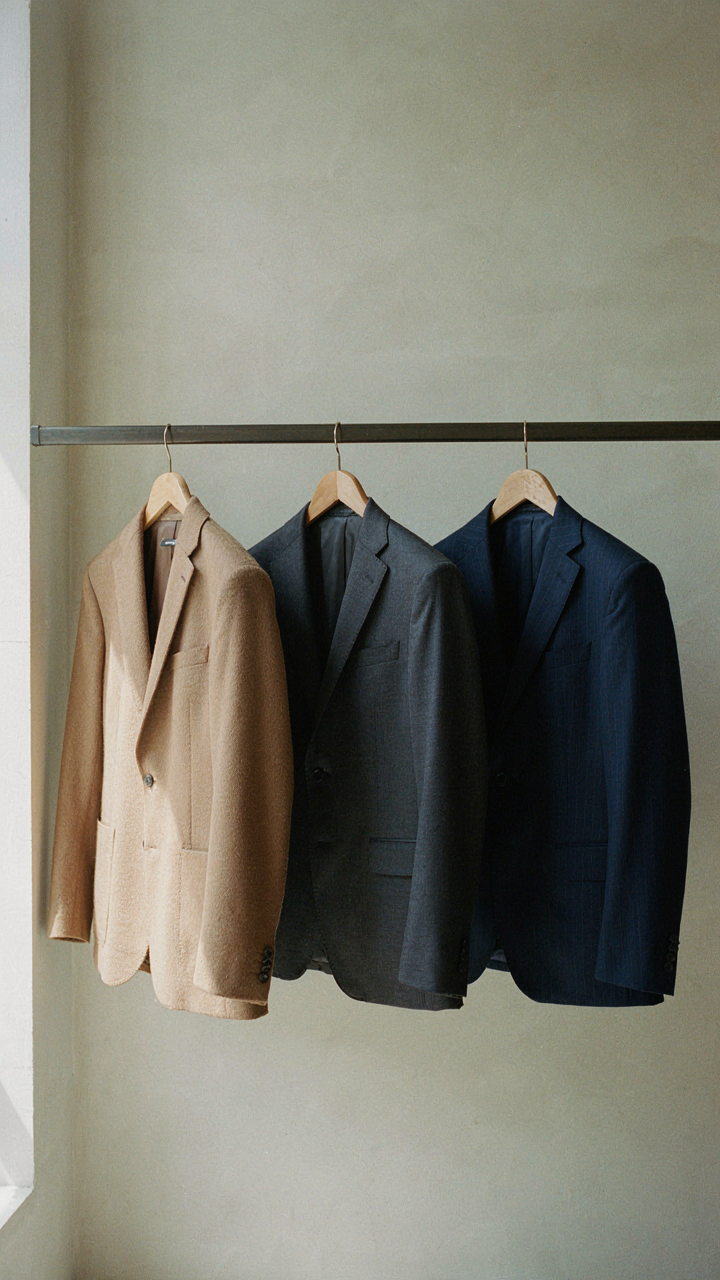
Most professionals mistake versatility for sameness. They buy five identical black blazers instead of recognizing that a camel blazer, a charcoal blazer, and a navy blazer each unlock different outfit combinations while maintaining the same formal function. The real skill is choosing pieces that layer logically and shift context based on what you pair them with. This isn’t about reducing your wardrobe to boredom. It’s about eliminating the false choices that waste mental energy without changing how people perceive you.
Decision Fatigue Is The Real Cost
You think capsule wardrobes save closet space. They don’t. They save cognitive load, which is what actually determines whether you show up sharp or distracted at a conference. Neuroscience research on decision fatigue shows that each decision depletes the same mental resource, whether it’s choosing between shirts or choosing between negotiation tactics. The conference wardrobe that works operates on constraint, not abundance. You pick five to seven core pieces and build outfits from them, which means you make zero decisions on the morning of a keynote or panel.
The mechanism works because scarcity forces specificity. When you have thirty blazers, you freeze. When you have three, you reach for the right one in eight seconds. You arrive at the conference breakfast with mental energy intact instead of already depleted by the sunk cost of deciding between options that didn’t matter. Build your conference capsule by setting a rule: each piece must work with at least three other pieces in your collection. If a shirt works with only one pair of pants, it doesn’t earn its spot.
The Real Obstacle Isn’t Your Suitcase Size; It’s Your Inability To See Clothing As A Leverage Point

Most people treat clothes like a problem to solve. They pack more, stress more, repeat the cycle. You need to flip this. Your capsule wardrobe isn’t about minimalism. It’s about controlling one variable so you can dominate the room. Pick five pieces today. Not next week. Write down how you’ll combine them. Test the system on your next call before your next trip. Confidence doesn’t come from owning more options. It comes from removing the ones that make you invisible.