


The Minimalist’s “Go Bag” Strategy For Destination Wedding Packing

Pack For The Event, Not The Anxiety
You’re worried about looking unprepared or being caught without something. That fear drives most packing decisions, and it’s the mechanism that bloats a suitcase from functional to ridiculous. The real constraint isn’t what you might need. It’s what you’ll actually wear in the 72 hours you’re there. Everything else is insurance against a scenario that won’t happen. Strip away the contingencies. Pack for the wedding, the rehearsal dinner, and one casual day. That’s it.
The math is simple. A destination wedding guest typically needs four outfit rotations maximum. You wear one to arrive. One for the event itself. One for a dinner or activity after. One for departure or a casual morning. Anything beyond this is friction masquerading as preparation. Most guests overpack because they conflate “what might happen” with “what will happen.” The wedding has a schedule. Follow it. Warm destinations mean less layering, fewer jackets, lighter fabrics. You’re not packing for uncertainty. You’re packing for a known timeline.
The Overlap Principle For Every Piece
Economics teaches opportunity cost: every resource spent one way is unavailable elsewhere. Your packing constraint works the same way. Every item that serves one purpose only burns suitcase real estate. A linen shirt that works only as a beach coverup is dead weight after day two. Instead, stack functions. A lightweight cardigan layers over the rehearsal dinner dress, then becomes casual wear the next morning. A pair of neutral pants works with the formal top, the casual blouse, and the beach cover combination. One belt, three outfits. One pair of sandals, four days.
The filter is ruthless: if an item doesn’t work across at least two different outfit configurations, it doesn’t make the bag. This eliminates the single-use dress, the backup shoes you’ll never touch, the activity-specific gear. Warm destinations reward this constraint because you’re not fighting cold weather into the equation. A cotton dress becomes day wear and evening wear depending on accessories. One lightweight sweater covers both air-conditioned indoor spaces and cool evening air. Calculate the total outfit combinations before packing anything. You’ll cut your luggage volume by 40 percent minimum.
Warm Places Attire: The Environmental Adaptation Protocol

Fabric Choices For Climate Control
You’re worried you’ll sweat through your outfit and look unprepared in front of people whose approval matters. The mechanism is thermodynamic exchange: your body dumps heat through radiation, convection, and evaporation, and your fabric either accelerates that process or blocks it. Natural fibers like linen and cotton allow moisture vapor to pass through the fabric surface, cooling skin through evaporation. Synthetic blends trap heat and humidity against your body, creating the clammy feeling that reads as nervous or poor planning.

Pack linen for ceremony and reception wear. It wrinkles visibly, but warm-climate weddings expect this. Cotton works for casual events, but linen breathes better and dries faster if you’re moving between beach and air conditioning multiple times daily. Avoid polyester entirely unless it’s blended under 40 percent. The goal is garments that pull sweat away from your skin and let it evaporate, not garments that look good hanging in a store.
Footwear For Varied Terrain
Most packing advice says “bring sandals and dress shoes,” which is incomplete. Terrain determines foot mechanics: sand redistributes your weight unpredictably, grass hides obstacles, tile floors become slippery when wet, and uneven stone requires ankle stability. You need footwear that matches the specific surfaces you’ll encounter, not just the formality level.
If the wedding involves beach events, pack sandals with arch support and a closed-toe option for walking to and from the venue on rough ground. Dressy flip-flops look worse than intentional sandals. For ceremonies on grass or gardens, wear shoes with grip on the sole. Stilettos or thin-heeled shoes puncture soft ground and force you to move unnaturally. Flat or low-heeled dressy sandals handle grass and accommodate walking without the foot pain that makes you tense in photos. Pack a second pair of the same type in case the first gets wet or sand-logged during transition time between events.
Beyond The Outfit: Wedding Guest Packing List For The Savvy Traveler
Skin Defense In High Heat
You’re worried about looking bad in photos. That’s the real fear. But the mechanism is simpler: tropical climates accelerate skin damage through UV exposure and sweat cycles that break down your barrier function. Standard sunscreen every four hours becomes insufficient when you’re moving between pool, ceremony, and reception in 85-degree heat with high humidity.

Pack a mineral sunscreen with zinc oxide, not chemical filters. Mineral blocks UV before it penetrates. Bring a dedicated face powder or blotting product to reset makeup between events without stripping moisture. The goal isn’t vanity. It’s preventing the visible damage that compounds across a three-day event and shows up in every photo you didn’t intend to document.
When Things Fall Apart
Most people pack a basic first aid kit and call it done. That misses the actual breakdown points. In tropical destinations, your real emergencies are digestive issues, heat exhaustion indicators, and minor infections from cuts that heal slower in humidity. These aren’t dramatic. They’re friction that ruins a weekend.
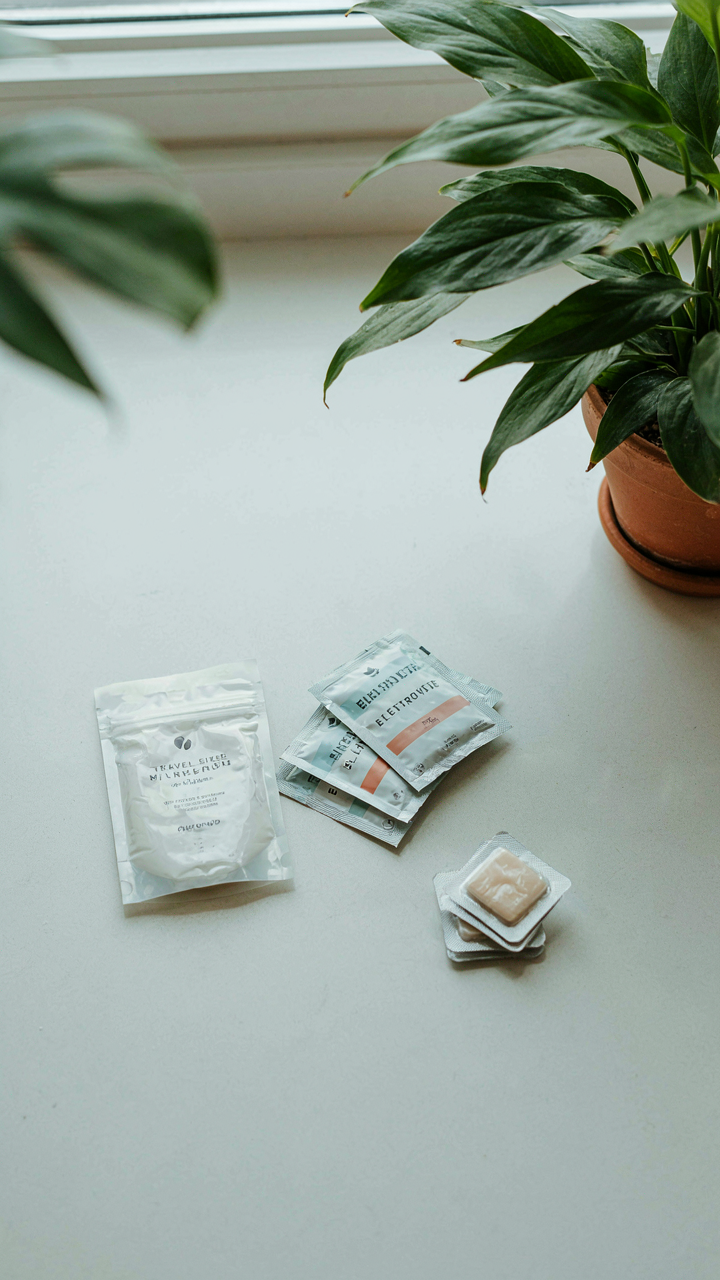
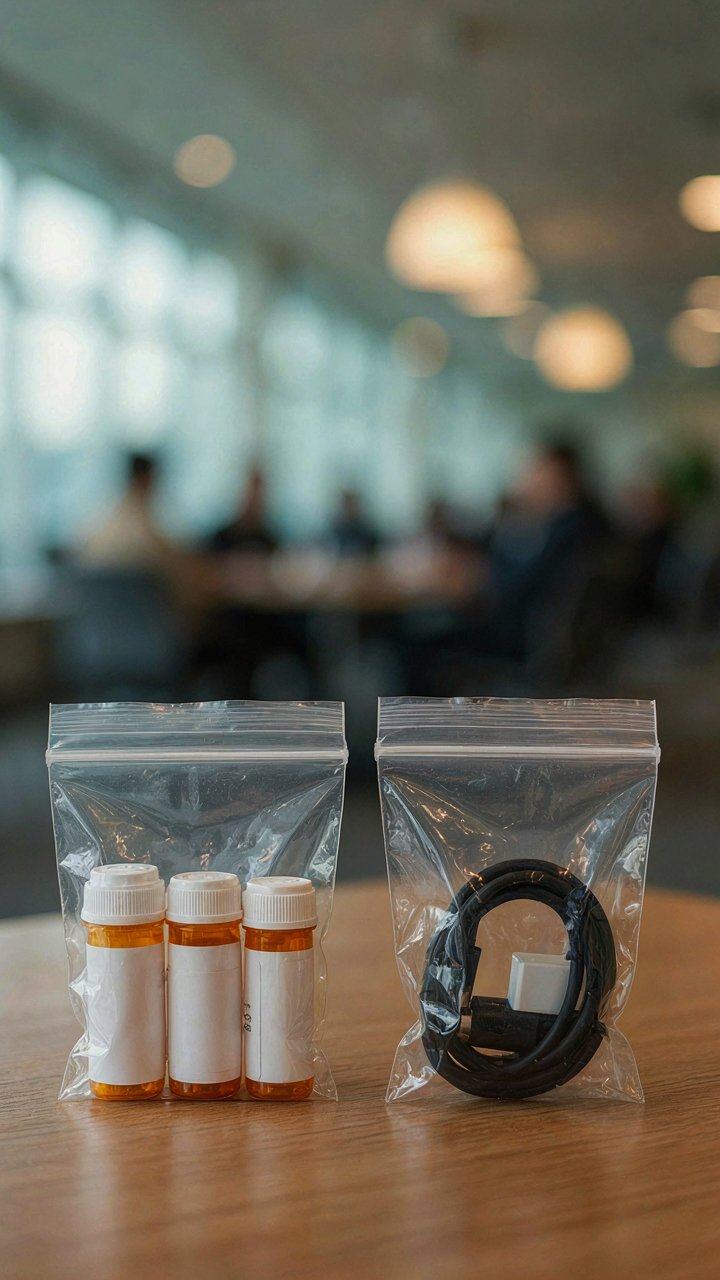
Bring electrolyte packets, not just water. Bring anti-diarrheal medication specific to travel, anti-inflammatory for swelling, hydrocortisone cream for rashes, and blister treatment for new shoes worn in heat. Include any prescription medications in original bottles with your name. Pack tweezers and antibiotic ointment. These items occupy minimal space and eliminate the need to hunt a pharmacy in an unfamiliar location during an event you’re committed to attending.
The Contingency Matrix: Applying Military Logistics To Destination Wedding Packing
Build Redundancy Into Critical Systems
You’re worried about looking unprepared or ruining someone else’s event. That fear drives the real question: which items actually break the trip if they fail. Military logistics calls this “single point of failure”—one missing component that collapses the entire operation. For destination weddings, your critical systems are medication, documents, and climate-appropriate clothing. These aren’t backup items. They’re insurance policies you pack twice.

The mistake most guests make is assuming one of everything is enough. It isn’t. Medications go missing in transit. Chargers break. Dress clothes get stained before the rehearsal dinner. The protocol is simple: identify your non-negotiable items, then pack a second unit of each in a separate bag. Your primary suitcase carries your main supply. Your carry-on holds duplicates of essentials. If one bag gets delayed or lost, you still function.
Establish Your Replacement Timeline
Most packing advice stops at “bring extras.” That’s incomplete. The real mechanism is knowing how fast you can replace something if it actually fails. A warm-weather destination wedding means you need to understand local availability before you arrive. Sunscreen at a beach resort is replaceable in two hours. A prescription refill might take two days and a doctor’s appointment.
Build a simple list before departure: for each critical item, write down the replacement time in your destination. Pharmacies, drugstores, and clothing shops have different hours and stock levels depending on location. If replacement takes more than twelve hours, pack that item in triplicate. If it takes under six hours, one backup is sufficient. This isn’t overthinking. It’s the difference between solving a problem and spending your wedding day stressed. Document one person’s contact info from the wedding party who can help you source replacements if needed.
Packing List For Destination Wedding: Digital Vs. Analog Prep

Screenshots Beat Cloud Sync When Planes Land
You’re worried about looking unprepared because a missed detail signals you don’t respect the event enough to plan properly. The mechanism is simple: cloud services depend on connectivity. Planes, airports, and remote resorts kill data access when you need it most. Screenshots create offline redundancy. Take photos of your confirmation emails, flight itineraries, hotel bookings, wedding details, and ground transportation info. Store them in your phone’s native Photos app, not a cloud folder. One screenshot folder per trip eliminates the dependency chain.

The real advantage isn’t just backup. Screenshots let you share proof instantly without explaining your phone has no signal. Vendors, drivers, and hotel staff respond faster to visual confirmation than verbal repetition. Most people digitize documents but never think about offline retrieval. You’re already carrying the device. Use the storage it already has.
Print One Paper Copy Of The Essentials
Digital fails. Phones die. Batteries drain on day three when you’re stuck in transit. Paper doesn’t require power or authentication. Print three documents before departure: flight confirmation with booking reference, hotel address and phone number, and the wedding day schedule with the venue address and contact info. Fold them small enough for a wallet. This isn’t paranoia. This is redundancy that costs nothing but takes five minutes.
One printed backup stops you from becoming the guest who can’t find the venue on day one. Keep the papers separate from your phone, not in your checked luggage. Carry them in a jacket pocket or money belt. The mechanism is pure friction reduction: when your primary system fails, you skip the problem entirely instead of solving it under stress.
The “Optimal Loadout” For Warm Weather Events

Evening Wear Adaptation For Heat
You’re worried you’ll look underdressed while everyone else looks polished, so you’re overthinking the formality angle when the real mechanism is thermal management. Formal wear in heat works like insulation in reverse: fabric that traps air becomes your enemy, not your ally. Heavy cotton, silk blends, and structured pieces hold heat against your skin. The solution isn’t buying new clothes—it’s choosing existing formal pieces built from breathable construction.

Look for evening wear in linen, cotton voile, or lightweight blends. A linen blazer or structured linen shirt works for semi-formal events. Women’s options include silk charmeuse or cotton lawn dresses that drape without clinging. The cut matters more than the weight: looser tailoring allows air circulation. Avoid velvet, heavy crepe, and densely woven materials entirely. Pack one structured piece you already own and verify it breathes before the trip.
Swimwear And Leisure Activity Gear
- Two-piece or one-piece swimsuit: Bring at least one extra beyond your primary choice. Chlorine or saltwater accelerates fabric degradation, and a backup prevents wearing damp material repeatedly.
- Quick-dry shorts or swim trunks: Choose nylon or polyester blends labeled “quick-dry.” Cotton absorbs water and stays wet for hours, making you cold despite the heat.
- Rash guard or UV shirt: Protects skin from sun exposure during water activities. Brands like Lycra or nylon constructions dry in under 30 minutes versus cotton’s hours.
- Lightweight cover-up: Linen or gauze material works for post-swim transitions. Skip heavy terrycloth robes that absorb moisture and become bulky in luggage.
- Water shoes or sandals with grip: Essential for beach or pool activities. Prevents slipping on wet surfaces and protects feet from sharp shells, rocks, or hot pavement.
Pack swimwear that dries in under an hour—this is non-negotiable if you’re attending multiple water-based events. Cotton swimwear absorbs water like a sponge and stays damp for an entire day, forcing you to either sit wet or change constantly. Synthetic blends engineered for athletic use dry faster and maintain shape through repeated washing. Bring one backup suit minimum.
Wedding Checklist For Destination Wedding: Pre Departure Intelligence
What The Venue Actually Requires
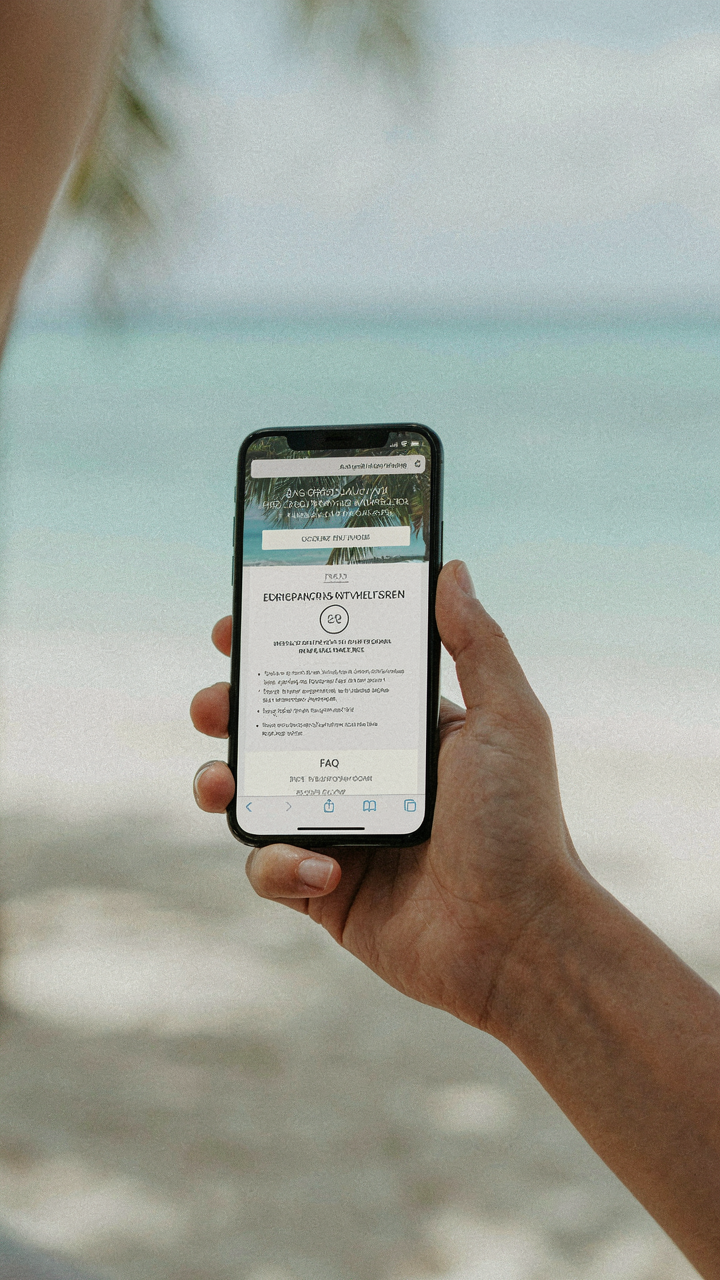
You’re worried about showing up wrong because social consequences feel permanent. They’re not, but the mechanism that matters is this: the couple set expectations through their invitation materials, and you’re reading them wrong or not at all. Most guests skim the wedding website once and retain nothing. The dress code exists not as decoration but as a signal about formality level, venue constraints, and what the hosts can actually accommodate. Read the invitation details twice. Screenshot them. Check for a wedding website FAQ section where couples specify shoe requirements for beach settings, fabric restrictions for outdoor heat, or cultural dress expectations. Many destination weddings include notes about local customs that directly affect what you pack. This is not optional information.
The real move is distinguishing between stated requirements and environmental reality. A “cocktail attire” code at a beach venue means something different than the same code at a ballroom. Couples often don’t account for the gap between what looks good in photos and what functions in 95-degree humidity with salt spray. Email the couple’s wedding planner or a groomsman if the website doesn’t clarify. One direct question beats packing wrong by two outfit categories.
Regional Climate Patterns And What They Actually Mean
Meteorology applies here: you need data, not feelings. A warm destination in July operates under different conditions than the same place in February, and guidebooks that say “tropical” without month specificity are useless. Check historical weather data for that specific location during that specific month. Not the forecast. Historical averages for temperature range, humidity, rainfall probability, and wind patterns. Most regions have seasonal shifts that alter what you actually wear. The Caribbean hurricane season runs June through November. Southeast Asia has monsoon patterns. North Africa has harmattan winds that drop humidity dramatically. These aren’t edge cases. They reshape your packing entirely.

Pull data from weather history sites that log monthly conditions rather than relying on general destination descriptions. You need maximum and minimum temperatures, not just “warm.” You need humidity percentages because 85 degrees at 30% humidity feels different than 85 degrees at 80% humidity, and your fabric choices change accordingly. Rain probability matters because afternoon thunderstorms in some regions require a packable rain layer while others stay dry. Once you have actual numbers, your packing stops being guesswork and starts being calibrated to what your body will actually face.
Destination Wedding Packing List Guest: The Post Event Debrief

What Actually Worked Against What Didn’t
You want to know if you packed right so you don’t feel like you wasted mental energy figuring this out. Here’s the mechanism: your brain doesn’t retain packing data unless you force a structured review within 48 hours of returning home. Emotion fades fast, and without documentation, you’ll repeat the same mistakes at the next event.
Pull your photos from the event. Note what you wore each day and cross reference it against what stayed in your luggage untouched. The untouched items are your signal. Mark them clearly: shoes that pinched, that formal jacket nobody wore, the backup outfit that duplicated something else. This creates a personal dataset that overrides generic packing lists every time.
Building A Reusable Framework
Smart travelers treat packing like inventory management treats stock. You build a core item list that rotates through trips, then layer event specific pieces on top. This eliminates the mental load of starting from zero each time.

Create a single document called “Warm Weather Wedding Kit.” List only items that worked: specific shoe models, fabric types that didn’t wrinkle, undergarments that survived heat and humidity. Add the exact brands and colors. When you pack for the next destination wedding, start here instead of scrolling through random Pinterest boards. You’ve already solved this problem once. Stop solving it again.
The Real Problem Isn’t What You Forget, It’s Your Reliance On Static Instructions

You don’t need another packing list. You need to think like the trip, not like a checklist. Most guests pack the same way they always do, then wonder why they still feel unprepared. The shift happens when you stop asking “what should I bring” and start asking “what will I actually do there.” Open your phone right now. Text the couple. Ask them three specific questions about the itinerary. Your packing becomes useful the moment your decisions match reality instead of some blogger’s template. Stop following instructions designed for everyone. Start packing for yourself.