
The Illusion Protocol: Projecting Effortless Movement
What Others Read Into Your Fit
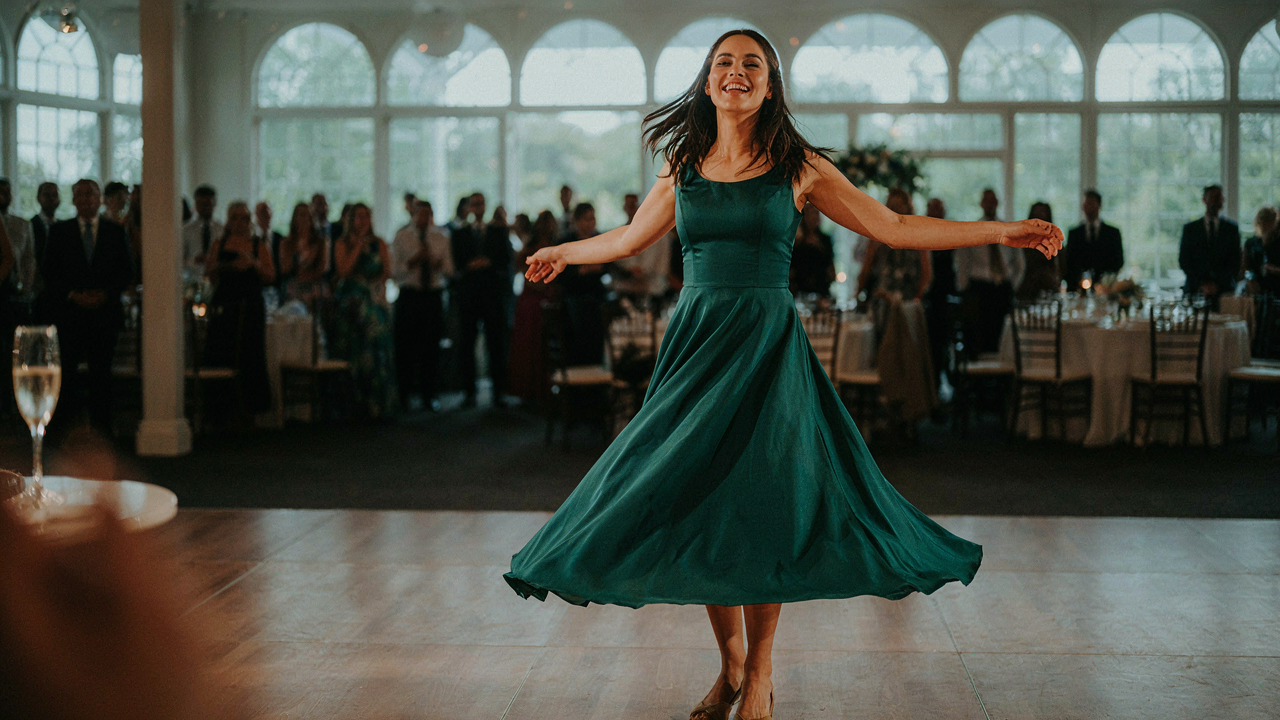
You want people to assume you move well before you move. That’s the real calculation here, not comfort. Signaling theory from economics explains this: your dress choice broadcasts competence through visual cues before your body confirms it. Fabric drape, neckline depth, and sleeve construction send messages about your control and physical capability. Tight fabrics signal restriction. Flowing fabrics signal freedom. The venue reads your garment first and judges your dancability second.
The mechanism is straightforward. Loose weaves and natural fibers like cotton and linen telegraph ease because they move visibly with air and body. Structured synthetics like polyester blends broadcast rigidity. Observers unconsciously use this data. When a fabric moves independent of strain, witnesses interpret the wearer as someone who won’t struggle. You’re not dressing to move better. You’re dressing so onlookers believe you will before the music starts.
Fabric Against Your Actual Movement
Game theory tells us that dress selection is a coordination problem between what you wear and what your body can execute. In game theory terms, your silhouette is your strategy, and your mobility is your payoff. Choose a silhouette that forces you to move a certain way, and you either align with that constraint or fight it all night. Most guests pick dresses that create friction between the garment’s design and their actual range of motion.
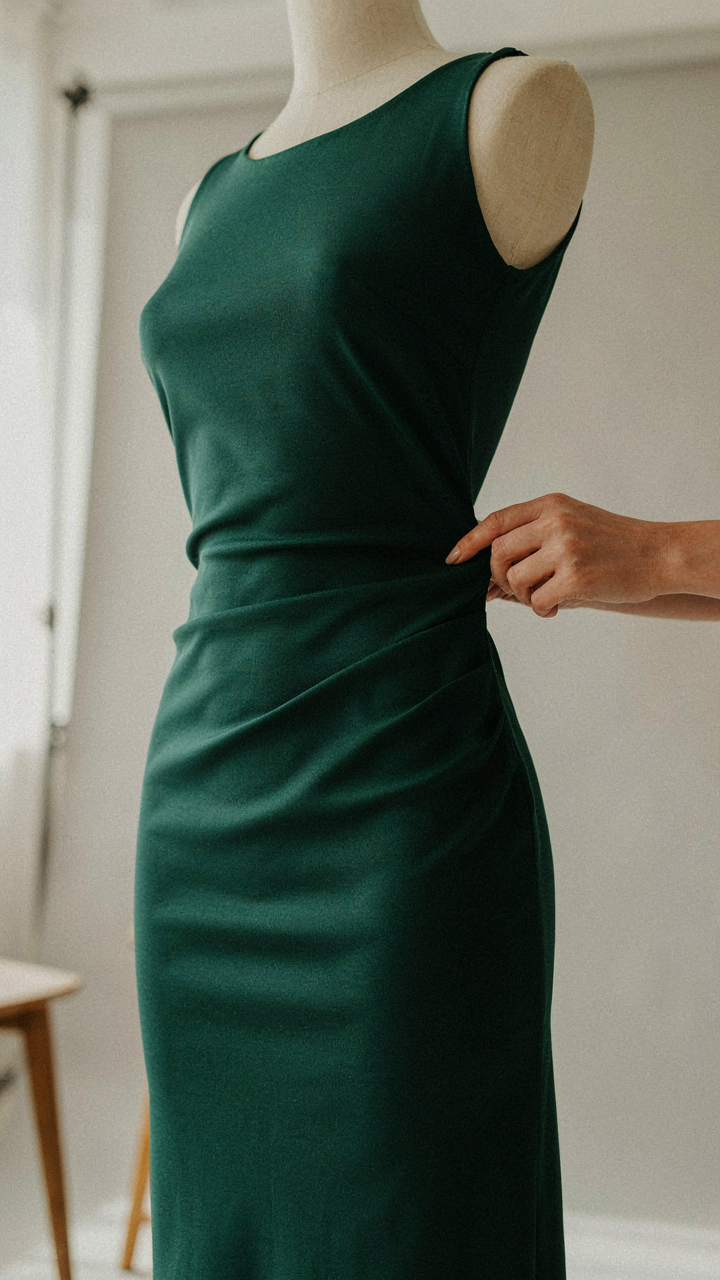
Jersey knits and four-way stretch fabrics eliminate this friction. These materials deform with your body instead of against it. A sheath dress in rigid taffeta will pull at your hips when you lift your leg. The same silhouette in stretch crepe will flex. The silhouette didn’t change. The fabric’s response to movement did. Select fabrics that accommodate lateral movement, hip rotation, and arm extension without resistance. A-line cuts and wrap styles compound this effect by removing tight points entirely. Test your dress by sitting, reaching across your body, and stepping up onto a chair. If you feel constraint, the fabric is working against you, not for you.
Beyond “Comfort”: The Tactical Fabric Selection
Stretch Versus Drape: Optimizing For Perceived Flow
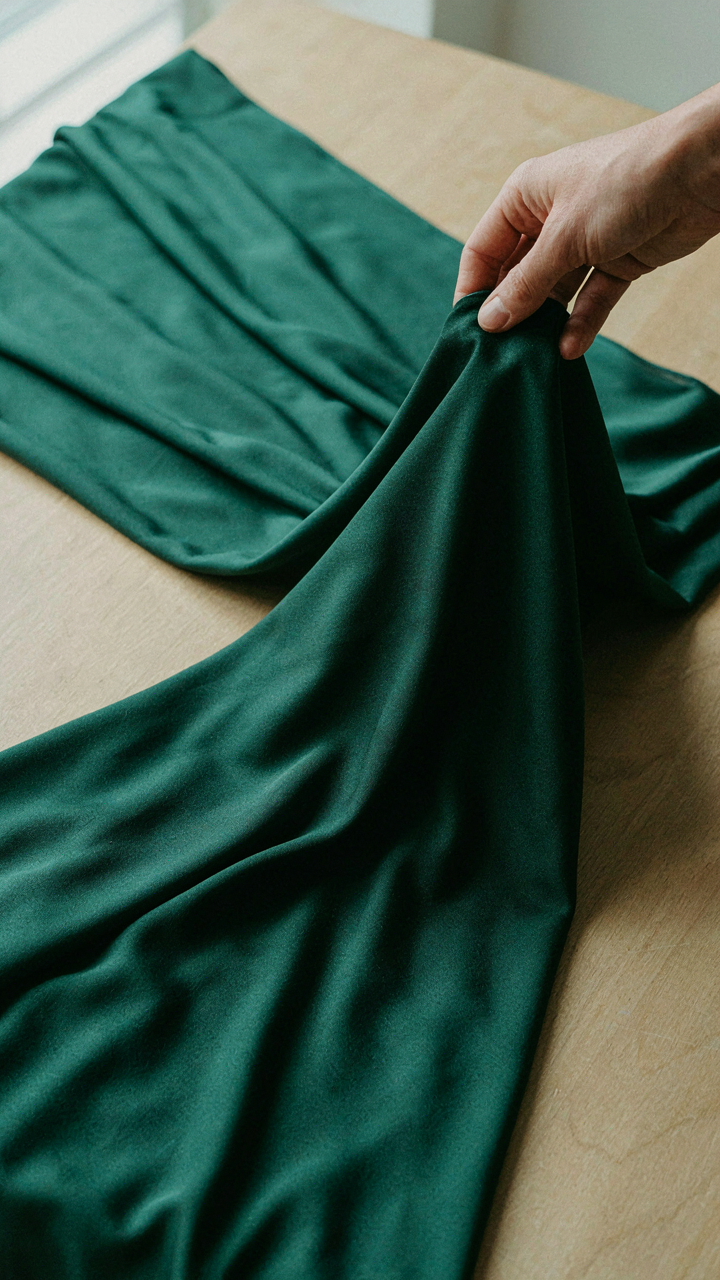
You care about this because you’re afraid you’ll look stiff or uncomfortable while dancing, and that fear reads as low status to everyone watching. The mechanism is basic physics: stretch fabrics compress and return to form, while drape fabrics fall and move with gravity. Stretch works for fitted silhouettes because it moves with your body. Drape works for looser cuts because it creates the illusion of effortless motion without clinging.

Most advice says “just pick what feels good,” which is incomplete. Your choice signals whether you understand your own body and the cut you’ve chosen. A dress with too much stretch in a loose cut looks cheap because the fabric fights itself. A dress with poor drape in a fitted cut restricts movement and makes you look tense. Select stretch fabrics for bodycon styles and structured knits. Select drape for A-line, wrap, and flowing cuts. Test the fabric by raising your arm to shoulder height and moving side to side. If it recovers smoothly and doesn’t cling to sweat, you have the right pairing.
Wrinkle Resistance: The Silent Status Signal
Wrinkles aren’t about perfection, they’re about preparation and material quality. A fabric that resists wrinkles signals you chose the outfit intentionally rather than grabbed something convenient. Silk and linen wrinkle easily because their fibers lack resilience. Polyester blends, cotton-poly mixes, and technical fabrics hold their shape through sweat, movement, and hours of sitting and standing.
The real mechanism: wrinkles accumulate fastest on fabrics made from loose fibers. High-quality synthetic blends and tightly woven natural fibers stay crisp through a full reception. Pick fabrics with at least 20 percent synthetic content if you want true wrinkle resistance. Avoid pure silk charmeuse or high-count linen unless you accept visible creasing by hour three. Iron or steam thirty minutes before leaving home, not the morning of. This timing matters because fabric wrinkles settle and set faster after you’ve worn it.
The Unspoken Rules Of Black Tie Wedding Guests
What That Invitation Card Actually Means
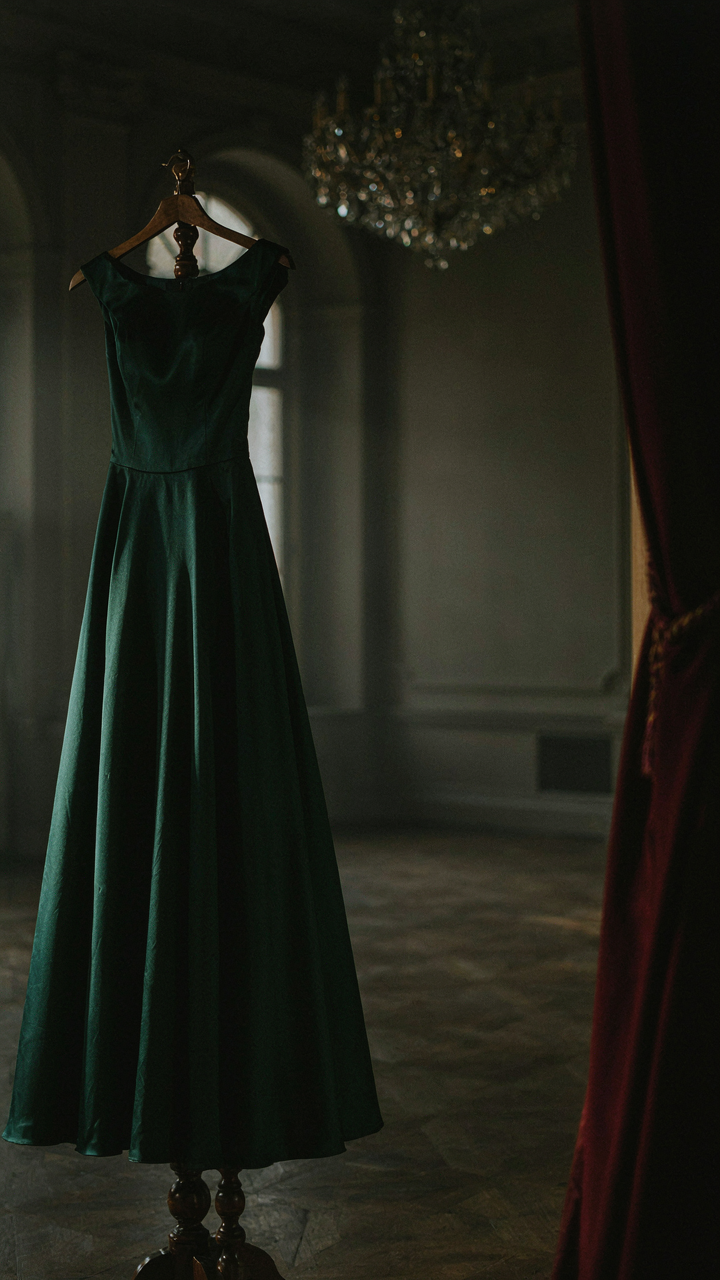
You’re worried you’ll look wrong, and that fear is justified because most people misread the signal. Black tie doesn’t mean you dress like you’re attending a funeral or a finance conference. The mechanism here is social signaling through constraint. Black tie establishes a floor, not a ceiling. It tells you what the couple will wear and what the venue can handle. Everything else is permission to move.

The invitation card sets expectations about formality level, but the real subtext lives in timing and venue. An evening black tie wedding at a country club means one thing. The same dress code at a rooftop bar at nine PM means something else. You decode this by checking the start time, location type, and season. A summer black tie wedding outdoors needs different fabric weight than a winter ballroom event. Read the venue first, then dress to that environment, not just the label.
Prom Is Not The Reference Point
Everyone defaults to prom when they think formal, and that choice kills the entire night. Prom dresses are engineered for stillness and visibility. They’re built to be looked at while you stand. Black tie at a wedding reception means you’ll move, eat, sit in different lighting, and interact with strangers for hours. The dress that photographs well stationary will restrict your movement and look out of place once you’re actually dancing.
The real mistake is choosing based on the formal label instead of the activity. You need a dress that handles sustained wear, temperature shifts, and active movement. Fabric matters more than embellishment. A well-cut cocktail dress in quality material reads as sophisticated at a formal event. A heavy, structured ballgown with elaborate beading becomes a liability by hour three. Choose construction and fit over drama and coverage.
Garden Formal Dress: Mastering The Outdoor Aesthetic
Fabric Choices For Natural Settings
You care about this because you’re terrified of showing up underdressed and looking poor in front of people who matter. The mechanism is simple: outdoor formality works like thermal regulation in biology. Your fabric must dissipate heat while maintaining structure, or you collapse and the dress collapses with you.

Natural fibers dominate garden formal for a reason that has nothing to do with aesthetics. Silk, linen, and cotton breathe. Polyester blends trap moisture against skin and create visible sweat marks within two hours of standing and dancing. The dress that photographs well in air conditioning becomes a liability the moment you move outside. Choose Italian silk charmeuse or Irish linen blends that hold their shape even when humidity spikes. Avoid synthetic microfibers entirely. Your comfort directly determines whether you actually move through the space like you belong there or whether you freeze and retreat to the shade.
Navigating Ground And Terrain
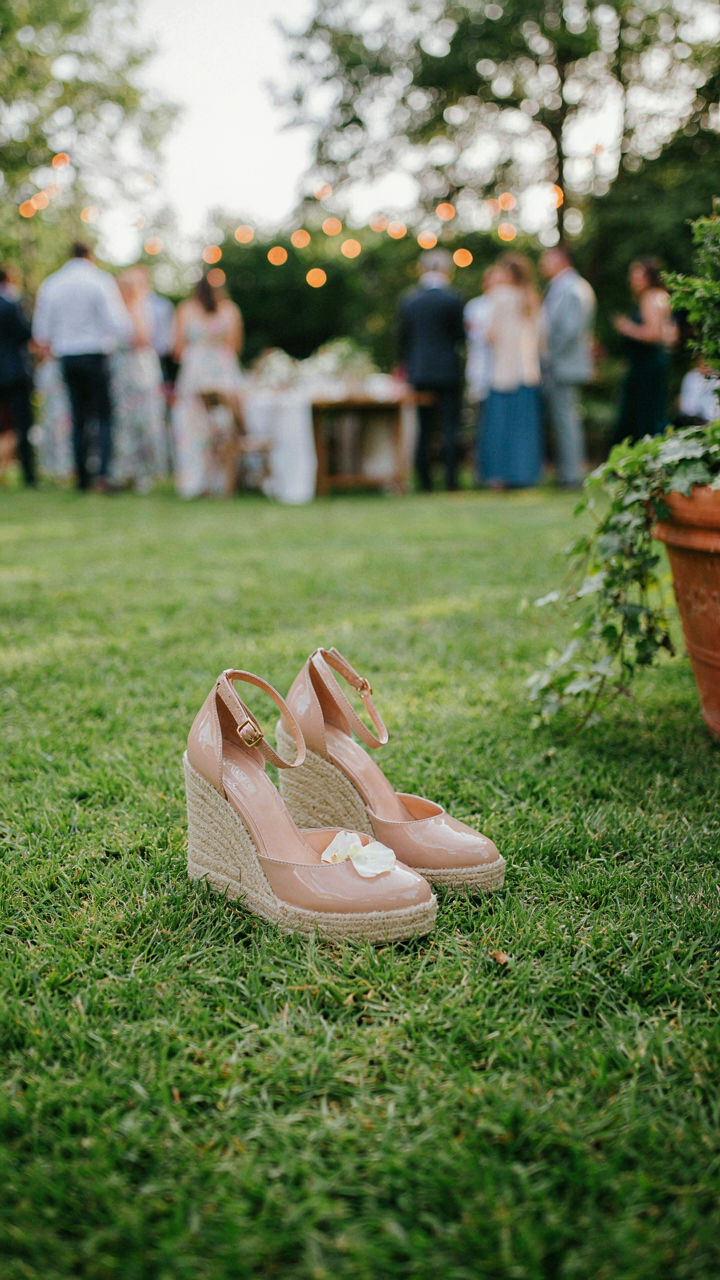
Shoe choice at garden receptions determines your actual freedom to move. Hard soles on grass or gravel become anchors that force you to walk stiffly or twist your ankle. The conventional advice to wear heels outdoors is incomplete at best and reckless at worst.
Metallic flat sandals or strappy flats grip earth better than thin heels and let you walk the property without calculating every step. If you want heel height, opt for wedges with substantial sole thickness that distributes weight across a wider surface. The footwear decision precedes the dress decision because it shapes whether you can actually use your lower body. Test your shoes on the actual venue surface beforehand. Once you confirm foot stability, you can move through the space with genuine control instead of performing caution for three hours.
Wedding Guest Dress Inspiration: Beyond The Generic

Where To Find Ideas Nobody Else Is Wearing
You want to stand out without looking like you’re trying too hard, which is really about fear of judgment masking as taste. The mechanism is simple: most people source ideas from the same three places (Pinterest, Instagram, wedding blogs), so they all arrive at the same five outfits. The algorithm feeds consensus back to itself. Break the loop by mining sources that don’t optimize for clicks.
- Vintage and archive fashion photography: Search museum collections and fashion archives from the 1970s through 1990s. These images predate algorithm curation and show how real people actually dressed for events without performance anxiety.
- Street style from non-US fashion weeks: Paris, Milan, and Tokyo street photography captures how guests actually dress when they’re not performing for social media. Look at real attendees, not influencers.
- Fabric and textile suppliers: Browse what high-end dressmakers and tailors source. Seeing the raw material moves you upstream from finished trends and toward construction decisions.
- Theater costume archives: Stage costumes solve the same problem you have: movement, visibility, and impact in a room. Many theater departments document their archives online.
- Regional and cultural dress documentation: Academic and museum sites often photograph traditional wedding and celebration attire from specific regions. These represent tested solutions for dancing and social settings.

The friction of finding these sources is the filter. You’ll spend thirty minutes instead of five on Pinterest, but that effort means you’re already ahead of the crowd that didn’t bother looking.
Personal Style Is Your Actual Competitive Advantage
Most advice says “wear what makes you feel confident,” which is meaningless and lets you hide behind indecision. Your personal style isn’t about confidence. It’s about constraint. You have a body shape, a coloring, a movement pattern, and a lifestyle. The dress that works is the one that respects those facts instead of fighting them.
The weddings where people stand out aren’t the ones where everyone’s in a statement piece. They’re the ones where someone wore something that looked effortless because it actually fit how they move and live. If you never wear heels, a dancing-all-night dress in heels defeats itself. If you’re tall, certain proportions will read differently on you than on shorter frames. Your job is identifying what you actually wear and then elevating the version of that thing, not abandoning it for trend. Wear what’s already working, then refine the fit, fabric, or color.
The Elegant Dresses Wedding Guest Matrix

Match Your Dress To The Formality Level
You’re worried the wrong dress choice tanks your social standing at the event. Here’s what actually matters: formality tiers work like signal transmission in physics—the dress code broadcasts what frequency you should operate on, and mismatched frequency kills the message. Black tie demands floor-length gowns or structured cocktail dresses in dark, refined fabrics. Semi-formal calls for knee-length or midi silhouettes in jewel tones or neutrals. Casual weddings allow shorter hemlines and bolder colors. The mechanism is simple: the venue, time of day, and stated dress code dictate fabric weight, length, and color saturation. Ignore the stated tier and you broadcast that you didn’t process basic information.

Formality exists to solve a practical problem, not to create hierarchy. It organizes how guests present themselves so the couple and their photos read cohesively. A floor-length gown at a daytime garden reception looks overdressed because it violates the venue’s visual grammar. A short cocktail dress at black tie reads undercooked. The real work is matching three variables: the stated dress code on the invitation, the wedding’s location and lighting conditions, and the time on the clock. If the invitation says black tie and you show up in a midi dress, you’ve solved for a different event entirely.
Accessories Shape The Visual Weight, Not The Look
Everyone tells you accessories complete an outfit. They’re wrong about why that matters. Accessories operate like ballast in a vessel—they redistribute visual weight and stability. A heavy necklace on a lightweight dress anchors it and prevents the whole look from feeling scattered. A delicate bracelet on a structured gown does nothing but exist. The real principle: accessories either counter the dress’s visual properties or amplify them. If your dress is minimal and loose, jewelry should have presence and geometry. If your dress commands attention through pattern or volume, accessories should recede into metals and understated forms.
Dancing all night demands accessories that survive movement. Dangling chandelier earrings catch light but create drag and distraction when you move. Simple studs or close-to-ear drops stay put and let the dress do its work. Clutches or small crossbody bags stay secured and don’t swing into other guests. Metal cuffs and structured rings beat layered delicate chains that tangle. The protocol is direct: choose one statement piece—either shoes, jewelry, or a bag—and keep the rest minimal. This prevents visual noise and ensures you move through the space with intention, not maintenance.
Formal Cocktail Attire: The Understated Power Play
Length And Silhouette For Movement
You want permission to look expensive without trying. The real mechanism is constraint. Formal cocktail dress codes exist because they restrict your options—fewer choices mean higher stakes per decision, which signals you know the rules well enough to navigate them.
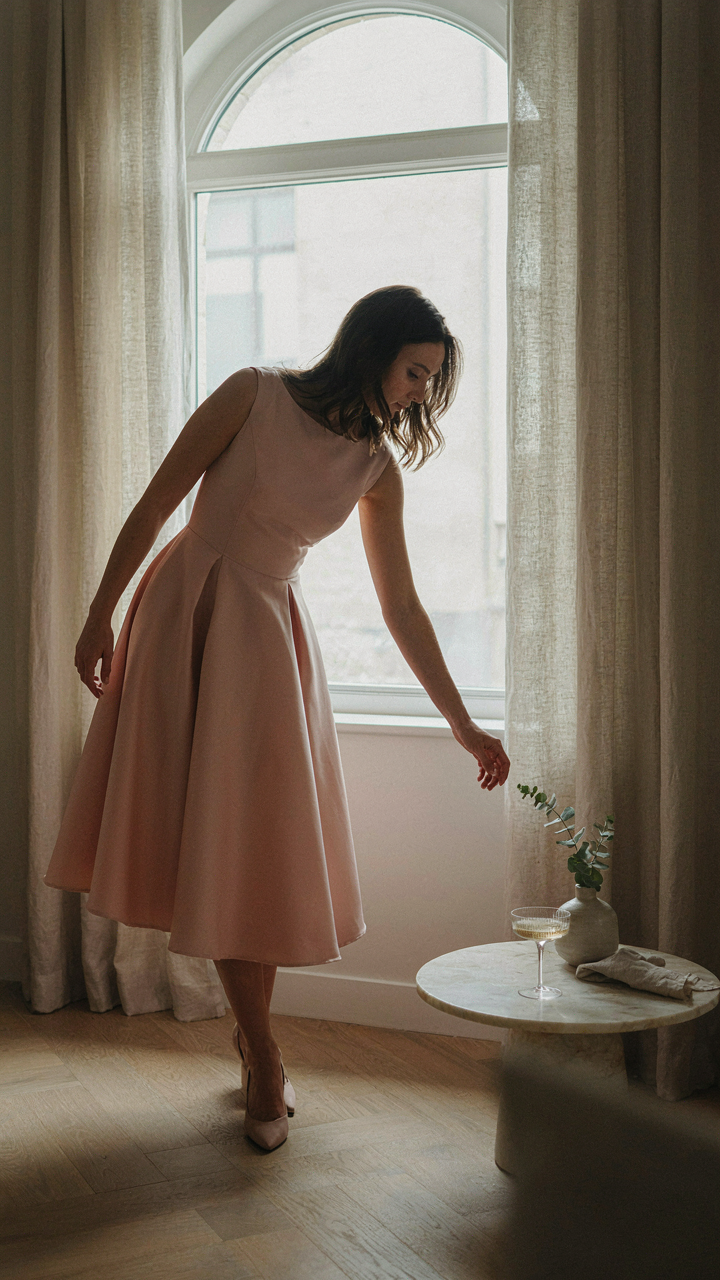
Knee-length dresses and tailored separates allow actual movement. Full range of motion at the hip, thigh, and ankle prevents the stiff, guarded posture that screams discomfort. Maxi dresses work if the fabric drapes rather than clings, and if the hem clears the floor by at least two inches. Fitted bodices paired with A-line or pleated skirts distribute fabric away from your legs, solving the real problem: you can’t dance in a pencil silhouette without splitting seams or taking steps the size of your foot.
A-line skirts and structured trousers give you the same mechanical advantage. You move first, the fabric follows. Avoid empire waists and cinched midsections that restrict breathing or create visible tension lines when you sit. The dress codes that matter enforce sophistication through fit, not through restraint of your body.
Choosing Colors That Anchor Attention
Color theory in formal settings operates on contrast and rarity, not on emotion. Most guests wear black, navy, or jewel tones because the code permits no risk. You don’t wear red to disappear. You wear it because you’ve calculated that one anchor color beats ten neutral ones in a room built on uniformity.
Burgundy, forest green, and deep plum read as formal without the attention tax that red demands. Metallics like gold and silver work for fabrics that catch light—satin, silk, structured knits—not for cheap polyester that looks reflective and cheap. Nude or cream tones work only if your skin tone matches the fabric closely enough that the dress becomes an extension of your frame rather than a visible garment. Black remains the mechanical default because it eliminates all variables and demands nothing from the wearer except fit and posture.
The “Yellow Wedding Dress Guest” Conundrum
Color Theory Applied To Guest Positioning
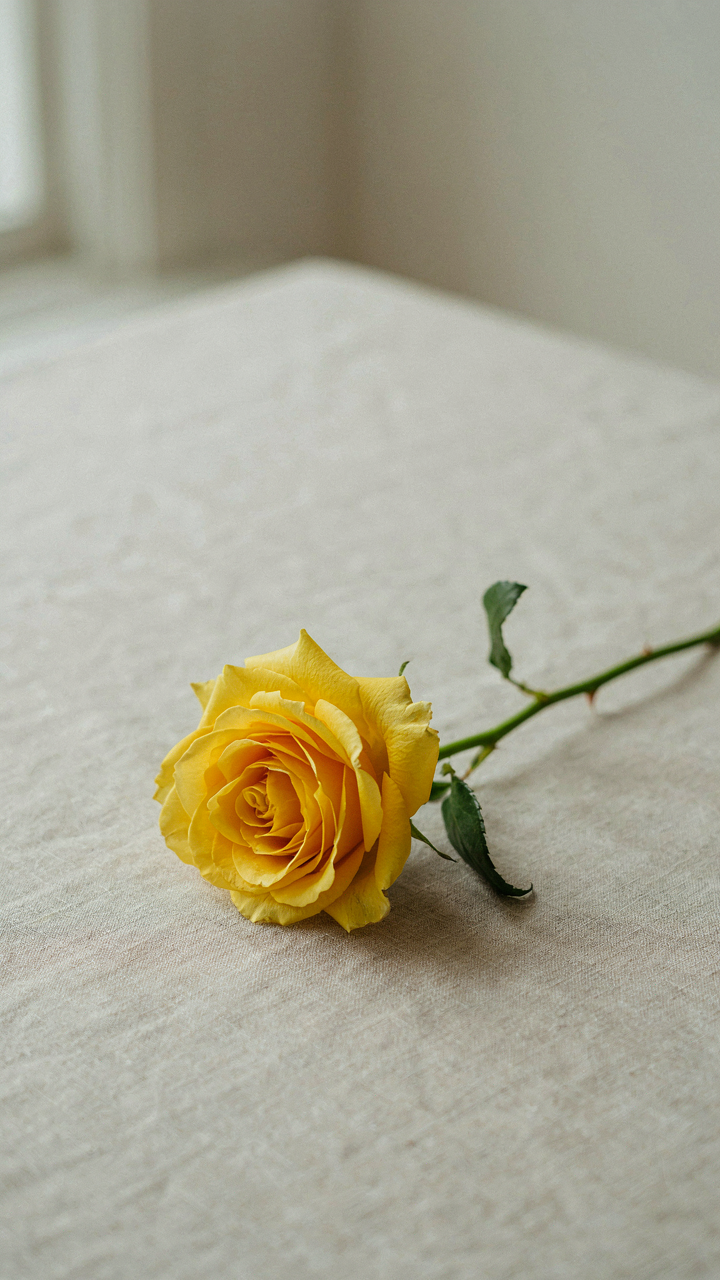
You’re worried yellow reads as attention-seeking because you don’t want to be perceived as threatening the bride’s status. Here’s the mechanism: color psychology treats saturation and value as signals of intentionality. A bright yellow screams deliberate choice. A muted gold or champagne reads as refined restraint. The dress code itself isn’t the real rule—the unspoken hierarchy is. Warm colors near the bride signal competition. Warm colors away from her signal taste.

The actual principle borrowed from color theory is contrast against background. In a typical reception with neutral walls and dim lighting, you’re not competing with the venue—you’re competing with the bride’s visual real estate. Yellow’s high luminosity means it absorbs attention wherever it appears. Position yourself as the guest who enhances the night, not the one who extracted energy from it. Saturation matters more than hue.
Visibility Without Theft
Everyone says “just wear what makes you feel confident.” That’s incomplete advice. The real metric is whether your outfit creates a secondary focal point or amplifies the existing one. A yellow dress with structured tailoring and minimal embellishment reads as intentional elegance. A yellow dress with sequins, ruffles, or dramatic draping reads as a bid for the spotlight. The distinction isn’t moral—it’s architectural.
Dancing all night demands a dress that holds its own under movement and low light without broadcasting itself. Matte fabrics in yellow absorb light. Glossy or metallic finishes project it. A midi or knee-length silhouette in buttery yellow keeps you grounded. A floor-length gown in the same shade requires confidence you’ve earned the space—usually reserved for wedding party or immediate family. The protocol is simple: if you have to justify wearing it to the bride, wear something else.
Maid Of Honor Gown: The Strategic Support Role
Visibility Without Competing For Attention
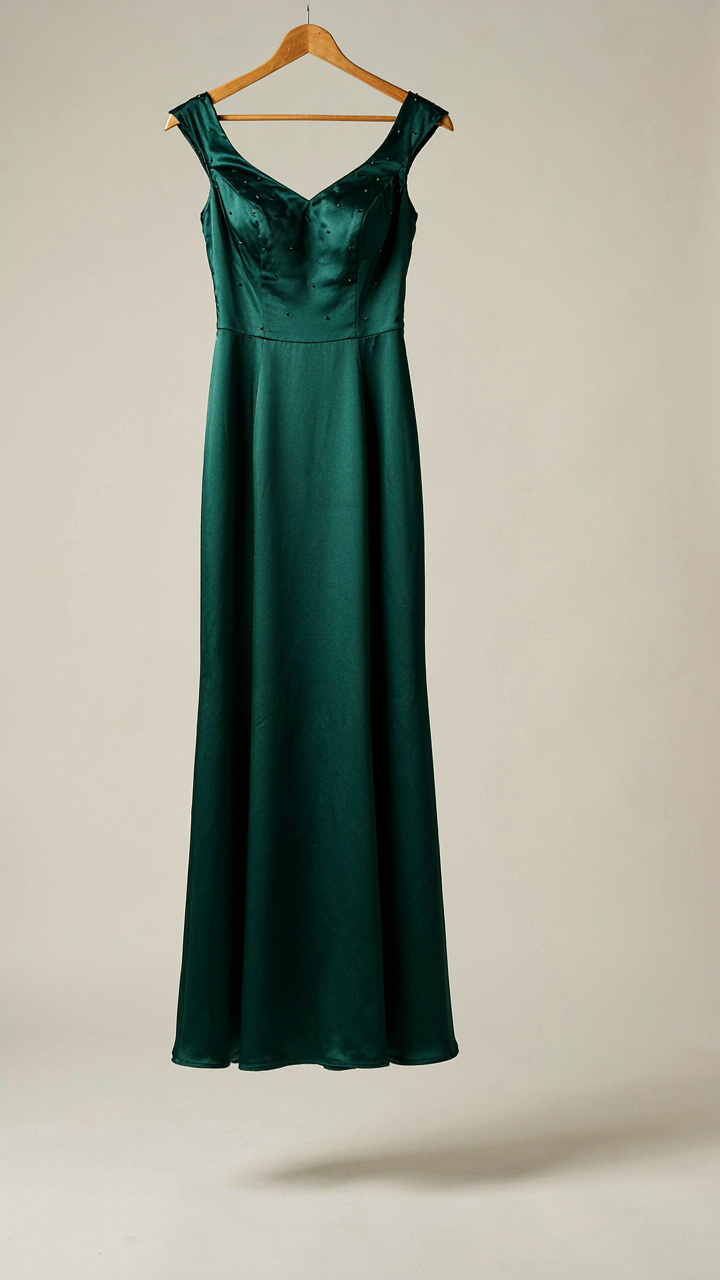
You want to look important without stealing focus from the bride, and that’s the real calculation here. Think of this like naval strategy: a destroyer supports the flagship by maintaining formation and firepower readiness, not by outmaneuvering the main vessel. Your role is visual authority that doesn’t threaten the hierarchy. The maid of honor gown signals you matter to the couple while your positioning and styling choices keep you in the supporting frame.
The standard play is a midi or floor-length dress in jewel tones, metallics, or deeper neutrals. Avoid white, ivory, or anything that mirrors bridal silhouettes. Satin and structured fabrics photograph well and move with intent during toasts and dances. Choose sleeves or strategic cutouts that feel intentional rather than trendy. You’re dressing to be noticed in photos but not memorable as a standalone moment. The dress does the heavy lifting so your presence stays contextual to the event’s actual center.
Movement And Durability Over Six Hours
Long nights destroy impractical dressing, and most advice ignores the actual physics of dancing. A maid of honor stands, walks, hugs, raises a glass, dances, and sometimes moves through crowds. Fabric choice determines whether you’re comfortable or counting minutes until relief. Natural fibers like cotton blends and silk move better than pure synthetics. Structured dresses hold shape through movement better than draped styles that shift with every gesture.
Hem construction matters tactically here. A dress that touches the floor requires constant hiking or risks tripping during group dances. A midi hem that clears your ankle by two inches stays stable and won’t catch shoes. Internal construction like adjustable straps or hidden pockets keeps the dress functioning for eight hours straight. Test the dress through arm movements and sitting before the event. Your footwear needs to match the hem length and allow real dancing, not just standing.
Your Fear Isn’t Bad Dancing; It’s Bad Optics. Master The Illusion, Master The Night
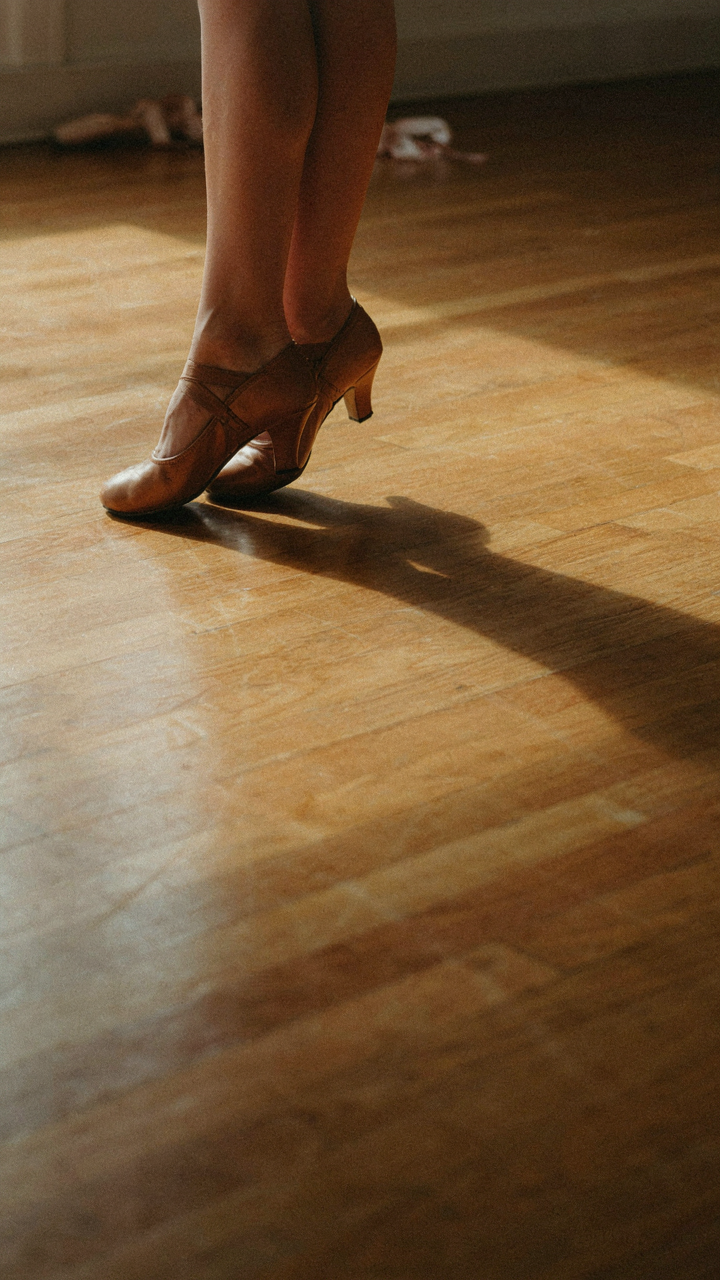
Everyone thinks they need to dance well. Wrong. They need to look like they’re having fun while moving. Pick one outfit that makes you feel dangerous. Wear it. Move intentionally, not frantically. People don’t judge dancers. They judge people who seem uncomfortable in their own skin. Stop hiding in the corner and own the floor for three songs. That’s the entire game, and you already know how to win it.