


The Kinematic Comfort Protocol
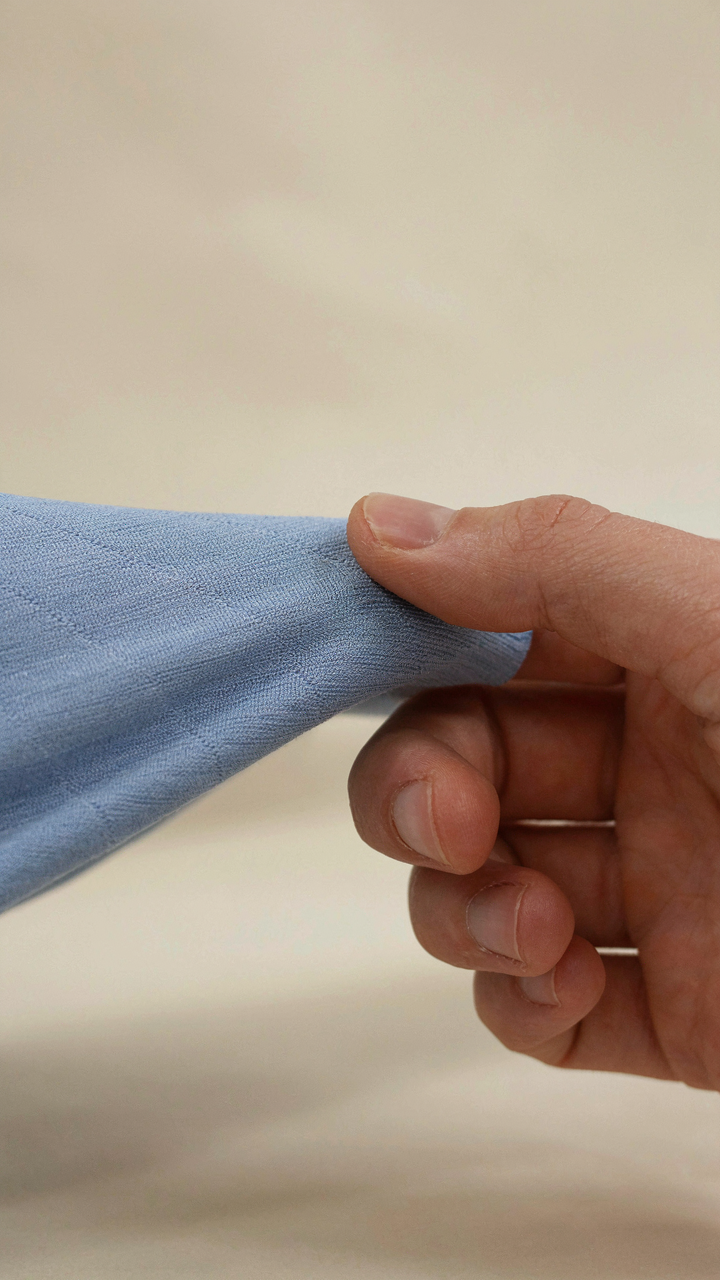
Fabric Stretch And Natural Movement Range
You want to move without thinking about your dress because you’re afraid stillness makes you forgettable on the dance floor. The real mechanism is range of motion, borrowed from biomechanics. A garment’s stretch capacity determines the percentage of your natural joint movement that remains unimpeded. Most wedding guest dresses fail here because they prioritize silhouette over function.
Natural fabrics with elastane blends outperform rigid wovens. A 2-4% elastane content in cotton or linen blends recovers after movement without losing shape. Knit constructions inherently allow more directional give than woven fabrics. When you raise your arms or step forward, the fabric must extend and return without pulling seams or restricting shoulder rotation. Test this before buying: raise both arms overhead and bend at the waist. If you feel tension or resistance, the dress won’t work.
Seam Placement And Friction Point Reduction
Everyone says seams don’t matter. They’re wrong. Seam placement determines where your body absorbs stress during repetitive movement, and poorly positioned seams create hot spots and eventual tearing. Strategic seam routing moves stress away from high-movement zones like underarms, hip flexors, and the inner thigh.
Dresses cut with vertical side seams rather than curved bust seams reduce bunching during arm movement. Seams running along the natural lines of your body rather than cutting across muscle groups stay stable through hours of dancing. The best construction places minimal seams through the torso and reserves seam work for the waist and hem where movement is less dynamic. Inspect the dress from inside before purchase. If seams feel thick or rigid where they run across your shoulders or sides, the dress will fatigue your body faster and restrict your range.
Beyond “Flowy”: The Science Of Drape
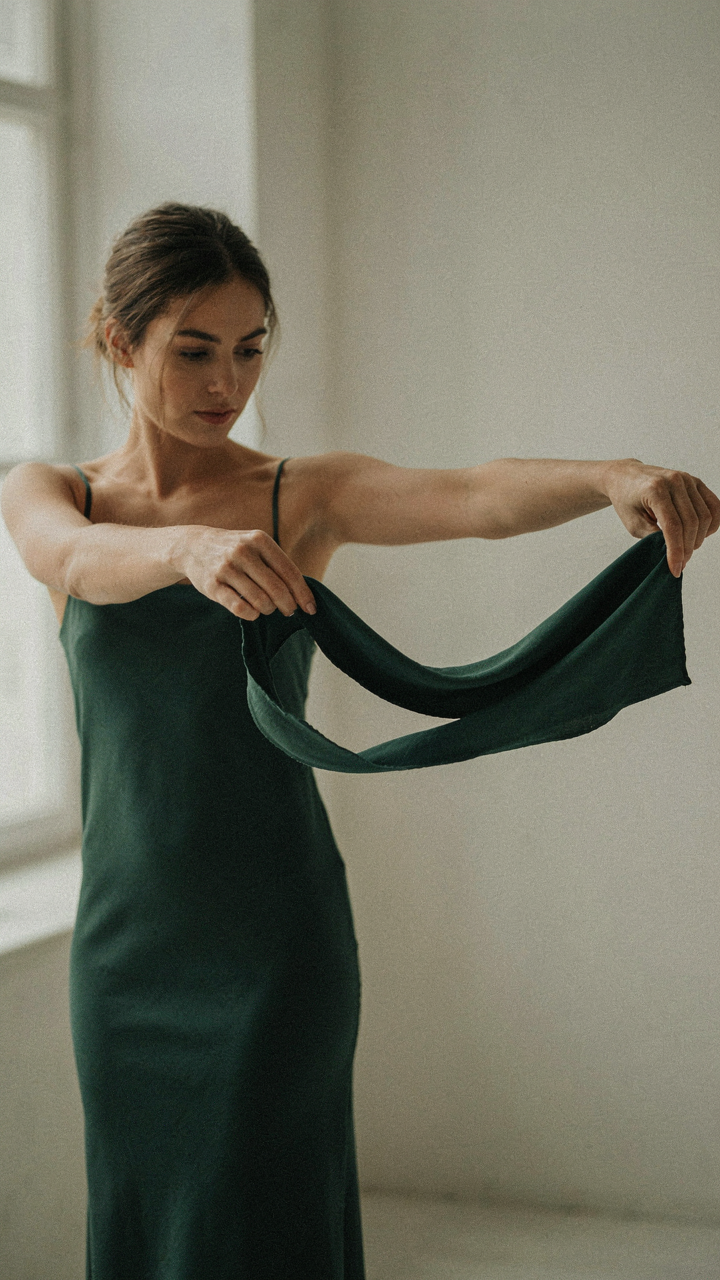
Weight Determines How Fabric Responds To Movement
You want fabric that moves without fighting you, which means you’re really buying predictability. Physics governs this: heavier fabric has more kinetic energy, so it resists sudden direction changes and settles slower after movement stops. Lighter fabric responds instantly to your body’s motion but offers less coverage and protection from visibility issues when dancing. The sweet spot lives between 4 and 8 ounces per square yard for most wedding guest dresses.

Most wedding advice says “choose light, breathable fabric” without explaining the tradeoff. Light fabrics like chiffon or voile move freely but cling to sweat and stick to legs during extended dancing. Medium-weight materials like crepe or ponte knit maintain their shape under movement, absorb minimal moisture, and return to position after each motion. Test this yourself: hold a piece of fabric and move it side to side. If it lags behind your hand, it’s too heavy. If it collapses immediately, it won’t hold structure when you dance.
How Construction Creates Or Kills Your Range
Dress architecture determines whether you move freely or constantly adjust. A structured bodice with internal boning restricts torso rotation and arm lift, forcing compensatory movements that exhaust you faster. Seam placement matters more than most realize: vertical seams from shoulder to hem allow unrestricted leg movement, while horizontal seams across the hip restrict your stride and create tension points during turns.
Bias-cut construction, developed in the 1930s and still the gold standard for dance-friendly garments, stretches diagonally across the fabric grain. This gives you built-in give without elastic. Compare this to straight-grain cuts that fight your body when you move. Armhole depth and width determine shoulder mobility directly. A narrow, high armhole locks your upper arm in place. A dropped armhole with wider opening lets your arm swing naturally. Before buying, raise your arm above your head in the dressing room and perform a full torso rotation. If the fabric pulls or bunches, the construction fights your body.
The “Bal Masqué” Paradox: Form Meets Function
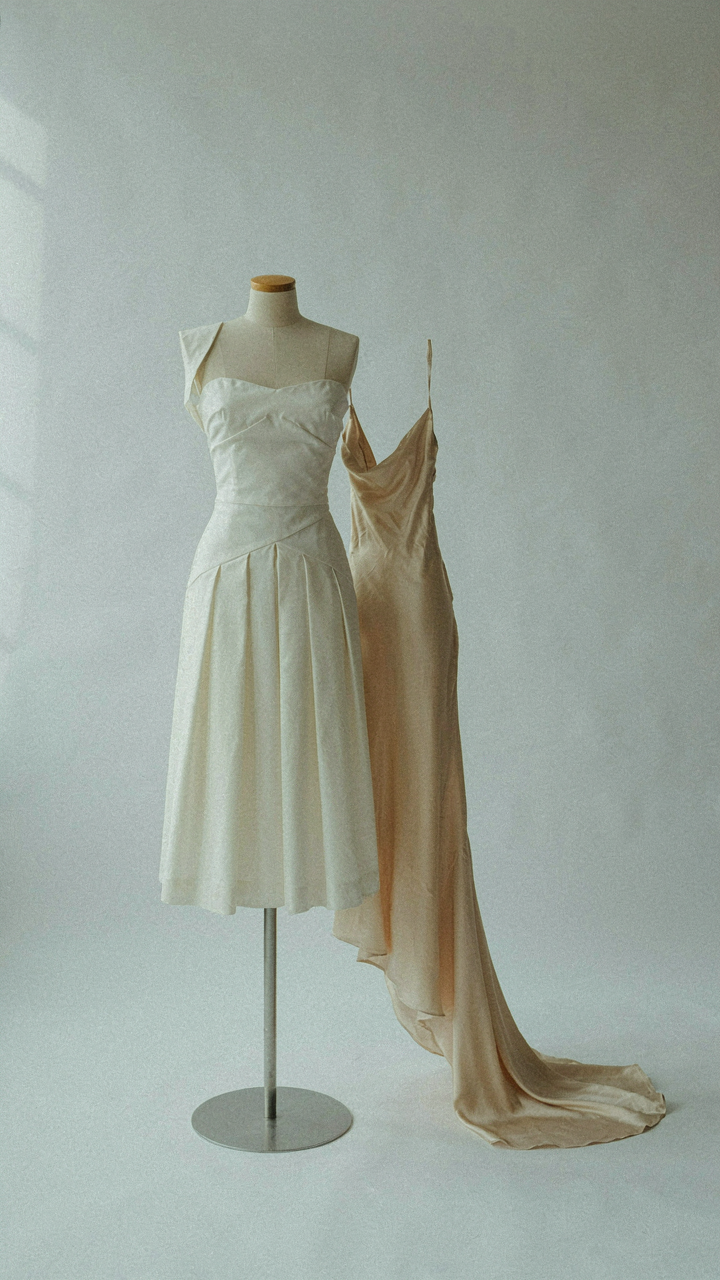
When Restriction Becomes The Costume
You want to look intentional without looking like you tried. That’s the real problem here. Most wedding guest dress advice treats aesthetics and movement as separate problems, but they’re not. Using fabric mechanics as the framework: tension and drape are opposing forces. A dress that photographs well often restricts the body because tight fabric photographs cleaner. A dress that moves freely often reads as shapeless in photos. The mechanism nobody states is that you must choose which constraint wins, then design around the other.

Structured fabrics like cotton blends and lightweight wools hold shape through stillness but fight against your range of motion. They require you to move within the garment instead of the garment moving with you. Conversely, jersey knits and bias-cut silks move with your body but lose definition when you stand still, reading as sloppy rather than intentional. The paradox is real: the dress that lets you dance without thinking about it won’t look sharp in the receiving line. Accept this trade-off explicitly rather than pretending a single dress solves both problems.
Seams, Cuts, And What Actually Restricts Movement
The common advice about “stretchy fabrics” is incomplete. Stretch alone doesn’t create wearability. A dress can be stretchy and still restrict you if the seams place tension across your shoulders, hips, or thigh. Garment construction matters more than fiber content. A-line silhouettes with side seams create dead zones where your legs can’t move past a certain angle. Empire waists pile fabric at the ribcage, limiting reach and raising your arms. Slit placement determines whether you can walk or dance without exposing yourself or feeling exposed.
The designs that actually work have seams placed parallel to your range of motion, not across it. A center back seam rather than side seams, a high slit that starts below hip movement, a dropped waistline that sits at your natural narrowest point without constraining your torso. Armholes cut wider and deeper than standard sizing allow your shoulders to rotate without pulling. These aren’t style choices masquerading as function. They’re engineering decisions that determine whether the dress enables or obstructs what your body needs to do.
Cocktail Chic Dress Is A Trap: Optimize For Action
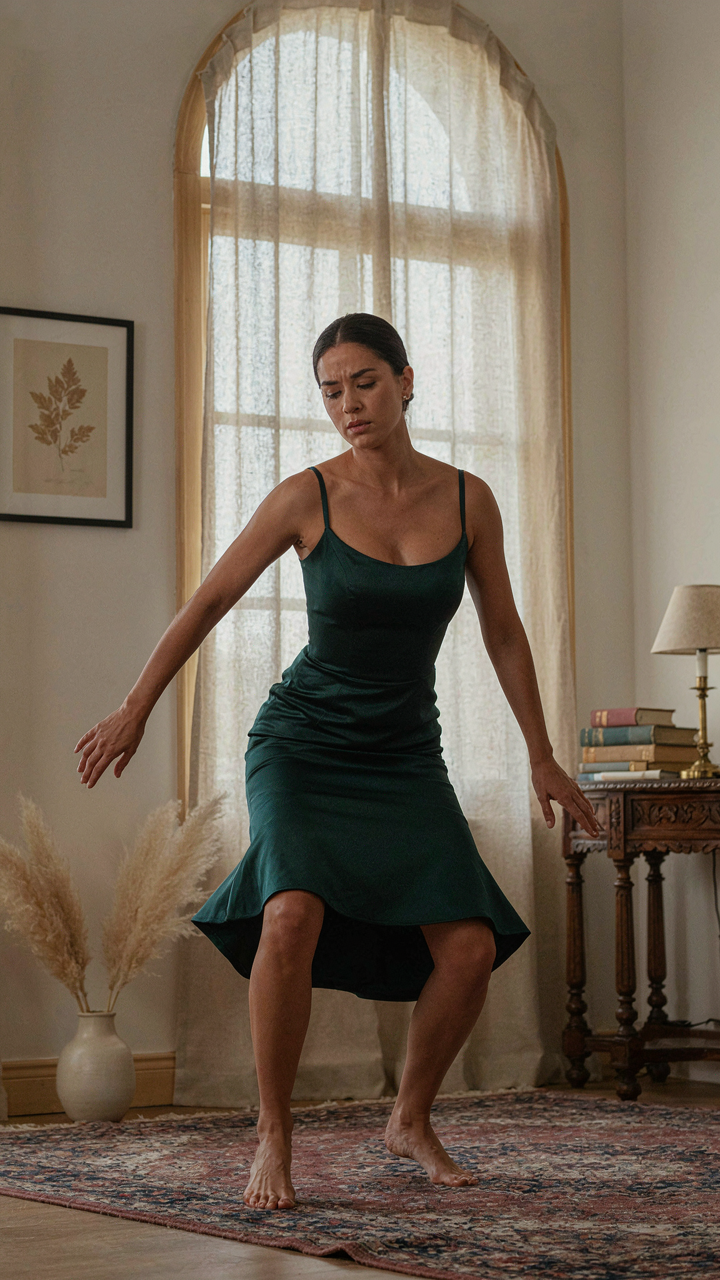
What “Chic” Actually Costs You
You want to look polished because you’re afraid of looking cheap or out of place. Here’s the mechanism: fashion magazines sell constraint as status. Fitted bodices, narrow armholes, rigid fabrics, and hem lengths that demand stillness all signal “refinement.” They also signal you won’t move. Constraint reads as control in static environments like photo shoots or seated dinners. On a dance floor, constraint reads as stiffness. The dress that photographs well at cocktail hour becomes a liability the moment the music shifts and your body needs room to function.

Most wedding guest dress advice treats dancing as an afterthought, a bonus activity that happens after you’ve already committed to a silhouette. The real cost isn’t discomfort. It’s that you’ll either stop dancing or dance badly in a dress that punishes movement. Strapless tops slip when your arms go overhead. Tight sleeves split at the seam during a spin. A hem that sits two inches above the knee becomes a restriction at hip height when you’re moving. The dress doesn’t adapt to what your body actually does.
Mobility Requires Different Design Rules
This is biomechanics. In physics, we call it degrees of freedom—the number of ways a system can move. Most cocktail dresses are designed with two degrees of freedom: standing and sitting. You need six. Your shoulders need internal and external rotation. Your hips need flexion, abduction, and circumduction. Your torso needs rotation and lateral flexion. A dress optimized for dancing removes the constraints that prevent these movements.
The fashion industry’s consensus is wrong here. It treats fit as a virtue regardless of context. A “well-fitted” dress at a wedding often means one that hugs curves and limits mobility. Fit should mean the dress works for what you’re doing, not what it looks like when you’re still. Seam placement matters more than silhouette. Armholes sit lower. Fabric gives. Hems hit where they won’t bind during hip movement. The dress becomes functional, not decorative. Before you buy, do a simple test: raise your arms overhead in a full circle, cross them behind your back, and drop into a slight squat. If the fabric pulls, seams strain, or the hem rises too high on your legs, the dress won’t dance with you.
The “Maxi Dress Navy” Illusion: Length Vs. Agility
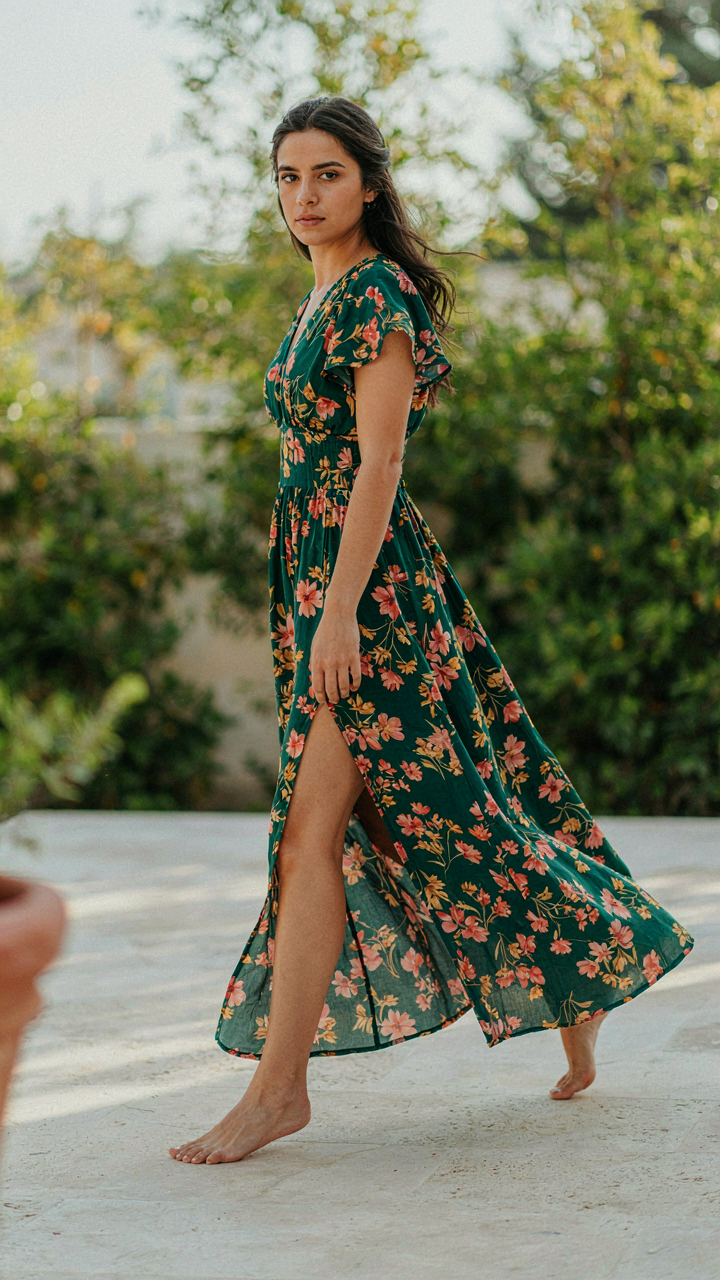
When Length Becomes A Liability
You want the maxi dress because it looks formal and feels safe, but that’s the trap. The real issue is biomechanics: your legs need a range of motion that most floor-length dresses simply don’t allow. A maxi works at a seated dinner. On a dance floor, it becomes dead weight that forces you into smaller, restricted movements instead of the ones your body actually wants to make.

The common advice says “just wear a maxi and own it,” which ignores the physics of movement. Your stride length and hip rotation determine how freely you can dance. A tight or long skirt compresses both. At a certain hemline, you’re no longer choosing how to move—the dress is choosing for you. The dress fails not because it’s beautiful, but because it violates the basic demand of dancing: unobstructed leg extension and lateral movement.
Strategic Slits And Cuts For Real Mobility
A slit isn’t decoration—it’s functional engineering. A front slit from knee to mid-thigh, or a thigh-high side slit, restores the leg clearance you need without forcing you into a shorter hemline. This is where maxi dresses stop failing and start working. Designers know this. Ball gowns at formal events use high slits for exactly this reason: they need to look formal while allowing actual movement.
The depth and placement of the slit matters tactically. A front slit lets you control exposure while stepping and pivoting. A side slit opens up your hip rotation without requiring a coordinated effort. A back slit works if you’re mostly moving forward or side-to-side, but limits backward movement. Test the slit by walking, then by taking a full step like you’re climbing stairs. If your knee hits fabric, the slit isn’t deep enough. The dress should feel like it disappears when you move.
Women’s Cocktail Attire: Deconstructing The Myth

What Cocktail Dress Really Means
You’re worried people will judge you for not looking formal enough. Here’s the mechanism: “cocktail attire” is a social signal with no fixed definition, which means it’s been weaponized by convention to make you second-guess yourself. The term emerged in the 1920s when women began wearing shorter, less restrictive dresses for evening social events. It was never about a specific silhouette or rule set. It was about marking a moment as distinct from daywear. That distinction is the only rule that actually exists.

The common advice tells you to wear a knee-length dress with heels and minimal movement. That’s incomplete. Cocktail attire is a status category, not a movement restriction. You can wear a column dress, a fit-and-flare, wide-leg trousers with a top, or a slip dress over a long-sleeve shirt. The actual requirement is that the garment signals you made a deliberate choice for an evening event. Everything else is social theater masquerading as guidance.
Dress For Function, Not Fear
Your body needs to move at a wedding. Dancing, sitting, standing for hours, bending to hug people. The dress serves you. Most “cocktail” guidance prioritizes appearance over usability, which creates a conflict you don’t need to accept. Choose fabrics with natural give: crepe, ponte, jersey knits, and structured silk blends. These materials move with your body instead of fighting it. Avoid rigid taffeta, stiff satin, or heavily lined fabrics unless they’re cut with intentional ease.
The real protocol is this: test your range of motion before the event. Sit down fully. Raise your arms to shoulder height. Do a small side lunge. If the dress pulls, bunches, or restricts your breathing, it’s the wrong choice regardless of how formal it looks. Fit trumps formality. A well-fitting midi dress in stretchy fabric will outperform a restrictive cocktail dress every single time.
Dress Code Semi Formal Mujer: The Strategic Choice
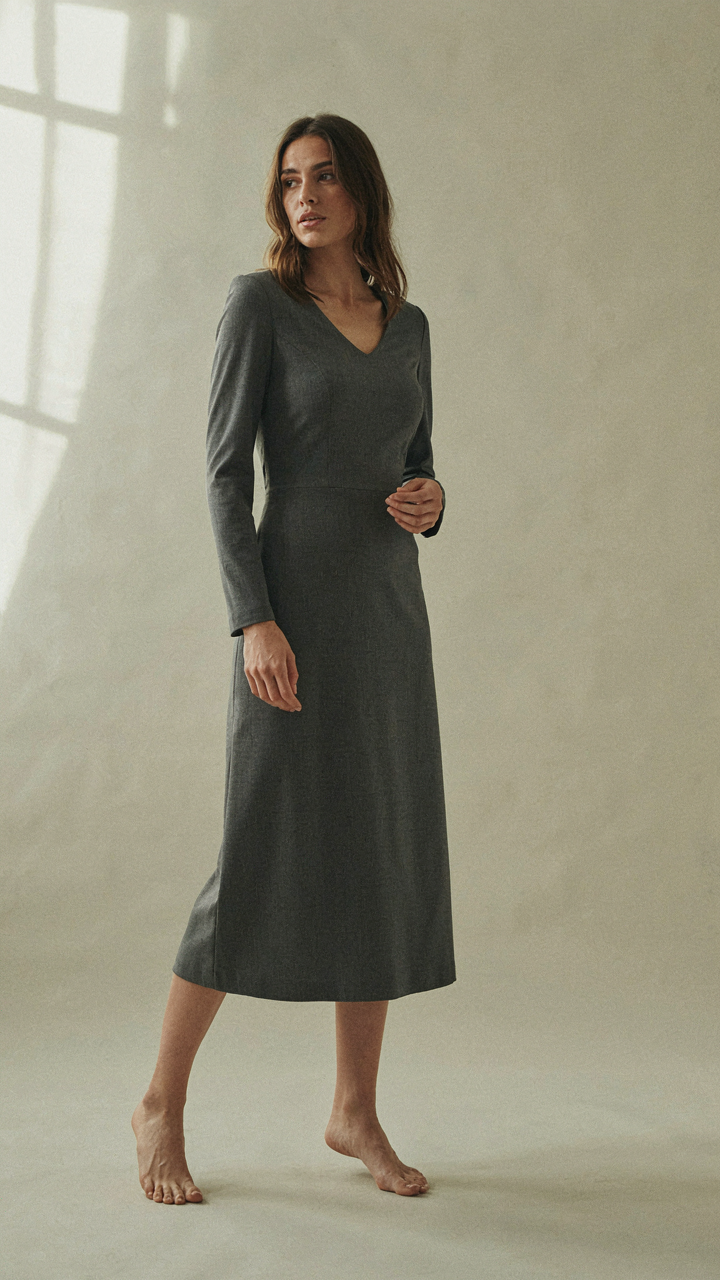
What Semi Formal Actually Means For Dancers
You’re worried people will judge you for dressing wrong, so you’re hunting for permission to wear what feels safe. The real mechanism: semi-formal is a permission structure, not a rule book. It sits between cocktail and black-tie, which means it tolerates range. For dancing specifically, semi-formal means you need tailored construction and elevated fabrics, but you’re not locked into rigid silhouettes. A midi dress in quality jersey moves differently than a stiff taffeta gown, even though both read as semi-formal.

The dress code exists to signal respect for the event, not to restrict your body’s function. Most semi-formal guidance ignores the physical reality: you’ll spend three hours in motion. Midi length with a defined waist and stretch content works. So does a knee-length A-line in structured cotton blend. The constraint isn’t the formality level—it’s choosing construction that supports movement without bunching, slipping, or limiting your range. Forget the generic “elegant” advice. Pick fabrics that have actual give.
Fabric Selection For Unrestricted Range
Fabric behaves like a mechanical system with resistance and elasticity. Cotton blends and technical synthetics have built-in give; rigid wools and taffeta don’t. A dress in 95% polyester, 5% spandex moves with your body instead of against it. The spandex acts as a tension buffer. This isn’t luxury—it’s physics. Semi-formal fabrics that work include crepe, jersey, structured cotton blends, and high-quality synthetics. Avoid pure silk charmeuse, which slides on your skin and creates drag. Avoid stiff taffeta, dupioni, or heavily lined materials that restrict stride.
Weight matters more than fiber type. A lighter-weight crepe holds shape better than a heavy linen that wrinkles and bags at joints. Densely woven cotton with minimal stretch can work if the construction accounts for movement—looser armholes, gusseted seams, or a cut that doesn’t rely on tension. When you try on a candidate dress, actually move through it: reach overhead, step forward, rotate your torso, sit. If the fabric bunches at your underarm or pulls across your hips when you move, it won’t hold through an evening of dancing. Select fabrics with confirmed stretch capacity or loose enough cut to absorb motion without resistance.
The Kinetic Energy Transfer Model: Your Dress As An Extension
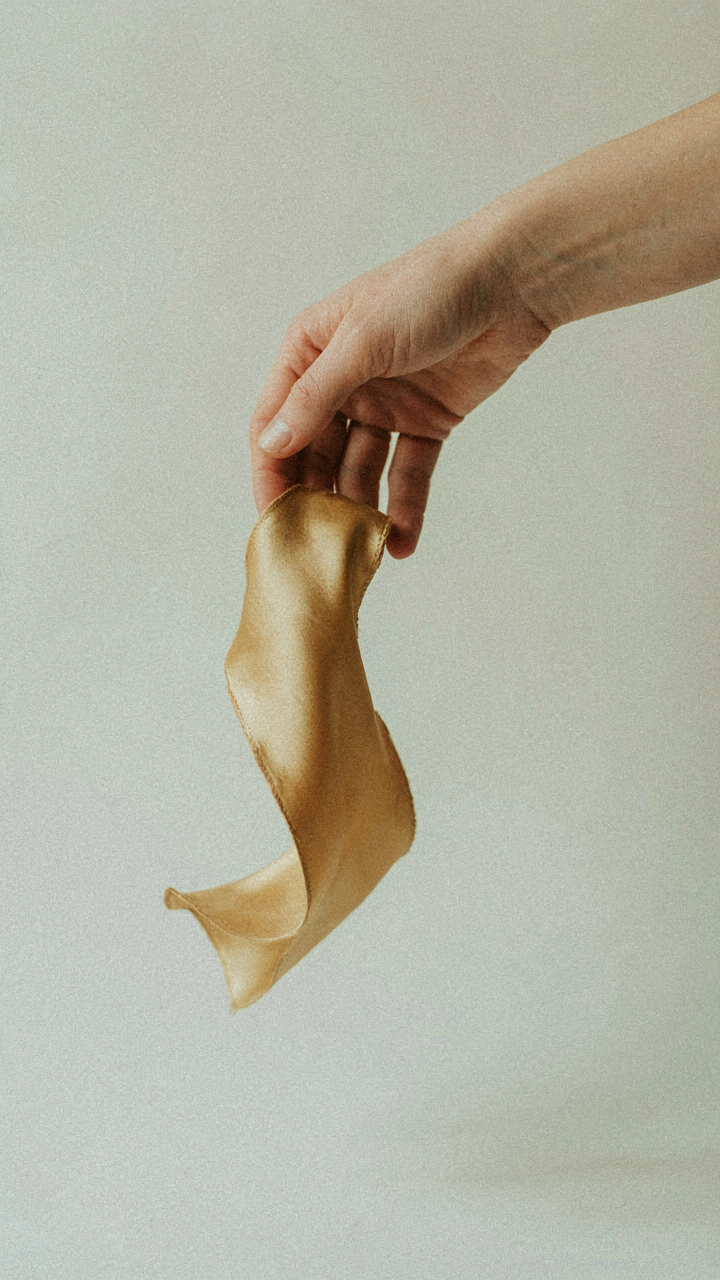
How Fabric Weight Determines Movement Range
You want to dance without thinking about your dress. That fear of restriction, of looking stiff or bouncing wrong, drives most dress choices. Here’s the mechanism: biomechanics tells us that mass resists acceleration. Your dress is mass. A heavier fabric requires more force from your body to move it, which means your muscles work harder and fatigue faster. A lighter fabric accelerates with your body, creating the illusion of effortless motion.

The sweet spot for wedding dancing is between 2 to 4 ounces per linear yard of fabric. Below 2 ounces, you get flutter and loss of structure. Above 4 ounces, you’re fighting the dress. Cotton blends, linen, and silk habotai sit in this range. A dress that moves with you doesn’t lag behind your body or fight against it. Choose fabric weight first, everything else follows.
The Spin Factor: Rotational Dynamics In Motion
Fluid dynamics explains how rotating objects behave in space. Your dress is that rotating object when you turn. The cut of the dress determines how fabric flows outward during rotation. A circle skirt or A-line silhouette distributes fabric evenly from the center, so centrifugal force moves it uniformly. A narrow pencil skirt concentrates fabric weight at your legs, creating drag instead of flow.
Most wedding guests wear dresses cut too tight in the hips and thighs. Common advice says “wear what’s comfortable standing still.” That’s wrong. A dress comfortable at rest becomes a cage when you move. The dress needs 4 to 6 inches of give at the hip seam for rotational freedom. Measure your natural hip circumference, add that buffer, then fit the dress around that number. Test it by doing a full 360-degree spin in the fitting room.
One Sided Dress Vs. Balanced Freedom: A Deceptive Trend
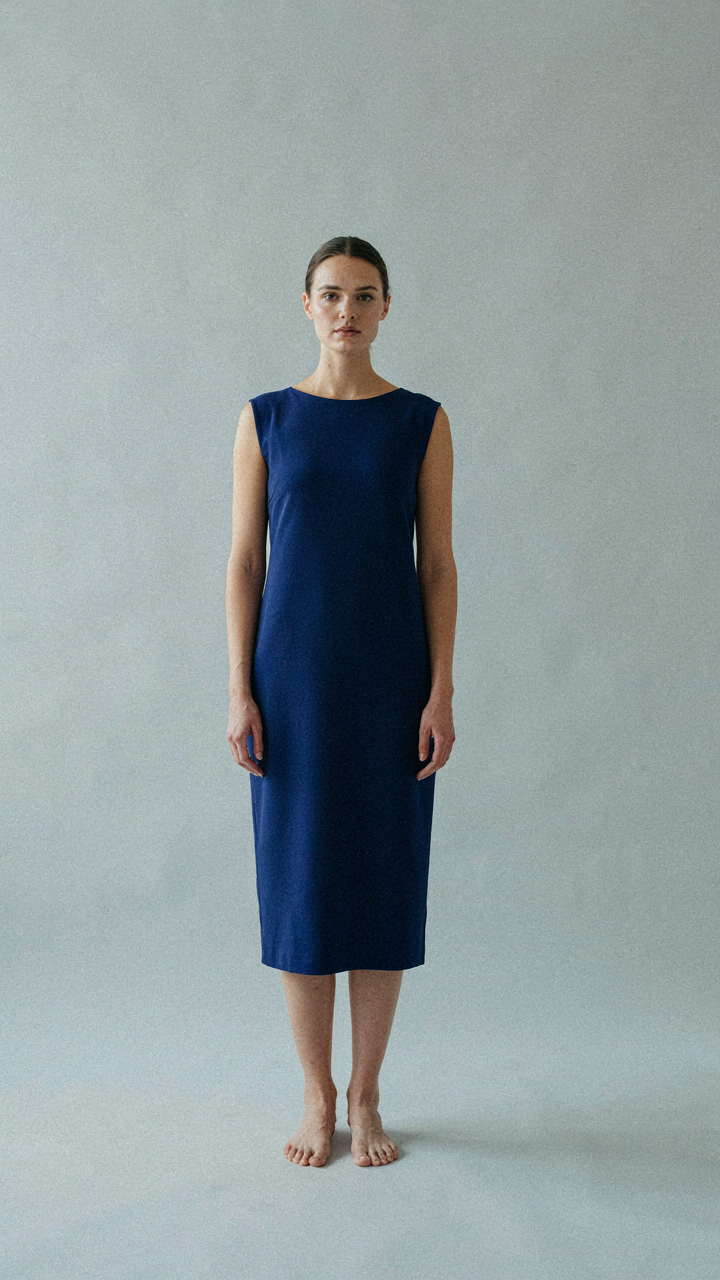
Asymmetrical Designs And Weight Distribution
You want asymmetrical cuts because they look intentional and fashion-forward, not because they solve a movement problem. That’s the real driver here. In physics terms, asymmetry creates an unbalanced center of gravity, and wedding guest dresses do the same thing when one side drapes longer or looser than the other. Your body compensates by shifting weight to anchor itself, which means more muscular tension, faster fatigue, and restricted hip rotation when you actually try to dance.
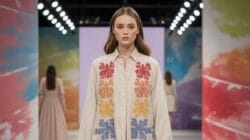
The trend toward one-sided hemlines and off-shoulder cuts came from runway minimalism, not from any genuine ergonomic breakthrough. A balanced garment distributes weight evenly across your shoulders and hips. Asymmetrical dresses force your frame to work harder to maintain equilibrium, especially when you’re moving. If you prioritize how the dress photographs over how it functions during a four-hour reception, you’ve already lost the game.
The Trend Versus Actual Function
Common advice says asymmetrical designs give you freedom because they break rigid formality. That’s incomplete thinking. Trend-driven choices require you to manage them while dancing, which is the opposite of freedom. Test any dress by raising your dominant arm overhead and stepping side to side. If the fabric pulls, twists, or requires your core to stabilize it, the asymmetry works against you, not for you.
Freedom in movement means the dress responds to your body, not the other way around. Balanced cut, balanced weight, balanced fabric distribution across front and back. The mechanism is simple: when a dress hangs evenly, your nervous system stops recruiting stabilizer muscles and channels energy into actual dancing instead. Before you buy, move in the dress for two full minutes without thinking about how you look. If you’re aware of the garment, it’s too asymmetrical for the dance floor.
Wedding Guest Dresses For Short Women: The Proportion Play
Where Hemline Meets Stride
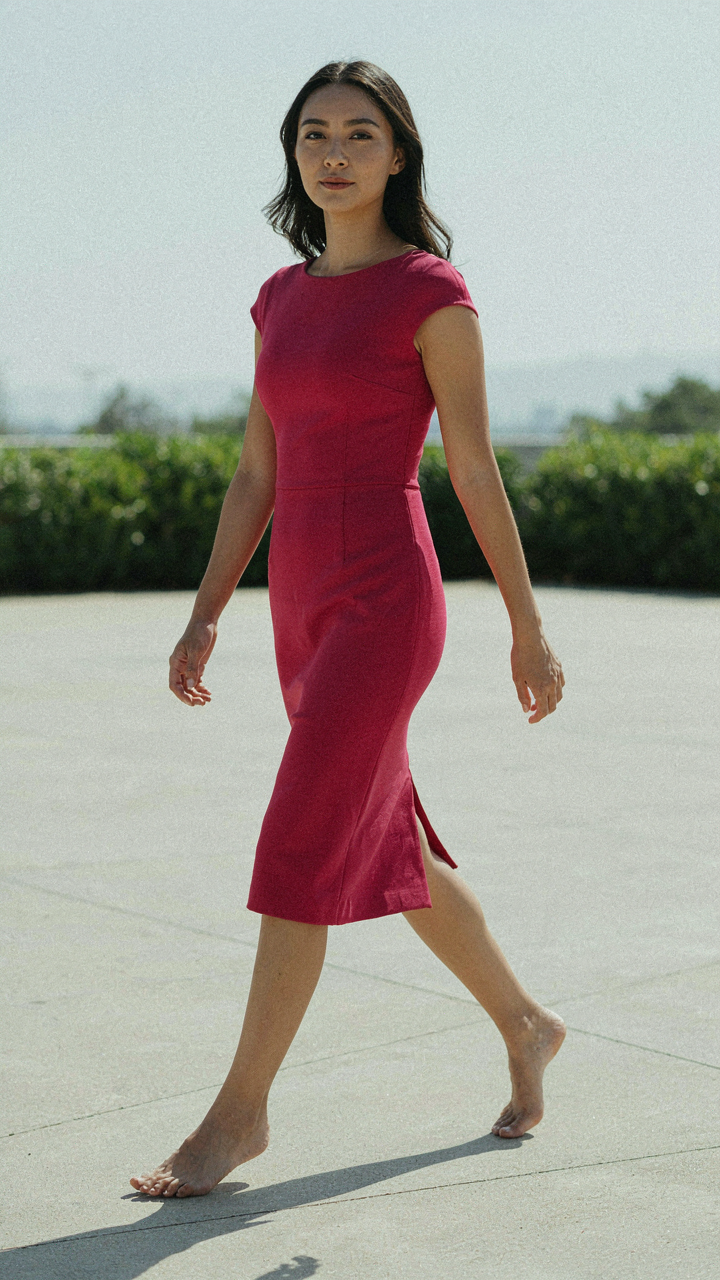
You’re worried the dress will make you look shorter. That’s the real fear hiding under all the Pinterest boards. Here’s what actually matters: hemline placement controls your visual stride length, and stride length determines how freely you move on the dance floor. In biomechanics terms, you need ground clearance—the space between fabric and floor when your leg extends. Short women don’t need shorter hems; they need proportional hems that don’t consume floor space when dancing.
A midi hem that hits at mid-calf on a tall woman hits at the ankle on you. That’s not elegant proportion—that’s a constraint on your movement. The standard advice to keep hems above the knee for short frames is incomplete. What matters is the ratio between your inseam and the fabric length. Aim for hems that land at or just below your natural knee, not higher. This preserves both movement and proportion without making you look dressed for a different occasion.
Tailoring For Movement, Not Display
Most wedding guest dresses come untailored. Most short women wear them that way anyway. That’s why they move like they’re wading through fabric instead of dancing through it. Tailoring isn’t about vanity—it’s about removing friction from every physical action. When a dress is tailored to your frame, your legs move without drag, your shoulders sit without bunching, and your arms have actual range.
- Armhole depth adjustment: Narrow shoulders need armholes taken in at the side seam. This prevents fabric from riding up during arm movement and eliminates the sensation of swimming in the garment.
- Bodice dart relocation: Standard darts place bust ease too far forward on shorter torsos. A tailor moves these inward to match your actual proportions, freeing shoulder movement.
- Waistband taper: Dresses cut for average heights waste fabric at short women’s sides. Tapering the side seams from armpit to hem removes excess material without sacrificing fit.
- Hem layering: Multiple fabric layers bunch at shortened hems. A tailor removes internal layers proportionally so the dress still moves cleanly when you dance.
- Strap length reduction: Standard shoulder straps are too long for shorter frames. Shortening them prevents the dress from sliding during movement and improves the overall line.
The cost of tailoring—usually 40 to 80 dollars for a guest dress—is half the friction tax you pay by wearing an ill-fitted garment all night. Wear it once. Move without obstruction. That’s the transaction.
The True Obstacle Isn’t The Dress, But Your Outdated Mental Model Of What ‘Dressed Up’ Means
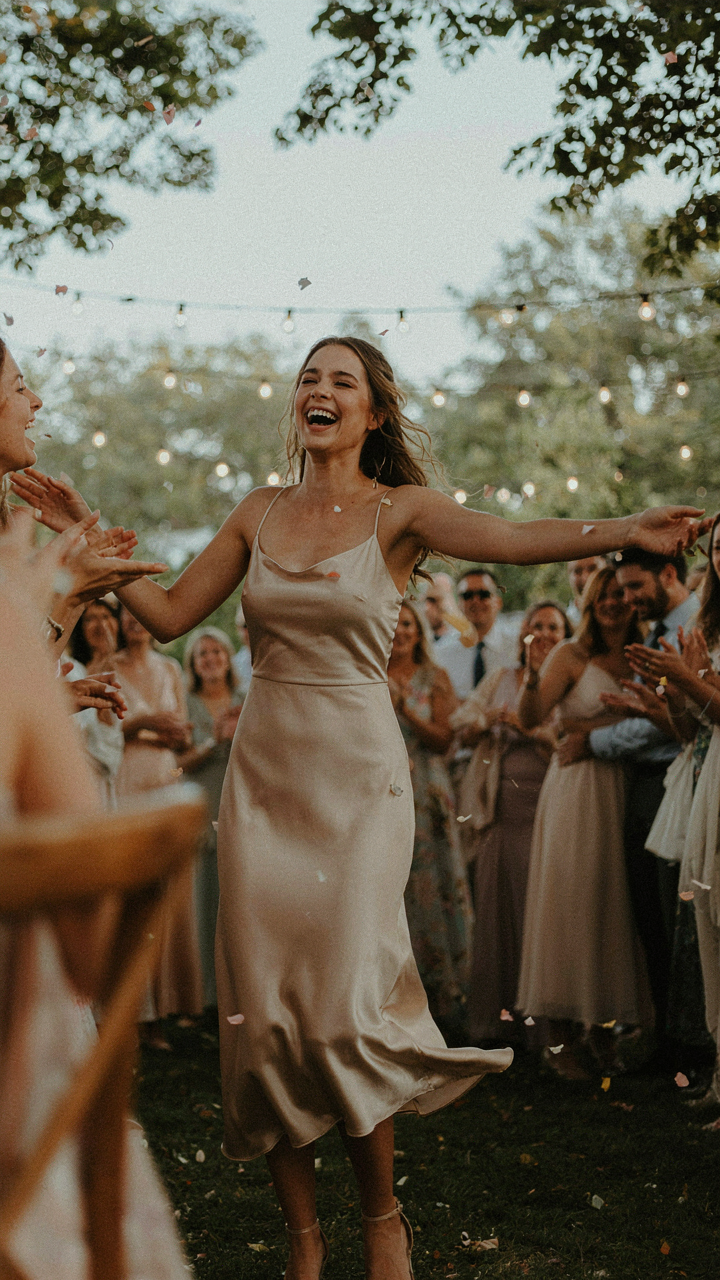
You’ve been conditioned to believe elegance means restriction. That looking good requires sacrificing movement. That’s backwards. Pull up a photo of yourself actually enjoying a wedding. You’re moving, laughing, dancing. Now find a dress that lets you do that without thinking about it. Stop shopping for the Instagram moment and start shopping for the actual night. The dress that works is the one you forget you’re wearing while everyone else remembers how alive you looked.