
The Unspoken Code Of The Welcome Party Outfit
What The Dress Code Actually Signals
You care about this because wearing the wrong thing means you’ll spend the night feeling like you missed the memo. The welcome party outfit functions like a password. It tells the room whether you understand the family’s actual values, not their stated ones. Most people read the invitation, see “cocktail attire,” and stop thinking. That’s the mistake. The real code lives in the gap between what hosts say and what they do.
Families telegraph their priorities through what they wear at events. A casual welcome party in a formal family often means “we want you relaxed, but we’re still watching.” A formal welcome party signals gatekeeping, hierarchy, expectation. The outfit isn’t decoration. It’s your answer to the question nobody asks out loud: do you respect the stakes of tomorrow?
When Breaking The Pattern Matters
Most advice tells you to “match the vibe” or “dress one level up from the stated code.” That’s incomplete. The real move is breaking the pattern strategically, not accidentally. Think of outfit choices like signal theory from communications: noise versus clarity. A welcome party welcomes deviation only if it’s intentional and contextual. Wearing something unexpected because you didn’t plan is noise. Wearing something unexpected because you read the room and chose it is signal.
The mechanism is contrast with awareness. You wear something slightly different only after you’ve proven you understand what everyone else chose. A guest who wears a bold color to a neutral palette signals confidence, not ignorance. Timing matters more than the item itself. The person who arrives dressed slightly different from the crowd but moves through it with ease wasn’t confused. They made a choice. That distinction is everything.
Welcome To The Party: The Art Of The Intentional First Impression
Casual Is A Myth You’re Told To Believe
You care about this because you’re afraid of looking like you’re trying too hard, so you default to clothes that broadcast you’re not trying at all. That’s the trap. There’s no such thing as a casual welcome party outfit. What exists instead is intentional dressing disguised as relaxation. The word “casual” lets people avoid the decision-making. You either choose your appearance or you default to whatever’s clean. Those produce opposite results in how people read you.

The mechanism at work is social signaling through constraint. Formal wear constrains choices deliberately. Casual wear pretends no choices exist. A welcome party sits between these poles. This is where you reveal whether you understand the difference between “not trying” and “making it look effortless.” That last phrase matters. Effortless requires more thought than random, not less. Choose fabrics and fits that suggest you belong at this specific event without the outfit announcing its own effort.
Dress Your Competence, Not Your Mood
Think like an investor doing due diligence on a person, not an outfit. Investors read signals of care and judgment in how founders present themselves. You’re doing the same thing at a welcome party, except the stakes are social capital instead of capital. Your clothes either confirm or contradict the version of you people will meet tomorrow at the ceremony. Misalignment creates friction. The outfit should answer one question: does this person operate with intention?
Avoid pieces that broadcast lifestyle instead of character. That means skipping oversized band tees, visible logos, and anything that requires explanation. Choose instead: tailored pants or a well-fitting dress, a shirt or top in a solid color or minimal pattern, shoes that work for both standing and movement. These don’t announce anything. They just refuse to distract. The real signal is negative space. Clean lines, good fit, neutral palette. People interpret restraint as confidence because restraint requires you to know what you don’t need.
The Celebrity Principle: How To Command Attention, Not Beg For It
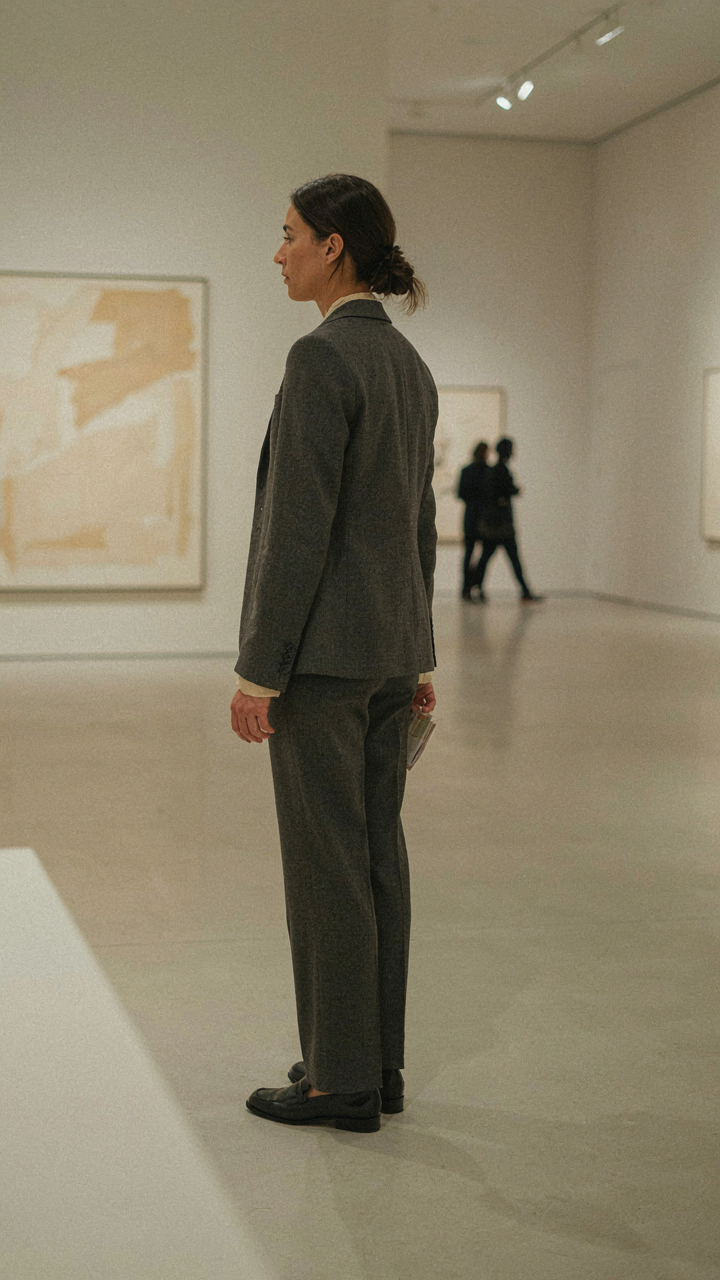
Positioning Over Decoration
You want people to notice you without looking desperate. That’s the real fear here. Military strategy calls this “force concentration”—deploying resources where they create maximum effect. For a welcome party outfit, this means positioning yourself as the high-value target in the room, not the loudest one. Concentration isn’t about wearing the brightest fabric or the most pieces. It’s about creating a visual endpoint that stops movement.

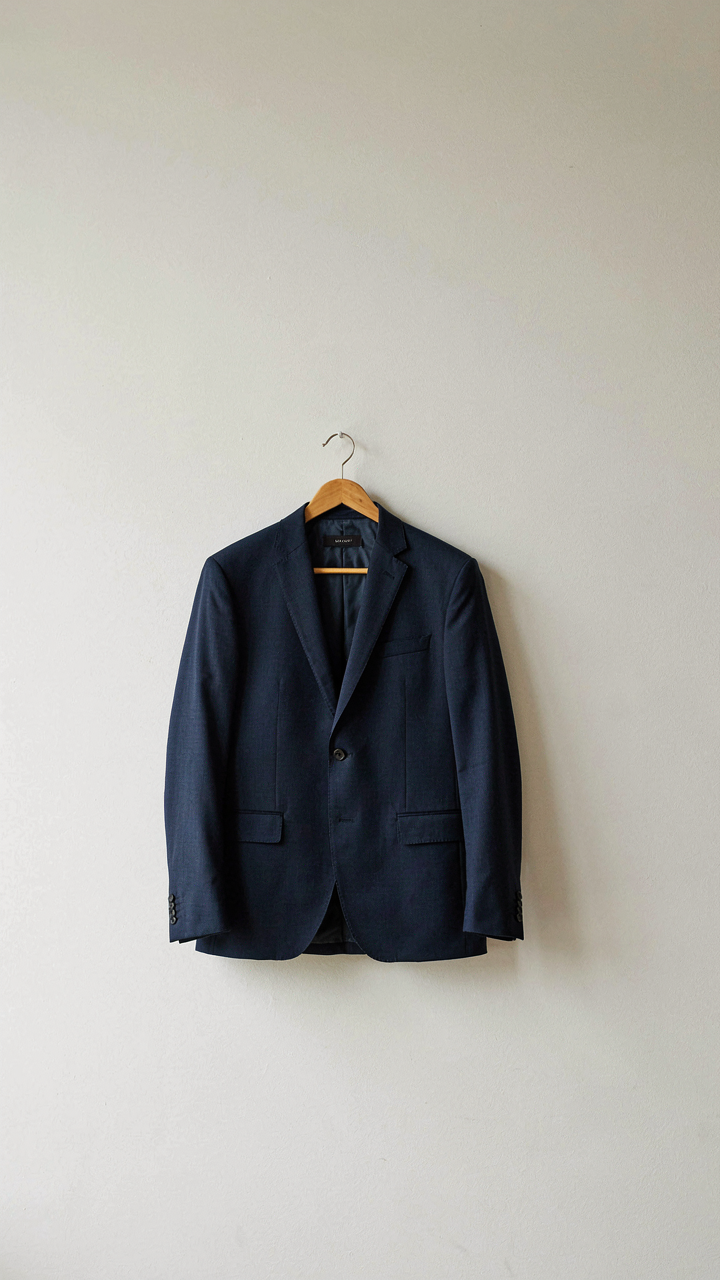
The mistake everyone makes is treating a welcome party like a costume contest. You’re not performing. You’re establishing presence through restraint. A single statement piece—a tailored blazer in a structured cut, a dress with precise proportions, a shirt in an unexpected texture—functions as the concentrated force. Everything else supports it by staying quiet. This is how celebrities operate: one focal point, everything aligned to it, zero noise around the edges.
Silhouette Controls The Room
Your body’s outline is what people process first, before they process color or fabric or accessories. A sharp silhouette creates the illusion of control because it forces the viewer’s eye to follow a defined path. Oversized, loose, or undefined shapes scatter attention and make you seem uncertain about occupying the space you’re physically in.
The protocol is simple: know your proportions, then deliberately either match them or intentionally break them with precision. If you’re wearing a relaxed pant, the top must be fitted. If the dress is voluminous, the neckline or sleeve must be tight. If the jacket is structured, what’s underneath can breathe. You’re creating visual grammar—a sentence people can read quickly. That clarity is what translates to command.
Engagement Dinner Outfit: Pre Wedding Power Plays
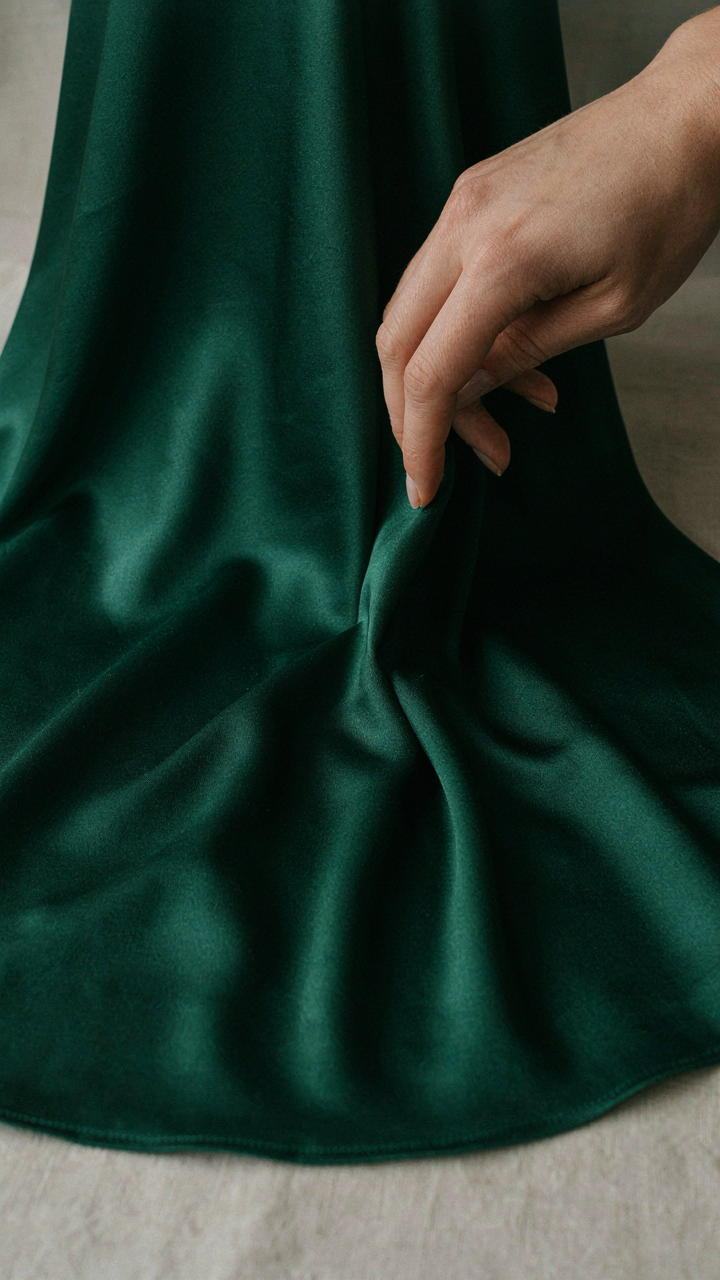
Fabric Weight Commands The Room
You want people to notice you without looking like you tried. That’s the real calculation here. Fabric weight is borrowed directly from physics—density and mass determine how material moves and sits on the body, which signals confidence or nervousness to observers in under three seconds. Heavy fabrics hold their shape. Light fabrics cling and shift, broadcasting uncertainty.

Choose structured materials: wool blends, dense cotton, silk charmeuse, or linen with enough weight to drape without floating. These fabrics create visual stillness on your frame. A silk tee that costs thirty dollars moves like water and reads as cheap. The same tee in a quality silk blend costs sixty and moves like intention. The difference isn’t price. It’s molecular density. You’re not buying comfort. You’re buying how your body reads in a room full of relatives sizing you up.
The Restraint Play Beats Effort Every Time
Everyone overdresses for engagement dinners because they think the event demands it. That’s wrong. The most dangerous move is showing you care more about the occasion than the people in it. Underdressing by one strategic level—smart casual when others wear formal, refined basics when others accessorize heavily—creates authority through absence.
Pick one statement element, then strip everything else to neutral. If you wear a distinctive blazer, wear plain trousers and shoes. If you wear a notable watch or piece of jewelry, wear monochrome underneath. Restraint reads as someone who doesn’t need the room’s validation. The mechanism works because observers interpret empty space as confidence. You’re not filling silence with fabric and shine. Protocol: select outfit, remove three things you think add value, stop there.
The Wedding Welcome Drinks Outfit: Curating Your Aura
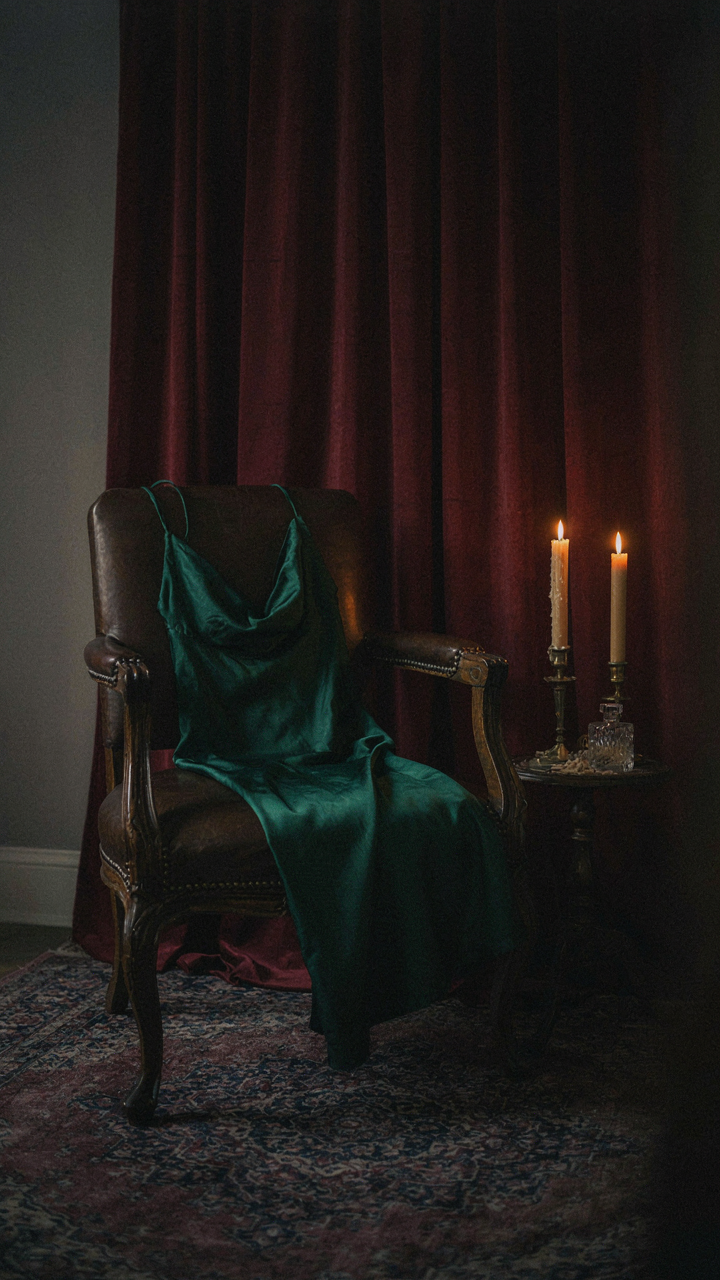
Colors That Work In Dim Lighting
You want to be memorable without trying. The real motive here is visibility—not vanity. Color psychology borrowed from retail design tells us that saturation drops in low light, so your brain reads muted versions of what you’re actually wearing. Jewel tones work because they hold their depth when overhead lighting dims and candles take over. Navy reads as black. Burgundy reads as brown. Bright white and pastels flatten into gray.

Smart dressers choose colors that shift upward in value under ambient light rather than downward. Emerald green, sapphire blue, and deep plum maintain presence without screaming. Neutrals work only if the fabric itself has sheen or texture to catch light. The mechanism is simple: your outfit’s color must survive the transition from daylight to evening venue lighting without becoming invisible or muddy.
Fabric Texture As A Signal
Texture is how you communicate without talking. When people say “elegant,” they often mean “the light bounced off it in an interesting way.” Matte fabrics absorb light in low-venue settings and disappear. Satin, silk charmeuse, jacquard, and structured cotton blends reflect light in controlled ways that create depth and draw attention. The fabric carries the conversation before your voice does.
The protocol is direct: touch the garment under the specific lighting where you’ll wear it. Dressing rooms use harsh fluorescents that hide what evening venues will reveal. Natural shine from quality materials signals investment and intention without requiring verbal explanation. Choose one standout texture element—a silk lapel, a structured bodice, a woven belt—rather than competing textures that create visual noise. That single deliberate choice becomes the detail people remember.
Cool Girl Bridal Outfits: The Anti Basic Bride Protocol
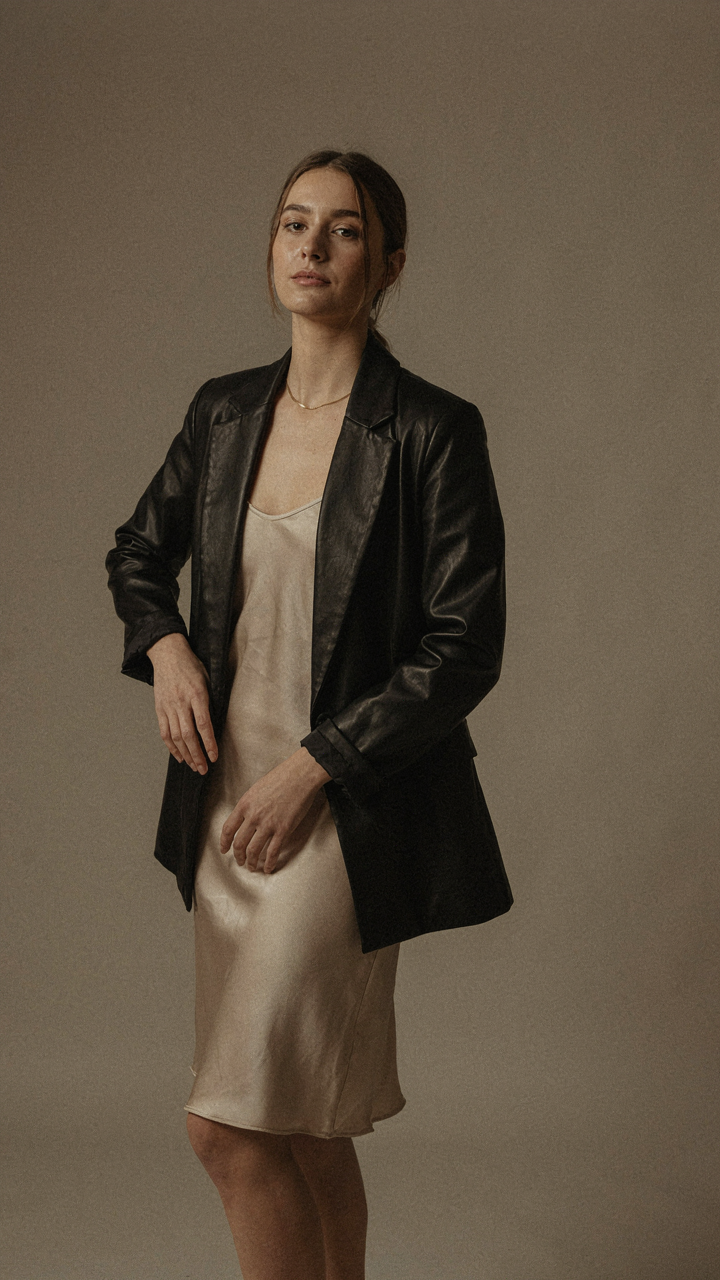
Reject The Script, Own The Room
You want permission to dress like yourself instead of a Pinterest board. The real mechanism is simple: most brides outsource their welcome party outfit to trends because they fear standing out will read as unprepared or uncommitted. It won’t. The night before your wedding is the only moment you control the narrative before ceremony logistics take over. Wear something that signals confidence in your own taste, not compliance with bridal convention.

The common advice here is garbage. “Just wear something comfortable and fun.” That’s lazy. You need a framework that actually works. Think in terms of signal contrast: your outfit should broadcast a single, intentional choice that distinguishes you from every other woman in the room. Not louder. Clearer. The welcome party is your stage to define what a bride actually looks like when nobody’s telling her to look like one.
Own Your Aesthetic Statement
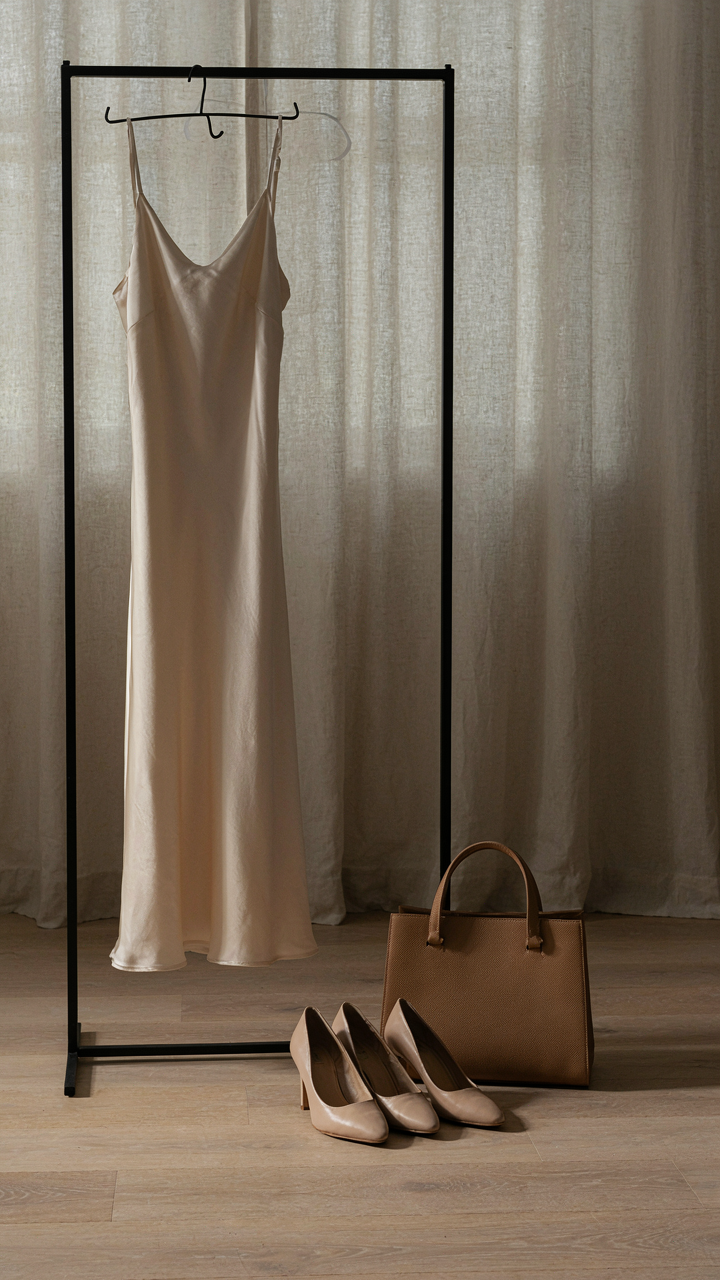
Champagne silk slip dress, black leather blazer, minimal jewelry, sharp shoes. Tailored linen trouser set with an oversized button-up and a structured belt. Vintage band tee tucked into high-waisted tailored trousers. A sleek slip skirt in jewel tone with a fitted turtleneck. Elevated basics work because they communicate intention without requiring explanation.
- Monochromatic tones: Single color from head to toe creates visual authority and photographs clean. Works in black, cream, camel, or jewel tones. Avoids the scattered energy of mixed patterns.
- Tailored silhouettes: Structured pieces that fit your actual body send a different message than loose, “effortless” fits. Tailoring says you planned this. You made a choice.
- Unexpected textures: Leather, satin, linen, or suede mixed with cotton creates visual interest without relying on color or pattern. Texture reads as deliberate.
- Minimal accessories: One statement piece or none. Your outfit should land on its own. Extra jewelry dilutes the signal.
- Elevated basics as foundation: White button-up, black blazer, tailored trousers, simple slip dress. These aren’t boring. They’re the skeleton for every strong outfit ever built.
The mechanics are straightforward. You’re not trying to blend into wedding aesthetics. You’re establishing a visual identity that says “I know what I like and I’m comfortable in it.” That reads as bride energy without performing bridehood. Your guests notice clarity. They remember the person who knew her own look, not the person who tried to be everything.
Palette Beyond Ivory And Blush
Forget the unspoken rule that a pre-wedding event requires “bride-appropriate” pastels or neutrals. That rule exists because tradition defaults to soft femininity as proof of bridal status. It’s outdated. Your welcome party outfit lives in a different world than your ceremony dress. It can anchor itself in deeper tones, unexpected colors, or high-contrast combinations that would distract in white-on-white ceremony photos.
Deep jewel tones like emerald, sapphire, or burgundy photograph well and broadcast maturity. Black creates visual weight and authority—wear it if that’s your aesthetic. Navy reads as intentional, not basic. Camel and cream work without the softness of blush. Even earthy tones like rust, olive, or charcoal communicate specificity. The color you choose matters less than whether you chose it. Pick one that makes you feel like yourself, not one that makes you feel like a bride.

Welcome Party Outfit Bride: Owning Your Pre Ceremony Stage
You’re Not The Main Character Yet
You want permission to dress down because you’re afraid of overshadowing the ceremony or looking like you’re stealing focus before your time. Here’s the mechanism: attention is a zero-sum resource, and the welcome party operates on scarcity principle from economics. You either command it or cede it. The bride at the welcome party faces a specific constraint: you need visibility without formality, presence without pretense.
Pick a outfit that signals “I’m here” without announcing “look at me.” A silk slip dress, tailored trousers with a fitted top, or a structured midi works. The fabric matters more than the style. Natural fibers read as intentional. Avoid anything that requires explanation or apology the next morning. You set the temperature for how relaxed tomorrow actually is.
Your Outfit Writes The Script For Tomorrow
The common advice says wear something “comfortable” and “casual.” That’s incomplete. What you actually need is a outfit that establishes the emotional register for the wedding day itself. If you show up in sweatpants, you signal that formality is negotiable. If you wear a full gown, you create a jarring reset when you change into your dress. The welcome party outfit is a preview that primes expectations.
Choose pieces in a neutral color palette: black, cream, navy, or warm gray. Avoid white entirely—it creates confusion and resentment, even if unintended. Add one elevated element: quality jewelry, a structured bag, or polished shoes. This single element does the work that three pieces cannot. You’re demonstrating that you respect the moment without overdressing it. The outfit becomes a protocol that guests read correctly without conscious effort.

Cocktail Event: Beyond The Dress Code
Accessorize For Impact, Not Excess
You’re worried people will forget you exist in a room full of wedding guests. The real mechanism at work here is signal-to-noise ratio. Too many accessories create visual clutter. One deliberate piece creates contrast. Your brain registers contrast before it registers volume. A single statement necklace, one quality watch, or structured earrings work because they break the pattern, not because they multiply your presence.
The mistake most people make is treating accessories as decoration. They’re not. They’re tools for directing attention to specific parts of your outfit and face. Choose one focal point per category: jewelry, bag, shoes. If your necklace commands attention, keep earrings minimal. If your shoes are bold, simplify your bag. This isn’t about restraint for its own sake. It’s about making every piece do actual work. Skip anything that doesn’t change how the outfit reads.
The Right Shoe Changes The Entire Equation
Footwear functions like an anchor in physics, the point from which the entire system derives its stability and direction. Most people ignore shoes at welcome parties because they assume everyone focuses on the outfit above the knee. Wrong. Shoes set the formality ceiling and floor simultaneously. They communicate whether you’re trying or not trying, whether you understand the event’s tone. A cocktail event at a welcome party isn’t black-tie, so formal heels can read as overdressed. Casual flats can read as underprepared. The shoe must calibrate the entire look.
- Heeled Loafers or Mules: Bridge casual and cocktail energy without commitment to full dress shoes. Works with trousers, skirts, and dresses.
- Metallic or Statement Flats: Gold or silver flats elevate a dress without adding height or formality. Clean visual line that complements, not competes.
- Block Heel Sandals: Grounded, stable silhouette that pairs with midi skirts or cropped pants. Communicates comfort without sacrificing polish.
- Pointed Toe Flats: Elongates the leg visually while staying casual enough for a pre-wedding event. Works with almost any hemline.
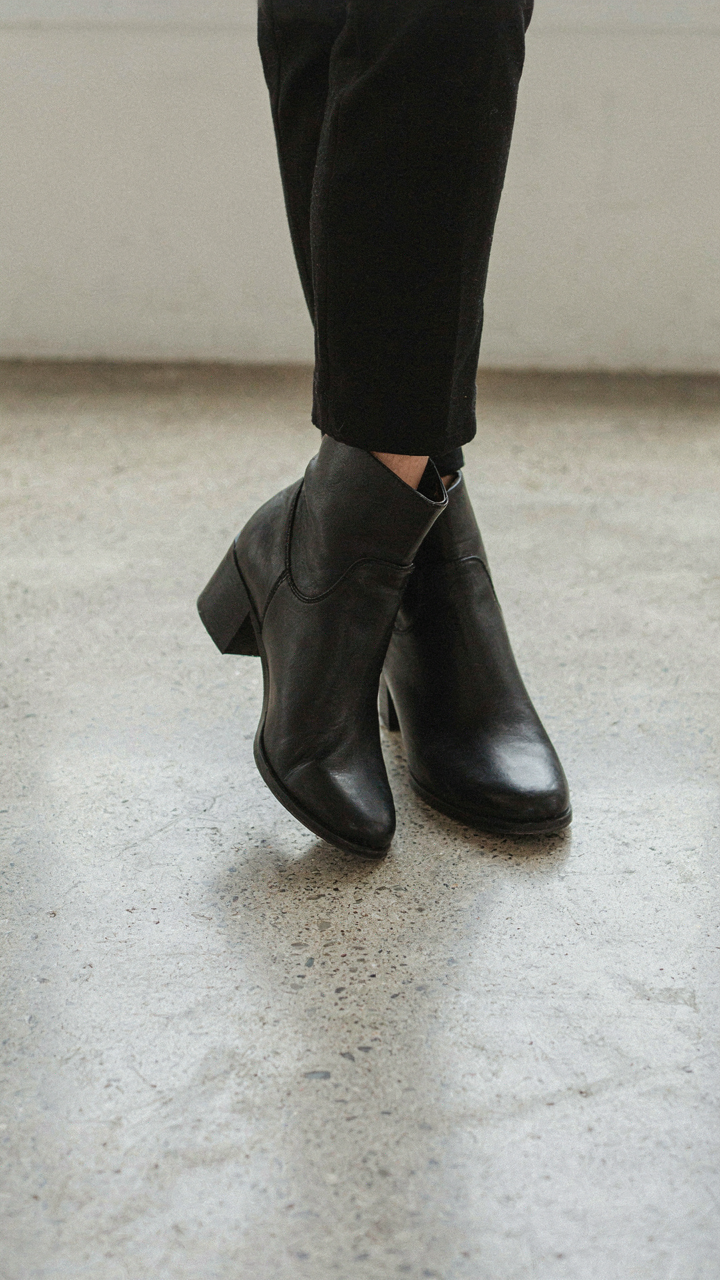
- Ankle Boot in Leather: Structured and intentional. Pairs with dresses to add dimension or with pants to ground the silhouette without overstatement.
Choose a shoe that matches the formality of your outfit’s top half, not below it. If your top reads cocktail, your bottom and shoes should match that register. Mismatched formality levels read as confusion. The shoe is the final vote on whether the entire look lands. Make it deliberate.
The “Wedding Tasting Outfit” Fallacy: Dress For The Role You Want
Overdressing Is The Only Strategic Move
You’re worried about standing out too much or looking like you’re trying. That’s the real fear underneath this. Here’s the mechanism: clothing signals role and rank. In economics, this is called signaling theory. Your outfit at a welcome party signals whether you understand the event’s hierarchy or operate outside it. Underdressing signals deference or ignorance. Overdressing signals respect for the occasion and confidence in your status. The people who matter notice which you choose.
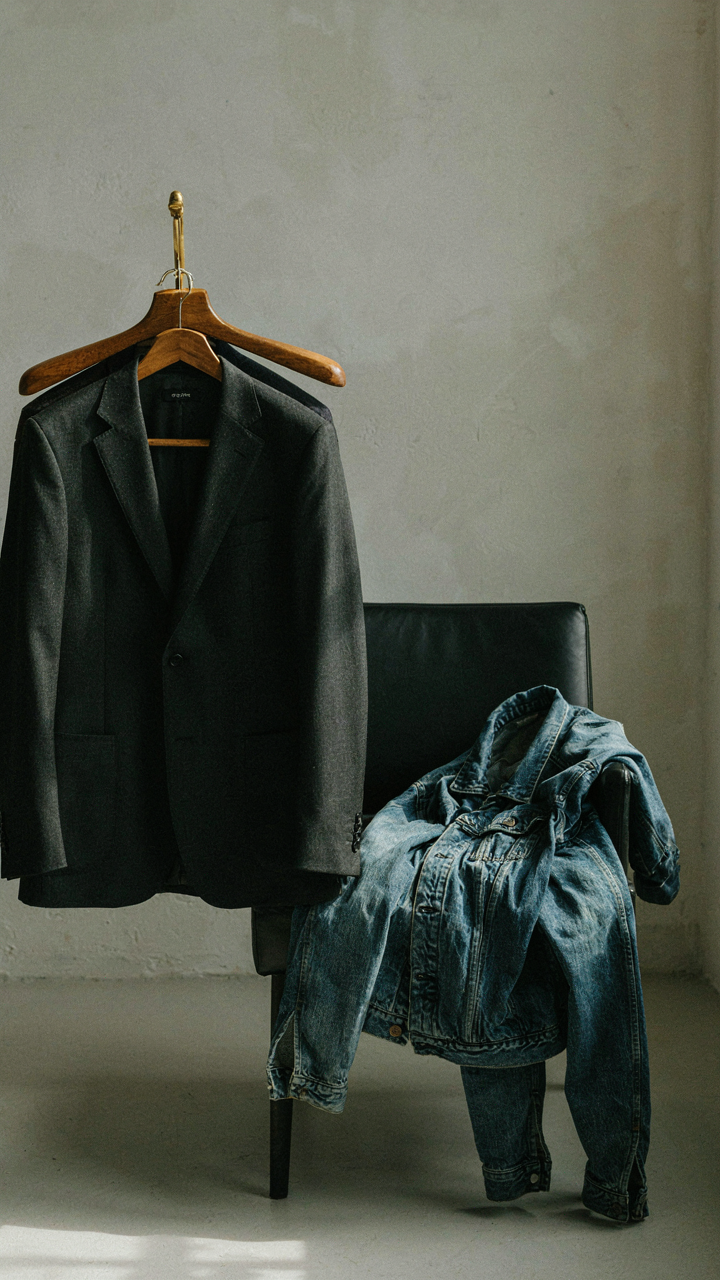
The “just be comfortable” advice is consensus because it costs nothing to say and absolves the advice-giver of responsibility. It’s also wrong. Comfort and strategic appearance are not opposites. You can wear tailored fabric and move freely. What kills you is wearing jeans and a blazer to an event where everyone else understood the stakes. Overdressing at a welcome party is never remembered negatively. Underdressing is.
Comfort Is A Low Status Signal At Threshold Events
Comfort-driven dressing reads as either “I didn’t consider this event important enough to prepare” or “I lack the knowledge to know what’s appropriate.” Neither moves you forward. The welcome party exists before the wedding itself, which means it’s the first impression checkpoint. People form lasting judgments here because the stakes feel lower and guards drop. What you wear becomes part of how they categorize you in the family or friend group narrative.
Strategic dressing doesn’t mean discomfort. It means: choose fabrics with structure, wear clothing that fits your actual body, select colors that photograph well in low light. A tailored shirt in a solid color works better than a soft, oversized tee. Polished shoes matter more than comfort shoes. Polish is a language everyone reads. Wear the outfit you researched and selected two weeks ago, not the one you grabbed from the clean pile an hour before leaving.
The Only Fashion Faux Pas Is Being Forgettable

Most people waste mental energy matching colors instead of matching intent. Your welcome party outfit should signal one thing: you belong here and you’re worth talking to. Stop treating it like a dress rehearsal for the wedding. Pick one piece that makes you feel dangerous, commit to it, then move. The guests who remember you aren’t the ones who followed the rules. They’re the ones who made the night better by showing up like they meant it.