

The Myth Of More: Why Your Luggage Is Lying To You
You’re Packing For The Person You’re Afraid You’re Not
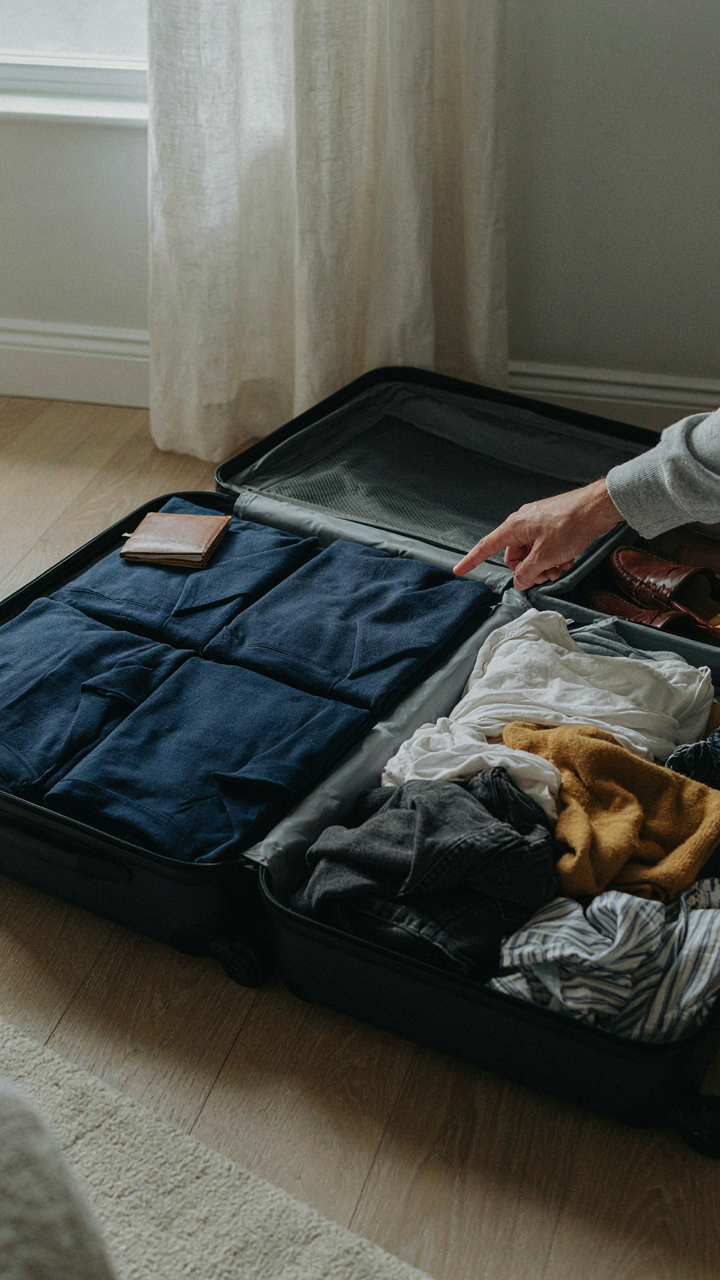
You pack extra because you’re terrified of being unprepared, which really means unprepared to handle uncertainty without looking incompetent. The mechanism is simple: excess clothing creates the illusion of control. You think more options equal more safety. They don’t. They equal more decision fatigue, more wrinkles, more weight, and more time spent choosing between identical navy shirts instead of living your trip.
Most people pack for worst-case scenarios that never materialize. You bring the formal outfit in case you get invited somewhere nice. You pack three pairs of shoes for a five-day trip. You throw in that “just in case” sweater even though you checked the weather. None of this is preparation. It’s anxiety masquerading as prudence. The real cost isn’t the luggage weight. It’s the mental energy spent managing clothes you don’t need.
The Decision Tax You Pay Every Morning
Cognitive psychology calls this “decision fatigue.” Every time you open your suitcase and choose what to wear, you drain a finite resource. A capsule wardrobe compresses this tax. You reduce options intentionally, which sounds like a limitation but functions as a liberation. Each item coordinates with everything else, so there’s no actual choice to make. You grab, you wear, you move.
The travel industry won’t tell you this: most travelers wear roughly four outfits repeatedly over a week-long trip. The rest sits unused. You paid to transport dead weight across the world. When you design a capsule around interchangeable pieces instead of standalone items, you eliminate the paralysis that comes with too many combinations. The action step is this: before your next trip, photograph every outfit you actually wore on your last one. Then count how many items stayed packed. That gap is your wasted luggage space and your wasted mental cycles every single morning.
Beyond “Versatile”: The Economic Leverage Of Core Pieces
Cost Per Wear Compounds Over Time
You want permission to spend more money and call it smart. Here’s the mechanism: cost-per-wear is borrowed from economics, and it works like compound interest in reverse. A cheap shirt worn three times before it pills or fades has a higher per-wear cost than a quality piece worn eighty times. Most travelers don’t calculate this. They see price tags, not trajectory.

The math forces a choice you’ve been avoiding. A $30 travel shirt that lasts two years and handles fifty trips costs $0.60 per wear. A $120 shirt lasting five years across two hundred trips costs $0.60 per wear—identical cost, but one survives transition from checked luggage, repeated washing, and climate shifts. The cheaper option fails faster because the material can’t handle friction and environmental stress. Track actual wear before buying the next item.
Material And Weave Matter More Than Brand
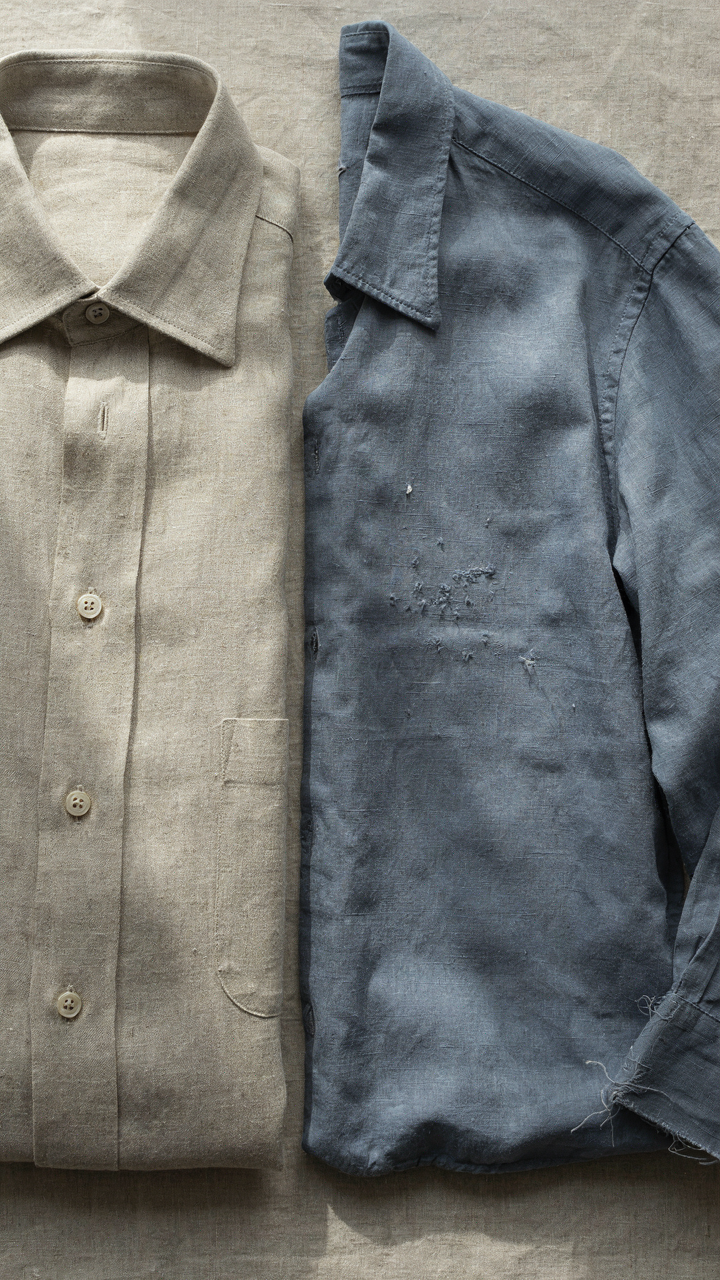
Forget what brand marketing tells you about “investment pieces.” Brand is status signaling. What matters is fiber composition, thread density, and construction method. A dense-weave cotton or linen outlasts loosely constructed synthetic blends regardless of the label stitched inside. Merino wool resists odor through natural lanolin, not marketing. Technical fabrics like ripstop nylon or solution-dyed polyester maintain color and structure after repeated exposure to sun, salt, and chlorine.
Inspect seams, not logos. Flat-felled or French seams hold through years of travel stress. Single-stitched seams split under the pressure of packed luggage. Natural fibers breathe, but synthetic blends often trap moisture while claiming performance. Pick one or two core materials you’ll wear repeatedly, understand their care requirements, then commit. Your travel wardrobe succeeds or fails on fiber behavior, not aesthetic promises.
The Travel Capsule Wardrobe As A System: The 3 Layer Protocol

The Foundation Layer Handles Reality
You want to feel like you’re traveling light while actually being prepared, which means you’re buying comfort under the guise of minimalism. The real mechanism is thermal regulation and moisture management. Base layers are the only pieces that touch skin directly, so they determine whether you move through a day comfortable or aware of your clothes. Merino wool and synthetic blends both wick sweat and dry fast, but merino regulates temperature across a wider range and kills odor biologically. Cotton holds moisture and requires washing daily in humid climates. Pick two base layers maximum: one for warm climates, one for cool. That’s your foundation.

The second base layer operates on a simple principle: you wear it more often than anything else, so material quality compounds across the entire trip. A mediocre base layer forces extra laundry days, which collapses your whole system. One quality piece that you wash every two days outperforms two cheap pieces that need daily washing. The math is brutal but clear. You’re not buying more clothes. You’re buying fewer laundry cycles, which buys you freedom to stay longer in one location.
Layering For Actual Temperature Shifts
Thermodynamics teaches us that heat moves through air gaps, and your mid layer is the trap for that air. Think of it as an insulation system, not an outfit statement. A single merino or synthetic sweater worn under a jacket handles temperature swings from morning to afternoon without forcing you to pack for every condition. Most travelers pack a sweater and a light jacket. Wrong move. Pack one piece that transitions: a fitted wool sweater or a fleece that compresses small and layers under everything else. That single piece solves 70 percent of temperature problems because it works in cool mornings, under a shell in wind, and alone in mild afternoons.
Your outer layer is the only piece that needs to match everything because everything goes under it. A neutral technical jacket in nylon or Gore-Tex handles rain, wind, and temperature drops while packing into a compression bag smaller than a water bottle. The jacket has no emotional load. It’s pure function. Wear it over linen pants and a t-shirt in morning rain, then over shorts and a base layer in evening cold. The outer layer doesn’t need to be fashionable because fashion is what happens when your base and mid layers work correctly. That’s when the system disappears.
Deconstructing “Travel Clothes”: Durability Over Trends
Fabric Science: The Real Lifespan Calculator
You think you care about travel clothes looking good. You actually care about not buying replacements mid-trip. Borrow from materials science: fabric durability is determined by fiber structure and how that structure resists mechanical stress. A synthetic fiber’s molecular bonds determine whether it survives repeated washing, sun exposure, and friction better than natural fibers do. Nylon and polyester handle UV degradation and moisture retention differently than cotton or wool. Understanding this gap between fiber types stops you from packing clothes that fail.

Quick-dry properties matter because wet fabric breaks down faster. When cotton stays damp in a humid climate, mildew degrades the cellulose structure. Synthetics and wool blends shed moisture before breakdown accelerates. Check fabric composition before buying, not after. Look for nylon, polyester, or merino wool labels. These materials dry in under six hours in normal conditions. Cotton alone takes twelve to twenty-four hours and compounds rot risk.
Construction Quality: Where Failure Actually Happens
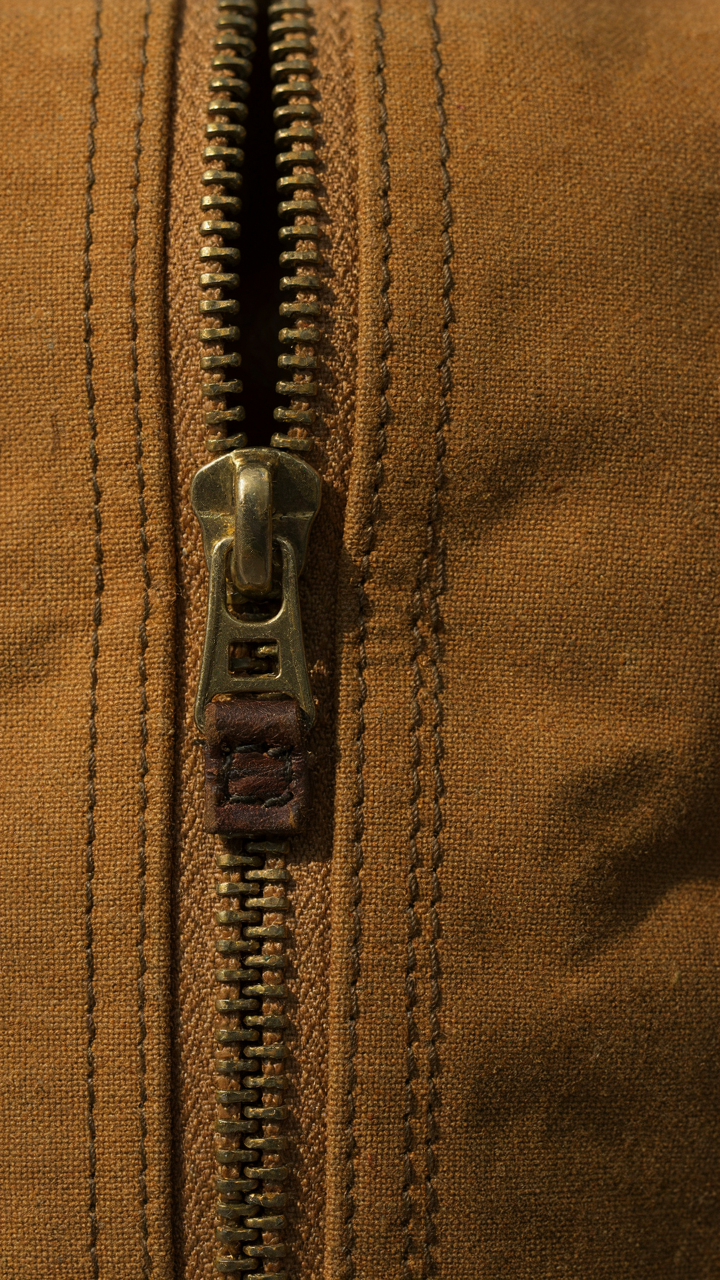
Most gear advice ignores this: seams fail before fabric does. A thread under tension snaps when the seam takes repeated stress. Double-stitched flat-felled seams hold longer than single-stitched ones because they distribute load across two thread lines instead of one. Examine the construction before purchase. Run your fingers along seams and look for inconsistent spacing or loose threads. Quality brands maintain 2 to 3mm stitch spacing with no gaps. Cheap construction shows irregular spacing and visible thread bunching.
Hardware and closures break silently until you need them. Zippers fail when the slider teeth wear or the pull tab snaps. Look for coil zippers over plastic teeth zippers because coil construction resists jamming. Check that buttons sit flush against fabric with reinforced anchoring underneath. Metal rivets at stress points outlast plastic grommets by years. Test zippers before travel and inspect button attachments at seams. Replace weak hardware before departure, not after it fails in transit.
The Cognitive Load Of Choice: Lessons From Cybernetics

Decision Fatigue Collapses Your Travel Packing
You want a capsule wardrobe because you’re exhausted by decisions, not because you love minimalism. Decision fatigue is real: every choice depletes your mental resources, and you have a finite pool each day. Cybernetics calls this a system’s load capacity. Your brain treats picking between seven shirts the same way it treats picking between forty. The mechanism is identical: each option demands evaluation, comparison, rejection. That’s cognitive friction. A capsule wardrobe doesn’t eliminate choices. It reduces them below the threshold where fatigue kicks in.

The average person makes 35,000 decisions daily. Most are invisible until they pile up. Packing a suitcase is where invisible becomes visible and painful. When you own thirty garment options and travel with ten days of itinerary, your brain runs a comparison algorithm on every combination. Shirt with these pants? With these shoes? This jacket? Each micro-decision consumes willpower you need for actual travel experiences. A true capsule strips the decision matrix to pieces that work together by design, not accident. Your brain stops computing and starts executing.
The Feedback Loop That Rewires Your Choices
Every piece you pack sends data back through your trip. You wear it, see how it performs, feel how it functions. That feedback either reinforces keeping it or signals removal next cycle. This is a closed-loop system: decision creates outcome, outcome informs next decision. Most travelers ignore this loop and pack the same way every trip. They never extract the signal. You wear something uncomfortable and pack it again anyway because you don’t measure the friction.
Track one variable for your next three trips: wear ratio. Count how many times you actually wear each item versus how many times you considered wearing it. Pants you wear eight days out of ten days traveled stay. Pants you wear twice get cut. The feedback loop only works if you measure it and respond. Most capsule guides skip this step and talk about “classics” as if some imagined authority determined them for you. Your authority is your own body in motion across time zones.
The Illusion Of “4 Days Outfit Travel”: Beyond The Itinerary

Plan For Friction, Not Schedules
You want to believe a rigid itinerary solves packing because then you’re not responsible for what you didn’t anticipate. The real mechanism is this: travel never follows the plan. Weather shifts. Social invitations change. You end up in situations your spreadsheet didn’t account for. A capsule wardrobe must absorb friction, not just fit a timeline.

The gap between planned activities and actual scenarios destroys most minimalist attempts. You pack for “beach days” then spend three days in mountain towns. You assume one dinner out, then get invited to four. Build your capsule around transition layers and neutral pieces that work across unexpected contexts, not around specific outfit days. This forces you to own versatility instead of relying on perfect prediction.
Access To Laundry Changes Everything
Most capsule advice ignores laundry like it doesn’t exist. The truth: laundry access is the real constraint variable, not outfit count. A 5-piece capsule works in hostels with washing machines. The same 5 pieces fail in luxury hotels where laundry costs 15 dollars per item and takes 48 hours.
Map your laundry reality before choosing pieces. If you have access to a washer every 3-4 days, you can rotate fewer items and wear them harder. If laundry is expensive or inaccessible, you need backup pieces that extend wear without rewashing. Check accommodation details upfront. Ask hotels directly about laundry costs and turnaround. This single variable determines whether your capsule survives or collapses.
Vacation Style Is Dead: Embrace Your Personal Uniform

Stop Performing For Strangers
You want permission to dress differently on vacation because you think travel is a costume change. It’s not. The real mechanism is this: you’ve internalized the lie that travel demands a curated version of yourself, and you’re burning energy performing that version instead of conserving it for what actually matters.

The common advice says pack “versatile pieces” and “mix and match.” Garbage. That framework creates decision fatigue, not freedom. What you need is a personal uniform: the same baseline you wear at home, refined to travel weight. This removes the performance layer entirely. You stop asking “what should I wear in Barcelona” and start wearing what you actually wear. The tourists spot the difference immediately. You blend because you’re not trying.
Pieces That Carry Your Actual Identity
Signature pieces aren’t trendy items you think you should own. They’re the things you reach for without thinking. A specific denim cut. A linen shirt in one color. One sweater. A leather belt that’s worn in a particular way. These pieces carry your visual identity because they’re chosen through use, not aspiration.
Build your travel uniform around three to four signature pieces you already own and actually wear. These anchor everything else. When you travel with them, you’re not adapting to a destination’s aesthetic. You’re extending your normal life into a new geography. Pack one signature piece per category: bottoms, tops, layers, shoes. Everything else serves these four items. This eliminates the mental load of “what works with what” because the answer is always the same things that work together at home.
Curating Your Capsule Wardrobe Women For Any Season
Spring Travel Outfits For Women
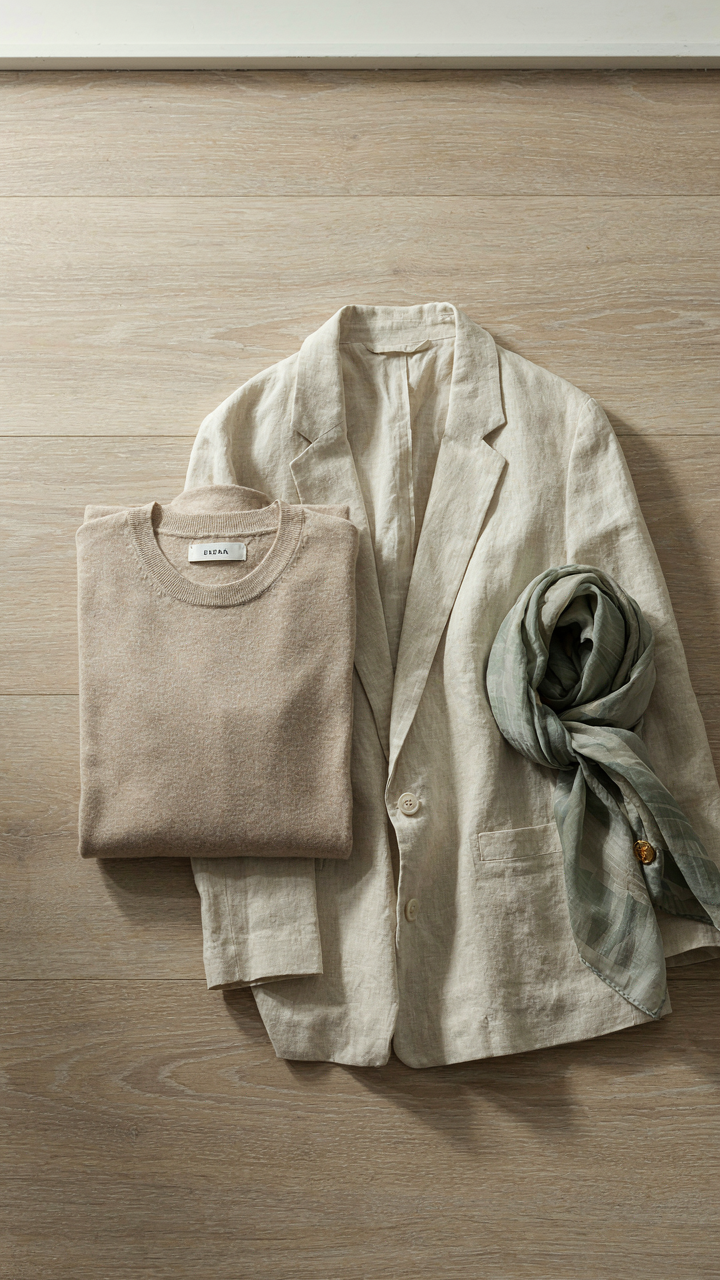
You want a formula so you look intentional, not like you threw things in a bag. The real mechanism is constraint. Spring travels expose a truth most people avoid: temperature swings destroy unprepared wardrobes. You need pieces that layer predictably because spring isn’t one season—it’s a moving target between cold mornings and warm afternoons.

Build around two base layers in natural fibers that regulate temperature without bulk. Merino wool and linen handle spring’s unpredictability better than cotton because they breathe when warm and retain heat when damp. Add one structured layer—a linen blazer or canvas overshirt—that works over everything without weighing you down. This isn’t aesthetic advice. It’s physics applied to fabric weight and fiber behavior.
Packing Lists For Diverse Climates
Climate variation demands a protocol, not a wishlist. The real mistake people make is treating “diverse climates” as one problem. It’s actually three separate problems: hot-humid, hot-dry, and cold-wet each require different fabric behaviors and layering strategies. You solve them by identifying which climate you’ll spend 70 percent of your time in, then building around that anchor before accounting for variations.
- Hot-Humid Packing: Lightweight linen, cotton, and synthetic quick-dry materials in loose fits. Include breathable sandals, one moisture-wicking base layer, and minimal layering. Focus on light colors that reflect heat rather than absorb it.
- Hot-Dry Packing: Natural fibers that protect skin from sun exposure. Prioritize long-sleeve options in cotton or linen, a lightweight scarf that doubles as sun protection, and closed-toe shoes. Layers matter less; UV protection matters more.
- Cold-Wet Packing: Merino wool as your primary layer since it functions when damp. Add a water-resistant outer layer, thermal base layers, and closed shoes with traction. Avoid cotton entirely since it loses insulation when wet.
- Transitional Climate Packing: Build for layering depth rather than bulk. Include two mid-weight layers that combine easily, one structured outer layer, and shoes rated for wet conditions. You’re solving for temperature shifts within single days.
- Multi-Climate Packing: Limit your color palette to three neutrals that work across seasons. Choose pieces that function as both standalone and layered items. Prioritize weight distribution over variety since you’re moving between extremes.
The decision point is this: determine your primary climate first, then add two pieces that handle the secondary climate. Don’t try to solve every possibility. You’ll end up with excess weight and decision paralysis at the suitcase stage.
The True Freedom Of A Minimalist Capsule Wardrobe For Travel
Decision Fatigue Dies First
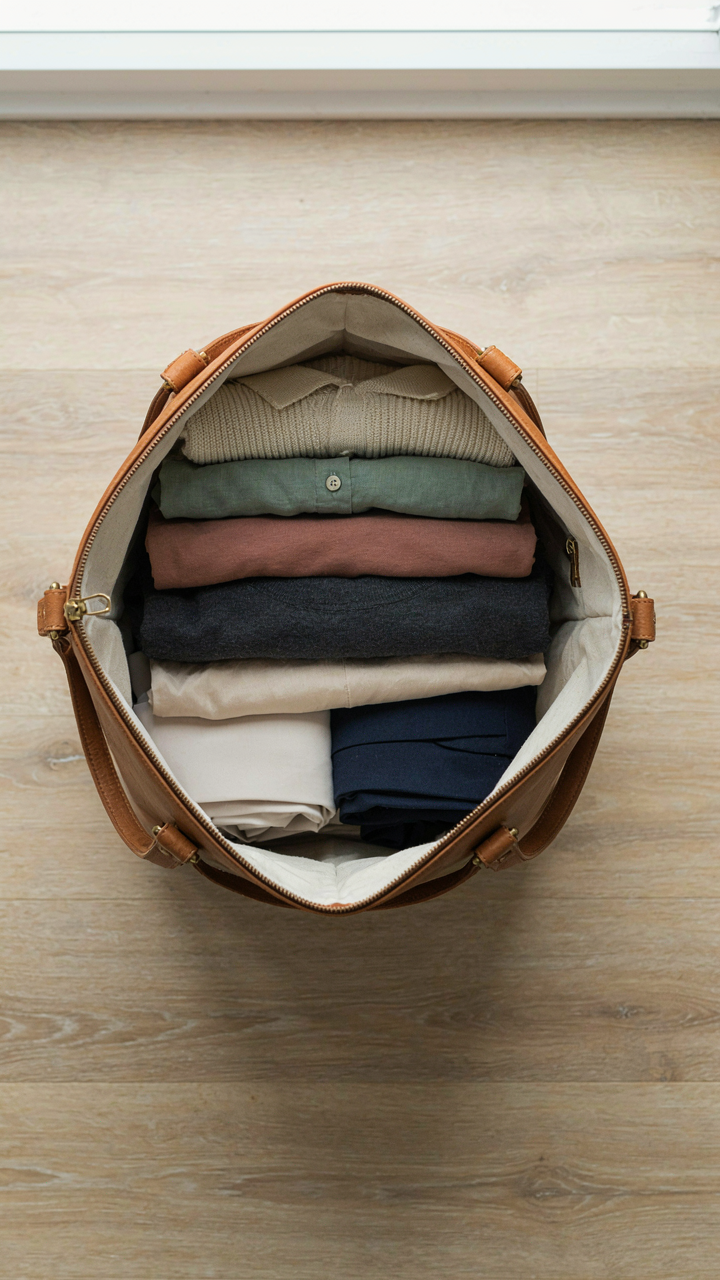
You think this is about looking good with less stuff. It’s not. You want permission to stop deciding what to wear every morning, and a capsule wardrobe gives you that permission without making you feel cheap. The mechanism is borrowed from cognitive load theory: every decision you make depletes the same mental resource. Remove decisions from low-stakes domains, and you have bandwidth for domains that actually matter.

A minimalist capsule wardrobe for travel works because it turns getting dressed into a non-decision. You open your bag. You have five tops and two bottoms that work together. No combinations fail. No analysis paralysis. This frees cognitive overhead for navigation, conversation, observation. You’re present at dinner instead of mentally cataloging outfit options for tomorrow.
The Appearance Trap Collapses
Most travel advice tells you to pack what makes you feel confident. That’s incomplete. What actually happens is you pack what you think others expect, then spend mental energy performing that version of yourself instead of living. Focus on function and material quality, not the gap between who you are and who you think you should look like while traveling.
When you stop optimizing for how you appear to strangers, travel becomes about what you do and what you see, not how you photograph. A wrinkled linen shirt that works in heat and dries overnight beats a pristine piece you’ll worry about ruining. Pick fabrics and cuts based on climate and activity. The person you actually are will thank you for the simplicity.
The Real Obstacle Isn’t Your Wardrobe; It’s Your Inability To Define True Value
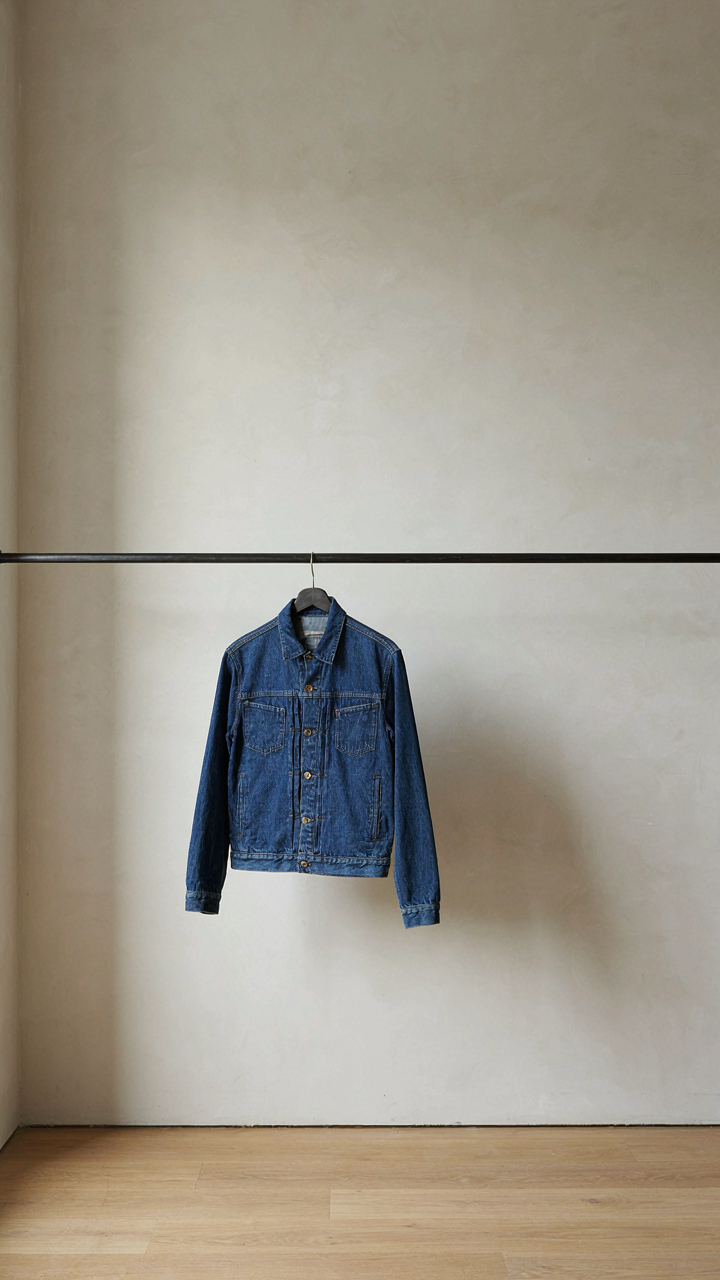
You don’t need fewer clothes. You need to stop confusing options with freedom. Most travelers pack excess because they never decided what they actually wear. Open your closet today and wear only one outfit for three days straight. Notice what you reach for. That’s your signal. Everything else is noise you’re paying to carry. Your wardrobe shrinks when your standards rise.