

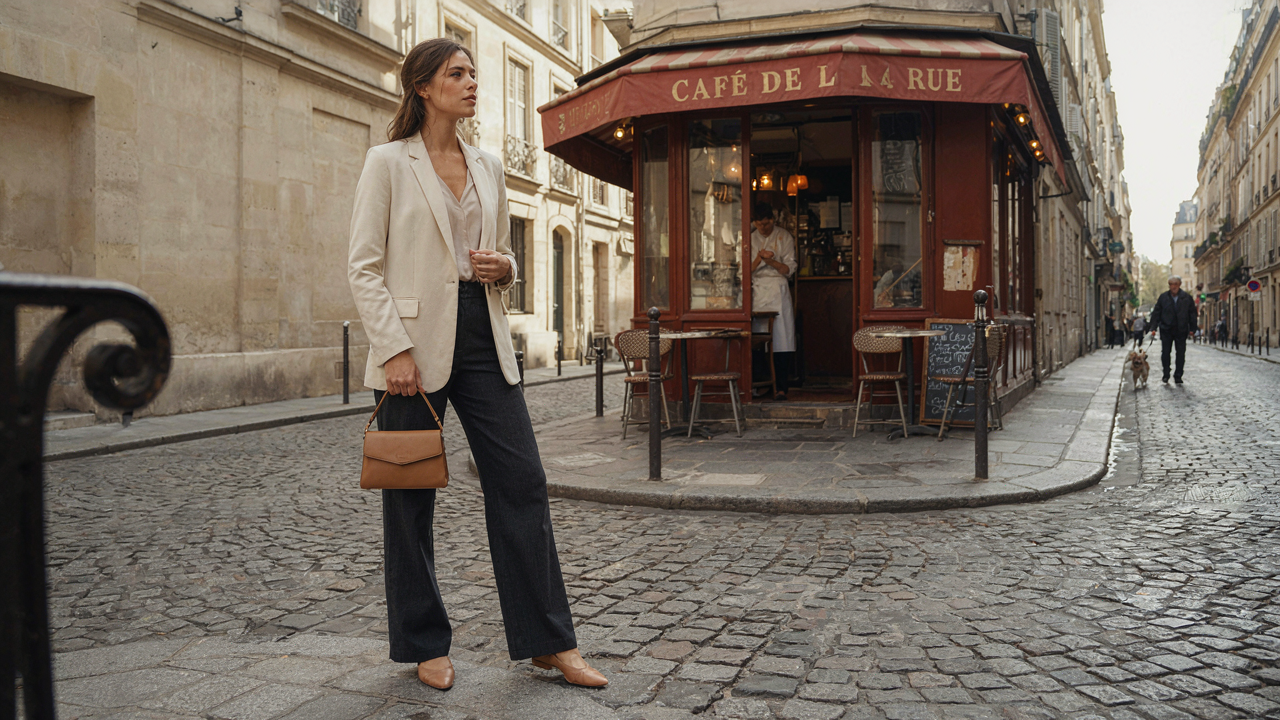
The Capsule Myth: Why More Isn’t French
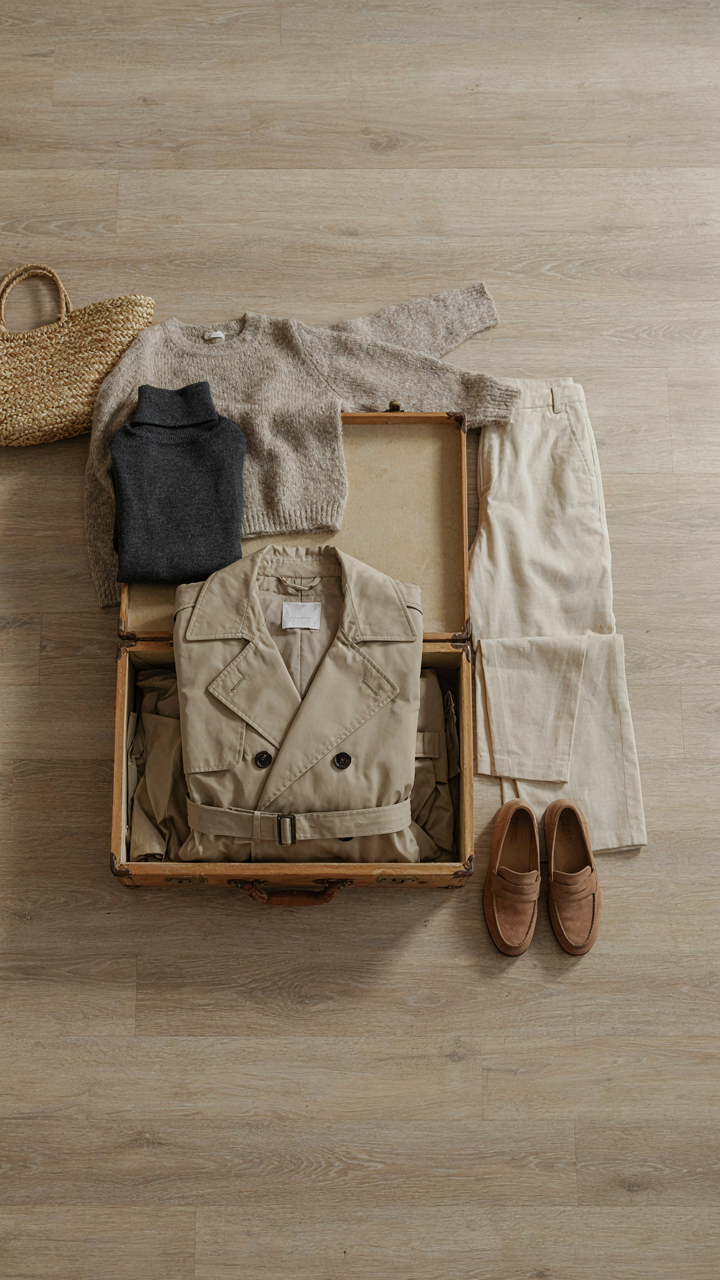
The Outfit You Don’t Need To Buy
You want permission to buy more clothes and call it strategy. That’s the real draw of “French capsule wardrobe” advice. But the mechanism is economics, not aesthetics. A capsule works through constraint, not abundance. The French didn’t invent minimalism because they loved emptiness. They built small wardrobes because fabric rationing during wars made repetition mandatory. The habit stuck. Scarcity forced intentionality.
Most capsule guidance gets this backwards. It tells you to buy ten basics, then ten more basics, until you own fifty “essentials.” That’s not a capsule. That’s a reduced shopping spree with better marketing. A real capsule in French travel dressing means owning fewer pieces that function across multiple contexts without duplication of purpose. You’re not collecting options. You’re eliminating them.
Versatility Over Volume Builds Real Range
The economy of motion applies here. In physics, you maximize output by reducing friction. In your suitcase, you maximize outfit combinations by reducing pieces that serve identical functions. One navy blazer replaces three cardigans. One pair of pointed flats replaces six shoes. One silk scarf works as a neck piece, belt, bag accent, and shoulder cover.
This isn’t about being minimal for status. It’s about being functional. When you travel to Paris or Lyon for a week, you need enough pieces to hit different contexts: a museum visit, a café lunch, an evening dinner, a casual market morning. You don’t need the same coat in three weights. You need one coat that layers with what you already own. Start by auditing what you currently have. Remove anything that duplicates another item’s function. Only then add deliberately.
The 3 Piece Rule: French Style Travel Outfits Spring Essentials
Build Around Neutral Anchors
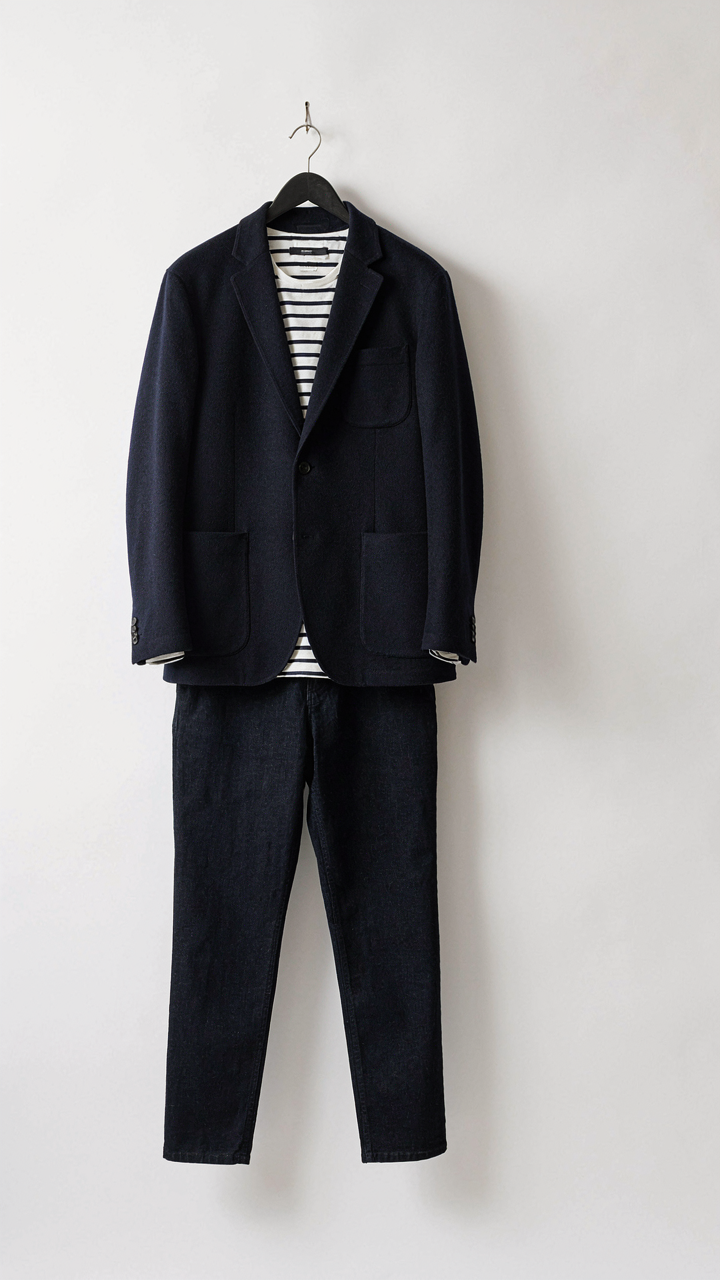
You want to look effortless, which means you’re actually afraid of looking like you tried. The mechanism is constraint. French travelers don’t pack variety—they pack compatibility. Start with three pieces that work together across ten outfit combinations: a cream or navy blazer, dark jeans or trousers, and a white or striped long-sleeve shirt. These aren’t boring. They’re the load-bearing walls of your wardrobe. Everything else hangs on them.

The blazer matters most. It transforms casual pieces into intentional ones. Choose wool or a wool blend in a structured cut that doesn’t wrinkle easily during travel. Spring temperatures in European cities swing between 45 and 65 degrees Fahrenheit, so the blazer solves both layering and polish simultaneously. Your jeans should fit close through the thigh without tapering aggressively at the ankle. This proportion works across seasons and body types. The striped shirt beneath layers under the blazer or stands alone over a sweater.
Spring Weather Demands Active Layering
Meteorology calls this the convection problem: warm air rising, cold pockets returning. French spring outfits solve this by treating layering as a system, not decoration. Forget the advice about throwing on a scarf and calling it style. You need pieces that shift function based on temperature changes throughout the day. A lightweight cardigan in cream or soft gray works over the striped shirt when mornings are cold. By afternoon, you remove it and carry it tied around your waist or in your bag.
Add a structured trench or unlined rain jacket as your fourth piece. Spring in Paris, Lyon, or Provence brings rain without warning. The trench doubles as a third layer and a visual anchor. Avoid puffy jackets or anything with obvious insulation—they broadcast “I didn’t prepare for the climate.” Choose natural fibers when possible: cotton blends, linen blends, or lightweight wool. These breathe as temperatures rise and pack down smaller than synthetics. Your system works because each piece removes or adds without creating bulk.
Color Theory For Paris Spring Outfit (and Beyond)
Build Your Capsule Around Three Core Neutrals
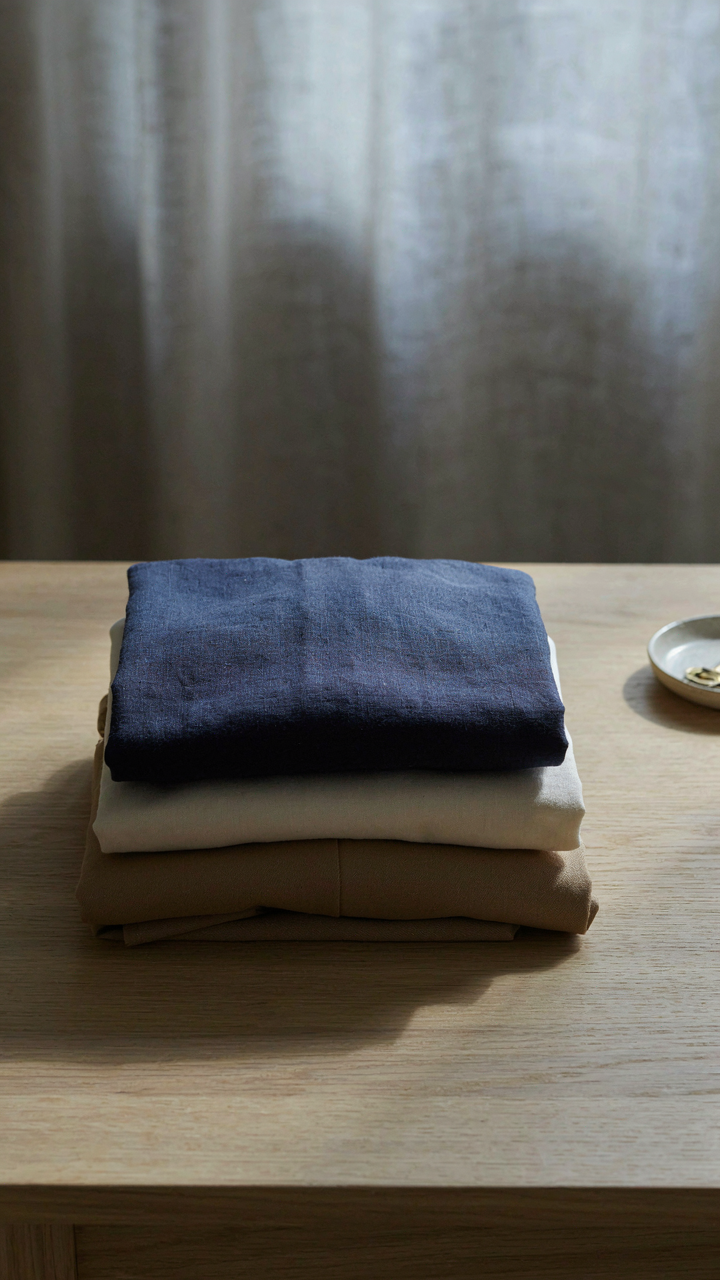
You want people to assume you didn’t think about your outfit. That fear drives most travel packing choices into chaos. Here’s the mechanism: constraint breeds cohesion. Pick three neutrals that work together across every piece you own. Navy, cream, and camel work. So do black, white, and grey. The specific combination matters less than committing to it before you pack. Every piece you bring now multiplies its combinations instead of competing against your other pieces.

This isn’t about minimalism for its own sake. It’s about reducing decision fatigue to zero by the time you land. When your base layers, pants, and jackets all exist in the same three-color system, you stop evaluating outfits and start assembling them. You pack six pieces instead of ten and get more options. Parisians understand this because they operate under the same principle: fewer choices, stronger execution.
Where To Place Your Accent Color
Most advice says sprinkle color everywhere. That’s wrong. One accent color deployed strategically creates visual interest without fragmenting your aesthetic. This is the principle of contrast from visual design: a single point of focus reads faster than distributed signals. Choose one spring accent—emerald, rust, or burgundy—and use it only in one category: shoes, a scarf, or a bag. Never in two places at once.
Deploy your accent piece when you need it most: shoes for a museum day, a scarf for evening, a structured bag for restaurants. The mechanism is simple: your three neutrals form a stable base, and your accent color becomes the variable you control. You rotate it based on context, not mood. This prevents the visual noise that kills a cohesive travel aesthetic and keeps people focused on presence instead of your clothing choices.
Fabric Intelligence: The Soft Parisian Style Advantage
Natural Fibers Move Better Than Synthetics
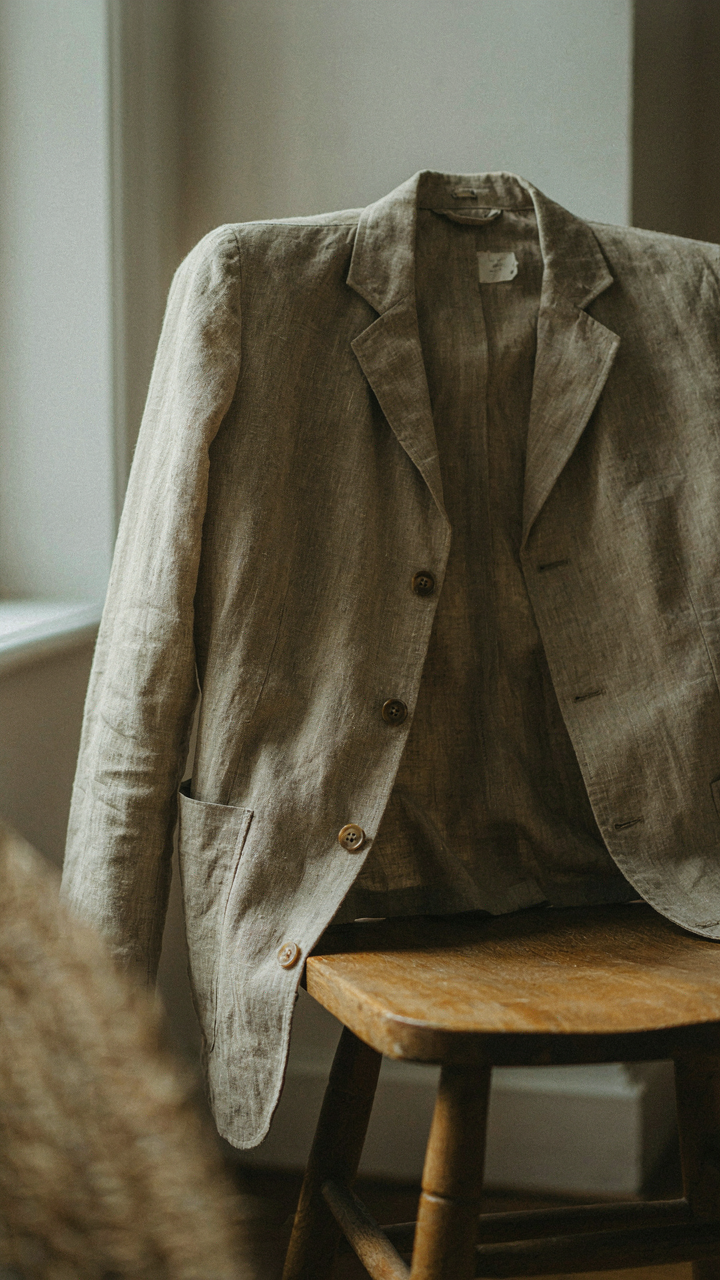
You care about this because you want permission to spend more money and call it smart travel strategy. Here’s the mechanism: natural fibers drape with weight, meaning they move with your body instead of against it. Cotton, linen, and wool have molecular structure that absorbs and releases moisture, creating fluid silhouettes without clinging. Synthetics stay rigid in transit and wrinkle into permanent creases because they lack that moisture exchange. Paris style works because Parisians chose materials that forgive movement, not materials that forgive laziness.

Linen dominates spring travel across France because it breathes in variable temperatures and develops intentional texture as you move. Lightweight wool—merino especially—regulates heat without bulk, crucial when you’re walking through morning cool into afternoon sun. Cotton blends give you workable weight without the linen creasing that requires ironing. The equation is simple: natural fiber = garment that looks better after twelve hours of wearing it than after hanging in a closet.
Travel Resistant Fabrics That Don’t Betray You
Everyone says wrinkles don’t matter in travel. That’s incomplete advice masking a real problem: visible wrinkles signal you didn’t prepare, which undercuts the entire point of dressing intentionally. The solution isn’t wrinkle-proof synthetics. It’s choosing fibers and weaves that absorb wrinkles as texture rather than flaws. Chambray, oxford cloth, and textured linen forgive creasing because wrinkles blend into the fabric’s intentional surface. Flat, smooth fabrics like poplin show every fold immediately.
Quality linen wrinkles but reads as intentional. A silk blend develops a worn-in patina that suggests you’ve lived in the garment, not that you dragged it through an airport. Spring jackets in linen blends or unstructured cotton resist showing travel fatigue because the fabric itself has character. Pack your items in a roll instead of fold, then hang garments in your accommodation for four hours before wearing. Humidity and gravity do most of the reset work without requiring you to find an iron.
The “Preppy French” Accessory Protocol
Scarves That Work Across Multiple Outfits
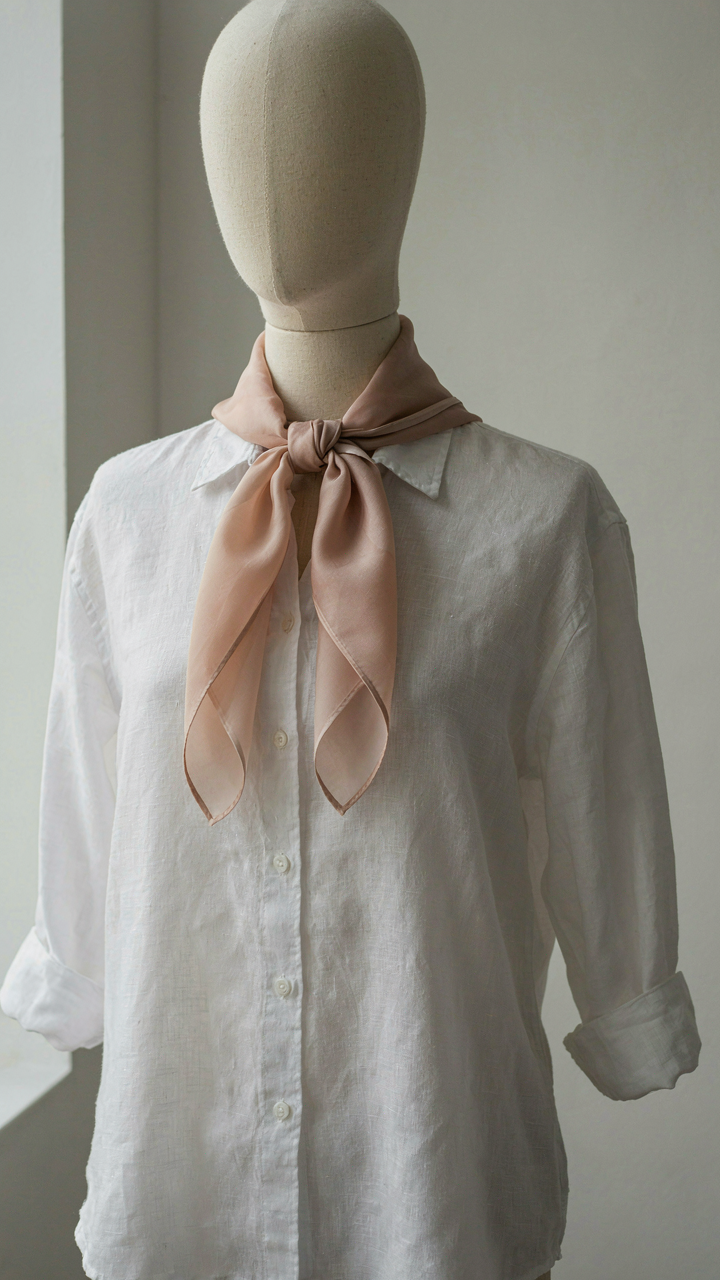
You want accessories that justify their luggage space. That’s the real question here. Military strategists call this “force multiplication”—using one asset to control multiple terrain types. A scarf operates the same way. One silk square transforms a basic linen shirt into three distinct outfits by changing knot style, fabric weight, or placement. French travelers default to scarves because they solve the compression problem: maximum visual impact, minimum volume.

The mechanism is texture and proportion, not pattern matching. A thin silk scarf tied as a neck tie adds formality to casual linen. Wrapped as a waist belt over a dress, it creates definition. Draped loosely over shoulders, it shifts the silhouette entirely. The color should remain neutral or muted—cream, navy, camel—so recombination feels intentional, not accidental. Each tying method takes seconds but reads as intentional curation to anyone observing your outfit choices.
White Sneakers And Leather Flats As Terrain Negotiators
Terrain adaptability in footwear means handling cobblestone, marble floors, and multi-hour walking without sacrifice. Most travel advice says pack multiple shoes and wastes your space. The real answer: one neutral leather flat handles 90 percent of spring city walking, and one white leather sneaker handles the remaining 10 percent plus provides recovery. These two shoes pair with every outfit in a preppy French spring capsule.
White leather sneakers ground casual outfits and prevent the overdressed trap. Clean, minimal construction matters more than brand status. Leather flats—in cream, tan, or navy—anchor dresses and trousers with equal competence. Both require minimal daily maintenance and won’t deteriorate in humidity. The protocol is simple: wear flats for planned walking days with traction concerns, and reserve sneakers for slower-paced exploration where you’re sitting in cafes more than moving. This swap happens every other day, not daily, which reduces decision fatigue during travel.
Tailoring & Fit: The Undervalued “French Old Money Outfit” Secret
Why Alterations Matter More Than The Original Garment
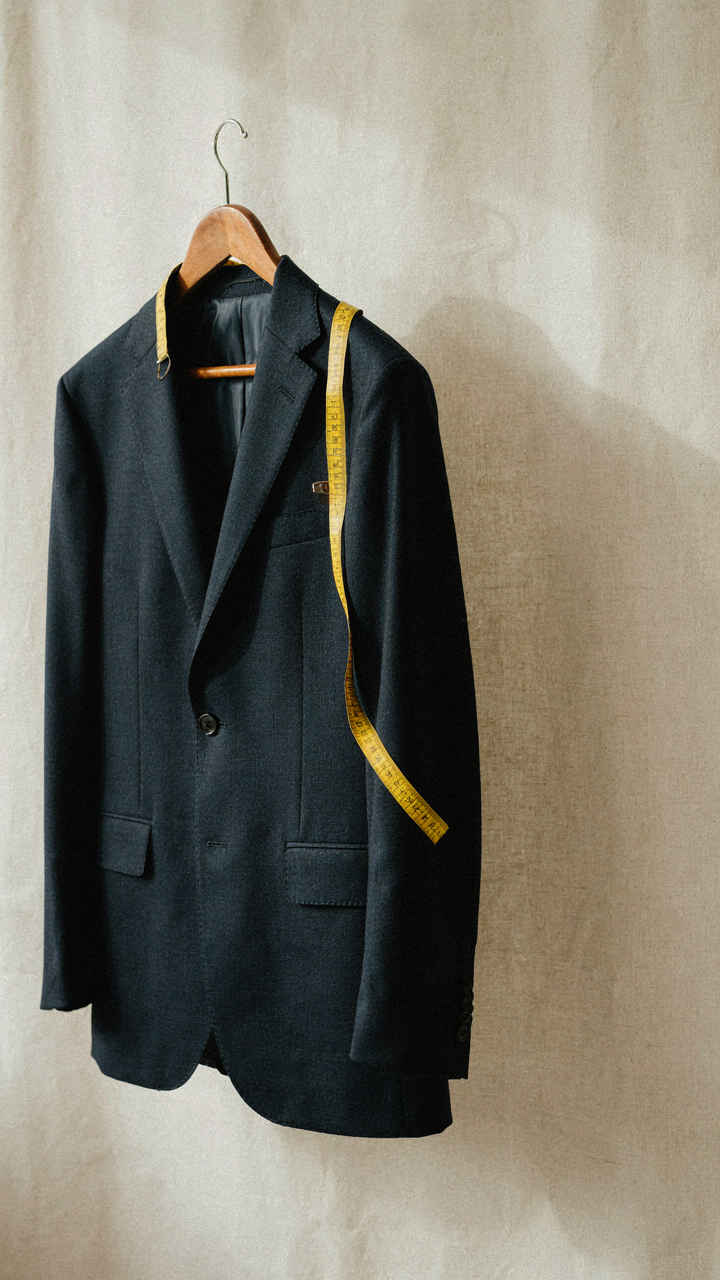
You want to look expensive without spending like it. That’s the real reason you’re reading this. Here’s the mechanism: tailoring creates fit, and fit creates the illusion of quality regardless of the fabric’s actual cost. A fifty-dollar shirt that fits your shoulders perfectly reads as intentional. A five-hundred-dollar shirt that bunches at the waist reads as careless. French style travel outfits succeed because the baseline pieces are cheap enough to alter affordably, then expensive-looking enough once fitted to your actual frame.

Most people skip alterations because they see it as optional. It’s not. When you travel to a European city, fit becomes your primary signal before anyone assesses your clothes’ quality. A tailor costs fifteen to forty dollars per item. Alterations on sleeve length, shoulder seam position, and torso taper compound the ROI on every basic piece you own. Start with your core travel items: blazers, trousers, and denim. Get inseams shortened to hit your ankle bone precisely, not pooling or floating above it.
Proportion Mapping For Your Frame
Fashion retailers use inverse ratio thinking from architecture: if your frame is proportionally shorter, your garment sections must be proportionally tighter and shorter to maintain visual balance. Ignore the common advice that says “dress for your body type” as if it’s mysterious. It’s mechanical. If you’re petite, a midi skirt in standard proportions makes you disappear. A midi skirt cut four inches shorter maintains the same visual style while anchoring your height correctly.
The operational principle: measure your torso-to-leg ratio, then buy pieces that respect it through proportion, not size. For a spring city trip, this means monochromatic dressing—same color top and bottom—if your legs are proportionally shorter. It means cropped or tucked layers if your torso is long relative to your legs. Bring a tailor’s measuring tape on your trip and take a photo of the exact measurements your local tailor used. When you buy pieces abroad, replicate those specs before checkout.
Beyond Trends: Cultivating “France In Spring Outfits” Timelessness
The Core Pieces That Survive Seasons
You’re here because you don’t want to waste money on clothes that feel dated in two years. The mechanism is simple: French spring travel outfits avoid trends by anchoring to silhouettes that predate fast fashion cycles. A structured linen blazer, white cotton shirt, and dark trousers don’t trend because they’re already established as functional uniforms. The French understood this decades ago—they bought fewer pieces that worked across multiple seasons rather than chasing novelty.

The real differentiator is fabric weight and cut precision, not color or pattern. A 100-percent linen shirt in cream works spring through early fall because linen breathes in warmth and wrinkles intentionally, masking wear. A tailored wool trouser in navy or charcoal layers under spring jackets and sits comfortably across body types without drawing attention to fit as a status symbol. These pieces demand nothing from trends because their value sits entirely in function and durability.
The Trap Of Seasonal Fads Disguised As Classics
Most advice tells you to find “timeless” pieces, then lists whatever’s popular this season—that’s incomplete. The fad mechanism works like this: a piece gets labeled “classic” the moment it becomes mainstream, not because it actually endures. Oversized blazers, crop lengths, and color saturation shift every 18 months. What French travelers actually do is ignore trend forecasting entirely and buy based on how a piece functions across climates and contexts.
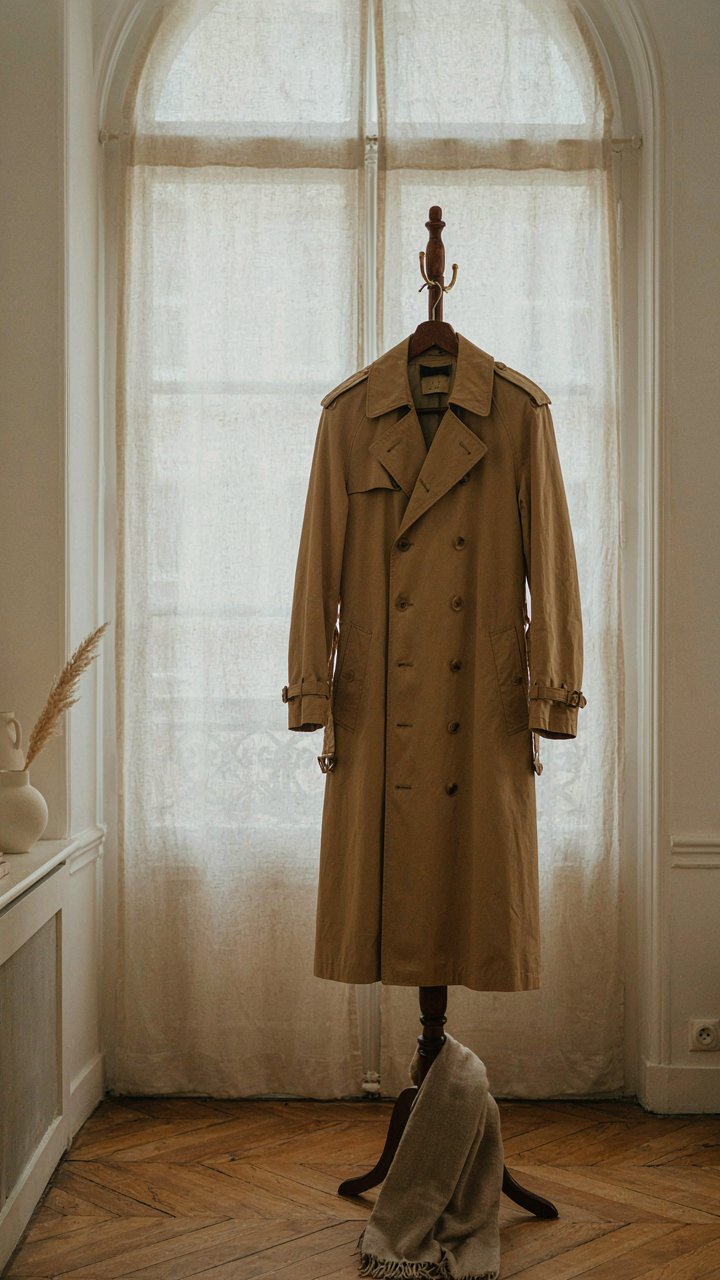
Durability compounds over time in ways novelty never does. A heritage French trench coat from a maker like Patrimoine or a quality Italian wool blend actually improves with wear because the fibers settle and mold to your body. The action step here is direct: buy one piece from a maker with a 20-plus year production history rather than five pieces from fast rotation retailers. Check the maker’s website for founding date and production location. This eliminates guesswork about longevity.
The “French Outfits Women” Mindset: Effort, Not Effortless
Build Your Wardrobe Before The Trip
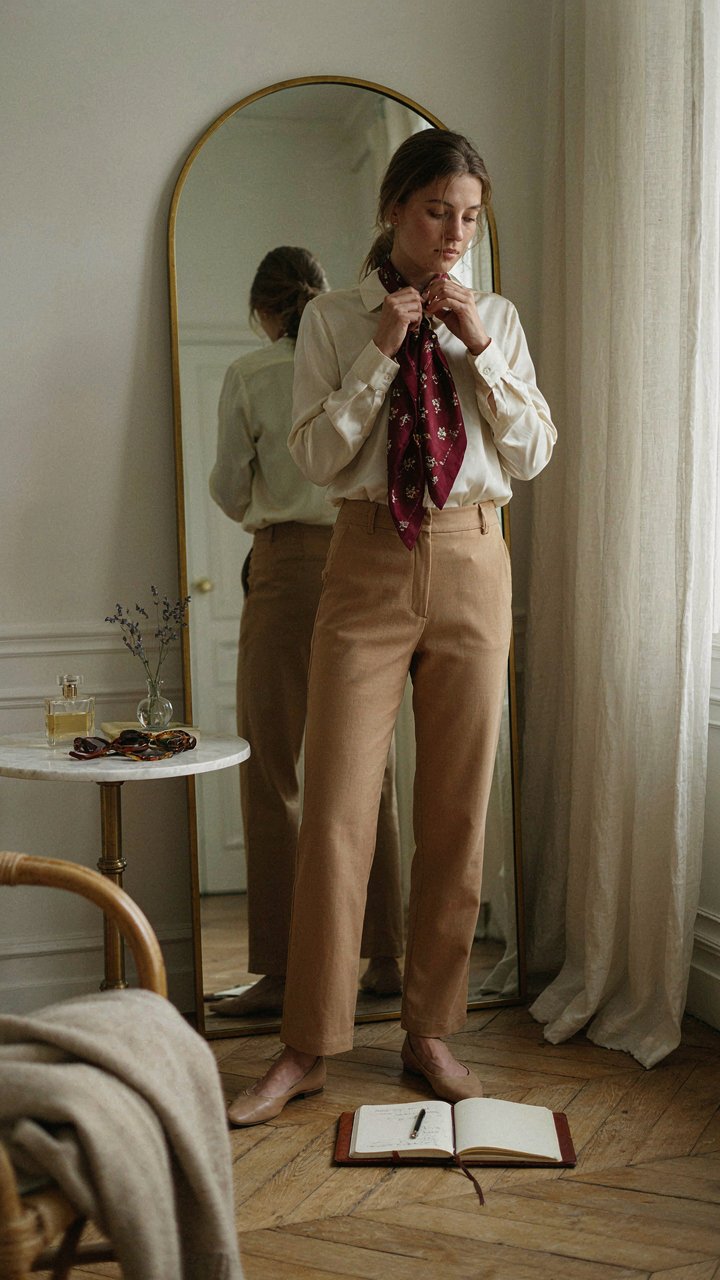
You want to believe French women wake up and throw on clothes without thinking. That’s the fantasy keeping you stuck. The actual mechanism is inventory control. Before you book the flight, you audit what you own, identify gaps, and buy three to five pieces that work together across multiple days. This is the opposite of spontaneous. French women plan their spring travel wardrobes like logistics, not like shopping therapy.

The math is simple: fewer pieces plus intentional overlap equals endless combinations. A neutral blazer works over a linen shirt and again with a simple dress. A silk scarf ties three different outfits together. Neutral trousers pair with the blazer, the dress, the shirt. You’re not collecting items. You’re architecting a system where every piece earns its weight. Start this process two weeks before travel, not two days before.
Wear It Like You Decided This
You think confidence is the byproduct of looking good. It’s actually the source. The real mechanism is commitment. When you stand in front of a mirror and hesitate between two outfits, that hesitation reads as uncertainty to everyone around you. French women eliminate the hesitation by committing to the choice before they leave the apartment. No second-guessing at the café. No adjusting your scarf because you doubt the placement.
Commitment creates coherence. Your body language aligns with your outfit. You move differently when you’ve decided you look right instead of hoping you look right. This isn’t arrogance. It’s the difference between performing confidence and performing doubt. The protocol is brutal and simple: choose the outfit, leave the house, do not reconsider it until you’re home.
The Real Obstacle Isn’t Your Wardrobe; It’s Your Belief That Style Can Be Bought, Not Built
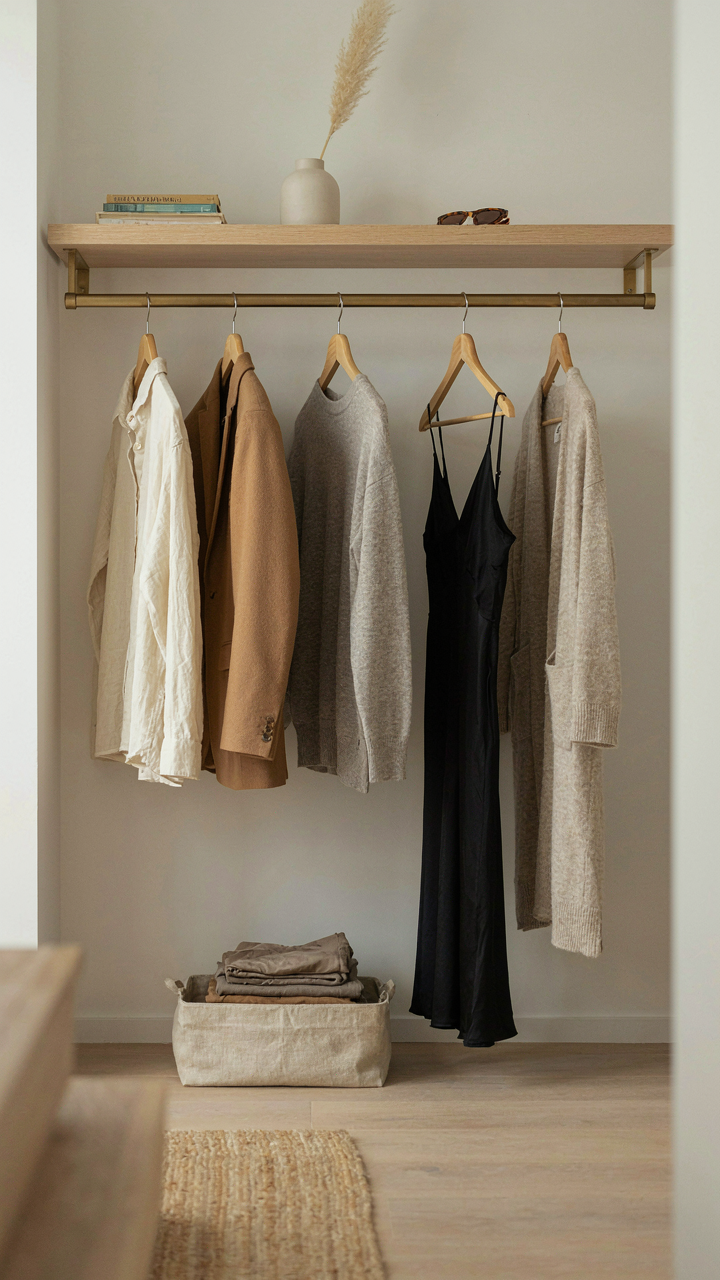
You don’t need more clothes. You need to stop treating your closet like a vending machine and start treating it like a system. Every Parisian woman you admire built her spring travel outfit vocabulary over years, not weeks. Pick three pieces you already own today. Wear them together. Notice what actually works. Repeat until you have conviction, not confusion. Style isn’t inherited or purchased. It’s accumulated through small, deliberate choices you make before you even leave your apartment.