


The Illusion Of Choice: Why More Clothes Means Less Power

Decision Fatigue Erodes Your Authority
You want to believe that more options make you more powerful. They don’t. Cognitive psychology proves that every decision drains the same finite resource: mental energy. By forty, you’ve built something worth protecting—your reputation, your influence, your ability to move fast. A bloated closet sabotages all three because you burn decision capital on garbage before you ever face what matters.
The mechanism is simple. Each morning, your brain must evaluate every piece you own. Each piece that doesn’t fit, doesn’t flatter, or doesn’t align with your actual life becomes friction. That friction is real. Studies on decision fatigue show that people who face trivial choices first perform worse on subsequent high-stakes decisions. Wear clothes that require thought, and you have less cognitive bandwidth for the work that actually builds your position.
The Real Cost Of Too Many Pieces
The common advice says a capsule wardrobe saves time and money. Partially true. But the deeper cost of sartorial overwhelm is velocity. You move slower when you’re uncertain about what to wear because uncertainty stacks. Uncertainty about fit compounds with uncertainty about appropriateness. Uncertainty about color compounds with uncertainty about condition. A woman over forty with thirty unworn pieces in her closet isn’t being thrifty or prepared. She’s carrying dead weight that signals hesitation.
The protocol is eliminating this cost through brutal audit. Pull everything you haven’t worn in three months. Ask one question only: does this piece solve a recurring problem in my actual schedule? If not, it goes. What remains becomes your working wardrobe—the pieces you know, trust, and can grab without thought. That cognitive freed-up space transfers directly into sharper decisions where it counts.
Beyond “Timeless”: The Strategic Archetype Framework

Claim Your Professional Role First
You want to believe capsule wardrobes work because they promise freedom, but what you’re actually after is permission to stop deciding. The real mechanism is this: you need to anchor your wardrobe to a role, not a mood. Military strategy calls this establishing a “center of gravity”—the single point from which all other operations gain coherence. Your professional archetype is that center. Without it, you buy scattered pieces that look good alone but never align. Pick one dominant professional identity you occupy 70 percent of your waking hours. Not the fantasy version. The actual one.

This archetype becomes your filter for every future purchase. If you’re a corporate strategist, your archetype demands structured tailoring and neutral palettes that signal authority in meeting rooms. If you’re a creative director, yours requires visible texture and proportion play. If you’re a consultant who works remote plus occasional client calls, yours sits between both. The archetype isn’t a label—it’s the job description your clothes need to solve. Once you name it, you stop shopping for “capsule pieces” and start shopping for tools that serve a specific function. That shift eliminates 80 percent of bad purchases before they happen.
Build Your Signature From One Central Tension
Translating archetype into aesthetic means finding the single visual tension that makes your role readable. Most advice says pick “your style”—this is incomplete and backwards. You don’t have a style; you have a professional requirement and a personal constraint. The requirement comes from your archetype. The constraint comes from your body, your climate, and your actual lifestyle. The signature aesthetic emerges where these two forces meet.
For a woman over 40 in executive roles, the tension often sits between structured silhouette and ease of movement. Your pieces must read as intentional authority but move like you actually work. That tension produces a specific aesthetic: tailored blazers with subtle stretch, straight-leg trousers with a slight crop, neutral tones with one dimensional depth. For a woman in creative fields, the tension lives between visual interest and professional legibility. You need pieces that show you think differently but still function in client-facing contexts. That tension produces a different aesthetic: quality basics with architectural layering, muted earth tones with one standout texture, fitted proportions that avoid costume. The signature isn’t aspirational. It’s the visual language your archetype speaks fluently.
Capsule Wardrobe Over 40: The Investment Principle
Why Replacement Costs Destroy Your Budget
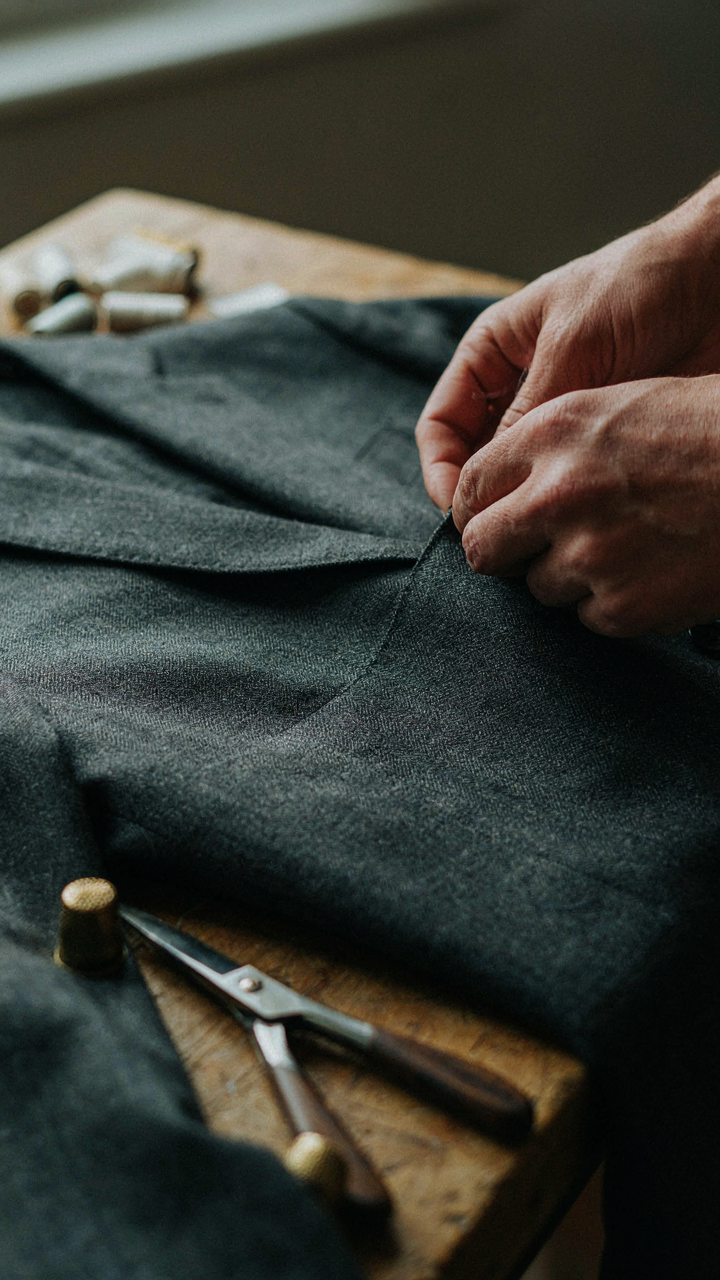
You’re hoping cheap pieces will feel like a win. The real mechanism: fast fashion extracts a hidden tax on your time and money through constant replacement cycles. A twenty dollar shirt degrades in fifteen washes. You buy five to replace the one that pilled. That’s one hundred dollars spent to solve a problem a seventy dollar piece never creates.

Economics calls this the cost of acquisition versus the cost of ownership. Most people calculate only the price tag. You need to calculate garment lifespan divided into total spend. A shirt lasting two years costs more per wear than one lasting eight years, even if the upfront number looks smaller on the receipt.
Building Longevity Into Your Closet
The common advice says buy quality basics and you’re done. That’s incomplete. Real longevity requires three specific actions: material selection, construction verification, and care protocol alignment. A natural fiber blend in a poorly constructed seam fails faster than a synthetic in a reinforced garment. You need both pieces working together.
Start with fiber content that matches your life. Cotton and wool age better than synthetics but demand specific care. Linen wrinkles by design but lasts decades. Polyester holds its shape but doesn’t breathe. When you buy, inspect seams for tight stitching, check hem quality, and verify that fastenings like buttons are sewn with thread you could replace yourself. Choose brands with repair infrastructure, not just aesthetic reputation.
The “Mix N Match” Fallacy: Engineering Cohesion
Modularity Over Interchangeability
You want to believe that buying ten pieces that “go with everything” solves the problem. It doesn’t. The real issue is that you’re confusing compatibility with modularity, and that confusion wastes both money and closet space. Modularity in fashion engineering means each piece amplifies the others through constraint, not through loose compatibility. You’re not building a pile of options. You’re building a system where removing one piece breaks the outfit.

The difference matters at forty because you have less energy for trial and error. A modular capsule means every combination works because the pieces share DNA: weight of fabric, proportion logic, color temperature, and construction quality. This is why fast fashion fails older bodies. Those pieces are individually compatible but structurally incompatible. They don’t reinforce each other. When you get modularity right, you notice that swapping one element creates a new outfit, not a confused one.
Color Palette As Operating System
Stop treating your color palette as a preference. Treat it as a constraint system that either multiplies your outfit count or divides it. Most people pick colors they “like” and then wonder why nothing looks cohesive. A working palette for over forty operates like a color wheel subset where every piece touches every other piece without looking accidental.
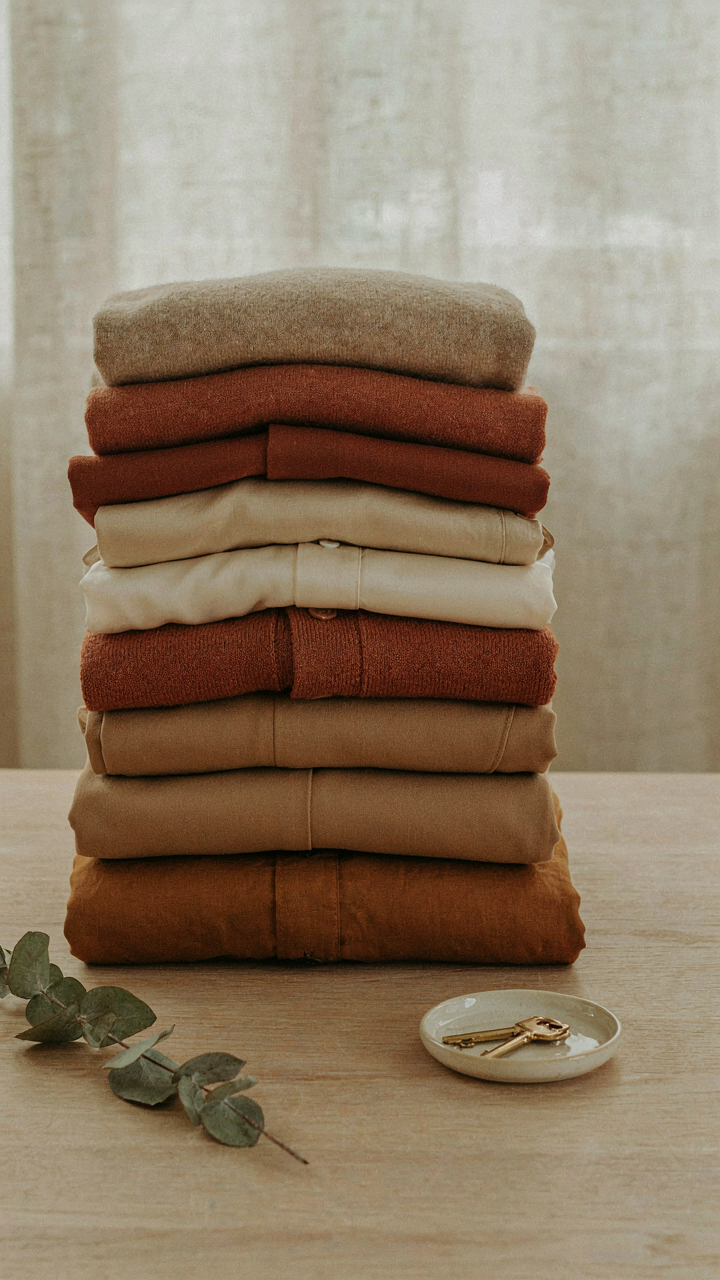
This means choosing a neutral anchor (usually not black or white for skin tone reasons over forty), then adding two to three supporting colors that sit in the same tonal family. Warm undertones or cool undertones, not both. A camel base with rust and cream works because they’re temperature-aligned. Camel with navy and hot pink fails because the eye doesn’t track the intention. Once your palette is locked, every new piece you add must pass the constraint test: does it sit in this system or does it create visual noise? Most people add pieces that technically “match” but feel disconnected. That’s the palette operating without guardrails.
Wardrobe Essentials For The Discerning Over 40 Woman
Beyond The White Shirt: True Foundational Pieces
You want this section to prove you’re not stuck in old patterns. The real mechanism is this: most women over 40 own pieces that worked at 25, not pieces that work now. Your body changed. Your skin changed. Your life demands changed. A white shirt is a placeholder, not a foundation. Actual foundations are pieces that solve a specific problem your body and life present right now, not pieces that feel safe because they’re “classic.”

The pieces that matter are the ones you’ll actually reach for because they fit your proportions and your schedule. A tailored blazer in a neutral that complements your skin tone works harder than any white shirt because it addresses the shape you have, not the shape you remember. A structured trouser that hits your ankle correctly matters. A knit that skims without clinging solves real friction. A slip dress in silk works as both layering base and solo piece. These aren’t timeless in the abstract sense. They’re timeless because they solve your specific friction points for the next decade.
Accessories As Leverage Points, Not Afterthoughts
Leverage in mechanics means a small force applied at the right point moves a large weight. Your accessories work the same way. The common advice treats them as decoration added after the outfit lands. Wrong. A belt, a bag, a shoe, or a scarf determines whether a piece works for your body at your current age, or whether it works against you. One piece of jewelry can shift an entire outfit from “trying” to “settled.” The mechanism is this: accessories change proportion and emphasis without requiring you to own more clothes.
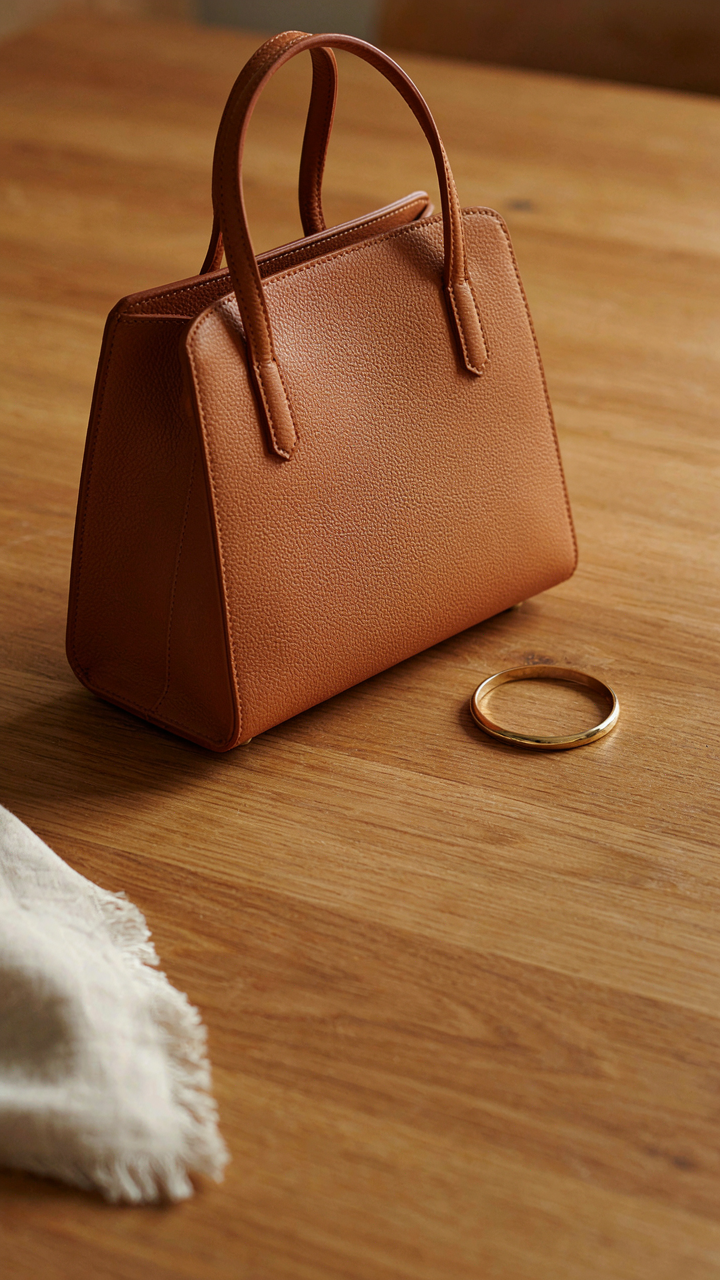
A structured bag in a weighted leather stops an outfit from reading lightweight or uncertain. A simple gold bracelet that sits correctly on your wrist changes how your hands read against your clothes. A shoe that grounds an outfit changes the entire silhouette. The protocol is simple: acquire accessories that solve proportion problems specific to how your body sits now, not pieces that match your other accessories. One excellent scarf in a neutral handles three outfit problems at once. Buy it first.
The Capsule Outfits Protocol: Pre Computation For Clarity

Set Context First, Then Build Formulas
You want this section to work because you’re tired of standing in front of your closet feeling like you have nothing to wear, and you need permission to stop thinking about it. The mechanism is simple: outfit formulas function like decision trees in computer science. You pre-compute the branches so the system runs without processing power. Instead of evaluating every combination each morning, you’ve already solved the equation. The formula becomes automatic.

Build formulas around your actual life contexts, not hypothetical ones. Work days, weekend errands, dinner out, gym sessions. For each context, identify three to five core pieces that repeat. A capsule over 40 works because you’re not reinventing yourself daily. You’re repeating what already works. Sketch this out. Write down the formula for a typical Tuesday at your job. Write down Friday night. Write down Saturday morning. This isn’t decoration. This is your operating system.
Compress The Morning Into Five Minutes
The standard advice here is useless: “lay out your clothes the night before.” That’s not the real problem. The real problem is you’re still making decisions. Pre-computation eliminates decisions entirely. When you’ve locked in your formulas, you move through the morning on rails. Grab the pieces you’ve already pre-selected for this day type. No evaluation. No second-guessing. No comparison of options.
Create a simple reference system. One method: photograph three complete outfits for each context on your phone, labeled by day type or occasion. When you get dressed, you open the photo and replicate it. Another method: arrange your closet by formula, not by item type. Group all pieces that work together in a single zone, physically. Your brain stops working the moment you remove ambiguity. The formula becomes faster than thought.
Seasonal Updates: Fall Capsule Wardrobe As A Strategic Refresh

The Edit, Not The Purge
You want permission to buy new things without feeling wasteful. Here’s the mechanism: a seasonal refresh isn’t about replacing your core. It’s about removing what doesn’t work and adding what fills real gaps. Your summer pieces don’t vanish. You rotate them out. The items that underperformed—the ones you grabbed but never wore—those get evaluated and moved. What stays is what proved itself.

The core of a capsule over 40 doesn’t change seasonally. Neutral bottoms, quality basics, structured layers—these live year-round. What changes is weight and sleeve length. A cream linen shirt becomes a cream cotton tee. A lightweight blazer gets swapped for one in wool. You’re not starting over. You’re adjusting density and fabric to match the temperature and daylight your body actually experiences.
Layering Density And Fabric Swap
Fall demands a different layering architecture than summer. This isn’t trend chasing—it’s applied physics. Your body sheds heat differently when the ambient temperature drops fifteen degrees. You need pieces that trap warmth without bulk. A merino wool sweater, a structured cardigan, a fitted overshirt in flannel or brushed cotton. These aren’t new categories. They’re seasonal versions of layers you already own.
The targeted additions for fall are specific: one quality sweater in a neutral (charcoal, camel, cream), one layering piece that bridges seasons (an overshirt or lightweight blazer in a natural fiber), and one outerwear piece that works with your existing bottoms. Don’t add a second pair of black pants because you already own black pants. Add a textured knit or a structured coat instead. The goal is filling actual rotation gaps, not expanding your closet.
Decluttering The Noise: The Zero Tolerance Policy
The Cost Of Keeping What Doesn’t Work
You’re hoping that keeping everything gives you more options. It doesn’t. It gives you decision fatigue and the daily reminder that most of what you own fails you. In economics, this is called sunk cost fallacy, and your closet is drowning in it. The mechanism is simple: each piece that doesn’t perform pulls your attention and cognitive bandwidth without returning value. After 40, you have less time to waste on dead weight.

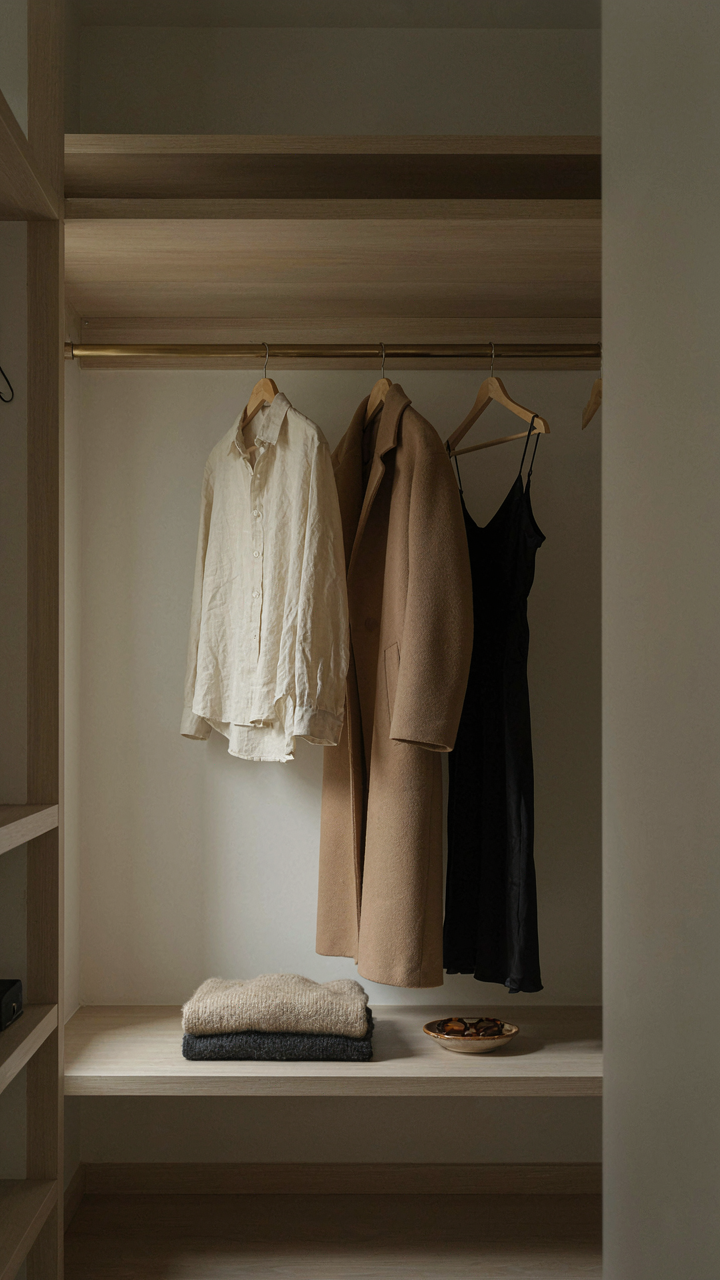
A non performing piece isn’t just neutral. It occupies real estate, creates visual noise when you open your closet, and forces you to sort through it every morning. You’re burning mental energy on items that will never make the cut. The fix is ruthless subtraction, not strategic addition. If a piece hasn’t been worn in six months and doesn’t fit your current life, remove it. Not donate it eventually. Remove it today. This single action clarifies what actually works.
The Weight Of Unworn Intention
The real burden isn’t the fabric. It’s the person you thought you’d become. You bought pieces for a version of yourself that never materialized, and each unworn item is a small failure stored in your bedroom. This psychological weight compounds over time and directly sabotages your ability to build a functional capsule. You’re not dressing your actual life. You’re managing the graveyard of abandoned identities.
The solution demands honesty about who you are now, not who you aspire to be in some hypothetical future. Keep pieces that align with your current reality: your schedule, your body, your actual aesthetic preferences. When you wear only what fits this version of yourself, getting dressed becomes friction-free. Remove the rest entirely. Your closet stops being a monument to good intentions and becomes a tool that works.
Maintenance: The Ongoing Optimization Of Your Personal Brand

Fabric Care That Protects Your Investment
You want this section to justify the money you spent. Here’s the mechanism: fabric degrades through friction, heat, and chemical exposure. Each wash cycle accelerates this. The garments that survive longest aren’t worn more carefully—they’re washed less frequently and more strategically. Most advice tells you to follow care labels. That’s incomplete. Care labels protect manufacturers from liability, not your wardrobe. They’re conservative by design.

Natural fibers require different logic than synthetics. Wool resists wrinkles and odor naturally, so it needs fewer washes. Cotton holds onto oils and dust, demanding more frequent cleaning. Linen becomes softer with age but weakens if you use high heat. The real lever isn’t the label—it’s matching wash frequency to fiber behavior. Spot-clean stains immediately. Freeze garments overnight to kill odor before washing. Wash in cold water. Use gentle cycles for structured pieces.
The Seasonal Audit And The Reset
This borrows from inventory management in operations. Inventory turnover measures how fast stock moves. In your capsule, turnover reveals what actually works. Pull every piece twice yearly. Track what you wore and what sat untouched. Untouched pieces either don’t fit your life, don’t pair well with your core colors, or signal a purchase mistake you need to stop repeating.
Document the gaps you notice during wear. If you reached for a sweater that doesn’t exist, you found a real need. If you own five blazers but wore one, you own four pieces you don’t need. This audit isn’t sentimental. It’s data collection. Donate or sell pieces that underperformed in the last season. Replace only what showed high rotation. This tightens your capsule into something that actually functions instead of something that feels complete.
The Unseen Advantage: How Your Capsule Wardrobe Commands Respect
Sartorial Discipline Builds Credibility
You want people to take you seriously. That’s the real motive here, and it matters because respect is transactional. In economics, scarcity signals value. Apply that principle to your appearance: a capsule wardrobe over 40 creates visible scarcity. You wear the same elevated pieces repeatedly, which signals you’ve made intentional choices rather than impulse purchases. Consistency reads as competence.
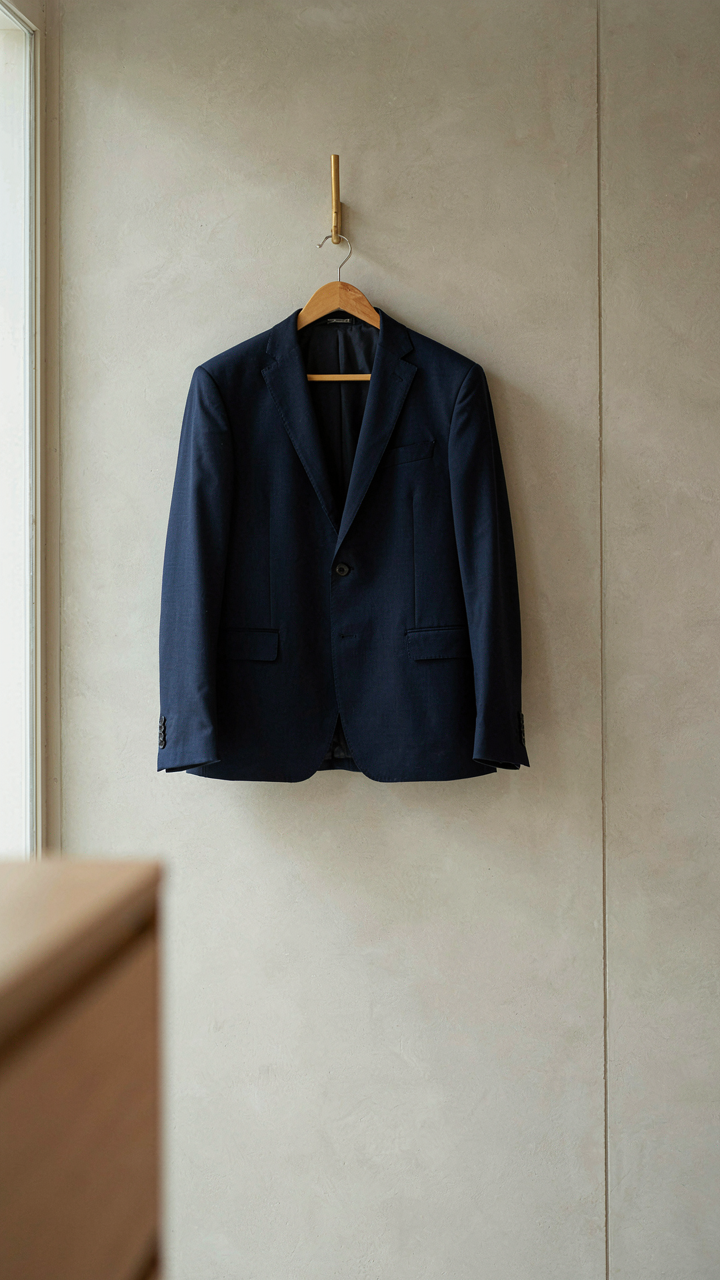
People notice patterns. When you rotate five quality blazers instead of owning thirty mediocre ones, observers register that you know what works for your body and your life. This isn’t vanity. It’s the mechanism behind authority. Decision fatigue erodes credibility. A capsule eliminates it. You dress the same way a surgeon approaches tools: each item serves a function. That discipline translates into how others perceive your judgment in other domains.
Restraint Operates As Power
The common advice says “effortless style comes from confidence.” That’s incomplete. Effortless presentation comes from elimination. Military strategists call this concentration of force. You deploy resources where they matter most instead of spreading them thin. A forty-plus woman in a well-fitted neutral pant, quality white shirt, and one statement piece of jewelry commands attention precisely because there’s nothing competing for it.
Noise undermines authority. When you strip away excess, people hear what you’re actually saying instead of cataloging your outfit choices. Wear the same belt for three months straight. Let people forget it exists. That invisibility is the goal. Your appearance becomes a frame for your presence, not the main event. The mechanism is simple: remove visual clutter, and you become more memorable as a person. Your capsule wardrobe over 40 should aspire to disappear into competence.
The Real Obstacle Isn’t Your Clothes; It’s Your Indecision

You don’t need a better wardrobe. You need permission to stop pretending options equal freedom. Every piece you own that doesn’t fit your life is a vote against yourself. Pick five core items today. Wear them for a week without apology. You’ll realize most of your suffering came from choosing, not from what you chose. Simplicity isn’t boring. Indecision is.