

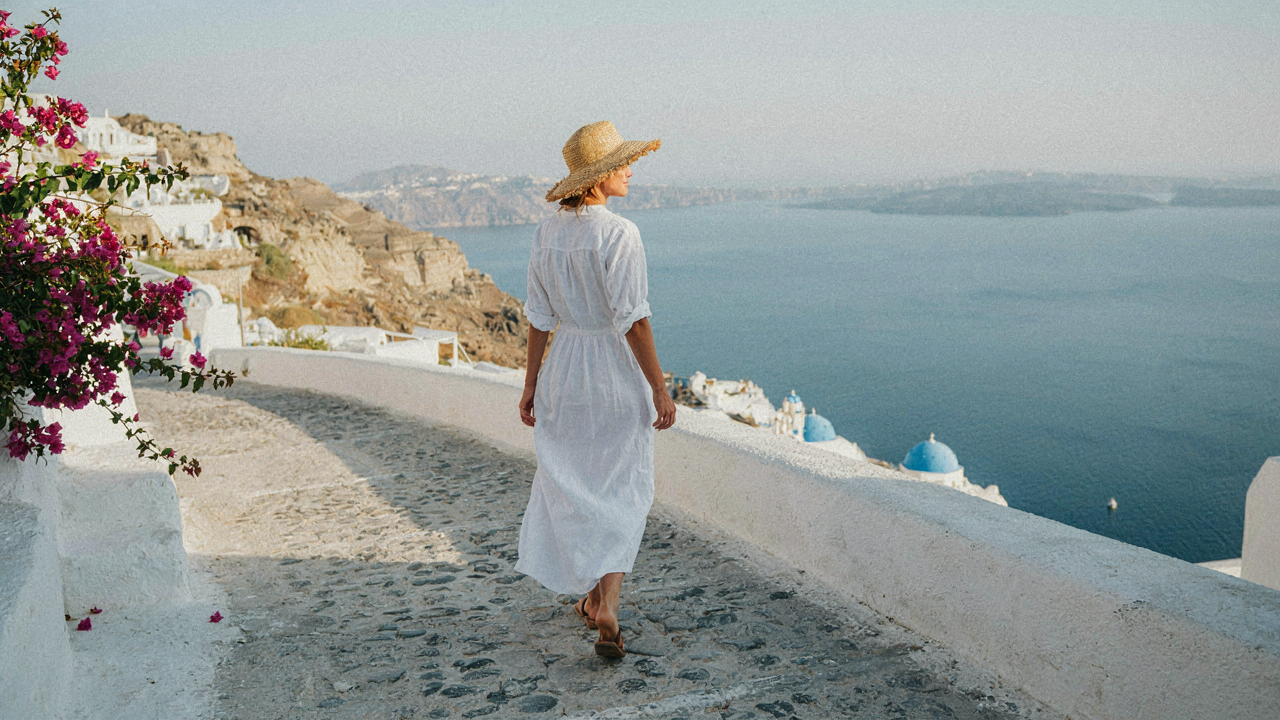
The Santorini Climate Protocol: Ditch The Delusions, Pack For Reality
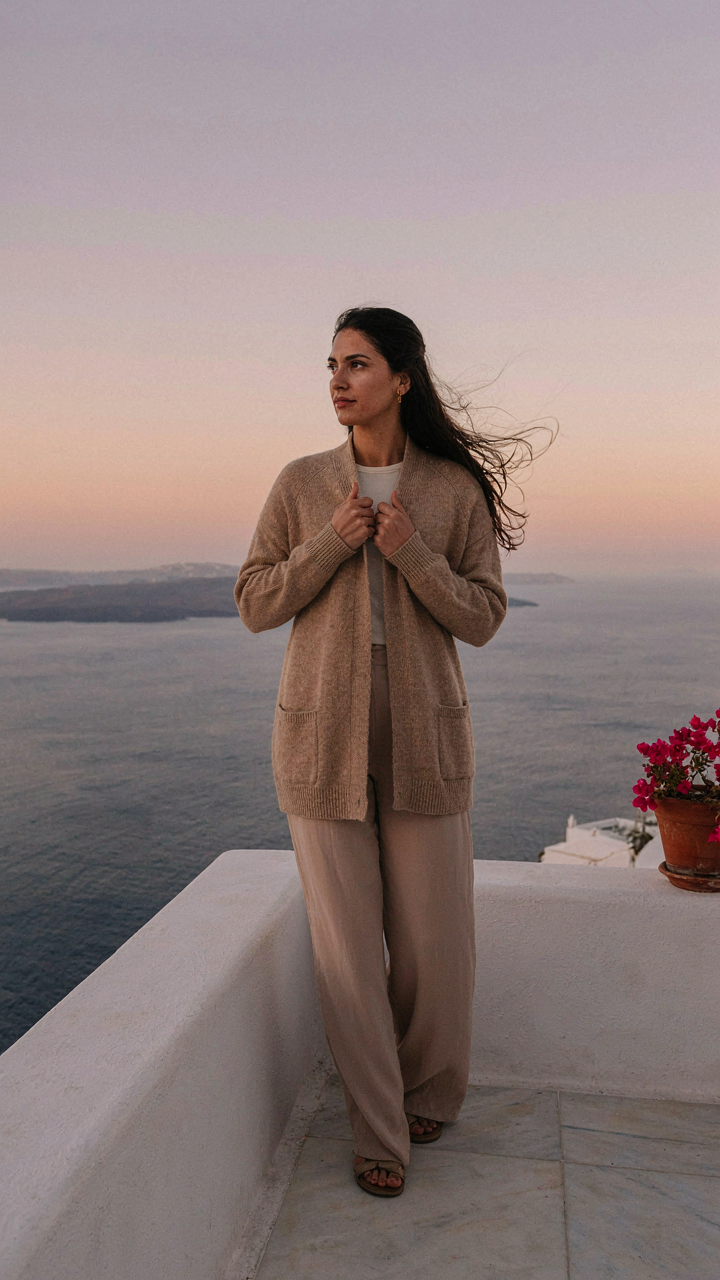
Daytime Sun Intensity Versus Evening Wind Chill
You’re worried about looking underdressed or overheating in front of people who’ve been there before. Here’s the mechanism: Santorini sits at 36 degrees north latitude with reflective white volcanic stone everywhere, which amplifies UV radiation and surface heat during daylight hours. Temperatures read 75 to 85 degrees Fahrenheit in summer, but the Aegean wind drops them 10 to 15 degrees at sunset. Your body experiences two completely different climates in one day.
The standard advice to wear “light layers” misses the real problem. You need separate systems for each climate, not one outfit trying to do both jobs. During the day, you want minimal coverage and maximum airflow: linen or cotton that breathes, not moisture-wicking synthetics marketed as adventure wear. At night, wind chills below 65 degrees, so you carry a structured layer you can actually put on without looking like you showed up unprepared. The mechanism is simple: plan for discrete temperature bands, not a continuous gradient.
Seasonal Variations And What Most Packing Lists Get Wrong
Peak season runs June through September when humidity climbs and afternoon thunderstorms roll through the caldera without warning. Most packing guides tell you to bring “a light rain jacket,” which is useless generic advice. You actually need to know that Santorini’s rain comes hard and fast, then stops. A compact nylon shell works because it packs to the size of a fist and dries in twenty minutes.
Winter and shoulder seasons from November to March flip the equation entirely. Temperatures drop to 55 to 60 degrees, winds accelerate off the Aegean, and the island gets fewer tourists, which means restaurants dial back heating. The real packing mistake people make is treating Santorini as permanently summer. If you travel outside July and August, bring a merino wool sweater or structured cardigan that works over dinner clothes without creating bulk. Pack the layer you’ll actually wear at 7 PM when the sun disappears, not the layer you think you might need.
Footwear: Your Unsung Hero (Or Trip Hazard) In The Caldera
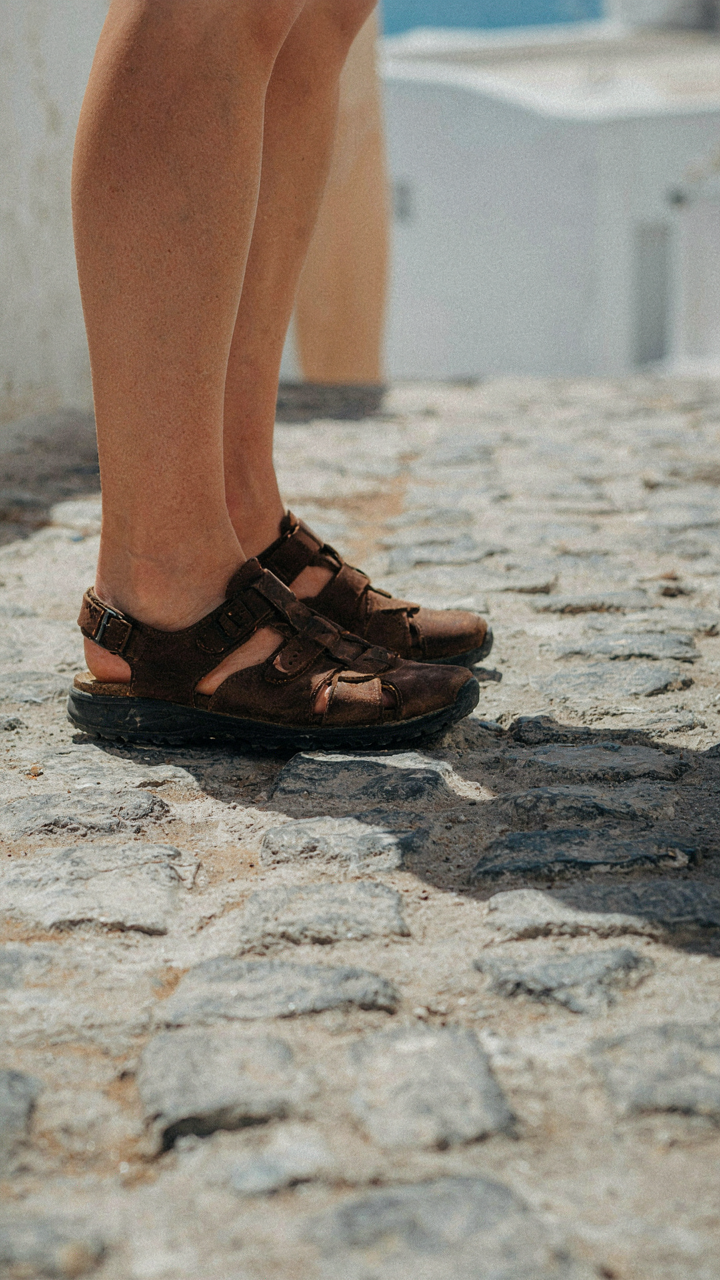
Cobblestones, Hills, And Steps: Where Pretty Fails
You want to look effortless in photos without admitting you’re terrified of twisting an ankle on uneven stone. That’s the real calculation here. Santorini’s terrain operates on a friction principle: the surface wants your shoe sole to fail. Whitewashed steps date back centuries, worn smooth by millions of feet. They’re slick when wet and treacherous when dry because the friction coefficient between your shoe and the stone is your actual constraint, not your aesthetic preference.

Flat sandals and thin-soled shoes are the mistake everyone makes. They offer zero grip and zero support on multi-directional stepping. Wear shoes with genuine rubber soles and a defined tread pattern. Sneakers work but read wrong for evening. Leather-soled shoes or dress sandals without traction will send you sliding. The mechanism is simple: you need high surface area contact between sole and stone, plus actual grip material. Pick footwear with textured rubber, crosshatched patterns, or small treads. This solves the problem completely and lets you move through the caldera without managing your foot placement constantly.
Dinner Footwear: Comfort That Doesn’t Sacrifice
Evening venues in Santorini expect a shift in presentation. You can’t wear the same hiking sandals to dinner that you wore to explore Oia in the afternoon. The real constraint is that restaurants have stone floors too, often steeper and more worn than daytime streets. Most people choose between blistered feet in dressy shoes or obviously casual footwear that breaks the social protocol of the meal. That’s a false choice. Wear structured sandals in leather or suede with a padded footbed and a heel strap. Brands like Clarks, Vionic, or quality Greek sandal makers produce models that look refined while delivering arch support and actual comfort over a two-hour dinner. The footbed matters more than the aesthetic here because you’ll be standing longer and walking more than you expect between restaurant, bathroom, and table.
Avoid thin leather sole sandals unless you’ve worn them for weeks already. New leather slides on stone and provides no cushioning. Test any evening footwear on cobblestones for five minutes before committing to a full night in it. If your foot moves inside the shoe or your toes hang off the edge, the shoe fails. The protocol is simple: purchase or bring footwear that performs on stone, fits without adjustment, and matches a dinner-appropriate look. This eliminates the entire problem class in one decision.
The Layering Imperative: A Systems Thinking Approach To Santorini Outfits
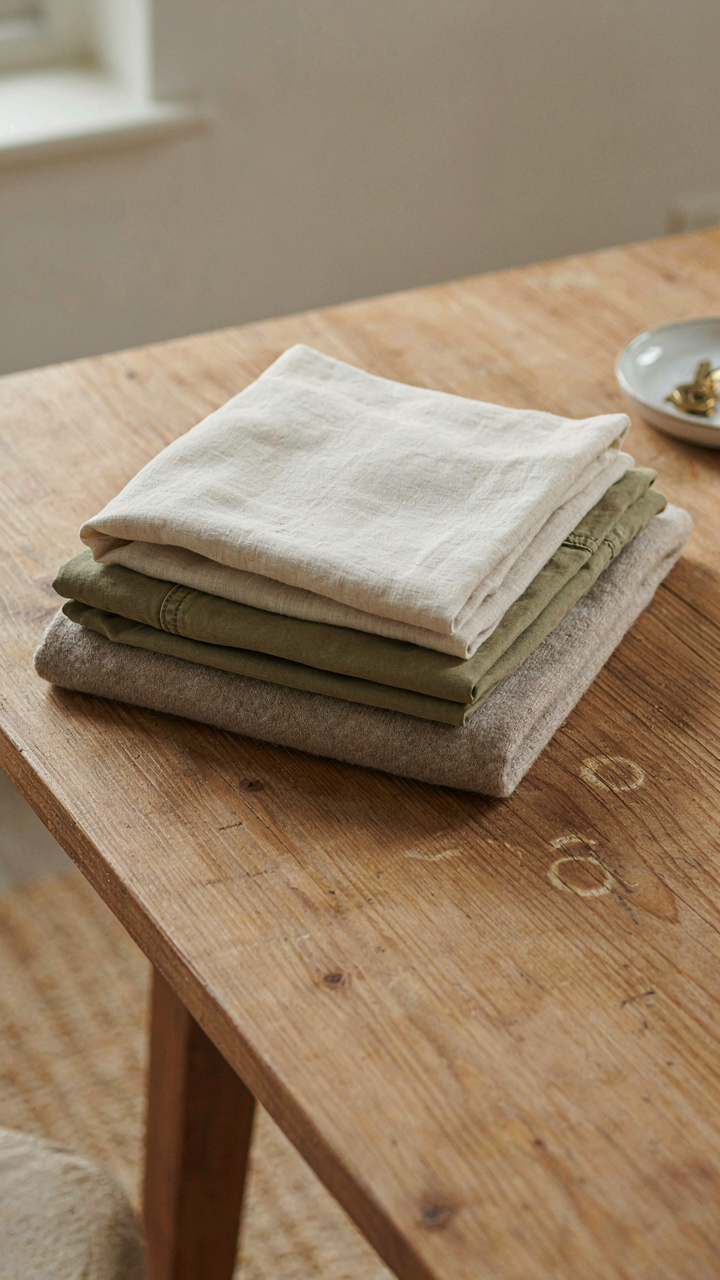
Build Outfits Around Repeating Anchors
You want to look effortless without thinking about it. The mechanism is simple: stop treating each day as a separate outfit puzzle. Santorini’s climate swings 15-20 degrees Fahrenheit between morning shade and afternoon sun, and your clothes need to account for that without requiring a new suitcase. The real move is building a modular system where three to four base pieces recombine across your entire trip. A lightweight linen shirt becomes a sun layer one hour and a dinner topper the next. Neutral colored pants or shorts work with everything. One structured layer handles cool evenings. You’re not being boring, you’re being efficient.

The math works like this: five base pieces create fifteen outfit combinations. Add texture variation instead of color variation. Cream linen with olive cotton create visual distinction without requiring twice the luggage. Most travelers pack double because they confuse novelty with versatility. The anchor approach means you’ll actually wear what you bring and stop mid-trip shopping for basics you already own at home. Your daily decision collapses to: which two pieces go over this base today. That’s the system.
Thermodynamic Properties Determine Real Wearability
Physics governs what actually works in Santorini’s environment, and specific heat capacity matters more than fabric brand names. Cotton absorbs moisture and holds it against your skin, making you feel colder when the wind hits. Linen disperses sweat quickly but wrinkles immediately, creating visual problems at dinner. Synthetic blends evaporate moisture fast and hold shape, but trap heat in direct sun. The real answer combines natural fiber for the inner layer touching your skin and synthetic or linen blend for the outer layer managing temperature swing. Weight matters because Santorini requires walking uphill through stone villages. Heavier textiles fatigue you faster and have no thermal advantage in warm climates.
Your protocol: wear a breathable base layer that wicks, add an insulating middle layer that’s lightweight and removable, then top with a wind-resistant outer layer. Linen-cotton blends at 55/45 ratio hit the sweet spot, offering moisture dispersal without wrinkle penalties. A thin merino wool sweater handles evening temperature drops without bulk. Bring this combination in two color options and rotate daily to manage laundry. The thermodynamics stay constant regardless of where you walk, so build around this principle rather than guessing based on the day’s activity.
Greece Outfit Palette: Beyond Stereotypes, Towards Strategic Blending
The Color Logic Of Heat And Visibility
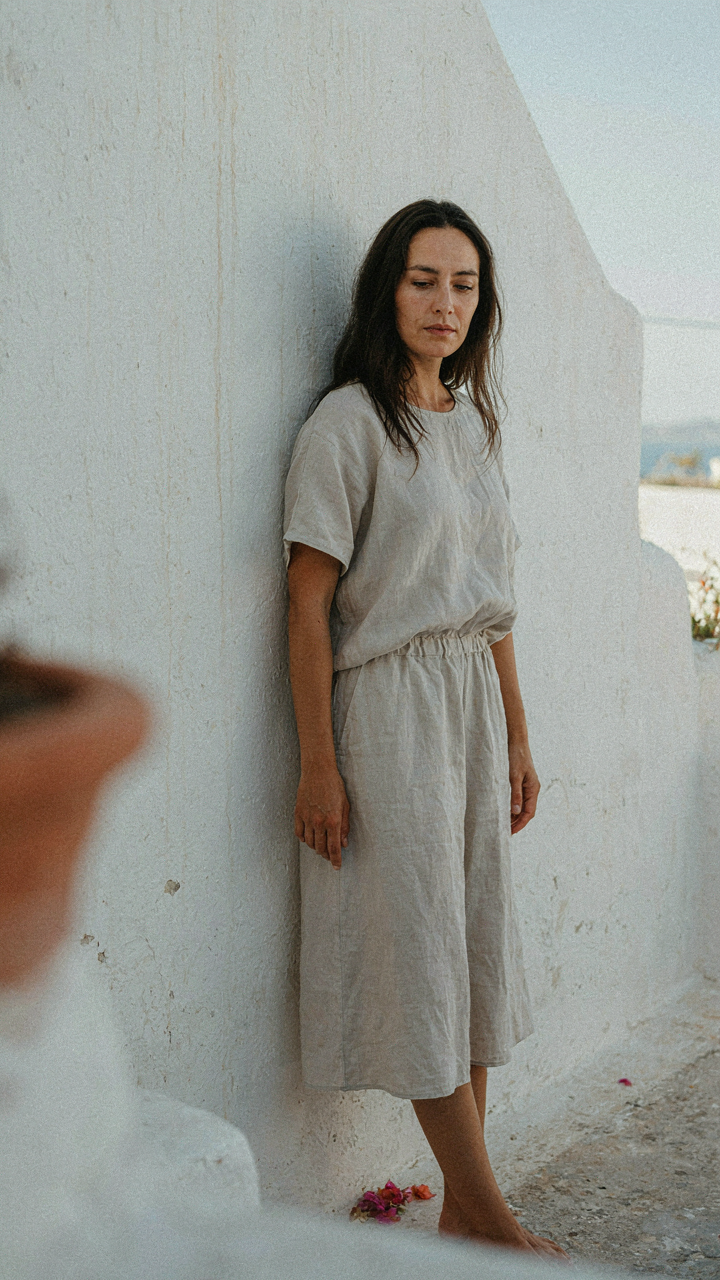
You care about this section because you’re afraid of looking like a tourist. But the real mechanism is thermodynamics: lighter colors reflect solar radiation, darker colors absorb it. In Santorini’s 90-plus-degree midday heat, this distinction moves from aesthetic to physiological. White, cream, and soft neutrals aren’t romantic choices—they’re heat management. Navy and black trap warmth against your skin and fade faster under UV exposure, which matters when you’re photographed against whitewashed buildings for eight hours.

The environment blending part works differently. Santorini’s palette is specific: bright white, deep blue, terra cotta, and volcanic black stone. Wearing cream, soft gray, or muted earth tones doesn’t fight these colors—it absorbs into them visually. You become part of the backdrop instead of a contrast object. This is why locals wear simple neutrals. They’re not making a style statement. They’re being optically efficient in their own landscape.
Fabrics That Survive The Friction
Wrinkles aren’t a cosmetic problem—they’re a time problem. Cotton wrinkles badly and dries slowly after sweat or sea spray, forcing you to choose between looking disheveled or spending vacation time managing appearance. Here’s what actually works:
- Linen blends (70% linen, 30% cotton or synthetic): Wrinkles more than pure synthetics but less than pure cotton, dries moderately fast, and breathes better than polyester alone.
- High-quality nylon or recycled polyester: Dries in two to three hours, resists wrinkles without stiffness, and handles salt water and chlorine without degradation.
- Tencel or modal blends: Synthetic cellulose that drapes like natural fiber, wicks moisture efficiently, and resists permanent creasing better than cotton.
- Rayon blends (with nylon for durability): Feels natural against skin, dries faster than pure rayon, and maintains structure through repeated washing and rewearing.
- Merino wool lightweight knits: Temperature-regulating, resists wrinkles naturally, handles sweat without odor, and works for layering at sunset dinners.
The mechanism is molecular: synthetic fibers and blends recover from compression faster than cellulose fibers because of their structural properties. Cotton’s cellulose chains reset slowly. Polyester and nylon chains snap back quickly. In a hot climate where you’re moving between sun exposure, air conditioning, and humid evening settings, fabric recovery speed determines whether you look maintained or neglected by hour six. Test fabrics by hand wringing: if water doesn’t bead up, the fabric has poor moisture recovery and will show wrinkles faster.
Santorini Outfit Ideas: Daytime Exploration, Not Photoshoot Props
Mobility Over Instagram Aesthetics
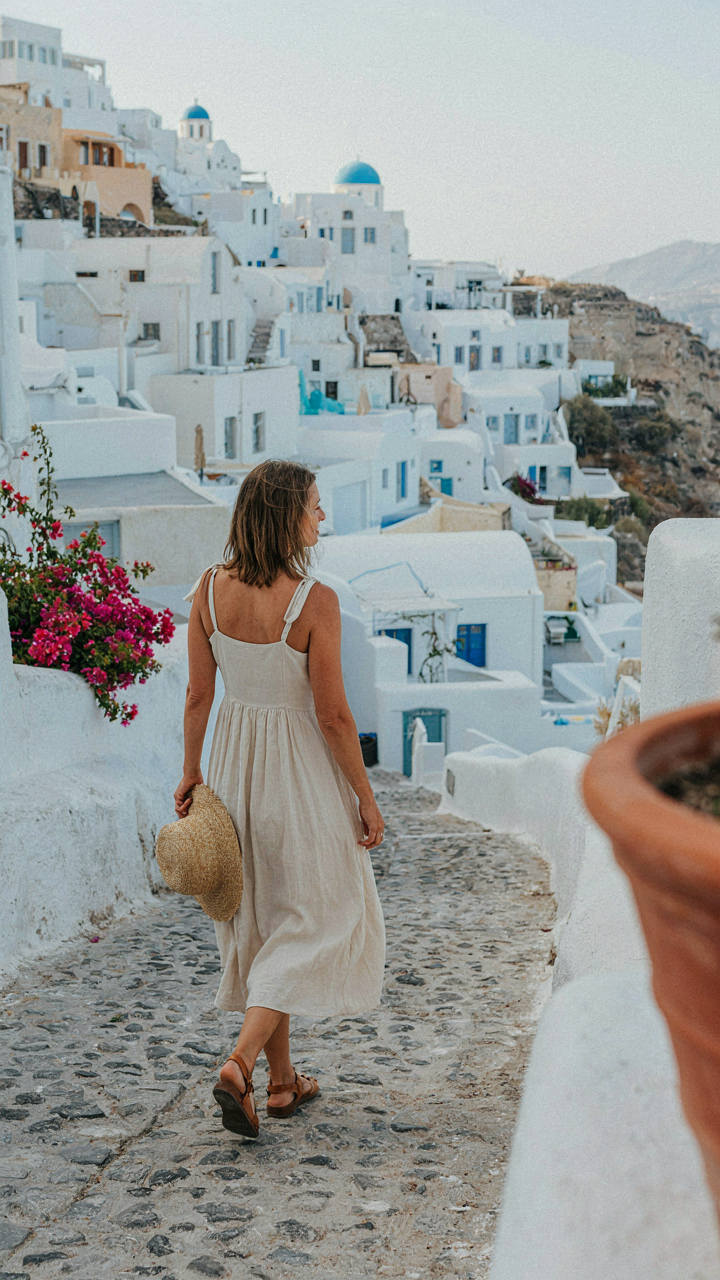
You want to look good in photos. That’s the real reason you’re reading this. Here’s the mechanism that matters: Santorini’s terrain dictates function first. The caldera villages sit on volcanic rock with uneven stone paths, steep stairs, and no flat ground. Loose, restrictive, or impractical clothing forces you to move slowly, grip railings, and stop constantly. You won’t enjoy the day. You’ll manage pain instead.

Wear structured linen pants or shorts that move with your legs, not against them. Pair them with a lightweight long-sleeve shirt in cotton or linen. The sleeves protect your arms from direct sun exposure without the weight of a jacket. Flat walking shoes with genuine grip matter more than style. Your outfit becomes invisible when it works. You notice it only when it fails.
The Tourist Costume Traps
Everyone says pack light and wear layers. That’s incomplete. The real problem is wearing pieces that telegraph you as a tourist immediately, which changes how locals interact with you and where you actually feel comfortable exploring. Matching athleisure sets, bright logo-heavy resort wear, and oversized floppy hats announce inexperience. Locals wear fitted, neutral pieces in earth tones and white.
Skip the athletic-branded everything, the neon cover-ups, and the rental mentality of “I’ll just throw it on.” Wear what locals wear: simple linen, structured cotton, muted colors. Avoid sandals without arch support that force you to grip with your toes on stairs. Avoid white pants unless you plan to stay on main terraces only. The mechanism is simple: dress like you belong, and you navigate the island differently. Locals offer directions. Shopkeepers engage. You access the real places.
Santorini Outfits Women: Evening Attire As Strategic Advantage
The Linen To Dinner Shift
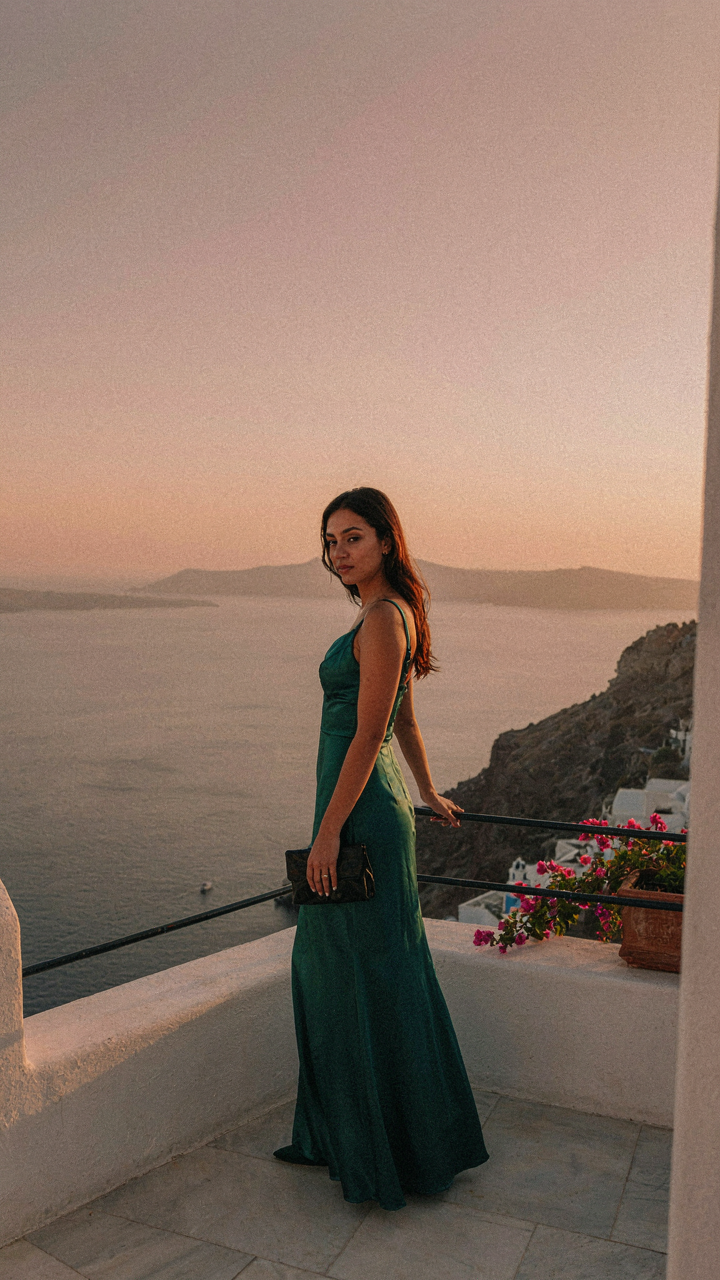
You’re worried people will think you’re trying too hard, or worse, that you’re obviously a tourist. Here’s the mechanism: Santorini’s evening dress code operates on fabric logic, not formality levels. Linen breathes in 90-degree heat and wrinkles intentionally. This wrinkle pattern reads as deliberate, not slovenly. Swap your daytime linen shirt for a fitted linen or cotton blend in white, cream, or soft gray. Add a lightweight scarf or shawl. The fabric transition signals you adapted to place and time without announcing it.

The real advantage is temperature management paired with perceived effort. Restaurants in Oia and Fira cool dramatically after sunset, but stone floors and sea wind create drafts that lightweight layers handle better than jackets. Wear slip-on sandals or flat leather shoes instead of sneakers. The shift takes ninety seconds and requires no second outfit. You move through evening venues looking settled rather than scrambling.
Dress Code Respect Without Performance
Greek islands operate on a social contract most guides never state: locals distinguish between tourists dressing down and visitors dressing for Instagram. The difference is coverage and fabric choice, not hemline length. Wear knee-length or midi dresses in natural fibers. Avoid cutouts, mesh panels, or anything requiring constant adjustment. Churches remain active spaces. Even casual evening walks through villages pass doorways where residents live. Respect operates through material choice and fit, not modesty theater.
Tank tops and sports bras at dinner signal you didn’t prepare. This matters less at beach clubs and more at family-run tavernas where owners eat alongside guests. Bring a structured cardigan or fitted blazer in linen or cotton. Closed-toe sandals or leather flats work for uneven cobblestone terrain and signal you chose function over casualness. Dress code respect in Santorini means showing you understand you’re a guest in someone’s home village, not performing restraint for approval.
Accessories: The Force Multipliers Of Your Santorini Wardrobe
Sun Protection Without The Tourist Look
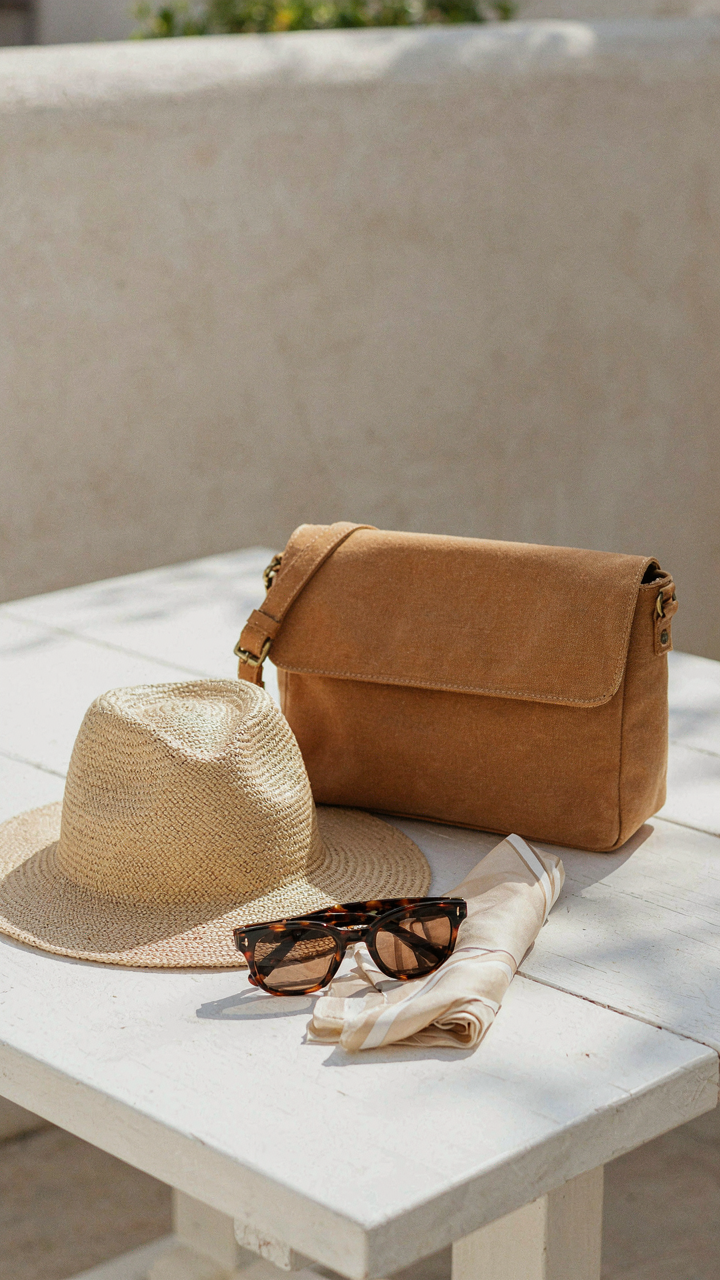
You want to protect your skin without signaling that you just landed from an airport. The mechanism is simple: UV exposure in Santorini sits at extreme levels due to reflection off whitewashed surfaces and water. A wide-brimmed hat isn’t vanity. It’s load-bearing infrastructure. Choose natural fibers like linen or straw in neutral tones. Avoid neon or branded logos.

Sunglasses do real work beyond aesthetics. Polarized lenses cut glare off the caldera and sea. A scarf serves triple duty: neck protection during peak sun hours, shoulder coverage for evening temples, and wind management on cliff paths. Silk or cotton blends pack small and dry fast if you get caught near water. The goal is function that looks deliberate, not desperate.
Bags That Don’t Betray Your Pace
A crossbody bag wins because your hands stay free while you navigate narrow streets and uneven stone paths. The real constraint isn’t style. It’s capacity and weight distribution. You’ll carry water, a phone, sunscreen, and layers throughout the day. A bag that sits off-center creates fatigue by evening.
Look for structured bags with interior pockets to organize items without digging. Water-resistant material matters because humidity and sea spray are constant. Size should fit a tablet but not tempt you to overpack. The strap needs padding. Leather or treated canvas ages visibly and handles the salt-air environment better than synthetic fabrics. Test the weight empty before committing.
The Minimalist’s Santorini Summer Outfits: Less Really Is More
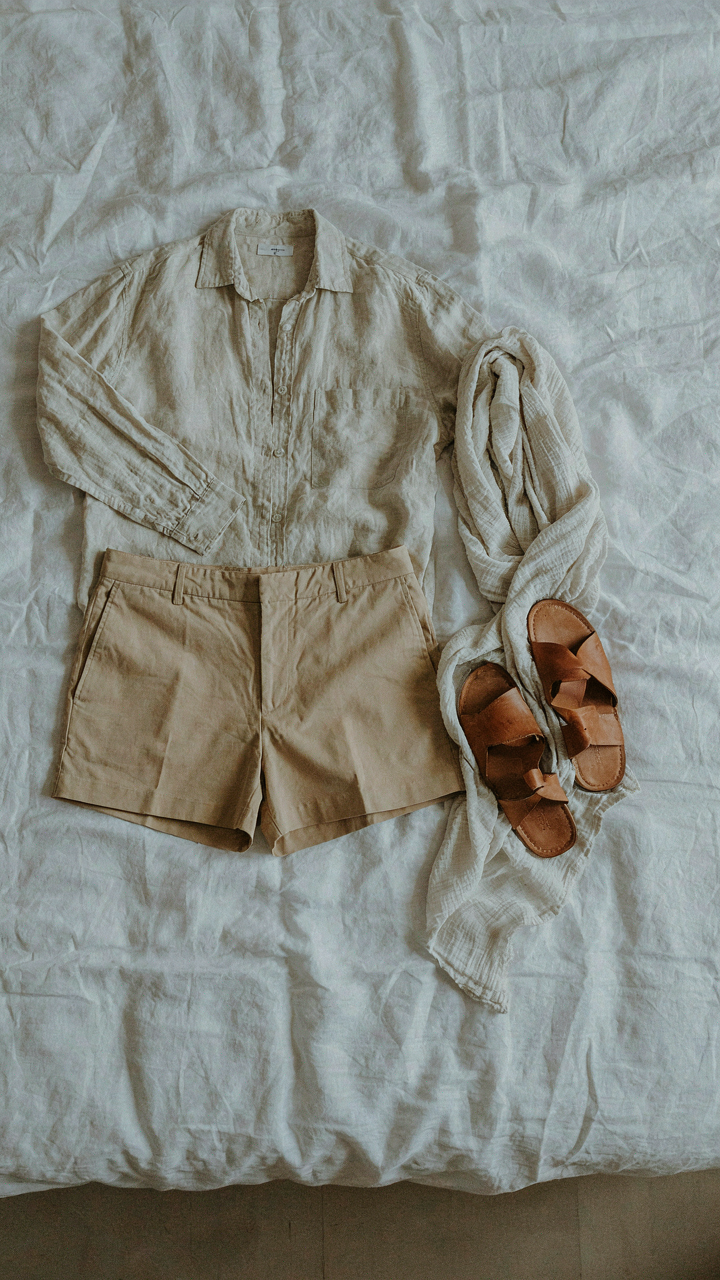
Build A Rotation Around Three Core Pieces
You’re worried that fewer clothes means looking repetitive. That’s backwards. The mechanism is constraint. In economics, scarcity forces efficiency. With only three anchor pieces, you stop making random decisions and start building actual combinations. A neutral linen shirt, tailored shorts, and a lightweight wrap become your production system. Everything else supports those three. You wear them differently each day by swapping accessories and layers, not by bringing twelve similar items.

This approach works because Santorini’s heat and brightness erase the need for variety. The island’s white buildings and blue water flatten visual contrast. Your clothes don’t need to compete. A cream linen shirt reads fresh on day one, different on day three when paired with a different bottom, and distinct again on day six under the wrap. You’re not repeating outfits. You’re revealing new angles from the same core.
Travel With Half Your Estimated Weight
The real cost of overpacking isn’t luggage fees. It’s decision friction. You move slower, sweat more, and abandon pieces you never touch. Santorini demands mobility. You walk cobblestones, climb stairs, move between dinner spots. Each extra kilogram is friction you pay for hourly. Start by listing what you’ll actually wear in a week, then remove thirty percent. You won’t miss it.
Pack items that serve dual purposes. A linen shirt works for daytime walks and dinner. Lightweight pants transition from day to evening with a belt change. One sweater handles cool nights and air conditioning indoors. Neutral colors stack on top of each other without clashing. When everything works in combination, weight drops and utility climbs.
The Real Obstacle Isn’t Your Wardrobe; It’s Your Belief That Santorini Demands A Performance
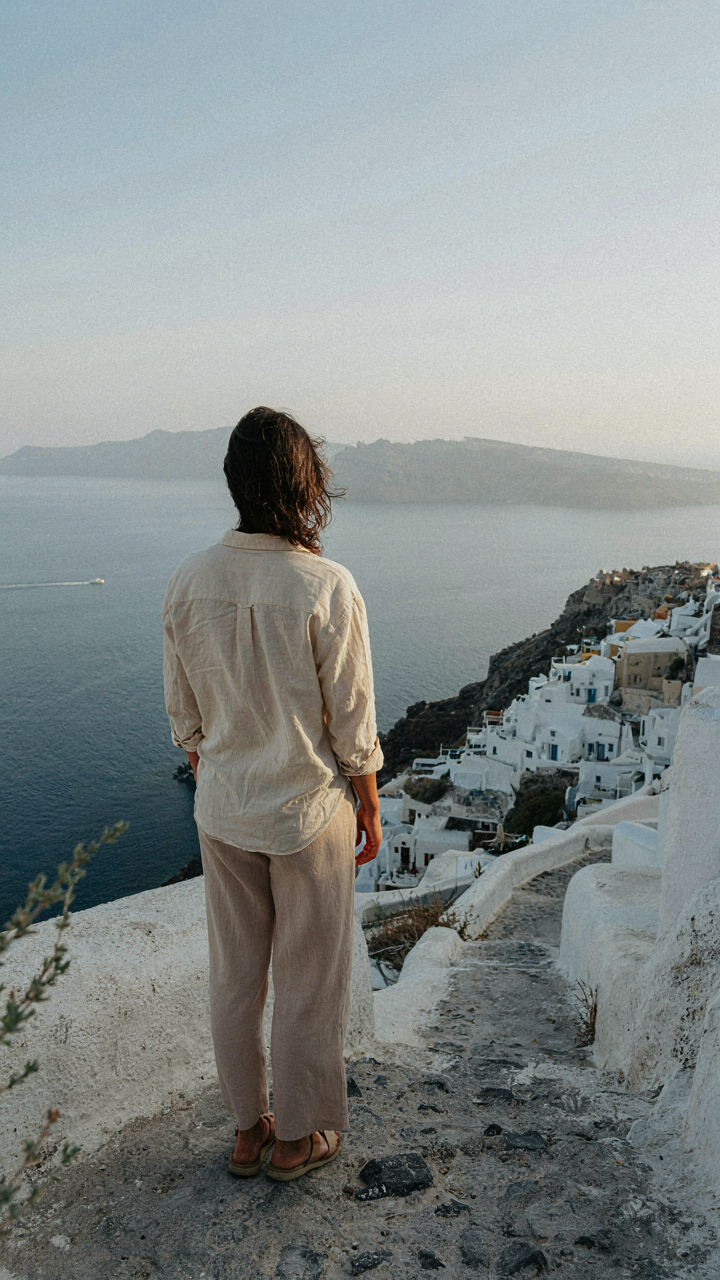
You don’t need permission to wear what makes sense. Santorini doesn’t care about your Instagram aesthetic. Locals wear practical clothes. Tourists wear costumes. The gap between them is just confidence. Pick one outfit that works for heat and stairs, wear it repeatedly, and stop treating an island trip like a character audition. Your comfort is more interesting than your costume.