

The Intentional Silhouette: Beyond Just “Sharp Lines”
What You Actually Want People To See
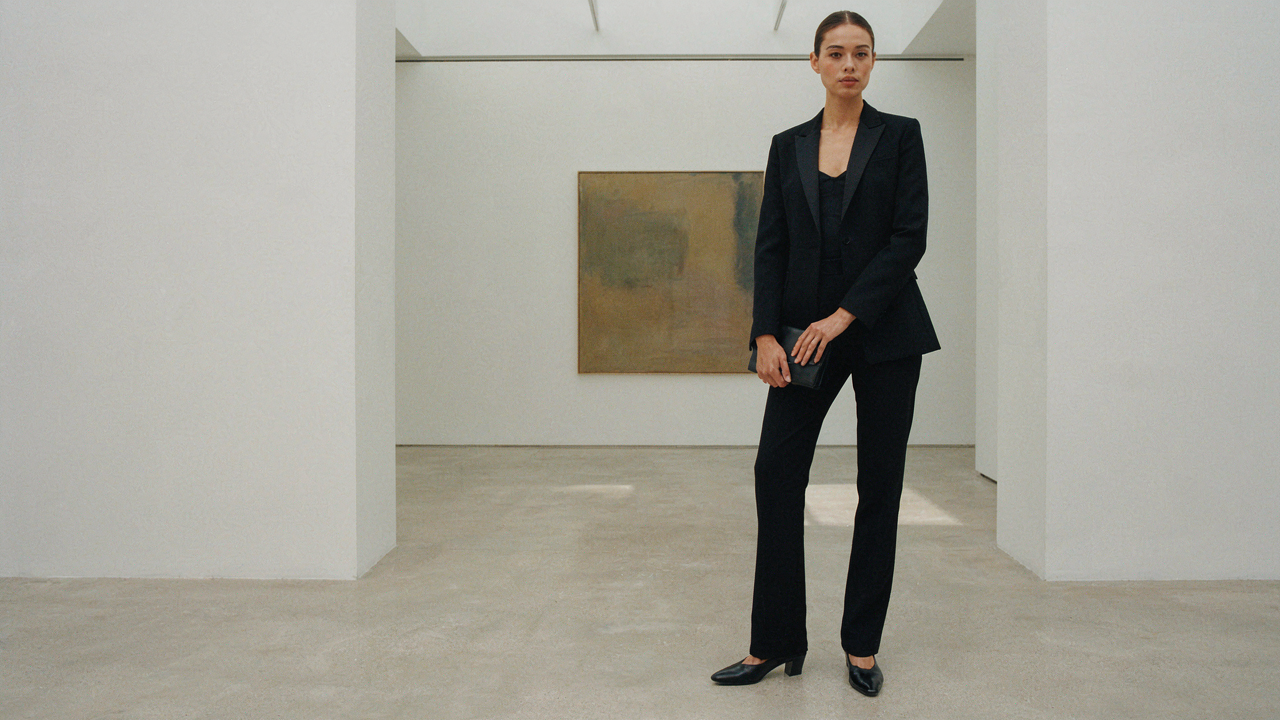
You want people to know you understand proportion and control. The truth is simpler than trend blogs make it: a dramatic classic cocktail outfit works because it creates visual hierarchy. Your body becomes a frame, not decoration. The silhouette does the work before the fabric, color, or accessories enter the room. Most advice stops at “wear structured pieces,” which is lazy. Structure without intention reads as costume, not presence.
Think of architecture’s concept of negative space: how absence shapes form as much as substance does. Your outfit’s negative space—the void between your body and the garment—controls how people perceive your actual shape and bearing. A fitted jacket with high armholes creates clean vertical lines. An oversized coat with tapered legs inverts the principle. The dramatic effect isn’t the individual pieces. It’s the deliberate contrast between expansion and compression, between where fabric clings and where it breaks away.
The Fabric That Holds Its Own
Everyone says to choose structured fabrics. They’re wrong about why it matters. Fabric weight isn’t about looking expensive or formal. It’s about physics: heavy fabric resists movement and holds geometric shape without your body doing the work. Light silk drapes around you. Heavy wool stands away from you. One demands constant correction; one demands nothing. A dramatic silhouette requires fabric that maintains its form through a room, through conversation, through sitting and standing without collapsing into your actual body.
Wool blends, cotton twills, and structured synthetics hold crisp edges because they have enough mass to preserve geometry. Linen works when tightly woven. Thin cottons and jersey materials fail because they follow your body instead of establishing their own presence. The mechanism is direct: choose fabrics that weigh at least 8 ounces per yard for suiting elements, and prioritize tight weaves over loose ones. This single decision—fabric weight before fit—determines whether your outfit maintains its dramatic intention or melts into formlessness by 10 PM.
Color As Command: The Power Palette Protocol
Monochrome Depth And The Contrast Principle
You want color to do the work so you don’t have to think about coordination. Here’s the mechanism: monochrome outfits work because they compress visual noise into a single spectrum, forcing all attention onto silhouette, fabric, and fit instead. Borrowing from physics, think of this as wavelength restriction—you’re narrowing the light frequencies your outfit emits, which paradoxically makes it more commanding, not less. Black, charcoal, and deep navy demand presence because they eliminate the distraction of competing hues.

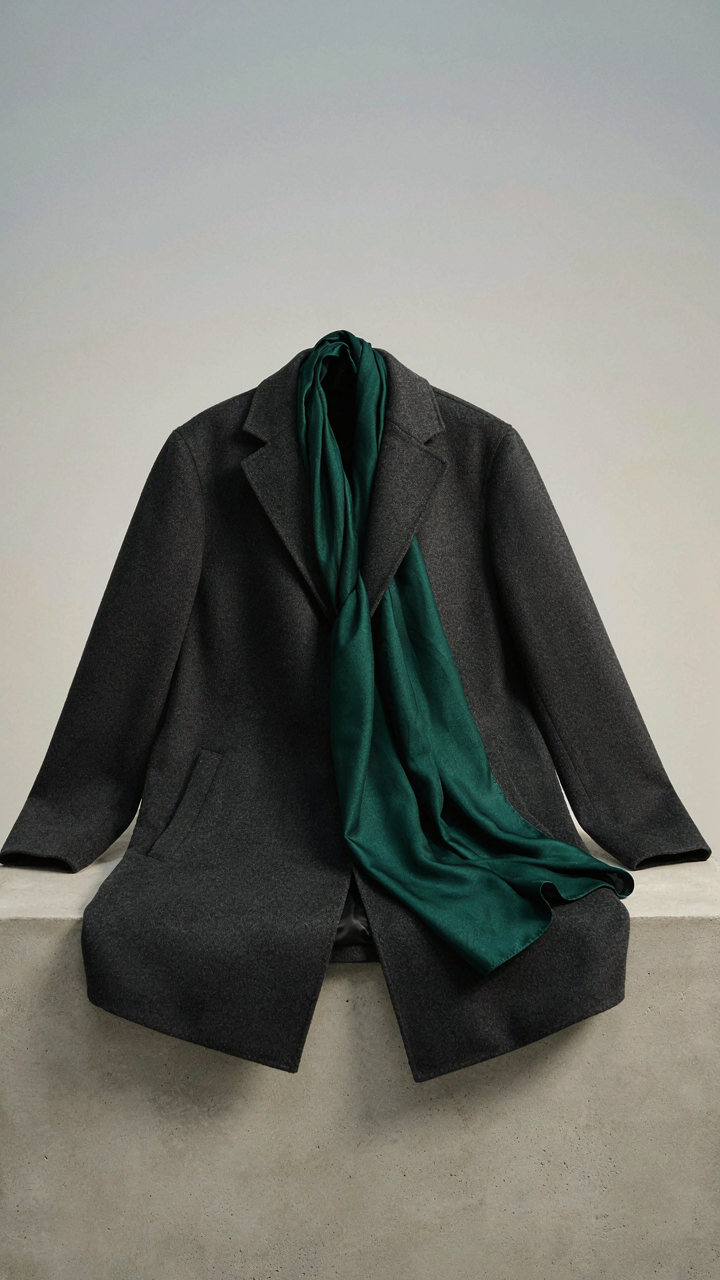
Deep jewel tones operate differently than black. Emerald, sapphire, and burgundy create depth through saturation rather than darkness. They absorb light selectively, which gives fabric dimension without relying on pattern or texture alone. A monochrome outfit in one deep tone reads as intentional and controlled. It signals you made a decision and executed it. Layering within that single hue—matte against satin, structured against fluid—creates visual interest that color variation would actually undermine.
Breaking Pattern Without Losing Authority
The common advice is to add one accent color. That’s incomplete. The real move is understanding when a second color becomes a focal point versus a distraction. A dramatic classic cocktail outfit breaks pattern only when the break serves structural purpose—a gold belt cinching a black dress, a white shirt under a charcoal jacket, a contrasting shoe in a tonal ensemble. These aren’t accents. They’re anchors. They give the eye a place to land and a reason to land there.
The moment your second color matches the visual weight of your first, you’ve split authority. Your outfit becomes democratic instead of hierarchical. A single deep hue with strategic metallics or neutrals maintains command because metal and monochrome don’t compete for dominance—they collaborate. Restrict your palette breaks to one element per outfit. That single point of contrast becomes the statement, not background noise.
Texture: The Unspoken Language Of Authority
Contrast Creates Visual Hierarchy
You want people to know you belong in that room. Texture does the work that color alone cannot. In design systems, contrast is measured by the difference between two elements—the sharper the separation, the more the eye registers authority. A dramatic classic cocktail outfit uses textile opposition to build visual weight without screaming.

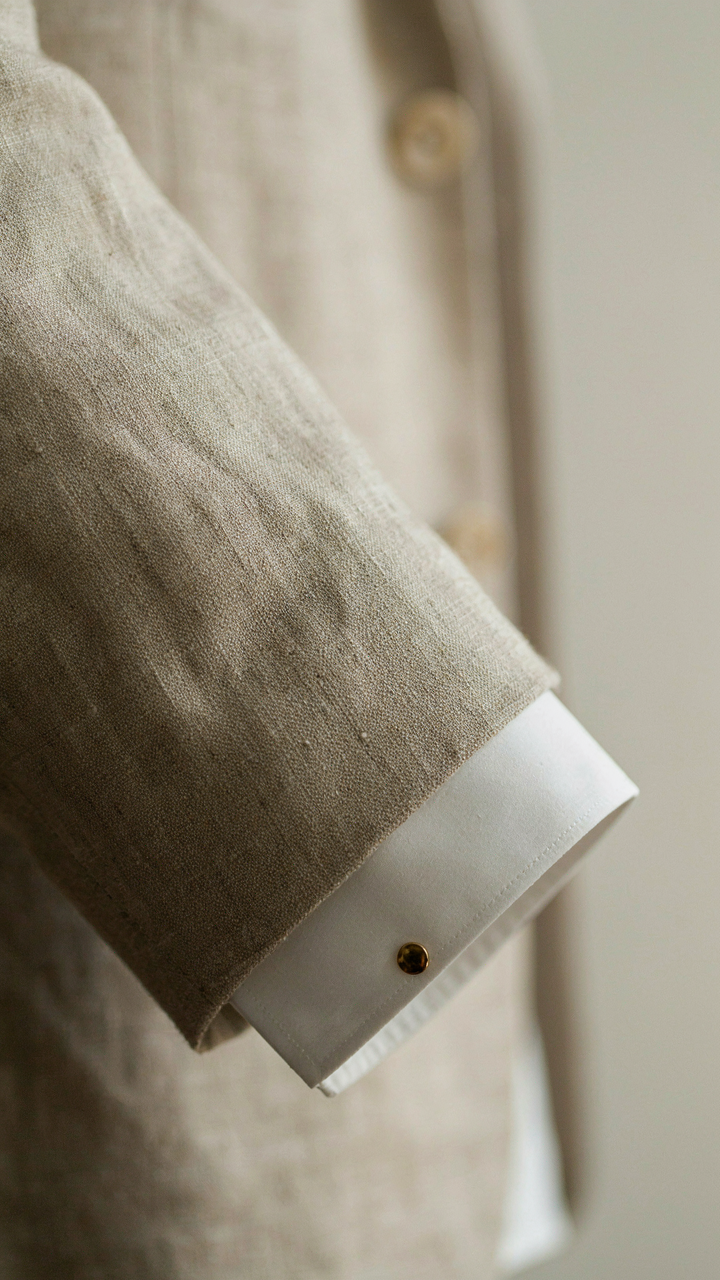
Silk against wool. Matte against shine. Smooth against structured. These pairings don’t soften an outfit—they sharpen it. When you pair a raw linen blazer with a polished silk shirt, you’re not creating visual interest. You’re creating a hierarchy that forces the viewer’s eye to land where you’ve positioned power. The contrast tells a story about intentionality.
Material Choice Signals Competence
People read fabric like they read a handshake. The wrong material undermines everything else in your outfit, no matter how sharp the cut. Polyester blends signal compromise. Natural fibers—wool, silk, linen, cotton—signal someone who decided this mattered enough to invest. A dramatic classic cocktail outfit doesn’t tolerate shortcuts in material.
Wool holds structure and ages with character. Silk catches light and demands presence. Linen wrinkles intentionally, signaling confidence rather than carelessness. The material you choose becomes the tactile proof of your standards. When someone notices your outfit works, they’re noticing the material first, even if they can’t name it. Select one fabric as your statement piece—the one that will be touched or examined—and ensure it’s genuine.
Accessorizing As Amplification: Not Adornment
Where Your Eye Lands First
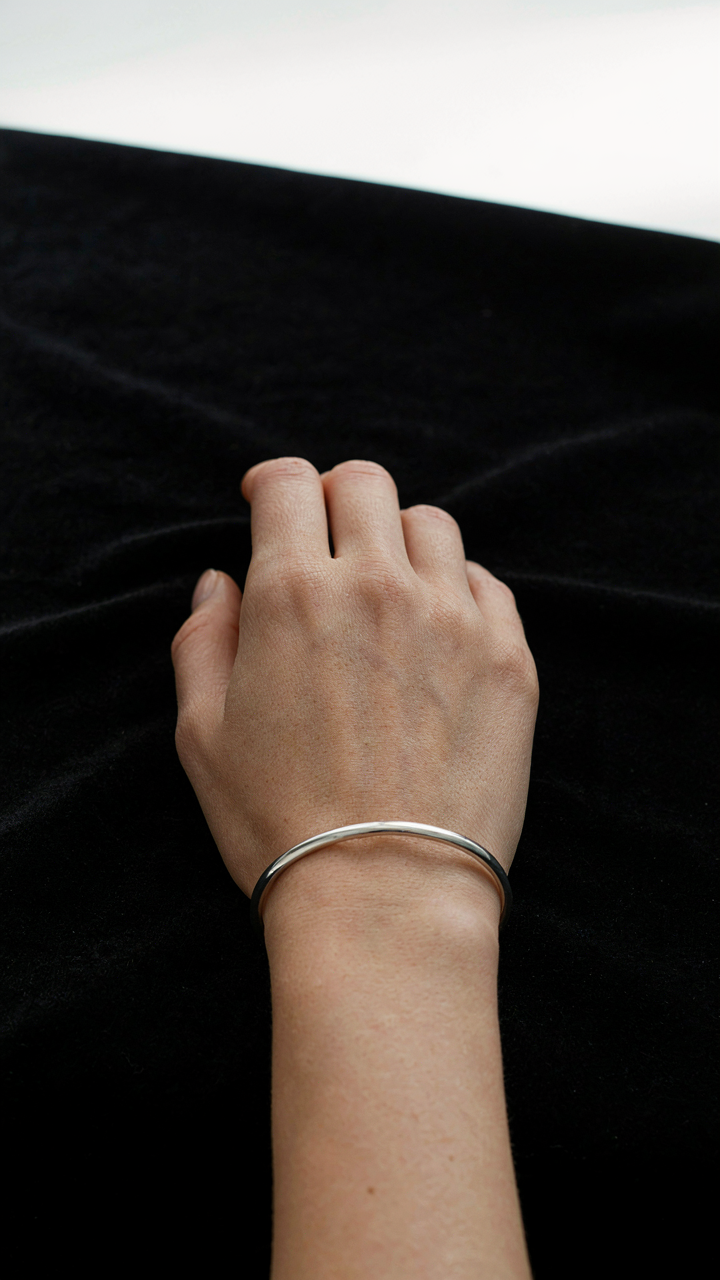
You want permission to buy more stuff. That’s the real tension here. But accessories in a dramatic classic cocktail outfit don’t work like decoration. They work like a spotlight. In design, we call this contrast hierarchy. One accent piece positioned correctly kills ten mediocre ones scattered everywhere. Your statement jewelry, your watch, your clutch—each one either commands attention or competes for it. The mechanism is simple: contrast requires isolation. When everything screams, nothing speaks.

Place your focal point where the eye naturally lands after it registers your silhouette. For most dramatic classic cocktail outfits, that’s the neckline or the wrist. A structured cocktail ring on a bare hand reads louder than the same ring buried under a bracelet stack. A pendant on clean skin versus a pendant fighting with a choker for real estate. Strategic placement means choosing one zone per outfit and leaving the rest intentionally quiet. This isn’t about having fewer accessories. It’s about making the ones you choose actually function.
The Restraint Myth, Dismantled
“Less is more” is what people say when they don’t understand proportion and balance. The real rule is: fewer competing focal points. You can absolutely wear multiple accessories in a dramatic classic cocktail outfit. What you cannot do is make them all demand equal attention. A bold statement necklace paired with delicate drop earrings works because they occupy different visual weight classes. A thick cuff bracelet with a cocktail ring on the same hand fights for dominance and both lose.
The mechanism here is bandwidth. Your viewer’s attention has limits. A dramatic outfit already commands visual real estate through silhouette, color, or texture. Your accessories either extend that drama through rhythm and scale or they fracture it through noise. Pair a dramatic clutch with proportionally confident jewelry. Skip the busy earrings if your necklace is doing the work. One strong piece per category, strategically layered across different areas of your body, will always outperform scattered attempts at maximum impact.
The Winter Fashion Outfits Calculation: Climate As A Design Constraint
Insulation Layers As Architectural Elements
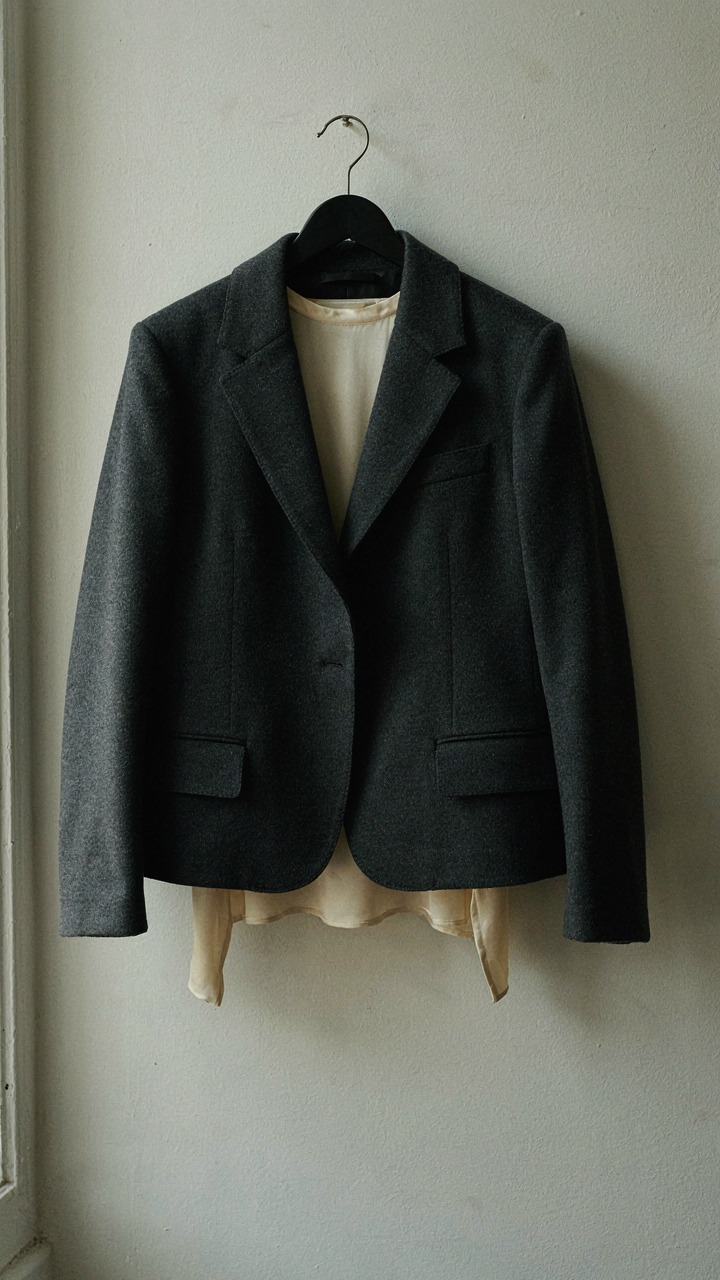
You care about this section because you don’t want to look cold or frumpy when temperature drops, and the real mechanic is that layering isn’t decoration—it’s structural engineering applied to clothing. Think in terms of load-bearing systems. A dramatic classic cocktail outfit requires the same architectural principle: each layer must carry visual weight without adding bulk. The outer shell communicates style. The middle layers do the work. The base layer disappears entirely.

Tailored blazers and structured jackets function as your primary insulating architecture. A wool or wool-blend evening jacket in black, charcoal, or deep navy creates clean lines while trapping warmth. The fabric weight matters tactically—aim for 10 to 14 ounces minimum. Pair this with a fitted long-sleeve top underneath, typically silk, wool crepe, or high-quality cotton blend. The silhouette stays sharp because you’re not stacking formless pieces; you’re nesting precision-cut garments inside each other.
Fabric Performance And Cold Weather Elegance
The common advice here is just “wear cashmere and silk.” That’s incomplete. What actually matters is fiber behavior under cold stress and how fabric construction maintains visual definition when you’re layered. Wool holds its structure in cold climates. Silk moves without bunching under jackets. Cashmere traps heat but demands care—reserve it for pieces worn over other layers, not underneath where friction kills its finish.
Choose fabrics with tight weaves and substantial hand feel. Crepe, ponte, and structured knits maintain silhouette definition even when layered beneath tailored pieces. Avoid loose or stretchy materials that collapse under pressure from an outer jacket. The final check: when you move your arm forward, no fabric should bunch at the elbow or shoulder seam. Test each combination standing and sitting before committing to the outfit.
Corporate Outfits Redefined: Power In The PM
From Office Uniform To Evening Authority
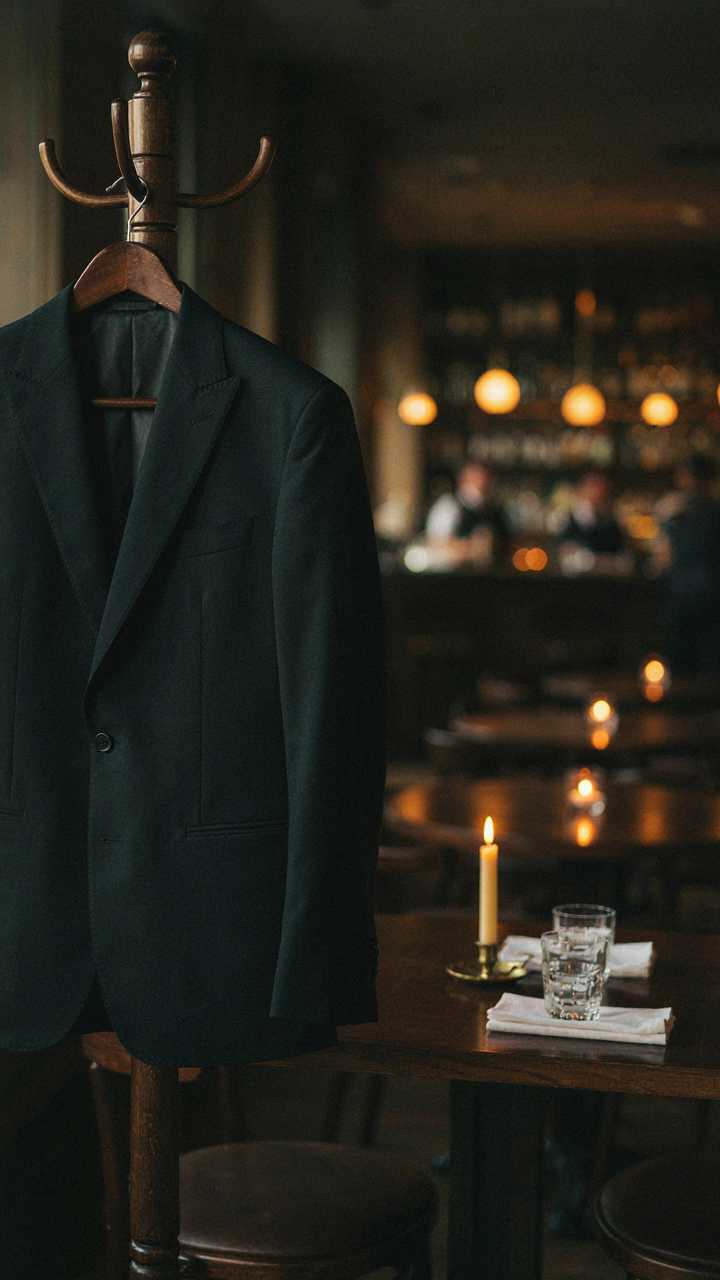
You want permission to leave the office looking the same way you arrived, because changing feels like admitting the daytime version wasn’t enough. The mechanism is contrast. A dramatic classic cocktail outfit doesn’t add complexity to your day uniform—it replaces the restraint. The shift works through silhouette tension: structured blazers become sculptural. Neutral palettes pivot to jewel tones or black. Fabric weight increases. These aren’t additions. They’re inversions that signal a mental state change to everyone observing you.

The difference between corporate transit wear and evening drama lives in one variable: intention visibility. A charcoal suit photographed under fluorescent lights communicates compliance. The same silhouette under low amber lighting, tightened at the waist, paired with clean lines and intentional drape, communicates command. The outfit physics remain identical. The perception engineering shifts entirely. You’re not dressing differently. You’re dressing with deliberate construction instead of default selection.
Precision Tailoring As Structural Advantage
Tailoring isn’t refinement language—it’s a precision tool borrowed from engineering: tolerance. In manufacturing, tolerance is how tightly a part must fit to function under pressure. Clothes work the same way. Most people misunderstand tailoring as “making things smaller.” That’s incomplete thinking. Strategic tailoring adjusts the functional tolerance of a garment so it performs under social observation.
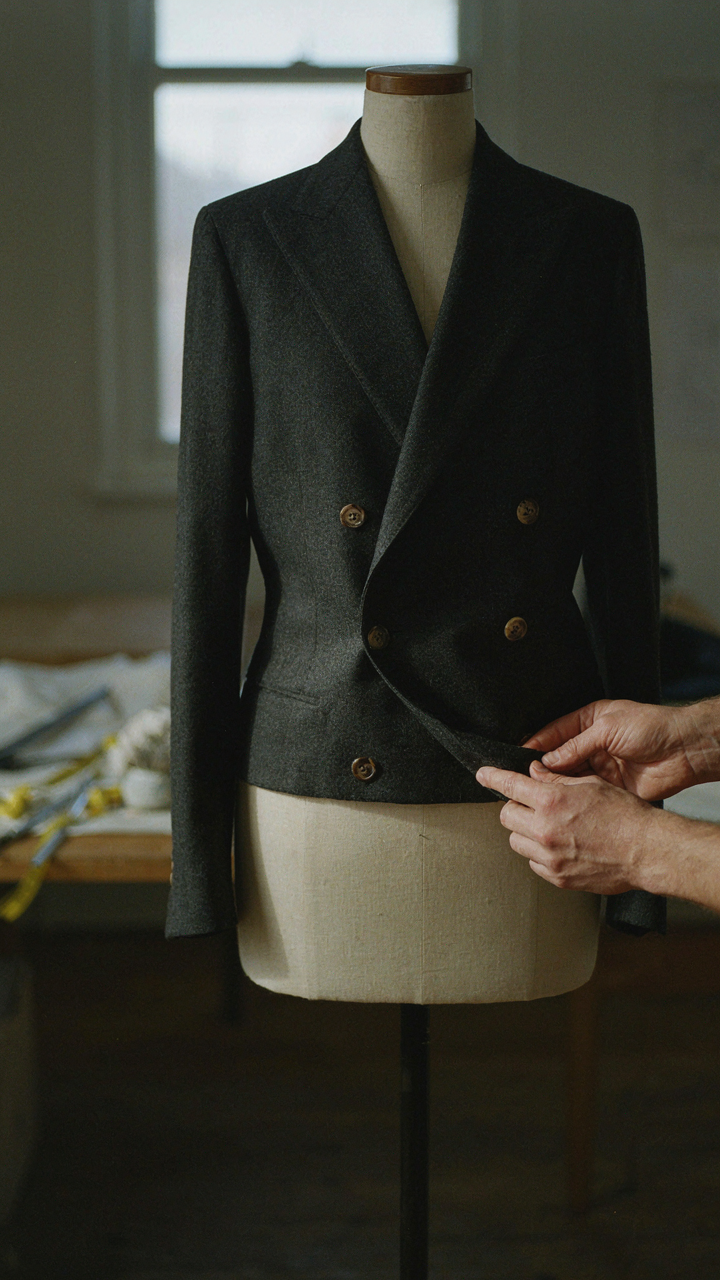
A dramatic classic cocktail outfit demands three specific tailoring adjustments. First: waist suppression. The jacket or blazer must taper at the torso, creating vertical line emphasis. This isn’t aesthetic—it’s visual authority. Second: sleeve length precision. Your cuff should break at your wrist bone, never past it. Excess fabric reads as borrowed or careless. Third: shoulder seam alignment. The seam sits exactly where your shoulder ends. This single measurement determines whether a piece commands space or apologizes for occupying it. Book these adjustments before the first wear.
The “Looks Chic” Deception: True Elegance Is Engineered
Outfit As Load Bearing Structure
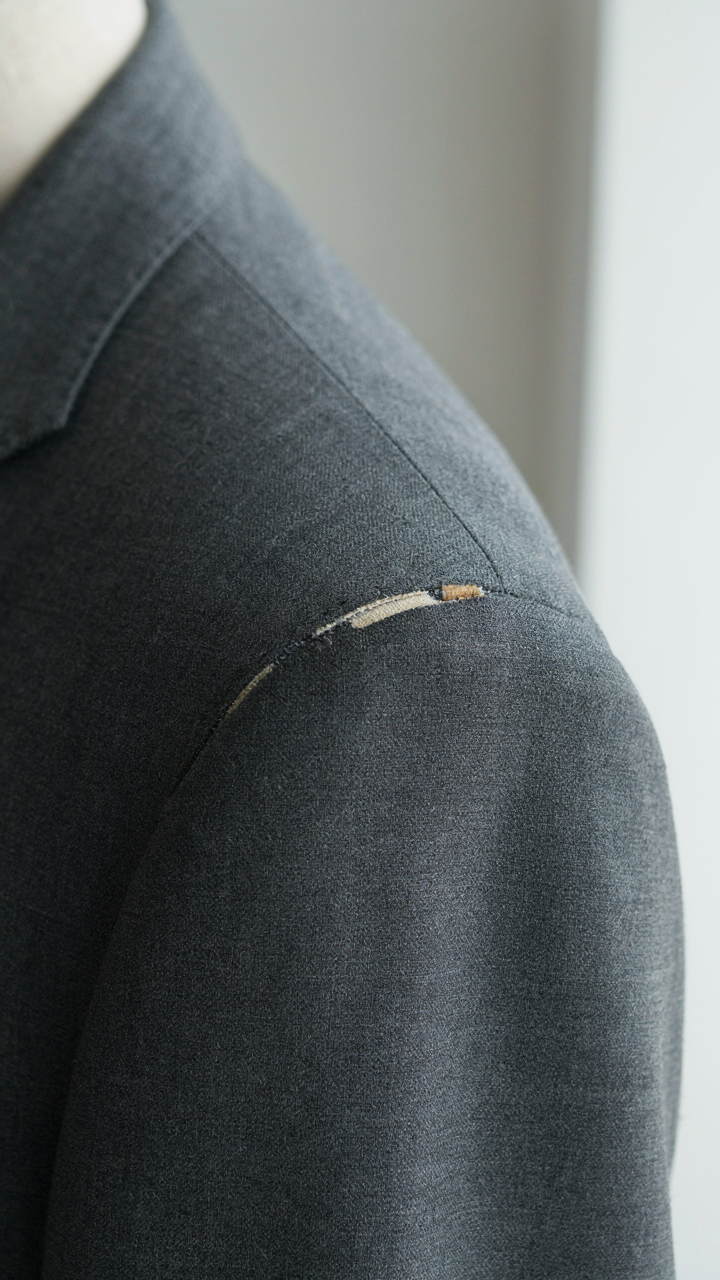
You care about this section because you want permission to stop guessing. You want to know what actually works instead of hoping you’ll look refined. Here’s the mechanism: treat your dramatic classic cocktail outfit the way a structural engineer treats a building. Load-bearing walls don’t exist to look good—they exist to distribute weight so nothing collapses. Your outfit’s architecture works the same way. Sharp lines aren’t decorative. They’re load paths.

A tailored jacket with clean shoulders and a fitted waist creates actual visual stability. The structured fabric holds its shape because it’s engineered to, not because you’re “wearing it well.” High-waisted trousers or a pencil skirt don’t flatter through magic—they establish a visual center of gravity that makes your silhouette read as controlled and intentional. Every seam, every dart, every internal interfacing is a structural decision. When you choose pieces built this way, you’re not accessorizing elegance. You’re assembling a framework that does the work for you.
The Mechanics Of Stillness
Poise isn’t a feeling or a posture hack you perform. It’s the visible result of wearing clothes that don’t require constant adjustment. Most people mistake elegance for effort. They think refinement means holding yourself tight or moving carefully. Wrong. True elegance is what happens when your clothes don’t betray you mid-conversation. A well-constructed dramatic classic cocktail outfit doesn’t shift, gap, or ride up because its internal geometry is locked in.
The specifics: quality shoulder construction prevents sleeve migration. Proper waistband height and width keep the front of your garment from rolling or hiking. Structured necklines sit flush without gaping. When these mechanics work, you stop thinking about your outfit. Your attention goes where it should—to the room, the conversation, the person across from you. This is the threshold between looking put together and actually being composed. Your clothes become invisible because they function.
Error State Protocol: Recovering From Style Misfires
When Sharp Lines Go Flat
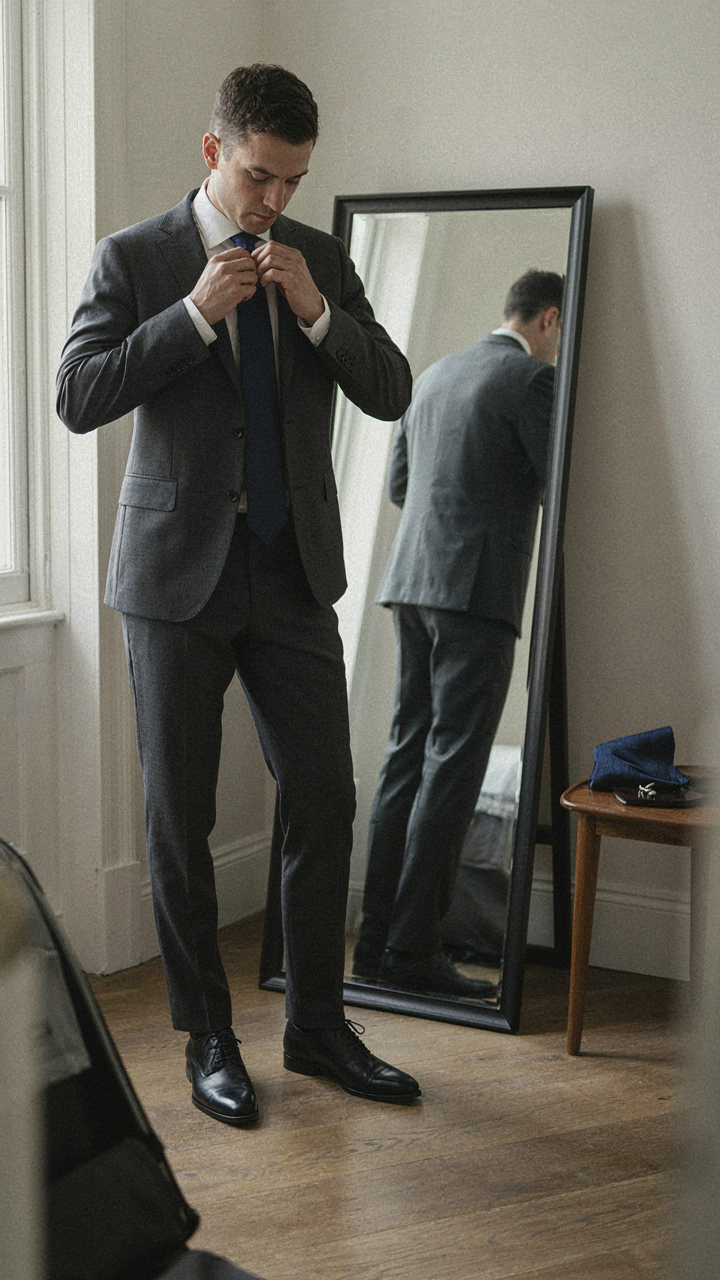
You’re worried you’ve already blown it. That’s the real reason you’re reading this section. Here’s the mechanism: a dramatic classic cocktail outfit fails not because of what you wore, but because the tension between structure and proportion collapsed. Think of it like tension in architecture—the drama lives in the contrast, not the individual elements. When contrast disappears, so does the impact.

Most people blame individual pieces. They don’t. A poorly fitted tuxedo jacket reads as sloppy. A monochromatic color story with zero texture variation reads as boring. An oversized silhouette paired with delicate jewelry reads as confused. The failure isn’t the tux, the color, or the proportion alone—it’s the absence of intentional opposition. You need at least one element pushing against another to register as deliberate rather than accidental.
The Specific Breakdown Points
- Silhouette Flatness: Tailored pieces with zero intentional volume or cropping create visual static. A well-cut jacket needs either a fitted waist or structured shoulders—something that reads as sharp, not generic.
- Color Collapse: Multiple dark neutrals without surface variation read as one block of nothing. Matte fabrics against matte fabrics disappear into themselves at cocktail distances.
- Texture Absence: Formal pieces in identical finishes feel incomplete and anonymous. A glossy shoe, matte suiting, and raw silk pocket square create the necessary visual rhythm.
- Proportion Confusion: Fitted top with fitted bottom erases silhouette entirely. One statement piece needs breathing room or weight to anchor the outfit’s architecture.
- Accessory Diminishment: Delicate jewelry on oversized frames and vice versa sends contradictory signals. The accessory scale must either complement or deliberately clash with body and garment proportions.
The fix isn’t adding more. It’s identifying which opposing force went missing, then reintroducing it. A matte charcoal suit reads lifeless until you add a glossy silk lapel or patent leather shoe. An oversized silhouette reads costumey until you counterbalance it with structured, minimal jewelry.
Fast Corrections That Actually Work
You have three tactical moves available before you leave the space. First, adjust a single texture. Swap a matte pocket square for silk or leather. Trade a fabric for a finish that catches light differently. This rewires the entire outfit’s visual hierarchy without changing the structure. Second, shift one proportion. Roll your sleeves, unbutton a layer, tighten a belt. These moves are invisible to most but register as intentional control to anyone paying attention. Third, introduce one contrasting element you didn’t wear initially. A tie with sheen, a watch with steel, shoes with texture. One addition solves most collapse problems because it reestablishes the tension that made the outfit work in theory.
The protocol is diagnostic first: scan the outfit in the nearest reflective surface and name what’s missing. Not what looks off generally, but the specific opposing force. Then execute one correction. Don’t layer fixes on top of confusion. One sharp move restores credibility faster than reworking the entire composition.
Dinner Outfits Vs. Statement: When To Scale Up
Entrance Versus Sustained Presence
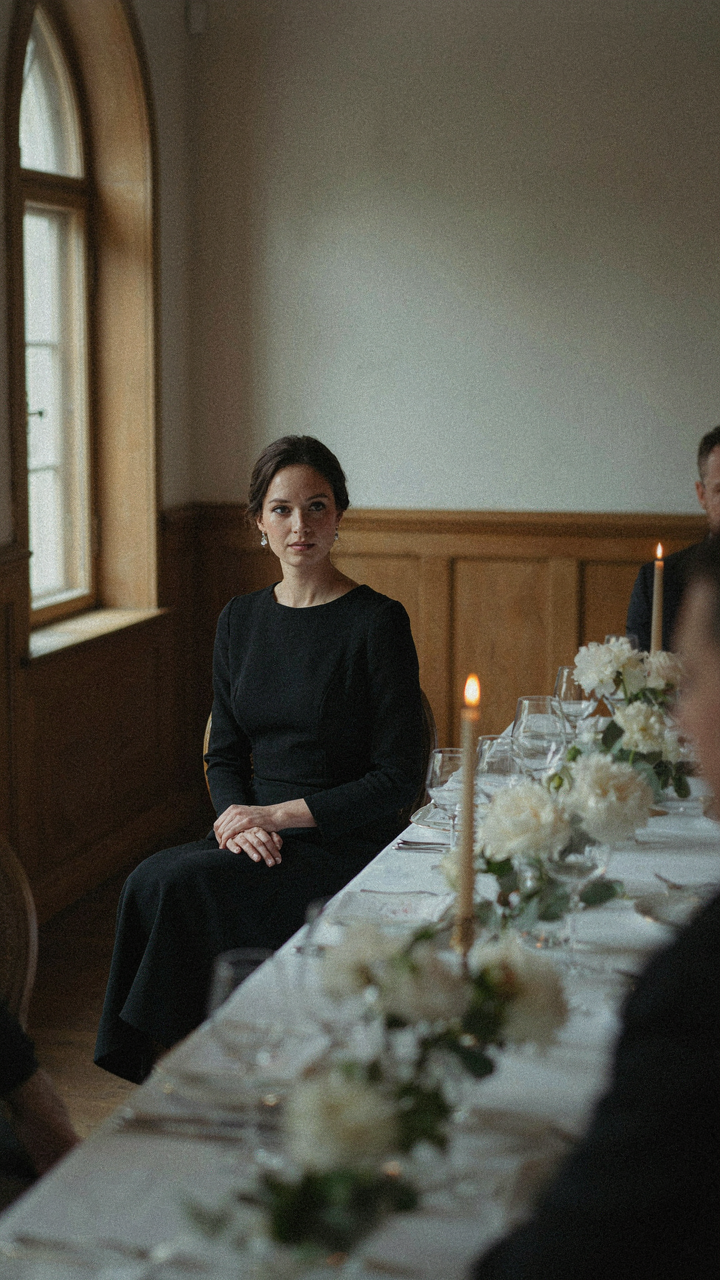
You want to know when to go all-in because you’re afraid of overdressing and looking desperate. Here’s the mechanism: entrance and presence operate on different timelines. An entrance is a spike. Presence is what sustains after the spike fades. A dramatic classic cocktail outfit banks on angular tailoring, controlled color, and precision—this works for both, but you deploy them differently. Entrance demands contrast with the room. Presence demands that you own the choice so completely that others stop measuring it.

The gap between these two isn’t about intensity—it’s about recovery time. An outfit built for entrance peaks fast and relies on the novelty shock to land. A presence-driven outfit sustains because every element works harder individually. Sharp lapels still read sharp at hour three. A monochromatic palette holds authority when you’re seated. The mistake most people make is confusing “dramatic” with “loud.” Loud fades. Dramatic with precision stays.
Reading The Room Before You Dress
Different social contexts reward different calibrations of the same silhouette. A formal charity gala rewards maximum contrast—think black peak lapels on crisp white, structured lines you could cut glass on. A rooftop cocktail hour with creative professionals rewards the same tailoring vocabulary but toned down to charcoal on ivory, less jewelry, accessible confidence. A private dinner party skews toward presence over entrance; here you dial back the statement to signal you’re listening, not announcing. The rule nobody states: your outfit’s drama should always be slightly less intense than the room’s existing energy.
Match your outfit’s aggression to the social permission the space allows. Corporate events demand restraint in cut and color even when tailored. Cultural events and artist crowds accept bolder geometry and tonal play. Intimate settings penalize trying too hard. The calibration isn’t about wearing “less dramatic”—it’s about redirecting that drama into precision rather than novelty. Before selecting your outfit, identify whether the event prioritizes introductions or connection. Scale your silhouette’s edge accordingly, and you avoid the trap of being remembered as the person trying rather than the person who belongs.
The Only Thing Limiting Your Presence Is Your Unwillingness To Command It
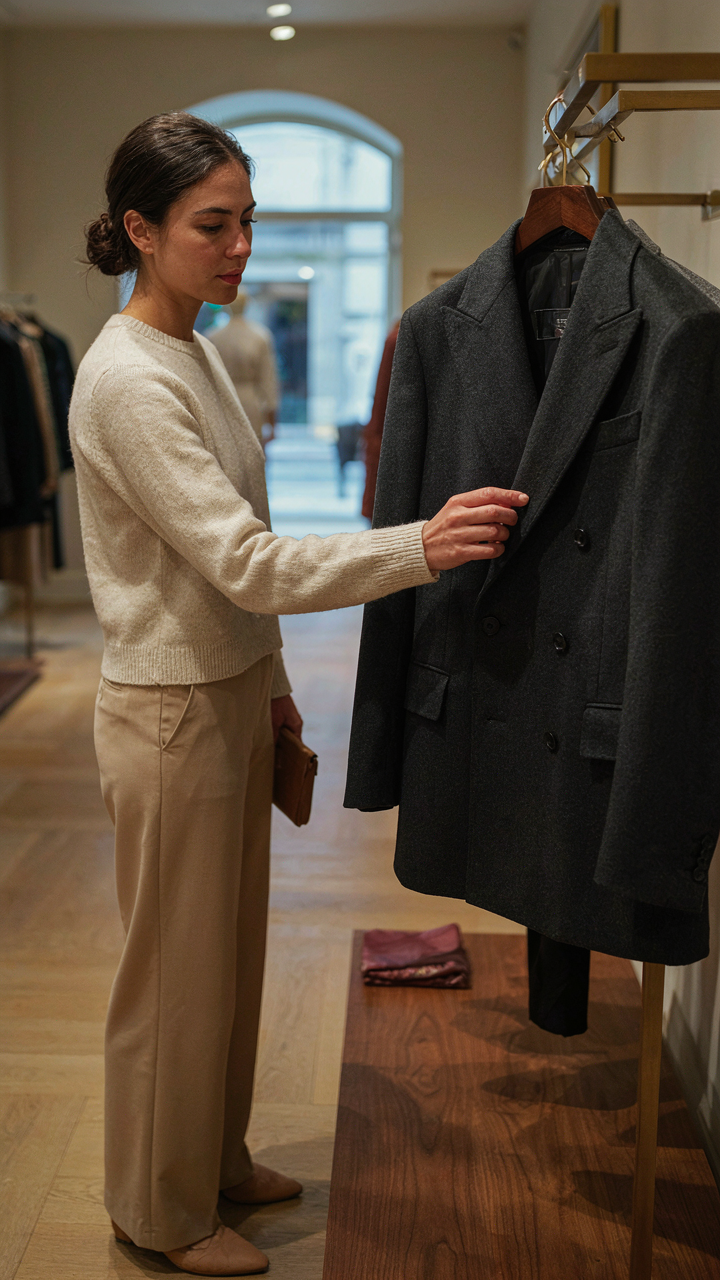
You already know what sharp lines do. They cut through noise. They demand attention. The real question is whether you’ll stop hiding behind “it’s not me” and actually wear the thing. Go find one piece today, something with an edge that makes you slightly uncomfortable. Sharp tailoring doesn’t whisper. It announces. The person in the room who refuses to shrink always wins.