The Proportional Power Play: Why “Petite” Isn’t A Problem, It’s A Blueprint
Dressing For Your Frame, Not Your Height
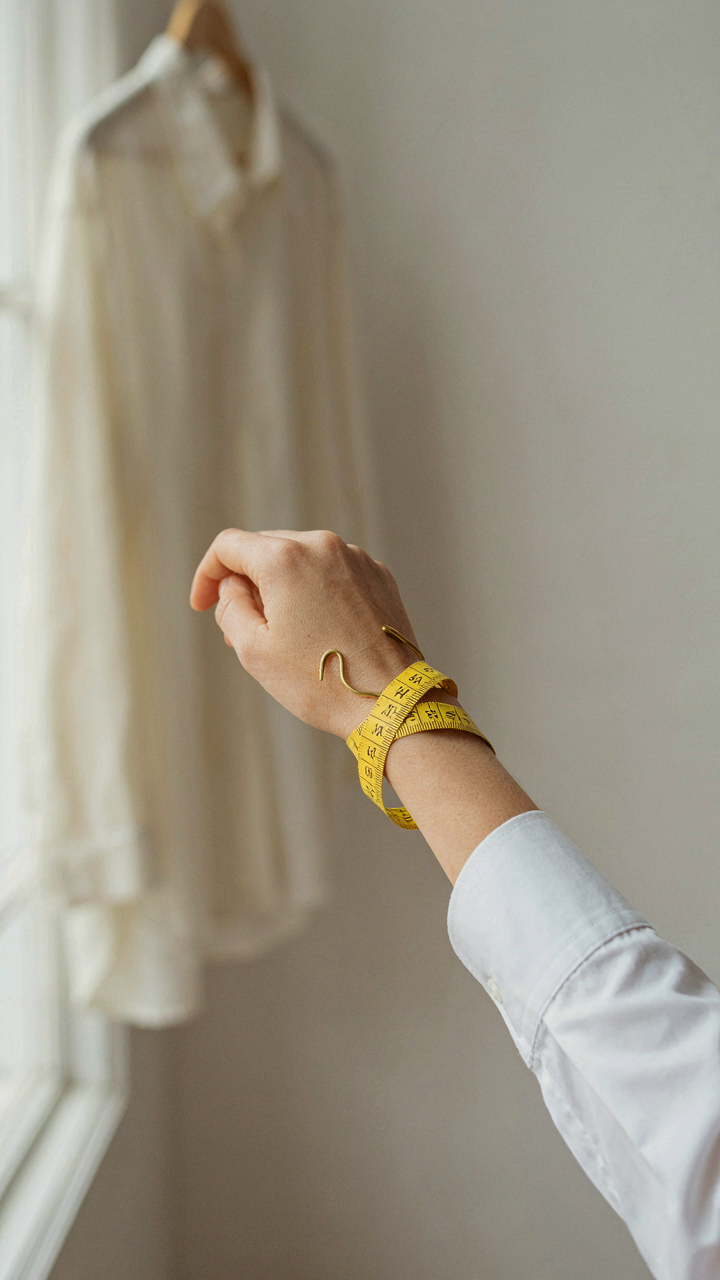
You’re worried that being petite means you’ll always look like you’re playing dress-up in adult clothes. The real mechanism at play is proportion, not height. Most advice tells you to wear vertical lines or avoid horizontal stripes. That’s incomplete. The actual problem is that standard sizing assumes a specific relationship between torso length, arm length, and inseam. When those ratios don’t match your body, clothes pool, gap, and break your silhouette at the wrong places. Your goal isn’t to trick people into thinking you’re taller. It’s to choose pieces where the seams, hems, and closures land where they’re designed to land.
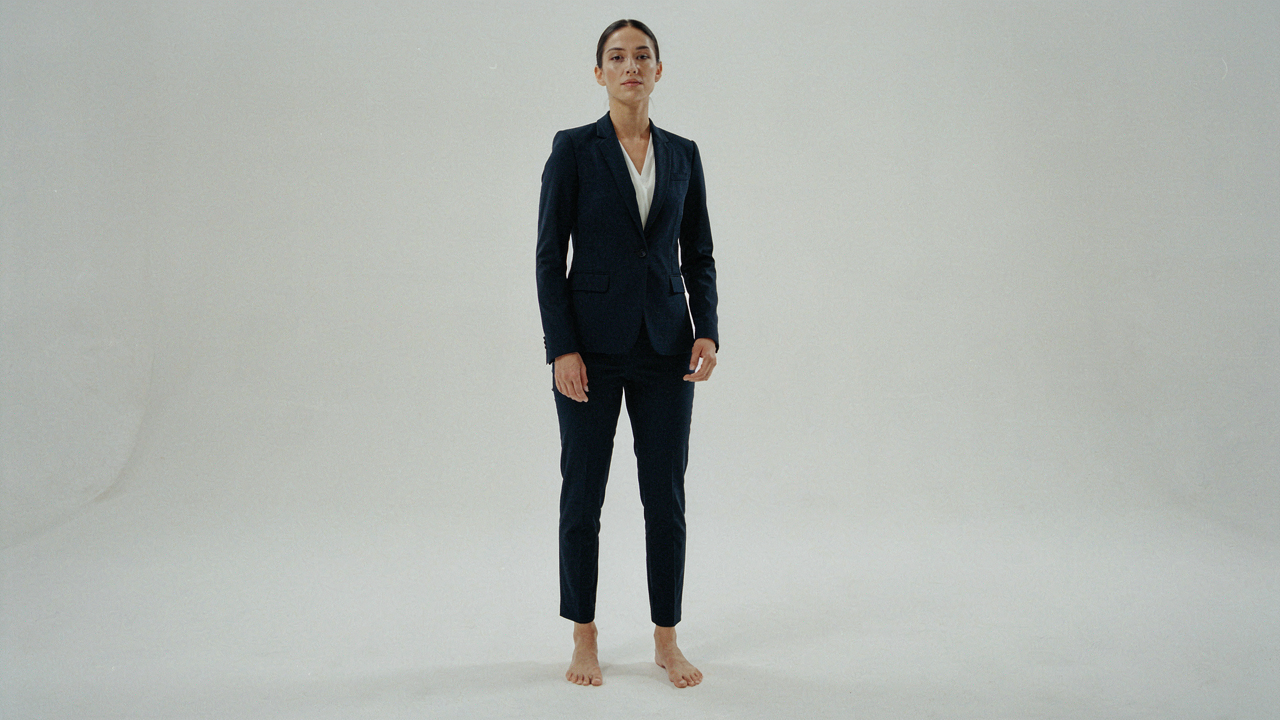
Petite women’s proportions follow the same logic as tailored menswear. In tailoring, a jacket’s button stance matters because it divides the torso visually and functionally. For you, it’s the same principle applied differently. A standard shirt’s shoulder seam might sit half an inch too far down your arm. A regular trouser’s rise might be two inches too deep. These aren’t style problems. They’re fit problems that no styling trick fixes. A capsule wardrobe for petite women starts by choosing pieces cut for petite proportions, then building around that foundation. Nothing else matters if the base fit is wrong.
Where Your Natural Lines Actually Break
The term “anchor points” comes from visual design, where the eye naturally lands on high-contrast transitions. For petite women outfits, your natural anchors are your waistline, your shoulders, your hip bone, and your collarbone. Standard clothing cuts these anchor points in the wrong places. A typical blazer button hits lower on your torso, shortening your apparent leg line. A regular dress waistband sits higher than your actual waist, creating awkward proportions. You don’t need to fight this. You need to work with where your actual anchors sit. This means choosing petite-cut pieces where seams, hems, and details align with your proportions, not fighting them with styling strategies.
When you select pieces cut for petite frames, the garment’s proportional design does the work. A petite-cut blazer’s button placement aligns with your natural waist or hip. A petite shirt’s sleeve length ends at your wrist bone without rolling. A petite dress’s waistline hits at your actual waist. These aren’t minor details. They’re the structural difference between looking intentional and looking like you borrowed someone else’s closet. Start by auditing which pieces you own that align with your natural anchor points. Keep those. Replace everything else with pieces actually designed for petite proportions.
The Visual Flow Protocol: Mastering Line And Length For Petite Fashion
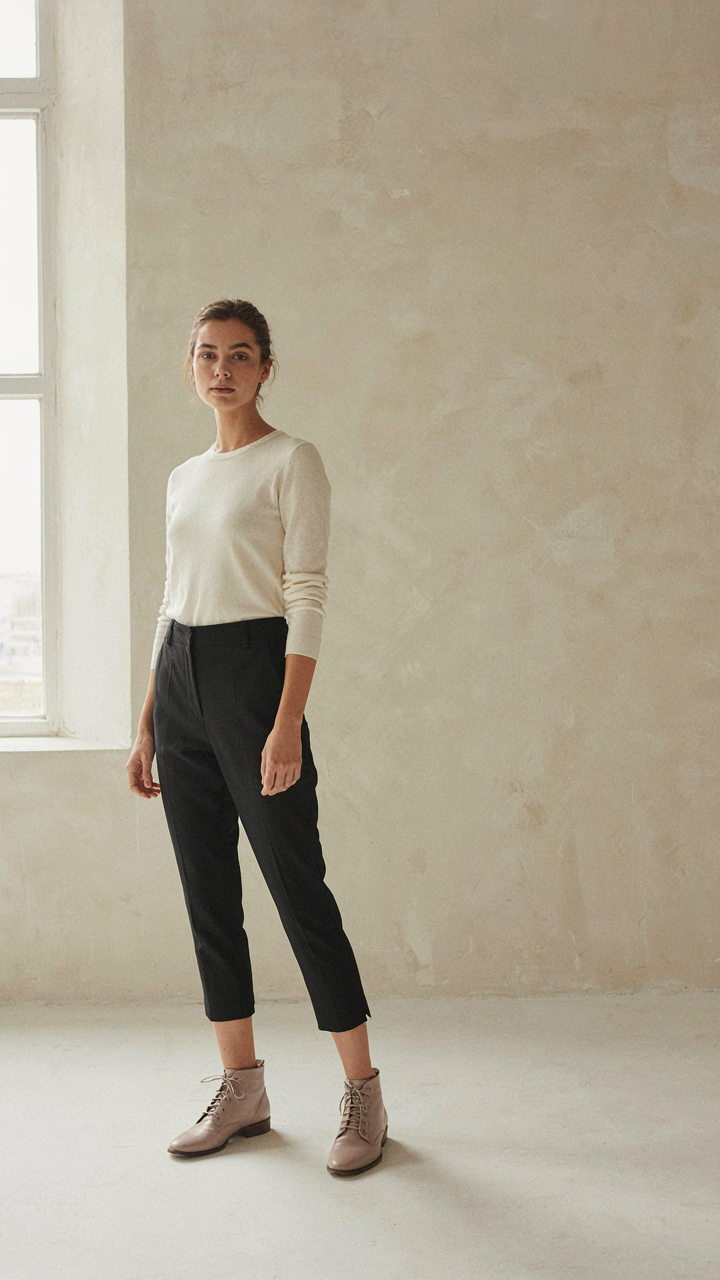
Hemline Strategy Shapes Your Entire Silhouette
You’re worried a crop will make you look stumpy. That’s the fear driving most petite women toward ankle-length everything, which is exactly backward. The real mechanism: hemlines function as visual anchors that either interrupt or extend your perceived length. A strategically placed hem creates a new proportion baseline instead of fighting your actual one.

The common advice says “always elongate.” Wrong. You don’t elongate a petite frame by pretending it’s tall. You optimize it by controlling where the eye stops. Cropped trousers at the ankle create a defined transition between leg and shoe, which reads cleaner on shorter proportions than a pant that pools or breaks midway up the shoe. A hem that hits at your natural waist (not where designers place it) anchors you to your actual body, not an imagined one.
Vertical Lines That Connect Without Breaking
In physics, continuity of line minimizes energy loss. In a capsule for petite women, unbroken vertical lines prevent the segmentation that makes small frames feel fractured. A monochromatic column reads as one unified length. The moment you introduce horizontal breaks—a contrasting belt, a crop top over high-waisted bottoms, visible skin between pieces—you’re dividing your silhouette into sections, each smaller than the last.
This doesn’t mean no layering. It means no visible separation. An oversized button-up worn open over a fitted tee in a similar tone creates one long vertical story. A tunic that extends past your hip and pairs with matching leggings maintains visual continuity. The protocol is simple: if you’re layering or combining pieces, the outer layer should reach at least mid-thigh, and tonal repetition should dominate. Break the line intentionally only when you want to mark a specific proportion.
Fabric As Force Multiplier: Texture And Drape In Petite Women’s Outfits
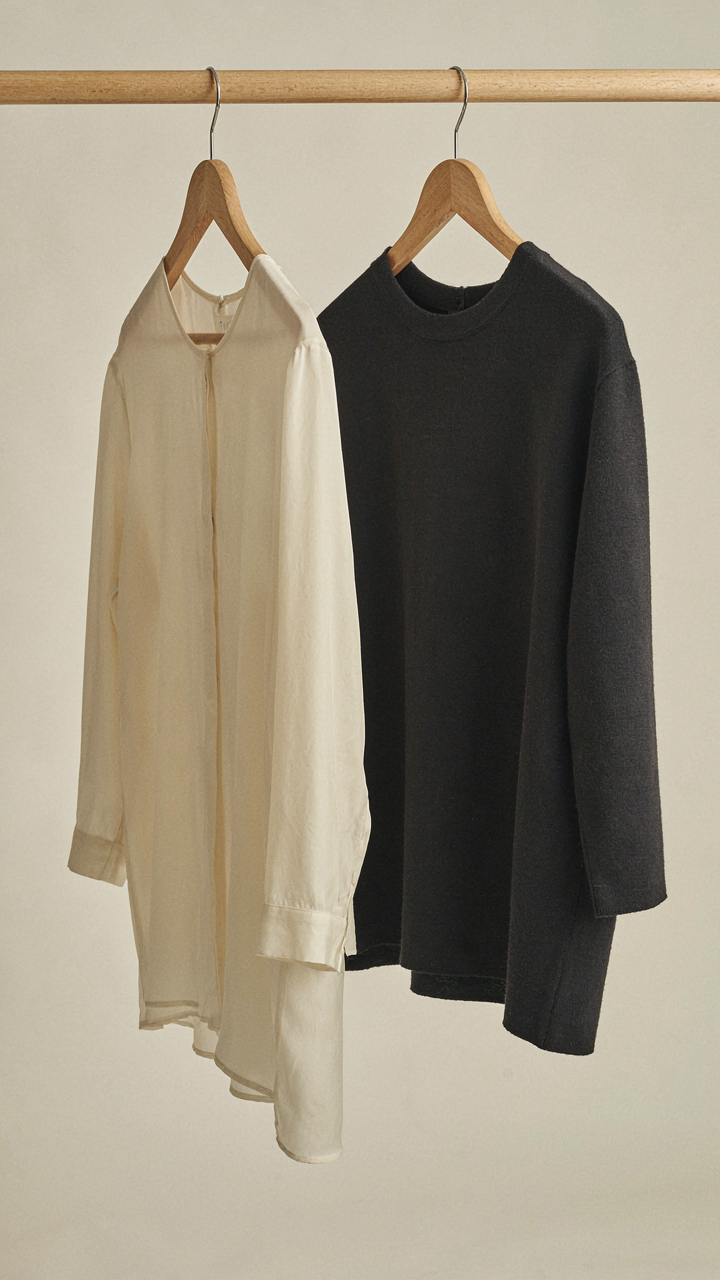
Weight Matters More Than Color
You care about this section because you’ve worn expensive pieces that made you look shorter. The real mechanism is simple: fabric weight determines visual mass, and visual mass either anchors or elongates your frame. Heavy fabrics pool and bunch on petite frames. Light fabrics skim. A structured wool coat in petite sizing works because the weight distributes across a proportional surface area. Cheap jersey hangs like a sack because it has no structural integrity. Weight isn’t about price. It’s about fiber density and thread count.

Most petite advice says wear light fabrics. That’s incomplete. You need fabric weight matched to your garment’s purpose. A heavy linen shirt creates definition at your shoulders. A heavy sweater creates bulk at your midsection. The pattern matters less than the physics underneath. Test this: drape the same design in two weights. The lighter version elongates. The heavier version grounds. Your capsule works when every piece has intentional weight distribution.
Drape As Vertical Geometry
Physics uses the term trajectory to describe the path an object takes through space. In capsule construction, drape is the trajectory your fabric takes from shoulder to hem. Materials with poor drape stop abruptly or pool. Materials with intentional drape create continuous vertical lines. Silk charmeuse drapes differently than cotton poplin. Wool crepe moves differently than wool tweed. Petite frames need drape that doesn’t interrupt at the narrowest points of your body.
The wrong drape creates horizontal breaks. A gathered waist on a petite woman reads as fabric bunching, not design detail. Seams that hit at your widest point create visual weight in the wrong zone. Fabric with vertical grain or nap elongates because it guides the eye downward. Select pieces where the fabric itself creates line rather than fighting against your proportions. When you button a jacket and the fabric falls in one continuous slope from shoulder to hem without pulling or gaping, you’ve found correct drape for your frame.
The “Accessory Amplification” Method: Micro Adjustments, Macro Impact For Petite Women
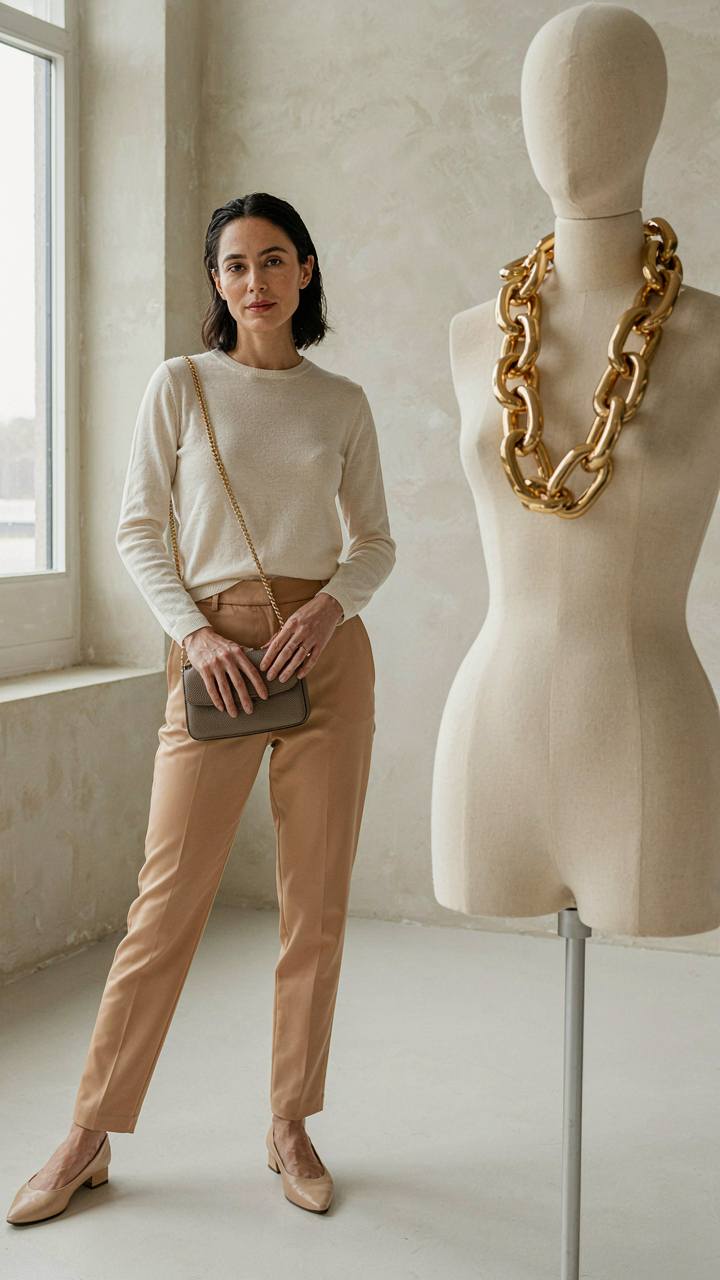
Scale Accessories To Your Frame, Not Trends
You want accessories to work harder because you’re tired of looking swallowed by standard sizing. The real mechanism is proportion ratios. In architecture, the golden ratio dictates which elements draw the eye and create visual balance. Apply this directly: your accessories must track to your actual dimensions, not trend cycles designed for average or tall frames. A chunky chain necklace reads as costume jewelry on petite women because the link size overwhelms your collarbone structure. Thin chains, delicate hardware, and compact bags create visual coherence instead of contrast.

The mistake most petite women make is scaling down everything equally. That doesn’t work. Instead, edit the thickness and mass of each piece independently based on what sits closest to your face or hands. A small crossbody bag works because its proportions align with your torso. Oversized sunglasses don’t just look wrong on petite faces because they cover too much space. They fundamentally break the visual line from your shoulders to your features. Match eyewear width to your cheekbone width, not to what celebrities wear.
Heel Height And The Visual Elongation Trade Off
The common advice says heels automatically lengthen your line. That’s incomplete. The real formula combines heel height with leg exposure and pant inseam. A three inch heel with full length trousers creates zero visual elongation because your leg line gets interrupted at the ankle. That same heel with cropped pants or a dress triggers visual lift because the proportion shift reads as height gain. Biomechanics matter too. Petite women often have shorter proportions between hip and knee. A four inch heel can actually shorten your leg visually if your thigh to knee ratio is compact, because the angle becomes too acute.
The protocol: test heel height against the exact garment you’ll wear it with, standing in full mirror view. Your shoe choice should extend your leg line, not interrupt it. A two inch heel worn with an ankle exposed above it reads taller than a three inch heel worn with pants that end at the shoe. The visual elongation comes from the gap between fabric and floor, not the heel alone. Choose heel height based on where your clothing ends, not on trend marketing.
Color & Pattern Cadence: Orchestrating Visual Rhythm For Capsule Wardrobe Petite
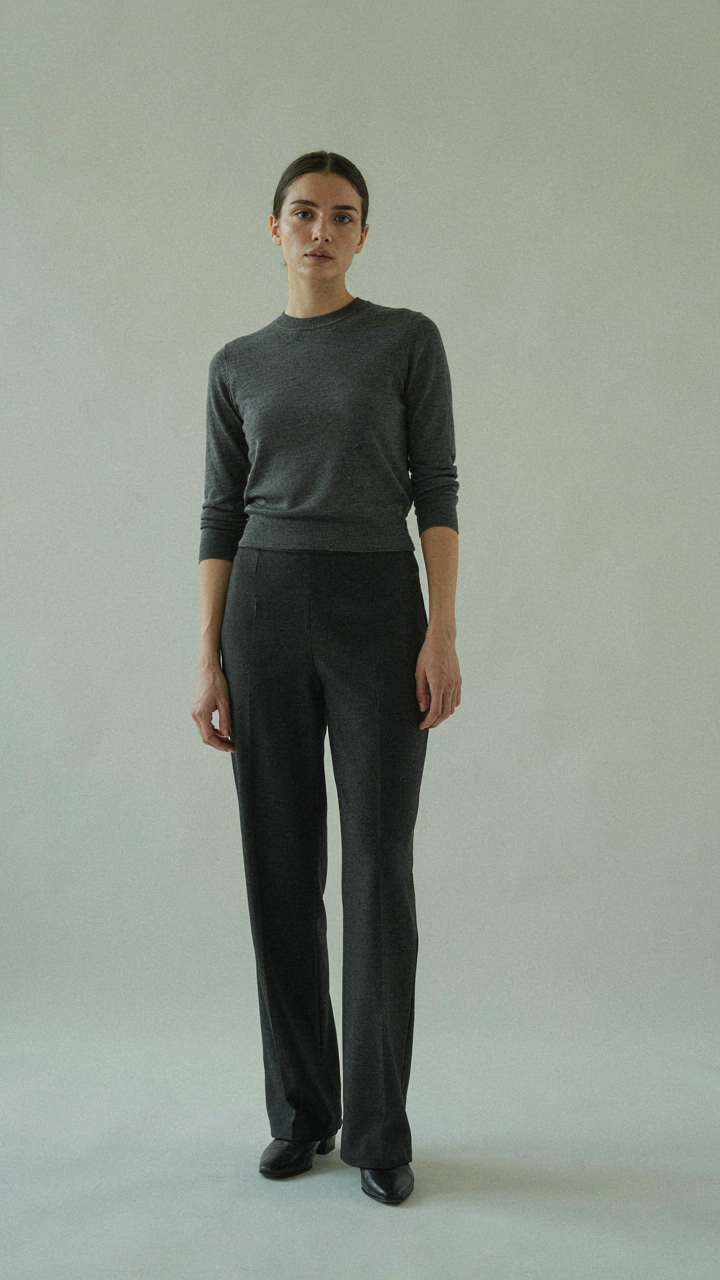
Monochromatic Power: Unifying Petite Women Outfits
You want monochromatic dressing to feel like a shortcut to looking pulled together, but that’s not why it actually works for petite frames. The real mechanism comes from color theory’s concept of visual continuity: when your clothing reads as one color family from shoulders to ankles, your body doesn’t fragment into separate zones. A petite woman in navy top, navy trousers, and navy flats creates an unbroken vertical line. A petite woman in a navy top, white pants, and burgundy shoes creates three separate horizontal bands that interrupt height perception. The second outfit literally cuts her frame into thirds.

Monochromatic doesn’t mean identical shades. Cream, ivory, and white read as one family. Charcoal, slate, and black do the same. The capsule gains flexibility when you understand this: build each outfit around a single color axis, then shift that axis between days. Monday is your navy axis. Wednesday is your camel axis. Friday is your charcoal axis. The constraint forces repetition, which is the point. You’re not hunting for new combinations because the rule does the hunting for you.
Pattern Scale: Avoiding Visual Overwhelm, Maximizing Impact
The common advice says petite women should wear small patterns. That’s incomplete. Small patterns on a petite frame often disappear entirely, making you look blank and undersized. The real principle is pattern density relative to body surface area. A large, bold geometric on a petite woman reads as one cohesive graphic element. The same pattern scattered into a small-scale repeat fragments across her frame and creates noise.
Choose patterns that occupy at least 20 to 30 percent of the garment’s visible surface in a single repeat. One large check on a petite woman’s shirt is more legible than five small checks. One statement stripe reads stronger than a busy multi-stripe. This is about visual economy: fewer, bolder pattern instances give you control over where the eye lands. Pair patterned pieces only with solids in your monochromatic axis. Pattern plus pattern on a small frame reads as visual static.
The “Keystone Piece” Strategy: Building A Core For Your Capsule Wardrobe For Petite Women
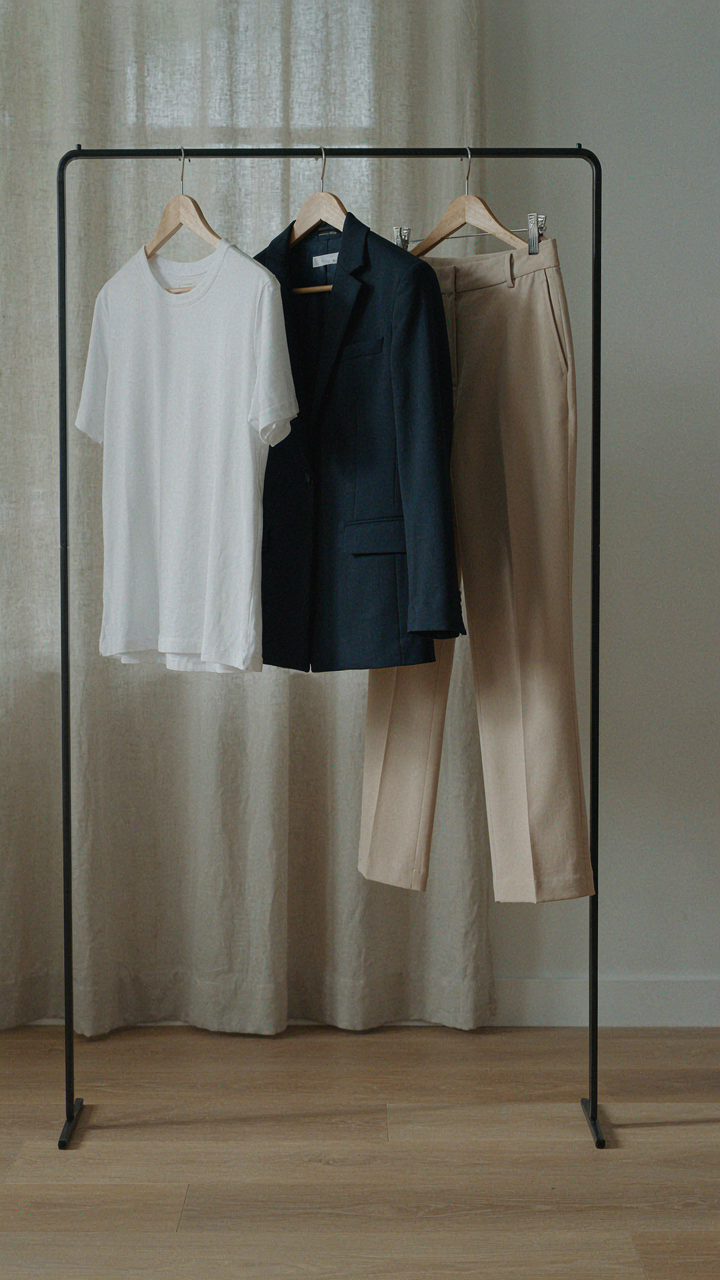
Foundational Items With Maximum Versatility
You want to feel like you have endless outfits without actually owning endless clothes. The mechanism is simple: one piece worn five different ways beats five pieces worn one way. For petite frames, this means selecting items that layer cleanly, pair across color families, and work with proportions scaled to your actual measurements, not standard sizing.
- Fitted crew neck tee in white or cream: The baseline neutral that works under everything. Petite versions sit at correct hip length instead of swallowing your frame. Layer under dresses, cardigans, or blazers without adding bulk.
- Tailored blazer in navy or camel: Hits at hip bone on petite builds when fitted properly. Functions as a layer, a statement piece, or professional armor. Works over dresses, with trousers, or casually over weekend wear.
- High-waisted trousers in neutral: Creates the illusion of longer legs through proportion manipulation. Petite-specific cuts have shorter inseams and higher rises. Pairs with everything from blouses to tucked-in tees to lightweight sweaters.
- Lightweight cardigan in neutral: Bridges seasons without the weight of heavier knits. Petite proportions need cardigans that end near hip, not mid-thigh. Throws over everything and adjusts formality instantly.
- White button-down shirt: Functions as layering piece, standalone top, or tied waist accent. Petite-cut versions eliminate excess fabric at shoulders and sleeves. Creates structure no tee can match.

These five pieces work across seasons and occasions because they solve a specific problem for petite bodies: standard capsule advice ignores proportions entirely. A keystone piece isn’t chosen for aspirational reasons. It’s chosen because it works with everything you already own and everything you’ll add next.
Maximizing Outfit Combinations Through Strategic Overlap
Economics teaches the concept of elasticity: how much demand changes when price shifts. In capsule wardrobing, think of elasticity as outfit output per piece added. A petite woman wearing a standard blazer gets one outfit type. A petite woman wearing a fitted, properly-proportioned blazer gets five because it actually works with her frame.
The real bottleneck isn’t color coordination or style categories. It’s scale. A petite frame wearing oversized basics still looks undersized. A petite frame wearing petite-fitted basics looks intentional. Build from that foundation. Every new piece should work with at least three existing pieces without looking forced. Prioritize items with neutral colors first, patterns second, and trend-specific pieces last. Test combinations before buying. If a new piece doesn’t click with at least half your existing wardrobe, don’t buy it. Document your actual combinations for one week. Write down which pieces you reach for together. The patterns you find show which gaps exist in your capsule.
Deconstructing The “Tailoring Tax”: Precision As Your Ultimate Petite Fashion Advantage
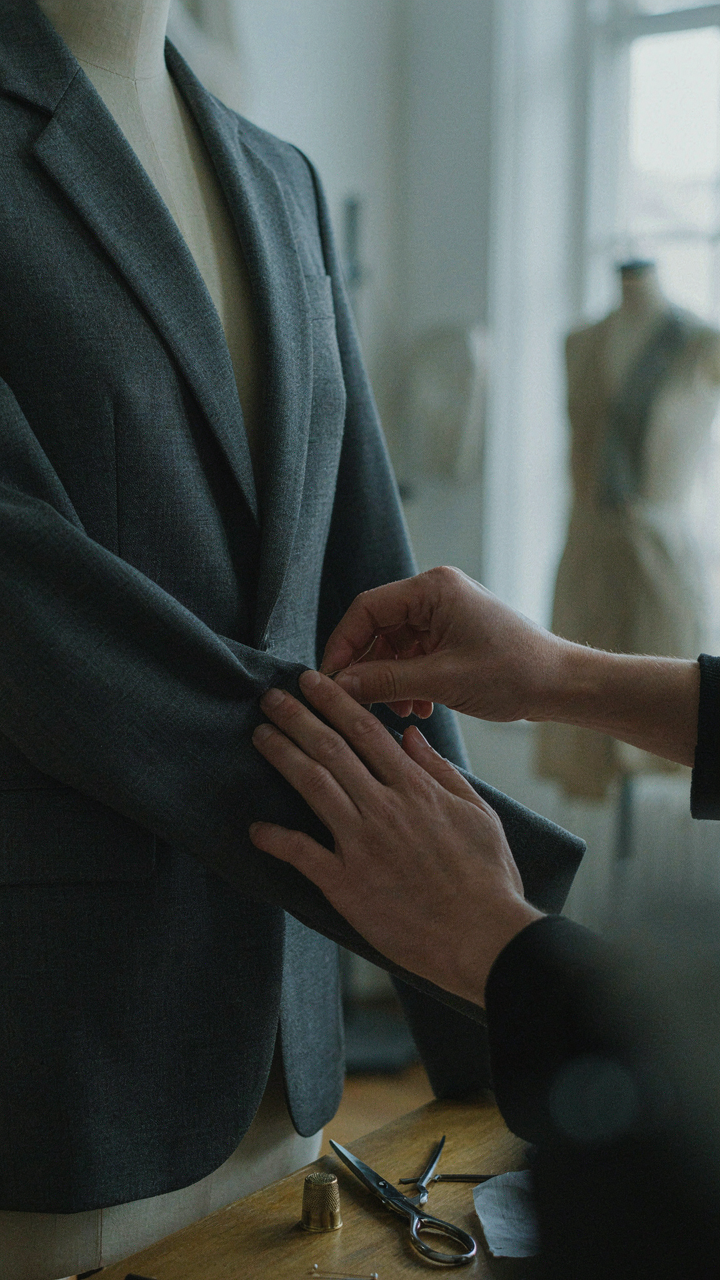
Where Your Money Actually Goes
You’re hoping tailoring is optional. It isn’t. The real mechanism borrowed from supply chain optimization: you’re managing inventory turnover. Every piece that doesn’t fit your frame is dead inventory. It sits unworn. You convince yourself you’ll alter it eventually. You won’t. Tailoring isn’t a luxury expense—it’s the cost of ownership. The difference is that petite women pay it upfront while average-sized women never notice the problem exists.

Most tailoring advice tells you to fix everything. That’s wrong. You need the 80/20 split: invest heavily in silhouette-defining pieces, ignore the rest. Sleeve length, shoulder seams, and waistline placement on structured items generate 80 percent of your fit returns. Hem length matters. Dart placement matters. Excess fabric at the side seams doesn’t. Identify which alterations actually change how the piece photographs and functions on your body, then protect that budget ruthlessly.
Finding Fabric Before Finding Fashion
The common narrative around petite dressing says to hunt for pre-tailored petite lines. Useful but incomplete. You’re actually solving a logistics problem, not a style problem. Start by mapping which brands manufacture in proportions closer to your measurements before you ever consider aesthetics. Most contemporary brands cut long sleeves. Some cut deep armholes. Some place waistlines two inches lower than your actual waist. These aren’t flaws you can fix affordably.
Build your capsule around brands and retailers that already solve your fit constraints. This reduces tailoring spend on basics and lets you reserve it for investment pieces that deserve precision. Check sleeve length from pit to cuff, not the listed measurement. Verify waistband rise. Measure the vertical distance from shoulder seam to underarm on existing pieces you own that fit well, then compare it against new options. This takes ten minutes and eliminates 70 percent of poor purchases before checkout.
The Minimalist Maxim For Petite Fashion Outfits: Less Clothes, More Clarity
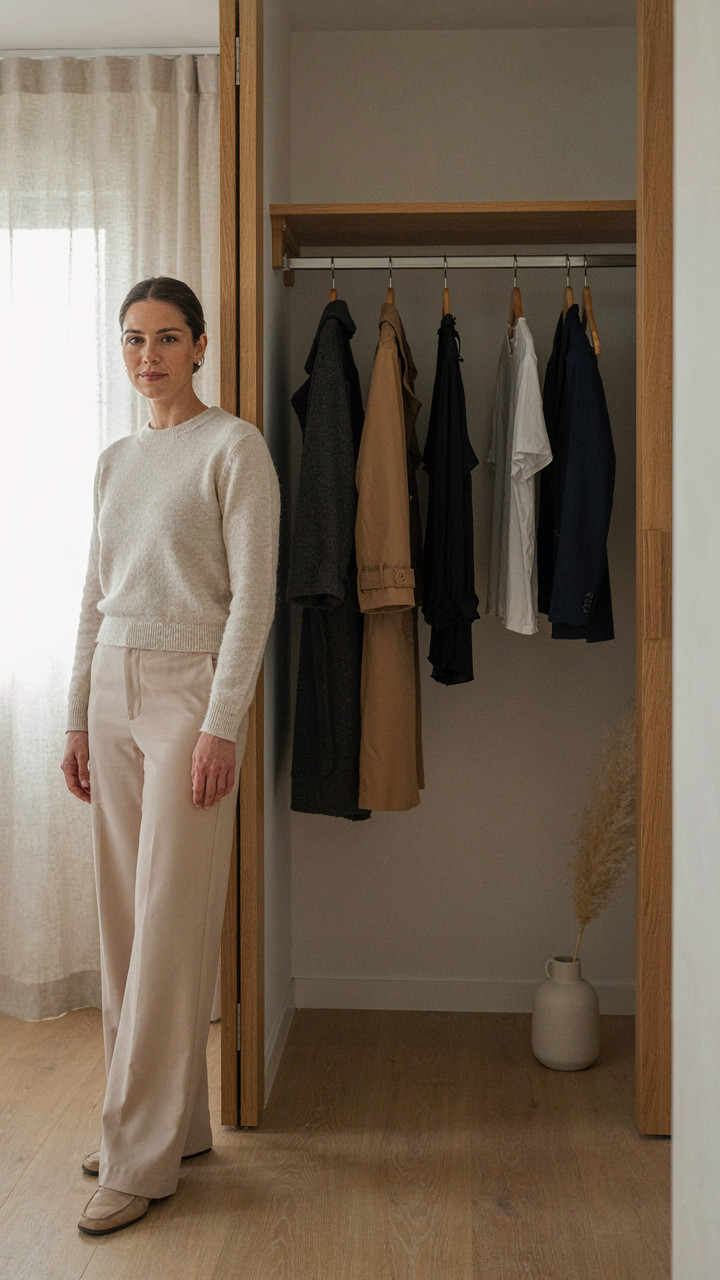
Build By Function, Not By Fear
You’re hoping a capsule wardrobe will solve the real problem: decision fatigue masquerading as choice. The mechanism is simple. Most petite women own pieces based on what they think they should want, not what their actual life demands. You end up with clothes for imaginary occasions while missing basics for real ones. Function first means you own what you wear. You identify the five to seven activities that fill your week, then build backward from there instead of forward from trend cycles.

This flips the typical advice. Fashion media tells petite women to collect “versatile basics,” which is code for buying more without criteria. Real functionality creates constraint. If you work in an office four days a week, you need three to four bottoms and five to six tops that work together. If you see friends on weekends, you need one outfit formula that feels like you. That’s it. The clarity comes from knowing exactly why each piece exists in your closet.
The Arithmetic Of Ownership
Every item you own costs you three times: the money upfront, the mental energy deciding whether to wear it, and the time spent managing it. This isn’t philosophy, it’s basic resource allocation. A petite woman with fifty pieces experiences more friction than one with twenty, even if both are well-made. Your brain has limited decision capacity each day. Clothes you don’t wear consume that capacity anyway because you see them and process the conflict between owning and ignoring them.
Clutter creates false urgency to buy more. You convince yourself the problem is that you lack the right piece when the actual problem is you can’t see what you have. A smaller, curated wardrobe for petite frames forces visibility. You wear everything. This means you know exactly how each piece performs, which fabrics hold up, which proportions actually flatter your frame. That knowledge compounds. The next piece you buy costs less in decision time because your criteria tighten. You stop guessing.
The Only Constraint Is Your Mindset, Not Your Height
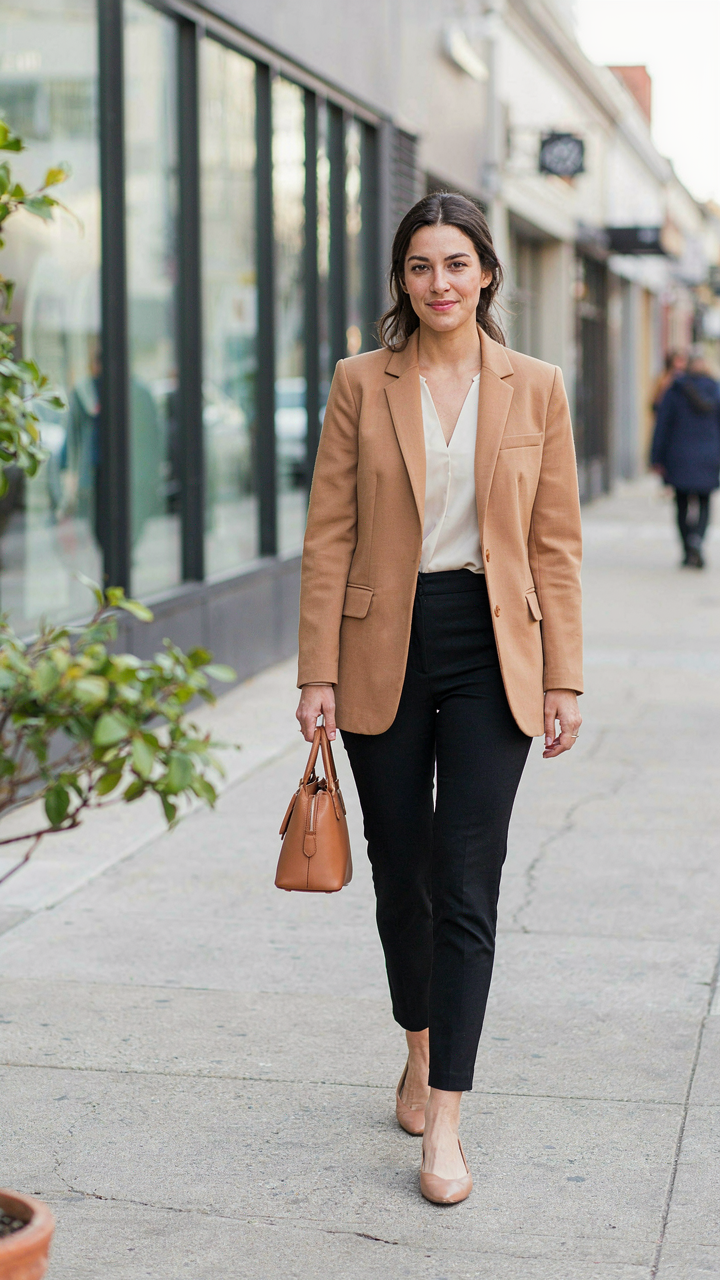
Most petite women waste energy fighting their frame instead of leveraging it. You don’t need more clothes. You need permission to stop treating your proportions like a problem. Right now, pick one item you own that actually fits your body without alteration. Wear it tomorrow. Notice how differently you move, how differently people respond. That feeling is your baseline. Everything else gets measured against it. Your size isn’t the limitation. Your willingness to demand clothes that fit you actually is.