


Beyond “Less Is More”: The Strategic Intent
The Minimalism Trap Nobody Names
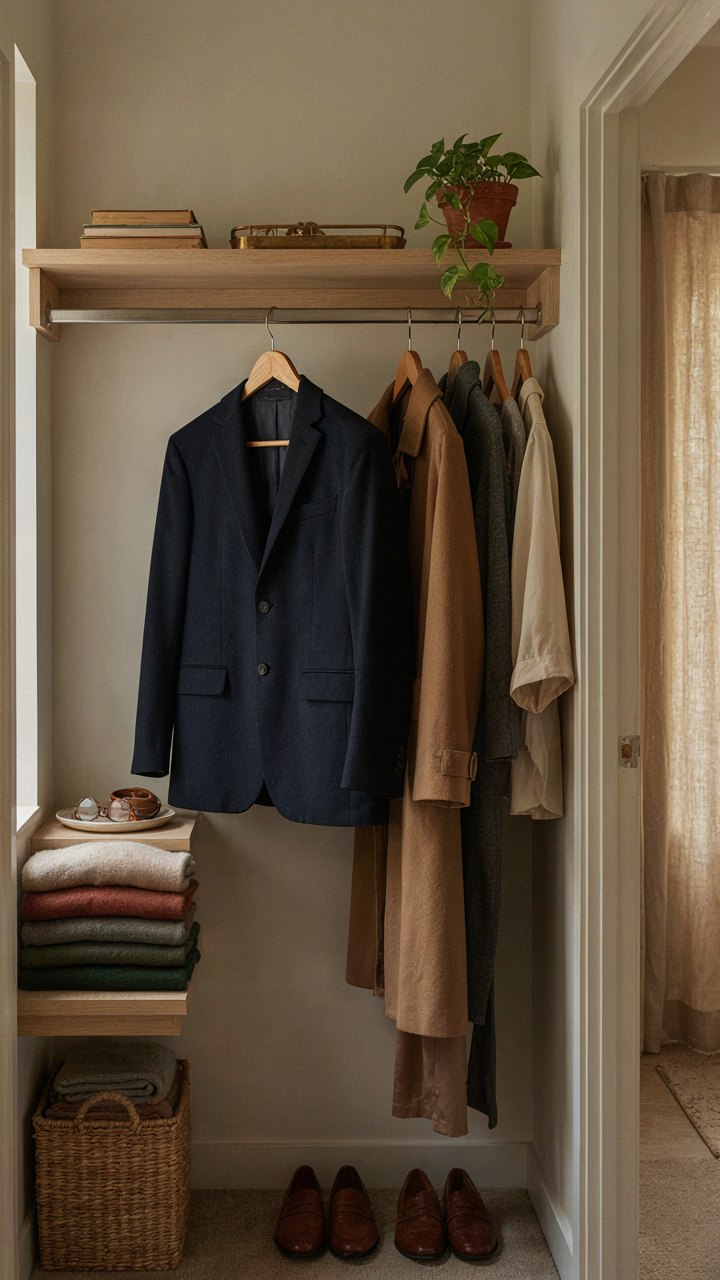
You want permission to buy less and feel smarter for it. But the minimalism myth sold to professional women is a trap designed by people who don’t understand how power dressing actually works. Minimalism borrowed its language from design and art movements, but in fashion it became a cover story for scarcity thinking. The real mechanism isn’t about owning fewer items. It’s about owning items that compound in value through intentional repetition and strategic substitution.
The “less is more” crowd confuses constraint with strategy. Owning five black blazers is not minimalism, it’s redundancy. Owning one navy blazer that works across fifteen different outfit combinations is strategy. The difference is whether your clothes work for you or whether you’re working around your clothes. Most women build wardrobes that look curated but function like chaos. A capsule wardrobe built on constraint feels virtuous until Monday morning when you’re repeating last week’s outfit and pretending it’s intentional.
When Generic Advice Costs You Career Capital
Bad advice on capsule wardrobes keeps professional women invisible or interchangeable. The standard guidance says buy neutrals, add one bold piece, keep it simple. This works if your job doesn’t require you to be remembered or if looking “safe” is your competitive advantage. It isn’t. Every time you follow consensus dressing advice, you’re competing on the weakest possible terrain. Strategic dressing doesn’t mean bold. It means deliberate.
The real cost isn’t the money wasted on wrong pieces, though that matters. The cost is opportunity cost. When your wardrobe requires daily decision-making or when pieces don’t actually work together, you’re burning cognitive energy before 9am. You’re also signaling uncertainty through inconsistency. Professional women who ascend have wardrobes that make decisions for them, not harder. Your capsule wardrobe is either a system that amplifies your value or a collection of items that dilutes it. Build the first one by mapping your actual professional context before you buy anything.
The Asymmetric Advantage Protocol For Workwear
Which Pieces Actually Move The Needle
You want permission to spend money on something that makes you feel less anxious about how you look. That’s not shallow. That’s just human. The mechanism here borrows from economics: return on invested capital. In workwear, capital is both money and daily mental load. A high-leverage piece generates returns across multiple outfit combinations, multiple seasons, and multiple contexts without demanding maintenance or replacement. Most women buy pieces that feel right in isolation, then wonder why their closet feels chaotic within six months.

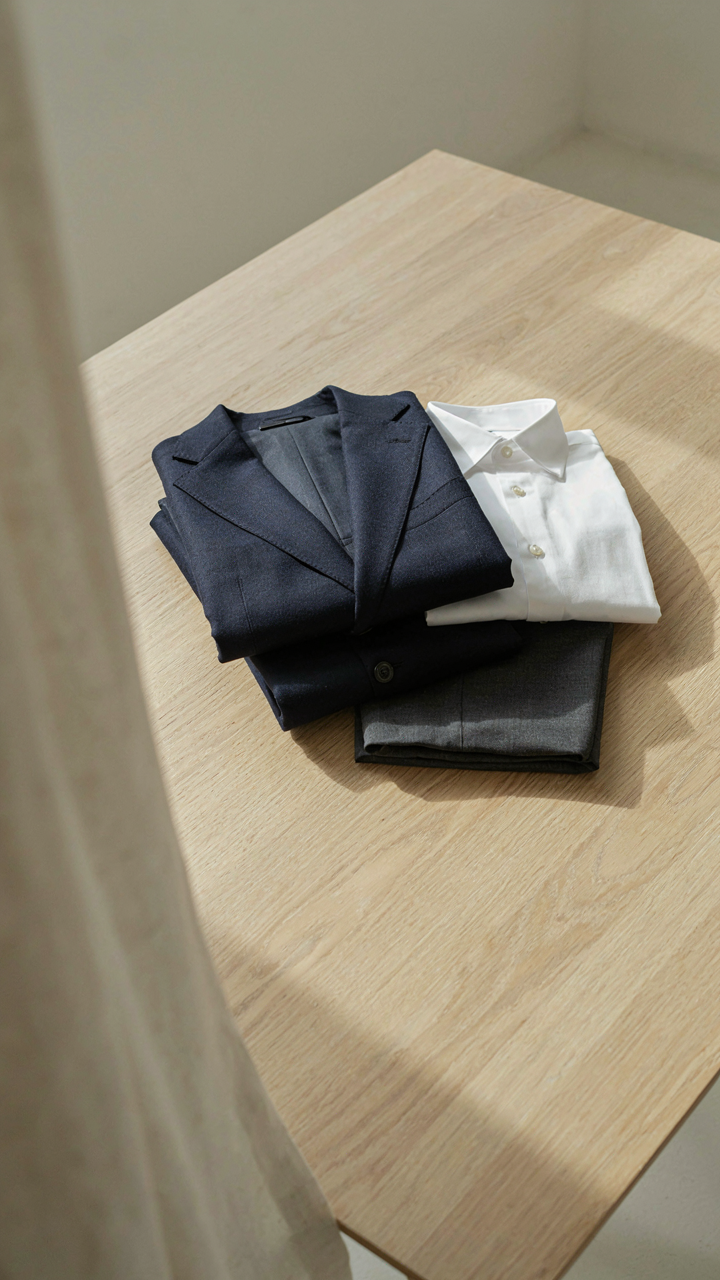
A high-leverage piece does three things simultaneously: it pairs with at least five other items you already own, it solves a specific professional problem without looking like it’s trying, and it requires minimal upkeep. A structured blazer in navy or charcoal wool does this. A white silk or silk-blend button-up does this. A straight-leg trouser in a neutral with a closed waistband does this. The pattern here is obvious once you see it: these pieces work because they recede into the background and let your actual work be the focus. Identify your five professional contexts (client meetings, internal work, video calls, casual Friday, travel) and choose one piece that serves at least three of them.
Bleeding Money On Pieces That Trap You
The conventional advice here is wrong: most capsule wardrobes fail not because women buy too much, but because they buy pieces that only work in one outfit. A silk blouse in a statement color. A patterned blazer. A structured dress that requires specific shoes and a specific bag. These pieces create obligation, not freedom. They demand mental energy to coordinate. They sit unworn because the mental cost of getting them right exceeds the payoff.
The mechanism is different than most people state: low-return pieces trap you because they demand context-specific accessories. A camel coat only works with camel, cream, or neutral bottoms. A patterned blouse requires neutral bottoms and a neutral jacket. An animal-print heel requires a full outfit built around it. You’re not buying a piece; you’re buying a whole outfit system you didn’t plan for. Eliminate any piece that requires more than two specific accessories to look intentional. If you own it and you haven’t worn it in three weeks, it’s telling you something about its return.
Decoding Corporate Wardrobe Capsule Psychology

The Brain Decides Before You Speak
You want permission to stop thinking about what you wear. That’s the real reason you’re reading this. Your reptilian brain makes decisions about competence, trustworthiness, and threat level in under a second, and clothing is the fastest input it processes. In corporate settings, your outfit lands before your opening sentence. This isn’t shallow. It’s neurobiology.

When someone enters a room in professional clothing, observers unconsciously categorize fit, fabric quality, and intentionality. A tailored blazer signals agency. Fraying hems signal indifference. The brain doesn’t evaluate this consciously. It registers patterns learned over years of cultural exposure. A capsule wardrobe works because it removes the noise, letting your competence signal travel unfiltered. Consistency compounds this effect.
Authority Without Broadcasting
Status signals operate like military rank insignia, except less explicit and harder to fake. Military theory calls this “recognizable differentiation”—the ability to identify rank instantly without ambiguity. Professional clothing uses the same principle: fabric weight, construction quality, and proportional fit broadcast your operational level before you open your mouth.
A woman wearing a cheap blazer and an expensive one triggers different perceptions, even when the silhouette matches. Observers perceive weight, drape, and seam precision. These details correlate with resources, access, and position. Strategic fabrics beat logos. Merino wool, Italian cotton, and structured linen cost more because they perform better and last longer. Your capsule signals competence through durability, not decoration. Build pieces that communicate: “I know what I’m doing” through material choice alone.
The Work Capsule Wardrobe 2026: Future Proofing Your Image

What Actually Changes In Professional Dress Codes
You’re worried your wardrobe will look dated. That’s the real concern here, and it drives most women to chase trends instead of building something lasting. But the mechanism is this: dress codes don’t shift uniformly. They shift by sector, by geography, and by organizational maturity. What dies in tech stays alive in finance. What’s acceptable in Austin looks sloppy in Boston. The mistake is treating professional fashion like a single moving target when it’s actually multiple targets moving at different speeds.

The smart move is identifying which sectors actually matter to your career and monitoring their specific drift. Financial services, law, and healthcare change slower than media, startups, and creative industries. This isn’t opinion. It’s structural. Formal environments protect themselves through institutional inertia. Informal ones chase competitive differentiation through culture signals. Once you know where your industry actually sits on that spectrum, you stop guessing and start building a wardrobe that works specifically for that environment’s actual trajectory, not fashion’s.
Durability As The Real Investment Thesis
Timelessness is a dodge. You don’t need timeless pieces; you need pieces that survive the three to five year window when they’ll actually be worn. That’s the real time horizon in professional life before roles shift, companies change, or your own risk tolerance evolves. Economics calls this “opportunity cost.” In wardrobe terms, it means a well-made piece you wear twice a month for four years beats a cheap piece you abandon in eighteen months because the seams failed. The math is simple: cost per wear, over time, always favors quality construction.
Natural fibers with proven track records win here. Wool, linen, and cotton have established durability profiles because they’ve been tested across decades. Blended synthetics feel premium initially but degrade unpredictably. A structured blazer in a quality wool blend or pure wool resists wear at collar and cuff. A silk blend blouse maintains its drape through repeated washing. These aren’t trends. They’re material science. Buy the piece that solves the problem for the actual duration you’ll need it, not the piece that looks best in the store.
Building Your Office Capsule Wardrobe Ecosystem

The Interchangeable Foundation
You want to feel secure that you won’t look underdressed or confused in front of people who matter. That fear drives most wardrobe decisions. The real mechanism comes from supply chain management: modularity. Just as manufacturers design components to work across multiple products, you build pieces that function across multiple outfits. One blazer shouldn’t live in one outfit. It should anchor five different combinations.

Interchangeability means every core piece earns its closet space by solving multiple problems simultaneously. A navy blazer works over a white blouse, a striped shirt, a silk camisole, and a knit sweater. A tailored pant in charcoal works with that blazer, a neutral cardigan, and a silk blouse in cream. The piece’s value compounds with each additional combination it enables. This isn’t efficiency theater. It’s arithmetic.
Playing For Multiple Board States
Game theory teaches us that you don’t optimize for one scenario. You optimize for the scenario distribution you actually face. A professional woman doesn’t know if tomorrow brings a board meeting, a coffee with a peer, a client dinner, or a casual Friday. The winning wardrobe prepares for all of them without needing twenty backup options.
This is where most advice fails. People say “invest in basics.” That’s lazy. What they mean is: choose pieces that perform across formality levels without signaling indecision. A well-cut trouser works in a formal meeting and an informal lunch because the cut, not decoration, carries the weight. A silk blouse reads as intentional at all levels. You’re not collecting outfits for specific days. You’re building a system where any combination lands appropriately across the contexts you actually inhabit. Test each piece across at least three different scenarios before buying it.
Business Casual Capsule For Women: The Illusion Of Relaxed

The Unwritten Dress Code Nobody Admits Exists
You’re reading this because you’re terrified of getting it wrong. Business casual is the professional equivalent of quicksand: move one inch too far in either direction and you’ve signaled something about your competence or your respect for the room. The mechanism at work here is social calibration through fabric and cut. Business casual doesn’t actually mean relaxed. It means controlled informality, which requires more precision than formal wear because you’re operating without rules.

Formal dress codes are explicit: wear a blazer, structured trousers, closed-toe shoes. Business casual is the opposite. It’s a silent negotiation where your clothes communicate whether you understand the invisible boundaries of your workplace. Most women default to “business but dressed down,” which misses the point entirely. The dress code isn’t about comfort. It’s about demonstrating that you grasp context and can self-regulate without a handbook.
Calibration Through Constraint
The economics principle of scarcity applies directly here: when fewer rules exist, individual choices carry more weight. Each piece you add or remove becomes a statement. Your baseline should be structured trousers or tailored midi skirts paired with fitted tops in neutral tones. These establish that you’re not slouching into casual. From there, you signal your position in the hierarchy through texture, not decoration.
A silk blouse reads different than cotton. A tailored shirt jacket reads different than a cardigan. You’re not adding personality. You’re adding intentionality, which reads as professionalism in a context where ambiguity dominates. The concrete move: start with one neutral base outfit that works in your specific office, wear it for a week, and observe what people at your level wear. Replicate their restraint, not their trends.
The Workwear Capsule: Quality Over Quantity Fallacy
Price Doesn’t Predict Performance
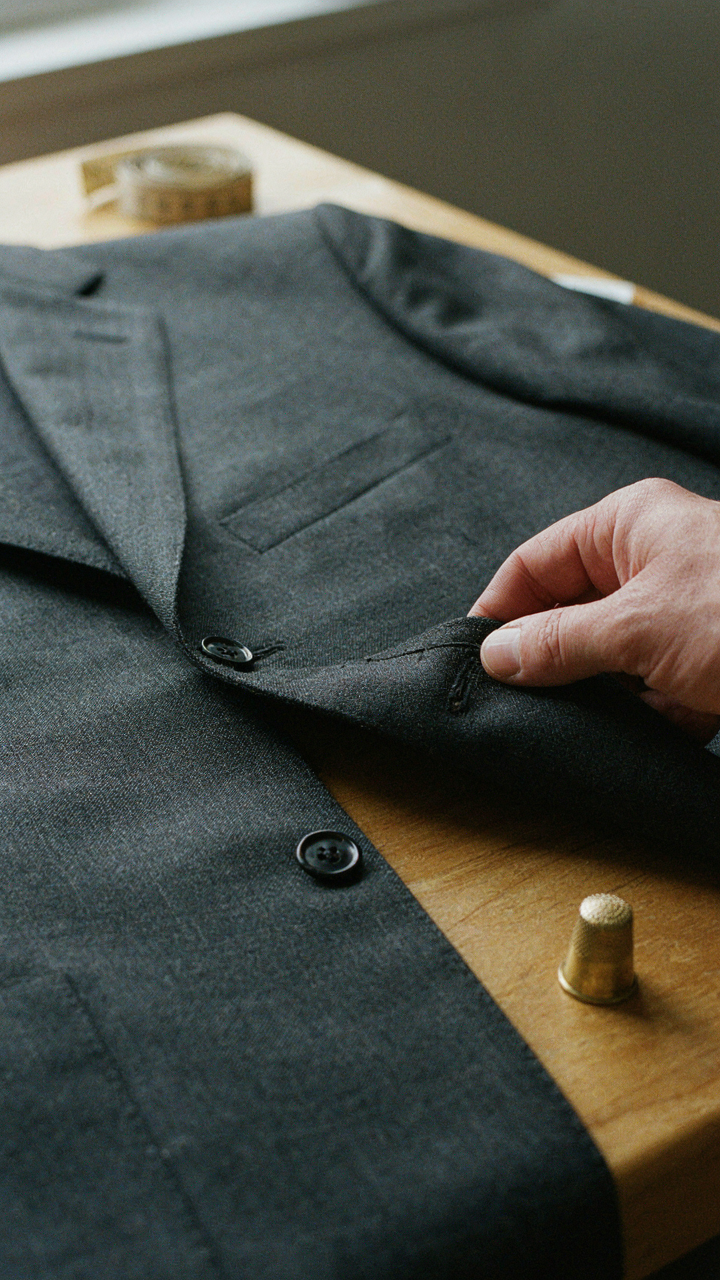
You want to believe expensive means better because it absolves you of decision-making. The real mechanism is simpler: price reflects brand positioning and production location, not durability or versatility. A $300 blazer and a $80 blazer both wrinkle, both need pressing, both become dated. What separates them is construction detail and fabric weight, not the invoice.

Most professional women buy expensive pieces to outsource judgment. They assume cost correlates with longevity. It doesn’t always. Mid-market retailers engineer for durability in specific categories (cotton blends, wool suiting) while charging less than luxury brands. What matters is fiber content and seam construction, not the store’s reputation or price tag.
Building Your Actual Buy System
Treat acquisition like inventory management in logistics: you need turnover velocity balanced against holding cost. Buy fewer pieces at intervals rather than everything at once. This prevents the trap of owning unworn items while needing to rewear others constantly.
- Natural fiber blends over synthetics: Cotton-polyester and wool-blend pieces resist pilling, hold their shape through repeated wear, and breathe properly in office settings. Check fiber percentages on tags, not brand names.
- Seam construction as the real filter: Flat-felled seams and reinforced stress points (armholes, side seams) indicate pieces lasting years, not seasons. Examine construction before checkout.
- Neutral colorways with one pattern: Charcoal, navy, cream, and black create infinite combinations. Add one subtle pattern (small checks, pinstripes) that coordinates with all neutrals.
- Fit over fashion trends: Buy pieces that fit your actual proportions without tailoring needs. A $120 piece that fits perfectly beats a $400 piece requiring alterations you’ll never do.
- Buy replacement pieces before discarding: When you find a shirt or pant that works, purchase a backup before the retailer discontinues it. Prevents hunting for matches later.
Durability comes from matching fabric weight to wear frequency. Lightweight cottons fail faster in daily rotation than mid-weight blends. Heavy wool suiting lasts longer but costs more upfront. The formula isn’t spend more, it’s spend strategically on categories you wear most, and accept that your most-worn item needs replacement every two to three years.
Your Personal Brand Uniform: Capsule Wardrobe Women Work

Define Your Signature Aesthetic
You want people to remember you for your competence, not your outfit choices. That’s the real reason this matters. The mechanism is simple: a defined aesthetic removes decision friction and creates visual consistency, which your brain registers as confidence and stability. You’re not building a “look.” You’re building a recognition pattern that precedes your words into a room.

Start by naming three words that describe how you want to operate professionally. Not how you want to look, but how you want to move. Authoritative. Precise. Approachable. Whatever fits your actual work context. Your capsule aesthetic should visually reinforce these three words every single day, without negotiation or reinterpretation.
Consistency: The Reliability Signal
Psychology calls this the halo effect in the context of impression formation, but the economics of professional perception work the same way everywhere: repetition builds trust. When people see you in the same quality baseline, same color story, same silhouette pattern, they stop evaluating your outfit and start evaluating your output. Consistency reads as intentionality.
Most advice says “find your personal style.” That’s lazy. Your job is to find the intersection between what you actually wear without thinking and what reinforces your professional positioning. Wear the same five blazers in neutral tones for three months. Track how many times someone mentions your reliability or focus. Then you’ll know the mechanism works.
Maintaining The Corporate Wardrobe Capsule: A High Performance System
Seasonal Shifts And Strategic Removal
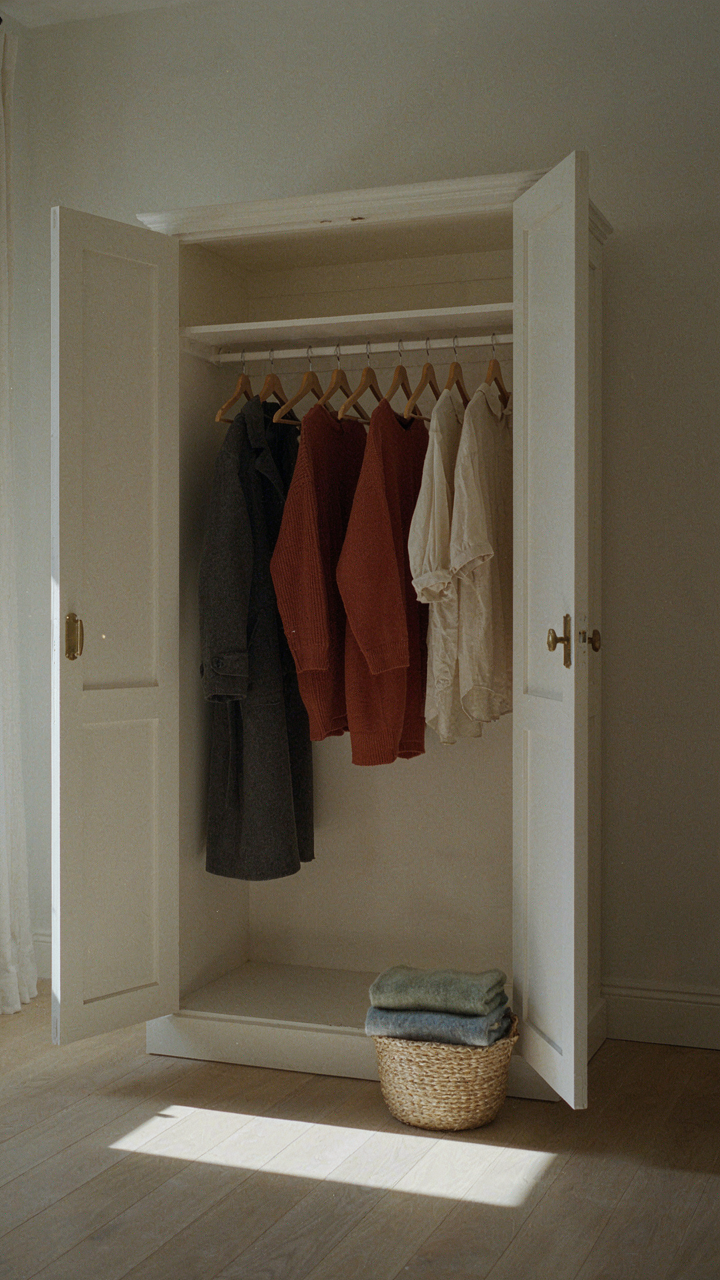
You’re afraid you’ll waste money on pieces that don’t work. That’s the real thing. The mechanism is this: a capsule isn’t static, and treating it like one destroys its function. Seasonal rotation works like inventory management in retail. You don’t keep summer linen blazers front and center in January. You move them out, assess what actually got worn, and cull what didn’t earn its space.

Pull pieces quarterly. Look at what you didn’t touch in the past three months. If you didn’t reach for it, the problem isn’t your lifestyle changing—it’s that piece not fitting the reality of how you work. Donate it or sell it. This isn’t failure. This is data. Replace gaps with pieces that close actual holes in your rotation, not aspirational ones.
The Clarity Tax And Your Actual Bandwidth
Most people think maintaining a capsule saves mental energy. It does, but not because you think about clothes less. It saves mental energy because you stop spending cycles on conflict. Economics calls this opportunity cost—the real price of a choice is what you gave up to make it. Your decision fatigue is the opportunity cost of too many options.
Each morning you have finite attention. A capsule forces you to spend that attention on work output, not outfit construction. You know which pieces work together before you open the closet. You’ve pre-decided. That’s not restrictive. That’s permission to stop deciding. Execute the rotation: every quarter, try on everything. If it doesn’t fit or feel right anymore, remove it immediately, don’t wait.
The Real Obstacle Isn’t Your Closet, It’s Your Unexamined Relationship With External Validation

You don’t need more clothes. You need to stop dressing for the approval of people who aren’t paying your salary. A capsule wardrobe for professional women works because it forces you to make decisions based on function, not fear. Today, identify one piece you own purely because someone else said you should. Remove it. You’ll realize how much mental space that single decision frees up. Confidence isn’t wearing what everyone expects. It’s wearing what works.