

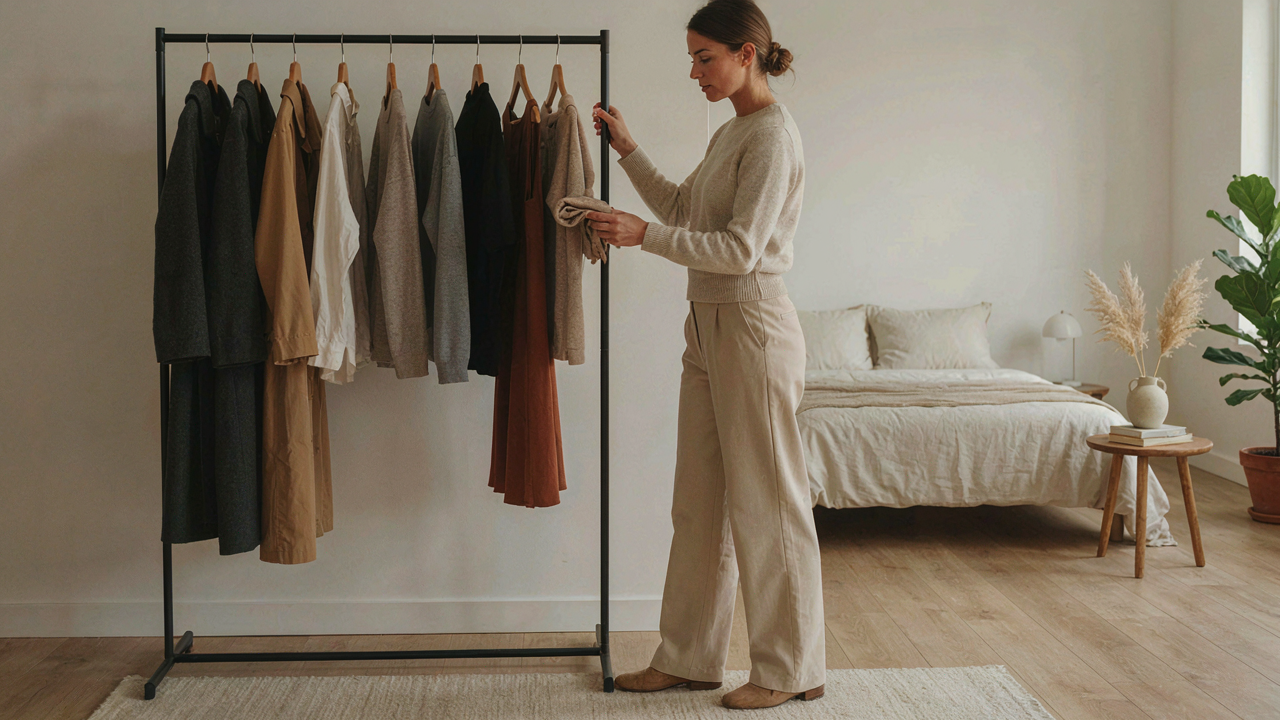
The Myth Of The Magic 10 Piece Capsule Wardrobe

Numbers Don’t Solve Constraint Problems
You want permission to stop thinking about what you wear. The appeal of “10 pieces” isn’t the math—it’s the fantasy that arbitrary limits create automatic solutions. They don’t. In systems design, constraint effectiveness depends on whether the constraint maps to your actual bottleneck. A wardrobe constraint only works if your real problem is decision fatigue or storage, not fit, body type, or lifestyle mismatch. Most people pick 10 because the number circulates online, not because 10 solves their specific friction. The mechanism is straightforward: you’re outsourcing decision-making to a rule instead of understanding which variables actually control your outfit success.
Buying 10 random pieces that technically “go together” leaves you with outfits that function but don’t fit your life. You’ll hit days where nothing works for the weather, the context, or how your body sits that week. The real work isn’t counting pieces—it’s mapping your actual wear patterns, climate zones, and body reality against fabric behavior and proportional fit. Until you do that, the number is noise. You’re still making bad choices, just with fewer options.
Function Over Inventory Limits
Stop treating wardrobe building like a constraint optimization puzzle. The real utility question isn’t “how many pieces fit the rule” but “which pieces eliminate friction from my actual life.” A consultant in Minneapolis needs different outfits than one in Los Angeles. Someone who works from home and socializes evenings has different wear patterns than someone commuting five days a week. The industry consensus treats these differences as minor—they’re central. Your wardrobe size should scale to your lifestyle variety, not to what sounds achievable on social media.
Start by auditing what you actually wear for two weeks. Track occasions, weather, body feeling, and what you reach for when nothing else works. That pattern shows your real minimum piece count, which might be eight or might be eighteen. Then build from there with pieces that solve specific gaps you identified, not pieces that fit an aesthetic. The goal is zero wasted items and zero outfit anxiety. You reach that through precision, not through shrinking the number to feel disciplined.
The Wardrobe Ecology System: Biomimicry For Your Closet

Natural Systems Outlast Trends
You want permission to stop shopping without feeling like you’re missing out. Here’s the actual reason that matters: natural systems persist because they operate on constraint, not abundance. In biology, an ecosystem thrives through strategic relationships between a limited number of elements, not random accumulation. Your 10 piece capsule wardrobe works the same way. Each piece functions as a keystone species in clothing ecology. Remove one, and outfit combinations collapse. Add random pieces, and the system fragments into noise.

Designers who built lasting brands understood this instinctively. Jil Sander built her entire philosophy on reduction and material quality. Helmut Newton’s muse wore the same neutral base pieces across decades of photographs because the consistency made the statement stronger. The mechanism here is specificity through constraint. When you limit your pieces, each one gains leverage. Your brain stops treating clothes as interchangeable options and starts recognizing actual relationships between garments.
Adaptability Built Into Foundation
The common advice says a capsule wardrobe is about owning fewer things. That’s incomplete. It’s actually about owning pieces that create optionality through combination, not through quantity. This is the principle of adaptive capacity borrowed from systems ecology. A system with high adaptive capacity survives disruption because existing elements recombine in new ways. Your capsule does this through foundation pieces: neutrals in complementary cuts that layer, mix, and shift in mood based on context.
The real work happens when you select pieces that maintain coherence while shifting application. A cream wool sweater works as a standalone layer in summer, a base under a blazer in fall, an overshirt in winter. That’s not magical. That’s deliberate design selection. You build the ecosystem by choosing pieces that serve multiple roles without looking like they’re trying too hard. The mechanism is overlap without redundancy. Every piece touches at least three others in your rotation. If a piece connects to only one or two items, it doesn’t belong.
Deconstructing The Capsule Wardrobe Formula: Your Personal Algorithm

Start With Life, Not Aesthetics
You want this to work so you don’t feel broke buying clothes. Here’s the mechanism: most people design capsules around how they want to look instead of how they actually spend their time. That gap kills the math. A capsule works only when you reverse-engineer it from your real activities, not your fantasy self. Your clothes must solve the problem of your actual schedule, not your Pinterest board.

Map your week into categories. How many hours do you spend in professional settings? How many in casual environments? How many exercising, commuting, or at home? These aren’t lifestyle aspirations. They’re data points. The capsule wardrobe functions like an inventory system in supply chain management, where every unit must rotate through the actual workflow. If you work from home four days a week but build for office only, the pieces won’t compound into multiple outfits. They’ll sit unused.
Translate Movement Into Garment Types
The common advice here is “pick a color palette and buy things you like.” That’s backwards. You don’t pick pieces. You pick functions. A garment archetype is a category of clothing that serves a specific role across multiple contexts. A neutral blazer isn’t a piece you like. It’s a layer that transforms casual basics into professional presentation and formal occasions simultaneously.
Start by naming the physical demands of each activity category. Professional settings need structure and polish. Casual environments tolerate relaxation in fit. Exercise requires breathability and recovery. Commuting adds durability and weather protection. Once you’ve named the demands, the garment archetypes emerge without opinion. You’re not choosing favorites. You’re solving problems. A 10 piece capsule lives or dies on whether each piece serves at least two of these functions across different contexts.
Timeless Capsule Wardrobe Essentials: The Investment Matrix

Cost Per Wear Beats Price Tag
You’re afraid you’ll waste money on clothes that don’t last. Here’s what actually matters: economics calls this “cost-per-wear,” and it’s the only metric that separates smart buyers from broke ones. A 200-dollar shirt worn 100 times costs two dollars per wear. A 50-dollar shirt worn five times costs ten dollars per wear. Most people obsess over the initial price and ignore the denominator entirely.

Natural fibers outlast synthetics because they’re denser and more stable under repeated stress. Cotton, wool, and linen don’t pill or lose shape the way polyester blends do. A capsule wardrobe only works if each piece survives frequent rotation. Buy pieces you’ll actually wear weekly, not monthly. Track what you reach for after three months. That’s your signal for what deserves investment.
Quality Compounds Over Time
The advice that quality matters is correct. The reason people ignore it is wrong. They think quality means aesthetic preference or brand status. It doesn’t. Quality means fiber content, seam construction, and how a fabric responds to washing and wear. A piece made with poor seams fails faster than one with poor fabric. A piece made with blended fibers breaks down faster than one with pure fibers.
Build your capsule in order of durability investment. Start with basics in natural fibers: plain cotton tees, wool knit layers, linen bottoms. These pieces take abuse and reward frequent wearing with better drape over time. Add one intentional piece per season instead of rotating five mediocre ones annually. Each addition must justify its place against existing pieces through increased outfit combinations, not because you like it marginally more.
Capsule Wardrobe Women: Beyond Gendered Prescriptions
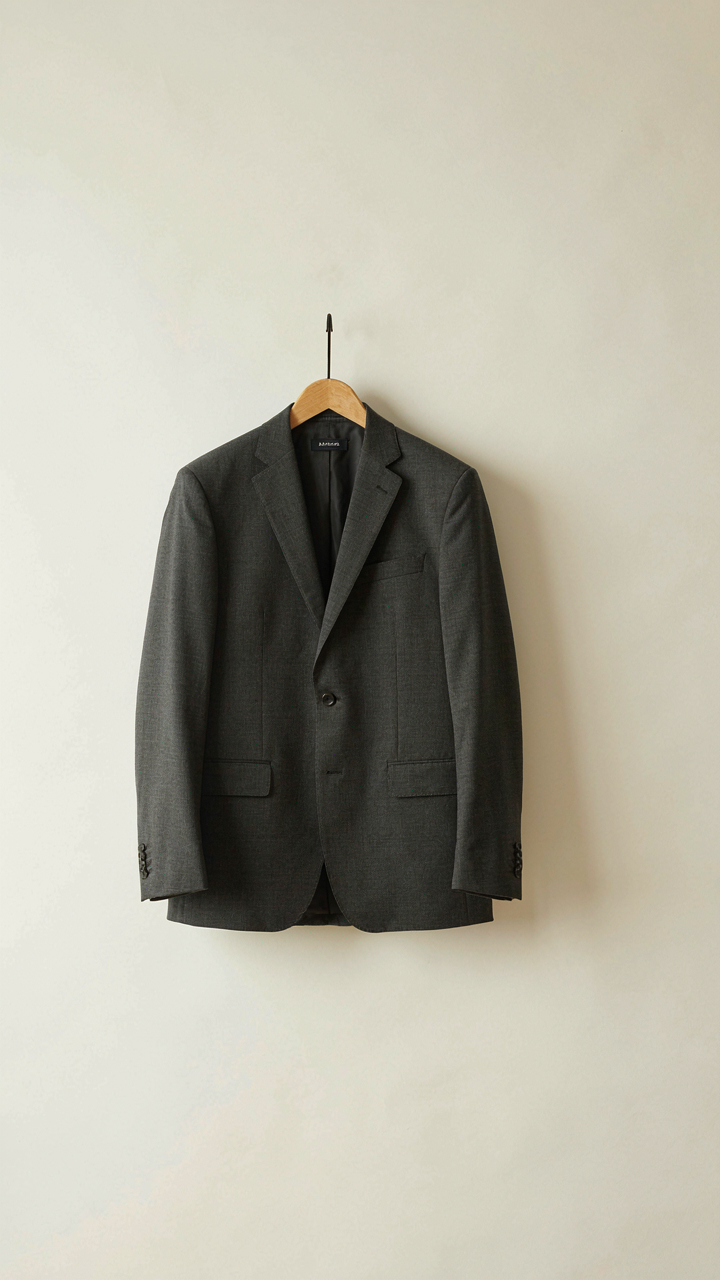
The Armor You Actually Need
You want permission to stop performing femininity through your clothes. Here’s the mechanism: gendered style advice works backward. It prescribes aesthetic first, function second. A 10 piece capsule wardrobe flips this. You choose pieces that move your body through your actual life, then build outfits from that foundation. The gender of your wardrobe becomes irrelevant because the constraint is utility, not tradition.

Traditional female style narratives demand you choose between softness and authority, texture and structure, pattern and restraint. This false binary exhausts decision-making energy and fills closets with pieces that photograph well but perform poorly in real conditions. A functioning capsule removes these traps entirely. You’re not curating an Instagram aesthetic or proving your understanding of femininity. You’re selecting garments that handle your specific physical and social demands without apology or performance.
Clothes As Operational Equipment
Use a military logistics framework here: your capsule wardrobe operates like a combat load bearing system. Each piece serves a defined operational role, and redundancy is strategic, not wasteful. A white button-up isn’t a “classic feminine staple.” It’s a thermal regulator and a professional layer that coordinates with nine other pieces. The mechanism works because you stop thinking about clothes as identity signals and start thinking about them as tools.
Functional elegance means the piece works first and happens to look proportional second. A well-fitted blazer worn with intention reads as authority regardless of gender because structure and fit communicate competence. Flat front trousers, a neutral knit, a white shirt, dark jeans—these aren’t feminine or masculine. They’re load bearing. The 10 piece constraint forces you to reject decorative elements and keep only pieces that earn their position through versatility and durability. This is how you build something that doesn’t require constant replacement or mental overhead.
The Outfit Formulas Playbook: Mastering Versatility
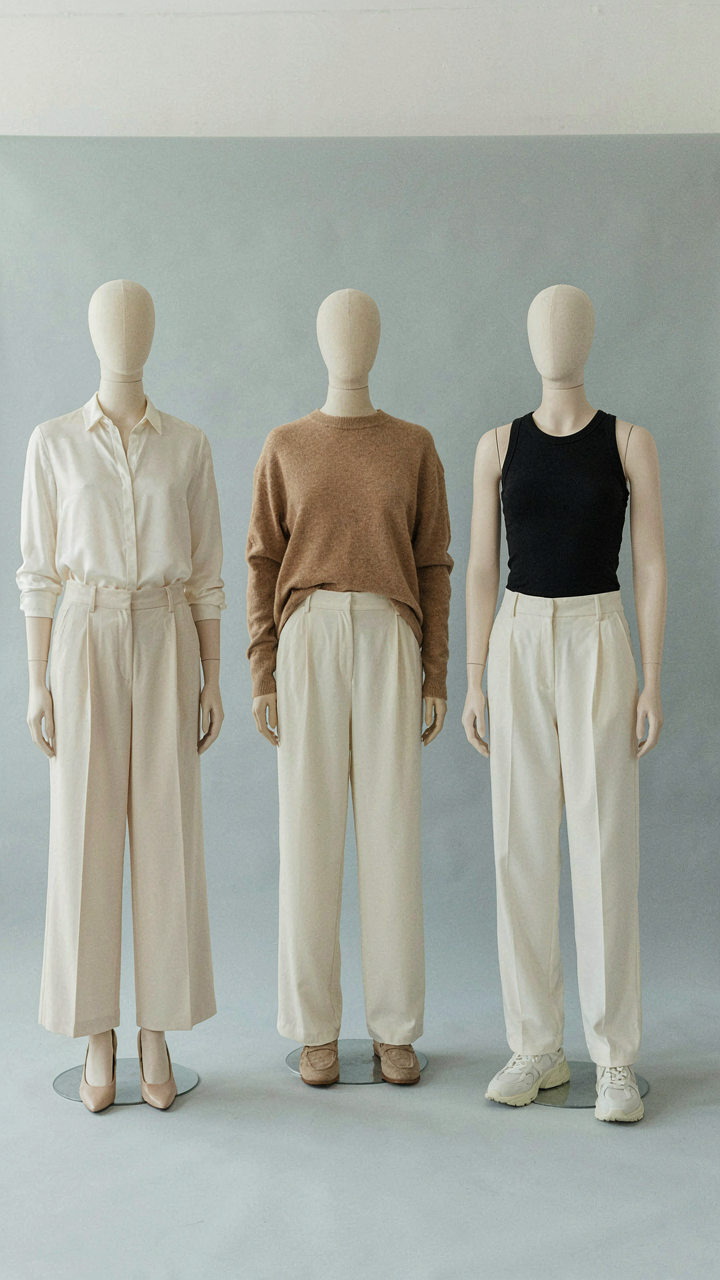
The Core Combinations That Actually Work
You want to feel confident you’re getting your money’s worth from ten pieces. That’s the real motive here. The mechanism is constraint-based combination: borrow from systems design, where nodes connect through predictable pathways. Your ten pieces are nodes. An outfit formula is a predetermined pathway through them. Instead of freezing every morning, you follow a template that guarantees a functional result.
- Base Plus Neutral: Neutral bottom (jeans, trousers, or skirt) paired with any top. Creates five distinct outfits from one foundation piece without thinking.
- Layering Ladder: Lightweight layer over fitted top over base layer. Each swap produces a new outfit from the same three-piece vertical stack.
- Color Blocking: One saturated piece anchors the outfit. Neutrals fill the rest. Reduces decision load and creates visual distinction across the week.
- Shoe Reset: Same outfit worn three times. Change shoes. Registers as completely different mentally and functionally transforms the vibe and context.
- Texture Pairing: Smooth fabric against structured fabric. Creates depth and proportion without adding pieces. Elevates basic combinations into intentional looks.

These formulas work because they remove the variable that kills versatility: decision fatigue. You’re not mixing randomly. You’re following a structure. Write down which pieces go together before you need them. Keep the list somewhere visible. When you get dressed, you execute the formula instead of inventing an outfit from scratch.
The Ratio Problem Everyone Ignores
Common advice says “just mix and match everything.” That’s wrong. Not all ratios of piece types produce the same number of outfits. The math is geometric, not linear. You need specific piece categories in specific proportions or combinations collapse fast. A capsule with eight tops and two bottoms creates far fewer usable outfits than one with five tops, three bottoms, and two layers. Most people build wrong, then blame themselves for poor planning.
The real protocol: count your piece categories first. Aim for three tops that work under layers, two standalone tops, two bottoms, one outerwear layer, one structured outerwear, one shoe for casual, one for professional. That’s ten pieces. The ratio forces modular combinations. Bottoms become anchors. Tops become variables. Layers become multipliers. You’ve built in redundancy at the ratio level, not the aesthetic level. Start there, not with pieces you like.
The Hidden Cost Of Clothes Capsules For Women
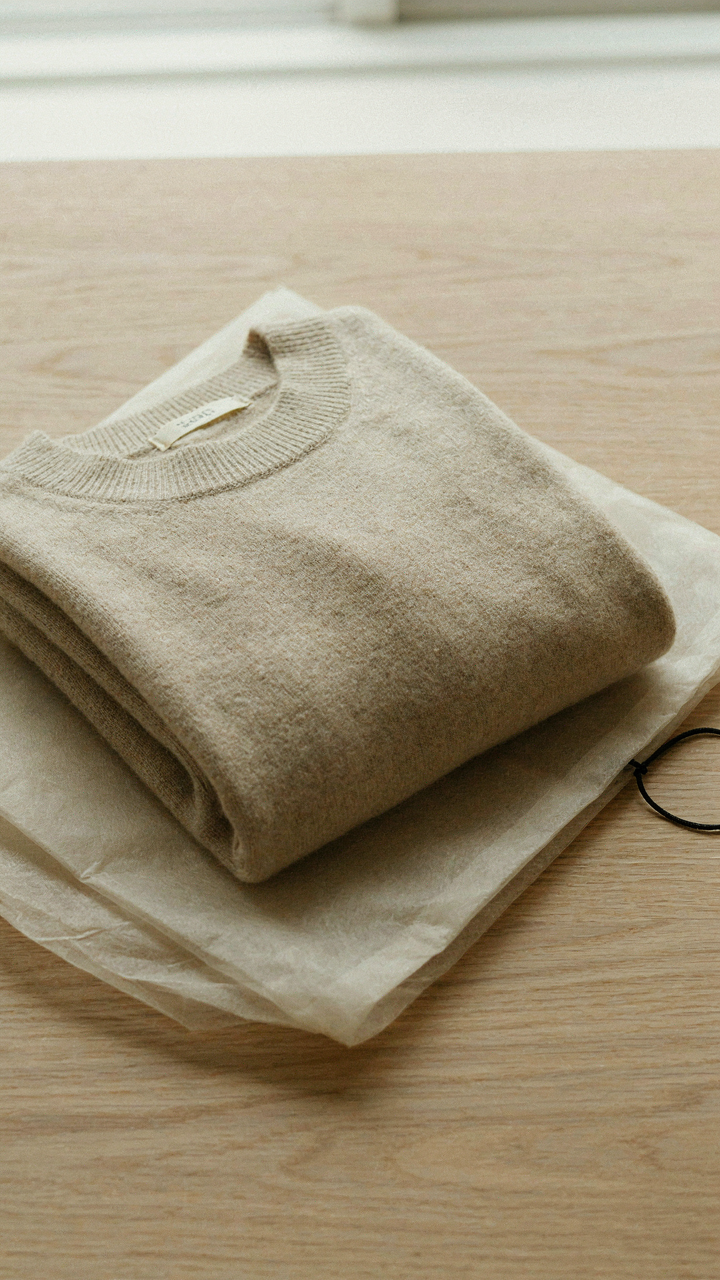
Minimalism As Marketing Machinery
You want to believe a capsule wardrobe solves decision fatigue and saves money. That’s the real draw here. But the capsule wardrobe industry borrowed the economics principle of “artificial scarcity” and inverted it. Instead of limiting supply to raise price, they limit your choices to raise your perceived value of each piece. You feel smarter. Brands profit from the psychological relief.

The trap isn’t owning fewer clothes. It’s the shame cycle baked into the framework. When a capsule fails you—a piece shrinks, goes out of rotation, or simply stops working—you blame yourself for poor curation, not the system. This guilt drives repeat purchases of “replacement basics,” which contradicts the entire premise. You end up buying more to maintain the feeling of having less.
What They Don’t Tell You About Upkeep
Maintenance costs money and time that capsule marketing conveniently erases. A ten-piece wardrobe demands higher-quality fabrics and construction than fast fashion, which means regular dry cleaning, professional repairs, and proper storage. These aren’t optional luxuries for pieces you wear constantly.
The real cost: a single cashmere sweater in a capsule needs professional care multiple times yearly. A silk blouse requires hand washing or dry cleaning. Quality leather requires conditioning. These pieces also demand climate-controlled storage to prevent degradation. Calculate annual maintenance against buying cheaper basics you replace yearly and the math shifts fast. Strategic replacement often costs less than keeping a capsule alive.
Curating Your Personal Aesthetic: The Anti Uniform
What Actually Separates Your Taste From Everyone Else’s
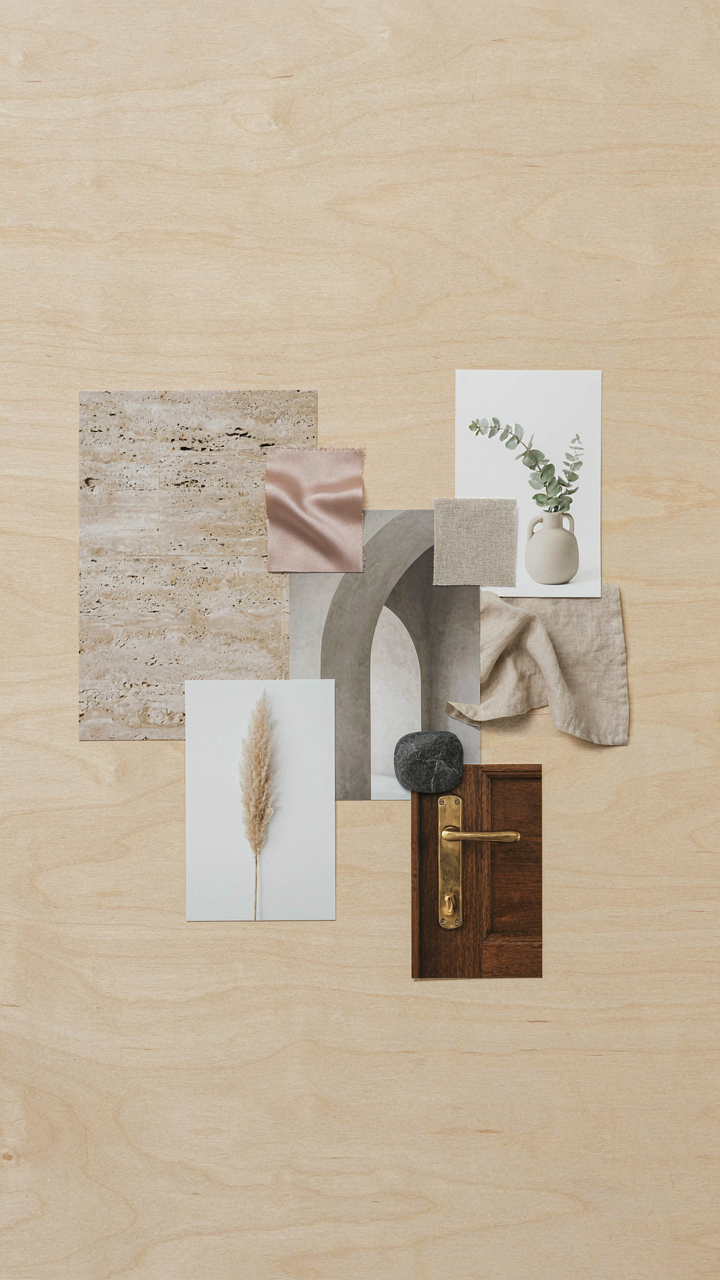
You want this section to tell you that your personal style matters because you’re special. The truth is uglier: you want permission to stop copying what works for other people. The mechanism is simple. Your capsule only functions if every piece aligns with your visual constraints, not Pinterest’s. Most people build a capsule around trends or “flattering” rules handed down by stylists. That guarantees blandness. Your visual language exists whether you name it or not. Identify it deliberately, or you’ll unconsciously repeat generic choices.

Start by auditing what you already own and actually wear. Don’t think about what you should wear. Look at the ten items you reach for repeatedly, the colors that appear most, the silhouettes that repeat. The patterns emerge immediately. Maybe you gravitate toward neutral tones with one saturated color. Maybe you prefer structure over drape. Maybe tailored fabrics pull you more than soft knits. This isn’t preference in the abstract sense. This is pattern recognition of your own behavior. Write these patterns down. This becomes your brief for every future purchase.
The Mechanism That Stops You From Becoming Everyone Else
Conformity in fashion isn’t about peer pressure anymore. It’s about algorithmic visibility. Instagram, TikTok, and Pinterest all reward the same silhouettes, colors, and styling choices because those images perform. Millions of identical capsules exist not because those choices are optimal, but because the algorithms pushed them forward. Identity requires active rejection of this current. Your capsule becomes valuable precisely because it doesn’t match the consensus aesthetic.
The practical move: list five visual references that have nothing to do with fashion. A painter you respect. An architect’s building. A filmmaker’s color grading. A historical figure’s documented style. A subculture you find visually coherent. These reference points anchor your choices outside the feedback loop of likes and shares. Now evaluate your ten pieces against these anchors, not against what “works.” Keep only what resonates with your actual visual language, not your aspirational one. Your capsule becomes a statement because it’s specific to you, not because it’s rare.
Building A Resilient Wardrobe: Your Style Operating System
Strategic Acquisition, Continuous Refinement
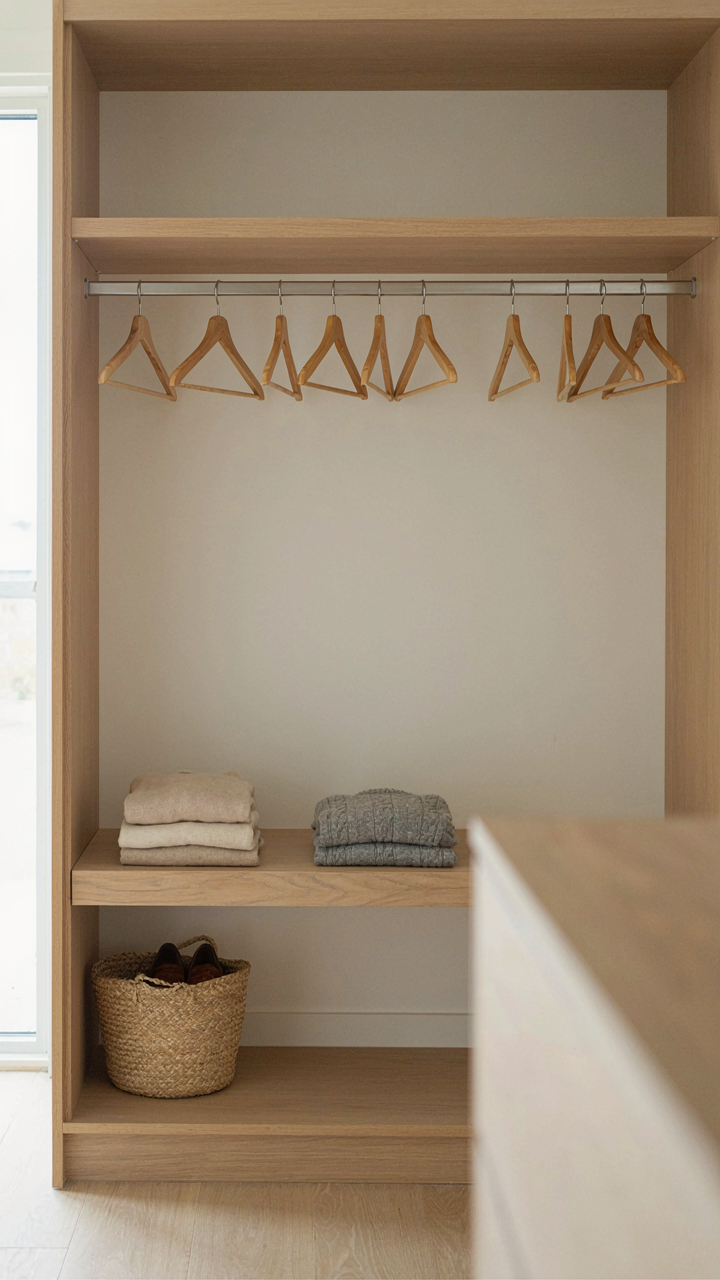
You want permission to stop shopping. That’s the real reason you’re reading this section. The mechanism is this: a 10 piece capsule wardrobe works because constraints force intentionality. Without them, you buy reactively—filling gaps that don’t exist, chasing trends that won’t fit your life. The constraint reverses this. You acquire only pieces that solve problems your current rotation can’t solve. This is deliberate scarcity, not deprivation.

Most people treat capsule wardrobes as static end states. They’re not. Build your ten pieces, then monitor what you actually wear versus what sits unused. Every three months, identify the friction points. A piece that never combines with others signals a poor fit. Replace it. A gap emerges where two outfits could exist but don’t—that’s a signal to acquire something specific. The wardrobe becomes a feedback loop, not a finished project. You refine based on evidence, not aesthetics or marketing.
Your Personal Style As A Dynamic System
Your style isn’t a personality trait you discover. It’s a operating system you debug. You have ten pieces. They produce a certain range of outfits. Some combinations feel natural to wear. Others feel forced, even if they look fine. Pay attention to which combinations you actually reach for. Those reveal your authentic constraints—comfort, confidence, lifestyle demands—not magazine editorials. Your ten piece wardrobe only works if it maps onto how you actually move through the world.
Most style advice ignores behavioral reality. It focuses on visual coherence instead of wearability. A piece can look perfect in theory but never leave your closet because it demands styling attention you won’t give it. Build in friction relief. Choose fabrics that need minimal maintenance. Pick colors that don’t require precise lighting to look intentional. Select fits that work with your actual proportions, not aspirational ones. The goal is a wardrobe that requires no willpower to wear—you reach in and pull out something that works because the system is designed around your defaults, not against them.
The Real Obstacle Isn’t Your Wardrobe; It’s Your Inability To Define What You Truly Value

Most people fail at the 10 piece capsule wardrobe because they’re still chasing what they think they should wear instead of what actually works for their life. You don’t need more clothes. You need clarity on who you are and what that demands of you. Today, write down three non-negotiable situations your clothes must handle. That’s your starting point. Everything else is noise. Your closet doesn’t need fixing. Your identity does.