

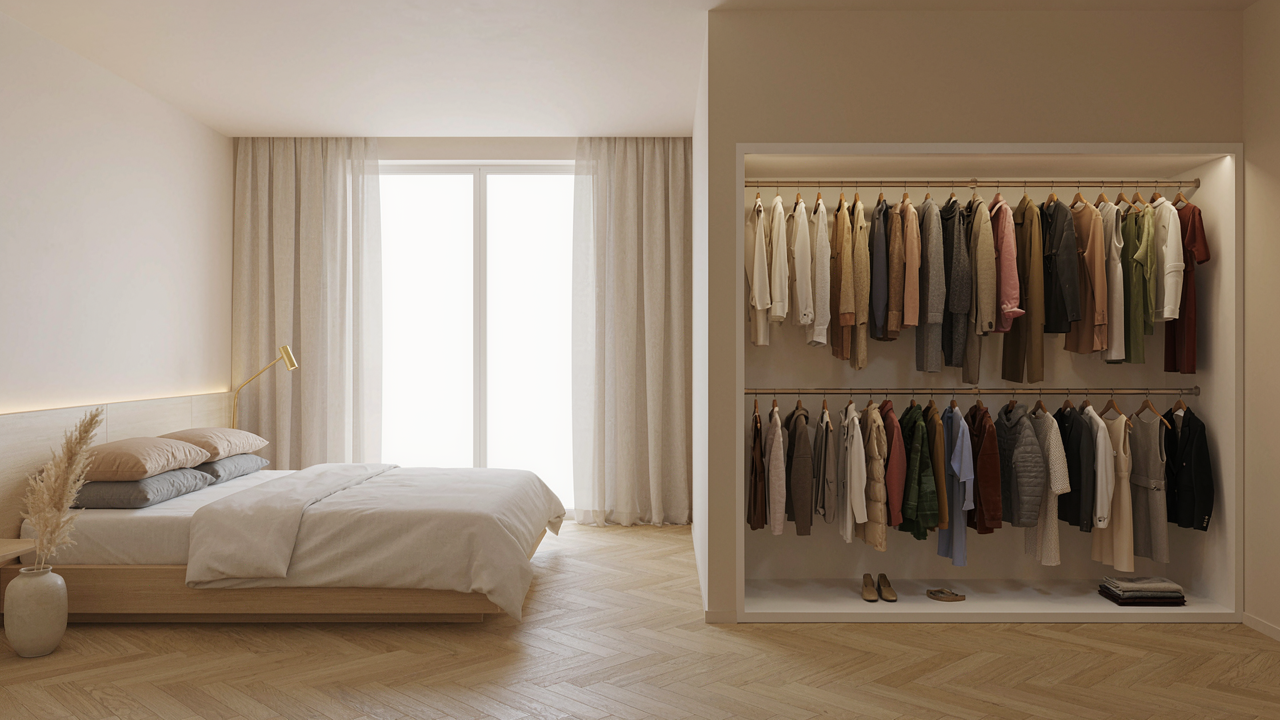
The Illusion Of Choice: Why More Clothes Mean Less Style

Decision Fatigue Destroys Outfit Execution
You think you want options. What you actually want is permission to stop thinking about what to wear. Every item in your closet that doesn’t fit a system costs you decision capital you could spend on work that matters. Cognitive psychology calls this decision fatigue. In wardrobe terms, it’s the moment you stand in front of thirty options and wear the same five pieces anyway because the cognitive load of evaluating the full set exhausts you before you get dressed.
The mechanism is straightforward: your brain allocates energy to choices sequentially. After ten to fifteen outfit combinations, you hit diminishing returns. You stop evaluating quality and start defaulting to comfort. A 30-piece capsule wardrobe reverses this by design. You eliminate the junk decisions upfront, so when you open your closet, you’re picking from pieces that actually work together. Every selection reinforces the system instead of fighting it.
The True Cost Of Closet Overflow
Conventional wisdom says a bigger closet gives you more freedom. It doesn’t. It gives you more friction. Overflowing closets create a hidden tax: storage space costs money, maintaining unused pieces costs time, and searching through dead inventory costs energy every single morning. Most people own clothes they forget they own. That’s not abundance. That’s waste dressed up as optionality.
A 30-piece capsule forces you to calculate actual value per item. You remove pieces that don’t earn their closet real estate. You stop buying reactively because you know exactly what gaps exist. This shift moves you from consumption mode to curation mode. The result isn’t restriction. It’s clarity. When you know your inventory by heart, you dress faster, choose better, and stop the cycle of buying guilt-driven replacements for clothes you never wear.
Beyond The Hype: What A 30 Piece Capsule Wardrobe Really Is
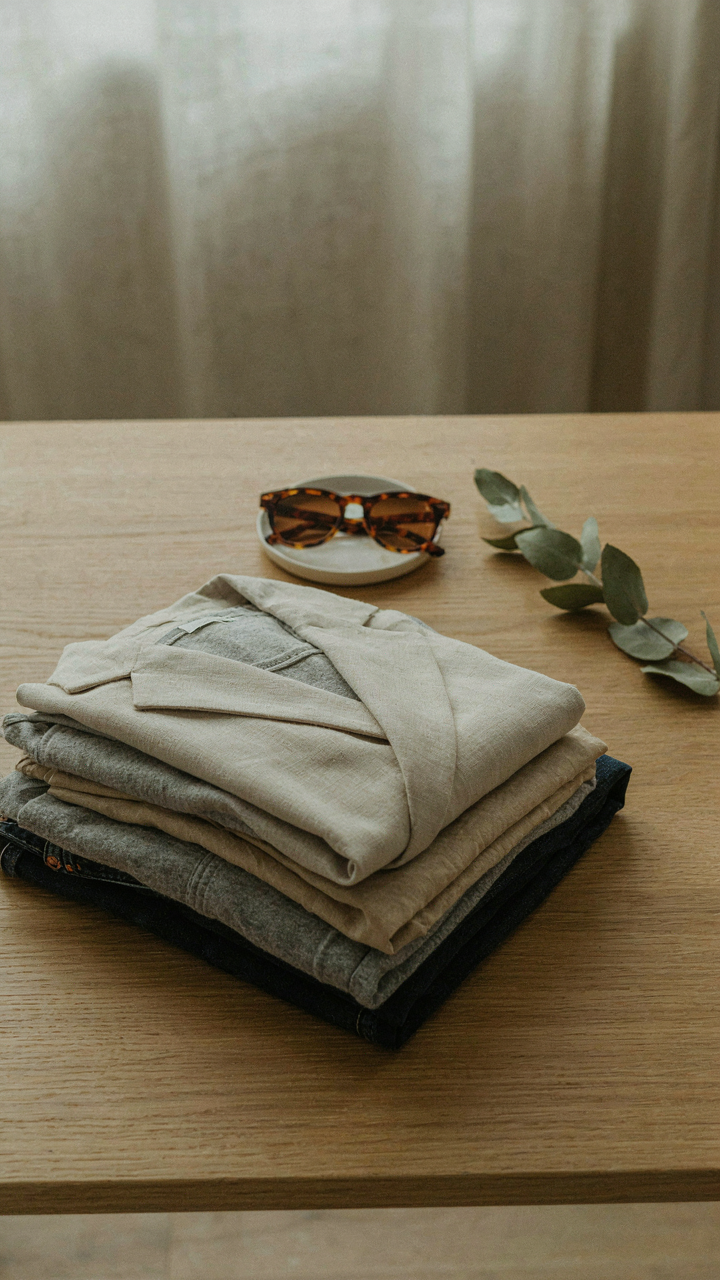
The Uniform Principle
You want permission to stop thinking about clothes. That’s the real draw here, and there’s nothing wrong with it. A 30 piece capsule wardrobe works because it borrows from systems design: constraint forces prioritization. Every item must justify its existence through function, not aesthetics. Remove choice friction and you remove decision fatigue. The mechanism is simple. Fewer pieces means every single one earns its closet space by performing multiple roles across seasons, body conditions, and social contexts.

The math matters here. Thirty pieces across four seasons sounds tight until you realize most clothing cycles through temperature ranges, not calendar dates. A linen shirt works in spring and again in late summer. A merino base layer transitions from winter to cool autumn mornings. You’re not buying seasonal wardrobes. You’re buying versatility that stacks across the year.
Reduction That Actually Works
Common advice tells you to minimize arbitrarily, as if owning less is the goal. It’s not. Strategic selection means you remove only the items that don’t perform across at least two seasonal contexts or two social situations. Start by asking what each piece does, not what it looks like. A charcoal sweater over white tee works for casual Friday and dinner. Dark jeans work for morning meetings and evening plans. A cream linen blazer bridges professional and casual with one garment.
The protocol: audit what you already wear in rotation. Track for two weeks which items you reach for repeatedly. Build your 30 pieces around those patterns, not around fashion industry trends or aspirational versions of yourself. This eliminates the graveyard of unworn purchases. You keep the uniform, discard the noise.
The “Adaptive Wardrobe” Protocol: Your All Season Blueprint
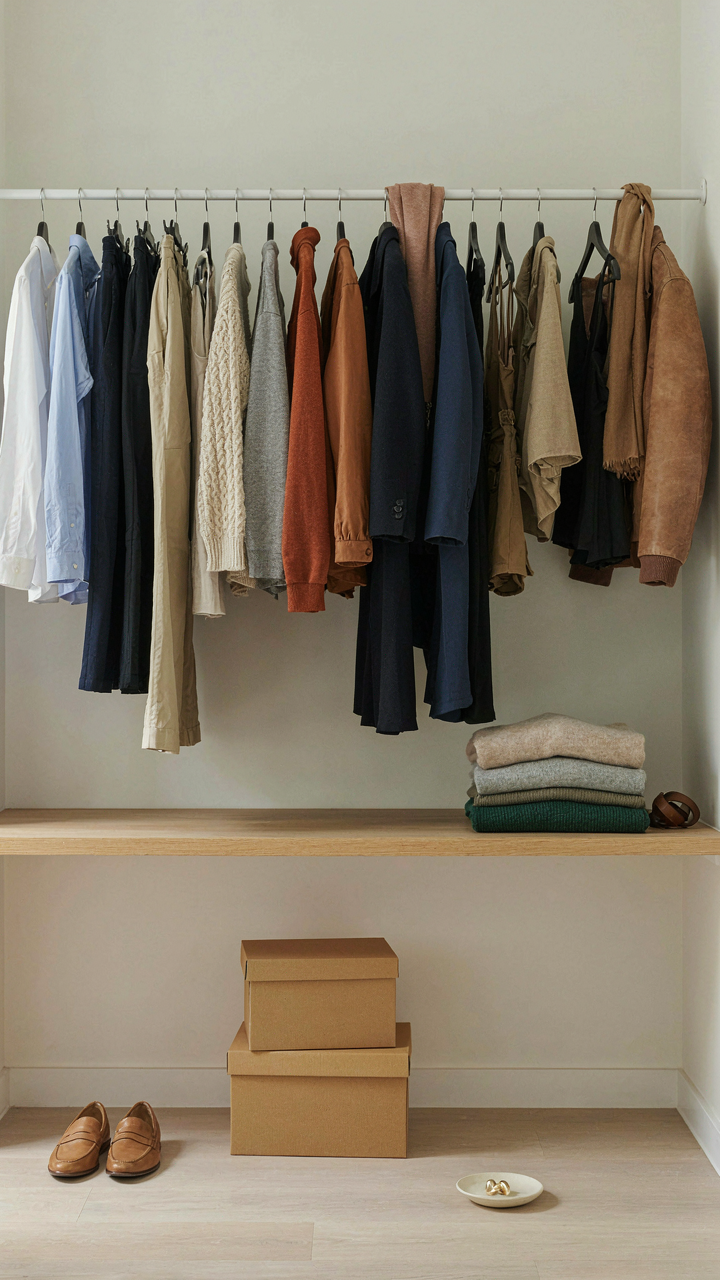
The Foundation Layer That Actually Works
You want this section because you’re tired of owning 200 pieces and wearing the same 10. The real mechanism: you need a base layer of items with maximum outfit density—pieces that generate different outfits across seasons without redundancy. Most people skip this and buy seasonally, which creates dead inventory. The smarter move is to identify which core items remain relevant year-round through fabric weight and layering strategy, then build seasonal modifications on top of them.

Your foundation isn’t about neutral colors alone. It’s about pieces engineered for temperature variance. A merino wool crewneck works in summer under linen shirts and in winter under heavy coats. Chinos in natural fibers breathe in heat and insulate in cold. White buttondowns layer in every season. These items don’t hibernate—they rotate into different contexts. You calculate outfit combinations by treating the foundation as the variable that stays constant while layers and textures change around it.
Rotation Without The Dead Stock
Seasonal rotation fails because most people treat it as addition. They add a winter coat, add sweaters, add boots, and suddenly own four coats gathering dust. Economics teaches us about opportunity cost—the value of what you don’t buy. Apply that here: every seasonal item added must replace something or eliminate the need for three pieces in another season. One heavy wool coat replaces the need for a light puffer and a rain shell if you layer strategically underneath.
The protocol is simple. Identify which 20 pieces work across three seasons with different layering. Then designate 10 pieces that rotate in and out: five for heavy cold, five for heavy heat. When seasons shift, you physically remove the outgoing five and stage the incoming five in your closet. You don’t store 20 winter items year-round. You keep them accessible for three months, then move them out. This isn’t organization. This is inventory management applied to your body.
Deconstructing Your Style: The Wardrobe Intelligence Briefing

Know Your Mission First
You want a 30 piece capsule wardrobe because you’re tired of decision fatigue and the nagging feeling that you’re wasting money on clothes you don’t wear. The mechanism is simple: you can’t build a functional system without defining what you actually do. Most people skip this step and wonder why their capsule fails. Military strategy calls this identifying your operational theater. Your wardrobe’s operational theater is your actual life: how many days you sit at a desk, how many you’re outdoors, how many you spend in front of other people who matter professionally or socially.

Document this with specificity. Count the hours you spend in different environments across a typical week. If you work remote four days and meet clients one day, that’s your baseline. If you have school pickup, gym time, and evening events, those are load-bearing constraints. Don’t estimate. Track it for one week. The 30 piece system only works when you build it against your real schedule, not the life you think you should have or wish you had. Everything else follows from this data.
Identify And Eliminate Weak Points
Common advice says “buy neutral colors” and “invest in basics.” That’s incomplete. The real work is ruthless subtraction. Every weak point in your current wardrobe exists because you bought something for a scenario that doesn’t actually occur in your life, or you bought it for the wrong reason, or the piece doesn’t solve a real problem your other clothes have. Write down every article you own that you haven’t worn in three months. Next to each one, write the reason: doesn’t fit, wrong color for your skin tone, doesn’t layer with anything else, or you bought it to be someone different than you are.
That last category is the killer. Once you identify those pieces, you’ve located the exact gap you need to fill in your 30 piece system. The gap isn’t what you’re missing. The gap is what you were trying to buy your way into. Fix the gap by defining which three to five activities dominate your week, then build exclusively for those activities with pieces that serve multiple functions. This prevents the cycle from repeating.
The Power Of The Uniform: 30 Outfits From Fewer Pieces
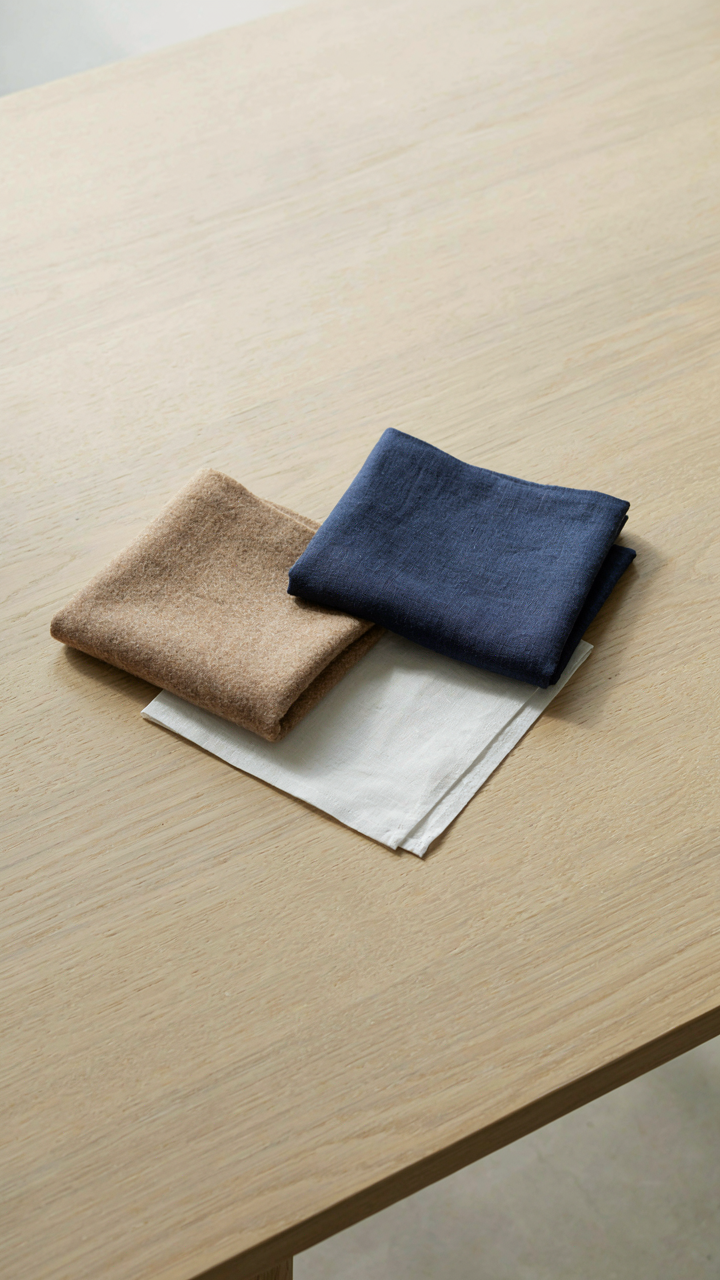
Build Your Foundation With Neutral Anchors
You want this to work because you’re tired of decision fatigue disguised as choice. The real mechanism is constraint. Fashion design uses the concept of a “color story” borrowed from painting and graphic design. Your 30-piece capsule operates on the same principle: you establish a limited palette of neutrals first, then every piece you add either extends or reinforces that story. Neutrals aren’t boring. They’re your system’s operating language. Without them, every new piece becomes a wild variable that may or may not work with what you own.

Pick three core neutrals: one warm (camel, tan, warm gray), one cool (navy, charcoal, cool gray), and one universal (black or white). Every other piece you add must harmonize with at least two of these three. This is why navy dominates capsule wardrobes—it bridges warm and cool tones without negotiation. Your foundation pieces (jeans, trousers, plain tees, basics) live here exclusively. Don’t hunt for “interesting” neutrals yet. Establish the grid first.
Strategic Layering Across Seasons
Most capsule advice tells you to buy pieces that “transition between seasons.” That’s incomplete. You don’t transition—you layer. Layering is economy: one piece becomes three outfits depending on what you put over or under it. A linen button-up works in summer alone, in fall under a sweater, and in spring as a jacket replacement. A crew neck tee wears solo in July and under everything from October to March. A blazer extends your range of occasions and seasons simultaneously without adding bulk.
Your 30 pieces must include strategic layering pieces: two cardigans or lightweight sweaters, one structured blazer, one unstructured overshirt, and one outerwear piece appropriate to your climate. These aren’t “extra”—they multiply your output. A white tee becomes five different outfits when you layer it with different textures and weights. Map out your seasonal transitions by layering depth, not by buying season-specific pieces.
Curating Your Arsenal: The Capsule Wardrobe Essentials Checklist
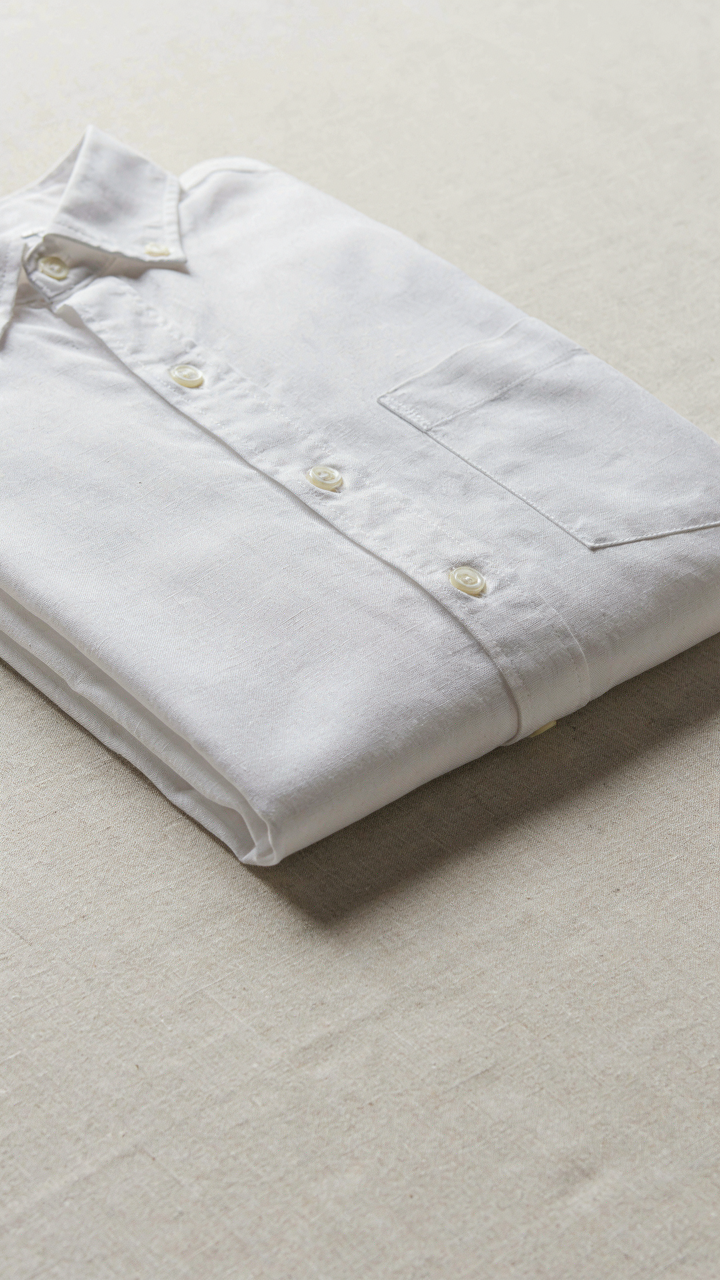
The Pieces That Justify Their Cost
You want permission to spend money without guilt. That’s the real reason this section matters. The mechanism is simple: investment pieces work because they compress decision-making. You wear them more often, which lowers their cost-per-wear and eliminates the friction of “what should I reach for today?” A white oxford shirt worn 80 times costs less per wear than a trend piece worn 4 times, even if you paid triple for it upfront.
- White Oxford Button Down: Pairs with everything from jeans to wool trousers. Works across seasons with layering. Expected lifespan of 5-7 years with proper care. Worn for casual, business casual, and smart casual contexts without looking wrong.
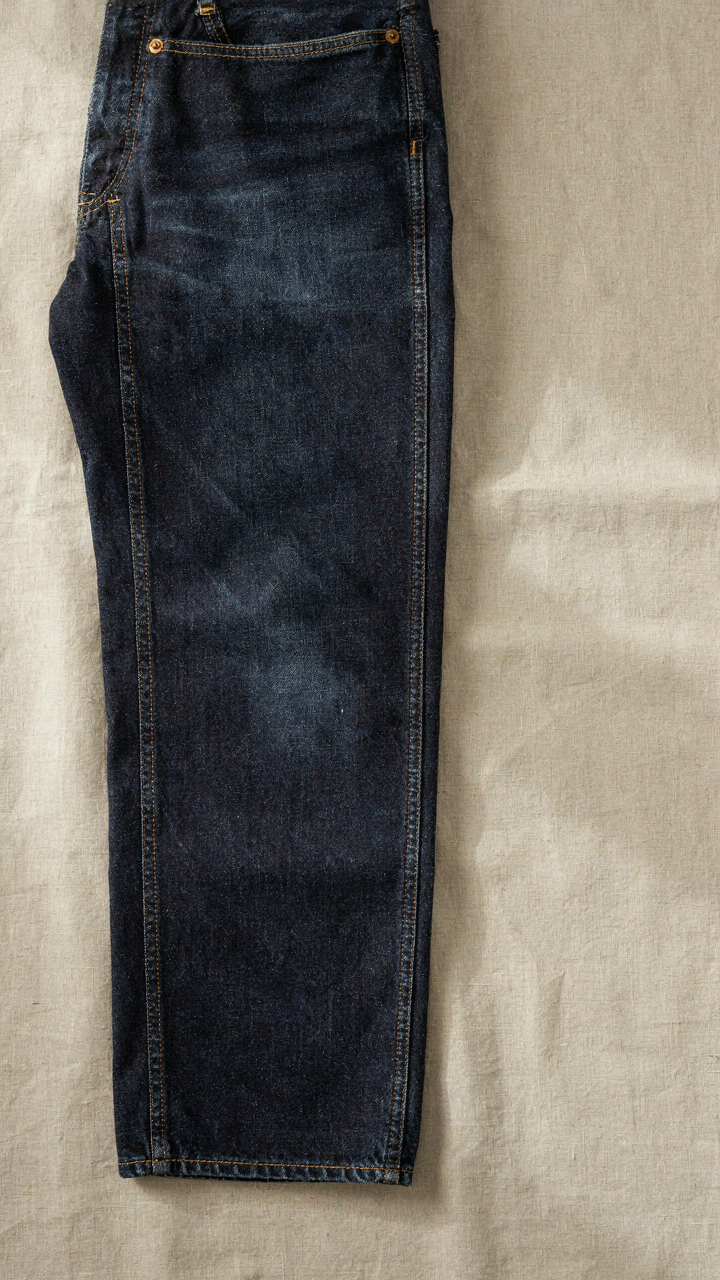
- Dark Jeans: Navy or black denim in a structured fit holds shape across hundreds of wears. Acts as a neutral base that bridges casual and semi-dressy occasions. Quality denim doesn’t fade uniformly and actually improves with age if maintained correctly.
- Neutral Blazer: A wool or wool-blend blazer in navy, charcoal, or camel transforms basics into polished outfits. Wears across seasons when layered. Structured construction means it doesn’t wrinkle easily and holds its form through repeated wear cycles.
- Crew Neck Sweater: Merino wool or quality cotton blend in neutral tone. Layerable under blazers and over collared shirts. Resists pilling better than cheaper alternatives and maintains shape because the fiber has natural elasticity.
- Tailored Trousers: Wool or wool-blend in neutral color. Creates clean silhouette for work and elevated casual settings. Quality tailored trousers hold creases longer and drape consistently because of proper weight in the fabric.

The math here is brutal and honest: a 100-dollar sweater worn 200 times costs 50 cents per wear. A 30-dollar trend shirt worn 5 times costs six dollars per wear. Buy pieces you’ll actually reach for repeatedly, not pieces that photograph well on purchase day.
Built To Last, Not To Trend
The common advice says “invest in basics,” but that misses the actual mechanism. Economics teaches us sunk cost fallacy, and fashion uses it against you. You buy trend pieces because they feel new; you avoid reaching for basics because they feel boring. Reverse this: make boring pieces so durable and well-fitting that reaching for them becomes the path of least resistance, not the alternative.
Durability isn’t about thread count or brand name. It’s about fiber structure and construction method. Natural fibers like wool and cotton maintain their properties across years; synthetic blends degrade faster because the fibers break down under friction and washing. A piece made to last gets worn more, which means it ages into looking better, not worse. This feedback loop is why a five-year-old wool sweater still looks intentional while a one-year-old polyester shirt looks tired.
Timelessness works the same way. Pieces without obvious design markers from a specific year stay relevant because they’re not anchored to a trend cycle. A white t-shirt made correctly looks the same in 2015 and 2025 because the form hasn’t changed. When you buy pieces built this way, you don’t need to replace them every season, which means your 30-piece wardrobe actually functions as a full system instead of a temporary placeholder. Test fit and construction quality before purchasing, not just the label or the price tag.
Beyond Trends: Building A Minimalist Wardrobe That Lasts
The Real Cost Of Chasing Newness
You want permission to stop feeling broke all the time. That’s the real reason you care about this section. Fast fashion exploits a psychological loop: scarcity signals drive urgency, urgency drives purchase, purchase creates dopamine, dopamine fades, scarcity signals return. The cycle accelerates because brands engineered it that way. A 30-piece capsule breaks the loop by eliminating the decision tax. You stop evaluating new items constantly and start wearing what you already own.

The math is brutal. Average consumer buys 60-70 new garments yearly and discards most of them within months. A capsule wardrobe reverses this by establishing fixed anchors: core neutrals, secondary colors, and silhouettes that work across seasons. You build once, then edit. The mechanism isn’t willpower. It’s friction. Make new purchases harder than wearing existing pieces, and behavior shifts. Brand loyalty to fast fashion chains dies when you stop needing them.
Durability Through Material Selection
Material quality determines lifespan, and lifespan determines actual cost per wear. Most people ignore this math. They compare price tags instead of price per wear over years. Natural fibers like wool, linen, and cotton outlast synthetics when manufactured properly. A wool sweater worn 200 times costs less per wear than a polyester blend worn 30 times before pilling and fading. Choosing material isn’t about virtue. It’s about arithmetic.
Construction quality matters equally. Flat-felled seams, reinforced stress points, and tight knit densities signal durability. These details cost manufacturers more upfront but extend garment life dramatically. A 30-piece capsule demands pieces that survive multiple seasons because you’re wearing each item frequently. That frequency exposure reveals cheap construction fast. Buy pieces from brands that publish or demonstrate their construction standards. Durability becomes your filter instead of trend cycles.
The Strategic Accessory: Elevating Capsule Outfits
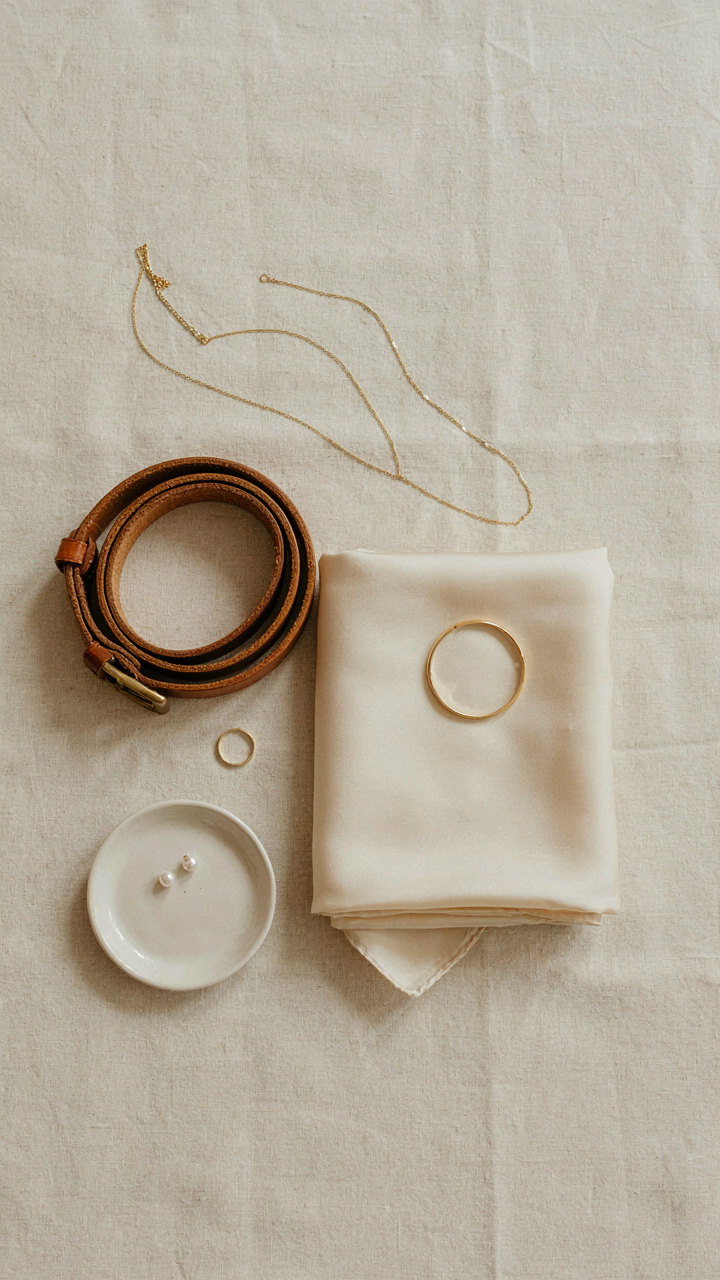
How Small Additions Multiply Outfit Combinations
You’re buying into the capsule myth that clothes alone do the work. They don’t. The real leverage lives in accessories because they’re the variable that scales your outfit count without scaling your closet. Think of accessories through systems logic: each piece you add to a 30-piece base creates exponential combination possibilities, not linear ones. A scarf, belt, or bag doesn’t just sit on top of an outfit. It rewires how your brain reads the entire look.

The mechanical truth: three accessories applied across thirty base pieces generate more unique outfit readings than adding ten new clothing items. This works because accessories operate on visual weight, not physical volume. A leather belt contracts silhouettes and adds structure. A silk scarf shifts color dominance and formality level. Accessories aren’t decoration. They’re editing tools that change how existing pieces function. This is why a 30-piece capsule with intentional accessories outperforms a 50-piece wardrobe without them.
Multi Functional Statement Pieces That Earn Their Space
Most people choose statement accessories based on how they look alone. This is backward. A statement piece in a capsule only survives if it works across contexts you actually inhabit. This means the piece must solve a specific problem in your rotation while maintaining versatility. A structured leather belt works across casual, business, and smart casual contexts. A patterned scarf reads differently over neutrals versus prints. A quality watch functions as both jewelry and tool. The mechanism here is constraint: the fewer outfits a statement piece serves, the faster it becomes dead inventory.
Choose statement accessories by mapping them to your most-worn base pieces first. If your capsule centers on navy, camel, and white, select accessories that enhance those anchors across different settings. A camel leather bag becomes interchangeable across seasons. Gold jewelry compounds across more skin tones than silver. Textured scarves add dimension without competing for attention. Every statement accessory should work with at least five different base outfit combinations before you purchase it. This is the protocol that separates pieces that justify their cost from pieces that just take up space.
Maintenance And Evolution: Keeping Your Capsule Wardrobe Dynamic

The Audit Cycle
You’re afraid you’re missing something. That’s why you want permission to keep buying. An audit exposes this by forcing you to see what you actually wear versus what you own. The mechanism is simple: visibility kills rationalization. Once every three months, pull every piece. Lay it flat. Mark what you’ve worn zero times. Those items are liabilities dressed as options. They occupy mental space and physical drawers without return.

The non-essential isn’t always obvious until you track it. Pieces that seemed versatile reveal themselves as niche. That cream linen shirt you bought for “layering potential” hasn’t moved in four months. The audit isn’t emotional. It’s data collection. Remove pieces that don’t integrate with your existing 29. Don’t donate them immediately if uncertainty lingers, but box them away. If you don’t retrieve them in 60 days, they leave your system. This keeps your capsule honest and your decision-making grounded in use, not sentiment.
Redesign Without Replacement
The common advice here is garbage: buy new pieces when your life changes. That’s how you end up with 200 pieces. The real mechanism comes from systems thinking. In systems theory, constraints force innovation. Your 30-piece limit is a productive constraint. When you shift roles—new job, different climate, changed social circle—you don’t add items. You recombine existing ones. A blazer paired with basics reads professional. The same blazer worn over a graphic tee and jeans reads intentional and casual. Rewear, recontextualize, reorganize.
Life changes force wardrobe evolution through substitution, not expansion. If you move to a warmer climate, swap one heavy sweater for a lightweight layer in the same color. If you transition to remote work, replace one dress with a comfortable knit in your established palette. The constraint keeps you lean. The recontextualization keeps you relevant. When a piece no longer fits your life, identify what it was solving for—then replace it with one piece that serves that function better. Track the problem it solved, not the item itself.
The “30 Day Wardrobe Audit” Challenge
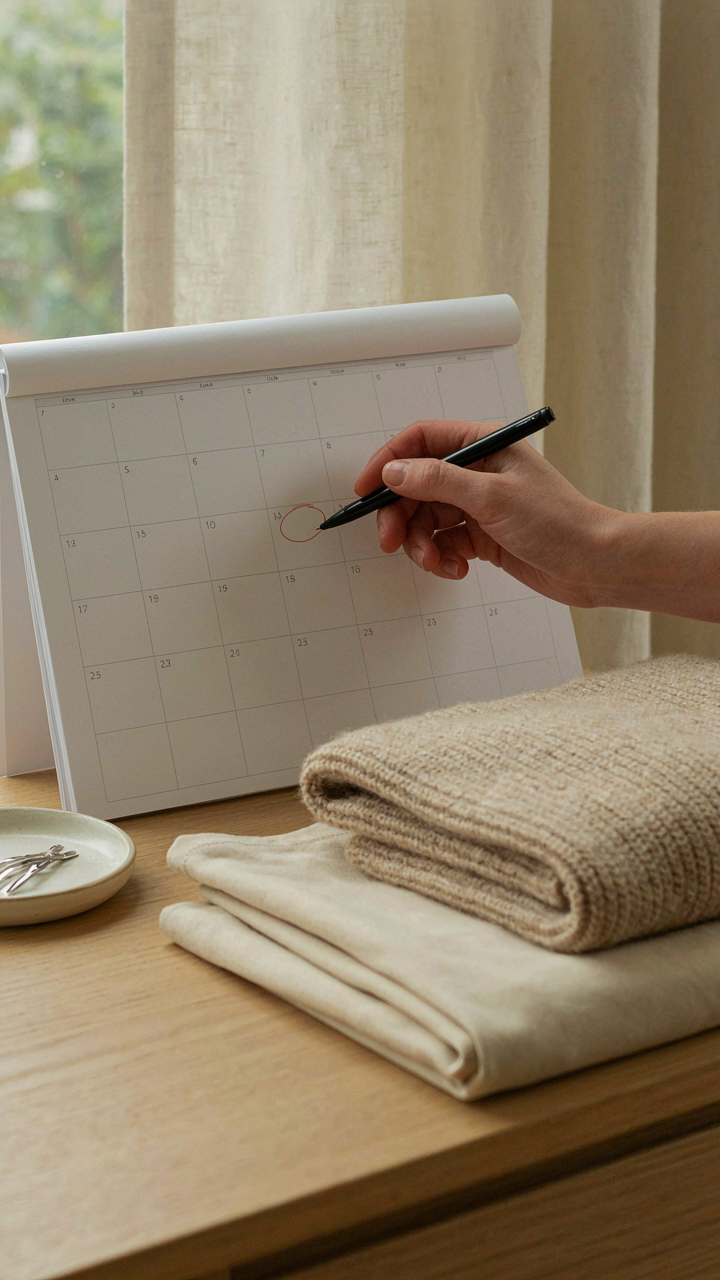
Wear Tracking Shows Real Patterns
You want proof that you’re not wasting money on clothes you don’t wear—that’s the fear underneath this. Here’s the mechanism: wearing data reveals preference patterns your brain actively hides from you. Most people guess wrong about what they actually reach for. You need to track which pieces you wear, how often, and in what combinations over 30 days. Not aspirational outfits. Not the pieces you think you should wear. Actual wear. This isn’t journaling. It’s data collection that turns opinion into fact.
Set a tracking system before day one starts. Use your phone’s notes app, a spreadsheet, or a simple tally on your calendar. Record each outfit worn: which top, which bottom, which shoes, and the context (work, casual, weekend). After 30 days, patterns emerge fast. You’ll see that three pieces make up 60% of your outfits. You’ll spot the dead weight—pieces you touched zero times. You’ll identify combinations that work versus those you never repeat. This data becomes your edit guide for the next capsule iteration.
Gaps Expose Design Flaws, Not Shopping Needs
The standard advice says find gaps and fill them. That’s backward and leads to bloat. Most gaps exist because your capsule was poorly constructed, not because you need more pieces. Here’s the distinction using inventory logic: a system has either redundancy or dependency. A 30-piece capsule with true gaps has dependency problems—pieces that don’t mix with enough options. You don’t solve dependency by adding pieces randomly. You solve it by redesigning what you have.
After your 30-day tracking, list the gaps you see. Example: “I wore my navy blazer three times but paired it with only two bottoms.” That’s a design flaw, not a missing piece. The solution is replacing one bottom with a neutral that pairs with more tops. Or swapping the blazer for one that matches your existing palette better. Before you add anything to your capsule, ask this: Does this gap exist because my existing pieces don’t work together, or because I’m missing a genuine seasonal need? Only the second one warrants a purchase. Fix the architecture first.
The Real Obstacle Isn’t Your Wardrobe; It’s Your Indecision
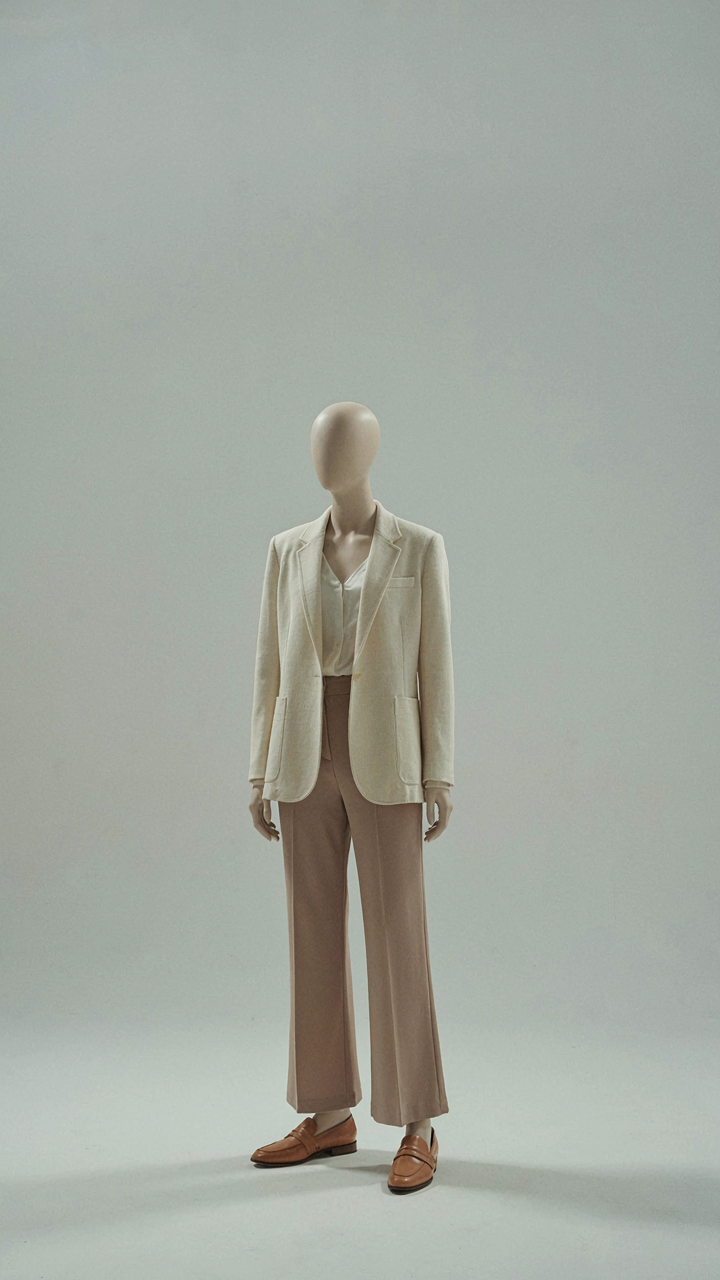
You don’t need a 30 piece capsule wardrobe to fix your closet. You need to stop treating getting dressed like a negotiation with yourself. Most people own 100+ pieces and still feel lost. Thirty pieces forces the decision you’ve been avoiding: what actually matters to you? Pick one aesthetic that makes you feel like yourself, buy those pieces, and stop. The person who owns 30 intentional items beats the person who owns 300 confused ones every single time.