

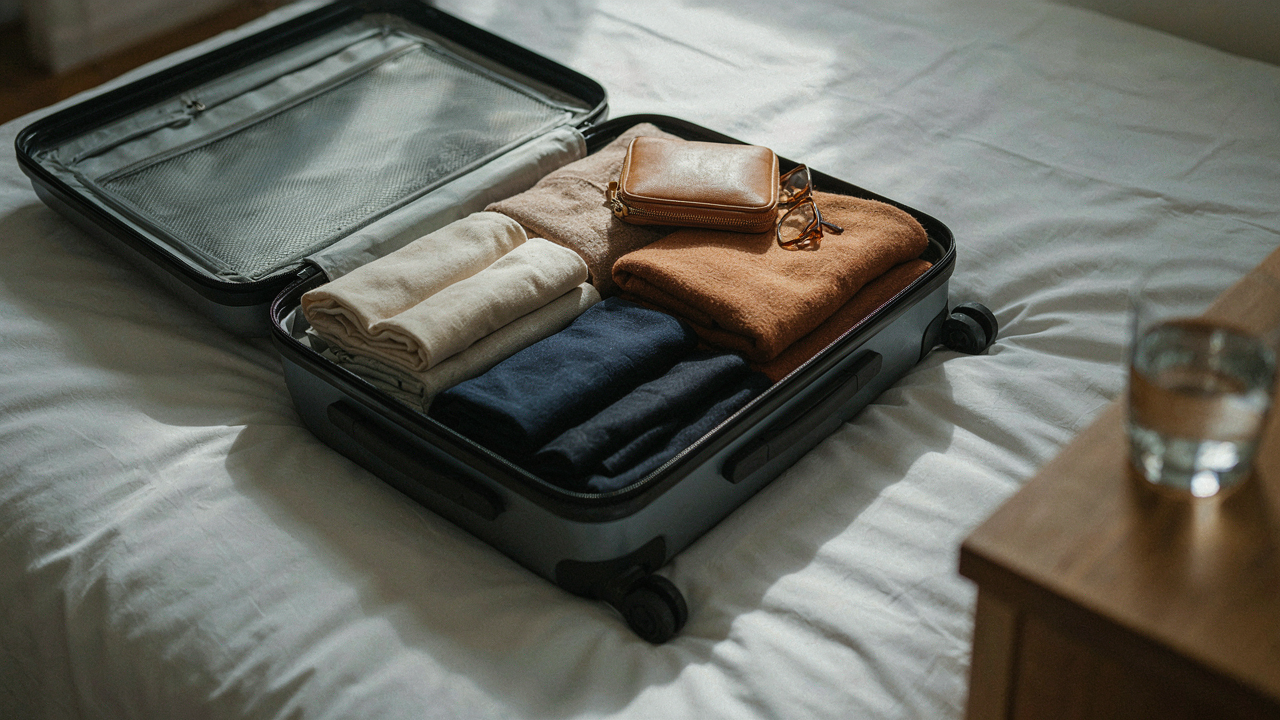
The Myth Of Effortless Packing: Why Less Isn’t Always More

Minimalism As Status Signal, Not Strategy
You want people to think you travel light because it signals discipline and sophistication. The real mechanism: minimalist travel rhetoric uses scarcity as a proxy for competence when the actual problem is constraint matching. Economics calls this the substitution effect, where you replace quantity with versatility. A one week carry on capsule wardrobe works because each piece must absorb multiple contexts, not because owning less inherently makes you smarter.
The consensus says “pack only what you need.” This is incomplete advice that conflates necessity with functionality. Most travelers undershoot their actual context range, then solve for it through repeated wearing, laundry cycles, or buying replacements on arrival. A carry on constraint isn’t about virtue. It’s about forcing deliberate pairing choices upfront so your pieces work across more situations than they would in a traditional suitcase scenario.
The Economics Of Underpacking
Packing too light creates hidden costs that spreadsheet thinkers miss entirely. You either rewear items in ways that trigger laundry sooner, substitute poor outfit matches that damage your credibility in meetings, or spend money acquiring items you already own at home. The mechanism: constraint-induced purchasing. When you lack a piece that solves a specific context, you buy locally at inflated prices rather than carrying one extra item that weighs nothing.
Travel friction compounds the problem. A missing layer means you’re cold for six hours instead of packing one extra sweater. A single versatile pair of pants that works for three contexts beats two rigid pieces that each solve one thing perfectly. Your carry on wardrobe succeeds because each piece earns its weight through multiple outfit combinations, not because you’ve achieved some ascetic ideal. The protocol: map your planned contexts first, then choose pieces that appear in at least three outfit combinations before they earn space.
The Cognitive Load Of “Mix And Match” Magic

The Paradox Of Choice In Limited Wardrobes
You want a capsule wardrobe because you think fewer choices will make you feel in control. What actually happens is the opposite. The real mechanism comes from economics: scarcity increases the weight of each decision. When you own 200 shirts, one poor choice disappears into the noise. When you own five, that choice defines your week.

A limited wardrobe forces intentionality on every combination. You can’t hide behind volume anymore. Each piece must work with everything else, which means you’re constantly evaluating compatibility instead of just grabbing something. This isn’t elegant or minimalist. It’s exhausting because the stakes feel higher when options are constrained.
Decision Fatigue From Constant Outfit Permutation
The common advice says “mix and match pieces reduce decisions.” False. Mix and match pieces multiply decisions by forcing you to think about permutations every single morning. You now own five tops, four bottoms, and three layers. Your brain runs the calculation: which combinations work today? What worked yesterday? What haven’t I worn yet?
This is decision fatigue disguised as efficiency. The solution isn’t more combinations. It’s removing the permutation math entirely. Pre-combine your outfits. Assign specific tops to specific bottoms before the week starts. Write it down. This shifts the cognitive load from daily decision-making to one planning session, where your brain works best anyway.
The Utility Curve Protocol For Travel Capsule Wardrobe
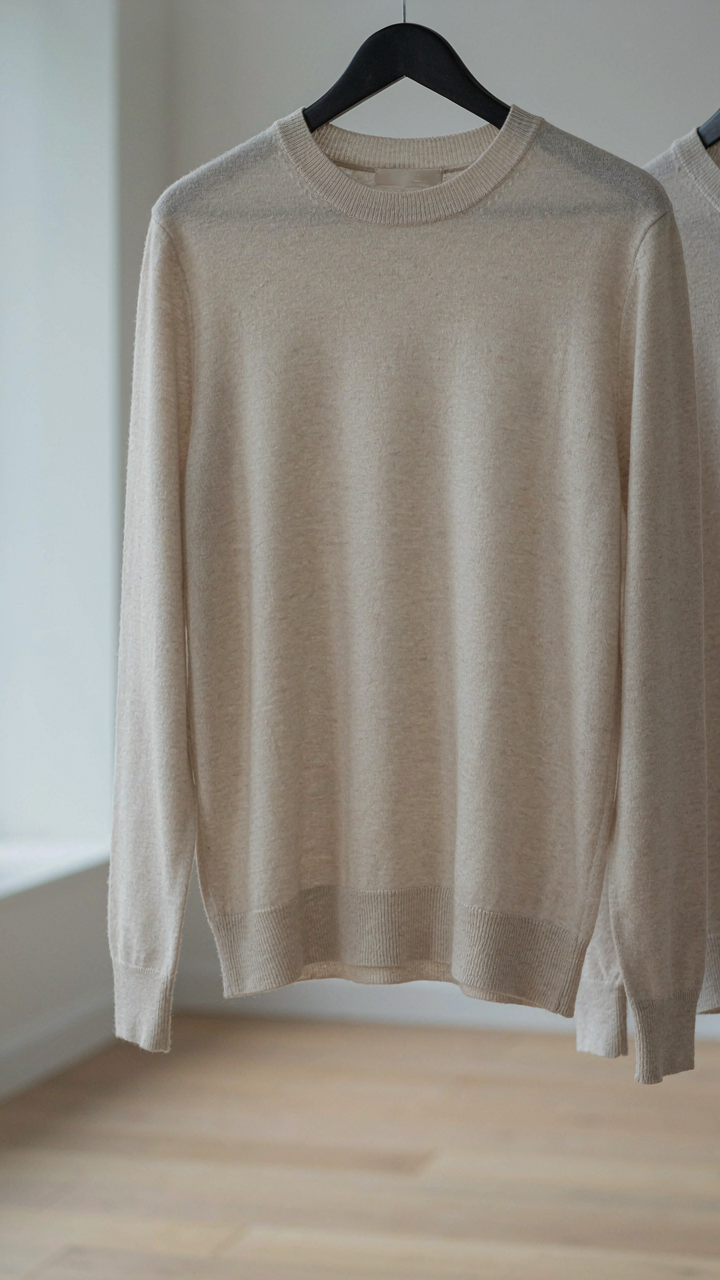
Core Pieces That Actually Earn Their Weight
You want permission to buy fewer things and feel like you’re not sacrificing status or looking underdressed. That’s the real game. The mechanism is simple: a piece earns its spot by solving multiple problems simultaneously, not by existing as a theoretical option you might wear once.

Start with pieces that function across temperature ranges, body types, and contexts. A merino wool crew neck works in layers under jackets and standalone in mild climates. A neutral chino pant sits between casual and business casual without requiring an apology. These aren’t interesting choices. They’re the only choices that math supports for seven days in one bag.
Function First, Hypothetical Versatility Dies Here
Most advice tells you to pick pieces that “go with everything.” That’s the lazy version. Real versatility isn’t theoretical. It’s measurable: count how many outfit combinations each piece enables across different contexts—work, casual, evening, weather shifts. A piece that genuinely works five different ways beats a piece you hope works three ways but rarely do.
The protocol: each item must solve a real problem you’ll face during your week. A lightweight rain layer prevents a wardrobe collapse on day three. A structured blazer handles unexpected dinners or client meetings. A second neutral base layer covers laundry gaps. You’re not building a Pinterest board. You’re building a system that doesn’t fail.
Beyond The 3x3x3: Real World Scenarios For Capsule Packing

When Climate And Activity Demand Different Rules
You want to believe one formula works everywhere because formulas feel safe. But here’s the actual mechanism: a capsule isn’t a set of clothes. It’s a constraint system designed around the specific friction points of your trip. A hiking week in Colorado demands different anchor pieces than a business trip to Miami. The variable isn’t the number of items. It’s the ratio of functional overlap to situational demand.

The 3x3x3 framework—three tops, three bottoms, three shoes—assumes temperate weather and moderate activity. Drop that into a tropical climate and you’re packing moisture-wicking fabrics. Shift to a mountain environment and you need insulation layers that compress. The real work happens before you count pieces: map your actual daily activities, then reverse-engineer what fabrics and silhouettes survive that schedule without washing. Activity determines drape. Climate determines fabric weight. Both determine whether seven days works or fails.
Seasonal Shifts Require Protocol Changes, Not More Stuff
The mistake most people make is treating seasons as aesthetic preferences instead of engineering problems. Winter packing isn’t about adding items randomly. It’s about material density and layering logic—the same principle structural engineers use for load distribution. A merino wool base layer compresses thin but delivers insulation. A linen shirt breathes in heat. These aren’t interchangeable. You’re not swapping aesthetics. You’re swapping the physical properties of the fabrics themselves.
Summer capsules work because heat moves through thin, loose fabric easily. Winter capsules work because dense fibers trap warm air in dead space. Spring and fall are the adversaries because they demand pieces that work in both directions. The protocol shift: winter removes one base layer option and adds one insulating mid-layer. Summer removes the mid-layer and adds one breathable option. You’re not adding five new pieces. You’re swapping two and changing fabric composition. That constraint is what keeps the capsule real.
The Economic Principle Of Wardrobe Redundancy
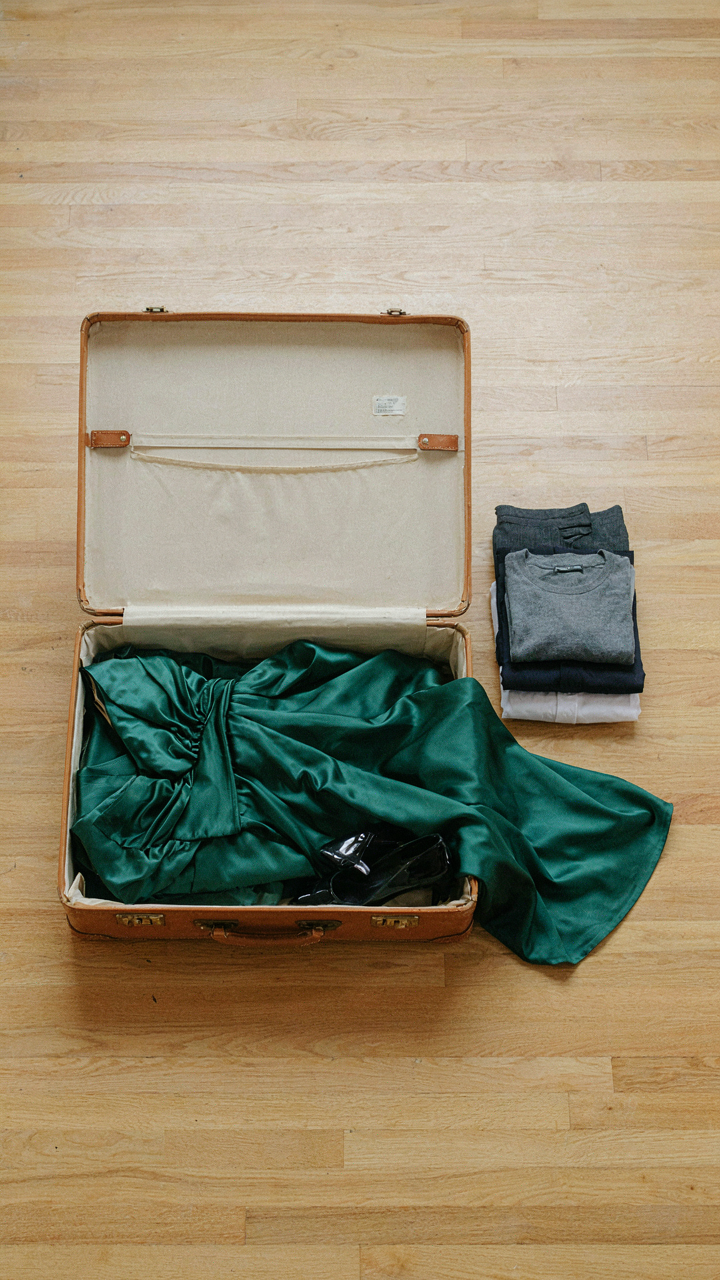
What Single Use Pieces Actually Cost You
You want to feel like you’re getting your money’s worth from every item you buy. That’s the real reason this section matters. But economics names what actually happens when you chase that feeling: opportunity cost. In a carry-on capsule, opportunity cost means every piece that works in only one outfit steals the slot from a piece that works in five. The math isn’t complex. Seven days means limited carrying space. A garment that pairs with nothing else burns real estate and forces you to pack backup items you didn’t plan for.

The mechanism is straightforward. When you own a blazer that only matches one pair of pants, you’ve committed travel weight and luggage volume to solve a single problem. That same space could hold a neutral base layer that combines with half your other pieces. Single-use items don’t just fail to multiply your outfit count. They actively shrink it by consuming space that generalist pieces need. This is why “dead weight” matters in a seven-day rotation. You notice it immediately because you hit the packing limit faster.
The Hard Stop On Combination Multipliers
Everyone talks about outfit combinations as if adding one more piece creates infinite new looks. That’s wrong. Economics calls this diminishing returns. A carry-on capsule hits it faster and harder than people admit. Start with three base colors and three tops. You get roughly nine combinations. Add a fourth top. You don’t get three new combinations. You get two or three. Add a fifth piece. You might get one new combination, or none. The math flattens.
The reason is physical constraint. In a seven-day carry-on, you pack maybe four bottoms maximum. After that, every new top faces the same limited bottom inventory. You’ve already paired each bottom with each top that works. A sixth top that matches your existing bottoms creates zero new looks. The return on packing that extra piece moves from high to worthless. This is where most capsule guides fail. They don’t tell you when to stop adding pieces. They act like more variety always wins. In travel scale, constraint forces honest choices. When your suitcase has hard limits, you finally build a system that actually works instead of a pile of items that theoretically could work.
The True Art Of The Carry On: Not Less, But Smarter

Folding For Function, Not Instagram
You want to look like you have your life together when you land. That’s the real reason this matters. The mechanism is simple: how you fold determines what wrinkles, what you can access, and how much dead space you waste. Tight rolling compresses efficiently but makes items hard to grab mid-trip. Flat folding preserves garment structure but demands vertical space. File folding—standing items upright like books—splits the difference. Pick one method per garment type and stick to it.

The mistake most people make is mixing methods randomly, which creates pockets of wasted space and increases search time. Cotton and linen tolerate wrinkles better than synthetics, so assign file folding to these pieces first. For structured items like blazers or button-ups, flat fold only what you’ll wear first, then roll the rest. This isn’t about perfection. This is about reducing the friction between landing and looking composed.
Density Without Sacrifice
Packing is a math problem, not an art form. You have fixed cubic inches. Your job is to maximize utility per cubic inch without creating a wrinkled disaster. The real leverage comes from choosing pieces that compress without damage and layer efficiently. Lightweight merino wool doesn’t wrinkle like cotton. Nylon compresses better than linen. Structured pieces (jeans, blazer) form the cage. Soft pieces (shirts, sweaters) fill the gaps.
Place heavy items against the luggage wall first. They become structure. Shoes go in socks at corners—dead space otherwise. Accessories nest inside shoes. Underwear and socks roll tight into remaining crevices. The last layer against the lid should be your most wrinkle-prone item if you’re not using compression cubes, but ideally use flat, folded layers there. Wear your bulkiest item on the plane. This isn’t clever packing. This is basic volume displacement with a travel constraint.
Why Your Capsule Wardrobe Women Fails For Actual Women

The Body Problem Nobody Names
You want to believe a capsule works the same way for everyone because admitting otherwise means you can’t just copy a list. Here’s the mechanism: most capsule advice treats the female body as a neutral form, when it’s actually a variable. Shoulder width, hip-to-waist ratio, torso length, and breast volume change how pieces layer and fit. A cropped blazer that works on one frame creates proportion problems on another. Generic advice skips this entirely.

The real issue isn’t the clothes. It’s that capsule guides treat women’s bodies as interchangeable, then women blame themselves when the formula fails. A seven-piece capsule only works if those pieces account for your specific proportions. You need to identify which silhouettes actually fit your frame, then build backward from there instead of forward from someone else’s list.
Packing Light Requires Unlearning Backup Logic
The common advice says pack versatile pieces. That’s incomplete. What it should say is packing one week light forces you to abandon the emotional reason most women overpack: fear of being stuck without options. You’re not actually afraid of wrinkles or limited outfits. You’re afraid of feeling powerless in your own appearance, so you bring multiples as insurance.
One week carry on strips that away. You get one pair of pants, one skirt, maybe one dress. The mechanism is constraint, not cleverness. When you only have seven pieces, you stop treating clothes as backup plans and start treating them as a system. This means your choices matter differently. Each piece must work with at least three others, not sit idle in a suitcase as a safety net you never touch.
The Anti Aesthetic: Building Your Anti Capsule For Maximum Impact

Contrast Over Compromise
You want permission to stand out without looking like you’re trying. The real mechanism at work here is signal through constraint. When everyone owns ten neutral basics, you own three neutral basics and two pieces that make a statement. The gap between them creates visual weight. That’s not versatility. That’s strategy.

Most capsule advice tells you to pick one color story and live in it. Wrong. A one week carry on works because you’re not dressing for a month. You’re dressing for a specific trip, a specific context, a specific outcome. That changes everything. You can afford to be deliberate instead of safe.
Pieces With Intention
Fashion moves in cycles, but one thing stays constant: pieces that do nothing fade into nothing. You need each item earning its plane seat through a specific job. A black crew neck isn’t versatile because it’s black. It’s versatile because it anchors contrast. A patterned shirt isn’t interesting because of the pattern. It’s interesting because it forces decisions that prevent outfits from blending together.
The protocol is simple. Before packing anything, write down what that piece does that nothing else in your bag does. If you can’t answer that in one sentence, it’s ballast. Color, silhouette, texture, weight, occasion level, formality shift, season adaptation. Pick the dimensions that matter for your week. Then stack pieces that create movement across those dimensions instead of pieces that play it safe within them.
Beyond The Clothes: The Mindset Of The True Travel Capsule

Preparing For What Won’t Go According To Plan
You want this section because you’re afraid you’ll look unprepared or feel foolish when something breaks, tears, or doesn’t fit the situation you assumed you’d face. The mechanism is simple: travel exposes gaps between your planning and reality faster than almost any other activity. A capsule wardrobe works only if you’ve mentally mapped the friction points before they happen. Most people skip this and then panic-buy replacements or wear the same outfit twice in four days.

The real preparation isn’t positive visualization or travel guides. It’s reverse-engineering failure. Ask: What outfit combination fails if one piece tears? What happens if you misjudge the weather by 15 degrees? What do you wear if you spill something on your primary layering piece? Write these scenarios down. Then build redundancy into your seven-piece structure specifically to absorb these hits. Your base layers should do double duty. Your neutral bottoms should work with everything. This isn’t paranoia. It’s system design.
Flexibility Beats Prediction Every Time
Most travel advice treats your itinerary like it’s locked. It isn’t. Weather shifts. Social plans change. You discover a neighborhood and want to spend an extra day there. Your capsule survives these curveballs only if you stopped trying to predict and started building optionality instead. This is a concept from decision theory: optionality is the ability to benefit from volatility without excessive downside. Your capsule wardrobe needs the same structure.
Optionality in fabric comes from materials that layer across temperature ranges and activities. A merino wool piece doesn’t work just for cold mornings. It works for layering, for transitional weather, for dressier casual situations, for sleeping on long flights. A neutral pant works in multiple contexts because you didn’t pick a trendy cut or a fabric that only suits one temperature. The protocol: before packing, list three contexts you didn’t initially plan for. Then verify each piece functions across all of them without regret.
The Real Limit Isn’t Your Luggage; It’s Your Inability To Define True Utility

Most people fail at capsule wardrobes because they pack what they like instead of what works. You already know the formula. The real move is spending thirty minutes today listing the actual activities you’ll do that week, then building backwards from there. Stop guessing. Stop hedging. One week, seven outfits, zero waste happens when you stop treating clothes as options and start treating them as tools. A wardrobe this tight forces you to get honest about who you actually are instead of who you pretend to be when you have choices.