


The Cognitive Load Tax: Why More Choices Means Less Relaxation
The Paradox Built Into Your Suitcase
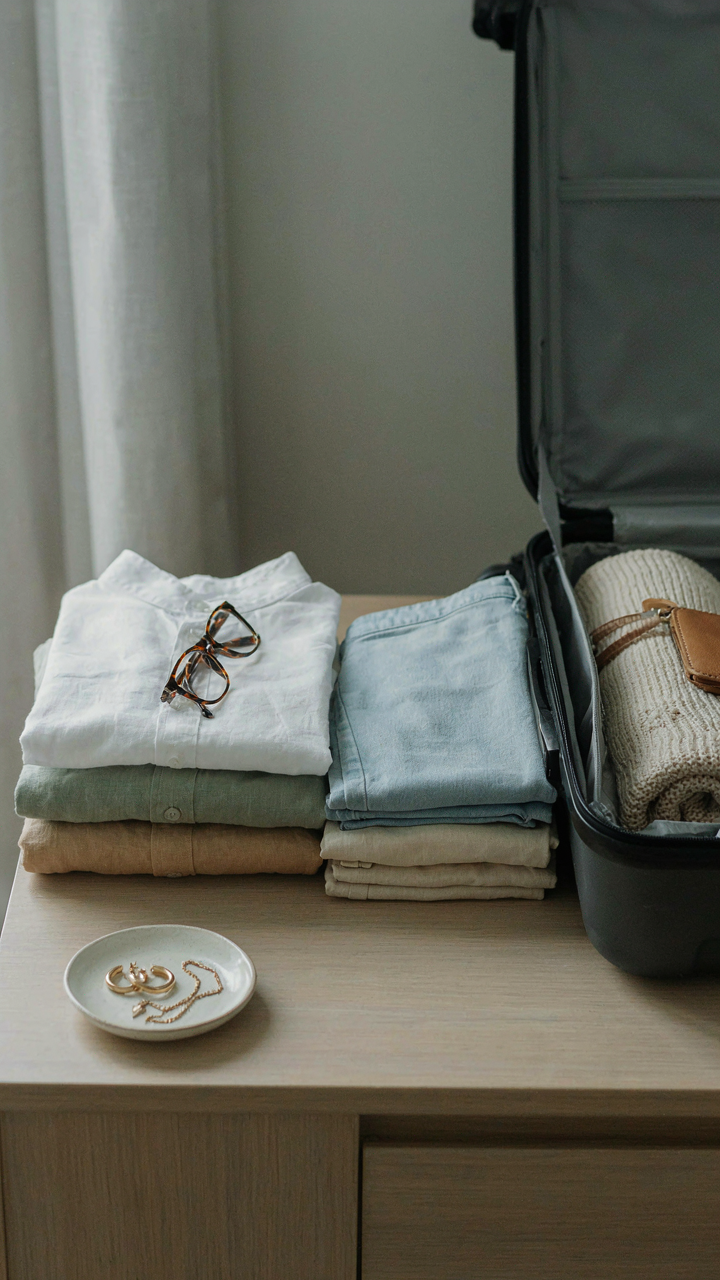
You want to feel prepared because unprepared feels like failure. Here’s the mechanism: every outfit option you pack is a decision deferred, not eliminated. Psychologists call this decision fatigue. Economists call it the paradox of choice. The effect is identical regardless of the name. You arrive at the resort with twelve shirt options and zero mental space left to enjoy the pool. Each morning, your brain burns calories choosing between variations of the same thing instead of experiencing what you traveled to experience.
The common advice here is lazy. People tell you to “pack less” or “choose a color palette.” That’s not wrong, but it misses the actual problem. The problem isn’t your closet size. It’s that every additional option compounds the cognitive cost of getting dressed. A capsule wardrobe doesn’t just reduce decisions; it eliminates the category of decision entirely. You stop evaluating. You start acting.
Attention Is The Currency You’re Actually Spending
Minimizing outfit decisions isn’t about looking good. It’s about protecting your mental bandwidth for presence. You have a fixed amount of attention at the beach. Spend it choosing between two linen shirts instead of seven, and you have more attention for conversations, observations, and the actual reason you booked the trip. This is simple math, not motivation.
The protocol: restrict your shirt options to exactly three pieces that work interchangeably with your bottoms. Restrict bottoms to two options maximum. Accept that repetition feels boring in theory but invisible in practice. Nobody at a Mexican resort tracks what you wore Tuesday. Your own mind won’t either once you stop making it work.
Beyond Instagram: What Mexico Beach Life Actually Demands
The Climate Actually Changes What You Need
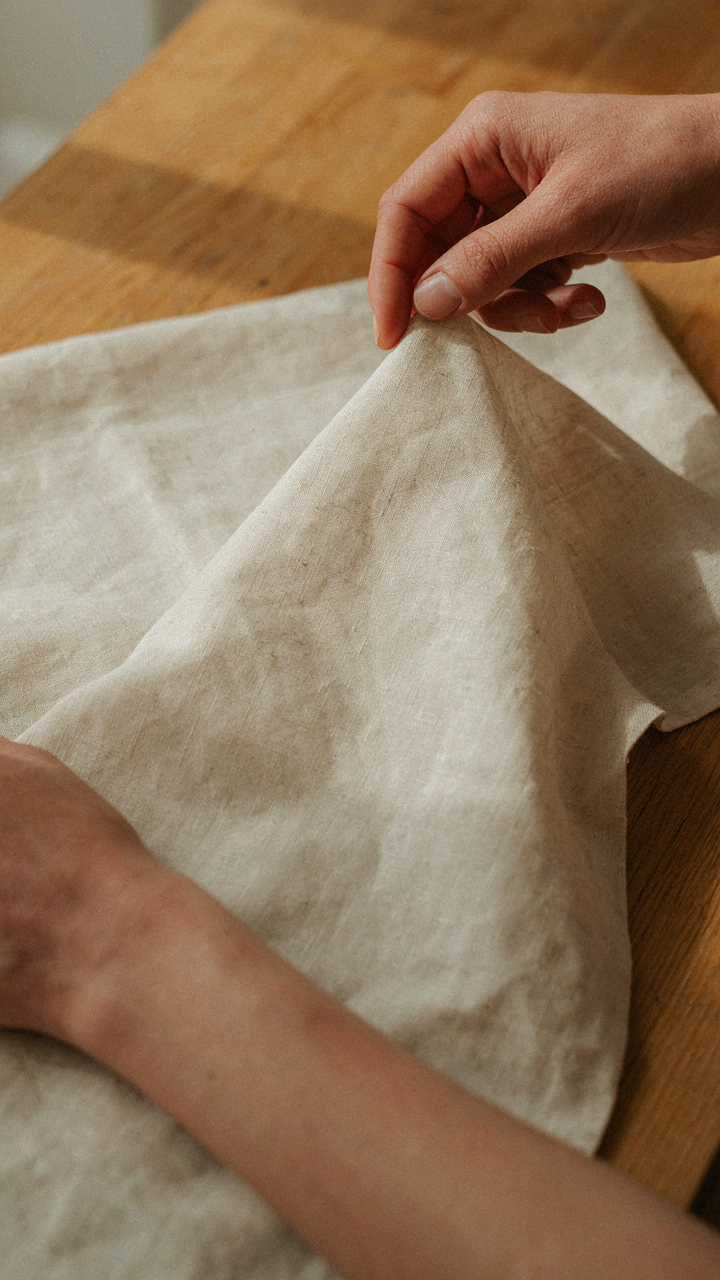
You want permission to look effortless, which means you’re hoping the right clothes exist that require no thought. They don’t. Mexico’s coastal heat operates like compound interest on moisture: humidity accelerates sweat production, salt water accelerates fabric degradation, and sun exposure accelerates both fiber breakdown and color fade. The mechanism is simple physics meeting textile chemistry. A linen shirt doesn’t just “breathe”—it allows water vapor to pass through faster than synthetic blends because its fiber structure has larger molecular gaps. Cotton holds moisture against skin. Polyester traps it. Understanding which fiber wins in which condition determines whether you change clothes twice daily or once.

Resort days demand fabrics that perform under specific stress. You’re not hiking or working—you’re alternating between wet and dry states repeatedly. Salt residue builds on skin and fabric. UV rays penetrate deeper than most people acknowledge. The clothes that work aren’t the ones that look the best in photos. They’re the ones that handle 85-degree heat with 75 percent humidity while staying functional after saltwater exposure. Pick fabrics rated for quick-dry performance and UV resistance. This isn’t preference—it’s material science determining whether your wardrobe survives the week intact.
Durability Beats Trends Every Single Time
Generic vacation advice tells you to pack “fun pieces” and “statement items.” That’s how people end up with faded sundresses and stretched-out resort wear they can’t wear again. The actual mechanism is sunk cost psychology wrapped in poor fabric selection. Trends change monthly now. Pieces that looked current six months ago register as dated instantly. Mexico’s climate accelerates this perceived obsolescence because fading makes trendy colors look cheap faster. You need pieces that work in year two and year five, not pieces designed to feel fresh for a single trip.
Function-first thinking means selecting garments based on how many times they can survive saltwater, sand abrasion, and sun exposure without degrading. A neutral linen shirt in cream or khaki can rotate through multiple seasons and vacation contexts. A trendy neon cover-up works once, then sits in the closet looking washed out. Build your Mexico capsule with items you’d actually wear at home. That filter eliminates 80 percent of vacation-specific purchases that become clutter. Pack pieces that solve problems, not pieces that document moments.
The “Pareto Principle” Packing Protocol For Beach Capsule 2026
The Mechanism Behind Why Most People Overpack
You’re afraid of looking unprepared. That’s why you pack twelve shirts for a five-day trip. The Pareto Principle from economics states that 80% of outcomes come from 20% of inputs. Applied to your Mexico beach capsule: 80% of your actual wearing comes from 20% of the items you bring. The remaining 60% sits in your suitcase untouched. You don’t need more clothes. You need to identify which pieces generate all the real utility and stop treating packing like insurance.

The mechanism is simple. When you own too many options, decision fatigue kills your actual outfit combinations. You freeze up, repeat the same three outfits anyway, and waste luggage space on dead weight. Strip your beach trip down to the pieces that function across contexts: sun exposure, water contact, evening transitions, and layering for aggressive air conditioning. Everything else is friction.
The Core Pieces That Drive 80 Percent Of Outfits
Start with what actually gets worn on a Mexico beach trip. These items solve multiple problems without replacement.
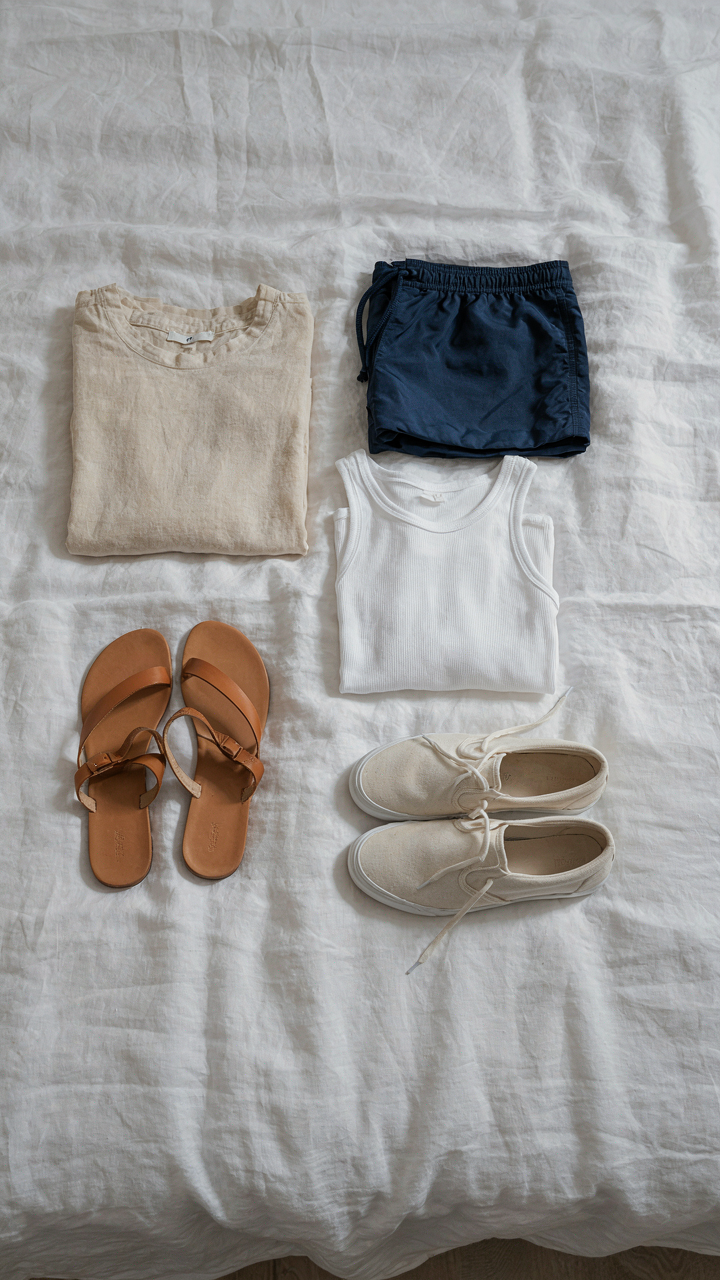
- Linen Button Up (White or Neutral Cream): Works untucked over swimwear for lunch, buttoned for dinner, sleeves rolled for heat management. Linen breathes and dries fast after water contact.
- High Waist Swim Shorts (Solid Color): Longer inseam, functional pockets, sits clean on the body. Transitions from beach to casual meal without a wardrobe change.
- Fitted Crew Neck Tee (2 pieces, different colors): Base layer for morning sun, layering piece under linen shirt, sleepwear. Cotton blend dries overnight.
- Lightweight Trousers or Chino Shorts (Khaki or Olive): One pair that handles restaurant dress codes and casual evening walks. Breaks sweat stains better than darker colors.
- Flat Sandal and Canvas Slip On: One for wet environment, one for structured spaces. Eliminates the shoe dilemma entirely.
These five pieces in rotation cover 80% of your actual resort days. You wear them repeatedly because they solve real problems: heat, water, transitions between contexts. The remaining 20% of your capsule adds nothing to functionality. Stop treating your suitcase like a safety net and commit to what actually gets used.
The Anti Fragile Wardrobe: Built For Spontaneity, Not Scenarios
Layering For Resort Temperature Swings
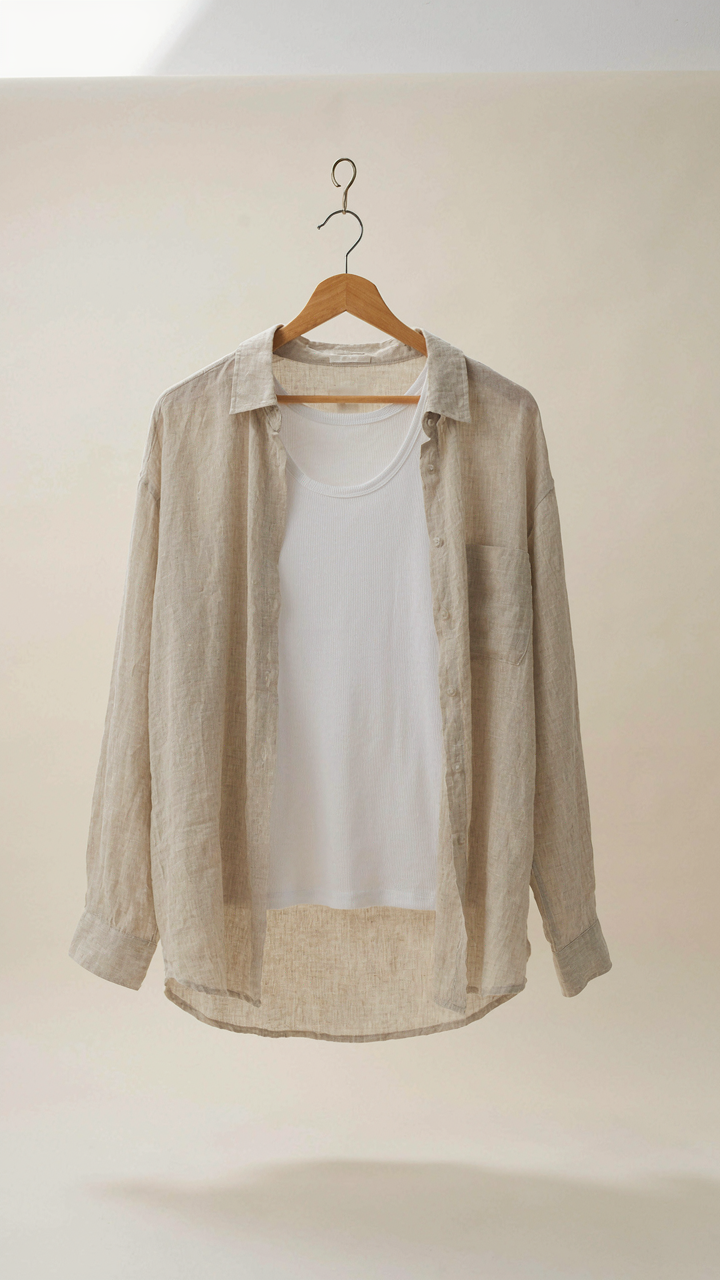
You want to look put together without overthinking it—that’s the real fear underneath this section. Resorts operate like unstable systems. Air conditioning hits hard indoors. Sun exposure outside demands protection. The answer isn’t more clothes. It’s borrowing from thermodynamics: you need items that function as insulators you can add or remove without disrupting the base outfit. A lightweight linen shirt worn open over a tank doesn’t just look intentional. It solves the temperature problem without forcing you to change.

The mistake most people make is treating layering as an aesthetic choice instead of a mechanical one. Oversized button ups that don’t fit your frame create bulk. Thin cardigans bunch under resort chairs. What actually works: a single open shirt in natural fiber worn as a second layer, plus a lightweight cover up that doubles as a beach throw. That’s your entire layering system. You wear the same base outfit inside and outside, and the shirt moves with you. No decisions. No wasted luggage space. No outfit repetition that reads as careless.
Day To Night Without Outfit Switching
Most advice tells you to pack two separate wardrobes and “transition” between them. This is resource waste dressed up as sophistication. The actual mechanism is proportion and footwear. A pair of linen shorts and a tucked white tee work at noon by the pool. The same shorts and tee work at dinner when you swap sandals for leather slides and add a lightweight jacket. You’re not changing clothes. You’re adjusting one variable per context. Footwear change signals the shift. The jacket signals formality. The fit stays the same.
The clothes that survive day to night share a single property: they sit well at multiple levels of formality because they’re built on proportion, not embellishment. Avoid graphics, loud prints, or anything designed for one moment. Solid colors in linen and cotton blend work because they’re neutral enough for afternoon but refined enough for evening with a single accessory swap. Pick one pair of shorts, one pair of lightweight pants, two tanks, two shirts. Rotate them. One footwear switch per outfit solves the entire problem.
The “Economic Utility” Of Each Item In Your Holiday Capsule Wardrobe
Cost Per Wear Shifts When Context Changes
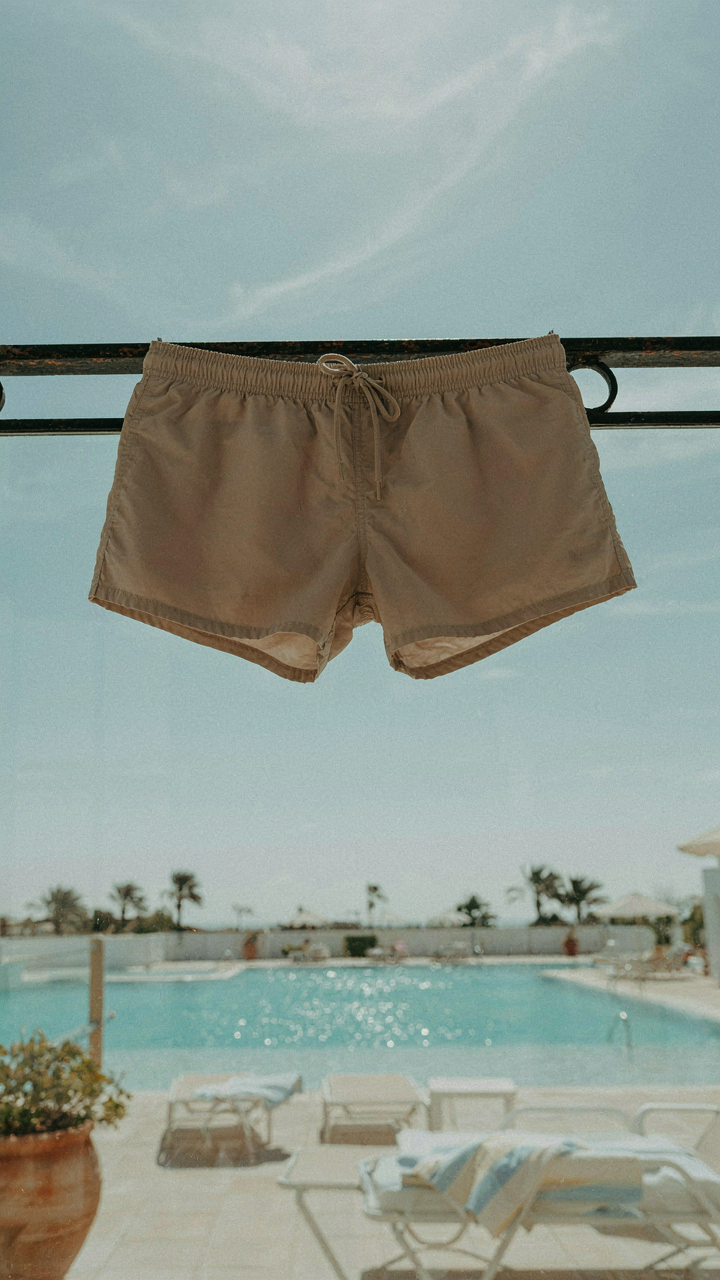
You’re afraid you’ll waste money on clothes you wear once. That fear is backwards. Behavioral economics calls this the “sunk cost fallacy,” and your Mexico beach capsule operates under a different math than your regular closet. A linen shirt worn twelve times across four beach trips costs pennies per wear. The trap is treating vacation clothes like permanent wardrobe pieces. They’re not. They’re tools designed for repetition across multiple trips.

The real mechanism: items in a beach capsule depreciate slowly because Mexico trips cluster together in your lifetime. You’ll return. A neutral linen button-up or quality swim shorts get worn more densely in three weeks than most everyday pieces do in a year. This inverts the cost-per-wear equation. A forty-dollar swim trunk worn eight times per trip across three trips costs less per wear than a fifty-dollar office shirt worn twice monthly. Calculate forward, not backward.
Items That Multiply Outfits Without Multiplying Luggage
Common advice tells you to “mix and match.” That’s useless without understanding why certain items actually compound value. A neutral-toned linen shirt, cream-colored shorts, and a patterned sarong don’t just combine into three outfits. They create nine because each piece works across morning, afternoon, and evening contexts. Behavioral economics calls this “option value.” You’re not buying clothes. You’re buying combinations.
The protocol: choose items where color palettes overlap and silhouettes stay consistent. A white or cream base layer pairs with both bright resort-wear and neutral beach covers. Textured pieces like linen or cotton blend work equally worn loose or tucked. Build your capsule by testing two-piece combinations first, then three-piece combinations. This prevents the common mistake of buying standalone statement pieces that create outfit dead ends. If an item doesn’t combine with at least three other pieces already packed, it doesn’t earn its luggage space.
Fabric Intelligence: Your Unfair Advantage In Summer Travel Capsule Wardrobe 2026
The Physics Of Sweat Management
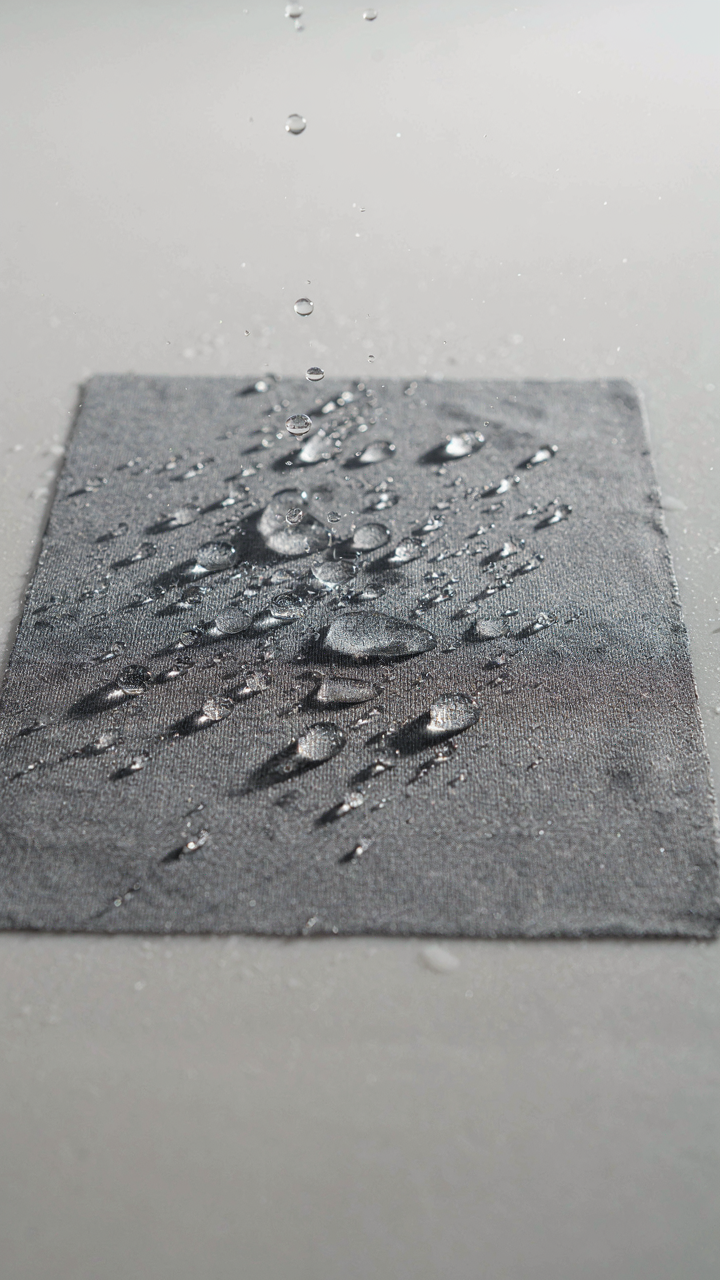
You want fabric that makes you look dry when you’re actually sweating because wet clothes read as unprepared. Thermodynamics governs this: moisture moves from your skin toward the outside air, and synthetic performance fabrics accelerate that process by preventing water absorption. Polyester, nylon, and polypropylene blends don’t hold moisture the way cotton does. They wick sweat away from skin to the fabric surface where it evaporates faster. This keeps you cool and prevents that clammy feeling that makes you conscious of your body. The mechanism is simple: fibers that repel water move moisture outward instead of trapping it against your skin.

Most people assume “breathable” and “quick-drying” are the same thing. They’re not. A fabric can breathe but still absorb moisture slowly. Performance synthetics do both simultaneously because they’re engineered for it. A 80/20 polyester-spandex blend handles humidity better than a 100 percent cotton shirt because the synthetic core wicks while the small spandex percentage allows stretch without sweat traps at seams. Pack performance basics in neutral colors: plain crew-neck tees, fitted shorts, and a lightweight long sleeve for sun protection. These outlast cotton through multiple resort activities without degradation.
Natural Fiber Strategy For Off Resort Hours
Linen moves from luxury mistake to practical choice when you stop treating it as casual wear and start using it tactically. The fiber has microscopic gaps between threads that pull moisture away from skin through capillary action, which is why linen feels cool despite absorbing up to 20 percent of its weight in moisture before feeling damp. This matters for dinner walks or evening drinks when the sun drops and sweat stops being your enemy. Linen wrinkles by design, not because you packed wrong, so that narrative disappears. Wear linen when function shifts from heat management to style clarity.
Cotton works for resort wear only if you accept replacement every second day. A cotton cover-up over your swimsuit absorbs water and dries slowly, creating weight and mildew risk. However, a 100 percent cotton sarong or lightweight pants for indoor air-conditioned restaurants serves a different purpose: it looks intentional and protects skin from aggressive AC. The distinction is purpose, not fabric category. Cotton functions when the environment isn’t actively fighting evaporation. Buy one quality linen shirt and one lightweight cotton bottom for resort dinners, then commit to synthetics for everything else.
Accessories As Force Multipliers: Elevate With Less For Vacation Capsule Wardrobe
Minimalist Jewelry And Versatile Bags
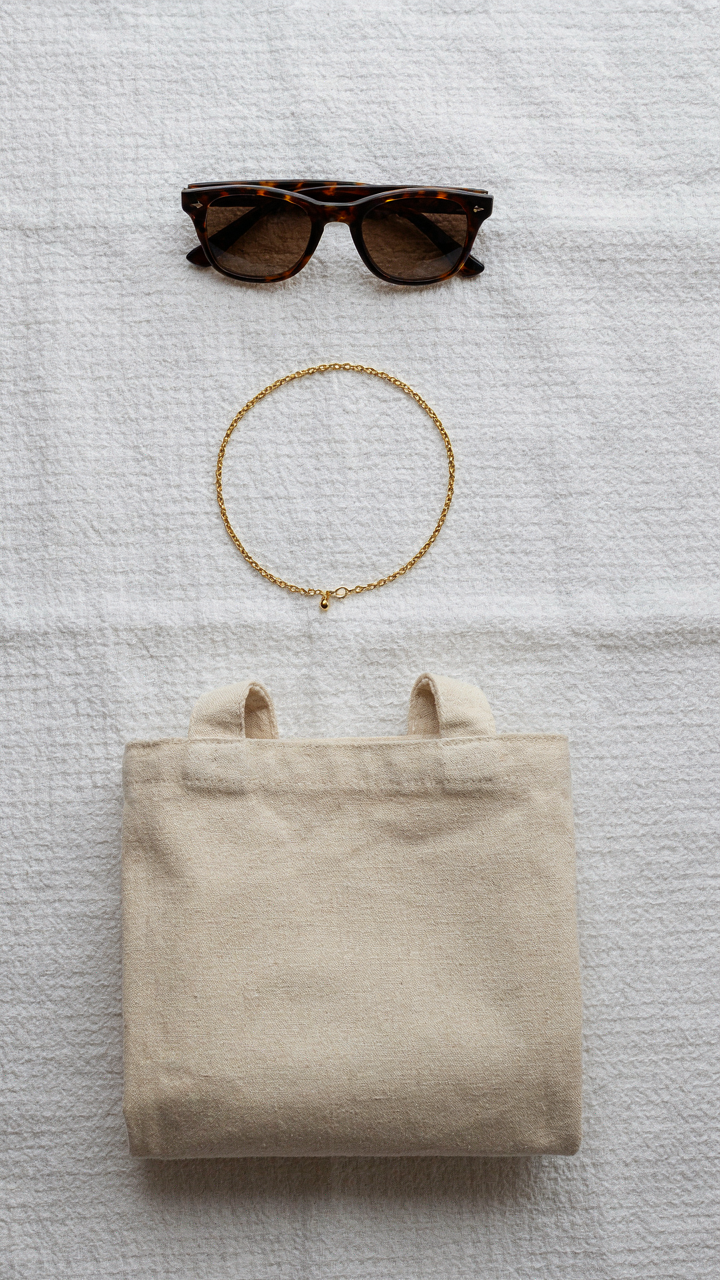
You want permission to buy fewer things and look like you bought more. Here’s the mechanism: jewelry operates like leverage in physics. One piece amplifies the impact of multiple outfits without adding weight or luggage. A thin gold chain works over a linen shirt at dinner, disappears under a rashguard at the beach, and anchors a sundress at the resort bar. The object stays the same. The context changes. That’s the entire game.

Bags follow the same principle but solve a different problem. A structured linen tote carries beach essentials during the day and transitions to evening carry without looking out of place. Skip the leather crossbody that screams tourist or the canvas beach bag that screams resort gift shop. Choose one neutral bag that doesn’t compete with your outfits. One gold or silver watch replaces the need for a statement piece. Sunglasses with a classic frame shape matter more than the brand.
Strategic Footwear For Resort Versatility
Most capsule advice tells you to pack five shoe types. That’s padding. You need three that solve specific friction points without overlap. Leather sandals handle every non-beach situation from airport to dinner. A simple pair works on tile, concrete, and resort patios. Rubber slide sandals stay at your room for bathroom and quick pool trips. Canvas sneakers or slip-ons serve the rare moment you need actual foot coverage without triggering the tourist tell.
Footwear determines whether you move freely or constantly adjust your plans around logistics. Beach shoes should stay at the beach. Resort shoes should dry fast and not absorb odor. The sneaker handles airport security, casual evening walks, and the one restaurant that enforces a no-sandal policy. Between these three, you eliminate every excuse to overpack or buy shoes during your trip. The mechanism is constraint, not choice.
The Deconstruction: What To Ruthlessly Eliminate From Your Packing List
Items That Demand More Than They Deliver
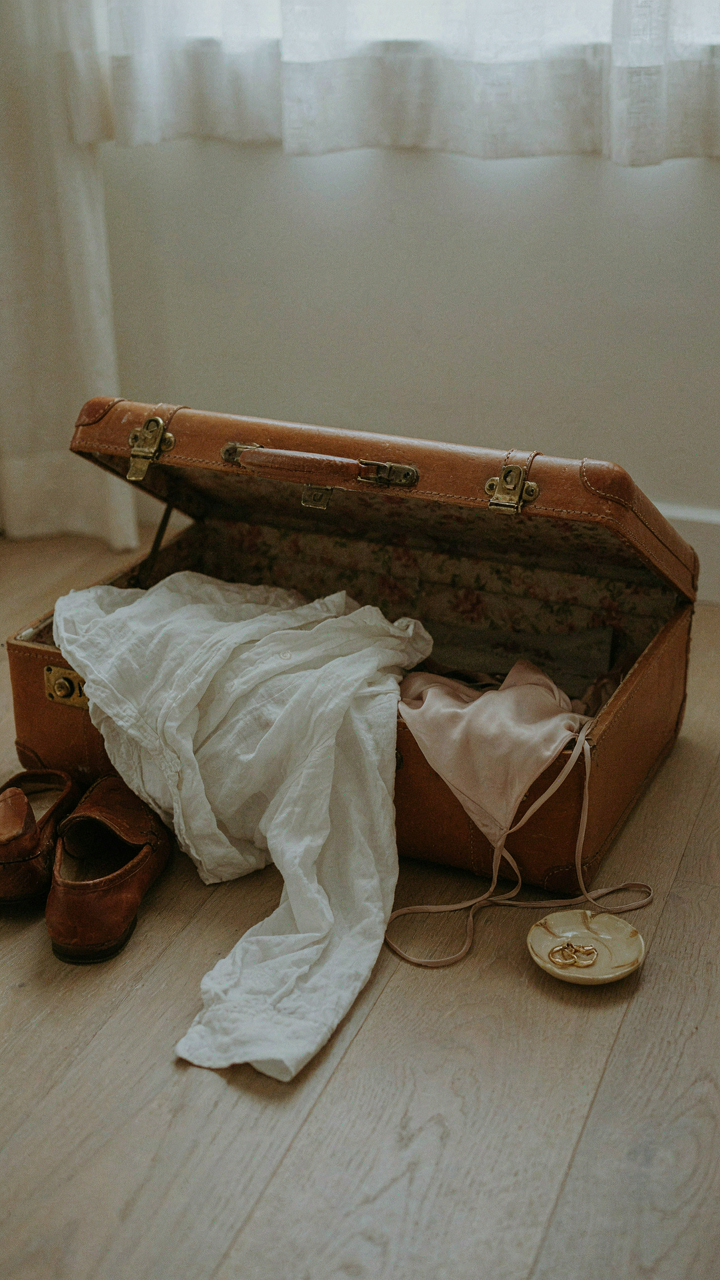
You pack these things because you’re afraid of looking unprepared, but the real cost is the mental load of managing items that require constant attention. Apply the economics principle of sunk cost here: your beach capsule succeeds when each piece generates more value than it consumes in decision-making and maintenance. Resort laundry services exist. Wrinkle-prone fabrics don’t. Heavy cover-ups that need hand-washing sit in your suitcase untouched. Structured blazers belong in the city. Anything requiring an iron, a special wash cycle, or strategic layering to function becomes a liability the moment you land.

The mechanism is simple: high-maintenance items create friction between you and actually wearing them. A linen shirt that wrinkles the moment you leave the pool demands constant re-pressing or acceptance of looking disheveled. A delicate silk camisole needs hand-washing in the sink. A structured beach bag requires careful packing to maintain its shape. Each of these steals mental energy and physical luggage space from pieces that work without negotiation. Eliminate anything that punishes you for normal resort behavior. Your capsule works when every item functions the same way wet or dry, wrinkled or pressed, stuffed or folded.
The False Security Of Contingency Clothing
Everyone advises you to pack for every conceivable scenario, but they’re wrong. This advice comes from fear, not from understanding how resorts actually function. You’re staying in one location with climate control, restaurants, and shops. The “what if I get cold” scenario doesn’t justify carrying a sweater to Cancun. The “what if I want to dress up” worry gets solved by one pair of sandals and a linen shirt you already packed. You will not need eleven outfit combinations for five days. You will wear four, maybe five, maximum.
The real problem with contingency packing is that it fragments your capsule into pieces that don’t work together, which defeats the entire purpose. You end up with orphaned items, colors that don’t coordinate with your core pieces, and a suitcase that’s heavier and fuller than necessary. Strip this down: pack for your actual schedule, not your anxiety. If you have one dinner reservation, bring one dinner outfit. If you spend four days at the pool and one day exploring town, weight your packing toward pool days. Anything you haven’t worn by day three stays unworn. Leave it at home next time.
The Real Luxury: Not More Choices, But Fewer Good Ones
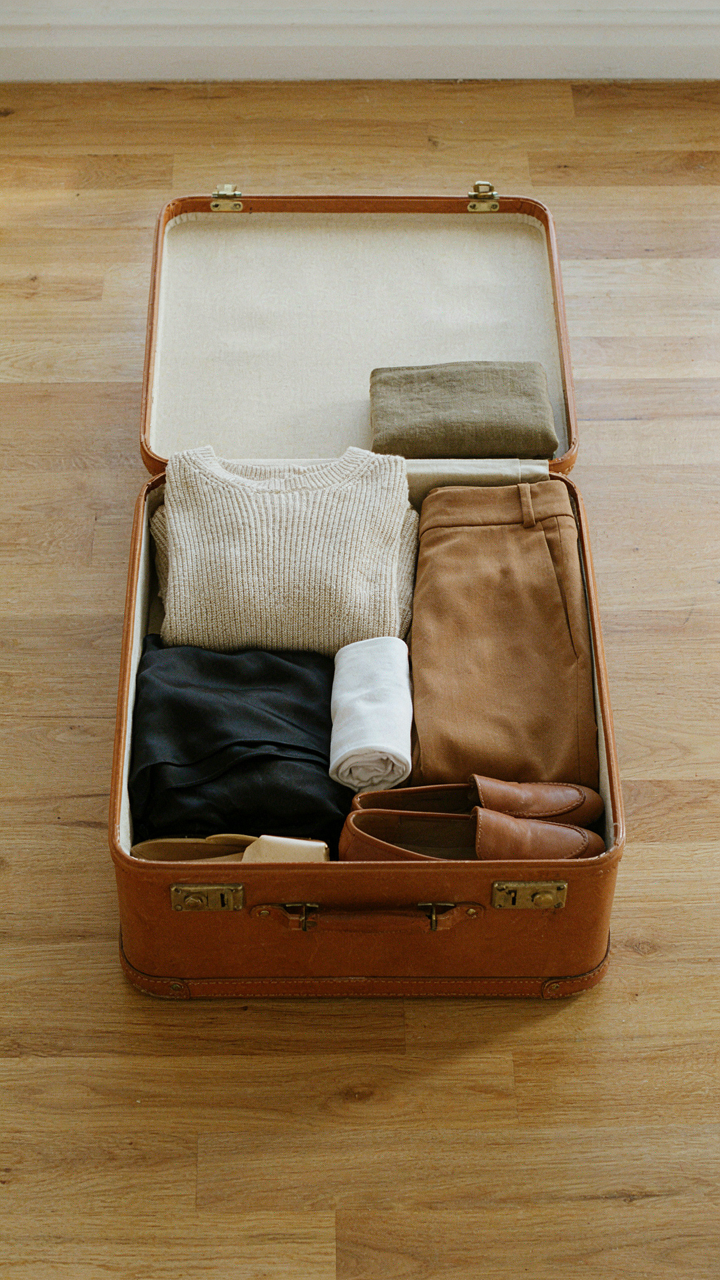
Most people think luxury means unlimited options. It doesn’t. Luxury means waking up in Cancun, opening your bag, and knowing every piece works. You don’t deliberate. You don’t regret. You move. Building your mexico beach vacation capsule wardrobe forces you to eliminate noise. Today, pick five items you actually wear and commit. The person who owns less but chooses better wins the trip before the plane lands.