

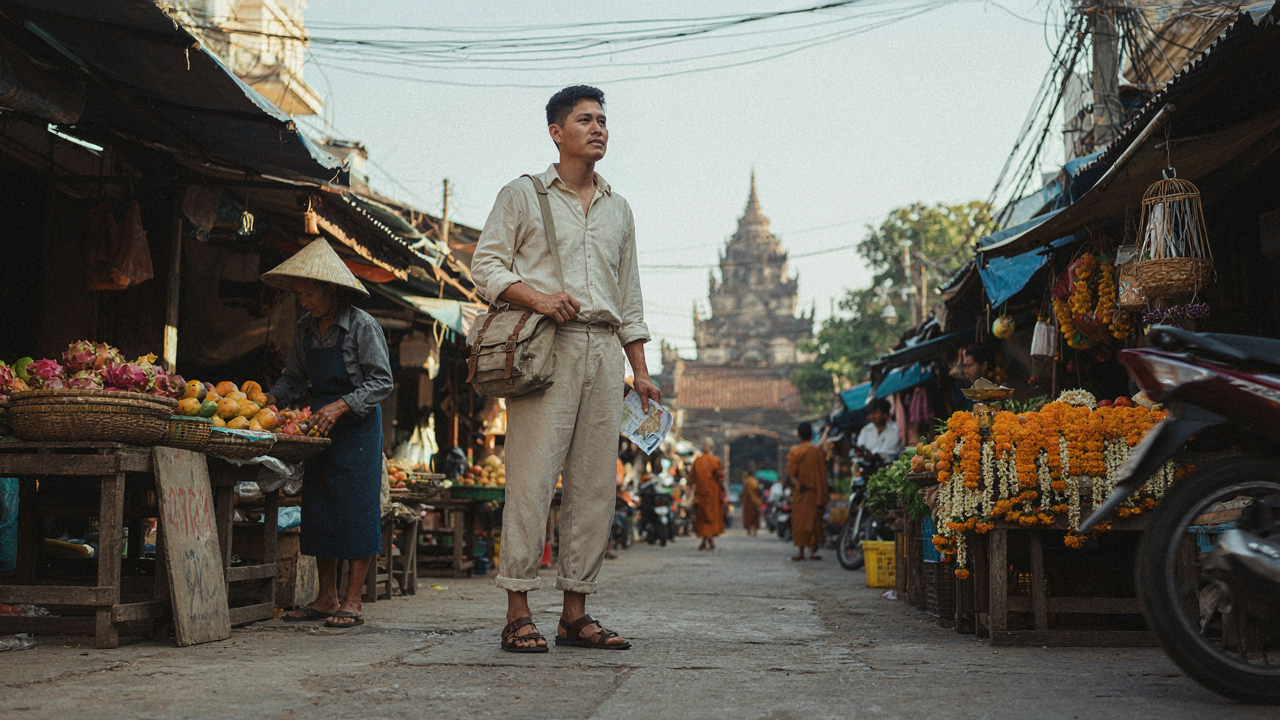
The Tropic Takedown: Debunking Southeast Asia Heat Myths
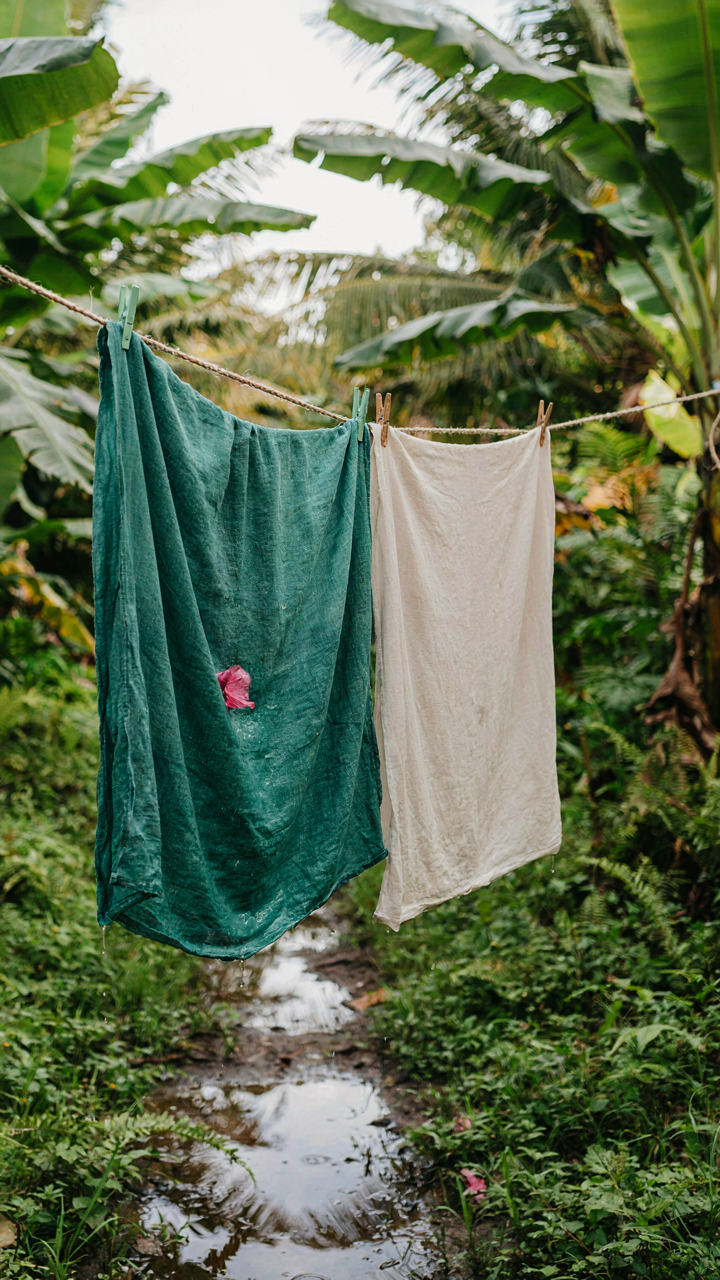
Humidity Is The Real Weapon
You’re worried that buying the wrong fabric will make you sweat through your shirt at a temple. That’s not the actual problem. The real mechanism comes from thermodynamics: heat transfer happens through evaporation, and evaporation requires dry air. In Southeast Asia, humidity sits between 70-90% year-round, which means your sweat can’t evaporate. The temperature rarely exceeds what you’d experience in a hot summer anywhere else. Humidity is what makes 86 degrees feel like 95.
This changes what you actually need to buy. Lightweight fabric alone won’t save you because the sweat won’t leave your skin. Cotton holds moisture against your body. Linen and technical synthetics dry faster because they release water into the air more efficiently, but only if air can move across the fabric. Tight fits trap humid air. Loose, structured garments allow airflow and let moisture escape before it builds up on your skin.
Sweat Stops Before Weight Does
Everyone says wear light fabrics in the tropics. That’s incomplete advice that costs you comfort. The real variable is moisture management, not fabric thickness. A heavy cotton t-shirt in 70% humidity will feel worse than a structured linen shirt because one moves sweat to your skin and the other moves it away from it.
Fabric weight becomes irrelevant once you solve the transport problem. A 200-gram linen camp shirt outperforms a 120-gram cotton tee because linen’s structure keeps it from clinging and allows convection around your body. The mechanism is simple: reduce contact between wet fabric and skin. Choose looser cuts, breathable weaves, and fabrics that dry in under two hours when wet. Test this before you travel by wearing your options for a full day and timing how long sweat lingers on your skin.
The Temple Protocol: Navigating Sacred Spaces Without Offense

Modesty Isn’t About Surface Coverage
You’re worried people will judge you for getting it wrong. Here’s what actually matters: temples across Southeast Asia enforce dress codes based on intention, not inches of skin. The mechanism is social signaling through constraint. You’re not hiding your body to be pure. You’re visibly limiting your freedom to show respect for a space that isn’t yours. This distinction changes everything about what you actually need to pack.

Most advice tells you to cover shoulders, knees, and chest. That’s incomplete. The real rule operates on visibility and deliberateness. Wearing a t-shirt with shoulder seams that sit on your deltoid reads as covered. A tank top doesn’t, even if it technically reaches your shoulder. Wear structured fabrics with defined edges. Loose linen pants that fall to mid-calf work. Thin leggings under a knee-length skirt don’t. The fabric itself signals whether you chose constraint or just happened to wear something thin.
Adaptability Versus Dedicated Temple Wear
Forget buying separate temple clothes. You don’t need a rotation. You need three base layers that work everywhere and shift with context through layering. This is inventory discipline borrowed from military load-bearing systems: each piece serves primary and secondary functions. Your primary capsule stays appropriate for temples. Your modifiers add or remove without creating a duplicate wardrobe.
A lightweight long-sleeve shirt in cotton or linen works over tank tops at temples and alone at beach restaurants. A knee-length wrap skirt in neutral linen converts any shorts or pants into temple-appropriate wear in thirty seconds. A structured overshirt in earth tone covers everything or drapes open depending on where you are. You carry three pieces that handle both contexts instead of doubling your load. The mechanism is crossover utility, not sacrifice.
The 3 Piece Principle: Your Core Southeast Asia Capsule
Build Around One Neutral Base
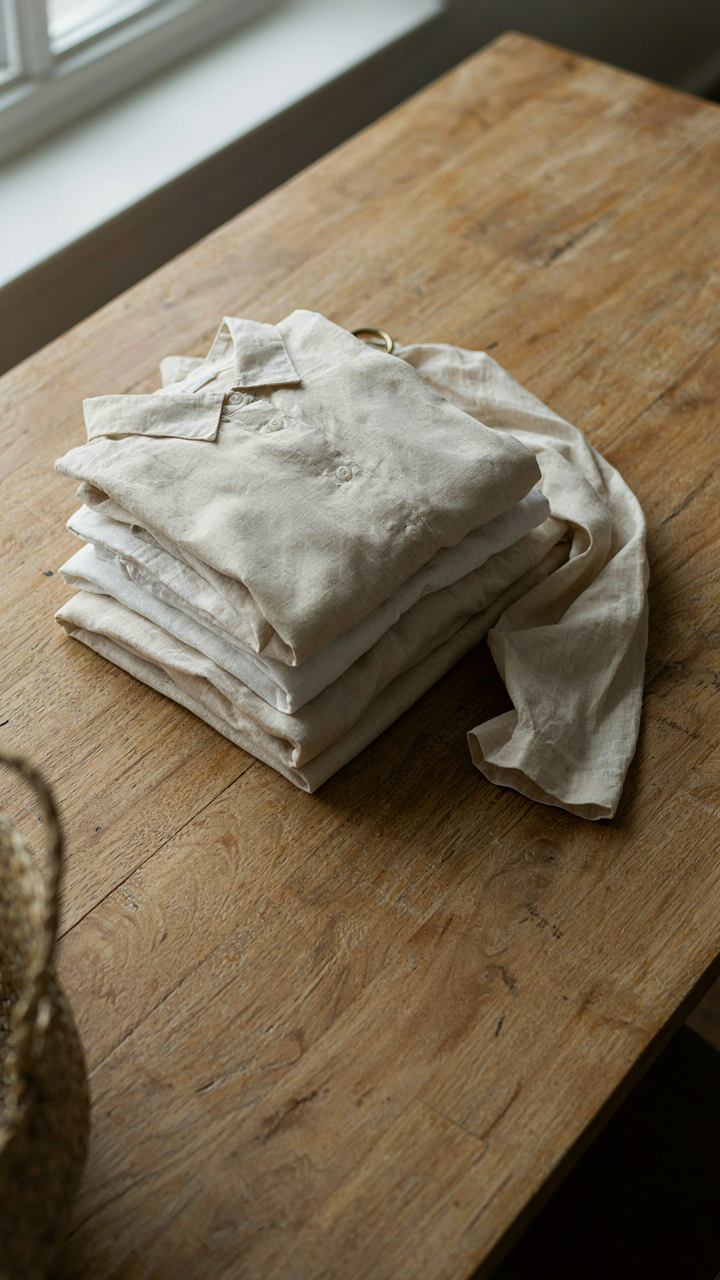
You want permission to pack less and still look intentional. Here’s the mechanism: interchangeability is physics applied to clothing. In thermodynamics, efficiency means maximum output from minimum input. Your capsule works the same way. Pick one neutral that anchors everything else. Natural linen in cream or khaki dominates Southeast Asia for a reason—it breathes, doesn’t show sweat, reads as intentional rather than cheap, and pairs with everything you’ll buy on the ground.

This neutral becomes your denominator. Every other piece multiplies its utility. A cream linen shirt works under temple dress codes, survives 95-degree humidity, layers under a lightweight overshirt for aggressive air conditioning, and converts to sleepwear. You’re not collecting outfits. You’re collecting pieces that stack. The moment you choose your neutral, you’ve eliminated 60% of shopping decisions for the entire trip.
Layer For The Shock Transitions
The real problem with Southeast Asia heat isn’t the daytime. It’s the temperature collapse indoors. Malls, restaurants, temples with heavy stone walls, and hotels drop to arctic levels. Most capsule advice ignores this. You need one layer piece that isn’t a jacket. A thin, packable overshirt in the same color family as your neutral base solves this without bulk.
Cotton or linen blend works. Weight it light enough to tie around your waist when you’re outside, structured enough to throw on without looking like you grabbed laundry. This single piece eliminates the friction of “I’m cold but carrying a jacket seems stupid.” Pack it. Wear it. It bridges the gap between what your body experiences walking outside and what the building forces on you the moment you step through the door.
Fabric Intelligence: What Works (and What Doesn’t) In Humid Climates
Natural Fibers Beat Synthetics In Heat
You want to feel like you made the right choice, so you’re hoping cotton is enough. It’s not the whole picture. Apply basic thermodynamics: humidity blocks evaporation, which means your body’s cooling mechanism fails regardless of fabric. Cotton absorbs moisture and holds it against your skin. Linen performs better because it wicks faster and dries quicker, but the real advantage comes from fiber structure, not material origin alone.

Synthetics like polyester get blamed for trapping heat, but that’s incomplete. Polyester’s actual problem is that it doesn’t wick moisture away from skin—it just moves it around. For a southeast asia capsule wardrobe, linen and cotton blends work better than pure synthetics or pure cotton alone. The blend reduces wrinkle severity while maintaining breathability. Moisture-wicking synthetics designed for performance (like those in athletic wear) actually outperform cotton in real humidity, though they demand different care protocols.
Dry Fast Or Stay Damp All Day
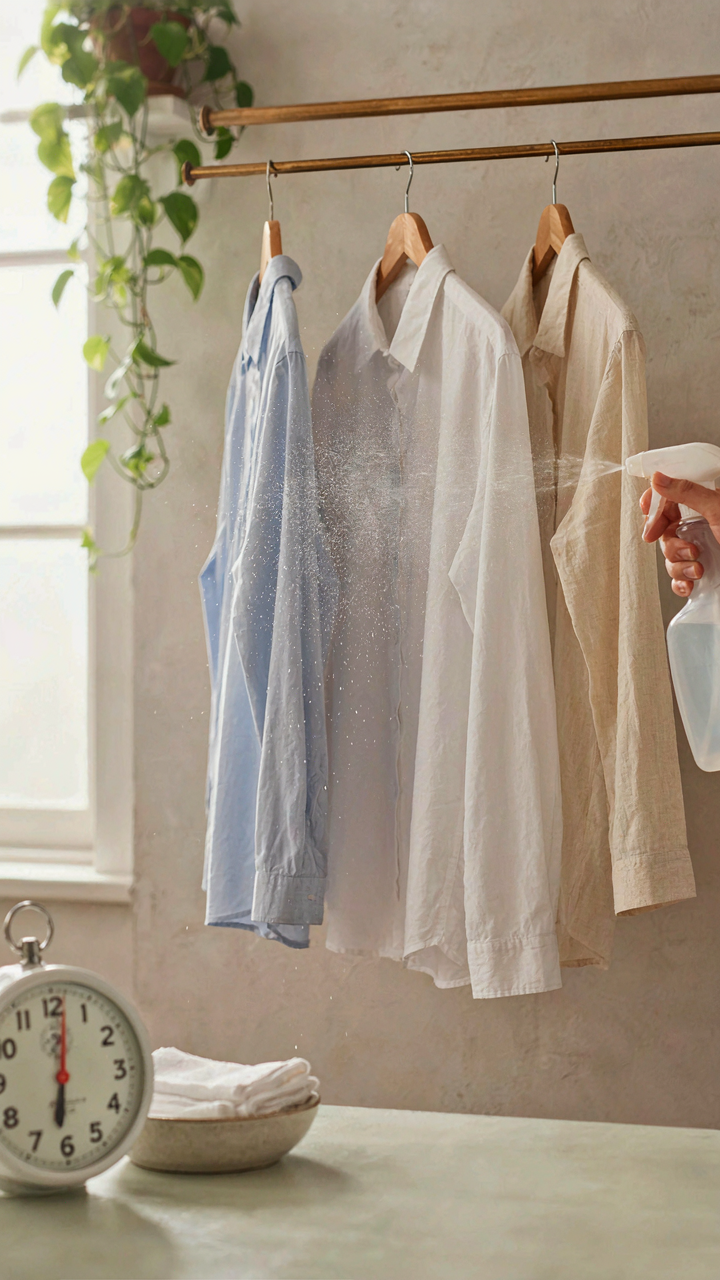
Quick-dry is non-negotiable in Southeast Asia because your clothes will touch your body wet from sweat and rain daily. This isn’t preference—it’s infection prevention. Damp fabric breeds fungal growth in 24 hours in that climate. Linen dries faster than cotton because it has lower absorbency relative to weight. A linen shirt dries in 4-6 hours hanging indoors; cotton takes 8-12 hours in the same conditions.
The mechanism is fiber porosity and capillary action. Linen’s hollow core structure moves water through the fiber quickly and releases it efficiently. Test your capsule pieces before committing: spray water on the fabric, hang it, and time how long it takes to feel dry to touch. This single protocol reveals whether a piece will stay comfortable or develop mildew in your backpack. Exclude anything that takes longer than 8 hours to dry completely.
The “SE Asia Travel Outfits” Illusion: Why Generic Advice Fails
Your Style Isn’t Someone Else’s Blueprint
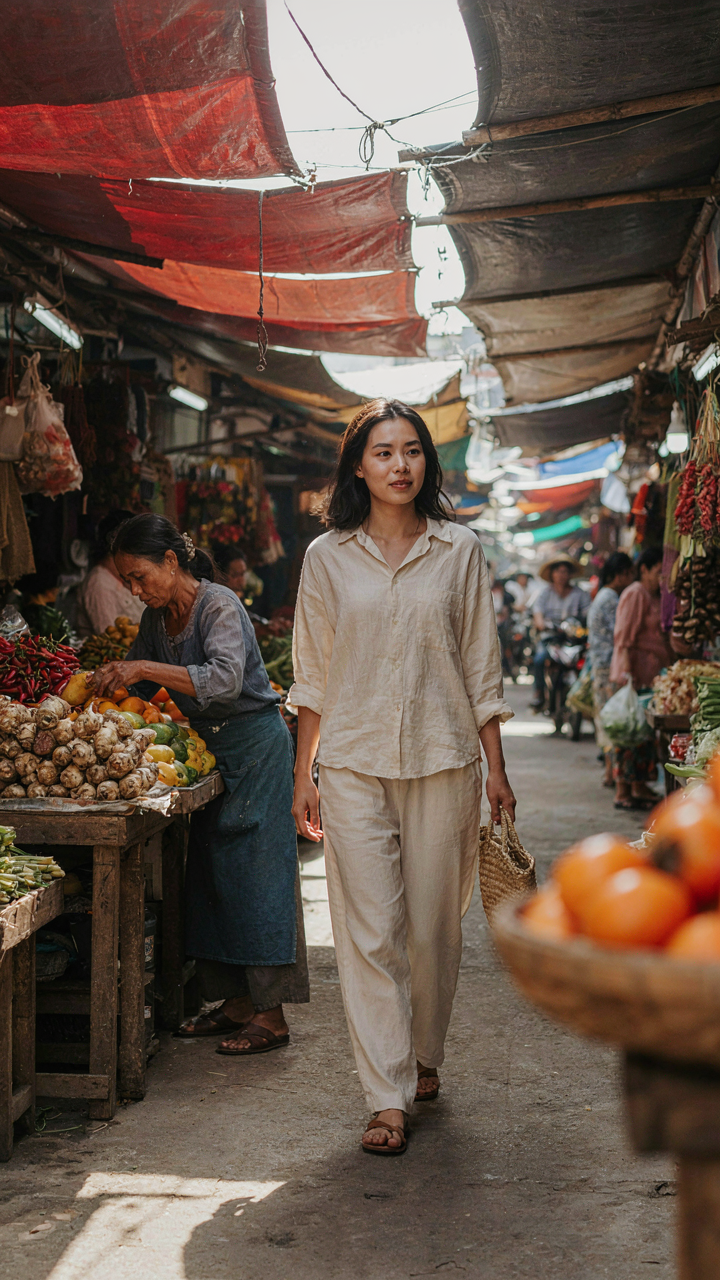
You want someone to tell you the exact outfit so you don’t have to decide and risk looking wrong. That’s the real fear underneath this question. The mechanism is simple: travel advice sells by reducing complexity to a checklist, but your body, coloring, and how you actually move through the world aren’t generic. Instagram travel guides work backward from aesthetic, not forward from function.

Southeast Asia demands climate adaptation, temple compliance, and personal restraint in equal measure. No single outfit formula works across different body types, skin tones, or activity levels. The advice fails because it treats the capsule as a product to buy rather than a system to build around what you already own and what actually suits you. Your existing wardrobe holds more clues than any listicle.
The Aesthetic Trap Costs You Time
Fashion magazines and travel influencers lead with how outfits photograph, not how they perform in 88-degree humidity at 11 AM in a temple. The real work happens invisible to the camera: sweat absorption, quick-dry fabric behavior, how a neckline reads to local observers. Chasing the image means buying pieces that look good in flat lay but fail functionally.
Authenticity here means wearing what you’d actually wear at home, filtered only through the climate and cultural guardrails of Southeast Asia. A linen shirt you already own beats a new “travel essential” that doesn’t match your preferences. Start by auditing what you’ve worn repeatedly in warm weather already. That pattern reveals your actual style. Build the capsule by adding only what genuinely extends that, not what the internet says you need.
The Anti Packing List: What Not To Bring To Southeast Asia
Heavy Fabrics Trap Heat, Not Style
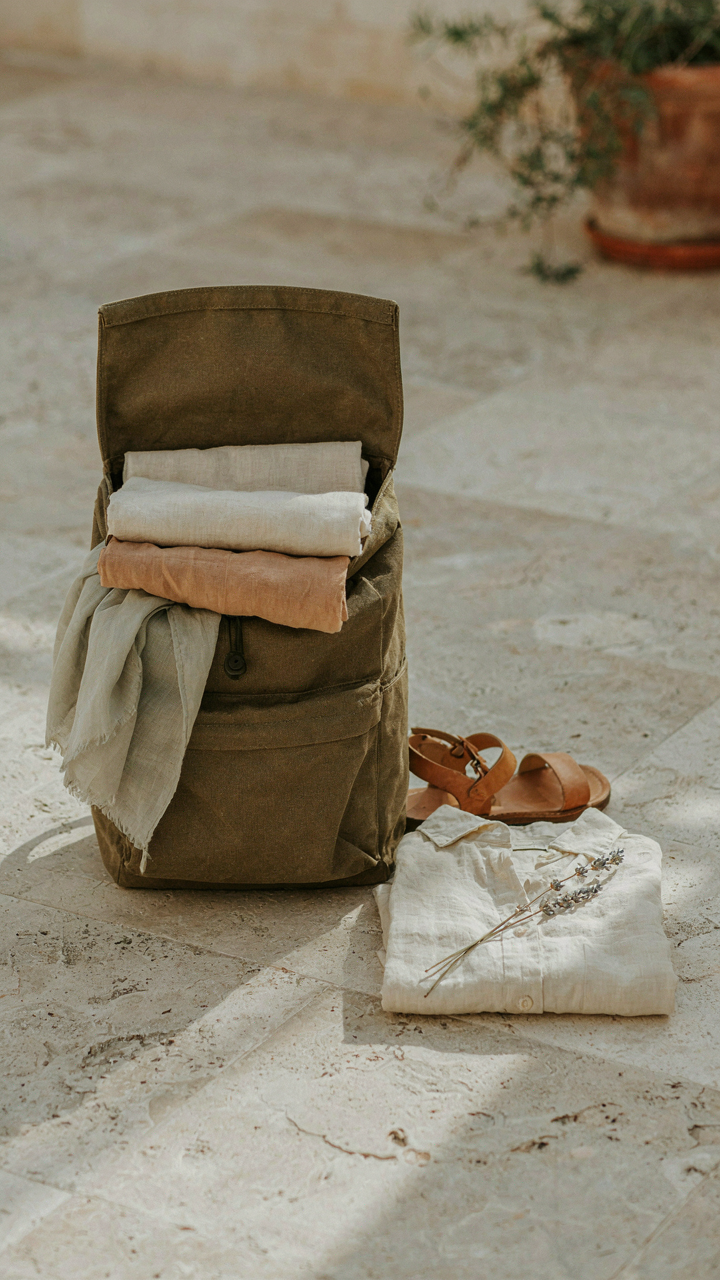
You want to pack smart so you don’t look like a tourist who sweats through shirts by noon. Here’s the mechanism: thermal mass. In physics, thermal mass is the capacity of a material to absorb and retain heat. Heavy denim and thick cotton operate as thermal mass in your wardrobe, storing body heat and humidity against your skin instead of releasing it. Southeast Asia’s heat doesn’t break. Your clothes absorb sweat, stay wet, and create conditions for fungal growth and constant discomfort.
Lightweight synthetic blends and natural breathables like linen work opposite. They release moisture fast and dry quickly in tropical air. Standard travel advice tells you “pack what you’d wear at home, just lighter.” That’s incomplete. The problem isn’t just weight. It’s fiber structure. Tight weaves trap air. Loose weaves let it move through. A 100-gram linen shirt outperforms a 200-gram cotton one because linen’s hollow fiber core pulls moisture away from skin. Don’t bring anything denser than what you’d wear in summer humidity at home, then cut it in half.
Single Purpose Pieces Are Dead Weight
The real cost of single-use items isn’t money. It’s luggage space you can’t recover. This forces a choice: bring more of one thing or bring things that work across multiple contexts. Most people pack formal wear, casual wear, and workout wear as separate categories. In Southeast Asia, you compress these into pieces that layer and transition.
Here are items that masquerade as essential but aren’t:
- Structured blazers: Heavy, wrinkle badly in humidity, temples accept lightweight overshirts instead. Skip them entirely.
- Cargo shorts with excessive pockets: They signal tourist. Lightweight trousers or chinos serve temple visits and casual meals in one piece.
- Dedicated swimwear: A quick-dry athletic short works as swimwear, workout wear, and casual short. Three functions, one item.
- Graphic t-shirts: They shrink unpredictably, show stains, don’t layer clean. Plain or subtly textured tees work over or under everything.
- Formal shoes: Leather dress shoes deteriorate in humidity. A single neutral slip-on in leather or suede handles temples and dinners.
Each piece you pack must work at least two contexts. A linen shirt goes under a lightweight overshirt for temples, worn alone for meals, layered for over-air-conditioned restaurants. That’s three uses from two items instead of three separate outfits. This compression is how you pack a full month into a carry-on without sacrificing functionality. Before you pack any item, name two contexts where you’d wear it. If you can’t, leave it behind.
The Tactical Wardrobe: Applying Military Logistics To Your Bag
Redundancy Over Versatility
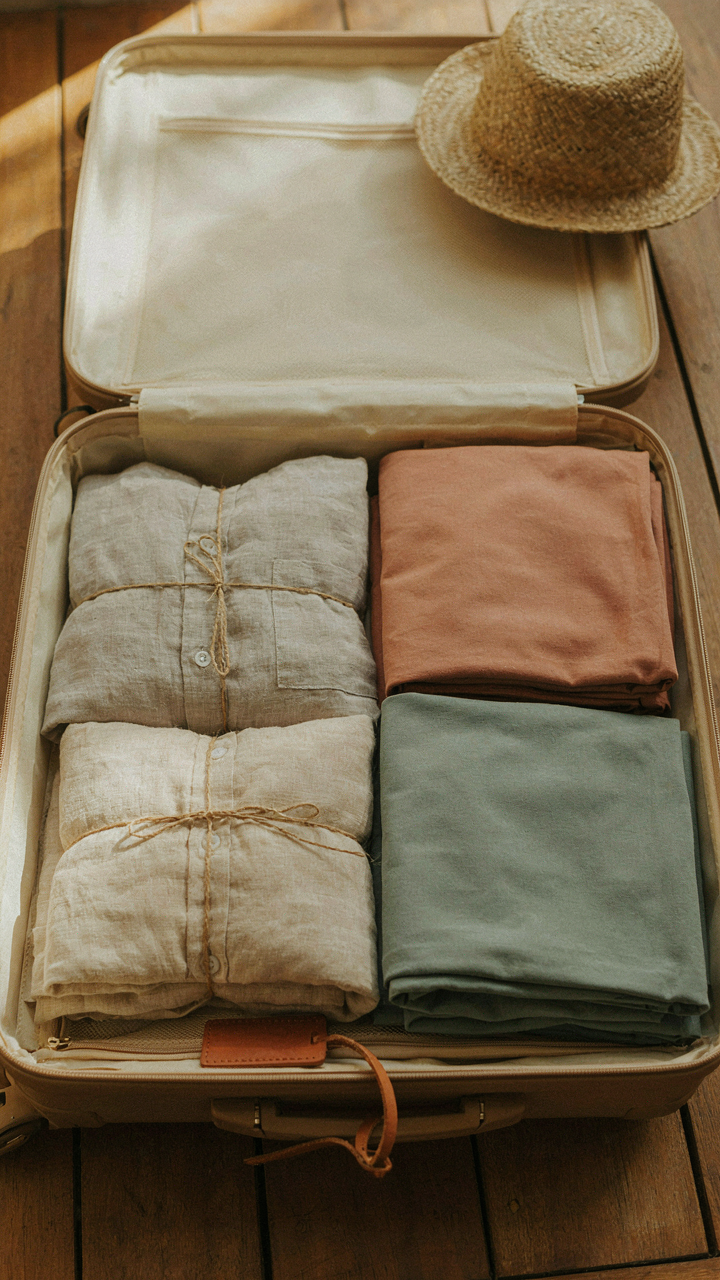
You want this section to solve the anxiety of looking unprepared. Here’s what actually matters: military supply chains use redundancy, not versatility, because redundancy keeps the operation running when one unit fails. Your wardrobe works the same way. Most capsule advice pushes versatility—one shirt that matches six bottoms. That’s backward for Southeast Asia heat and temple codes. You need duplicate base pieces because sweat, humidity, and laundry cycles move faster than your rotation. One linen shirt dries in eight hours. Two linen shirts mean one always ready while the other recovers.

The math is brutal. You’ll shower twice daily in 35-degree heat with 80 percent humidity. A single moisture-wicking base layer becomes a bottleneck, not a feature. Temples require covered shoulders and knees—no exceptions. You can’t versatility your way out of that constraint. Redundancy means you carry two neutral long-sleeve shirts instead of one that “works with everything.” One stays clean for temple visits. One absorbs actual living. This removes the decision friction that burns energy in heat.
Supply Chain Optimization For Laundry
Laundry logistics determine your actual freedom in Southeast Asia, not packing strategy. Guest houses and hotels offer laundry service, but timing is inconsistent—sometimes same-day, sometimes three days. You cannot plan around this variable. Instead, treat your clean clothes like inventory: calculate the cycle time between dirty and clean, then stock inventory to cover that gap. If laundry takes 48 hours and you shower twice daily, you need four complete base layers minimum, not two.
Here’s the protocol: on arrival, immediately identify the laundry service timeline and cost. Do not assume anything. Ask directly: when do you collect, when do you deliver, what’s the per-item charge. Then work backward. You need enough clean pieces to cover the longest realistic cycle plus one buffer day. Synthetic blends (not pure cotton) dry faster if you hand-wring and hang in room airflow—this compresses your inventory requirement. Some travelers skip laundry entirely and buy one cheap replacement shirt when supplies run low. The mechanism that matters: you control the gap between dirty and clean, or that gap controls you.
Cambodia Packing List For Women: Beyond The Obvious
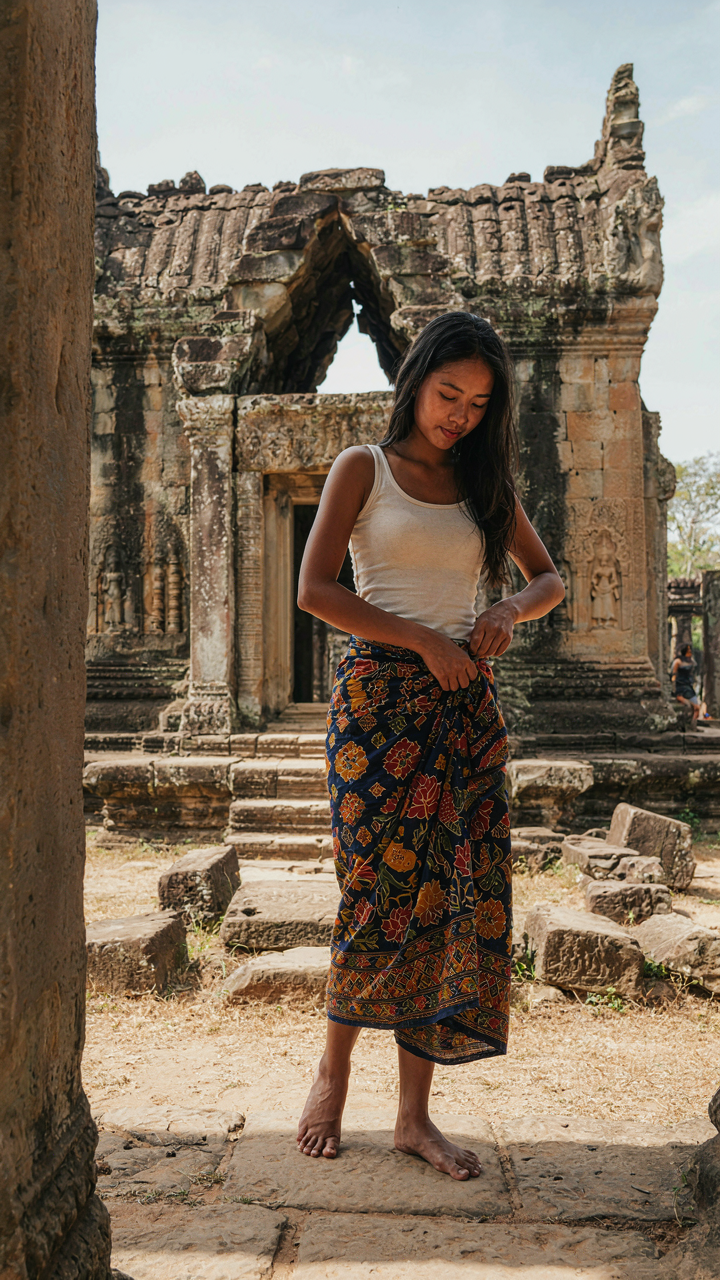
Sarongs Solve The Dress Code Problem You’re Afraid To Name
You’re worried you’ll look like a tourist who doesn’t respect the culture, so you’re overthinking every outfit choice. The real mechanism is this: a sarong functions as a compliance tool that doesn’t telegraph intention. You wear it to temples, markets, and formal spaces without announcing you’re trying. The Cambodian sarong, or sampot, is a rectangle of woven cotton or silk you tie at the waist. It covers your legs entirely while allowing airflow in 95-degree heat. One sarong replaces three pairs of pants in your luggage and works across five different contexts.

The mistake most packing lists make is treating sarongs as decorative items you wear on vacation days. They’re actually load-bearing infrastructure for your trip. Buy two solid colors, one patterned. Tie it high at the natural waist for temples, lower and looser at the hips for markets. You can wear it over shorts, under a tank top, or alone with a fitted shirt. The sarong reduces decision friction daily because the dress code answer is always available in your bag.
Real Footwear Demands Terrain, Not Style Preference
Cambodian terrain varies radically within a single day of travel. You’ll move from temple tiles to muddy market grounds to tarmac streets to guesthouse floors, each with different grip and contamination. This is a systems problem: your footwear must handle velocity through multiple surfaces without making your feet a liability. Temples require immediate removal and reattachment, so sandals become mandatory in certain spaces. But sandals alone fail on uneven ground and contaminated water. The real solution is carrying three functional pairs, not one cute pair you hope works everywhere.
Leather flip-flops with a high back work for temples and quick transitions. Closed-toe water shoes handle wet markets and terrain you can’t assess visually. Lightweight hiking sandals with straps work for longer walking days when you need ankle support and protection. Skip decorative footwear. Cambodia’s heat and dust will destroy pretty shoes in one week, and you’ll have already made peace with that. Rotate them to let each pair dry fully each day, extending their lifespan and reducing foot-related illness.
Thailand Capsule Wardrobe: Practicality Over Perfection
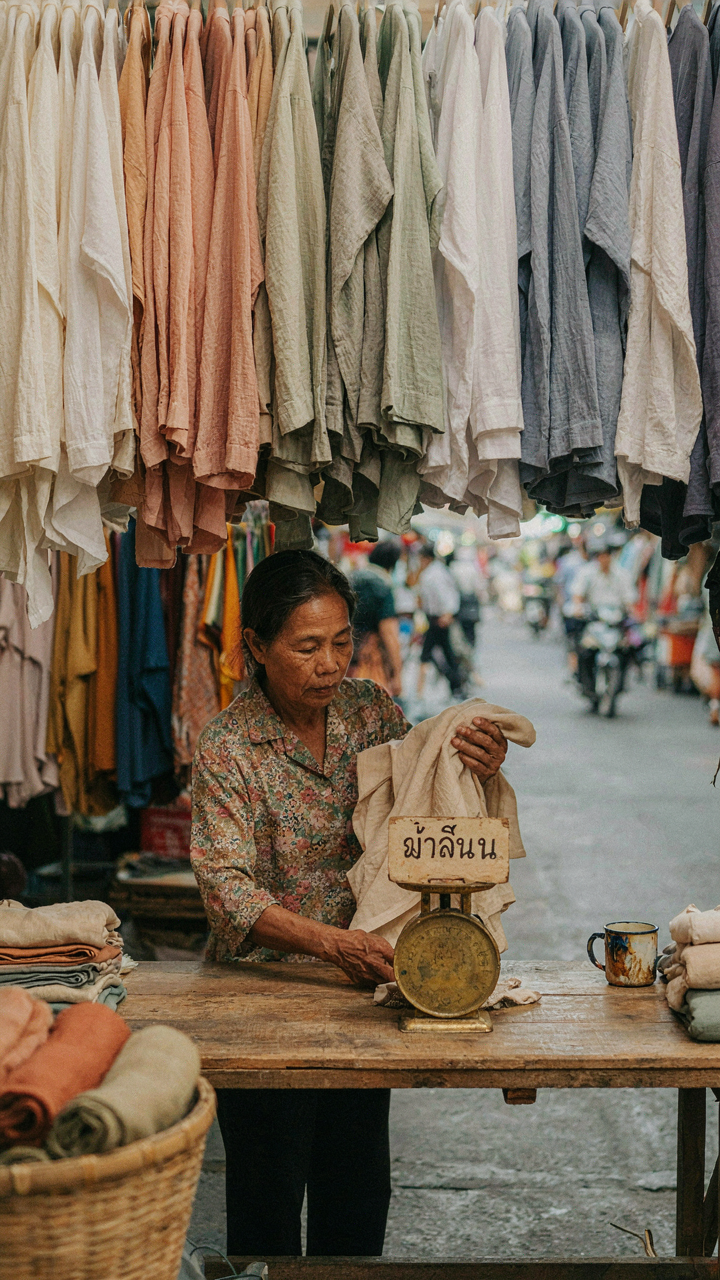
Buy Nothing Before You Land
You want to feel prepared and in control, so you’re tempted to buy everything at home. Stop. The mechanism is simple: Thailand’s street markets operate on velocity and volume, not markup. Prices drop 40-60% below Western retail because vendors move inventory fast and carry zero brand tax. Shopping there first lets you test fit against your actual body in actual heat before committing money to pieces you’ll hate in July humidity.

Pre-trip shopping wastes capital on items that won’t survive contact with the environment. Thai cotton shrinks differently than American cotton. Fit standards in Bangkok night markets align with local bodies, not yours. Buy one baseline piece at home if you need it psychologically, then treat the first week as reconnaissance. Prices on basics like plain tees, linen shirts, and cotton trousers are non-negotiable lower in Chatuchak Weekend Market or Talad Rod Fai than anywhere else. Use that gap to build actual volume instead of guessing.
Dress Like You Live There, Not Like You’re Visiting
Integration isn’t about adopting Thai fashion wholesale. It’s about reverse engineering why locals dress the way they do in heat and humidity. Thai women wear structured fabrics that don’t cling to skin in 35-degree weather. They layer loose overshirts on tanks because direct sun exposure creates heat damage and social friction. They choose natural fibers that breathe and dry fast because synthetic blends trap moisture and breed fungal issues in monsoon season.
Copy the function, not the aesthetic. A loose linen overshirt from a local vendor serves the same thermoregulation purpose as a Thai vendor’s layer and costs a third of a Western brand equivalent. Your capsule works when it matches local construction logic, not when it matches local style codes. Shop by fiber content and weight in markets where vendors sort stock by climate function, not trend. This approach creates pieces that perform in context and blend you into the environment instead of marking you as a tourist buying costumes.
Outfits For Southeast Asia: The Unspoken Rule Of Underpacking
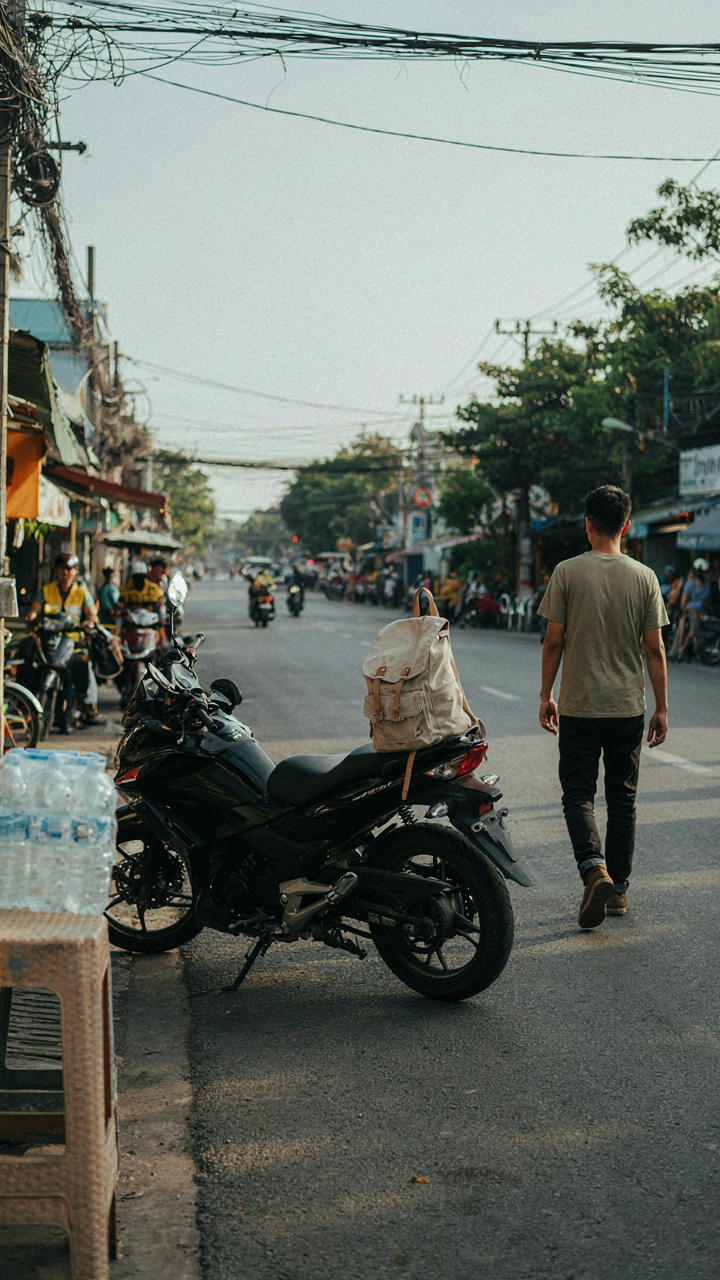
Less Luggage Equals More Mobility
You want to feel prepared without looking like a tourist who didn’t plan. The real mechanism at work here is momentum. Physics says objects in motion stay in motion, and the same applies to travel—but luggage kills it. A full suitcase doesn’t just weigh you down physically. It anchors you to predetermined outfits, forces you to find laundry, and makes spontaneous movement impossible.
A capsule wardrobe in Southeast Asia works because it eliminates decision friction during 35-degree heat. Four days of wear per item before washing is the practical standard in humid climates where sweat accumulates fast. You move between temples, markets, and beaches without calculating what you can carry. Lightweight fabrics like linen and cotton blends pack small and dry overnight in your guesthouse bathroom. The constraint forces you to actually wear what you bring instead of rotating through ten options.
Mental Space Compounds Decision Fatigue
Nobody talks about this part directly: a packed suitcase taxes your working memory every morning. You’re not just choosing clothes. You’re managing an inventory of unused items, creating narrative pressure to wear them before departure, and burning cognitive energy on justifications. Southeast Asia demands full attention on navigation, cultural protocol, and heat management. Your brain cannot optimize simultaneously for outfit variety and survival in an unfamiliar environment.
When you land with a true capsule—twelve pieces maximum, all compatible—your morning takes ninety seconds. You eliminate the false choice between four white shirts that “feel different.” Locals in Bangkok and Chiang Mai keep rotating wardrobes small for exactly this reason: mental clarity at scale. The mechanism is simple. Fewer pieces mean fewer decisions. Fewer decisions mean more attention for the work, the temple visit, the conversation. Before you leave, audit your luggage and remove three items you’re unsure about. You won’t miss them.
The Only Essential Is Your Mind. Stop Outsourcing Its Function To Fabrics
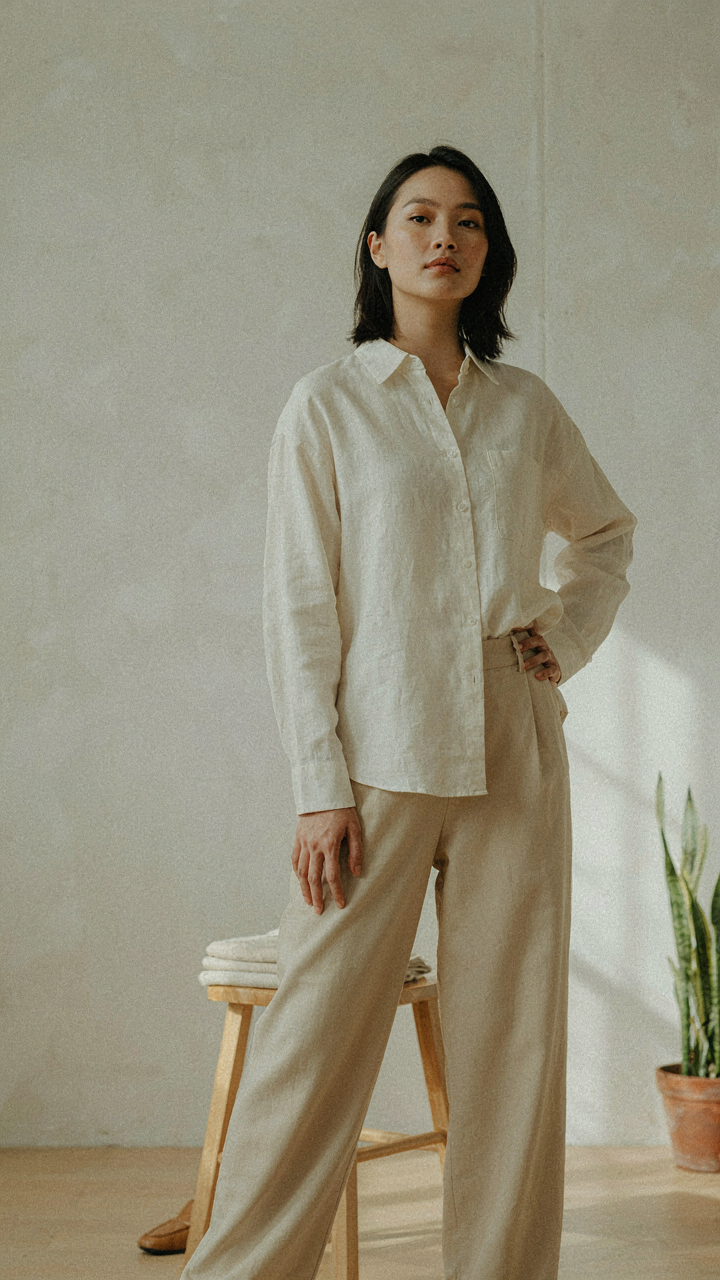
Most people build a wardrobe backward. They buy clothes hoping the clothes will solve what their mind won’t. A Southeast Asia capsule works because it forces decisions. You stop hiding behind options. Pick one shirt today and wear it intentionally. Notice how confidence doesn’t come from fabric. It comes from knowing exactly why you chose it. Your wardrobe should reflect your thinking, not replace it.