

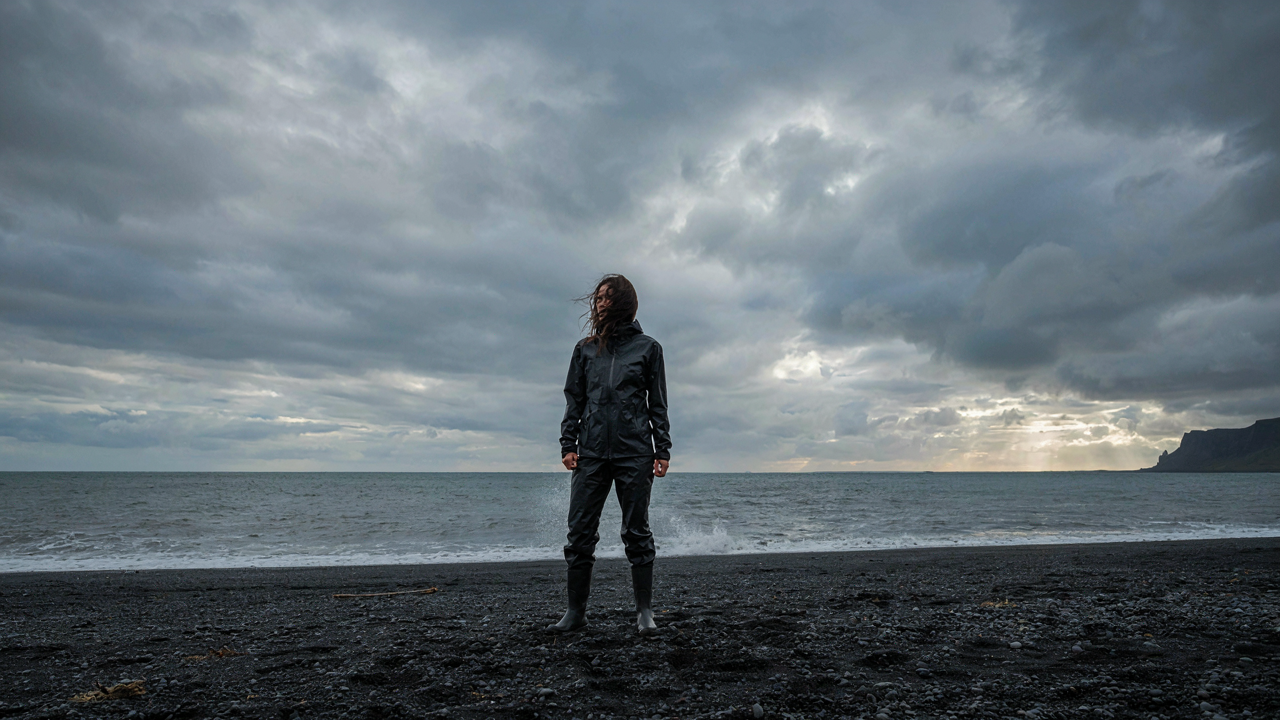
The Myth Of “Any Weather”: Iceland’s Climate Unpacked
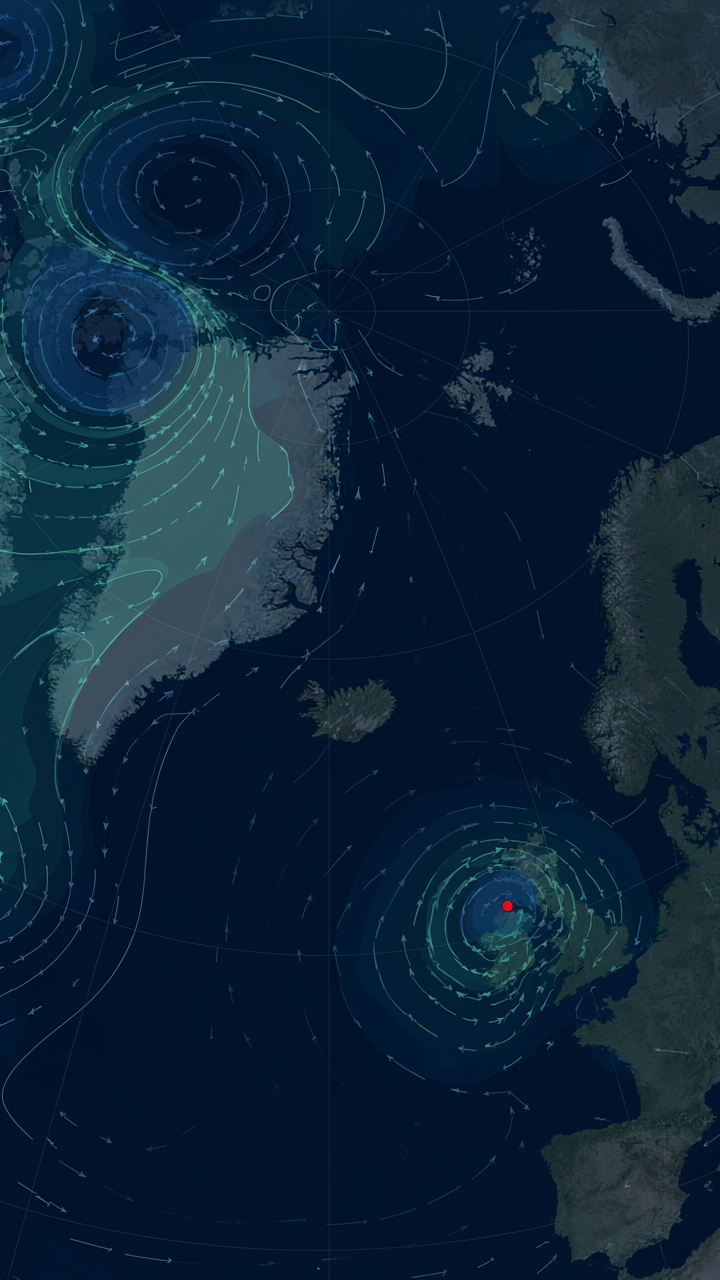
Four Seasons In One Day Is Marketing, Not Meteorology
You want permission to overpack without looking paranoid. The “four seasons in a day” line lets you feel justified buying every layer known to man. Here’s the mechanism: this phrase is promotional shorthand that obscures how Iceland’s weather actually functions. Weather systems move fast, yes. But they move in patterns. The difference matters when you’re deciding what goes in your bag.
Iceland sits at 64 degrees north latitude where Atlantic storm systems rotate through predictable paths. Winter brings sustained cold and wind. Summer brings sustained mild temperatures and extended daylight. Spring and fall are transition zones with real volatility, but not random chaos. The “any weather” framing makes you think conditions flip hourly when the actual truth is simpler: you’re managing wind intensity and precipitation type more than dramatic temperature swings.
Microclimates Reveal The Real Packing Problem
Coastal towns experience ocean moderation; interior highlands don’t. This is geomorphology at work, and it changes your packing calculus entirely. Reykjavik’s harbors stay ice-free and windy. The Golden Circle gets colder inland. The south coast receives horizontal rain that penetrates fabric differently than vertical rain. Most packing advice ignores this because it requires actual geographic knowledge instead of generic “bring everything” statements.
Your real task isn’t preparing for random weather shifts. It’s preparing for consistent conditions within specific zones you’ll visit, plus a buffer for one predictable storm system. Check your exact itinerary against historical wind speed data and precipitation records for those locations during your travel month. Then pack for that climate band, not for Iceland as a conceptual weather circus. This specificity eliminates dead weight from your luggage.
The Thermal Layering Protocol For Iceland Essentials
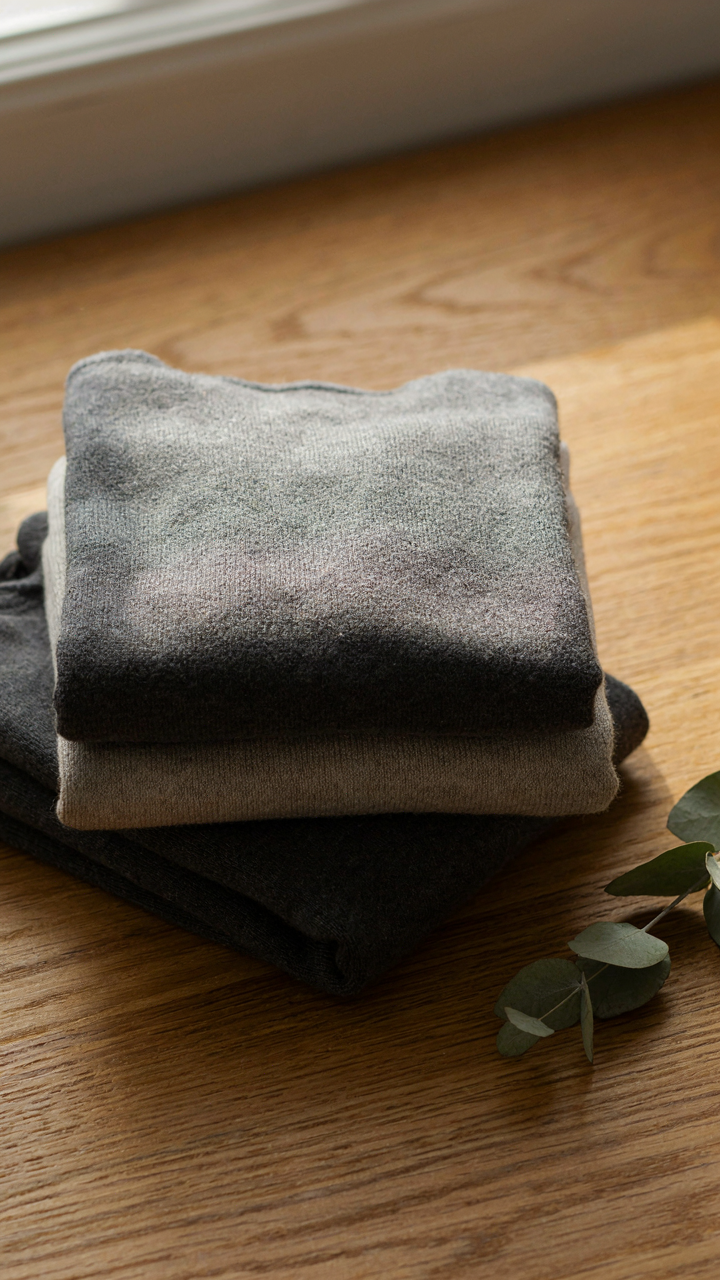
Base Layer As Second Skin: Merino Vs. Synthetics
You want to feel warm without looking bulky, which is the real reason this matters to you. The mechanism is simple: Iceland’s wind and moisture strip heat from skin faster than temperature alone suggests, so your base layer’s job isn’t insulation—it’s moisture management and microclimate control. Merino wool does both simultaneously. It pulls sweat away from skin while retaining warmth even when damp, a property synthetics can’t match. Merino also neutralizes odor, which matters when you’re layering for multiple days.

Synthetics like polyester or nylon work differently. They dry faster than merino and cost less, but they trap odor and don’t insulate when wet. The tradeoff is speed of recovery, not performance in Iceland’s conditions. Merino’s disadvantage is price and weight in your pack. If you’re committing to this trip, merino is the rational choice. Your base layer stays against skin all day and night, so performance compounds. Buy one or two merino tops and bottoms rather than multiple synthetic sets.
Mid Layer: Where Insulation Actually Happens
The physics principle here is insulation value, which gets measured in R-value—the material’s resistance to heat flow. Fleece and wool pile dominate this category because they trap air pockets without requiring the bulk down would demand. Most travel guides suggest packing too many mid-layers out of fear, when the real strategy is layering fewer, higher-performing pieces.
A single quality fleece jacket performs better than two thin sweaters because it compresses efficiently and manages moisture without absorbing it. Wool sweaters work too, but they’re heavier and take longer to dry. The protocol: one fleece mid-layer replaces three mediocre options. Wear it over your base layer under your shell jacket, and you handle everything from calm to moderate wind. When temperature drops, you add your shell for insulation, not bulk.
Outerwear: Your Shield, Not A Fashion Statement
Hardshell Vs. Softshell: Choosing Your Armor
You’re worried a wrong choice will leave you exposed and miserable. Here’s the mechanism: hardshells and softshells operate on opposing trade-offs borrowed from materials engineering, where rigidity blocks penetration but sacrifices breathability. Hardshells use rigid polymer layers to repel water completely, sealing you in a moisture-proof barrier. Softshells use stretchy fabrics that let vapor escape while resisting light rain, trading absolute waterproofing for mobility and comfort. Iceland’s weather demands hardshell as your primary layer because wind-driven rain is relentless and exposure creates real hypothermia risk, not inconvenience.

The common advice says “bring both.” That’s incomplete. Bring hardshell as your primary outerwear. Wear it over insulation when conditions spike. A softshell works only as a secondary piece for calm days with light precipitation or as an active layer during high-output movement. Most women pack both and end up rotating the same one jacket the entire trip. Buy a hardshell jacket with taped seams and reinforced cuffs, then accept that aesthetics are irrelevant when wind chill drops to minus twenty Celsius.
Weatherproofing: DWR And Seam Sealed Essentials
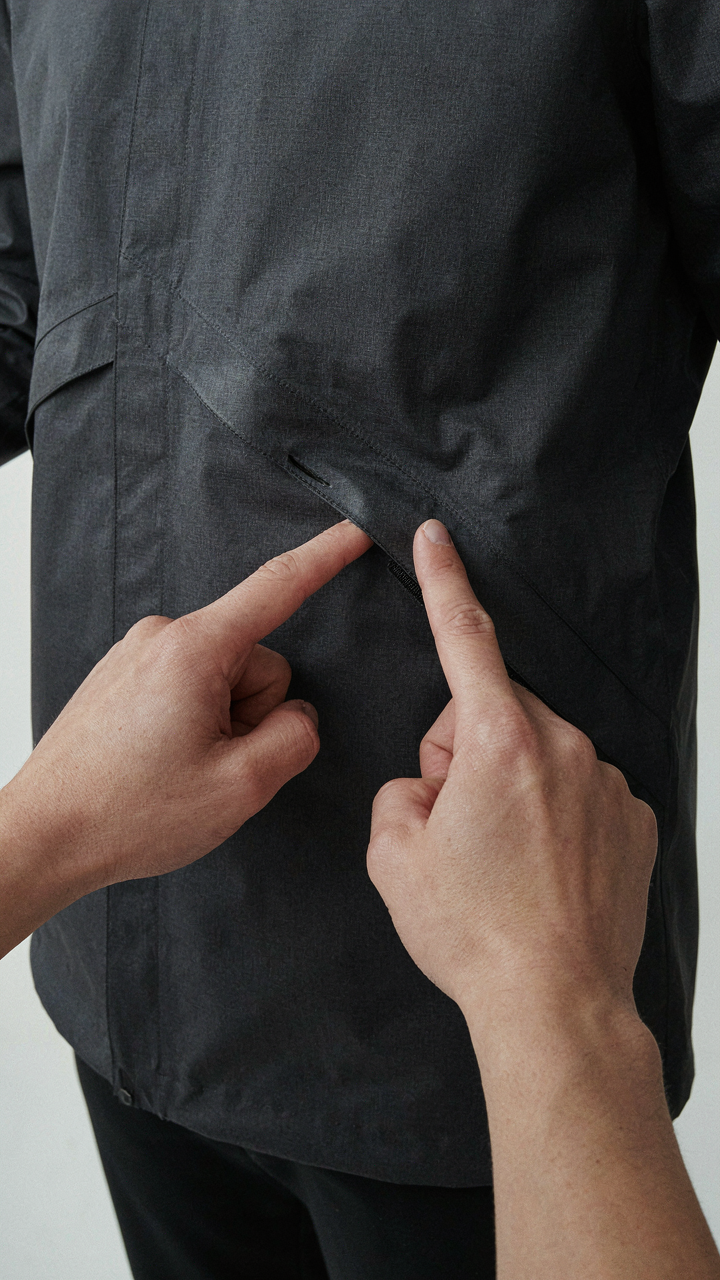
Water resistance degrades with every wash, and most jackets leave the factory already compromised. Durable Water Repellent (DWR) coating beads water on the fabric surface but doesn’t seal the jacket itself. Seam-sealed construction means the manufacturer has sealed every stitch line where water penetrates under pressure. Check the product specifications before purchase: confirm the jacket lists “taped seams” or “sealed seams” explicitly. A hardshell without sealed seams is marketing theater.
Inspect your jacket’s seam coverage before departure. Run your finger along the interior seams at shoulders, underarms, and hood edges. You should feel a distinct raised line where the tape sits inside. If seams feel flat or unfinished, the jacket will fail in sustained rain. Reapply DWR treatment once yearly or after heavy use; most outdoor supply stores sell spray-on DWR kits. This single maintenance step extends jacket longevity and keeps you actually dry during Iceland’s multi-day weather systems.
Footwear: The Foundation Of Your Iceland Adventure
Hiking Boots That Don’t Fail You
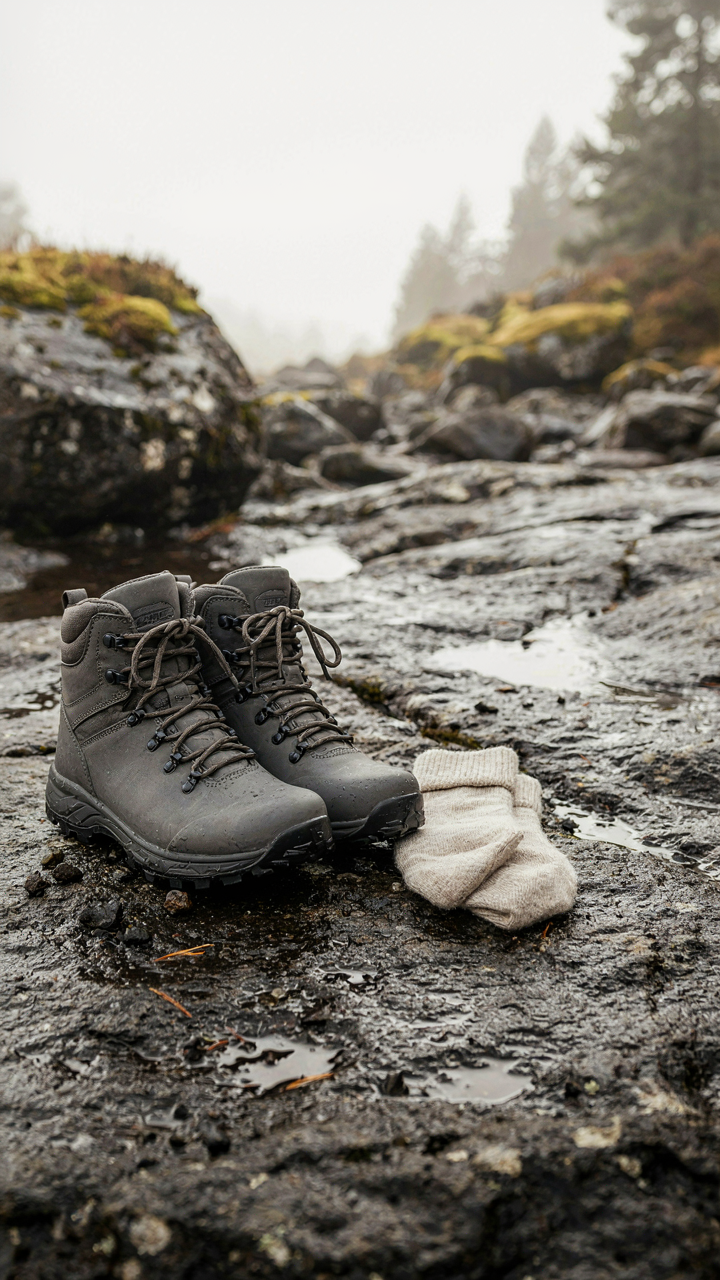
You’re worried about twisting an ankle on black sand or looking unprepared. The real mechanism is this: Iceland’s terrain doesn’t care about your fitness level. Volcanic rock, hidden holes, and sudden grade changes punish weak ankle support within minutes. Hiking boots aren’t optional here—they’re equipment, not fashion. You need genuine waterproof construction, not “water-resistant” mesh, paired with aggressive tread designed for wet stone.

The boot choice matters more than the hike difficulty. Salomon, Scarpa, and La Sportiva make boots rated for Icelandic conditions because their lugs grip basalt instead of sliding. Your boots need a 1000-gram insulation rating minimum and sealing at every seam. Test them on wet surfaces before Iceland, not on arrival. A blister on day two costs you three days of mobility.
Wool Socks: The Unsexy Non Negotiable
Cotton is the enemy. Merino wool prevents blisters through friction reduction, which is biomechanics applied to your foot. Wool wicks moisture away from skin faster than synthetics, leaving your foot drier even when the boot absorbs water. This isn’t marketing—it’s how fiber physics works. One pair of wet cotton socks ruins your entire day. One pair of wet wool socks you barely notice.
Buy four to six pairs of wool blend socks rated for hiking, not casual wear. Darn Tough, Smartwool, and Icebreaker all perform. Layer them: thin merino base, heavier wool hiking sock on top. Wool socks reduce foot fatigue on long days because they manage temperature and moisture simultaneously, not just one. Rotate pairs daily to prevent compression and extend their lifespan.
Accessories: The Unsung Heroes Of Warmth And Comfort
Hats And Gloves: Where Heat Escapes First
You want to look put-together on Instagram, but that’s not why this matters. Your head loses heat faster than any other body part because blood vessels sit close to the skin there. It’s basic thermodynamics: the rate of heat loss increases with surface area exposed to cold air. Iceland’s wind amplifies this effect, making a hat non-negotiable, not optional. Most women underestimate glove choice because they assume any pair works. Wrong.

Merino wool gloves outperform synthetic ones in wet conditions because wool retains insulation even when damp. You need gloves that let your fingers move—touchscreen capability matters less than grip and dexterity for handling camera equipment, zippers, or safety gear on hikes. Bring two pairs: one thicker for stationary activities like photography, one thinner for active movement. Test the fit before you travel. Cold hands make you miserable faster than cold feet.
Scarf Or Buff: Layered Neck Protection
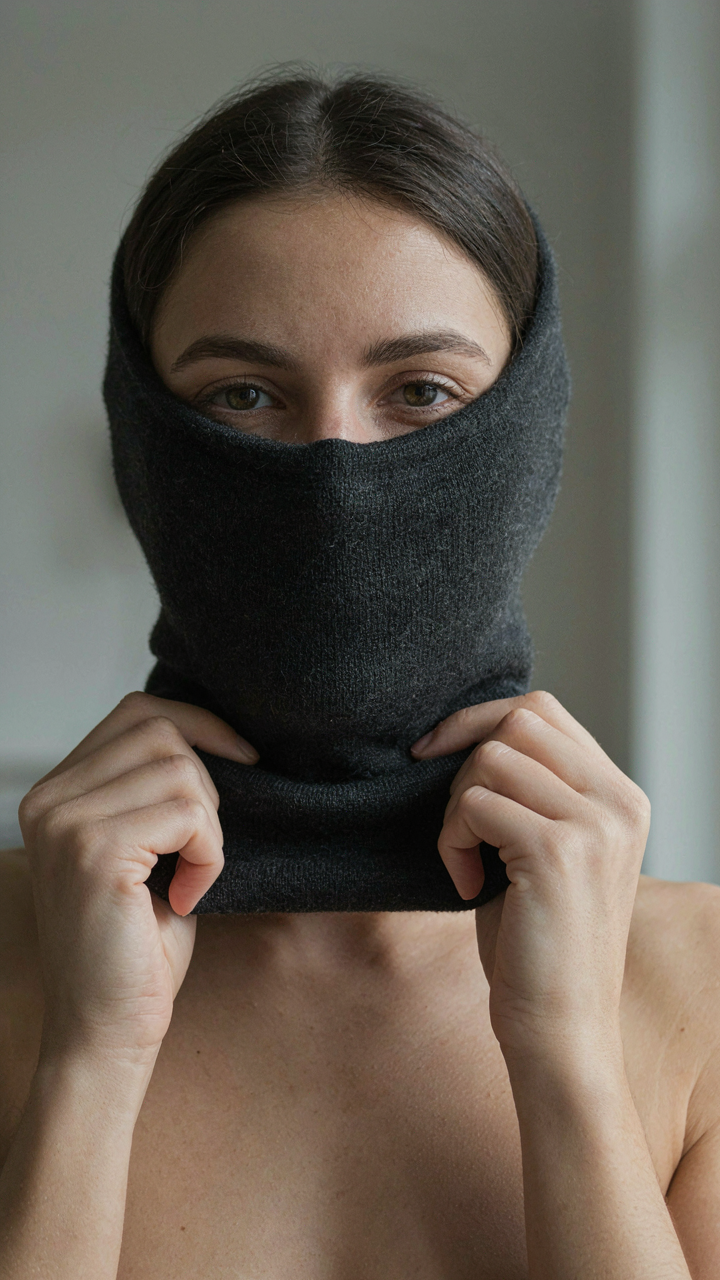
A buff is a tube of merino or synthetic fabric that shifts function based on how you wear it. Pulled up over your mouth and nose, it blocks wind from your face and warms inhaled air. Around your neck as a loose layer, it adds insulation without bulk. Around your head as a hat alternative, it covers ears. The mechanism here is volume and coverage—one item performs multiple jobs because you control how much surface area it protects.
Most women pack a scarf and then don’t use it because it gets wet or tangles in jackets. A buff doesn’t have those problems. Synthetic buffs dry faster than wool but pill more easily. Merino buffs last longer and regulate temperature better, but cost more upfront. Buy whichever fits your budget, but commit to one. Tie it around your neck before you leave your accommodation on windy days.
Iceland Packing List Fall: Transitioning For Shoulder Season
September And October Weather Swings
You’re anxious about looking unprepared, which is why you’re obsessing over fall packing lists. Here’s the mechanism: fall in Iceland doesn’t follow a linear progression—it oscillates. September runs 8-12°C with rain as the default state. October drops to 4-8°C and introduces wind that makes temperature feel 5 degrees colder than the thermometer reads. The shift isn’t gradual. You’ll experience summer-like days followed by early-winter conditions within 48 hours, which means your layering system must work both ways.

This is where most packing advice fails. Generic guides tell you to “bring versatile pieces”—useless. What actually works: build two distinct load-outs within your bag. One for the warm-rain scenario (thin merino base, fleece, waterproof shell). One for the cold-wind scenario (thick merino base, insulating mid-layer, windproof outer). The difference between these setups is real and material. You don’t compromise between them by choosing one medium layer. You prepare for both, which takes deliberate space management.
Rain Over Snow In Shoulder Season
The conventional wisdom says fall is “mild,” so you pack accordingly. That’s incomplete thinking. September and October in Iceland mean you’ll see rain 15-20 days per month—more frequently than summer in most climates. Snow is rare but possible, especially in late October at higher elevations. The mechanism from hydrology: rain is heavier, wetter, and more relentless in fall because the Atlantic storm systems push water vapor directly onto the island without the summer high-pressure systems blocking them.
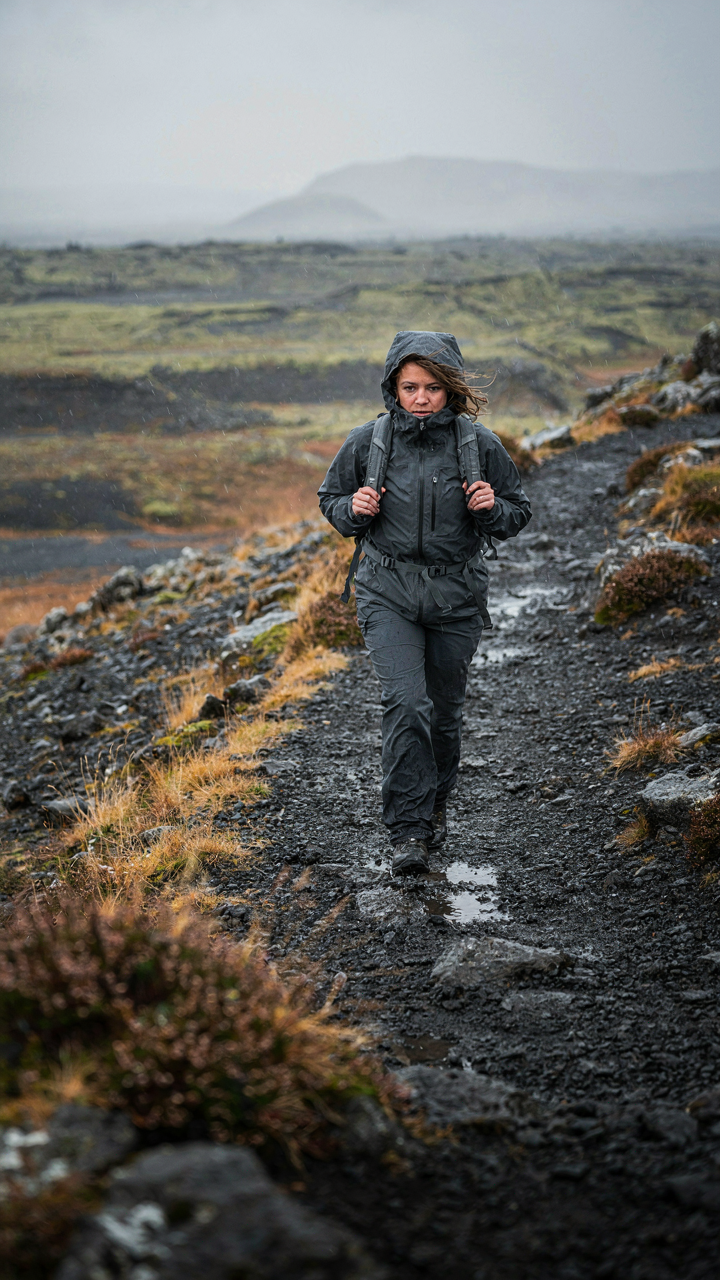
Your rain gear needs to be technical, not decorative. A basic rain jacket won’t cut it because Icelandic rain is wind-driven and persistent. You need a shell rated for sustained wind and moisture, not just light showers. Pack waterproof pants, not just a jacket. Your pack itself must be weather-resistant or line-packed because rain will soak everything if you don’t enforce a barrier. The single non-negotiable item for fall is a quality rain shell worn as your outer layer 60% of the time you’re outside.
Winter Iceland Outfits: Maximizing Warmth, Minimizing Weight
The Three Layer System That Actually Works
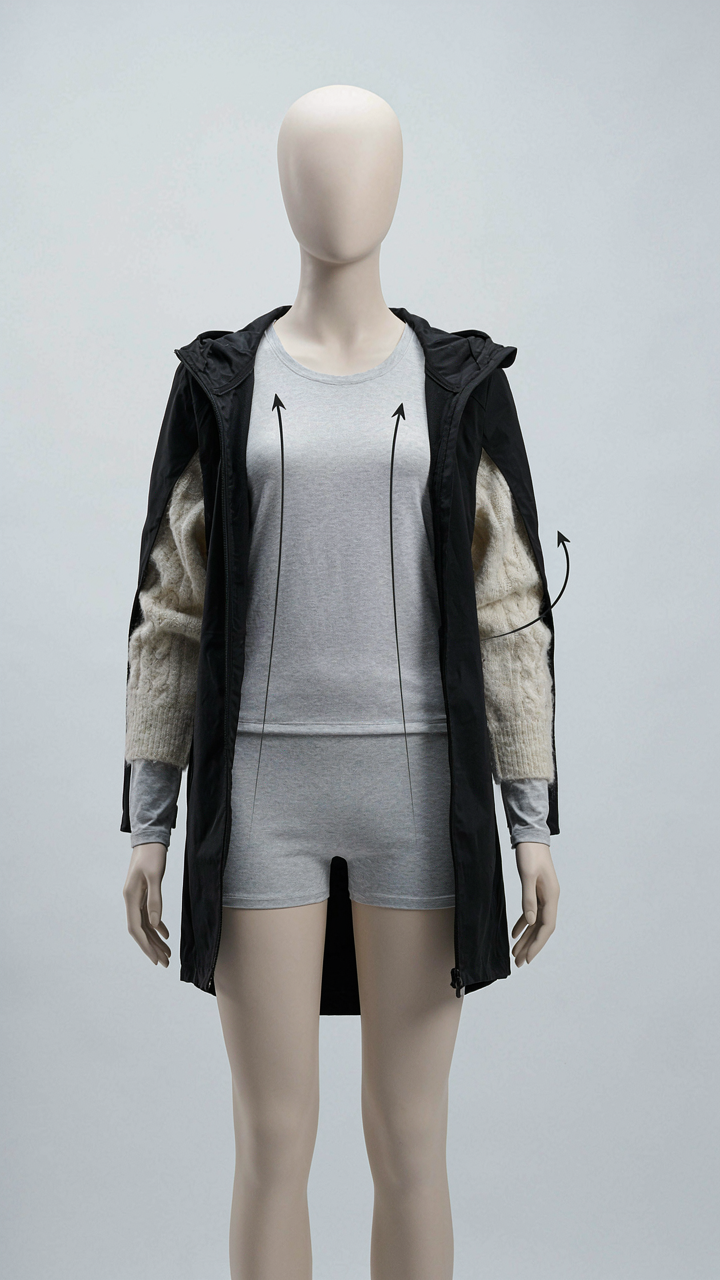
You want to look competent in photos without sweating through your base layer. The real mechanism here borrows from thermodynamics: heat moves from warm to cold, and your job is to trap air in specific zones while letting moisture escape. Wind, water, and thermal barriers work as a stack, not independently. Most Iceland packing advice treats layers as interchangeable. They’re not. Each layer has a function, and stacking the wrong materials wastes weight and kills your mobility on hikes or when navigating ice.

Base layers must move sweat away from skin. Merino wool or synthetic fabrics do this. Cotton holds moisture and drops your core temperature when wet. Mid-layers trap dead air to insulate. Fleece, down, or synthetic fill all work. Outer shells block wind and water penetration. The stack works only when each layer can breathe and release vapor upward. Compression happens when you layer wrong materials, trapping heat and condensation inside, which defeats the entire system. You need this hierarchy locked in before you pack.
Outfit Formula For Winter Movement
Build outfits around this formula: synthetic or merino base, insulating mid-layer, weatherproof shell. Swap pieces, not the structure. A wool base works under a fleece and rain jacket for moderate cold. Switch the fleece for down when temperatures drop below freezing and you’re static. Replace the shell with a heavier parka if you’re hiking in wind and sleet. This isn’t about having many outfits. It’s about mixing five to six core pieces that rotate into different combinations. Each combination solves a specific condition without redundancy or dead weight in your luggage.
The tactical move: lay out your outfit at night, check tomorrow’s wind speed and precipitation forecast, and adjust the mid-layer only. Your base and shell stay consistent. This rhythm cuts decision fatigue and prevents overpacking backup pieces you’ll never wear. Test your layering system at home before traveling. Walk outside in cold rain wearing your stack. If you sweat, your base is too heavy or your shell is trapping heat. If you shiver, your mid-layer has gaps or doesn’t have enough fill. Fix these problems in your living room, not in Iceland.
The Logistics Of Packing: Space, Weight, And What To Ditch
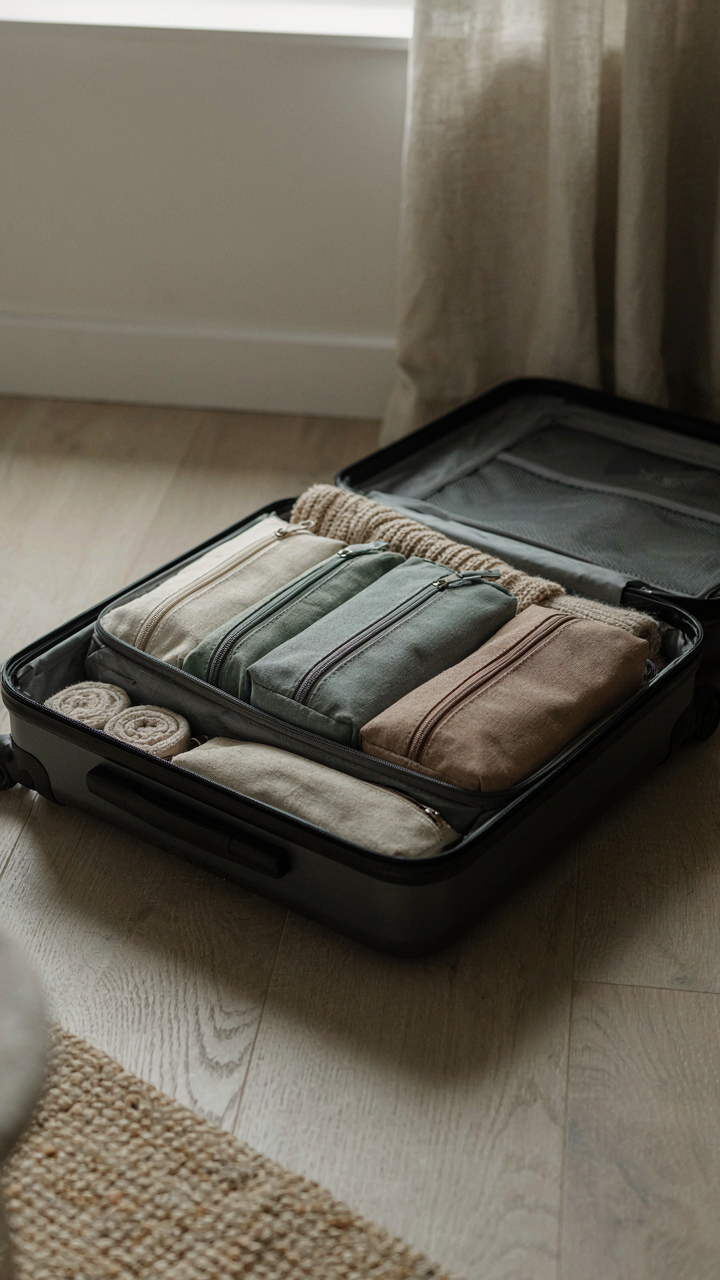
Compression And Containment Strategy
You care about packing cubes because they promise to solve a problem you created: overpacking. Military logistics uses spatial compression to maximize payload in fixed containers. Apply the same principle to your luggage. Packing cubes don’t reduce what you bring, but they force constraints that reveal what’s actually redundant. Roll each item, compress vertically, and separate by category. This creates visible inventory. You’ll see immediately when you have four pairs of base layers instead of the two you need.

Compression cubes also solve the real problem: finding items in your bag during a trip. Icelandic accommodations rarely have closet space. When everything lives in a cube labeled “thermal layers” or “outerwear,” you grab what you need without unpacking your entire suitcase into a hostel room. The cubes also protect merino wool and fleece from friction damage during travel. Weight stays the same, but organization prevents decision fatigue at 6 AM when you’re deciding what to wear for a glacier walk.
What Actually Gets Packed, What Doesn’t
The 80/20 rule states that 20 percent of variables create 80 percent of outcomes. For Iceland packing, 20 percent of items generate 80 percent of your comfort and function. Strip everything else. Most women overpack “just in case” pieces that create bulk without solving actual problems. You will not need seven tops. You will not need backup pants beyond one. You will not need a formal layer.
- Base layers (merino wool or synthetic): Two sets rotate easily; one dries while you wear the other. Merino handles multiple wears without odor.
- Mid-layers (fleece or wool sweater): One quality piece outperforms two mediocre ones. Icelandic wind cuts through anything cheap.
- Waterproof jacket and pants: Non-negotiable. Rain and wind happen daily. Cheap rain gear fails in two hours.
- Sturdy hiking boots: Already broken in before you leave. Blisters in Iceland mean lost days on the trail.
- Merino wool socks and thermal tights: Three pairs of socks, two pairs of tights. Wool dries faster than cotton and regulates temperature properly.
- Hat, gloves, neck gaiter: Wind protection matters more than insulation here. Your face gets exposed constantly.
The items that don’t make the cut are easy to identify once you audit by function. If two items solve the same problem, one goes. If an item solves a problem that won’t happen, it goes. Ditch the “nice” sweater you might wear to dinner. Ditch the backup jeans. Ditch anything that requires ironing or dry cleaning. Your checked bag weight limit is fixed. Every pound of dead weight is a pound you can’t use for items that actually matter. Pack only what performs work in Iceland’s climate and terrain. Everything else is friction in your suitcase.
Beyond The Clothes: Non Obvious Iceland Essentials
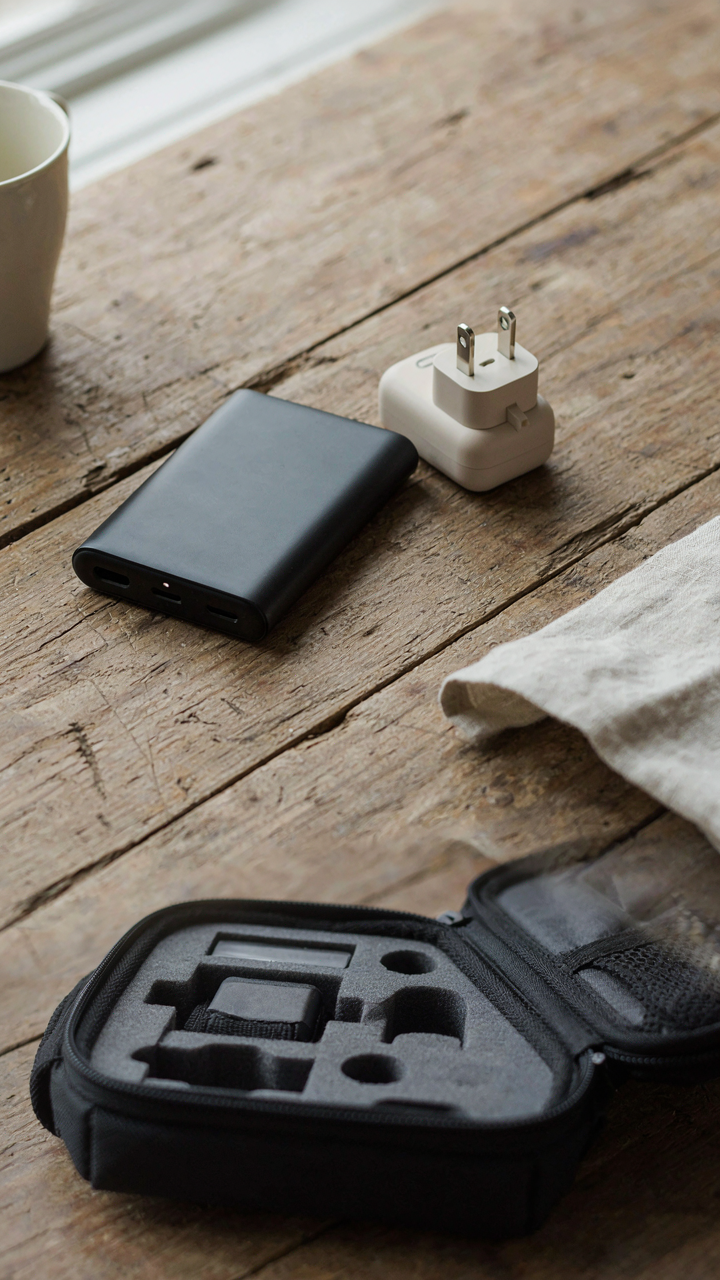
Power Where You Need It
You’re worried about your phone dying on a glacier and looking stranded, but the real mechanism is voltage incompatibility. Iceland runs on 230V, 50Hz. Most North American chargers handle 110-240V, but the plug shape doesn’t fit. You need a Type F adapter (the European two round pins) or a universal adapter that covers multiple regions. One adapter solves the problem for your phone, camera, and any other device. Carry a second one as backup because losing power access in Iceland means losing navigation, communication, and photo documentation.

A portable charger with 20,000mAh capacity covers two full phone charges in harsh weather. The cold kills battery performance faster than the charger can replenish it, so redundancy isn’t paranoia. Pack the charger in an insulated case to keep it above freezing during outdoor hours. Plug everything in at your accommodation every night without exception.
Swimwear For Geothermal Water
Thermal spring bathing isn’t optional in Iceland. It’s infrastructure. Blue Lagoon is the marketed version, but smaller geothermal pools exist across the country and deliver the same mechanism: naturally heated mineral water that functions as both recovery tool and social gathering point. You’ll encounter locals and tourists in these spaces. Standard swimwear applies. One-piece or two-piece doesn’t matter. What matters is material that withstands mineral-rich water without degrading.
Nylon and spandex blends resist mineral buildup better than cotton-based suits. Pack two swimsuits so one dries while you wear the other. The minerals in thermal water accelerate fabric wear, so rotating suits extends their lifespan. Bring a microfiber towel that dries faster than cotton and takes up minimal pack space. Geothermal pools operate year-round, and skipping them means missing the single most efficient recovery mechanism for a body pushed through wind and cold.
The Real Obstacle Isn’t The Weather; It’s Your Inability To Trust Simple Systems Over Endless Options
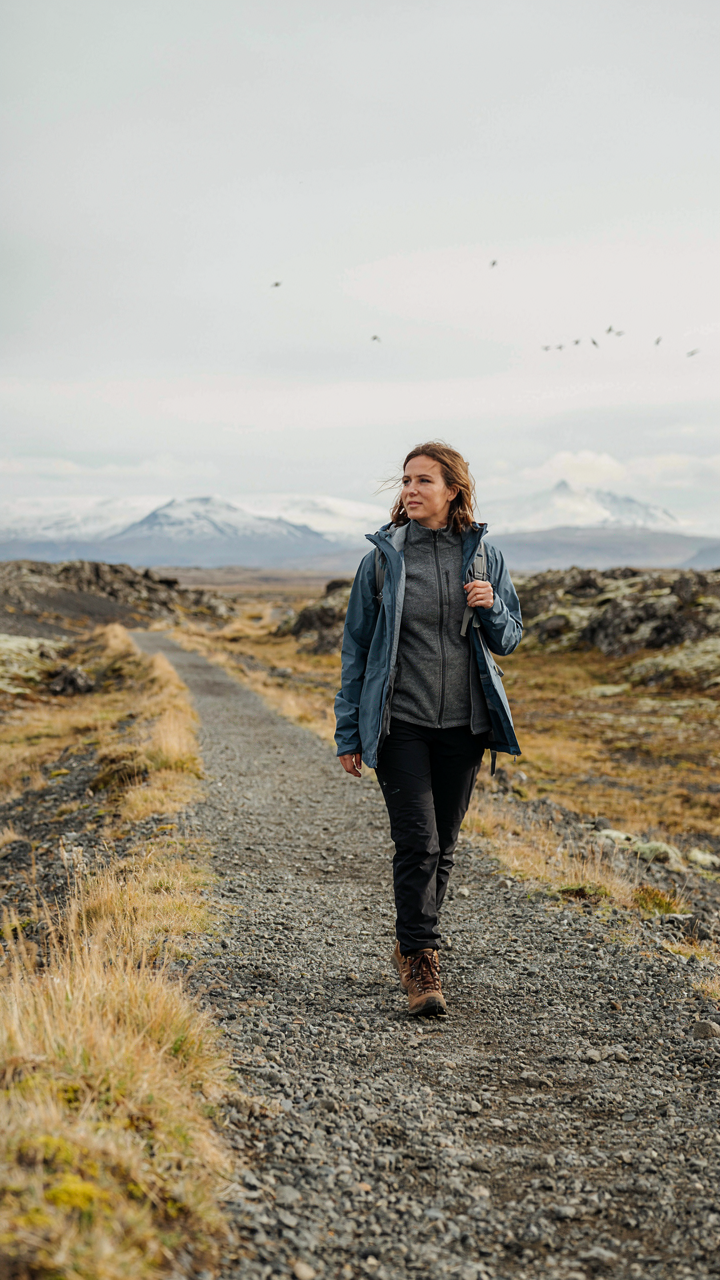
You don’t need another packing list. You need permission to stop overthinking. Most women bring twice what they need because they mistake options for security. The system works: base layers, mid-layers, a shell jacket. That’s it. Open your closet right now and pick five pieces that follow this formula instead of scrolling for more ideas. The woman who packs decisively enjoys Iceland. The woman who optimizes endlessly just stays home.