

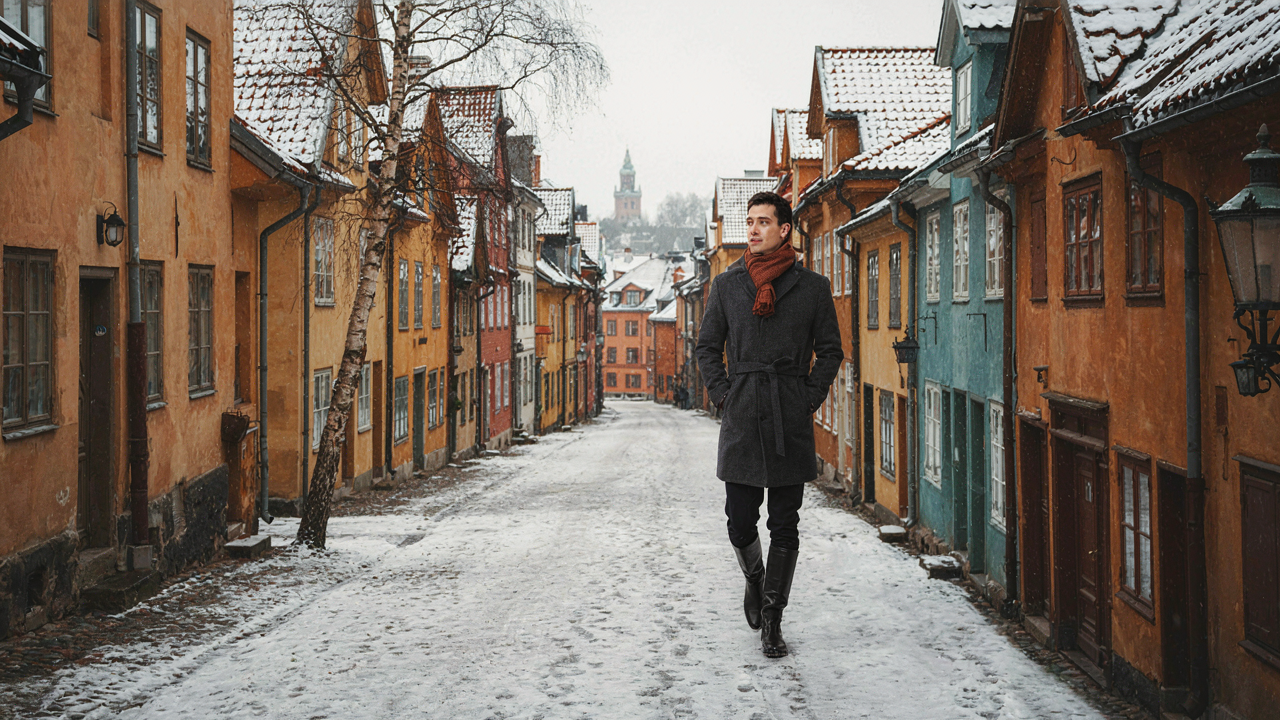
Deconstructing The Scandi Myth: More Than Minimalist Aesthetics

What Scandinavia Actually Demands From Fabric
You want to believe minimalism alone keeps you warm because it sounds intelligent and requires less effort. The real mechanism is thermodynamic: Scandinavian winters don’t care about your aesthetic. Temperatures in Stockholm, Copenhagen, and Oslo drop to minus ten Celsius regularly. Wind speeds amplify this. Snow reflects and radiates cold back at you. The region demands specific material properties that generic “minimalist” advice never mentions because it’s boring compared to talking about neutral colors.
Scandinavian winter dressing solves for heat retention, not style. Merino wool works because it traps air in its fiber structure while wicking moisture away from skin. This isn’t philosophy. It’s physics. Linen, cotton, and most “breathable” fabrics fail catastrophically in sustained cold. The Scandinavian capsule exists because certain materials actually perform in minus-degree conditions while others simply don’t. You choose pieces that survive the environment first. Aesthetics follow.
Where Generic Advice Collapses In Real Cold
The standard guidance is dead wrong: “layer your basics” and “invest in quality neutrals” misses the actual problem. Layering fails when you miscalculate thermal resistance or stack materials that don’t work together. Wearing a cotton shirt under wool creates friction and moisture traps. Wearing synthetic base layers under linen creates overheating followed by dangerous chilling. Generic advice treats layering as a math problem when it’s a material compatibility problem.
Real Scandinavian dressing requires knowing which fabrics cooperate. Merino base layer plus wool sweater plus technical shell works because each material’s moisture behavior complements the next. Cotton kills you in extended cold because it absorbs sweat and doesn’t dry. Synthetic fleece without a proper shell lets wind cut through. The capsule isn’t minimal because Scandinavians are austere. It’s minimal because only four to five pieces reliably perform together across temperature swings from minus fifteen to plus five Celsius without redundancy.
The Thermal Layering Protocol: Your Survival Algorithm

Base Layers: Engineering Next To Skin Warmth
You’re really asking how to avoid looking like a tourist shivering in a Copenhagen alley at 6 PM. The mechanism is simple: base layers work like heat retention engineering, where trapping air close to skin matters more than the material’s thickness. Merino wool and synthetic blends don’t insulate through bulk. They insulate by managing moisture and maintaining a microclimate that your body can sustain without energy waste.

The common advice stops at “wear thermal underwear.” Wrong. Fit determines function. Tight base layers create the necessary air pocket without compression that kills circulation. Scandinavian brands like Helly Hansen and Devold engineered their base layers for this exact problem: moisture moves away from skin while trapped air stays put. You’re buying engineering, not fabric.
Mid Layers: Adaptable Insulation For Flux
Temperature swings in Scandinavian cities destroy most winter travelers because they misunderstand what mid-layers actually do. Think of thermodynamics here: mid-layers create a second insulation zone that adjusts based on activity and indoor versus outdoor time. You move from heated train to frozen street to warm restaurant four times in one day. Static insulation fails.
Fleece and down maintain their insulating value across temperature ranges without adding bulk that traps sweat. A 200-weight fleece under a shell works because you strip it in the café without entering your bag unpacked. Wool sweaters perform the same function but with slower drying time. The protocol is simple: wear mid-layer density that lets you regulate within 30 minutes of entering any environment.
Outerwear As Your Personal Microclimate: Winter Trip Capsule Wardrobe
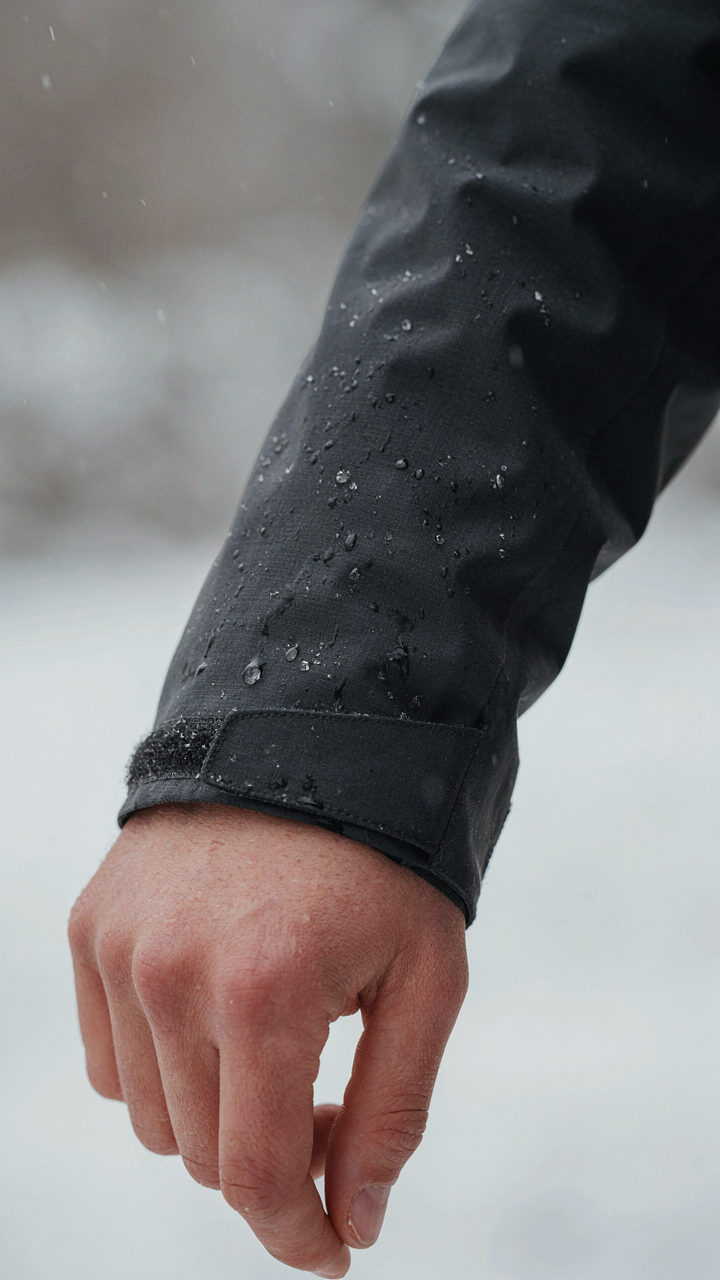
The Shell Layer Stops Wind And Wet Before It Reaches Skin
You want people to think you’re someone who doesn’t get cold. That’s the real anxiety here. The mechanism is simple: wind strips heat from exposed skin fast, and wet fabric accelerates heat loss. A shell blocks both without adding bulk. Scandinavian design solved this decades ago by separating protection from insulation, not stacking them into one useless puffy jacket that fails at both jobs.

The shell sits as your first perimeter defense. It needs to shed water and cut wind, nothing more. A tight weave fabric like Gore-Tex or similar laminate does this job. Scandinavian brands like Helly Hansen and Norrøna perfected this layer because conditions demanded it. The shell stays thin, packable, and light enough to layer under or wear over everything else.
Insulation Without The Bulk That Kills Layering
Common advice says “buy down, it’s the warmest.” That’s incomplete. Down compresses and loses all function when wet. That’s why Scandinavia moved to synthetic insulation in practical contexts. The real mechanism is trapping dead air in fibers. Synthetic does this and performs when damp. You need insulation that lets you move and layer, not a cocoon that forces you into one outfit for seven days.
A mid-weight synthetic insulated jacket or gilet becomes your heat engine on a city break. Brands like Arc’teryx and Rab engineered these to compress small and fit under shells without creating a restrictive silhouette. Layer it over a base, under your shell, and you stay warm while walking five kilometers through Copenhagen or Oslo. The insulation stays functional whether you sweat, encounter sleet, or move between heated interiors and frozen streets.
The Nordic Footwear Doctrine: Winter Wardrobe Capsule
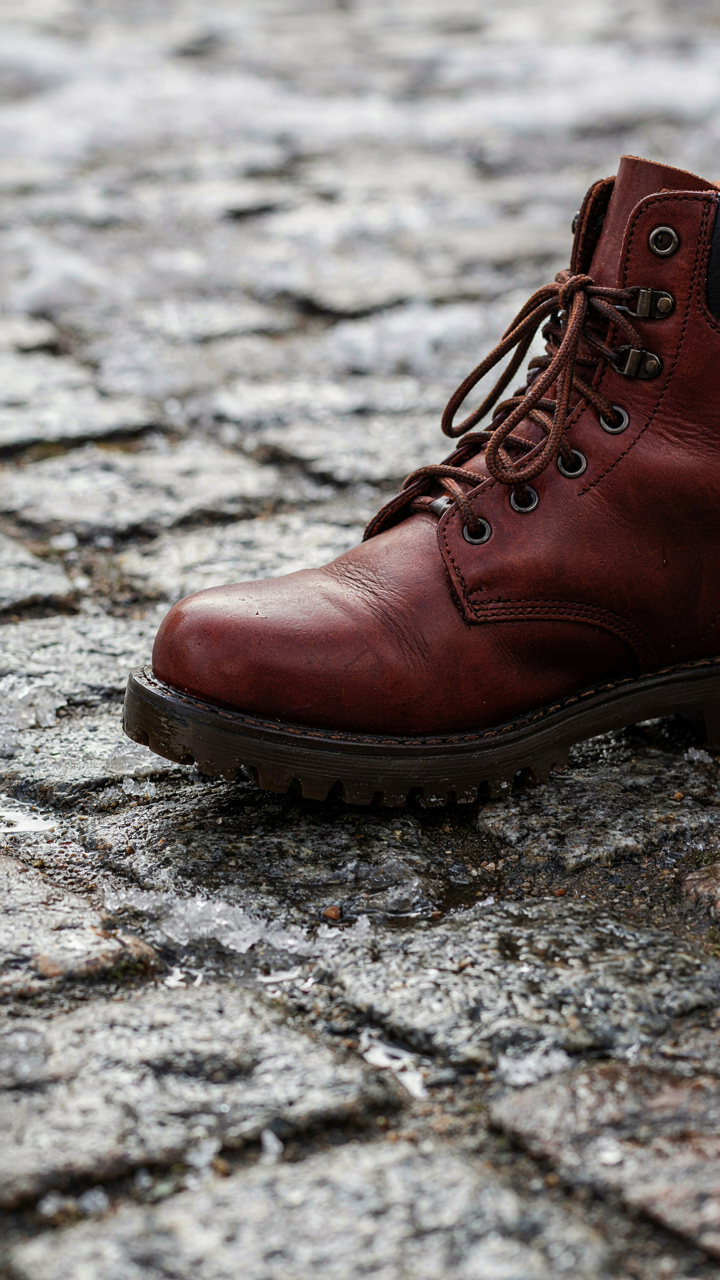
Water Repellency Over Aesthetic Preference
You’re worried about looking foolish in functional boots instead of sleek ones. The real mechanism is this: water ruins clothing faster than cold does. Nordic winters mean slush, wet streets, and salt spray from sidewalk treatment. A boot that looks dated but repels water keeps your entire outfit viable. A pretty boot that absorbs moisture becomes a liability within hours, forcing you to rotate pieces constantly and destroying the capsule concept entirely.

Scandinavian boot design prioritizes oil-treated leather, waxed seams, and rubber construction because these materials reflect actual climate conditions, not magazine spreads. The aesthetic follow the function. Brands like Sorel, Danner, and traditional Swedish designs use these techniques because they solve the core problem: your feet stay dry, your socks stay dry, and the rest of your capsule survives the season. This is not negotiable.
Grip Patterns That Prevent Falls
Physics calls it friction coefficient, and Nordic footwear design weaponizes it. Winter sidewalks in Oslo, Stockholm, and Copenhagen turn into skating rinks during freeze-thaw cycles. The boot sole becomes your insurance policy against humiliation and injury. Vibram and similar high-quality traction systems use geometric patterns that cut through ice rather than slide across it.
Cheap rubber soles compress under pressure and offer zero grip on compressed snow or ice. Premium boot soles maintain their pattern depth season after season. When selecting a winter capsule boot, examine the sole directly. Deep treads, rigid rubber compounds, and multidirectional lugs matter more than brand name. Your commute is safer and your confidence doesn’t crack when you step onto a frozen crosswalk.
Accessories As System Regulators: Winter Outfits Capsule

Head And Hand Heat Retention
You want accessories that won’t make you look like a tourist, which is really just anxiety dressed up as taste. Here’s the mechanism: your body prioritizes core temperature over extremities. When exposed skin signals cold to your nervous system, it triggers vasoconstriction everywhere, wasting energy. A hat and gloves short-circuit this response by preventing the signal entirely. You stay warmer with less layering underneath.

Scandinavian winter design solves this with minimal visual weight. Merino wool beanies from brands like Eytys or Holzweiler work because the fiber regulates moisture while maintaining shape. Leather gloves in black or cognac layer under coat sleeves without bulk. The rule is simple: cover the signal sites first, then assess if you need more core insulation. Most people overdress the torso and underdress the extremities, then blame the cold.
Neck Gaiters Versus Scarves For Efficiency
The common advice treats these as interchangeable, which is wrong. A neck gaiter is a thermostat; a scarf is decoration with warmth as a side effect. A gaiter seals the gap between coat collar and chin where wind penetrates directly into the airway. You breathe warmer air, your body doesn’t trigger the cold response, and you conserve energy. A scarf drapes loosely, looks intentional, but lets air circulate underneath.
For a capsule, own both but for different functions. A merino gaiter stays in your coat pocket, goes on when wind speed increases, and doesn’t require adjustment. A woven wool scarf in charcoal or oatmeal ties the outfit together, worn loose over a coat. The gaiter is infrastructure. The scarf is styling. Wearing a gaiter on a brisk 25-degree walk replaces the need for a heavier mid-layer underneath, cutting down items you pack.
The Minimalist’s Advantage: Winter Basics Wardrobe
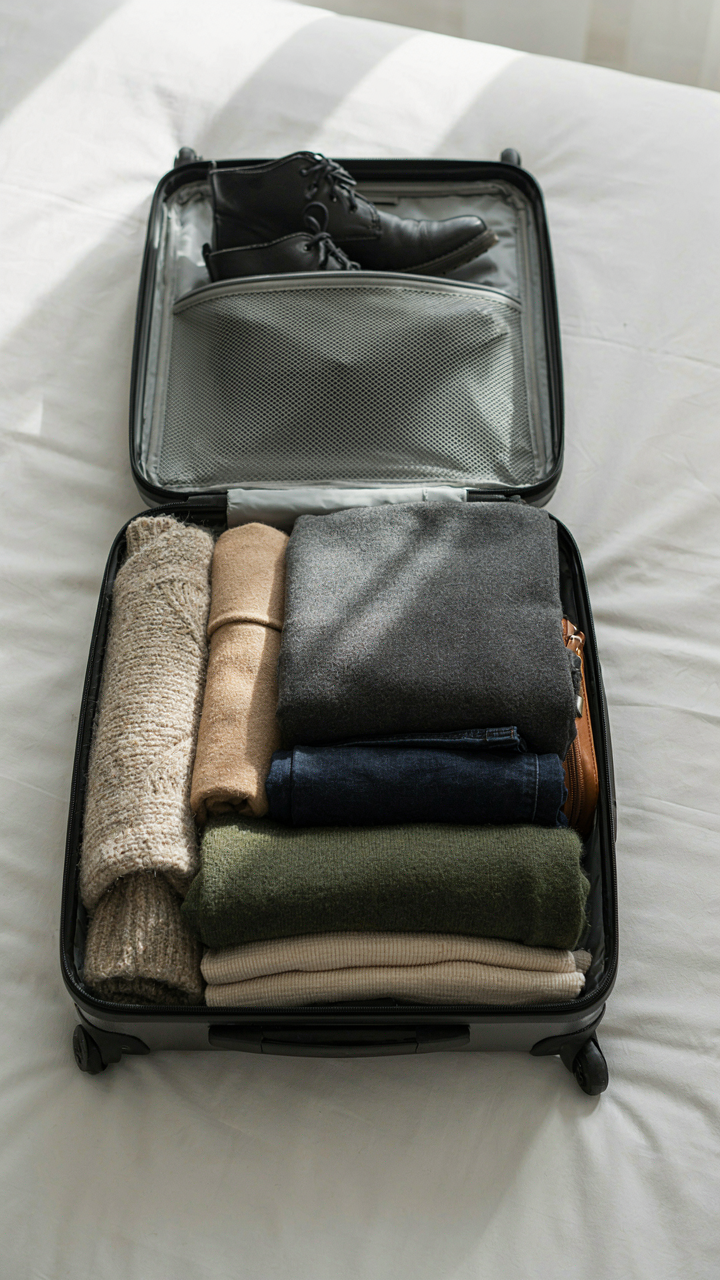
Decision Fatigue Dies First
You think you want options. You don’t. You want to stop thinking about what to wear and start doing actual work. That’s the real pull here. Biology calls this ego depletion. Every choice you make burns glucose and willpower. A Scandinavian winter capsule operates like metabolic conservation: fewer pieces mean fewer decisions, which means your brain stays sharp for the decisions that matter. You’re not simplifying for virtue. You’re simplifying to protect your cognitive resources from a hostile climate that’s already demanding everything you have.

When you own seven coats and six pairs of boots, you waste mental energy cross-referencing them against weather, logistics, and social context. A Scandinavian wardrobe eliminates this. You own one heavy insulated parka, one secondary layer, two pairs of boots. The decision is made before winter starts. Your brain moves on. Studies on decision paralysis are clear: fewer options produce faster choices and higher satisfaction. This isn’t philosophy. It’s mechanics.
The Math Of Durability Over Volume
Generic advice says “invest in quality.” That’s incomplete. It misses the actual mechanism. Durability is arbitrage. You pay more upfront per piece but fewer pieces total because they survive seasons instead of fraying by February. Scandinavian design doesn’t celebrate minimalism as an aesthetic choice. It’s a practical response to supply chain friction and economic reality in cold regions. You buy twice, not six times.
A merino wool base layer or a virgin wool sweater costs more than synthetic alternatives but resists pilling, holds warmth when damp, and remains functional after five winters. A pair of genuine leather boots takes $50 resoling instead of replacement every season. Scandinavian manufacturers price for iteration, not turnover. Calculate the cost per wear across three years. The expensive piece wins. Buy durable, buy fewer, calculate total cost of ownership instead of sticker price.
Building Your Scandi Capsule Wardrobe: The Investment Play
Which Pieces Actually Earn Their Cost
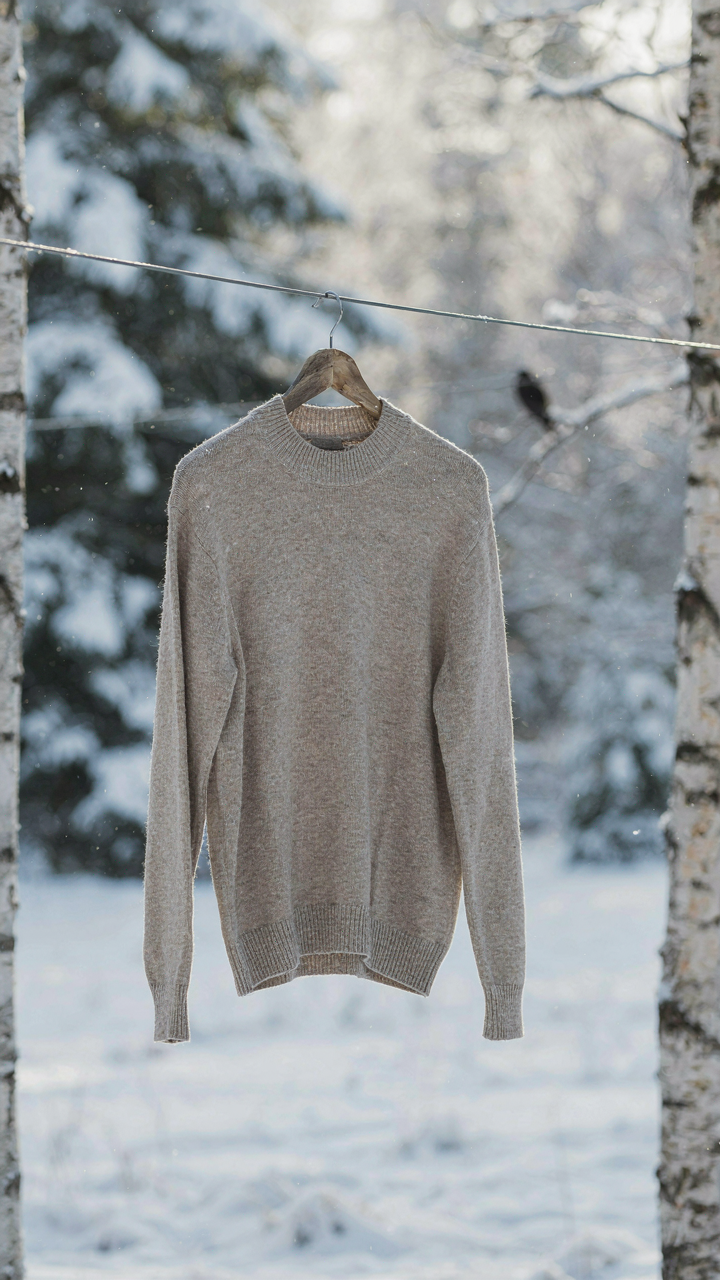
You want proof that spending more upfront saves money later. That’s not wrong, but it misses the real mechanism: you’re not buying durability, you’re buying optionality. Scandi winter pieces work because they solve the same problem across different contexts without redundancy. A merino wool base layer performs under a sweater, under a shell, alone in transit. It replaces three weaker options.

Start with garments that compress decision-making. Charcoal or navy wool trousers work with everything in your capsule and across multiple seasons. A wool coat in neutral grey outlasts trends and synthetic alternatives by years. Dark turtlenecks and crew necks in merino perform the same core function but give you rotation options without buying duplicates. The ROI compounds when one piece eliminates the need for five.
Keeping Pieces In Service Year After Year
Most capsule advice says wash cold and hang dry. That’s incomplete. The actual mechanism is fiber stress under thermal shock. Scandinavian manufacturers engineer pieces to handle repeated heating and cooling cycles because that’s the climate reality. You need to mimic that stress pattern in reverse.
Wash merino wool in cold water but refresh it properly: every three to four wears, hang it outside in freezing air rather than washing. Freezing temperatures kill bacteria without fiber degradation. For down-filled jackets, dry clean once yearly or use a commercial dryer on low heat with wool dryer balls to restore loft. Store winter pieces flat or on wide hangers in a cool, dry space. Compressing wool crushes the structure that creates insulation.
Beyond The Clothes: Your Mental Winter Fortification

Accepting Cold As A Design Constraint
You want this section to convince you that cold won’t break you. Here’s the mechanism: you’re not fighting the temperature. You’re designing around it. Scandinavians don’t possess special genetics or mental toughness. They built systems. Cold city breaks fail because travelers treat cold as an obstacle to overcome instead of a parameter that shapes every decision. The moment you accept cold as fixed, your entire approach shifts from resistance to adaptation.

Your capsule wardrobe becomes the physical manifestation of this acceptance. Layering works because you stop trying to find one magical garment and instead build a sequence. Base layers, mid layers, outer shell. Each serves a function in a predetermined order. This is systems thinking applied to your body. When you step outside in minus ten Celsius wearing merino wool under a sweater under a parka, you’ve already won. The cold hasn’t changed. Your relationship to it has.
The Confidence That Comes From Known Conditions
Think of this through game theory: uncertainty creates anxiety, but certainty creates action. You arrive in Stockholm or Copenhagen knowing exactly what you’ll wear each day because you packed deliberately. No guessing. No standing in your hotel room at six in the morning wondering if that one jacket will work. This isn’t overthinking. This is elimination.
Preparedness generates a psychological edge that tourists without a plan never access. You move through cold streets with intention instead of hesitation. You stay longer outside because you trust your layers. You photograph details because you’re not distracted by discomfort. This confidence compounds. You experience the city as it actually is instead of as an obstacle course. Your capsule wardrobe becomes permission to engage fully with the environment you chose to visit.
The Real Problem Isn’t Your Wardrobe; It’s Your Resistance To Engineering Your Comfort
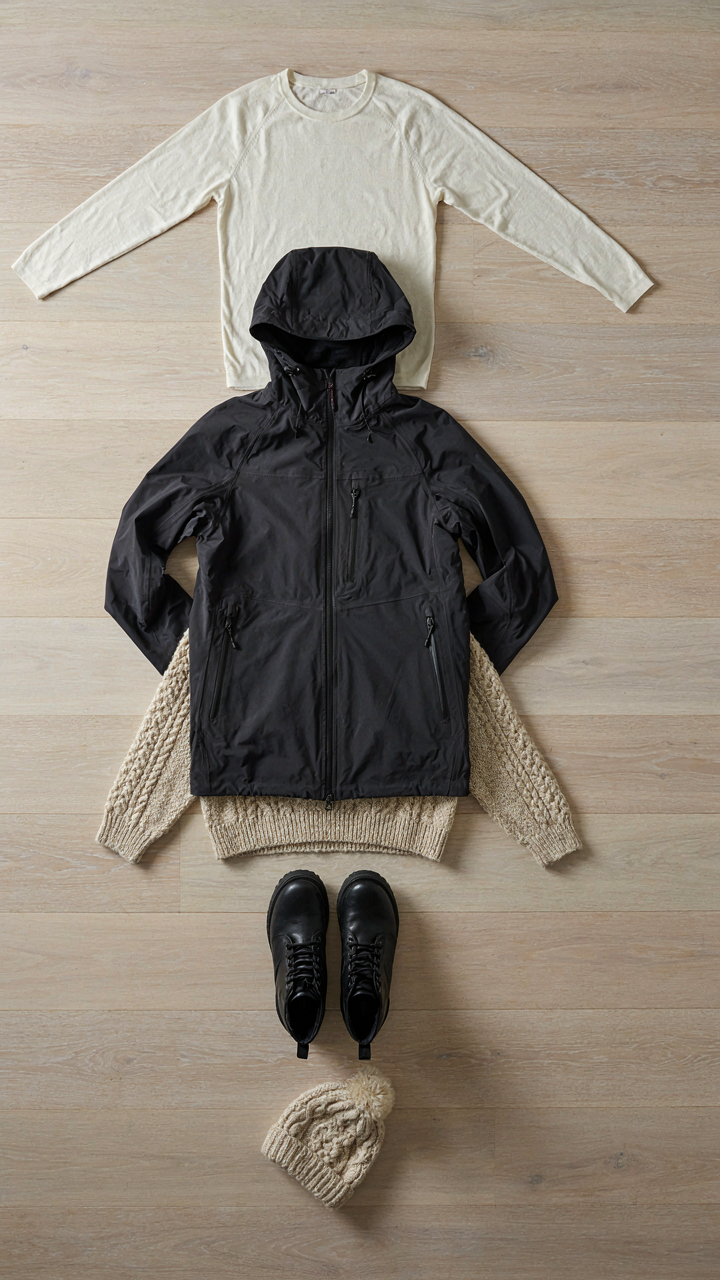
Most people treat winter travel like a punishment they endure instead of a problem they solve. You already know what works: quality basics, layering strategy, and pieces that earn their weight. What stops you is the mental barrier. You resist committing to a system because commitment feels restrictive. Today, photograph your five best cold-weather pieces. That’s your foundation. Build around it. Stop shopping for options and start shopping for purpose. A Scandinavian winter doesn’t care about your excuses, only your preparation.