

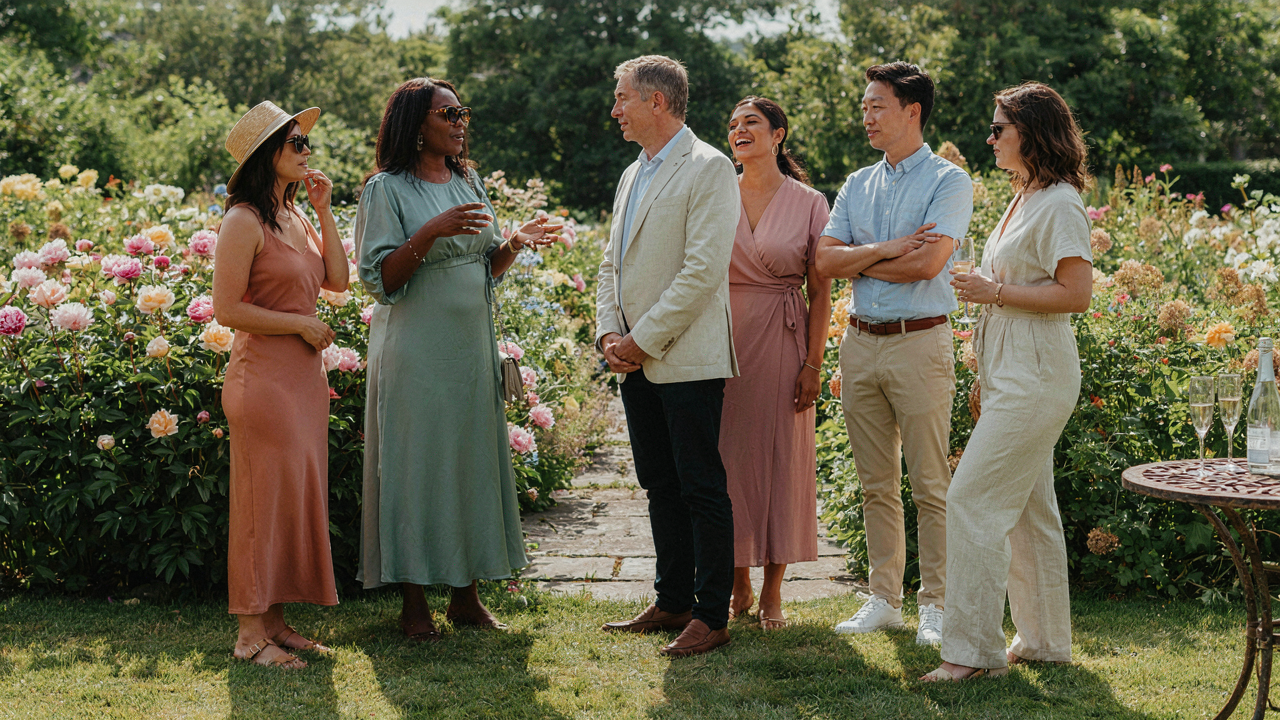
The Unspoken Rules Of Guest Attire: Why You’re Breaking Them
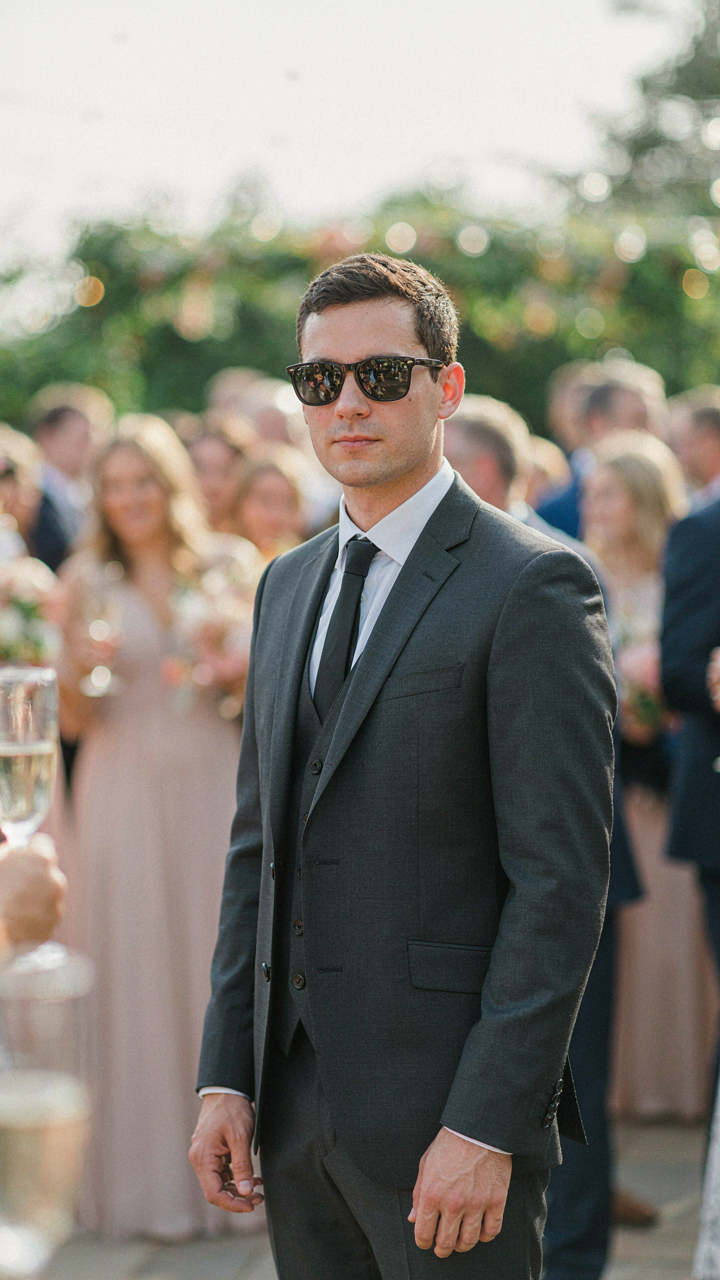
When Sunglasses Undermine The Couple’s Vision
You care about this because you don’t want to look like you missed the memo. Here’s the mechanism: the couple spent months building a visual aesthetic for their wedding, from color palette to lighting to photo angles. Guests are not supporting actors—they’re part of the set. Sunglasses worn indiscriminately break the visual continuity the photographer and couple have engineered. Dark lenses obscure faces in group shots, flatten the depth of field they’ve planned for, and signal detachment instead of participation.
Most advice tells you sunglasses are fine if the sun is bright. That’s incomplete. The real rule operates on hierarchy: formal daytime weddings have stricter visual codes than casual backyard events. At a black-tie garden ceremony, dark sunglasses over your face reads as a costume break. At a beach wedding at noon, they’re expected. The timing and formality level determine whether sunglasses complement the couple’s aesthetic or sabotage it. Check the invitation’s dress code first, then the venue’s exposure.
Positioning Yourself In The Visual Narrative
Photography operates on the principle of negative space—the empty areas that give subjects context and emphasis. Your role as a guest is either to fill that space purposefully or stay visually neutral. Sunglasses force a choice: they either dominate a face (making you a focal point when you shouldn’t be) or they flatten your features entirely, removing you from the narrative. Either way, you’re drawing attention to yourself through an accessory instead of blending into the couple’s story.
The couple’s photographer frames shots with specific depth and focus in mind. Sunglasses create visual friction because they’re a reflective barrier that breaks the photographer’s ability to read a face or create emotional continuity across group photos. If you’re standing next to the couple or in the wedding party area during photos, sunglasses make you harder to include authentically. Remove them during formal photo moments. Keep them accessible for the unstructured time between ceremony and reception when the sun matters more than the frame.
Beyond Shade: Your Sunglasses As A Strategic Asset

Protecting Your Presence
You care about this because you don’t want to look uncomfortable in photos that will outlive the moment. Squinting isn’t a minor flaw—it’s a signal of distraction that reads across every frame. Optics work in your favor here: dark lenses create a barrier between your face and bright light, forcing your eye muscles to relax. When your orbicularis oculi muscle stops contracting, your entire expression settles. You look present instead of pained.

The mechanism is simple. Outdoor ceremonies scatter UV light across your face from multiple angles—direct sun, ground reflection, white surfaces. Standard sunglasses block direct rays but miss the scatter. Polarized lenses cut that reflected glare specifically, which eliminates the micro-squint that ruins composure. Wear them until you sit down. Remove them five minutes before you’re photographed in the group shot. Your face will have already reset.
Enhancing Your Comfort
Comfort is not an emotion—it’s a measure of cognitive load. When you’re fighting glare, your brain is processing discomfort signals instead of engaging with the ceremony. Sunglasses function as attention allocation. They shift your nervous system from managing physical irritation to actually experiencing the event.
Sustained UV exposure also triggers fatigue independent of brightness perception. Your eyes work harder to process images through glare, which depletes your mental reserve for social interaction. Wearing appropriate eyewear from start to finish—ceremony through cocktail hour—maintains your baseline energy. You participate more genuinely. You remember conversations. You’re not grinding your jaw against eye strain. This isn’t comfort for its own sake. It’s a protocol that keeps you functional.
The “Photographer’s Eye” Protocol: Seen, Not Distracting
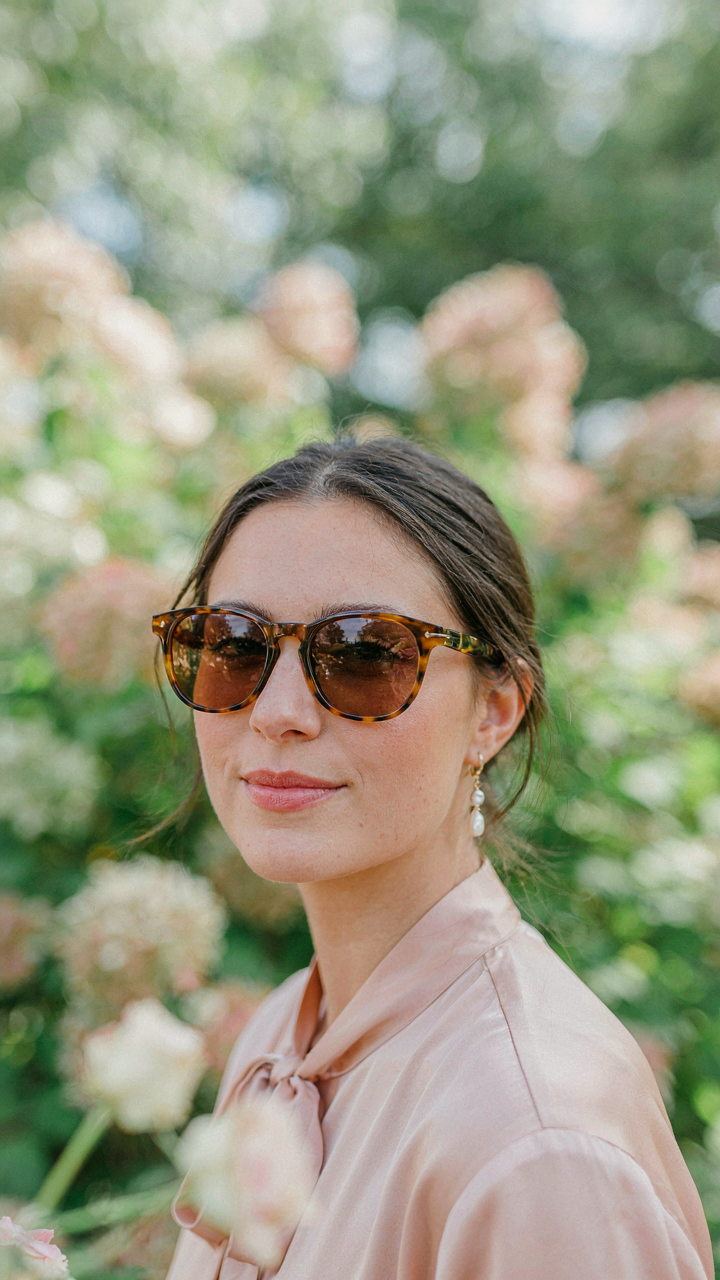
Frame Your Face Without Stealing The Frame
You’re worried the camera will catch you looking like an extra instead of a guest. Here’s the real mechanism: photography uses composition rules. Your sunglasses are either leading lines that guide the viewer’s eye toward your face or they’re visual noise that competes with the couple. Oversized frames break facial proportion and make you a distraction in group shots. Reflective lenses create hot spots that pull focus away from the ceremony backdrop. Fit matters more than brand here because the frame’s geometry determines whether it anchors your face or overwhelms it.

The protocol is simple. Choose frames that sit proportionally within your face width, roughly one-third the distance between your temples. Avoid wraparound styles and mirror coatings at outdoor ceremonies. Polarized lenses are fine because they reduce glare without creating visible reflection in photos. Your sunglasses should disappear into your appearance, not dominate it. When you’re standing in a group photo, someone should see your outfit first, then notice you’re wearing protection from the sun.
Color That Anchors Rather Than Clashes
Most wedding guests choose black frames because they assume neutrality solves the problem. It doesn’t. Color theory applies here: your frame tone either harmonizes with your outfit’s palette or creates visual tension. Black frames work only if your entire outfit skews cool or formal. Tortoiseshell or warm-toned frames clash against pastels and light summer fabrics because the contrast is too high. The real answer isn’t to match your sunglasses to one piece but to consider the dominant color temperature of your full outfit.
Brown, tortoiseshell, and metal frames are safer at weddings because they’re warm-neutral and bridge multiple color schemes. If your outfit is cool-toned (navy, silver, white), stick with black or charcoal frames. Test this by laying your sunglasses next to your outfit before the event. The frame should feel like a natural extension of your look, not a competing accessory. Your sunglasses should complement the scene you’re part of, meaning they fade into the visual hierarchy while protecting your eyes.
Dear Future Self: Photo Reference That Lasts
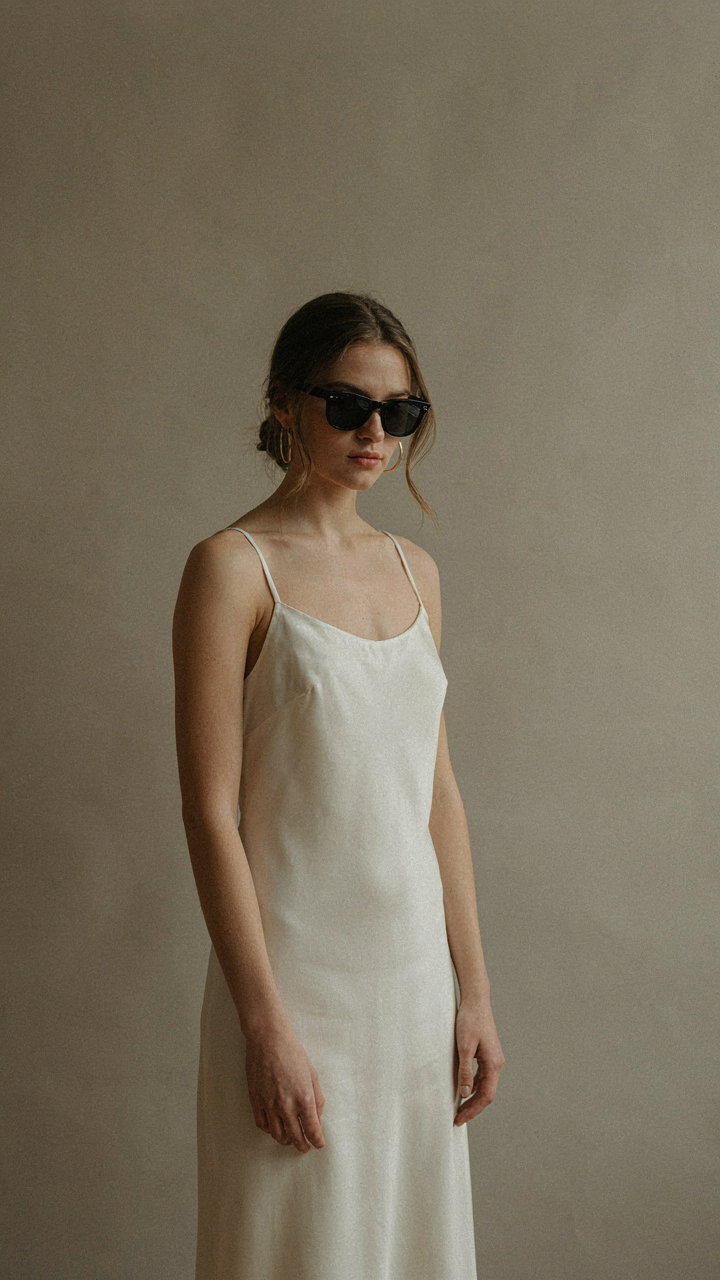
Classic Frame Shapes Never Die
You’re really asking this section to solve your fear of looking dated in wedding photos. Here’s what actually matters: in design, durability follows timelessness through constraint, not decoration. The fewer arbitrary details your sunglasses carry, the fewer anchors they have to a specific year. Oversized frames trend hard. Cat-eyes cycle. But a clean wayfarer or clubmaster shape? Those were solid in 1985, solid in 2010, solid now. The mechanism is simple: fewer design flourishes mean fewer opportunities for the trend cycle to trap you.

A wedding guest outfit photo outlasts the event by decades. Your relatives will see these images long after the styles fade. Stick to proportions that align with your face geometry, not the current fashion cycle. When you examine photos from weddings in the 1990s, the guests wearing clearly branded trend pieces look dated. The ones in understated shapes look intentional. Pick frames that could have worked ten years ago and could still work ten years forward.
The Distraction Test
Subtlety works because it preserves hierarchy: your outfit and the couple matter, not your eyewear accessory. Reflective, mirrored, or heavily tinted lenses pull focus in photos. Bright frame colors do the same thing, especially against neutral wedding attire. The real rule nobody states is that sunglasses in wedding photos should be invisible unless you’re looking directly at your face. Amber or brown lenses recede faster than blue or green ones. Black or tortoiseshell frames blend rather than announce.
Test this before the event: take a full-body photo in your outfit and sunglasses. If the first thing your eye lands on is the eyewear, they’re too loud. You want the glasses to register as functional protection, not a statement piece. Neutral lens tints paired with classic frame shapes accomplish this. The mechanism is frame-to-outfit contrast ratio. Minimize it.
The Environmental Calculus: Matching Your Shades To The Venue
Venue Type Determines Your Optical Strategy
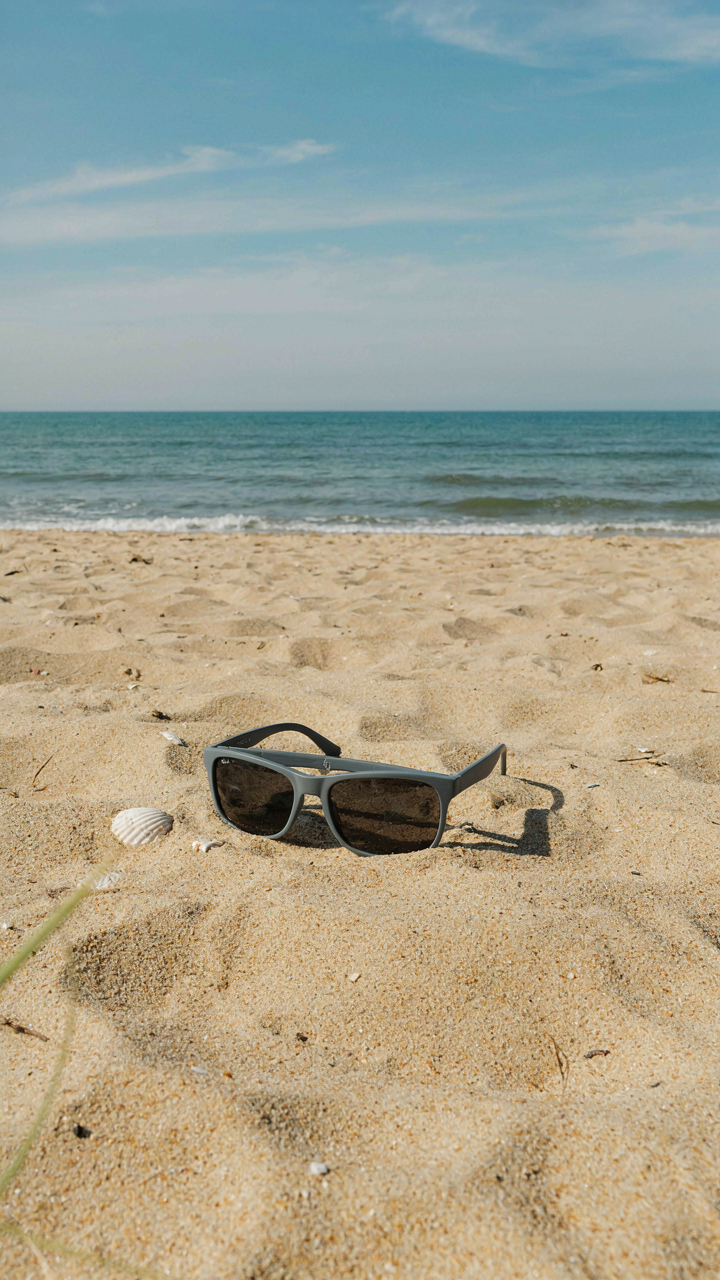
You’re worried you’ll look wrong. That fear is real, but it’s backwards. The actual problem is that different venues create different light patterns, and wearing the wrong sunglasses doesn’t just look off—it makes you squint, which destroys every photo you’re in. Beach weddings blast UV and reflection off sand and water. Vineyards have dappled shade mixed with direct sun, creating contrast that strains your eyes. Gardens vary minute to minute as clouds move. The venue is your constraint. Your sunglasses are your response.

Picking frames for a beach wedding means choosing something that handles glare without making you look like you’re hiding. Polarized lenses cut water and sand reflection, but they can darken your face in photos if the lens tint is too aggressive. Vineyard weddings need frames that let you see clearly when you step from shade into sunlight without adjustment lag. Garden venues are the easiest because scattered light is forgiving, but you still need adequate coverage so you’re not fighting brightness changes every thirty seconds.
Light Conditions Demand Lens Precision
Optics matters here, and people get it wrong constantly. The common advice says “just wear polarized sunglasses”—incomplete. Lens tint and polarization are separate mechanisms. Polarization reduces glare by filtering reflected light waves. Tint controls how much total light reaches your eye. A high-tint polarized lens works great at the beach but makes a garden ceremony too dark. A low-tint polarized lens protects your eyes outdoors but won’t be strong enough for midday beach reflection. Match the tint percentage to the venue’s average brightness, not just whether it’s outside.
Gray tints preserve natural color in photos and work for most outdoor weddings. Brown or amber tints add warmth and help in lower-light vineyard settings. Rose or photochromic lenses are costume choices—skip them for formal events. The lens should darken enough that you’re not squinting, but light enough that your eyes remain visible in photos. Test your frames in the actual venue’s light if possible. If you can’t, default to gray polarized with 75 to 85 percent light transmission for afternoon outdoor weddings.
The “Wedding Inspo” Trap: Mimicry Vs. Authenticity
The Real Cost Of Copying Influencers
You’re looking at wedding sunglasses content because you want proof you’re making the right choice. That fear drives the scroll. Here’s the mechanism: influencers show one narrow aesthetic—usually expensive frames that photograph well—and you assume that’s the standard. It isn’t. Wedding guests wearing borrowed aesthetics stand out precisely because they look borrowed. The fit feels wrong because the choice wasn’t yours.

Generic advice says “match your outfit.” That’s incomplete. What actually matters is whether the frame shape complements your face structure and whether the lens tint harmonizes with your skin tone. An influencer’s tortoiseshell Wayfarer works on them. On you, it might flatten your features or clash with your undertone. You’re solving their problem, not yours. Copy the decision method, not the output.
Own Your Frame Selection
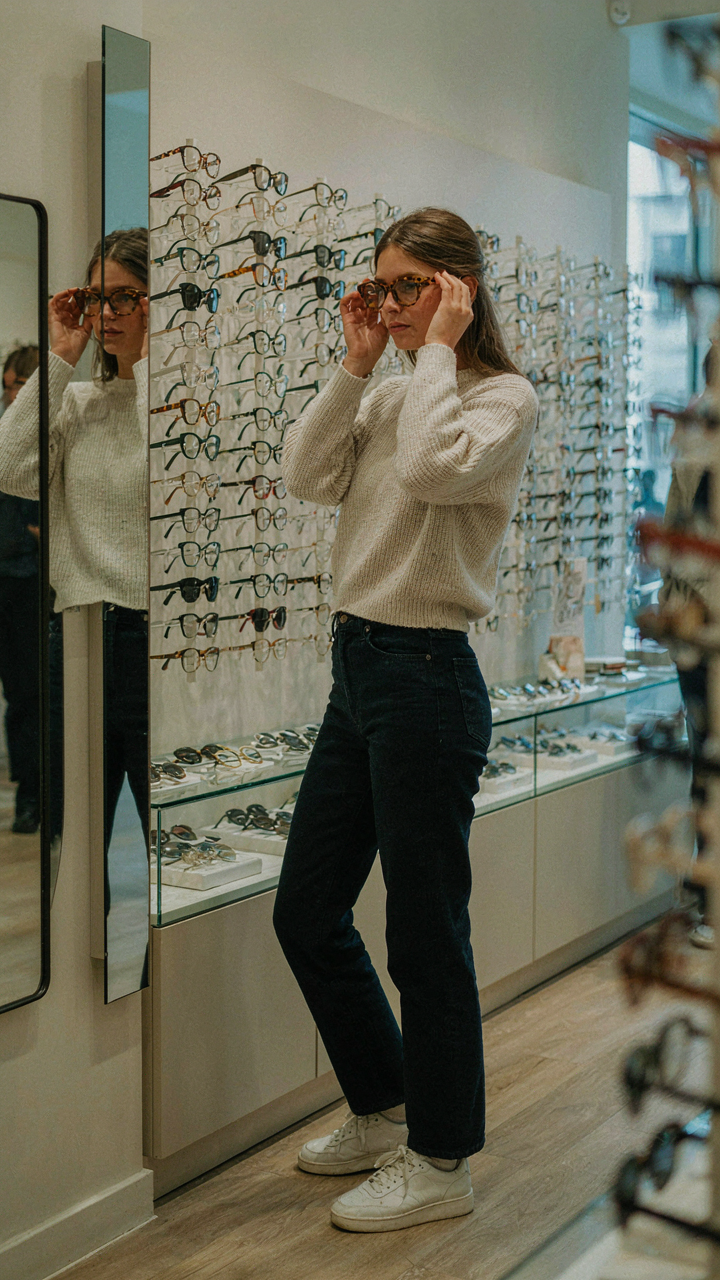
Authenticity isn’t about being unique for status. It’s about removing the friction between your actual face and what you put on it. Start by testing frame shapes against your specific proportions before a wedding date arrives. Visit optical stores and try on styles without pressure. Note which shapes your eye gravitates toward and which proportions feel stable on your face. This becomes your reference library.
The final filter is asking one question: would I wear this if no one at the wedding knew me? If the answer is no, the frame choice is borrowed. If the answer is yes, you’ve found the intersection of aesthetics and authenticity. Wear that frame to the wedding. The confidence reads louder than the brand.
The Physics Of Presence: How Your Shades Signal Intent
Aura Alignment Through Optics
You’re worried people will judge you for wearing sunglasses at a wedding. That fear is backward. The real mechanism is this: sunglasses operate like a lens in physics terms, and in social dynamics, they function as a filter for attention. You’re not creating an aura. You’re controlling what gets processed about you. Dark lenses limit facial microexpression reading, which forces observers to weight your outfit, posture, and movement harder. This shifts how people categorize you from “emotional reactor” to “deliberate actor.” The shade depth determines signal strength. Lighter lenses broadcast openness. Darker ones broadcast control.

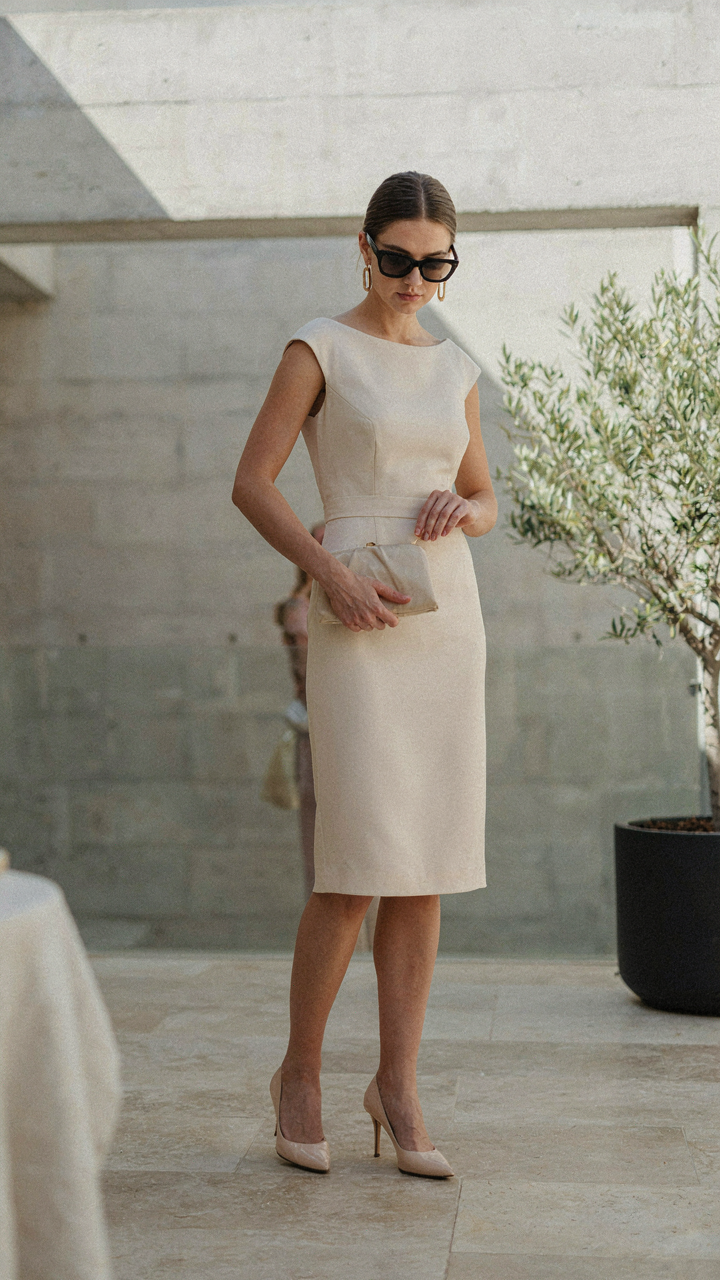
Outdoor wedding contexts demand this calibration because sunlight hits differently than indoor spaces. UV protection is the stated reason for wearing shades. The actual mechanism is permission. You get to wear them without explanation because physics demands it, not etiquette. Choose frame styles that match your outfit’s formality level, not your comfort preference. Oversized aviators read casual. Slim rectangular frames read intentional. Match the metal or acetate finish to your belt or shoes for consistency. This isn’t aesthetic preference. It’s visual bandwidth management.
Energy Flow Through Focal Points
Attention moves where contrast lives, and thermodynamics teaches us energy follows the path of least resistance. Your sunglasses concentrate attention onto your face’s structural geography instead of dispersing it across emotional tells. Without shades, a wedding guest’s eyes scatter across your expression, your mouth, your eyebrow movements. With them, everything channels toward your jawline, cheekbones, and the frame itself. You become architecture instead of emotion. This is why sunglasses feel more confident. You’re not projecting confidence. You’re removing the data that contradicts it.
The frame shape matters more than you think because it redirects that energy flow. Rounded frames soften angles and distribute attention evenly across your face. Angular frames concentrate it at the cheekbones and temple area. Wear what matches your outfit’s visual weight. Light, flowing fabrics pair with softer frames. Structured tailoring pairs with defined geometry. The mechanism isn’t taste. It’s energy conservation. Your brain processes fewer simultaneous signals, so it weights what remains more heavily. Sunglasses wedding guest outfits succeed when frame geometry echoes the outfit’s line direction.
The Five Point Selection System: Curating Your Wedding Guest Sunglasses
Frame Shape And Face Proportion
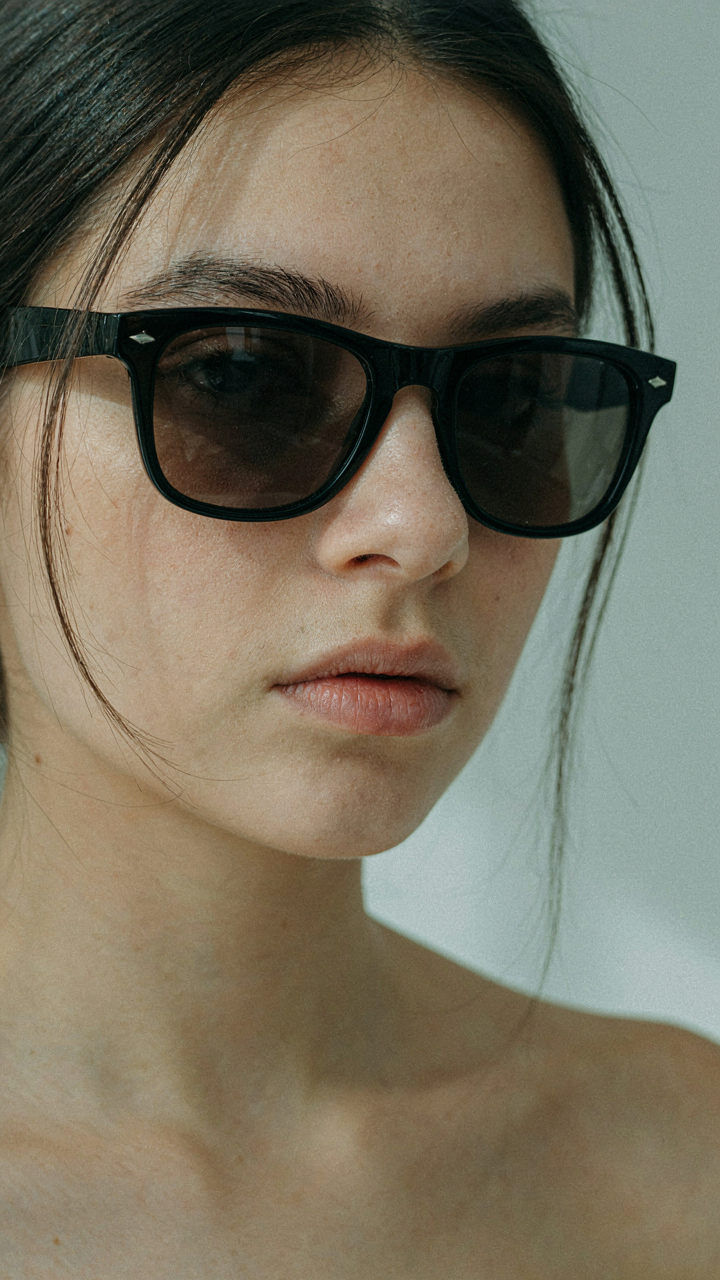
You’re worried people will judge your sunglasses choice because it signals whether you know what you’re doing. Here’s the mechanism: frame geometry either competes with or complements your face geometry. In design, this is called proportion harmony. Your face is a shape. Your sunglasses are a shape. When they clash, they create visual noise. When they align, they disappear into your outfit.
- Oval faces: Rectangular or square frames work because they add definition to softer proportions without overwhelming the face width.
- Round faces: Angular frames like wayfarers or cat-eyes break up horizontal width and create visual balance against curved features.
- Square faces: Rounded or oversized frames soften strong jawlines and prevent the frame from echoing facial angularity.
- Heart shaped faces: Top heavy proportions pair with frames wider at the bottom, like clubmasters, to anchor the look downward.
- Long faces: Frames with height and wrap appeal make the face appear less elongated through horizontal visual weight distribution.

The goal isn’t to match shapes exactly. It’s to use frame geometry to correct proportion imbalance. A guest wearing oversized frames on a small face doesn’t look luxe. They look like they borrowed someone else’s sunglasses. Measure your frame width against your face width. The frame should sit no wider than your temples and no narrower than half your face width.
Material And Finish Elevation
Material choice determines whether your sunglasses read as intentional or accidental. Plastic frames project casual confidence. Metal frames project precision. Acetate, the most common plastic in quality sunglasses, comes in finishes ranging from glossy to matte to tortoiseshell patterns. Each finish carries weight in a wedding context.
Matte finishes read modern and deliberate. Glossy finishes read formal and refined. Tortoiseshell reads nostalgic and established. The finish you choose should sit one notch more refined than your clothing material. If you’re wearing linen, reach for matte acetate or brushed metal. If you’re wearing cotton blend, glossy finishes or polished metal work. If you’re wearing structured fabric like wool or blended suiting, tortoiseshell or high gloss acetate lands correctly. Metal frames, specifically stainless steel or titanium, pair with any outfit material because they exist at the intersection of sport and formality. Choose your material finish, then test it against your outfit’s texture before arriving.
The Tactical Removal: When To Take Them Off
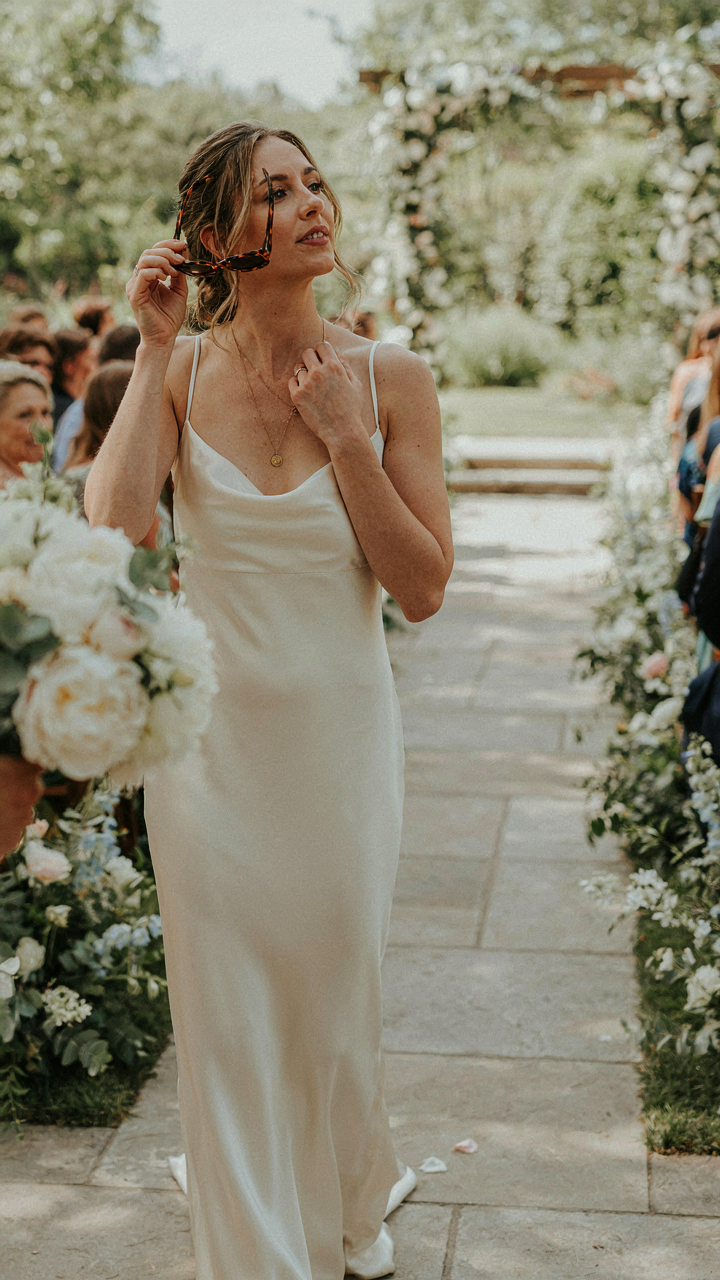
Ceremony, Toasts, And Posed Photos
You’re worried people will judge you for breaking an unspoken rule, so you’re looking for permission. Here’s the mechanism: sunglasses block eye contact, and eye contact is the currency of attention during high-stakes moments. During the ceremony, toasts, and formal photos, the bride and groom need visual confirmation that guests are present and invested. Removing your sunglasses signals participation, not distraction.

The ceremony demands it. When vows happen, your face communicates respect through visibility. During toasts, speakers read the room by scanning reactions and eye engagement. For posed photos, sunglasses create a barrier between you and the image. You become a guest who showed up versus a guest who showed up and participated. Remove them ten minutes before the ceremony starts and keep them off until cocktail hour begins.
Reading The Room Without Guessing
This is where people fail hardest: they follow a single rule instead of tracking actual social permission. Think of this as signal detection from psychology. You’re reading environmental cues that tell you whether sunglasses fit the moment. Outdoor afternoon weddings in bright sun demand different judgment than evening outdoor receptions or shaded garden ceremonies.
Watch the bride’s family and the wedding party. If the officiant, parents, and wedding party wear sunglasses during the ceremony, you have social cover. If they remove theirs before the vows begin, you do the same. The photographer’s behavior matters too: if they’re shooting candid moments of faces, sunglasses interrupt their work and mark you as disengaged. During the reception, sunglasses return naturally as the sun angle shifts and formality drops. The transition point is when people stop standing and start sitting, when conversation replaces speeches.
Your Fear Of Misfitting Isn’t About Sunglasses, It’s About The Illusion Of Control. Drop The Pretension, Embrace The Sun
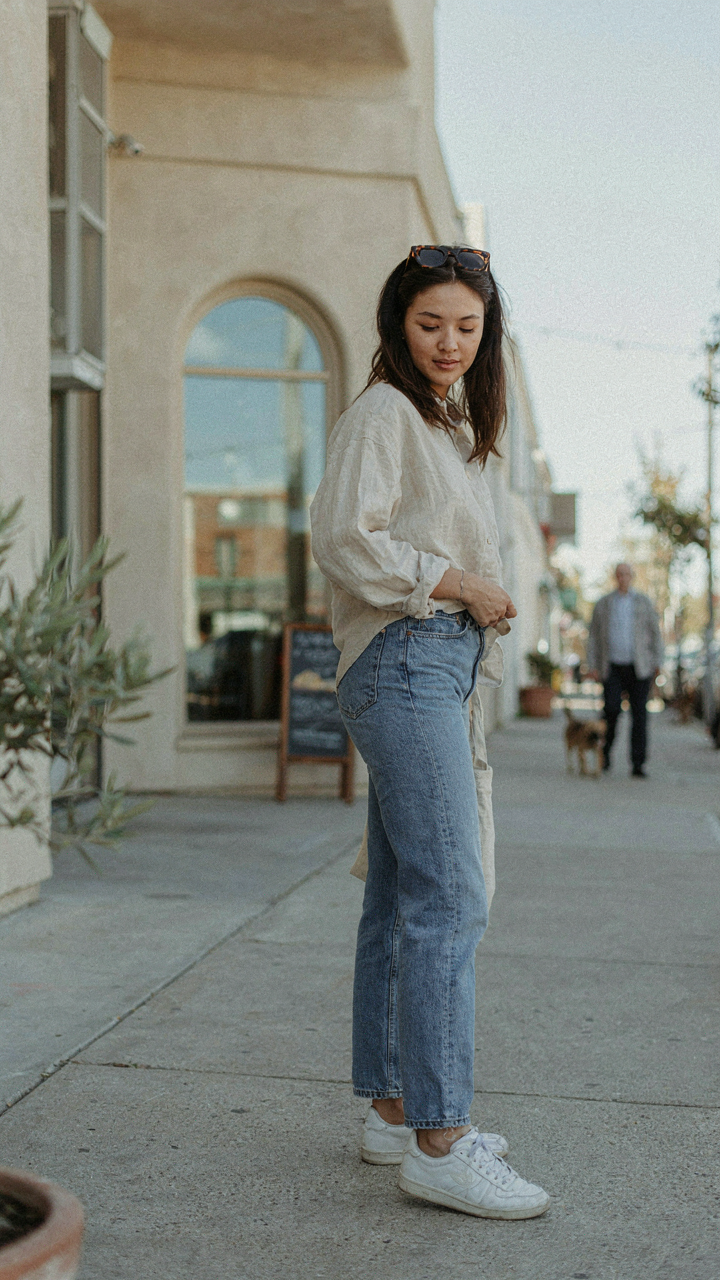
You’re not overthinking sunglasses. You’re overthinking whether anyone will judge you. Pick a pair that blocks UV rays and makes you feel sharp. Wear them. Stop performing for people scrolling their phones. The only person at that wedding watching your accessories is you. Your confidence moves faster than any trend. Stop waiting for permission to look good.



