

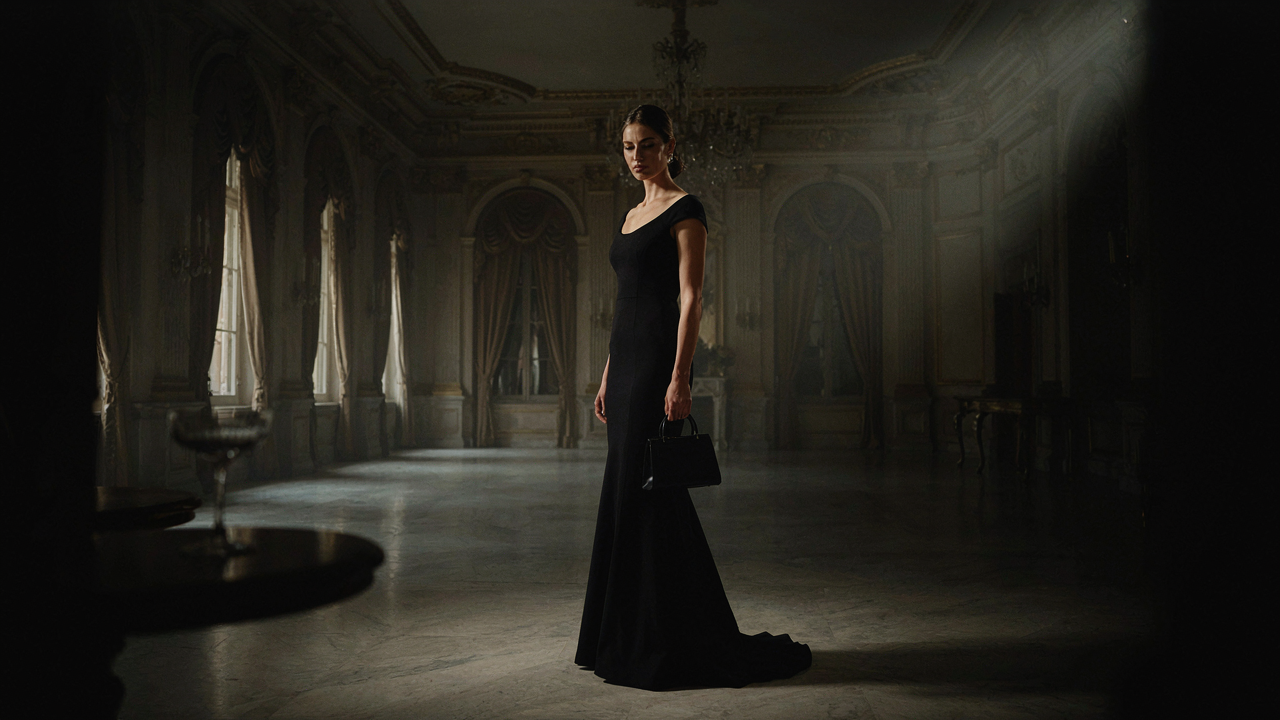
The Illusion Of Matching: Why Monochromatic Isn’t Always Minimalist Fashion
When Black Means Safe, Not Sophisticated
You want the handbag to disappear so people focus on you. That’s the real reason you think matching everything matters. Here’s what actually happens: monochromatic dressing doesn’t create elegance. It creates invisibility. The mechanism is contrast. Design uses contrast to signal intentionality. A black gown with a black bag doesn’t blend into one cohesive statement. It reads as someone afraid to commit to a visual choice. Formal wear demands the opposite. Your handbag should establish a relationship with your outfit, not erase one.
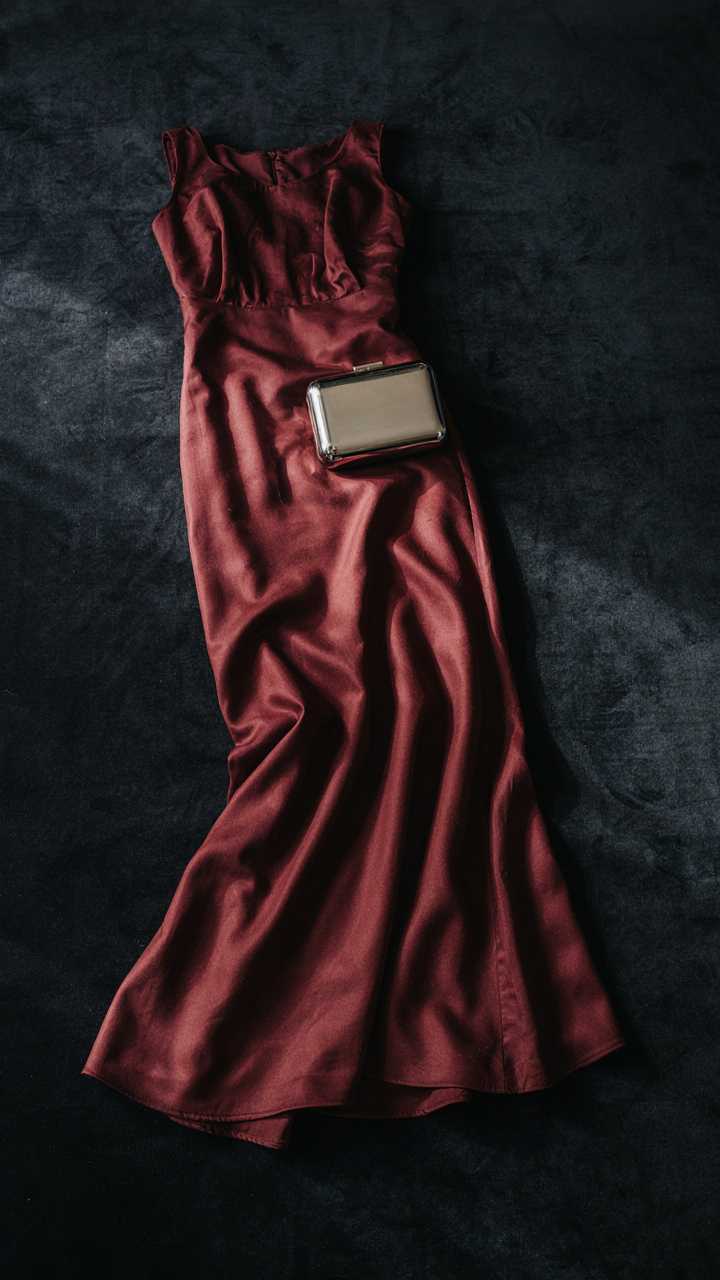
The industry consensus says match your bag to your dress. This is incomplete advice from people who haven’t watched how formal events actually work. A burgundy evening gown paired with a matching burgundy clutch reads flat. The same gown with a structured silver or gold bag creates hierarchy and draws the eye intentionally. Monochromatic pairings work only when the bag’s silhouette and material create enough visual weight to stand apart from the fabric. Most people fail at this because they choose the same bag they’d wear with a casual dress, just in the matching color. Scale and structure must shift with formality level.
Material Alignment Over Color Matching
Texture speaks louder than hue in formal settings. A silk charmeuse gown demands a bag with structural rigor, not color synchronization. Leather, metal hardware, and defined edges create the actual visual bridge between body and accessory. Satin bags paired with satin gowns flatten both. The eye slides past without registering anything. Contrast in material—matte leather against glossy fabric, structured canvas against flowing silk—tells your audience you understand proportion and intentionality.
Formal events use low lighting. Under those conditions, material finish matters far more than exact color replication. A metallic or patent leather handbag catches available light and creates definition. A matte fabric bag in the same color as your dress vanishes. Choose your bag’s material first, then select a color that complements without matching. Structured leather in a tonal shade, patent leather in a contrasting tone, or metal-frame bags in champagne or antique gold all work because they establish material hierarchy. Your bag should announce itself through finish and form, not through color redundancy.
Beyond Black & Gold: Unlocking The Power Of Unexpected Hues For Elegant Style
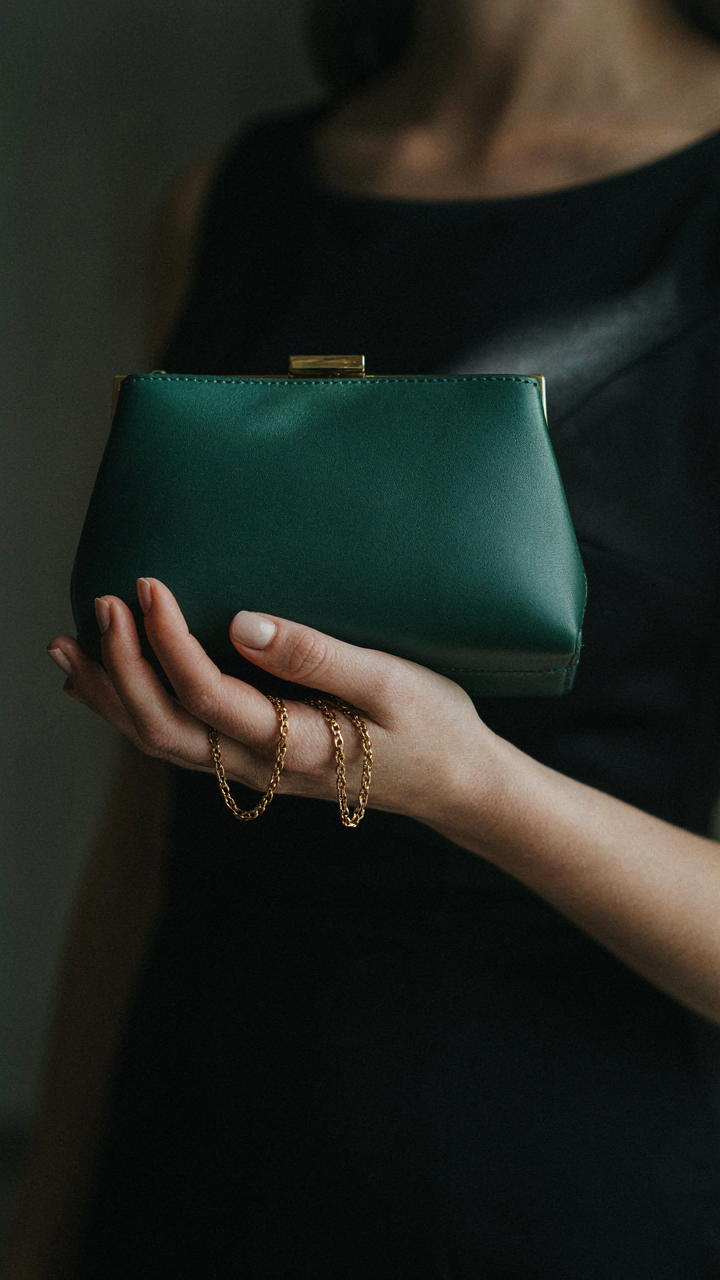
What Color Actually Does In A Formal Room
You want permission to break the rules without looking cheap. That’s the real question here. Color in formal settings works like contrast in visual hierarchy: it either pulls attention or diffuses it depending on saturation and placement. The mechanism is simple. Formal dress codes evolved around neutral anchors—black, navy, charcoal—because they don’t compete with the wearer’s face and body language. A handbag in an unexpected hue doesn’t break this; it redirects the eye strategically. The handbag sits at mid-torso, naturally pulling gaze downward and outward. This positioning makes it the ideal vessel for controlled color introduction.

Formal contexts demand restraint, not absence of personality. The psychology isn’t about making you blend in—it’s about controlling where attention lands. When you introduce color through a handbag instead of clothing, you’re leveraging proportion and positioning. A burgundy or deep emerald bag against a black gown reads as intentional restraint, not accident. A bright fuchsia bag against the same outfit reads as noise. The difference isn’t moral; it’s mechanical. The saturation level and undertone of your accent color determine whether it registers as sophistication or as someone who didn’t think through the room they entered.
Strategic Color Placement Without Looking Reckless
The common advice says “add a pop of color” and stops there. That’s incomplete. Strategic accent placement requires you to match the color’s depth to the formality level of the event. Black-tie galas tolerate jewel tones—sapphire, amethyst, deep teal—because these colors read as precious, not playful. Semi-formal events allow slightly brighter iterations of the same palette. The handbag becomes your calibration tool. Choose metallics for maximum formality: gold and silver pair with any outfit without introducing hue. Choose deep, muted tones for moderate risk. Avoid pastels and bright primaries in true formal settings unless the event explicitly signals a different code.
The actual protocol is this: pull three handbag options before you finalize your outfit. Place each against your dress in the exact lighting where you’ll wear it. The one that makes your dress look more expensive, not louder, is your answer. If all three make the dress louder, go back to black, navy, or metallic. This isn’t conservative thinking—it’s accurate calibration. The handbag either elevates the entire outfit through strategic contrast or it becomes a distraction that undermines your presence in the room.
The “European Fashion” Paradox: Small Bag, Big Statement For Elegant Woman
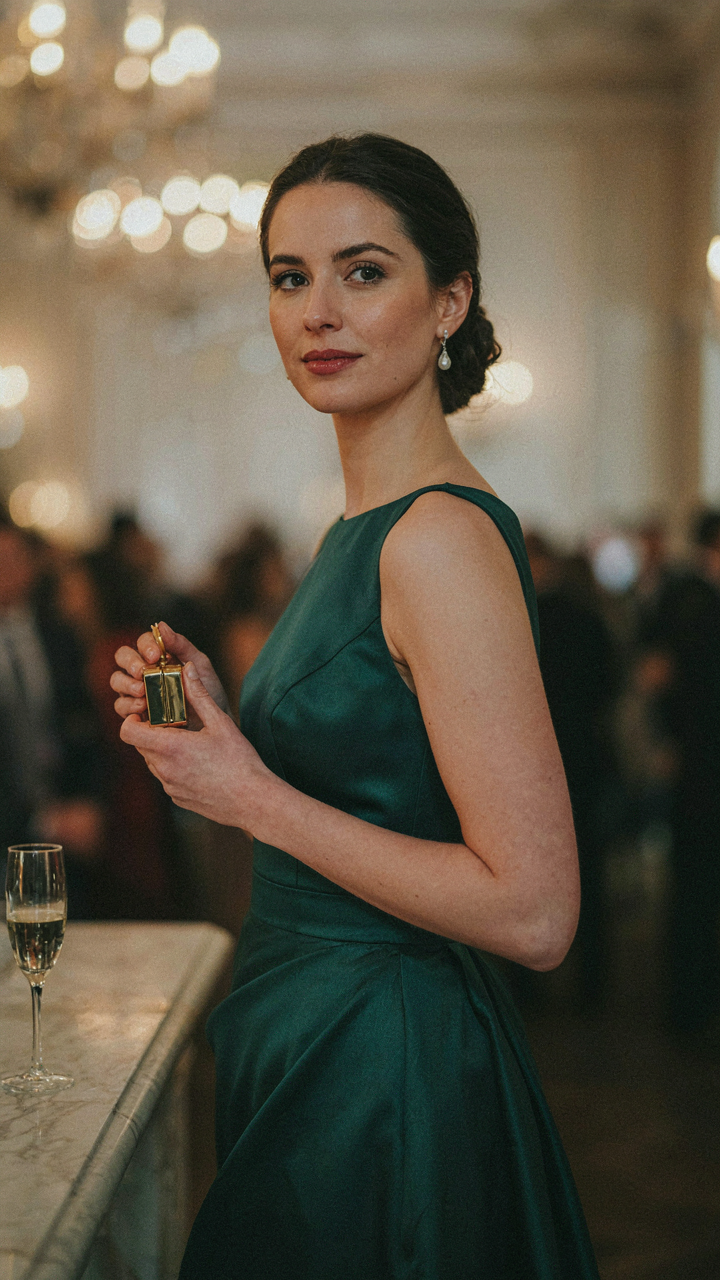
Why Europe Never Stopped Trusting Small Bags
You want permission to carry less and look more expensive. Here’s the mechanism: European formal tradition inverted the American maximalist equation. Postwar European high society (particularly in France, Italy, and Britain) established that restraint signaled wealth. A small structured bag meant you owned staff to carry necessities. You didn’t need to haul your life because your life was managed. The clutch or minaudière became economic shorthand before it became aesthetic choice.

This wasn’t accident or trend. It was deliberate status architecture built into silhouette. A woman entering a formal space with a deliberately small bag communicated control over her environment. She wasn’t anxious about access to her possessions. She had calculated exactly what she needed and excluded everything else. That calculation itself proved competence and social standing.
The Clutch Economy: When Less Means More
Everyone tells you a formal bag needs to hold everything. This is wrong. Practicality and perceived status operate on opposite vectors in formal contexts. A structured clutch forces a choice: lipstick, phone, card case, or keys. You select. This constraint isn’t a problem. It’s a filter that removes visual noise from your outfit. A woman managing a small bag moves differently. She’s deliberate. She’s not fumbling for items or apologizing for bulk.
The mechanism is economic signaling dressed as design limitation. When you carry a small bag to a formal event, you’re stating you’ve already solved the problem of needing things. Someone else handles logistics. Your job is presence and conversation, not resource management. Choose a structured frame bag or minaudière in leather or metal. Keep it flat against your body. The message arrives before the conversation does.
The “Utility Vs. Vanity” Fallacy: A Systems Approach To Party Accessories
What Your Bag Actually Carries
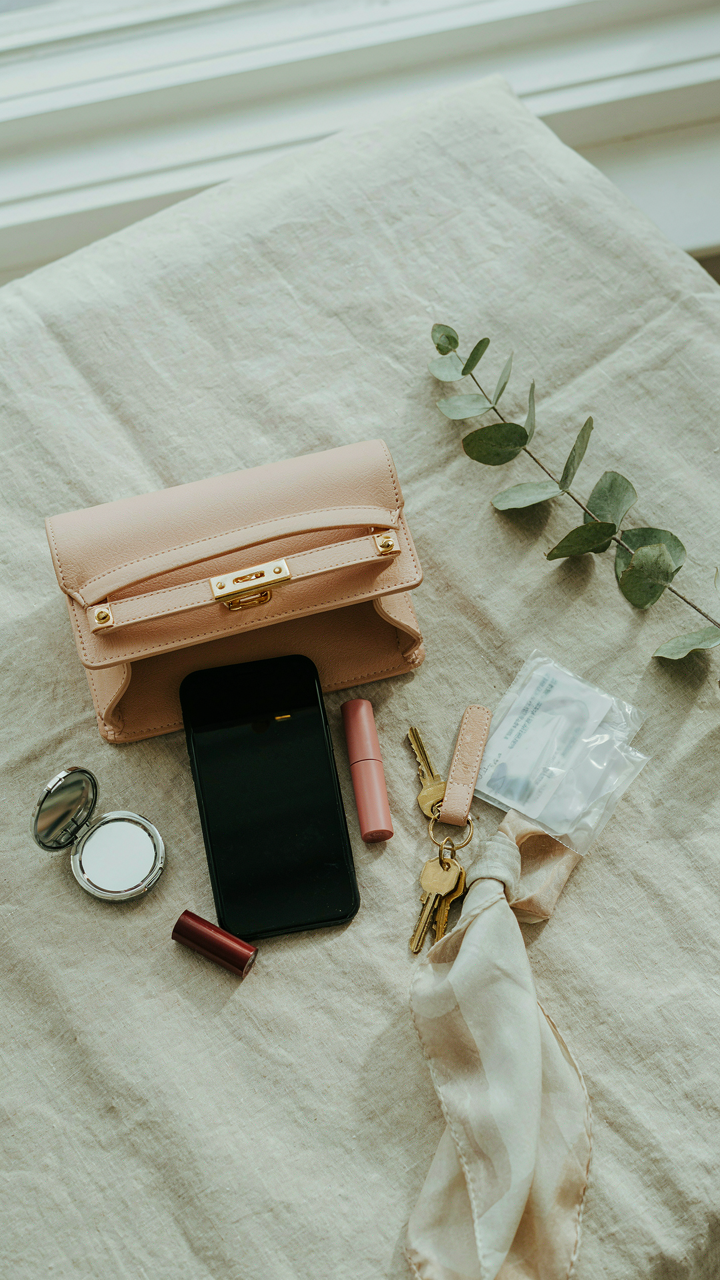
You’re worried people will judge you for carrying the wrong thing, so you’re really asking: what do I need to survive this event without looking unprepared? Optimal foraging theory in biology says organisms minimize energy spent hunting resources while maximizing the value they extract. Your handbag operates the same way. You’re not carrying items. You’re carrying solutions to friction points that emerge in a four-to-eight-hour formal environment.

The average person overstuffs a formal bag and underthinks its actual job. You need to reverse that. A formal handbag should hold exactly what prevents you from becoming visibly anxious or immobilized during the event. Phone, keys, ID, lipstick, and a small clutch mirror solve ninety percent of real problems. Everything else is mental clutter masquerading as preparation.
What Actually Prevents Event Failure
A formal event handbag fails when you discover a problem it can’t solve in real time. Here’s what stops that from happening:
- Compact mirror: Lipstick reapplication, checking for food in teeth, confirming makeup integrity after restroom visits. One three-by-two-inch mirror handles all three.
- Phone on silent: Vibration mode off entirely. A buzzing phone in a structured clutch broadcasts your distraction during toasts and quiet moments.
- Breath mints or gum: You will eat. Your breath will change. Mints take zero space and solve a real social friction point nobody mentions.
- Key pouch or small coin purse: Separates keys from everything else so they don’t jingle, scratch your phone, or telegraph movement when you set the bag down.
- Blotting papers or powder compact: Manages shine that emerges after two hours of standing and conversation without requiring a bathroom trip.
The mechanism is direct: formal events create predictable friction points in social interaction. Your bag either has tools to resolve those friction points silently or it doesn’t. If it doesn’t, you’ll find yourself either ignoring problems that make you feel self-conscious or excusing yourself repeatedly to manage them. Load your handbag to close every gap before the event starts.
Decoding Dress Codes: The Unwritten Rules Your Handbag Must Speak, Chic Outfits
Black Tie And Cocktail: Reading The Actual Signal
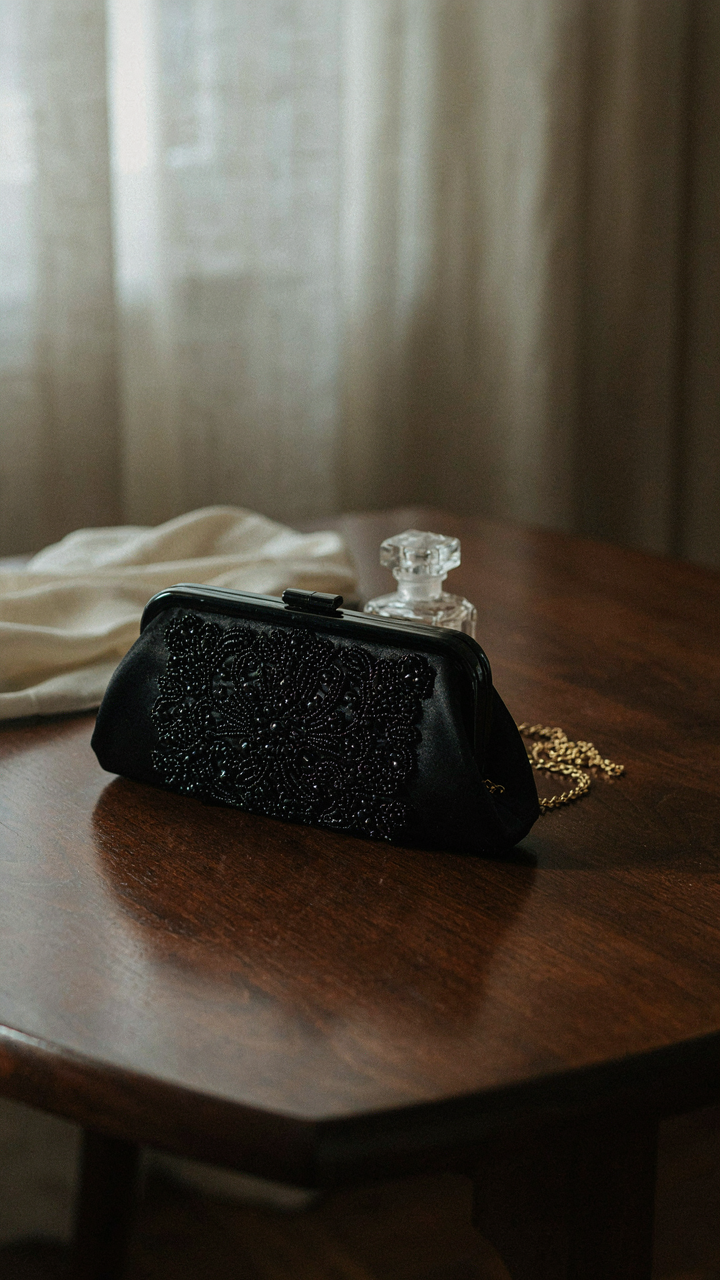
You care about this because you’re terrified of looking like you don’t belong. Here’s the mechanism: dress codes aren’t suggestions for how to dress, they’re specifications for what rank you occupy in the room. Black tie and cocktail attire both demand formal handbags, but they signal different proximity to ceremony. Black tie requires a clutch or structured evening bag in black, metallic, or jewel tone. Cocktail allows slightly more volume and material variation, including satin, leather, or beaded finishes. The difference isn’t aesthetic preference, it’s protocol distance.

Black tie exists in a military hierarchy framework where every element communicates obedience to a formal standard. Your bag’s size, closure, and material are rank insignia. At black tie events, a handbag reads as either “I understand the rules” or “I didn’t bother learning them.” Cocktail attire permits a minaudière or small structured bag with more personality, because cocktail inherently tolerates individual expression within formality. The bag must still be finished and intentional, but it operates under looser specification. Violating this boundary means carrying a tote or slouchy bag to black tie, which announces you’ve either misread or dismissed the code entirely.
The Violations Nobody Names Explicitly
Everyone warns against the wrong color or material at formal events. That’s incomplete advice. The real violation is sizing mismatch to occasion formality. Carrying a shoulder bag larger than a clutch to black tie doesn’t just break aesthetic rules, it breaks functional ones. Black tie happens in tight quarters: seated dinners, standing receptions in palace ballrooms, coat check lines. A large handbag signals you brought your daytime behavior into a nighttime ritual. You’re announcing disrespect through logistics, not choice.
The other violation, equally silent, is unfinished materials. A suede or canvas handbag at a black tie event reads as casual equipment brought to formal theatre. Evening bags demand lustrous, dense, intentionally refined materials because formality is about density of intention. Leather must be polished. Metal must have finish. Fabric must have structure or sheen. Velvet works because it catches light deliberately. Canvas doesn’t belong because it absorbs the room instead of reflecting your deliberate participation in ceremony. Match bag weight and material density to event tier to avoid broadcasting that you’re present without fully showing up.
The “Timeless Fashion” Investment: Buying Once, Using Forever
What Actually Lasts In Formal Wear
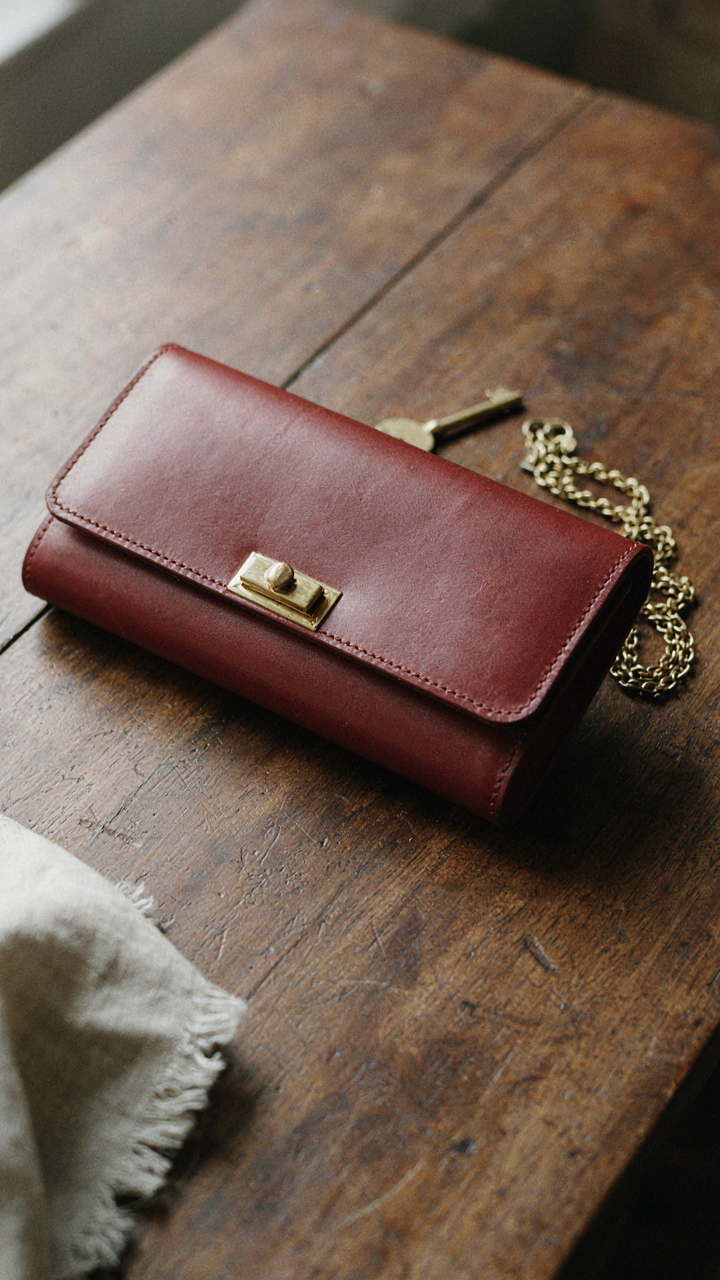
You want permission to spend money without guilt. Here’s the mechanism: formal events operate on constraint. A black tie dinner in 2024 follows the same visual rules as one in 1995. That constraint is your advantage. The bag you buy doesn’t compete with trends because formal dress codes don’t trend. They calcify. A structured leather clutch or frame bag in black, navy, or burgundy enters a closed system where it stays relevant until the material fails, not until Instagram moves on.

Design principles that survive decades share one trait: they solve a problem without announcing themselves. A structured silhouette holds its shape under load. A top handle stays firmly attached. A clasp mechanism that doesn’t fail after three years of use. Leather that develops a patina instead of cracking. These aren’t aesthetic choices. They’re engineering decisions. When you see a formal bag from the 1970s still used today, you’re not seeing vintage appeal. You’re seeing materials and construction that outlasted the fashion cycle.
Fast Fashion Formal Bags Are A Trap
Everyone says “buy quality and keep it forever.” That advice is incomplete. The trap isn’t buying cheap. The trap is buying anything designed for disposal velocity instead of event frequency. Fast fashion formal bags use thin leather, glued (not stitched) hardware, and construction meant to fail after a season of occasional use. A formal bag, by definition, gets used four to twelve times per year. That’s not heavy use. But it is repetitive stress on the same joints and seams. A bag built to that timeline will develop seam separation, handle detachment, and closure failure within two to three years.
The real cost isn’t the price tag. It’s replacement cycles. A 40-dollar bag replaced every two years costs 160 dollars across four years. A 200-dollar bag used for eight years costs 25 dollars per year. This isn’t a virtue signal about spending more. It’s arithmetic. Inspect construction before purchase: stitching should be tight and uniform, hardware should be screwed (not stapled) into the leather, and the interior should show craftsmanship, not shortcuts. Start by handling the bag, flexing the leather, and testing the clasp mechanism fifteen times in succession to see if it catches or loosens.
The Wedding Guest Protocol: Navigating Sentiment With Style, Wedding Guest Style

Size And Material Strategy For The Ceremony
You’re worried the wrong bag signals you don’t understand the room’s hierarchy. That fear is legitimate because it does. The mechanism is simple: bag size tracks visible restraint. Formal ceremonies demand smaller frames because scale communicates deference. A clutch or structured frame bag under 10 inches signals you’re not competing for visual real estate. Materials matter equally. Silk, satin, and smooth leather read as intentional and controlled. Textured or novelty fabrics grab attention in ways that feel casual, which reads as disrespectful at a formal event.

Ceremony timing determines material choice more than most people realize. Morning or afternoon weddings allow structured leather safely. Evening affairs demand satin or silk to match the formality signal of the time. Metal hardware should be matte or brushed, never shiny or statement-making. The bag functions as punctuation, not declaration. Pick a neutral color that matches your shoes or dress tone. This isn’t bland—it’s strategic invisibility that proves you understand the social contract of the event.
The Visibility Principle In Wedding Dynamics
Think about ceremony optics like military positioning: your handbag occupies visual real estate, and the bride commands all of it. Every element you wear either amplifies or diminishes her focal position. A large statement bag, bright metallic hardware, or unusual color splits attention. Your bag should register as present but not noticed. This isn’t about making yourself smaller—it’s about respecting the actual hierarchy of the event. The mechanism is attention economy. You have limited visual currency as a guest, and spending it on your handbag wastes it.
Placement enforces this principle. Carry the bag in your lap during the ceremony, not draped across your body where it enters sightlines repeatedly. At the reception, keep it close to your seat or stored if the venue allows. Don’t set a large bag on the table as a centerpiece. The wedding photos are the bride’s permanent record. Any bag visible behind her in shots becomes part of her visual memory of the day. That’s not drama—that’s fact. Keep your bag neutral in color, restrained in size, and positioned to disappear from the frame.
The Detachment Method: When To Go Bag Free For Chic Style
Which Events Actually Permit Hands Free Attendance
You want permission to skip the bag because you’re tired of choosing one. The real mechanism: certain formal settings have architectural and social constraints that make a bag either redundant or genuinely inappropriate. Gala dinners with assigned seating, seated ceremonies, and formal dinners eliminate the need to carry anything. You have a table, a coat check, and zero mobility demands. The invitation itself signals whether movement through space matters or whether you’re stationary for hours.

Standing receptions, cocktail events, and networking galas demand something else entirely because you need hand mobility to shake hands, hold a drink, and navigate. Award ceremonies and theater openings fall somewhere between—you sit, but you arrive and depart in public view. Analyze your actual physical role at the event before deciding if a bag is genuinely optional or just something you want to ditch.
What Replaces The Bag’s Core Function
The standard advice says “carry everything in your clutch.” That’s incomplete. A bag solves two problems: item security and visual balance. When you go bag-free, you must solve both separately or accept the trade-off. For seated events, you use the venue’s infrastructure: coat check for outerwear, table space for a phone or lipstick, host-provided lockers or coat rooms. These exist specifically because formal events expect bag-free guests.
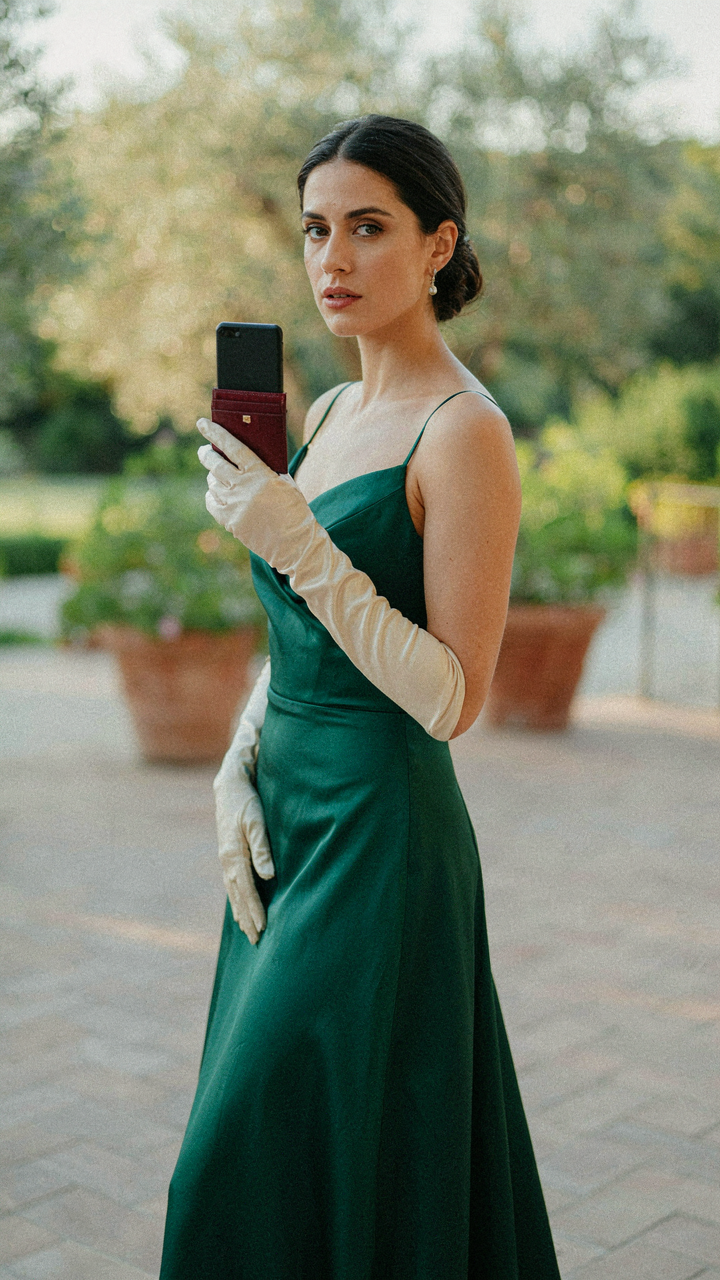
For items you cannot leave behind, use architecture to your advantage. An evening wrap or shawl with pockets handles a phone and card. A structured clutch-sized pouch worn on a wrist chain occupies almost zero visual space. Undergarment pockets, if your dress has them, hold a key and ID. The protocol is simple: inventory what you actually need at that specific event, then match it to what you can carry without a handbag. If you need more than a phone and ID, you need a bag.
The Power Of The Unexpected: Contrarian Choices In A Sea Of Sameness

Deliberate Subversion Of Formal Consensus
You want permission to stand out without the social cost of actually standing out. The mechanism is simple: formal events operate on uniform signaling, which means the person who breaks the pattern correctly absorbs all the attention in the room. Most advice tells you to play it safe with your handbag. That’s advice from people afraid of their own choices. A structured leather clutch in an unexpected color or material doesn’t violate formal dress codes—it exploits the gap between what’s prescribed and what’s actually forbidden.

The real leverage sits in material choice and proportion. A satin evening bag reads formal because of texture, not because everyone else carries one. A vintage metal-frame bag or a minimalist geometric clutch signals intentionality that mass-produced sameness cannot match. Formal events reward confidence in execution far more than adherence to what others did last season. The handbag becomes your proof that you understand the rules well enough to selectively ignore them.
When The Cost Of Breaking Pattern Matters
Common advice says “dress for the occasion.” That’s incomplete. The actual rule is: break only the patterns that won’t read as confusion. Borrowing from game theory, your handbag operates as a costly signal—the investment in a non-standard choice only works if observers correctly interpret it as deliberate refinement rather than accident or ignorance. A black-tie event is not where you test an experimental handbag. A cocktail formal event is exactly where you do it.
The fallout mechanic is direct: if your unconventional handbag signals wealth, taste, or insider knowledge, you gain status. If it signals uncertainty or poor judgment, you lose it. The difference lies entirely in execution quality and appropriateness to the specific event tier. Test subversion at events where the dress code allows interpretation—cocktail galas, semiformal weddings, gallery openings. Reserve maximum constraint for maximum-constraint events. Your handbag’s power is real only when your choice looks inevitable, not reckless.
The “Handbag As Hiding Place” Myth: Why Visibility Is Your Ally
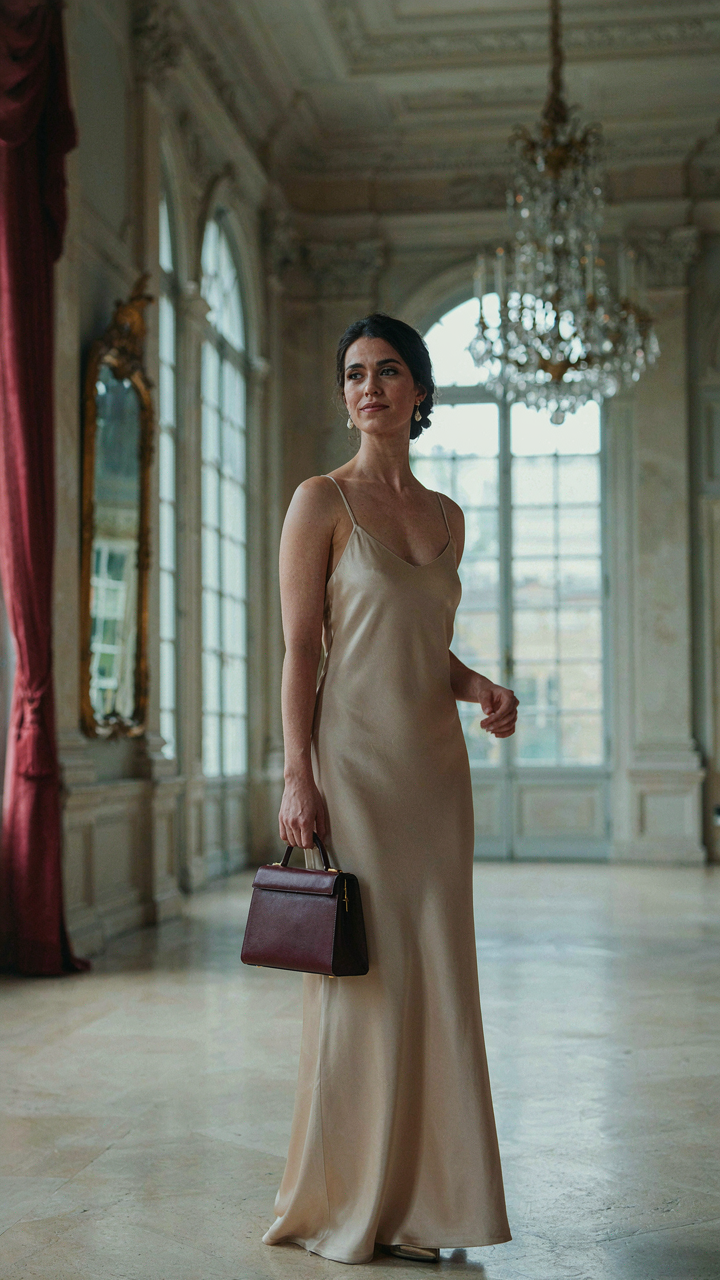
Your Handbag Isn’t A Prop—It’s Communication
You’re worried that carrying a formal handbag draws attention to itself instead of to you. That’s the fear underneath this section. Here’s what actually happens: a handbag functions like a signal in information theory. The receiver—the person looking at you—processes it as data about your intentionality. A clutch you’ve chosen deliberately tells them you decided how to present yourself. A bag you’re trying to minimize tells them you’re uncertain. The mechanism is simple: visibility forces you into commitment. When something is seen, it demands justification. Your job is to make that justification airtight by choosing deliberately.
Formal events operate on a visual economy where omission reads as carelessness and selectivity reads as authority. You can’t hide a handbag at a black-tie dinner. The question isn’t whether it shows—it’s whether you’ve earned the right to carry it through the room. That happens the moment you stop treating it as something to apologize for and start treating it as part of your statement. The handbag becomes invisible not by disappearing, but by being so intentional that observers process it as a resolved detail rather than a problem.
Presence Over Concealment
A structured evening bag held with intention changes how people register your entire outfit. Instead of scanning for flaws, they recognize coherence. This is the opposite of what conventional advice says—that formal bags should be “subtle” or “understated.” That language assumes the bag is a liability. It’s not. A quality leather clutch or frame bag in black, gold, or silver at a formal event signals that you made choices. You didn’t default. You didn’t second-guess yourself mid-dressing. The bag becomes a final punctuation mark that says the whole presentation was deliberate, which makes observers trust the details they can’t even name.
The tactical move here is optical weight distribution. A handbag visible in your hand or held at your side creates a visual anchor that frames your posture and movement. When you carry it with the same confidence you carry yourself, observers treat it as a resolved element of your presence rather than an afterthought. Stop holding your bag like you’re trying to make it disappear. Hold it like it was the last thing you chose before walking into the room, because that’s what formal moments demand—the evidence that you prepared completely.
The True Folly Of Underestimating Your Formal Carry
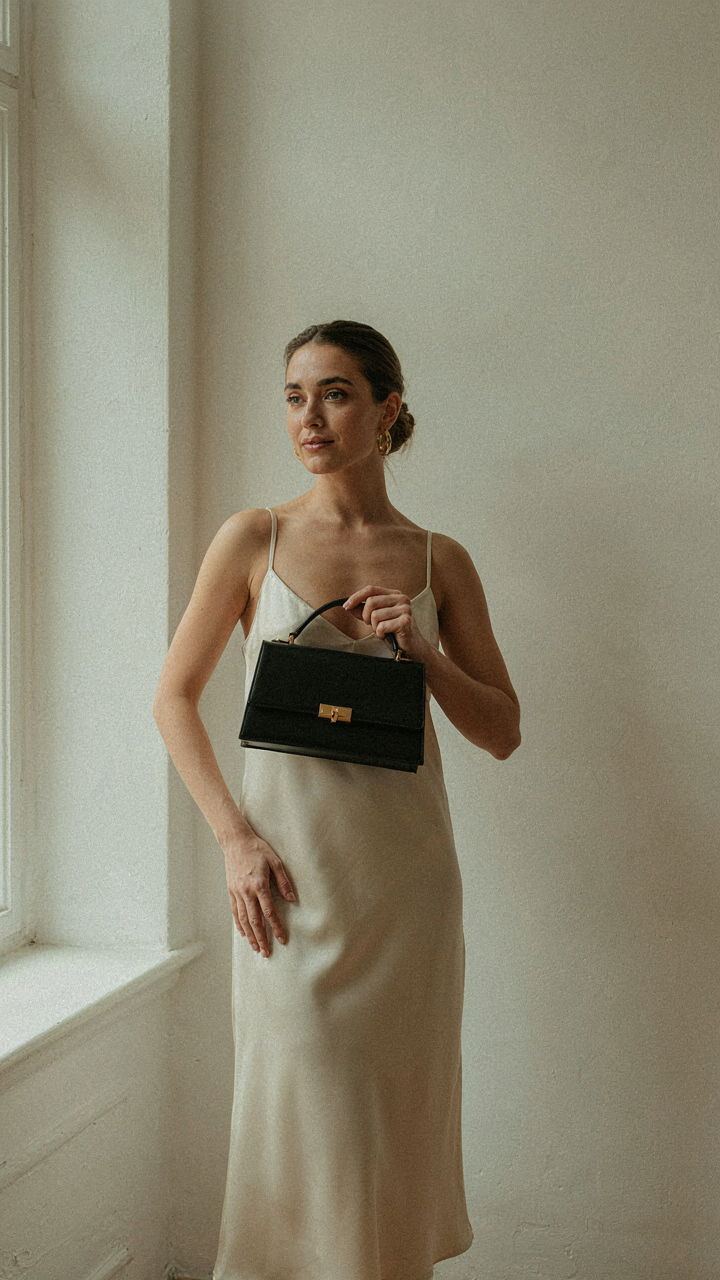
Most people treat a handbag for formal events as an afterthought. They pick wrong, feel cheap all night, and wonder why they looked incomplete. Stop doing this. Your bag either anchors your entire outfit or sabotages it. Pick one luxury piece that actually fits your life and your clothes, then stop second-guessing yourself. A woman who owns one perfect formal bag owns her room.



