

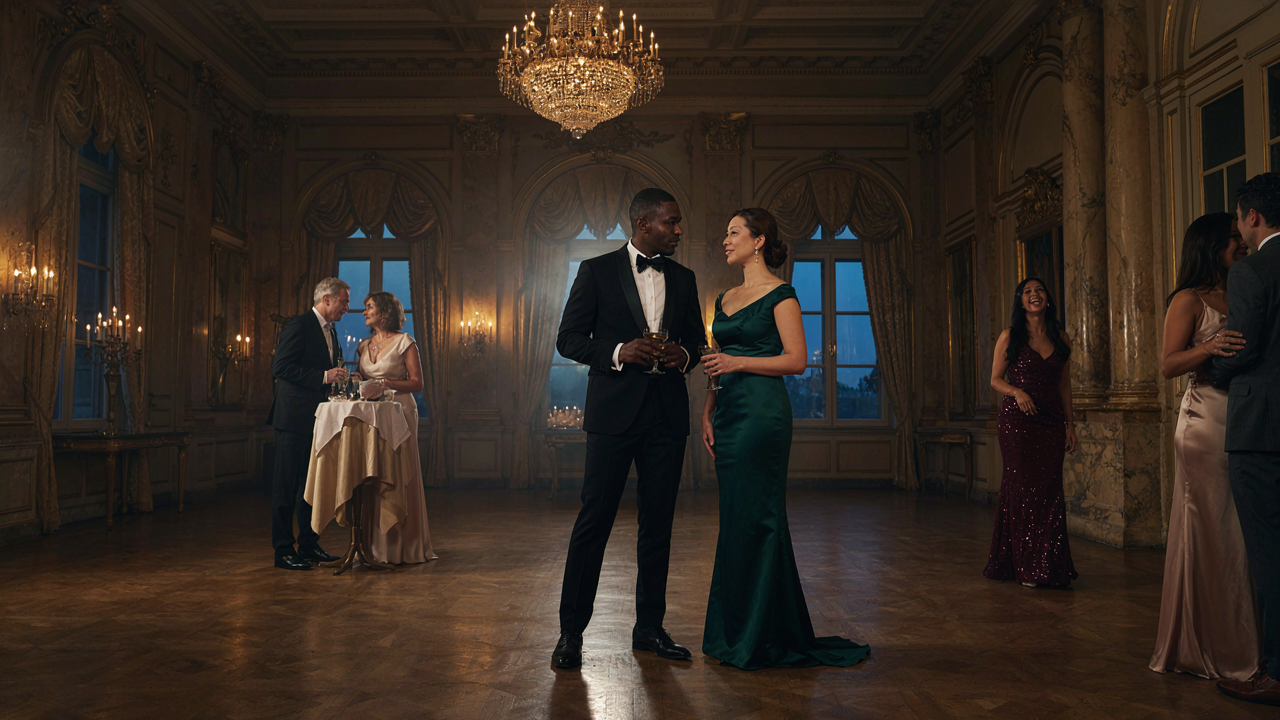
Beyond The Invite: The Gala’s Hidden Language
Decoding What The Dress Code Actually Says
You’re worried you’ll look poor or stupid. That’s the real reason you’re reading this. The mechanism nobody states plainly is that dress codes function like signaling in game theory—they’re filters designed to sort attendees by social calibration, not just clothing taste. The host uses language to communicate risk tolerance: vague codes signal informal stakes, rigid codes signal formal gatekeeping. “Black tie optional” means something entirely different from “black tie.” One invites interpretation. The other demands compliance.
Most people read dress codes as decoration when they’re actually instructions. The specific word choices reveal the host’s actual expectations because people who control formal events choose language with precision. If an invitation says “cocktail attire,” the host is comfortable with moderate variation. If it says “formal,” variation signals disrespect. The gap between stated formality and actual formality at the venue tells you everything about whether the host values conformity or individuality. Pay attention to that gap because it dictates whether you can take risks with your outfit.
Reading Between The Host’s Unwritten Rules
The host’s social position determines what they actually want you to wear, regardless of what the invitation states. Borrowing from social hierarchies in anthropology, think of dress codes like rank insignia in military contexts—they broadcast position and create visual consent for the power structure. A wealthy host hosting a charity gala has different unwritten expectations than a nonprofit director hosting a donor event, even if both say “black tie.” The wealthy host expects you to know the unwritten rules. The nonprofit director expects you to follow the written ones exactly.
Investigate the host’s previous events, the venue’s history, and the event’s stated purpose. These three data points reveal what formality actually means in this specific context. A gala at a historic mansion demands different interpretation than a gala at a modern hotel. The host’s relationship to tradition tells you how strictly to interpret the dress code. When the written code and the host’s likely expectations diverge, trust the host’s background. Conform to what the host actually values, not what the invitation literally says, then execute from there.
The Black Tie Dresscode: More Than A Tuxedo
The Real Signal Tailoring Sends
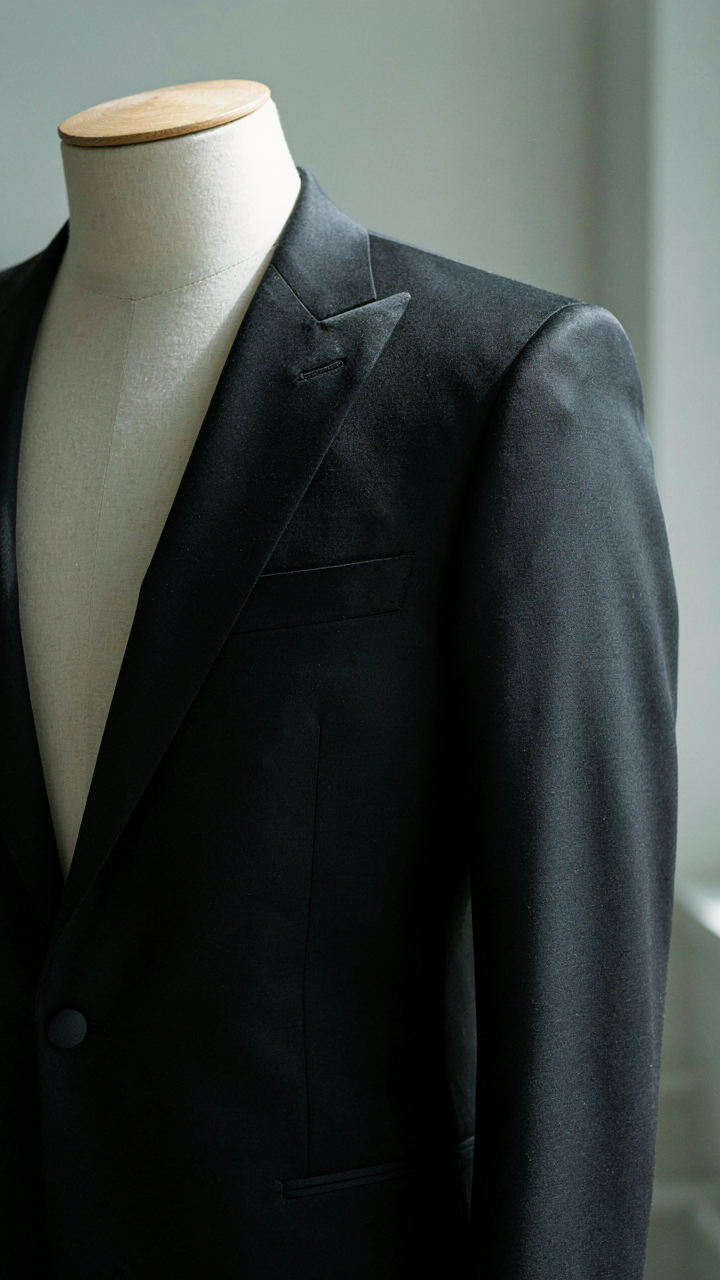
You want people to assume you have money and taste without saying a word. Here’s what actually matters: tailoring operates like a signal in economics—it’s the cost that separates the committed from the casual. A rental tuxedo fits nobody perfectly. A tailored one fits only you.

The mechanism is shoulder seam placement. If it sits past your shoulder point, the jacket reads cheap or borrowed. Armholes should sit high enough that you can raise your arms without the jacket bunching at the torso. Trouser break should kiss the top of your shoe with a single fold. Accessories matter less than fit because fit is non-negotiable. A standard bow tie on poor tailoring still broadcasts poor tailoring.
Floor Length Gown Details That Change Everything
Common advice says “wear a long dress to black tie.” That’s incomplete. The real distinction sits in fabric weight and how it moves through space. A gown that clings tells a different story than one that flows. A heavy silk charmeuse creates vertical lines. A chiffon scatters light and reads as movement rather than body.
Neckline depth and back exposure matter more than designers admit because they’re the only parts visible when you’re seated. A high neckline with exposed back creates proportion. A plunging front with a high back forces a choice. Train length communicates intention: floor-length trains at black tie galas signal formal occasion respect. Court trains signal performance. Sweep trains signal balance between formality and practicality.
White Tie Dress: The Peak Of Formal Intent
What Men Actually Wear To White Tie
You want to know this because you’re afraid of showing up wrong. White tie isn’t subjective—it’s a rigid protocol borrowed from military dress codes, where every component signals rank and adherence. You either follow the uniform or you don’t.

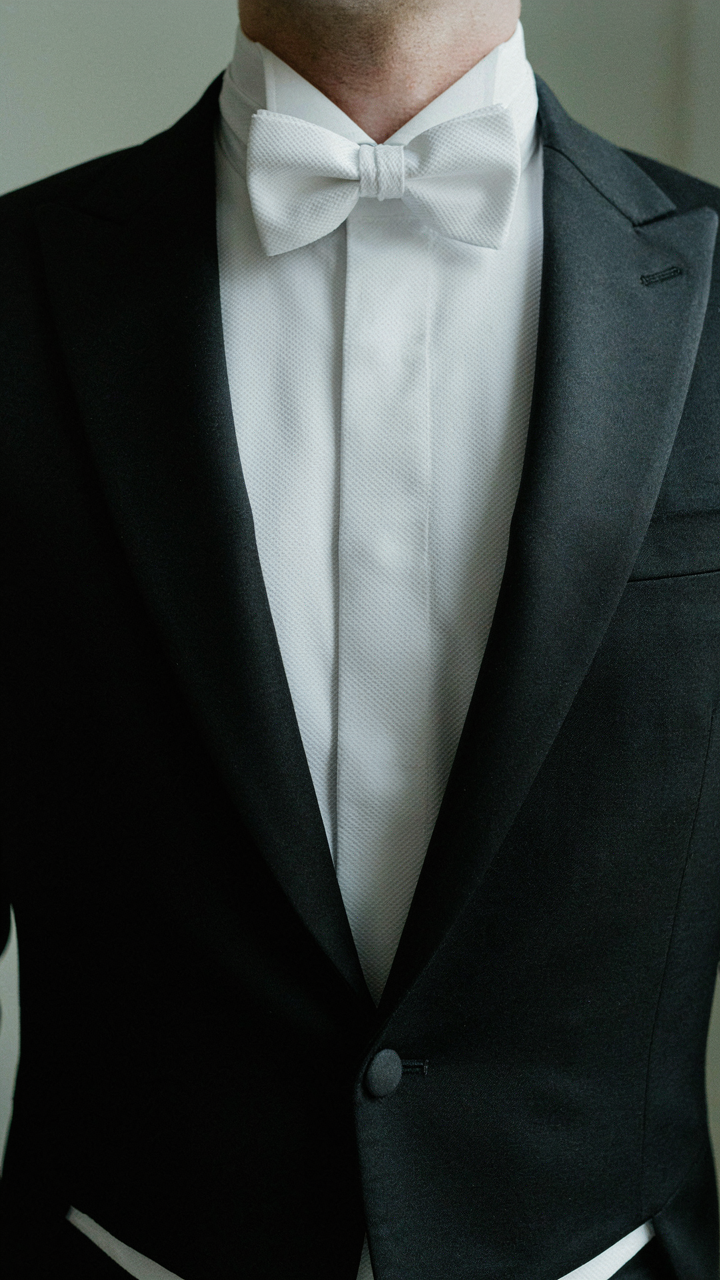
The core is a black tailcoat with silk lapels, worn only after 6 PM. Underneath: a white piqué shirt with a wing collar and studs instead of buttons. Add a white piqué bow tie, black trousers with a single silk stripe down the leg, black patent leather shoes, and white gloves. A waistcoat in white or black piqué goes under the tailcoat. Cufflinks and shirt studs must be silver, gold, or pearl—nothing else. A boutonniere is optional but traditional. Every piece follows a 200-year-old template because the purpose is to signal that you understand hierarchy and respect the occasion enough to comply with it, not express yourself.
Most advice stops there and calls it done. The actual mechanism is this: white tie demands you obtain or rent each specific item because substitution signals either ignorance or disrespect. You cannot wear a regular tuxedo to white tie. You cannot wear a different bow tie color. The tailcoat alone costs $800 to $3,000 new or $50 to $150 to rent—plan accordingly and book rental three weeks before the event.
How Women Execute White Tie Correctly
A white tie gala requires a full-length gown in any color except white, which is reserved for brides. The gown must have long sleeves or be sleeveless—bare shoulders and above-the-knee hemlines violate white tie protocol. Opera gloves extending to mid-forearm are traditional but optional; if you wear them, they go outside the sleeve edge.
Jewelry should be minimal and high-quality: a bracelet, earrings, and a necklace if the gown’s neckline allows it. Diamonds, pearls, or precious metals work. Avoid costume jewelry entirely. Shoes must be formal evening heels in black, metallic, or a coordinating color—flat shoes or casual footwear break the code. Hair is typically styled up in a formal arrangement. Makeup should be polished but not theatrical. The point is that every detail reinforces formality through restraint, not volume. White tie means understatement conveys power.
The gown itself demands proper tailoring—off-the-rack rarely fits the formality of the occasion. Budget for alterations and plan to order or source the gown six to eight weeks before the event if renting. A professional seamstress can adjust length, fit, and hem in ways that transform a gown from acceptable to appropriate for white tie.

The “Creative Black Tie” Misdirection Protocol
How To Interpret Creative Without Looking Chaotic
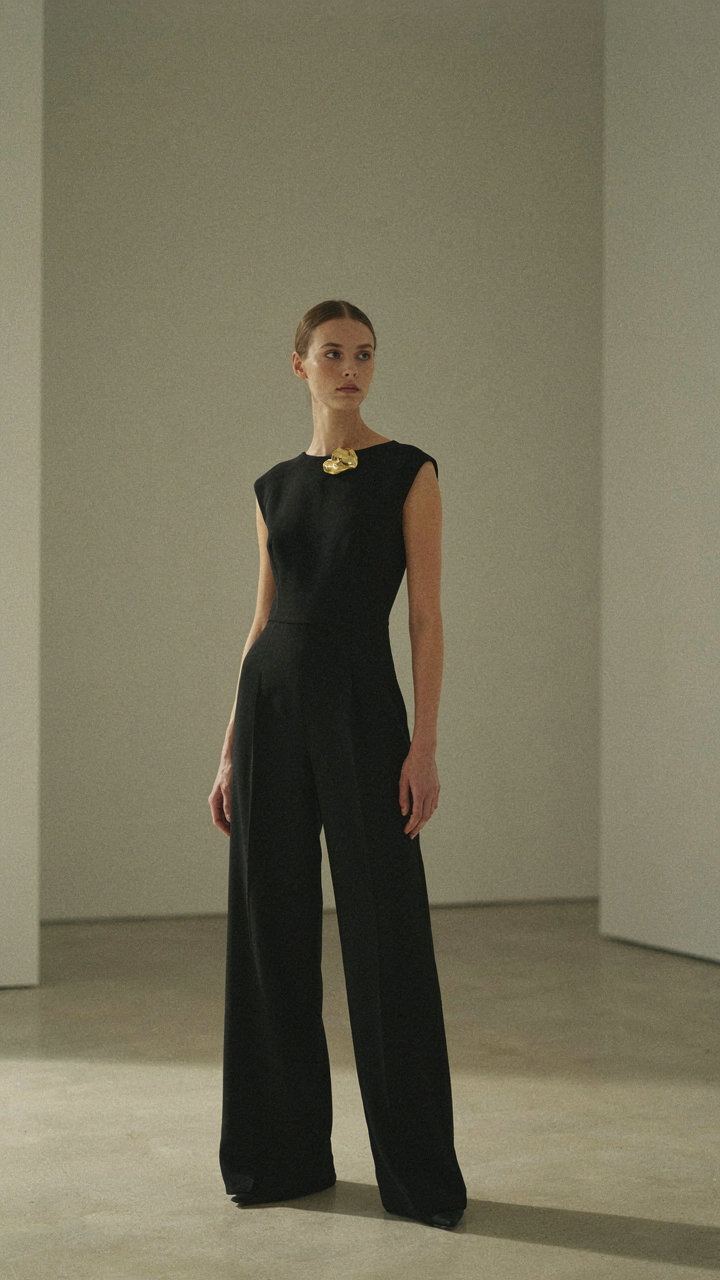
You’re reading this section because you’re afraid of breaking an invisible rule and getting marked as the person who didn’t understand the assignment. Here’s what “creative black tie” actually means: it’s permission to deviate from uniform formality, but only within a bounded system. Think of it like mutation in biology—variation exists, but only within the DNA’s structural limits. The mechanism isn’t “wear whatever you want.” It’s “wear black tie basics, then modify exactly one element.”
The common advice says “express yourself” and “have fun with it.” Wrong. Creative black tie is a status game where looking too experimental reads as insecurity masquerading as boldness. The real play is strategic constraint. You keep the foundation (tailored black jacket, dress pants or skirt, formal footwear) and alter one vector: fabric texture, cut geometry, jewelry scale, or unconventional color in a secondary piece. This signals you understand the rules well enough to bend them deliberately, not that you’re confused about what a gala requires.
Strategic Unconventionality As A Status Signal
Unconventionality that works follows a pattern from military strategy called “reconnaissance in force”—you test the perimeter before committing fully. At a gala with creative black tie dress code, this means scanning what others wore before you position yourself. Did the host show up in experimental silhouettes or strict tradition? Did attendees push texture and material or stay conservative? The environment itself tells you how much deviation the room actually tolerates.
The mistake people make is thinking creative means maximum visibility. It doesn’t. Controlled unconventionality reads as confidence; visible effort reads as trying too hard. Wear a structured black jumpsuit instead of separates, but keep accessories minimal and classic. Choose a fabric with subtle sheen or unexpected weight instead of a loud color. Add one statement piece—a brooch, a distinctive shoe—that feels intentional rather than costume. The mechanism is simple: one deliberate choice, everything else locked in place.

Gala Dresses: Jumpsuits As Power Plays
When A Jumpsuit Works Better Than A Gown
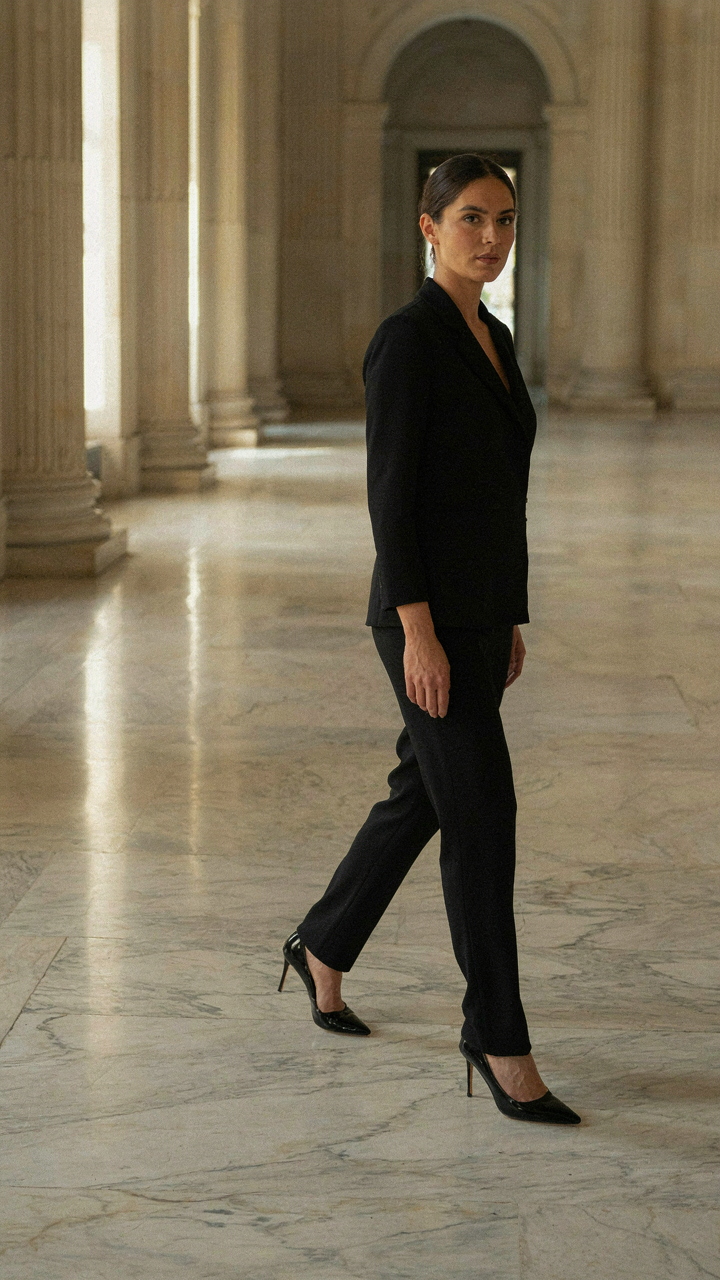
You want the option that signals you’re not playing by the default script—that’s the real draw here. The mechanism is simple: a jumpsuit reads as intentional choice rather than obligation. At black-tie galas, a gown is the expected move, which means it carries no information about who you are. A jumpsuit, by contrast, announces you evaluated the dress code and decided it didn’t own you. This works only when the gala’s formality level genuinely permits it. Black-tie optional and creative black-tie events are open territory. Strict black-tie requires you stay in gown or tuxedo territory.
The jumpsuit advantage lives in silhouette clarity. A well-cut jumpsuit creates a vertical line that competes with the impact of a gown’s skirt volume, but without the visual noise. Fabric weight matters enormously—silk charmeuse, crepe, or structured jersey hold their shape under movement and light. The jumpsuit also solves a tactical problem galas create: nowhere to place your phone, keys, or lipstick. Most quality evening jumpsuits include functional pockets or allow for a clutch without creating bulk around the waist. When the dress code permits departure from tradition, a jumpsuit performs the job of signaling competence and clarity.
Layering And Proportion As Your Real Toolkit
Fashion advice tells you to “balance” a jumpsuit with jewelry and shoes, which is incomplete. Graphic design principles actually govern what works here—specifically, the law of negative space. Your accessories don’t balance the jumpsuit; they create focal points that interrupt the monotony of a single fabric plane. A gala jumpsuit in black or navy demands exactly one statement piece: either a substantial necklace, a dramatic clutch, or standout shoes. Pick two and you’ve created visual chaos instead of impact.
Proportion compounds the effect. An oversized statement necklace with a fitted jumpsuit reads intentional. The same necklace with a loose, flowing jumpsuit reads accidental. Heeled shoes elongate the line created by the jumpsuit’s leg, which is your primary visual asset. Flat shoes or very delicate heels break that line and dilute the entire silhouette. Apply one strong accessory choice, ensure it contrasts with your base fabric, and let the jumpsuit itself be the dress.

Levels Of Dress Code: Beyond Simple Categories
The Spectrum Of Formality
You want to know exactly where you stand so you don’t embarrass yourself. That’s the real reason. Here’s what everyone misses: formality isn’t a binary on-off switch. It’s an ecological niche system. Just like organisms occupy different layers of a forest based on resource availability, dress codes occupy different social layers based on what the event requires from attendees. Black-tie differs from white-tie not by degree, but by function. Black-tie signals you’ve made an effort; white-tie signals you’ve reorganized your evening around the event’s importance. The mechanism is status signaling through constraint. Higher constraint means higher status claim.
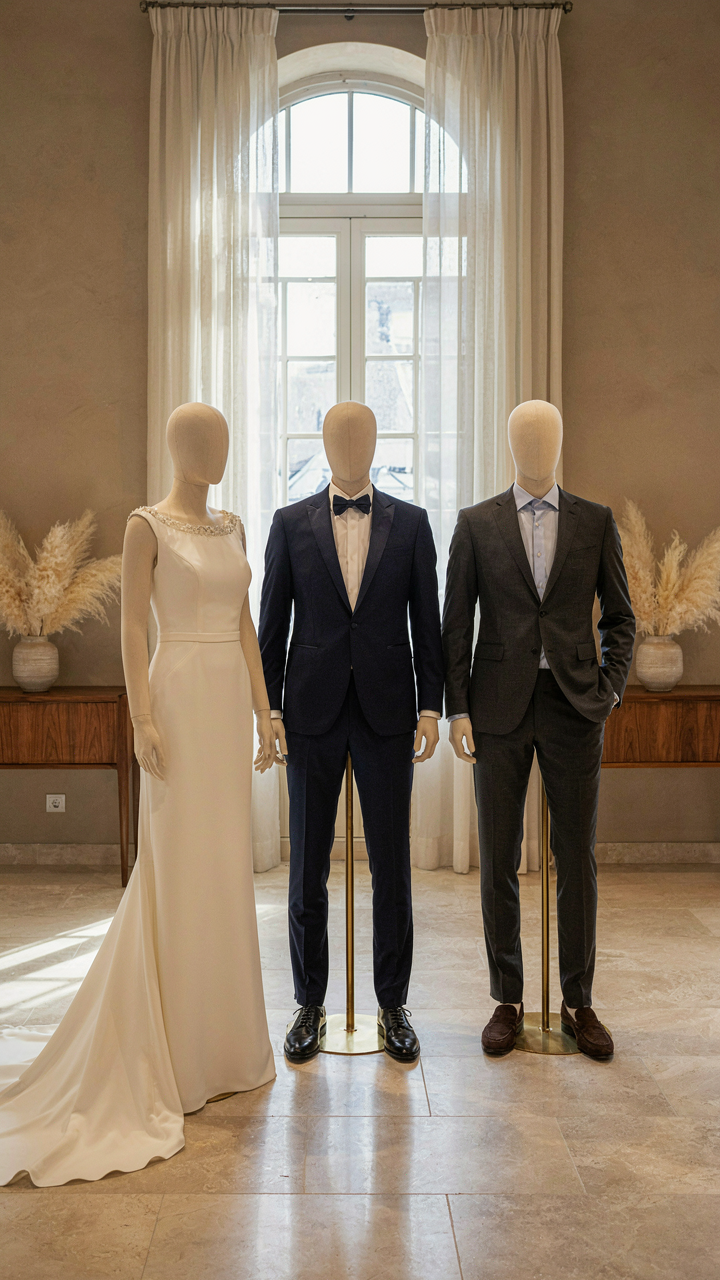
Each level demands specific garment choices that communicate participation in that tier. White-tie requires tailcoats and white piqué waistcoats. Black-tie accepts tuxedos with black bow ties. Black-tie optional means a tuxedo works but so does a dark suit with a regular tie. Most people stay in black-tie optional because they refuse to own a tailcoat they’ll wear twice. Formal wear sits below black-tie, accepting dark suits without the tuxedo requirement. Business formal and cocktail attire exist lower on the constraint hierarchy. The ladder matters because wearing white-tie formality to a black-tie event signals either ignorance or status anxiety, both of which undermine your position.
Dynamic Adaptation To Event Context
Formality levels shift based on time, venue, and guest composition. A 7 PM gala in a historic ballroom demands stricter adherence to stated codes than a 6 PM event in a modern loft. Daytime galas sometimes permit lighter fabrics and occasionally allow printed patterns, whereas evening events demand solids and matte finishes. The stated dress code matters less than what the physical environment demands. Marble floors and crystal chandeliers enforce tradition; concrete and steel permit interpretation. Your job is reading the container, not just the label. The container reveals what the organizers actually value.
Adaptation also means checking who’s attending. Charity galas draw older money that follows codes rigidly. Tech industry galas attract people who ignore codes entirely and signal status through minimalism instead. If you can identify the guest demographic before arriving, you adjust your formality claim accordingly. A guest list full of hedge fund partners means you push closer to the stated code. A guest list full of founders means you can dial it back. The protocol: identify the venue’s era and the attendees’ industry, then position your formality one notch above what feels safe. This move positions you as someone who respects the event without appearing anxious about the rules.

Black Tie Wedding Guest Dress Code: Respecting Boundaries
Standing Out Without Stealing The Room
You’re worried the bride will think you’re competing for attention. That fear is real, and it’s the mechanism that keeps most guests playing it safe. Black tie weddings operate on a simple rule: formality levels compress the visual hierarchy. Everyone wears dark tailoring, so individuality shows through restraint, not volume. The guest who stands out at a black tie wedding isn’t the one in the brightest color or boldest pattern. It’s the one with the best fit, the sharpest accessories, and the discipline to know when to stop.
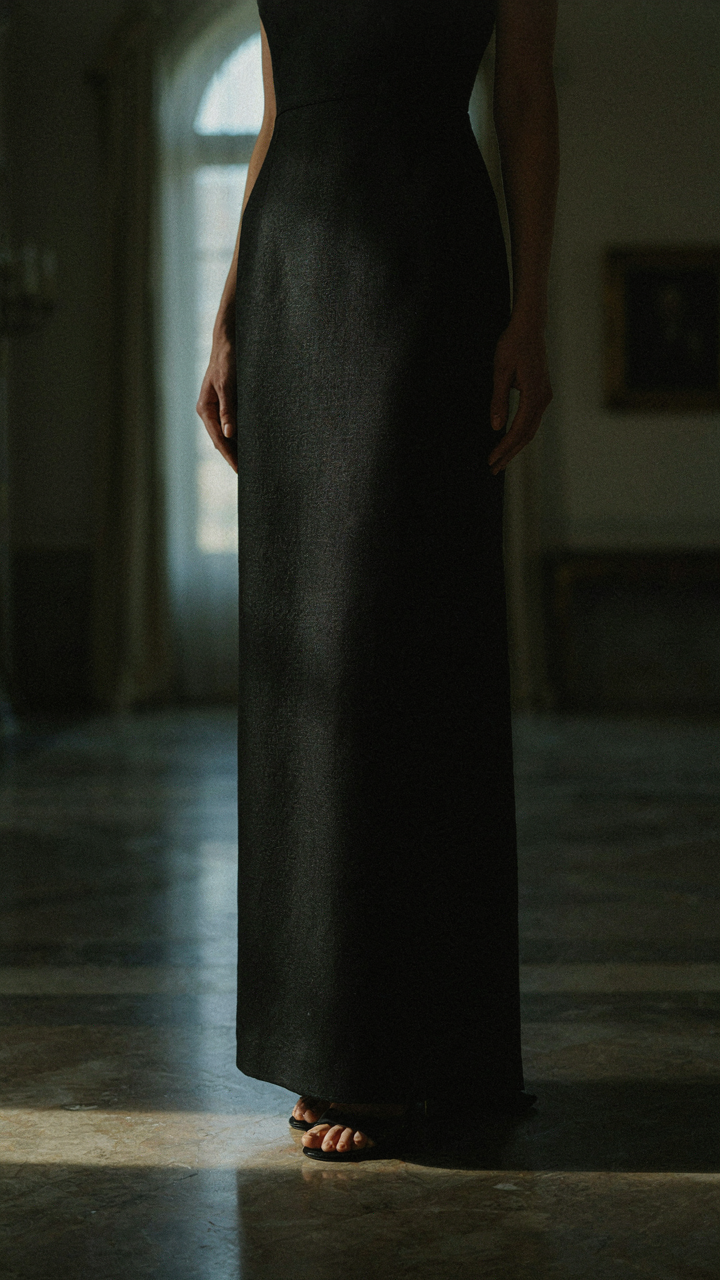
The distinction between standing out and upstaging hinges on whether your outfit demands attention or earns it. A well-cut black gown with unexpected texture in the fabric reads as polished. A neon dress reads as a statement against the event itself. Black tie weddings have a dress code for a reason: it’s not restrictive, it’s clarifying. Your job is to find your presence within those boundaries, not to test them. Wear black, charcoal, or deep navy. Choose fit over flash. The bride notices the guest who looks intentional, not the guest who looks like they showed up to a different event.
The Right Palette And Pattern Without The Noise
Forget the generic advice that says you can wear any dark color. The constraint is tighter than that. Black tie at a wedding means you’re operating within a narrow chromatic band because the bride has already claimed the visual center. This isn’t oppressive, it’s clarity. Navy and charcoal are your only moves if you want to look like you belong. Black works if you’re comfortable with formal severity. Anything lighter than these reads as a guest who didn’t understand the memo.
Patterns work at black tie weddings only if they’re subtle enough to read as texture before design. A jacquard weave, a fine pinstripe, a matte versus sheen contrast in fabric these register as sophistication. An obvious geometric print or busy floral pattern reads as costume at a black tie event. Your role is to reinforce the formality of the space, not decorate it. Stick to monochromatic looks with fabric variation, or go completely plain. Save the statement pieces for events where visual restraint isn’t the point.

The Floor Length Fallacy: When Shorter Is Stronger
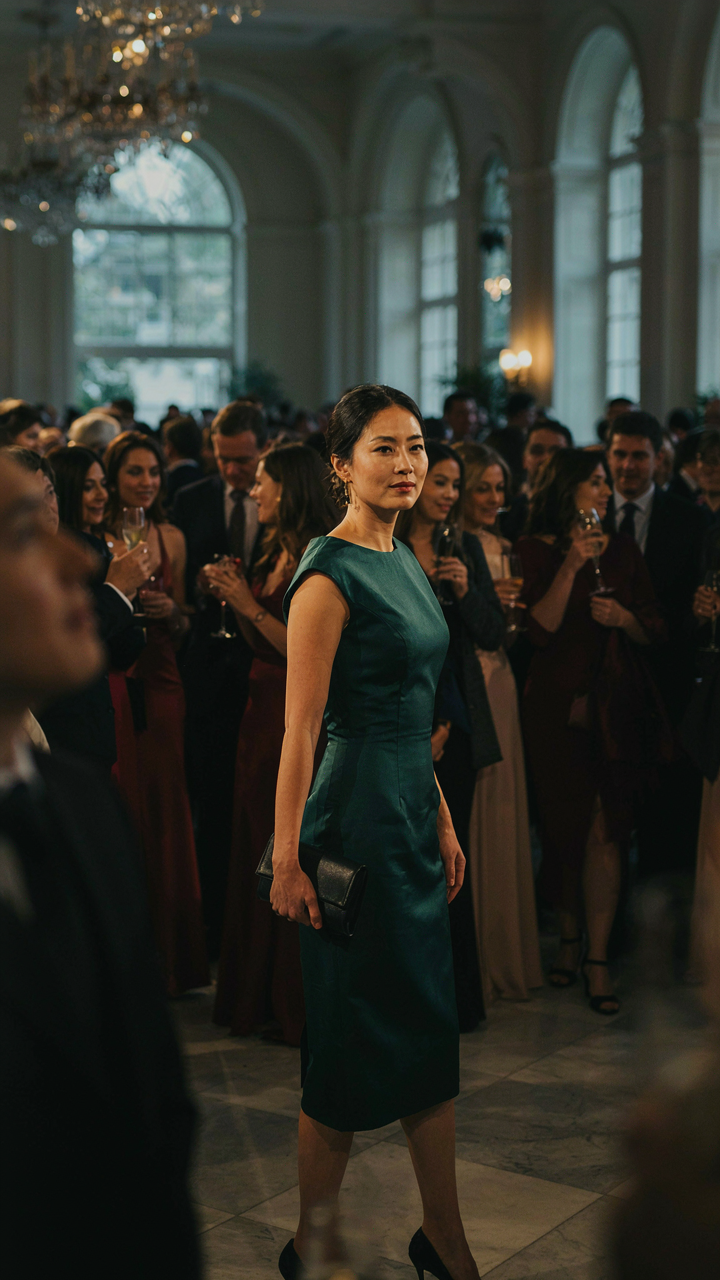
Floor Length Isn’t Required
You’re anxious about breaking an unwritten rule and looking cheap. Here’s what actually happens: gala dress codes operate like military rank insignia. The rule you think exists doesn’t. Floor length became the default because it signals formality through commitment of fabric and movement restriction, not because shorter hemlines violate dress code. Most galas, even black-tie ones, allow midi and knee-length dresses without penalty. The dress code specifies formality level, not literal hemline measurement. Your fear is the obstacle, not the protocol.
The confusion stems from conflating formal wear with costume uniformity. Formal dress means tailored construction, quality fabric, and intentional styling. A silk knee-length dress with structured tailoring reads more formal than a wrinkled floor-length polyester gown. Event organizers care about the room looking refined, not about measuring hemlines. You can attend a gala in a well-cut midi dress and command more presence than someone in sloppy floor-length fabric. The mechanism is visual hierarchy through construction quality and silhouette control, not hem position.
When Shorter Dresses Win
Shorter hemlines dominate in galleries, museum benefits, and urban venue galas where movement and architectural sight lines matter. Your hemline choice maps directly to the venue’s traffic flow. Crowded indoor events with standing-room cocktail hours favor knee-length or midi because floor-length dresses collect debris and restrict your positioning. You move with more authority when you’re not managing fabric. Architectural venues like lofts and modern spaces read better with cleaner, less-covered leg because the aesthetic matches minimalist interiors. Floor length works against the venue’s design language, not with it.
Strategic venues for shorter hemlines also include any gala requiring you to work the room actively. Charity auctions, fundraiser mixers, and networking-focused events demand physical mobility. A structured knee-length dress lets you navigate without catching fabric on furniture or other guests. You also photograph better in proportion to the background. The protocol: measure the space first, check if the event involves continuous movement, then choose hemline based on that constraint, not on some phantom dress code requirement. Function determines formality, not the other way around.

The Only Real Dress Code Is Your Own Self-imposed Mediocrity
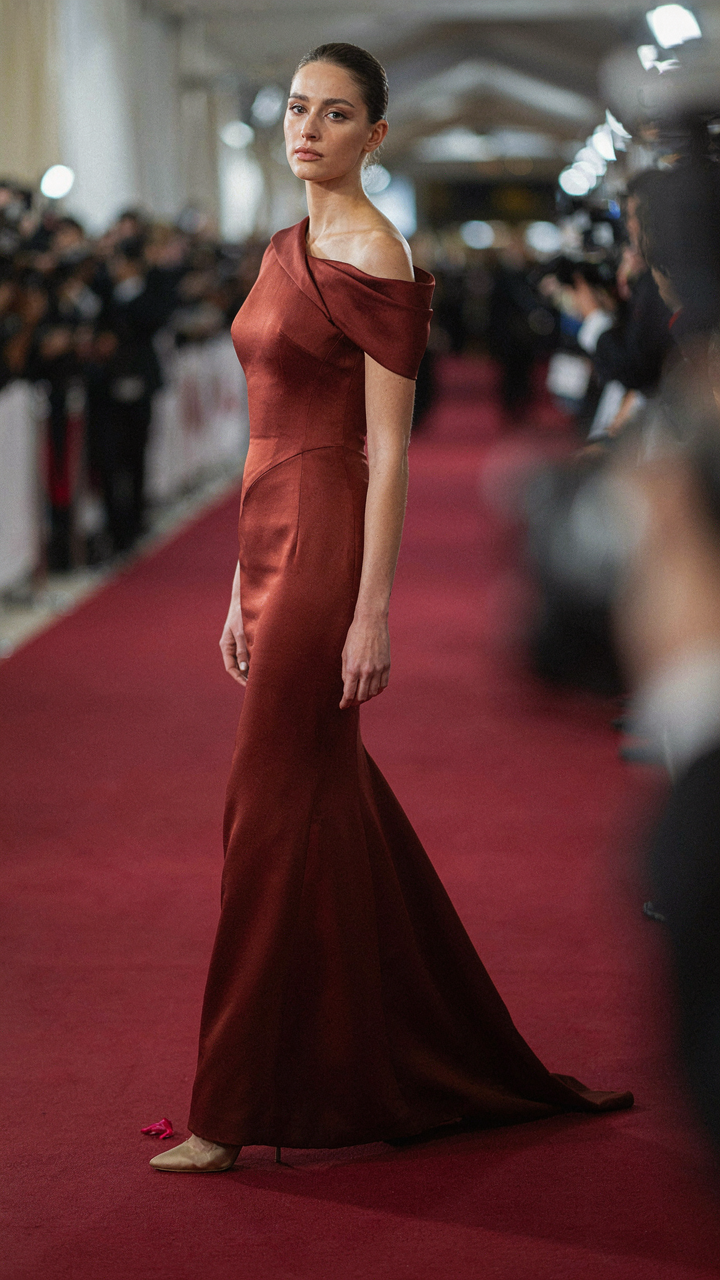
Most people hide behind dress codes as permission to disappear. They follow the rules because rules feel safe. But here’s what separates people at galas: those who use the code as a floor, not a ceiling. Pick one thing today. One piece that actually fits your body and makes you feel dangerous. Wear it like you own the room. Because the dress code only matters if you pretend it matters more than you do.