


The Unspoken Language Of Country Club Attire
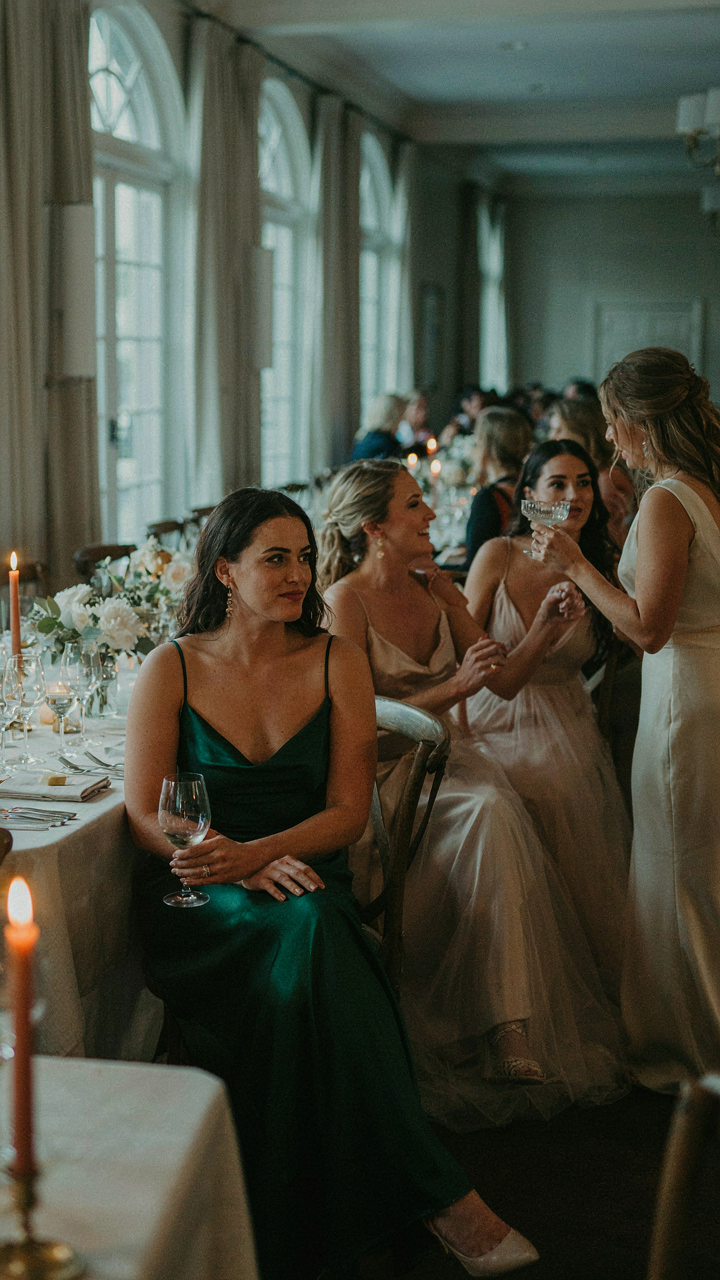
Reading The Room Without A Rulebook
You want to know the code because you’re afraid of being visibly out of place. That’s the real concern, and it’s rational. Country clubs operate on signal detection, not written law. The mechanism works like military rank: your clothing broadcasts your position in the social hierarchy before you speak. Clubs establish dress codes officially, but the actual enforcement happens through micro-judgments that accumulate. Nobody tells you directly. They simply notice what you wore, and that shapes how you’re treated next time.
The distinction between rule and expectation matters here. Most clubs publish guidelines: cocktail attire, business casual, black tie. These are floors, not ceilings. What separates accepted from elevated is what women choose within those boundaries. The women who navigate this effectively understand that compliance is minimum competence. The real game is reading which signals matter in your specific club’s micro-culture. Different clubs weight different variables: fabric quality, brand recognition, fit precision, age-appropriateness of style. You decode this by observing patterns, not by memorizing a single dress code.
Belonging Versus Standing Out
Strategic conformity requires knowing when invisibility serves you better than distinction. Think of conformity as signal clarity in information theory. In a crowded channel, noise obscures the message. When everyone at a dinner wears a dark tailored dress and pearl earrings, a woman in that uniform disappears into the baseline. She signals she knows the code. A woman in something notably different either signals she doesn’t know, or she’s deliberately breaking rank, which requires status to pull off.
Most advice tells women to “express themselves” within dress codes. This is incomplete. Expression without context reads as either ignorance or challenge. The real protocol: observe what the established women wear, replicate that for your first three events, then test variations once you understand the club’s tolerance for deviation. A minor color variation or different shoe choice might be safe. A dramatically different silhouette or trendy piece usually isn’t. Belonging first, then differentiation, is the sequence that works. The women who get away with more distinctive choices earned social capital first through consistent compliance.
The “Context First” Protocol For Country Club Chic Outfits Women
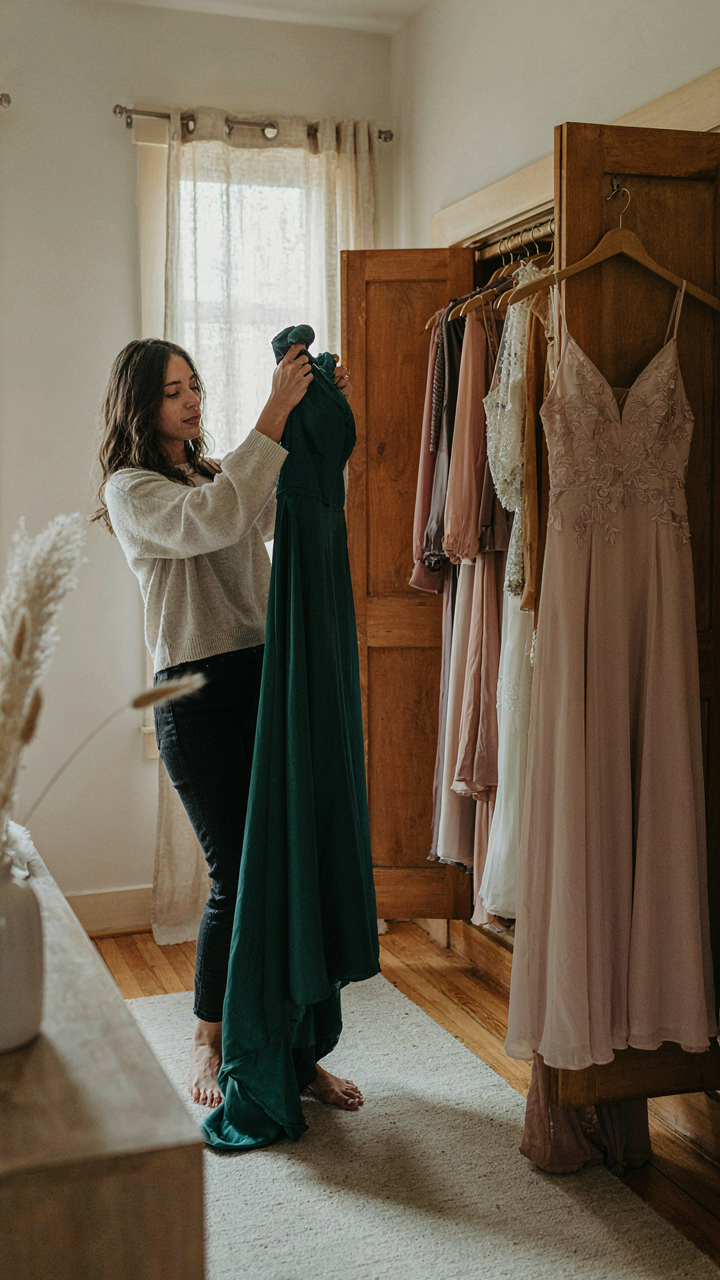
Event Type Determines Your Baseline, Not Vibes
You want a formula so you don’t embarrass yourself, and that fear is the only useful thing driving this decision. The mechanism is simple: country clubs enforce different dress codes for different events, and pretending they’re all the same wastes your money and credibility. A cocktail reception is not a formal dinner is not a casual lunch committee meeting. Each has its own constraint. The common advice says “dress elegantly” or “err on the side of formality.” That’s lazy. It doesn’t tell you whether a sheath dress works or whether you need a jacket, and that gap is where status signals break down.

The real move is treating each event type as its own category with distinct parameters. Formal dinners require floor-length gowns or high-end separates with structured jackets. Semi-formal events accept knee-length dresses with simple jewelry. Casual daytime events allow tailored trousers, blazers, and tasteful prints. Misreading the event type means showing up over or underdressed, both of which signal you don’t know the rules. Check the invitation first. If it says “black tie optional,” that means black tie is available but not required. If it says “cocktail attire,” that means knee-length or midi, not floor-length. The event type is your anchor point. Everything else scales from there.
Time Of Day Is The Hidden Formality Lever
Formality follows the sun like a disciplined system, not a feeling, and most women skip this step entirely. Think of it like military hierarchy: rank structure doesn’t change based on mood, it changes based on operational context. Morning events demand less formal dress than evening ones at the same club. A 10 a.m. ladies’ bridge tournament accepts ponte pants and a blouse. A 7 p.m. dinner at the same venue requires a dress with jewelry and heels. The shift happens because evening hours signal occasion and ceremony. Daylight reads as routine business. The club’s social architecture depends on this distinction to separate casual from elevated.
The specific threshold: events before 5 p.m. operate in business or semi-business casual territory. Events at 6 p.m. or later move into formal or semi-formal territory. Transitions like 5 to 6 p.m. create a gray zone where you need to check the invitation language for clues. Dressing one formality level up from what the time suggests is safe. Dressing one level down from what the event type demands is risky. Always defer to the event type first, then adjust based on time of day to confirm whether you’re at the lower or upper end of that category’s formal spectrum.
The Power Of Perceived Value In Country Club Dress

Why Clothes Signal Before Words Do
You care about this because you’re trying to belong without announcing that you’re trying. That’s the real problem. Economics calls this signaling theory. In country club dress codes, scarcity and quality cues work like market signals. When you wear something rare, well-made, and appropriate to the context, you communicate trustworthiness and membership before speaking a word. The dress code itself exists to filter who understands these signals and who doesn’t.

A woman in a tailored Chanel jacket at dinner communicates differently than one in a department store blazer, even if the silhouette appears identical. The fabric weight, seam precision, and construction details transmit information about investment. Country clubs operate on inherited patterns and exclusivity. Dressing inside the code means you either know the rules or you learned them. Either way, the signal reads the same: you belong here or you respect the space enough to study it.
Strategic Wardrobe As Capital, Not Consumption
Most advice tells you to buy basics and build gradually. That’s consumer thinking, not strategic thinking. The real mechanism is this: treat country club wardrobe pieces as capital assets with specific utility rather than generic clothing expenses. A silk charmeuse blouse used twice yearly at dinners depreciates slower than a fast-fashion top worn weekly. You’re not buying more clothes; you’re buying fewer, better pieces that hold function and value across multiple seasons and events.
The investment model works like this: allocate budget toward pieces you’ll wear minimum four times yearly at country club events. Navy blazers, cream slacks, silk shells, and statement jewelry justify higher price points because they compress into smaller rotations while maintaining perceived freshness through recombination. When you stop treating country club wardrobe as separate from your overall fashion spending, you start seeing which pieces justify cost through repeated high-stakes utility rather than emotional purchase justification.
Country Club Casual: Navigating The Deceptive Middle Ground
The Signal Trap Between Relaxed And Refined
You’re worried you’ll look like you don’t belong, so you’re scanning for the exact rule that will let you blend in. The mechanism is this: country club casual operates on signal suppression, not signal addition. You’re not dressing up. You’re dressing down without broadcasting that you’re dressing down. The gap between “too formal” and “too casual” isn’t wide. It’s a narrow band where restraint reads as membership.

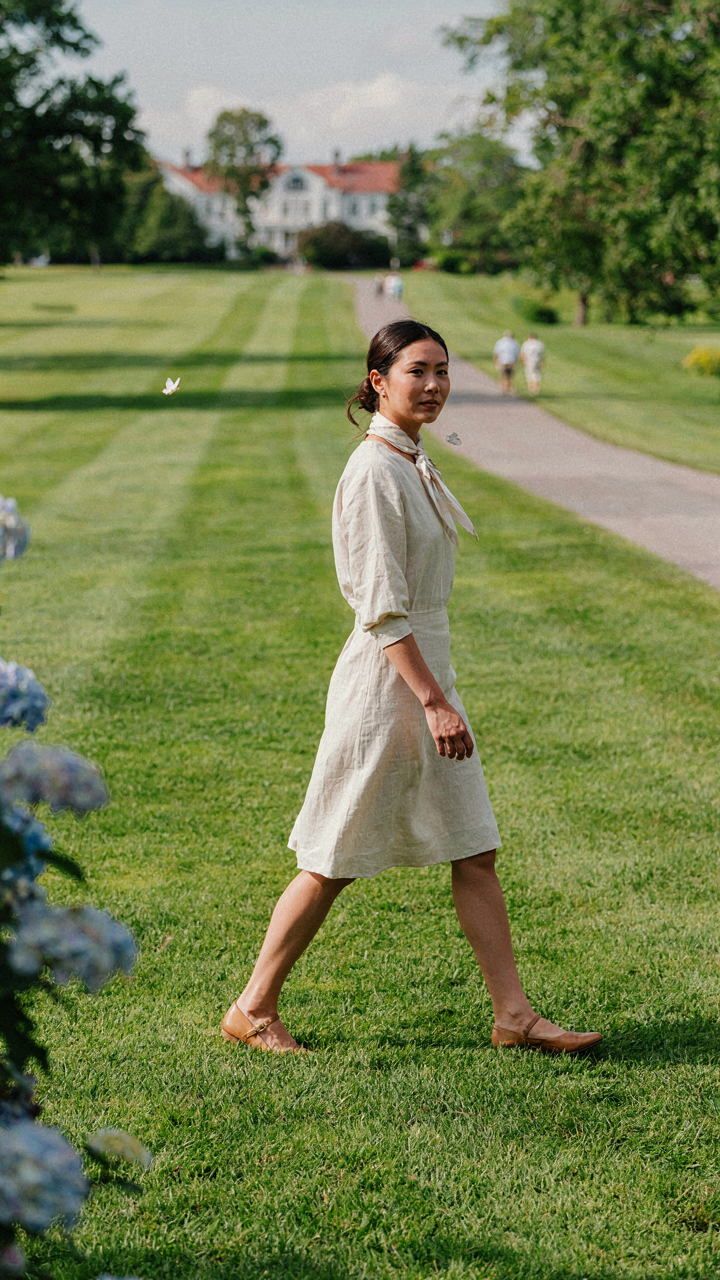
Most women miss this because they think casual means comfort. It doesn’t. Casual at a country club means you’ve eliminated all visual noise that screams “this is an occasion.” No sequins, no dramatic jewelry, no statement pieces. You’re signaling that you move through this environment regularly enough that you don’t need to prove anything. Wear a simple linen shift dress in cream or navy, add a silk scarf, finish with leather flats or low heels. That’s the pattern. The dress codes call it “country club casual.” What it actually means is controlled restraint.
The Materials That Carry The Load
Fabric weight and weave do the real work in casual elegance, not color theory or trend cycles. Natural fibers signal familiarity with quality in a way synthetics never do. Linen, cotton lawn, silk blends, and wool crepe have a hand and drape that communicate investment without noise. A polyester dress reads as trying too hard. The same silhouette in linen reads as knowing what you’re doing. Fit matters more than decoration. A well-cut pair of tailored shorts in neutral cotton will outrank an elaborately patterned casual dress every time.
Details function as subtractive elements at this dress code level. Skip visible seams, contrast stitching, and graphic prints. Choose matte finishes over sheen. Button closures over zippers. Natural textures over smooth synthetics. A pearl stud earring, a leather belt, a simple watch. These aren’t additions. They’re anchor points that ground the outfit in restraint. The outfit should feel like it assembled itself, not like you assembled it for an event. That’s the protocol: materials that whisper, not shout. Fit that flatters without drawing attention. Accessories that punctuate rather than decorate.
Dinner At Country Club Outfit: Beyond The Little Black Dress
What Actually Signals Belonging
You care about this because you’re terrified the wrong outfit will expose you as an outsider. Here’s the mechanism: country clubs operate on visual gatekeeping, not written rules. The little black dress is consensus advice because it’s safe. It’s also invisible. What signals membership isn’t darkness or formality—it’s specificity of fit and material quality that only reveals itself up close. Clubs notice the woman who understands tailoring, not the woman who bought a dress.

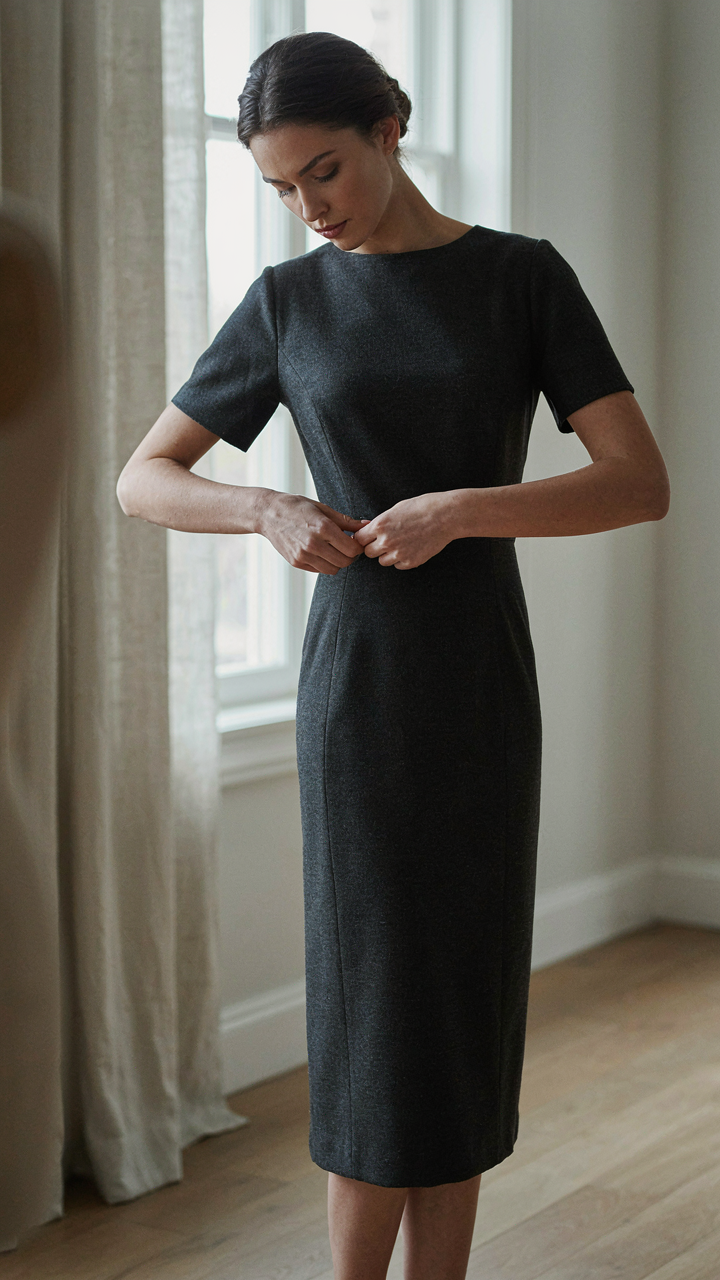
The uniform works because it removes decision-making. A well-fitted sheath dress in silk charmeuse or wool crepe, paired with appropriate jewelry and grooming, operates as a credential. The dress itself doesn’t matter. The precision does. Women who belong understand that country club dinners reward restraint over statement. You’re not there to be remembered for your outfit. You’re there to be accepted into the room.
Accessories That Compound Or Collapse Your Position
Think of accessories through signal theory from economics: each piece either reinforces your message or contradicts it. A woman wearing a $15,000 handbag with a department store dress sends confusion. The bag screams investment. The dress whispers doubt. Accessories in country club settings must align vertically—they must speak the same language of investment, quality, and intentionality.
The real mistake isn’t wearing too much. It’s wearing things that clash in their origin story. A statement necklace paired with minimal, tailored clothing works because both choices reflect the same philosophy: deliberate restraint. Your jewelry, shoes, and bag should betray the same standard of construction. Mismatched signals are louder than any single choice. Before you leave, ask if each piece reinforces or undermines the others. That alignment is what membership actually looks like.
The “Country Club Attire” Fallacy: It’s Not About The Label
Material, Construction, Tailoring Over Designer Names
You’re worried that showing up without a recognizable label will mark you as an outsider. The mechanism is simpler: country club gatekeeping was never about the brand tag. It was about signal through scarcity. A silk charmeuse dress from an unknown maker signals the same thing as a silk charmeuse from a known one if the construction is identical. People notice fit, seam placement, and fabric weight before they notice a name.

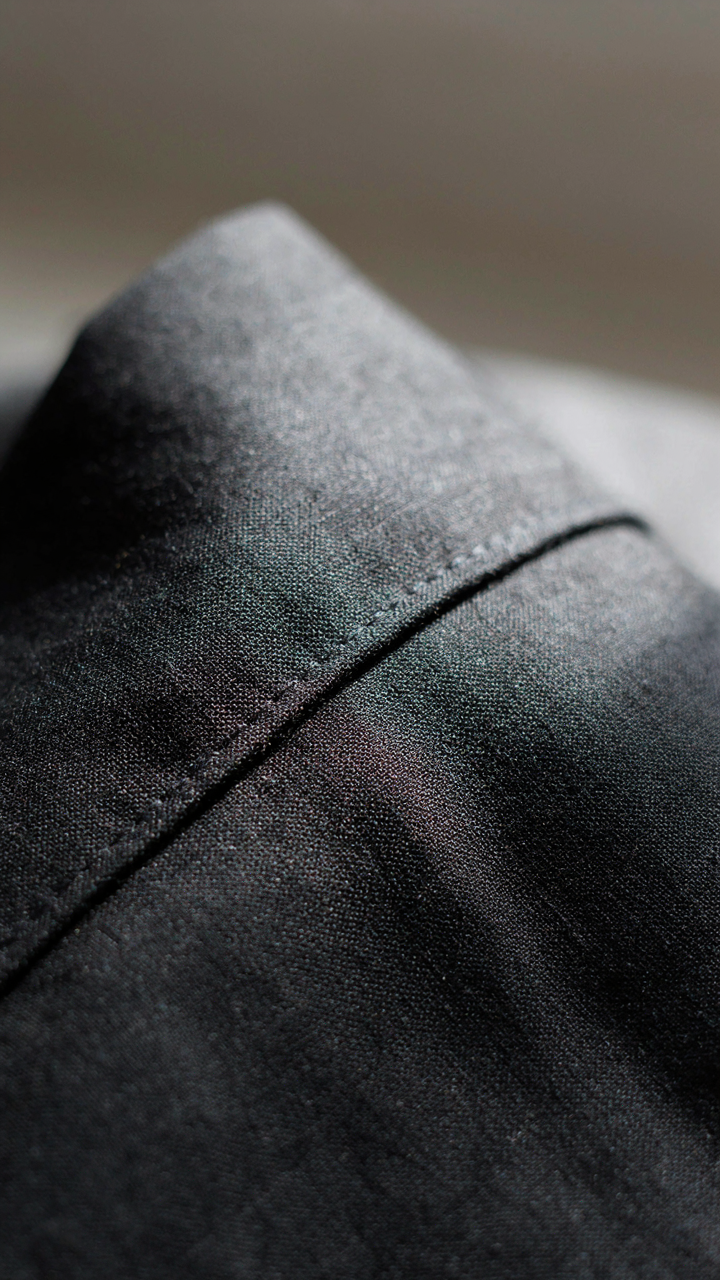
Materials do the work labels pretend to do. A dress cut from 100-percent wool crepe holds its shape through the evening and across multiple seasons. Cheap polyester blends wrinkle after two hours and pill after three wearings. Tailoring that accounts for your actual shoulder width and inseam creates the visual signal of belonging far more than a logo ever could. Buy pieces with tight stitching, natural fibers, and construction that accounts for movement and time.
The Economics Of Wearing The Same Thing Twice
Trends collapse. A silhouette that marks you as current this year marks you as behind next year. The country club aesthetic operates on the principle of durability economics. Invest in pieces you can wear in five years without looking dated. A well-cut navy blazer in wool, a silk blouse in cream, tailored trousers in neutral tones, a structured evening dress in black or jewel tones. These pieces don’t trend because they aren’t trendy. They exist outside the trend cycle.
The real cost calculation isn’t price divided by one wearing. It’s price divided by how many times you’ll actually wear it across years. A 300-dollar wool dress worn forty times costs seven dollars per wearing. A 60-dollar trend piece worn twice costs thirty dollars per wearing. Buy pieces that work with what you already own. Buy pieces that work across seasons and occasions. Build a base wardrobe that compounds instead of one that expires.
Cultivating Your Signature Country Club Style

The Uniform That Signals You Belong
You want people to know you fit here without having to prove it. That’s the real reason this matters. Country club style operates like military rank insignia: the clothes communicate your relationship to the institution before you speak. The mechanism is economics disguised as etiquette. Women who understand this stop chasing trends and start building a visible identity within the dress code’s boundaries.

Your signature style isn’t about breaking rules or finding loopholes. It’s about mastering the variables the code actually allows. A navy blazer worn by five hundred women becomes yours through fit, accessories, and consistency of pairing. The goal is recognition by repetition, not rebellion. You develop a style by deciding which acceptable options you’ll claim as yours and wearing them until they become associated with you.
The Pieces That Work Everywhere
Before you buy anything else, identify what the club actually requires at different events. A dinner differs from a luncheon differs from a cocktail reception. The standard advice—buy classic pieces—is half right and half useless. You need pieces that function across multiple events without looking like you’re wearing the same outfit. That’s the real constraint.
- Tailored blazers in neutral tones: Navy, black, or camel blazers layer over dresses and elevate casual separates. Ensure the shoulder seam sits at your actual shoulder and the length hits mid-hip. This piece anchors your wardrobe across seasons.
- Silk or cotton blend trousers: Cream, navy, and charcoal trousers pair with blouses for daytime events and dress up with heels for evenings. Look for flat fronts or subtle pleats that sit at your natural waist. Fabric matters more than style here.
- Sleeveless and short-sleeved shells: These layer under blazers or stand alone depending on season and event formality. Neutral colors work best. Quality cotton or silk maintains shape through wear and dry cleaning better than synthetics.
- Sheath dresses in solid colors: A well-fitting sheath in navy, black, or jewel tones works for lunch, cocktails, and dinners depending on fabric weight and accessory choice. Aim for knee-length or midi. Avoid patterns that date quickly or read as costume.
- Structured handbag in leather: Invest in one quality bag that holds what you need without looking stuffed. Leather ages better than alternatives. Size should accommodate evening essentials but not signal you’re prepared for a weekend trip.
Build these pieces first, then add accessories that shift the look between settings. A blazer over a sheath dress reads casual lunch with flat shoes and simple jewelry. The same combination becomes cocktail-ready with heels, a statement necklace, and a structured bag. You’re not buying more clothes. You’re learning to recombine what you own so the same core pieces never repeat their visual footprint.
Avoiding The Common Country Club Dress Code Traps

When The Rule Book Changes Between Coasts
You’re reading this because you’re afraid of being wrong, of standing out for the wrong reason, of wasting money on an outfit that signals you don’t belong. Here’s what actually matters: country clubs operate on regional traditions that contradict each other directly. A Palm Beach standard bears no resemblance to what works in Dallas or Boston. The Eastern establishment clubs obsess over heritage markers—specific fabrics, old-money restraint, understated metals. Southern clubs prioritize polish and presence. Western clubs tolerate more color and texture. These aren’t preferences. They’re sorting mechanisms.

The trap isn’t ignorance of the rules. It’s assuming one rule set applies everywhere. Call the club directly and ask about the last three women’s dinners. Request specifics: hemlines, sleeve types, shoe styles people actually wore. Don’t ask about the written code. Ask what you’d actually observe walking into the room. Regional variation isn’t a flaw in the system. It’s the entire system working as designed.
Effort Reads As Desperation In This Context
Common advice says dress well and you’ll fit in. That’s incomplete. The mechanism here borrows from game theory: signaling in high-trust environments requires restraint, not display. When you signal too visibly, you announce you calculated your way in instead of belonging naturally. A woman in a perfectly coordinated outfit with matching jewelry, flawless makeup, and obvious effort communicates that she assembled herself to comply with external rules. A woman in simple pieces, imperfect textures, visible wear patterns communicates she didn’t need to think about it. The second woman owns the space.
The tell isn’t polish. It’s whether you look assembled. Wear clothing that’s been in your closet for years. Choose pieces with visible use, fading, or slight imperfection. Skip jewelry that matches perfectly. Never wear everything new to the same event. The goal is to look like you reached into an existing wardrobe without considering the audience, because people who belong never do.
The Only Dress Code: Your Personal Brand Equity

Stop asking what the club expects. Start asking what you expect of yourself. Every woman at that dinner who commands the room isn’t following a rulebook, she’s executing her personal brand. Your outfit isn’t about conforming to country club dress code for women, it’s about owning the space you occupy. Go through your closet today and identify three pieces that make you feel like the most competent version of yourself, then build outfits around those anchors. What you wear signals who decides what you wear.