

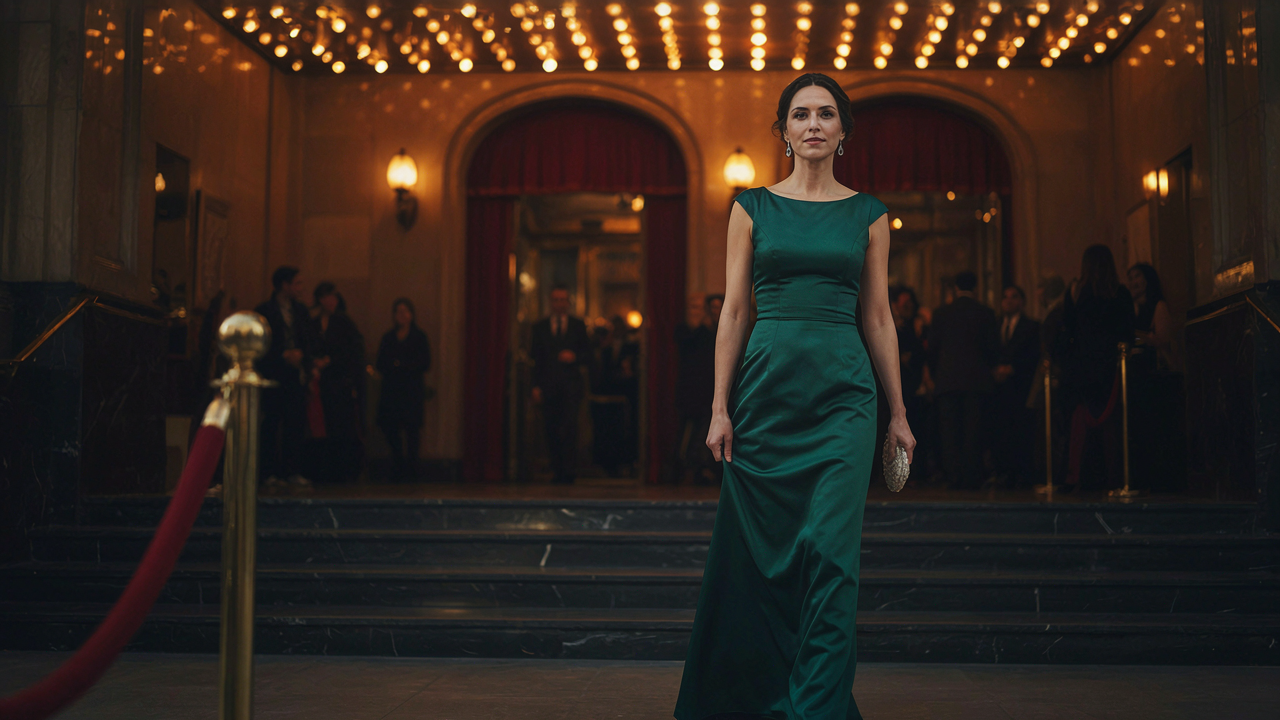
The Unspoken Contract: Why “Dress Code” Exists
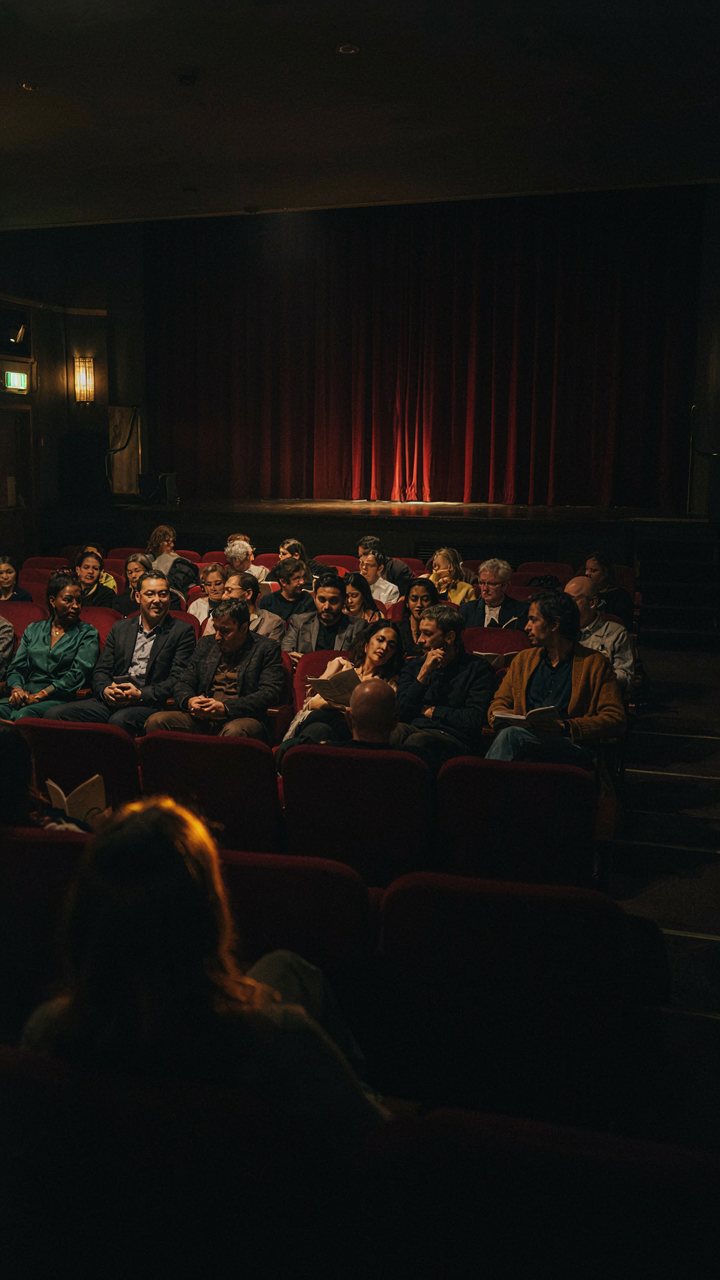
You’re Not Dressing For The Theater, You’re Buying Membership
You care about this because you want permission to belong without overthinking it. Theater dress codes exist because theaters are bounded social spaces where clothing signals participation in a shared ritual. You dress not to impress strangers, but to confirm you understand the stakes of the event. This is theater’s core mechanism: everyone agrees the space matters more than usual, and clothing is how you cast that vote with your body.
The dress code solves a coordination problem. Without it, some people arrive in gym clothes and others in formal wear, fragmenting the room’s collective energy. Theater requires audience members to suspend disbelief together, and that collective effort depends on visible signals that everyone took the same emotional temperature of the event. When women dress according to code, they’re not following rules imposed on them. They’re joining a contract that says: this room has weight, and I’m choosing to honor it.
Respect Is A Transaction, Not A Feeling
Common advice tells you to “dress respectfully” as though respect lives in fabric choices. Wrong. Respect in theater is transactional: you acknowledge the performers’ labor by showing you prepared to witness it seriously. This operates on economics, not sentiment. When performers take the stage, they’ve invested hours in rehearsal, memorization, and physical technique. Your appearance signals whether you value that investment enough to show up as a deliberate participant, not a passerby who wandered in from the street.
Fellow attendees matter in this equation too. Theater seats you inches from strangers for two to three hours. Your clothing choice affects their viewing experience and their sense that they’re in a curated space. Women who dress deliberately for theater (not provocatively, but intentionally) reinforce the room’s collective agreement that this is not casual consumption. The mechanism is simple: elevated dress creates elevated attention, which creates better conditions for performance to land.
Opening Night: Not A Costume Party, But A Statement

The Distinction Between Formality And Intent
You want to know the dress code because you’re afraid of being underdressed and marked as someone who doesn’t belong. The real mechanism is this: opening night operates on signal theory, not rules. You’re communicating membership in a group that treats the event as significant. Most advice calls this “formal wear,” which is useless because formal wear is context dependent and theater audiences span decades of style interpretation. What actually matters is elevation above your baseline. If you wear jeans daily, a structured dress with intention reads as respect for the occasion. If you typically wear dresses, a blazer over it shifts the energy upward. Elevation is relative, but the signal is absolute.

Opening night isn’t about matching a rigid checklist. It’s about demonstrating that you made a choice to be there, not that you simply showed up. The audience sees this instantly. Your clothing communicates whether you treat the event as theater or as background noise. Women who succeed on opening night wear something that feels intentional to them within a range that reads as elevated. That range is wider than most people think, but it has boundaries. Underestimate the occasion and the signal fails. Match the signal precisely with what you actually own.
Personal Style As A Calibration Tool
The common advice is “dress up.” This is incomplete because it treats your wardrobe as a costume rack rather than a toolkit. Fashion design teaches us about proportion and hierarchy—the idea that focal points draw attention and support creates balance. Apply this to your opening night choice: decide which element carries the visual weight. If you choose a bold top, balance it with simpler bottoms. If you choose statement shoes, keep the dress clean and understated. Your personal style isn’t something to suppress on opening night. It’s the precision instrument you use to calibrate how much elevation feels authentic to you.
The mechanism is this: clothes that feel foreign to your actual style will read as costume, not confidence. Opening night dressing works when you recognize what already belongs in your wardrobe and amplify one or two elements. A silk blouse you already own becomes the anchor. Add tailored pants instead of your usual casual cut. Wear structured jewelry you actually like. Women who appear most assured on opening night aren’t wearing costumes. They’re wearing elevated versions of themselves. Build your opening night look by adding intentionality to pieces you already trust wearing.
Weeknight Wisdom: The Art Of Intentional Understated Elegance

Comfort Meets Class: Strategic Fabric Choices
You’re worried weeknight theater means you can’t look polished without overheating under lights or feeling trapped in your seat for two hours. The real mechanism is this: fabric choice determines whether you look intentional or uncomfortable, and discomfort reads as low status faster than anything else. Natural fibers breathe and move. Wool blends, cotton, linen, and silk regulate temperature and drape without clinging or bunching. Synthetics trap heat and wrinkle unpredictably, forcing constant adjustment. You adjust in public, you broadcast anxiety.

Weeknight audiences sit closer and watch longer than daytime crowds. Your fabric works harder because the lighting is dimmer, so texture and weight matter more than daytime performances. Choose mid-weight fabrics that hold their structure through a full performance without feeling restrictive. A well-fitted blazer in wool or a cotton blend stays sharp for three hours. Cheap polyester shows strain at the seams by intermission. The protocol is simple: before buying, check the fiber content, test the weight in your hands, and wear it for at least an hour at home to confirm it doesn’t shift or bunch where it matters.
Accessories As Amplifiers, Not Distractions
The common mistake is treating accessories as decoration instead of signal. In theater dress code for women, accessories function like amplification in audio design, not as add-ons. One strong piece magnifies your entire outfit’s intentionality. Two weak pieces cancel each other out and read as scattered. A structured bag, a watch with presence, or a single statement earring communicates clarity. Multiple small items scatter attention and suggest you’re unsure about your core choice.
Jewelry on weeknights should be audible without being loud. A bracelet that moves or a necklace with weight creates presence without demanding eyes. Skip the dangles that catch on clothing or require constant repositioning. A clutch in leather or substantial fabric reads more deliberate than a purse that collapses on itself. Shoes must move you confidently from lobby to seat without squeaking, slipping, or requiring adjustment. The final check: remove one accessory and see if your outfit strengthens or weakens. If it strengthens, that piece stays.
The Environmental Read: Decoding Venue And Production

What The Building Tells You
You’re reading this section because you want permission to dress down without looking lost, and the building itself gives it to you. Theater venues operate on the same principle as animal habitat design: the structure communicates its behavioral expectations through physical density and material choice. A Broadway house in Manhattan with gilt molding and orchestra pit depth demands different reads than a converted warehouse in Brooklyn with exposed brick and folding chairs.

Victorian-era theaters—built with balconies, plush seating, and formal lobbies—were designed for dress-up occasions. The architecture enforces formality through scarcity of seating and sight lines that expose you to others. Modern black-box theaters and smaller regional stages lack this enforcement mechanism. Their industrial materials and casual sightlines signal that the event prioritizes art over ritual. Walk the lobby before you decide. If the space whispers “special,” your clothes should match that frequency.
Grand Opera Demands Different Armor Than Experimental Theater
This isn’t about personal preference—it’s about theatrical contract negotiation. A three-hour Wagner opera at the Met expects formal evening wear from a statistical majority of the audience. An experimental 90-minute piece at a downtown venue expects you to dress like you have somewhere else to be. The production style sets the audience’s unspoken uniform code, and violating it signals you didn’t understand what you bought a ticket for.
Grand opera audiences wear formal wear because the production treats spectacle as currency. The music, costumes, and scale demand reciprocal respect through your appearance. Experimental theater often inverts this. The informality of dress becomes part of the democratic gesture the work makes. Check the production’s website and photos from past seasons. If 80 percent of the audience in lobby photos wears dark business casual, that’s your answer. Don’t overdress an experimental space any more than you’d wear jeans to opening night at a classical ballet house.
Outfit For Opera: Orchestrating Your Presence

The 80/20 Rule Of Stage Presence
You’re worried people will judge you. That’s the real reason you’re reading this. Here’s the mechanism: opera houses operate on visual hierarchy, and you either command it or you disappear into it. The Pareto Principle from economics applies directly here—80% of your perceived elegance comes from 20% of your choices. That 20% is silhouette, fit, and one statement piece. Everything else is noise.

Most advice tells you to wear “classic” or “timeless” pieces. That’s incomplete. Classic means invisible at opera. You need a dress or gown that creates a defined shape—fitted bodice, structured skirt or clean lines that read from the orchestra pit. One piece does the talking: a jeweled necklace, a silk shawl, statement earrings. Skip the fussy layering of accessories. The mechanism is contrast: bold center, restrained periphery.
Layering For Depth And Temperature Control
Opera houses are cold. That’s not poetic—it’s architectural. They prioritize acoustics and air circulation over comfort, which means temperatures drop during performances. Strategic layering solves this without destroying your silhouette. A fitted slip dress under a tailored jacket, or a gown with a structured wrap, gives you both visual definition and practical warmth.
The key is maintaining line. A bulky cardigan breaks your shape and reads as unfinished. Instead, use a silk charmeuse wrap, a structured shawl, or a fitted blazer that echoes your dress’s proportions. Remove or adjust it before sitting. Depth comes from texture contrast—matte against sheen, structured against fluid—not from piling on layers that obscure your form. This is how you stay comfortable without looking like you dressed for the wrong event.
The Adaptive Resonance Protocol: Attire As System Feedback
Dress Code As Information Loop
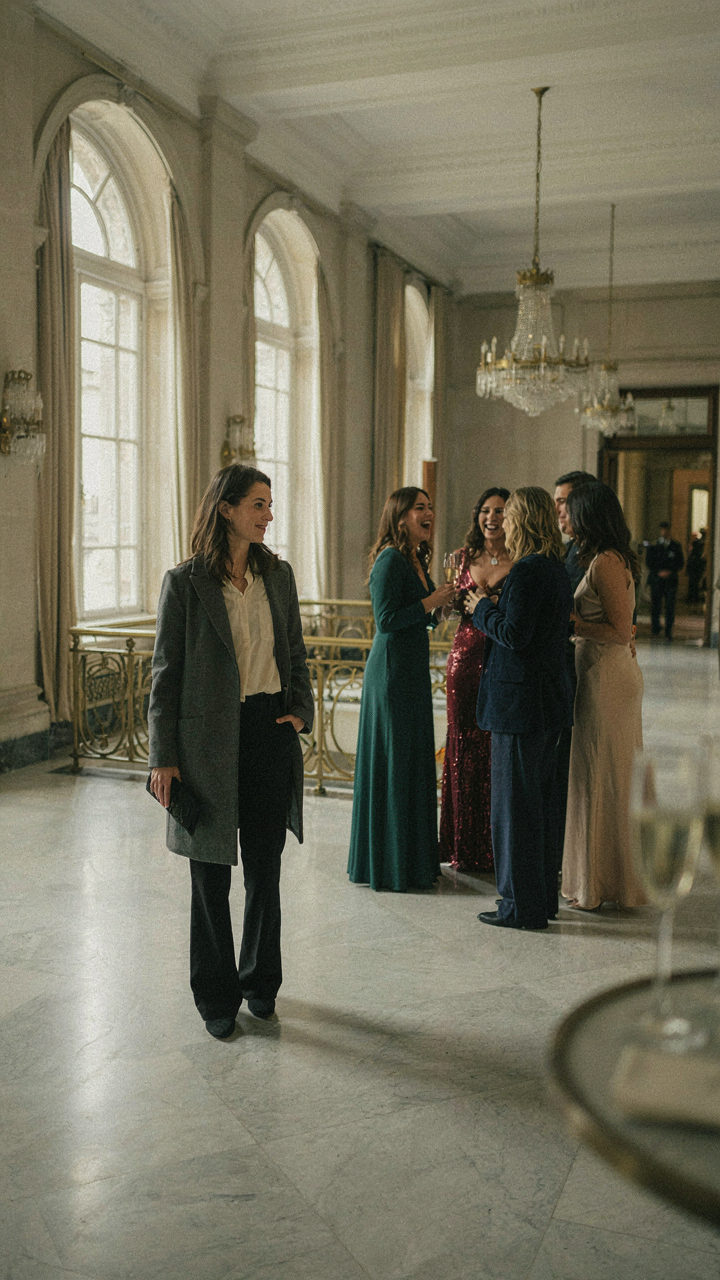
You’re reading this because you want to know if you’ll fit in, and you’re afraid of getting it wrong. That fear reveals the real mechanism: dress code operates as a feedback system. Borrow from cybernetics—your outfit sends a signal, the room responds, and you adjust. Theater etiquette isn’t about rules. It’s about reading the environment’s output and refining your input. Opening night generates formal feedback. Weeknights generate casual feedback. You either recognize the difference or you repeat the same mistake twice.

On opening night, venues expect formal dress because the social contract demands visual participation in the event’s status. Women wear cocktail dresses, evening wear, or tailored separates. Weeknights operate on observation alone. Watch what other women wear. Document the range. That range is your actual dress code, not what a website claims. The venue teaches you through what it tolerates. Your job is to listen to that signal and stay within the observed boundaries without overdressing or underdressing relative to the room’s actual norm.
Observation Then Calibration
Most advice tells you to “dress nicely” and call it done. That’s incomplete. Calibration requires two visits minimum or research beforehand. You gather data first, then adjust. On your first visit, wear something neutral and professional. Straight-leg dark pants, a tucked blouse, closed shoes. Nothing that broadcasts a statement. Observe women around you. Note fabric weight, sleeve length, shoe type, jewelry presence. Count how many wore jeans versus dresses versus structured separates.
The second visit, you deploy calibrated attire based on that data. If you saw zero jeans and mostly dresses, you wear a dress. If you saw mixed pants and dresses with no clear dominance, pants work. If necklines ran conservative across the board, you match that. Your comfort matters only after you’ve aligned with the room’s actual norm. Attire selection stops being guesswork the moment you stop assuming and start recording what the venue actually accepts and celebrates.
Theater Outfit Ideas Classy: Beyond The Basic Black Dress

Structure And Drape Do The Work
You want permission to stand out without looking like you’re trying too hard. That’s the real calculation here. The mechanism is borrowed from physics: tension and counterbalance. A well-cut jacket creates tension through structure. Drape creates counterbalance by softening that tension. This combination signals control. A structured blazer paired with a fluid silk camisole underneath tells the room you understand proportion. The jacket’s architecture frames your body. The drape beneath it prevents you from looking rigid or corporate.

Forget the advice that says “wear something comfortable.” Comfort is irrelevant. You need silhouettes that hold their shape through the entire performance. Heavy cotton, tailored wool, and quality silk blends do this. A sheath dress with a structured waistline works because the cut does the work, not fabric weight. Structured shoulders don’t have to mean broad or aggressive. A seam that sits properly on your collarbone creates definition without bulk. This is the protocol: choose pieces where seams land on your actual body landmarks, not approximations.
Color And Texture Make Statements Without Noise
Most people think texture means visible pattern or roughness. That’s incomplete thinking. Texture operates like economics: scarcity creates value. A matte fabric surrounded by shine reads as deliberate. A single silk element among wool reads as intention. Navy, charcoal, deep plum, and burgundy are the actual working colors for opening nights. These aren’t boring. They’re disciplined. They create a neutral background so your face and posture become the focal point, not your outfit competing for attention.
Layering materials tells a story about your thinking. A wool dress with a silk belt. A cotton blend jacket with a satin lining visible at the cuff. These micro-contrasts signal you’ve considered the details. The viewer’s eye moves across these transitions and registers sophistication. Avoid matte and shine at equal visual weight. One should dominate. Choose one texture to anchor the look, then add one complementary texture as accent. This prevents the outfit from becoming visually chaotic or amateur.
Dresses To Wear To The Opera: The “Signal To Noise” Ratio

What Actually Commands Attention
You want people looking at you, not through you, and that fear drives most opera dress decisions into the safe mediocrity zone. Here’s the mechanism: opera houses operate on contrast. A room full of black tie and jewel tones creates a visual baseline. Anything that disrupts that baseline gets attention, but only if the disruption reads as intentional. Most women solve this backward by adding more instead of editing ruthlessly. A floor-length gown in deep emerald or sapphire outperforms a lighter shade in the same silhouette because fabric depth creates dimension under theater lighting, and the human eye tracks saturation before it tracks volume. One focused visual statement beats ten competing elements every time.

The dress code women actually face at the opera isn’t about rules, it’s about optical hierarchy. Your silhouette matters more than your decoration. A well-cut column gown in a single bold color commands the room precisely because it doesn’t negotiate for attention. Avoid prints, busy textures, or mixed metallic accents unless you’re a designer who understands proportion. The opera house lighting system—typically warm spotlights from above and subtle front wash—flattens matte fabrics and ignites metallics and satin. Choose your fabric finish before you choose your color. Matte crepe in jewel tones reads regal. Shiny polyester in the same shade reads costume.
Shoes And Carryalls That Don’t Undermine The Look
Footwear solves a specific problem most women ignore: your feet are visible in orchestra seating and from behind. A scuffed pump or ill-fitting shoe breaks the signal even if your dress is flawless. Opera dressing demands that every element beneath the hemline earn its place through either elegance or invisibility. Black or nude heels in leather or satin—closed toe or strappy depending on the gown—remain the only functional choice because they don’t compete with your silhouette. Height matters less than proportion. A three-inch heel in proportion to your frame outperforms a four-inch spike that forces you to adjust your posture or gait.
Your bag should store exactly what you need for the performance: phone off, lipstick, ticket, ID, and one backup item. An evening clutch or small beaded bag in black, metallic, or a color that echoes your dress works. Avoid large structured bags or anything with hardware that reflects stage lighting directly into the audience’s peripheral vision. Leather crossbody bags belong at daytime theater, not the opera. The protocol is simple: carry only what you can hold in one hand, keep it close to your body during the performance, and never set it on a seat next to you where it reads as a barrier between you and your companion.
The Myth Of “Overdressed”: When And How To Break Rules
Confidence Beats Consensus
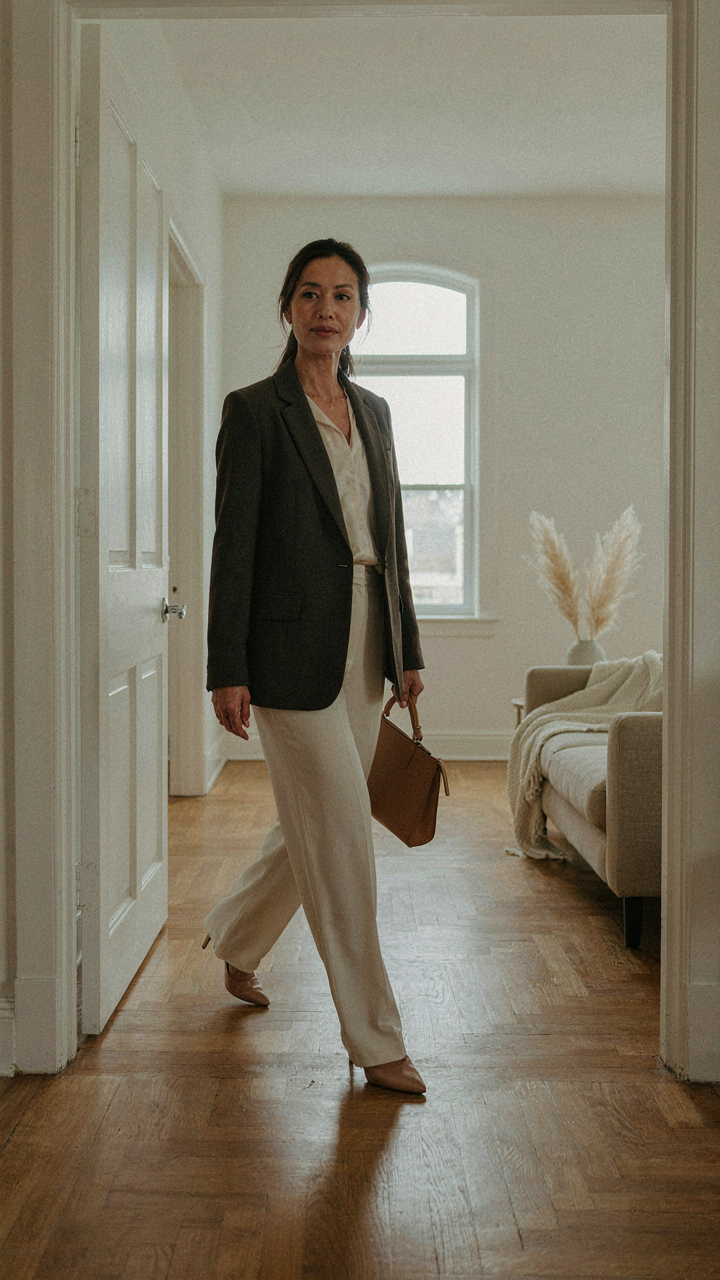
You’re reading this section because you’re afraid of standing out wrong, not right. That distinction matters. Confidence operates like signal strength in communications theory: the clearer your intent, the less noise your appearance generates. A woman in a tailored blazer and heels at a casual weeknight show isn’t overdressed if she owns the choice visibly. Uncertainty reads as a mistake. Intentionality reads as a statement.

The theaters that matter don’t penalize women for dressing formally. They penalize confusion. When you walk in looking like you debated your outfit in the parking lot, people clock that. When you walk in like you chose exactly this, they don’t question it. The mechanism isn’t about rules. It’s about communicating that you made a decision and it was yours.
Strategic Violation Over Accident
Breaking dress code works only when it’s deliberate, not when it’s ignorance masquerading as boldness. Most advice on this fails because it treats rule-breaking as permission to skip thinking. It isn’t. The real play is understanding what rule you’re breaking and why it lands instead of backfires.
- Opening Night Formal in Street Clothes: Wear structured pieces that signal formality without costume. A crisp white shirt, tailored trousers, and minimal jewelry read as intentional understatement, not underdressed.
- Weeknight Casualness in Evening Wear: A silk camisole with tailored dark trousers works because it borrows formality selectively. You’re not in a ball gown. You’re in refined pieces that work off-hours.
- Texture as Authority: Expensive fabrics (wool blends, silk, linen) communicate intentionality better than casual materials. A woman in quality casual pieces outranks a woman in cheap formal wear every time.
- Proportional Breaks: Pair one formal element with one relaxed element. Heels with jeans. Dress pants with a simple sweater. The contrast reads as choice, not confusion.
- Grooming as Enforcement: Polished hair, maintained nails, and fitted garments make any outfit read as deliberate. Grooming carries more weight than formality level in signaling intent.
Deviation only works when people can see you selected it. The moment you appear to have fallen into your outfit by accident, you’ve crossed from confident rule-breaking into social miscalibration. Execute your choice visibly through grooming, proportion, and material quality. That’s the protocol that separates intention from error.
Your Personal Brand: Aligning Attire With Identity
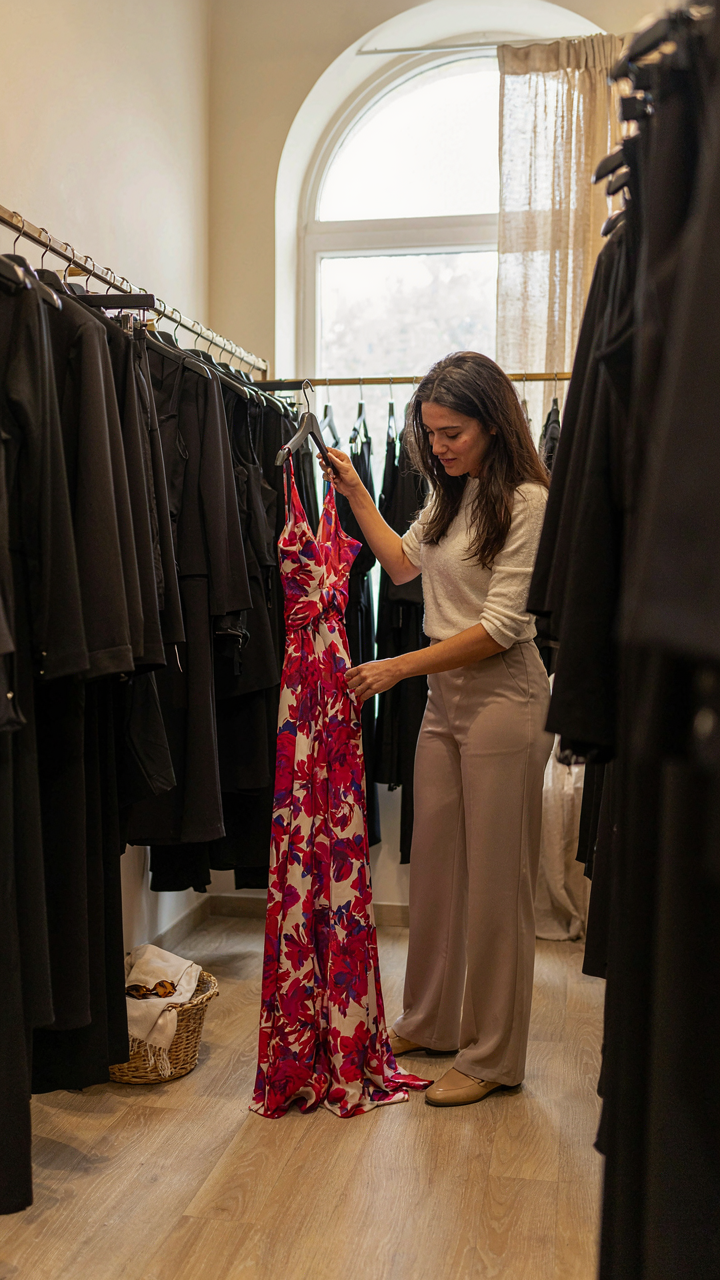
Stop Performing For The Room
You’re worried people will judge you if you don’t dress “right,” so you scan what others wear and copy it. That’s the real problem here. Theater dress codes exist as social anchors, not as rules that override who you actually are. The mechanism is simple: consensus creates permission, and permission tricks you into thinking conformity is safety. It never is. The moment you stop dressing for the invisible audience inside your head, your clothes become a communication tool instead of a liability. Women who show up intentional look fundamentally different than women who show up anxious.
Authenticity in theater dress code women means knowing your non-negotiables before you leave home. If you hate heels, wear flats. If you love color when everyone wears black, wear the color. This isn’t rebellion. It’s information design. Your outfit tells people how seriously you take the experience and how much you respect yourself. That signal reads louder than whether your hem hits the exact socially acceptable length.
Build Your Theater Uniform
A signature aesthetic in theater contexts means you’ve solved the equation once and replicate it strategically. Fashion designers call this capsule building. You identify three to four outfit formulas that work for your body, your comfort level, and your venue’s baseline expectations, then you rotate them. This removes decision fatigue and builds recognition. Women who attend theater regularly don’t reinvent their look every visit. They refine it.
Start by auditing what you already own that fits the venue tier you attend most. If you go to Broadway, identify one blazer and one elevated pant or dress. If you attend regional theater, that’s one polished sweater and one pair of dark jeans. Add one accessory rule: a watch, a structured bag, or statement jewelry. Then you have your foundation. Every theater trip becomes a remix, not a crisis. Consistency builds presence better than variety ever will.
The Real Obstacle Isn’t The Dress Code; It’s Your Insecurity About Expressing Presence
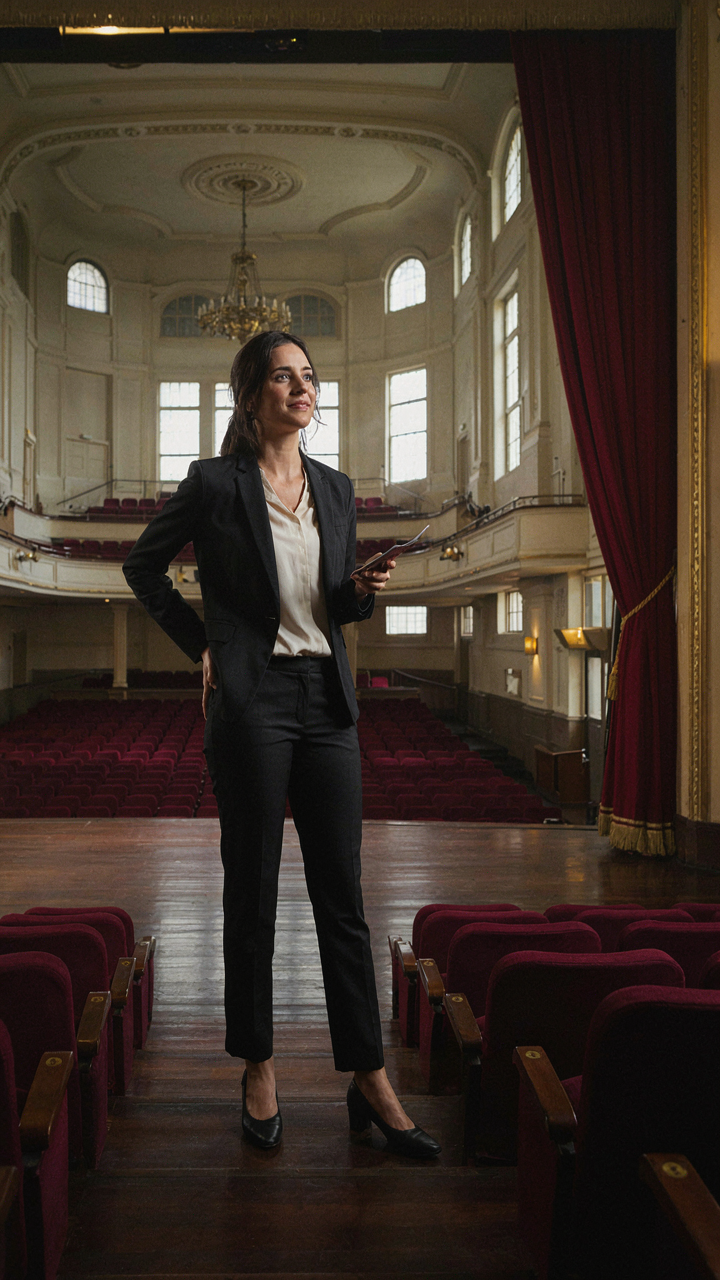
You don’t need permission to take up space. The dress code exists because theaters want you to feel special, not because rules matter more than you do. Pick one outfit this week that makes you feel like the main character, wear it somewhere that scares you a little, and notice what happens. You’ll realize the real power was never about what you wore. It was about deciding you deserved to be seen.