

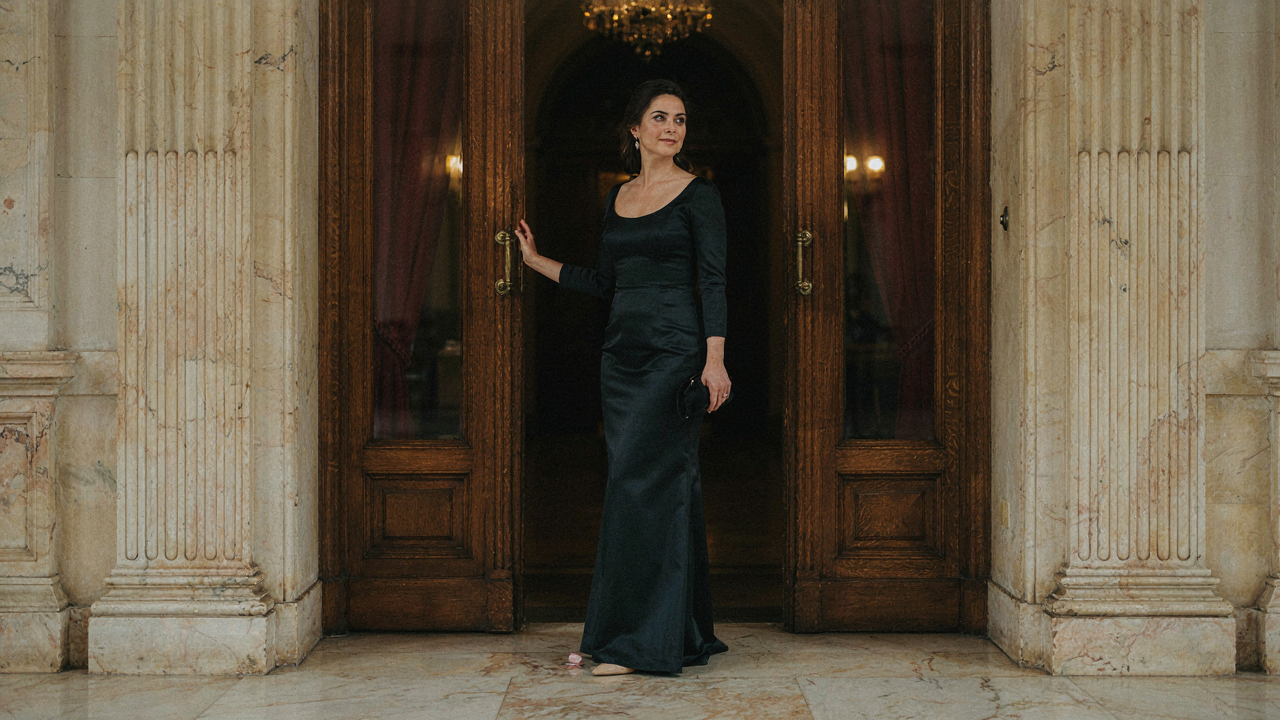
The Formal Dress Code Fallacy: It’s Not About Fitting In
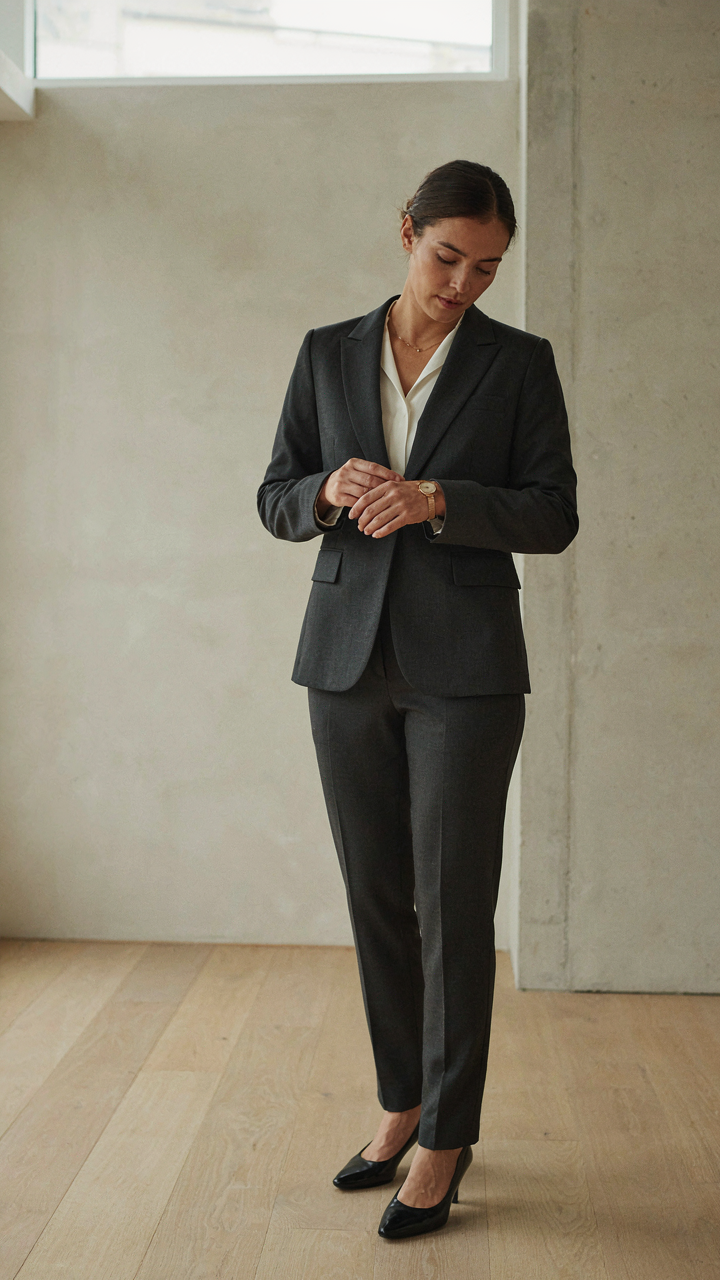
Deconstructing The Rule Book Myth
You’re looking for the rules because you want permission to stop thinking. Here’s the mechanism: formal dress codes don’t actually enforce conformity. They create permission structures. The “rule book” everyone references doesn’t exist as a fixed document. What exists instead is a signal framework that’s been evolving for decades without most people noticing. Women’s formal wear follows this same pattern as any communication system in economics: limited options create perceived scarcity, which people then overvalue. The dress code becomes the excuse, not the boundary.
The common advice is dead wrong. You don’t succeed at formal events by following rules tighter than anyone else. The actual rule is this: formal dress codes exist to filter out people who refuse to acknowledge context. That’s it. They’re not testing whether you own a specific fabric or heel height. They’re testing whether you understand that different spaces require different presentations. Women who win in formal settings don’t memorize guidelines. They reverse-engineer what the code communicates about the room itself, then adjust one variable strategically while staying compliant. The specificity you’re hunting for doesn’t matter. The awareness does.
Leveraging Ambiguity For Strategic Advantage
Ambiguity in formal dress codes isn’t a bug. It’s the actual mechanism that separates people who understand power from people who follow checklists. Think about information theory: the less explicit the instruction, the more the person executing it has to know about the system. A vague instruction like “formal attire” requires you to read the room, research the organization, understand the event’s actual purpose, and make a judgment call. Someone who does this demonstrates competence. Someone who just buys what’s labeled “formal” demonstrates nothing except credit card access.
You exploit this by gathering three data points before you get dressed: the venue’s history with similar events, the likely demographic’s typical choices, and what would signal you understand the event’s actual stakes rather than its surface-level formality. Then you make one intentional choice that deviates slightly from the baseline while staying inside the code. This could be the fabric weight, the shoe silhouette, the tailoring precision, or the accessory composition. Not the whole outfit. One variable. This tells the room you’re fluent in the language, not just memorizing vocabulary.
Decoding The Dark Arts: Black Tie & White Bow Tie Nuances
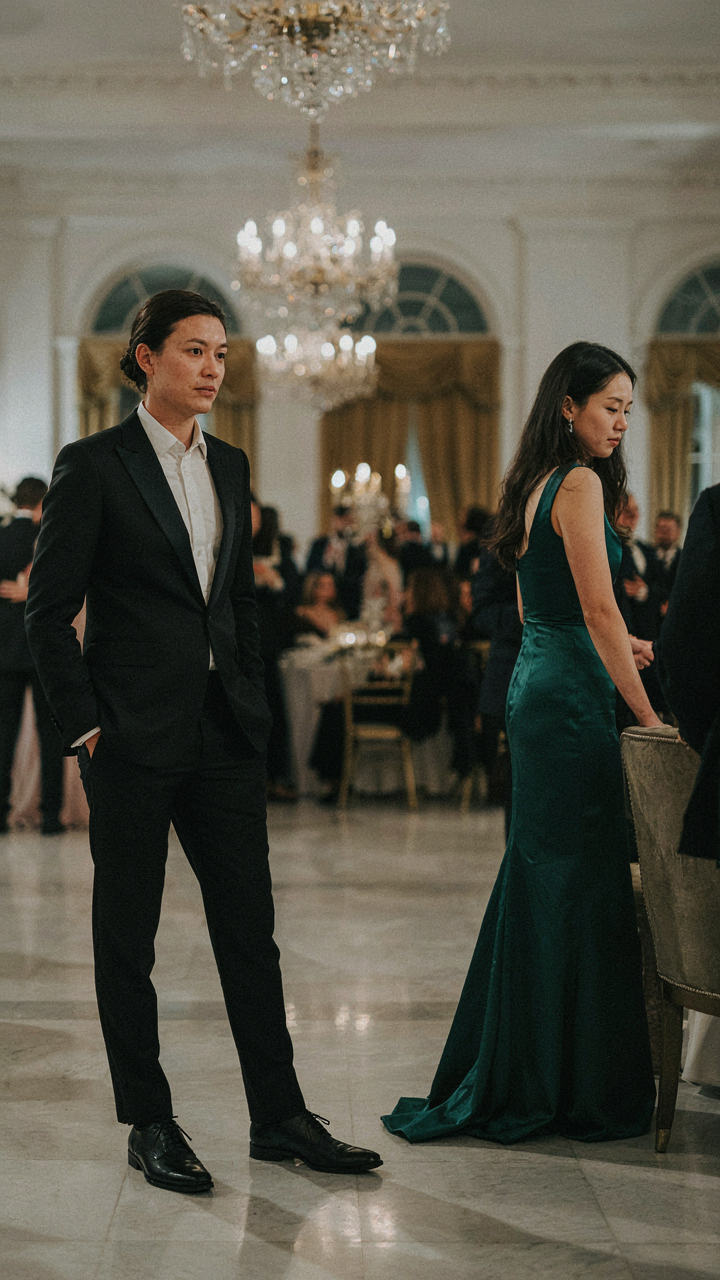
Black Tie Women Outfits: Power Versus Adherence
You care about this section because you’re afraid of being read as incompetent the moment you walk in. Black tie operates like a signal system in economics: scarcity creates value. Women’s black tie violates the rigid uniformity men face, which means the dress code itself becomes a status play where execution matters more than compliance.

The conventional advice says wear a floor-length gown and call it done. That’s incomplete. Black tie for women demands a choice between conforming to the inherited male template or signaling through deliberate deviation. A tuxedo-cut jacket with tailored trousers reads differently than a gown. A floor-length skirt with a structured blazer reads differently again. Each option sends a discrete message about how you view power at that specific event.
- Floor-length gown in black or jewel tones: The conservative play. Telegraphs respect for tradition and deference to the event’s formality. Works universally but carries zero novelty.
- Tailored tuxedo or jumpsuit: Reads as authority and refusal of gendered expectation. Higher execution risk but stronger positioning if fit is immaculate.
- Structured column dress with tailored jacket: Splits the difference between formality and modern professional dress. Allows more movement and reads less “costume.”
- High-waisted trousers with silk camisole and blazer: Borrows from 1970s formal wear. Requires flawless tailoring but signals intentional design knowledge over accident of following rules.
- Midi length with minimal jewelry and clean lines: Increasingly acceptable at contemporary black tie events. Signals confidence in subtlety over volume.
The real mechanism: black tie for women works backward from men’s version. A man cannot deviate without looking wrong. A woman must choose her deviation consciously because the template itself is unstable. Your outfit says whether you’re there to be seen or to be taken seriously, and that distinction matters more than the actual garment.
White Bow Tie: The Ultimate Signal
White bow tie isn’t a separate dress code. It’s a modifier that changes the entire event’s formality ceiling. This appears at state dinners, embassy events, and rare corporate functions where the organizer signals that standard black tie would be underdressed. The white bow tie moves you from evening formal into state-occasion territory.
For women, white bow tie typically means a floor-length gown in white, ivory, or pale neutral tones, often with matching white or ivory shoes. Some interpretations allow a dark gown paired with white bow tie as a jewelry piece or accessory detail, though this reads riskier. The safer play is white-to-pale throughout. When you see white bow tie on the invitation, the event isn’t testing your interpretation skills. It’s testing whether you understand hierarchy. Show up in a standard black tie gown and you’ve signaled you either didn’t read the invitation or misunderstood the room’s expectations.
Beyond “Black Tie Optional”: The Calculated Risk
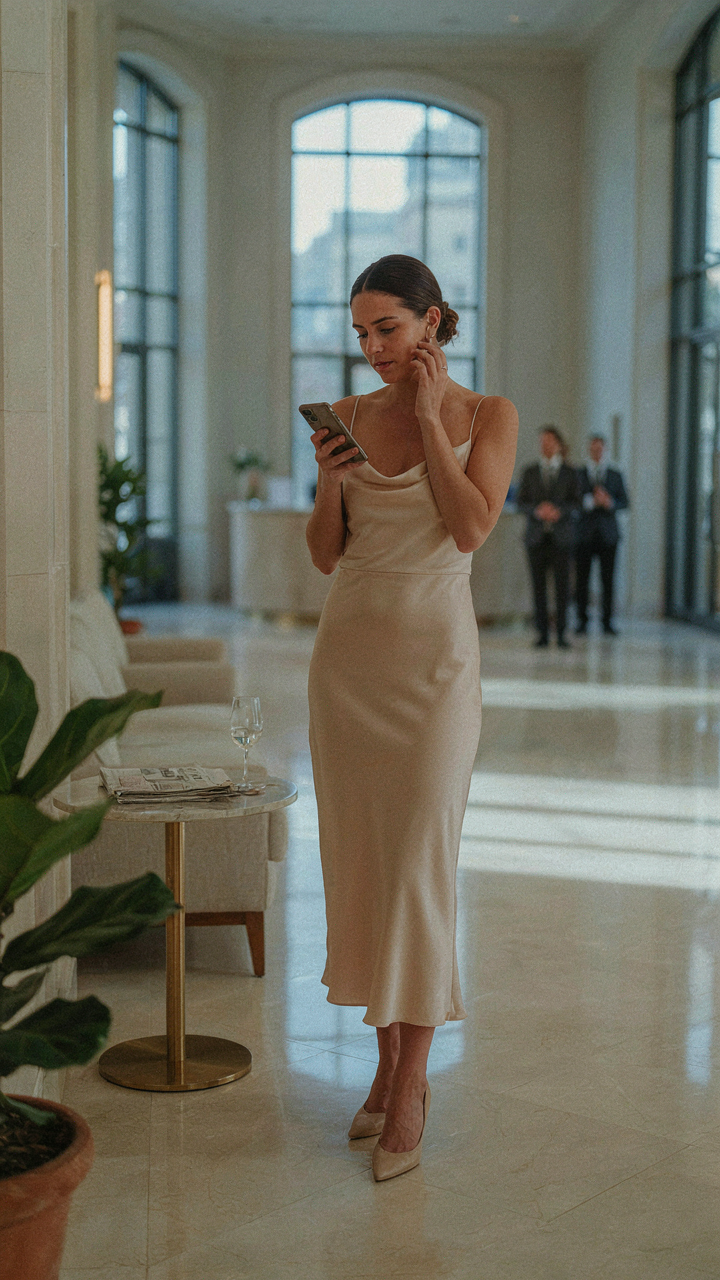
Read The Room Before You Dress It
You want to know the exact rule so you don’t look stupid. That’s the real question hiding under this one. Here’s the mechanism: formal attire codes function like signal detection systems. The host broadcasts a minimum threshold. You either meet it, exceed it, or fall short. Most women treat this as a binary choice when it’s actually a spectrum with measurable consequences. The code itself isn’t the goal. Alignment with the host’s intent is.

“Black tie optional” doesn’t mean you have a choice. It means the host chose ambiguity on purpose, which tells you something about the event’s actual formality level. When an invitation says optional, the host is giving cover to guests who can’t or won’t dress formally while still expecting a percentage to show up in evening wear. Read that as: the room will contain mixed dress levels. Your job is to determine which side of that mix matches the event’s gravity. A corporate gala with optional black tie runs different than a casual wedding with the same language.
The Distance Between Appropriate And Impressive
Overdressing and underdressing both send messages, but people only talk about one. Underdressing reads as disrespect or ignorance. Overdressing reads as insecurity or misunderstanding the room’s actual status. The tactical truth: you can’t recover from underdressing, but you can remove a jacket or swap jewelry if you overdressed. The asymmetry matters. If you’re uncertain and have ten minutes before arrival, go one formal step up. If you miscalculate in person, you have options. You won’t have them at home.
The real skill is knowing the event’s social weight versus its stated formality. A high-level industry panel might request business formal but demand something closer to cocktail attire based on attendance and venue. A nonprofit gala might request black tie but operate on cocktail norms because the crowd skews younger. Call ahead if you’re uncertain. Ask the host or organizer directly what people typically wear. This is information gathering, not weakness. Everyone who dresses well does this step.
The Sophisticated Cocktail Strategy: Understated Power
What Cocktail Attire Actually Signals
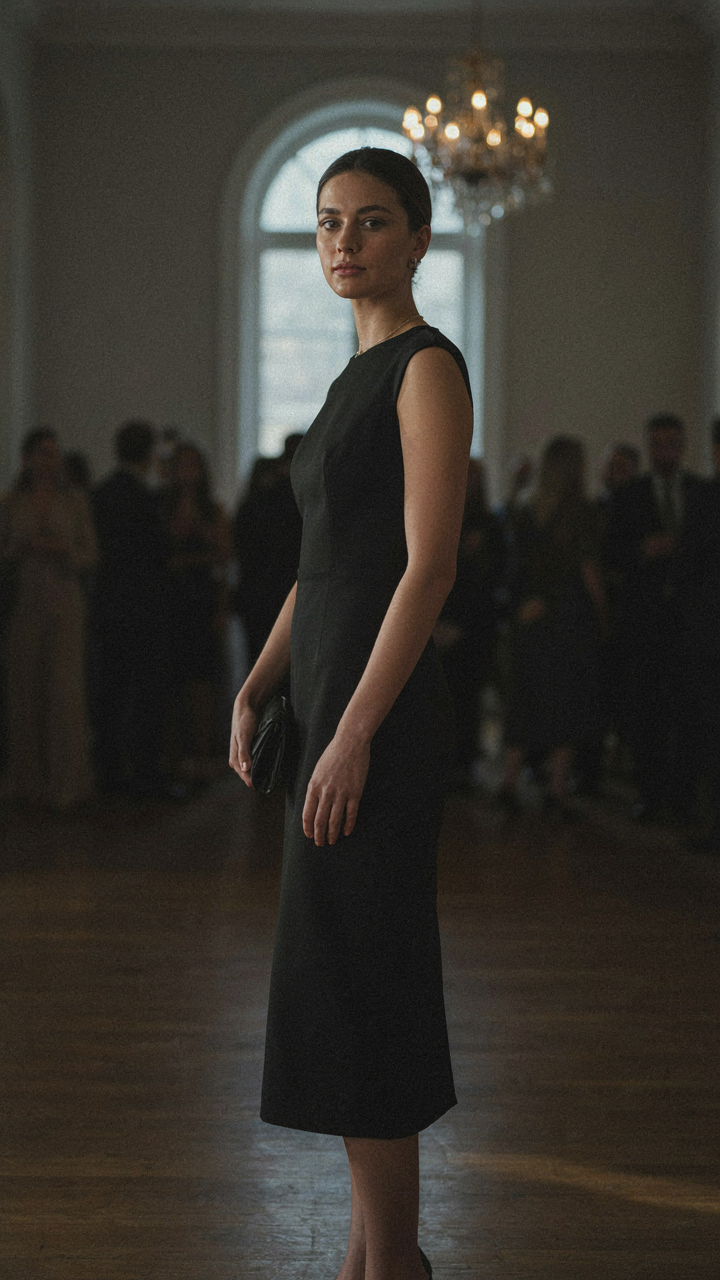
You care about this because you don’t want to look like you’re trying too hard, which means you’re afraid of being read as desperate or outside the room. Here’s the mechanism: cocktail attire is a economics problem, not a fashion one. Supply and demand. The dress code exists because venues need a visual currency that separates casual from formal without requiring the full investment of black tie. It’s the midpoint between accessibility and exclusion.

Cocktail attire emerged in the 1920s as a practical response to prohibition-era entertaining. Women wore shorter dresses, typically knee-length or slightly above, paired with structured jackets or elegant separates. The code persists because it solves a real problem: it communicates “I prepared” without demanding costume-level commitment. The event host uses it to filter who takes the occasion seriously. You use it to show you understand the rules of the room.
- Length and Silhouette: Knee-length or midi dresses in solid colors or subtle patterns. Avoid floor-length gowns, which signal black tie. The cut should have structure, not cling.
- Fabric and Finish: Quality matters more than flash. Silk, wool blends, crepe, or structured cotton convey investment. Matte fabrics read more intentional than shiny synthetics.
- Layering and Jackets: A tailored blazer, cardigan, or structured wrap elevates the entire look. This layer does the real work of signaling preparation and professionalism.
- Accessories as Restraint: One statement piece maximum. A quality watch, structured handbag, or simple jewelry. Restraint is what separates cocktail from costume party.
- Footwear Clarity: Closed-toe heels or flats in neutral tones. Open-toed sandals read too casual. Metallic or nude heels extend the leg line and maintain sophistication.
The mistake most women make is treating cocktail attire as permission to wear a party dress. It’s the opposite. You’re dressing to demonstrate you belong in a business or semi-formal context, not that you’re celebrating. The formula is simple: professional baseline plus one elevated element.
Why Party Dresses Fail In This Context
The common advice says “just wear something fun and dressy.” That’s incomplete because it ignores why the dress code exists in the first place. A party dress broadcasts that you see the event as entertainment, not as a space where competence and intention matter. The room reads it as a category error.
Party dresses typically rely on visual noise: sequins, bold patterns, exposed skin, or dramatic silhouettes. These work for actual parties because they announce celebration. Cocktail events demand restraint because they’re semi-transactional. You’re there to build relationships, make impressions, or simply be present as a representative of yourself or your organization. The dress should recede into the background so your presence becomes the statement. When your outfit demands attention, you’ve already lost the power dynamic. Wear something that lets people focus on you, not your clothes.
The Dress Code Guide Paradox: Why Less Is More
Minimalism As A Statement Of Control
You’re reading this because you’re afraid of looking wrong, and wrong means visible. That fear is rational. The mechanism at work here is signal compression: formal attire for women doesn’t reward addition, it rewards subtraction. Every piece you remove becomes a choice, not a default. A woman in formal wear owns her silhouette through what she doesn’t wear, not what she does.

The common advice says “add accessories” or “layer strategically.” Wrong. Formal attire operates on the principle of economy. Fewer pieces mean higher stakes for each one. A single statement necklace becomes weaponized. A bare collarbone becomes intentional. When you strip away the noise, every element reads as deliberate, which is the actual definition of control in a formal setting.
The Dark Suit As A Canvas
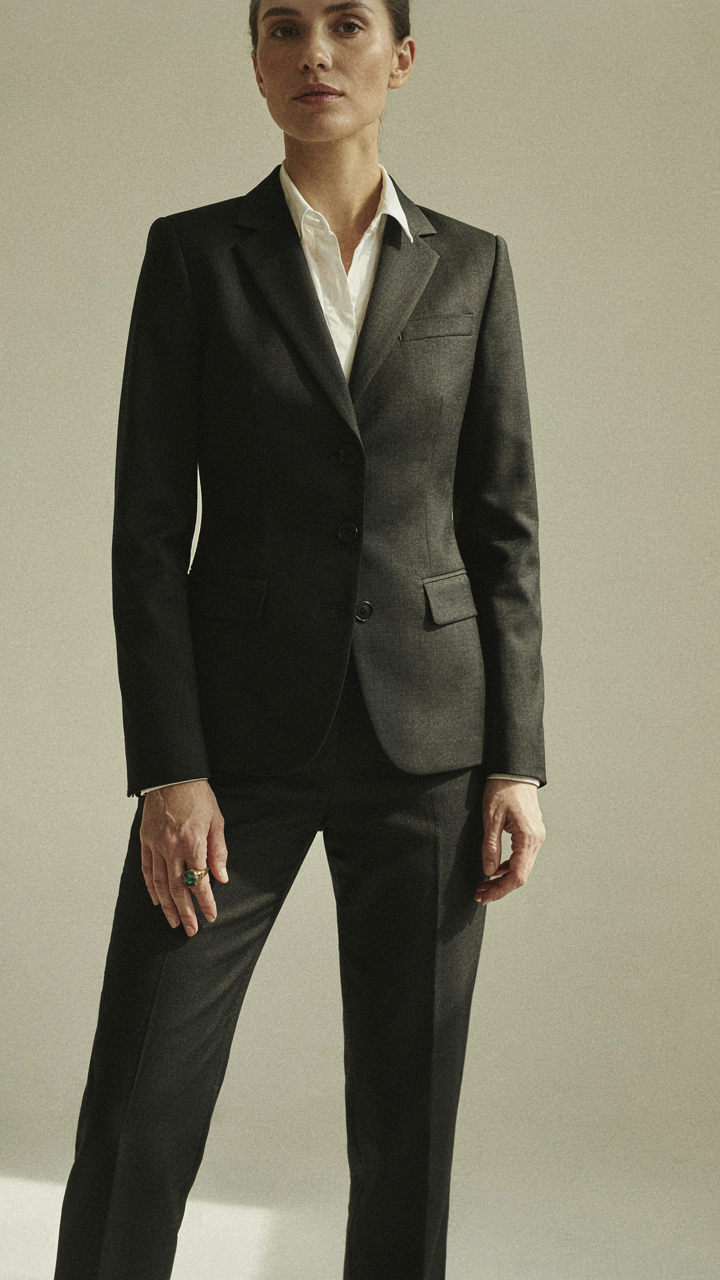
Design operates on constraint like architecture operates on load. A dark suit for women isn’t a container to fill, it’s a framework that forces precision. The suit itself does the structural work. Shoes, jewelry, and undergarments become your only variables, and that limitation is where power lives, not where it’s lost.
Most women treat a formal dark suit as a starting point requiring completion. Instead, treat it as finished. The suit’s cut, fabric weight, and shoulder structure already communicate authority. Your role is to eliminate friction, not create visual interest. Wear it with a single pair of heels, minimal jewelry, and nothing else competes for attention. The suit becomes you instead of you wearing a suit.
The Signal To Noise Ratio Protocol: Evolutionary Attire

Status Display Through Material Choice
You care about this section because you want proof that dressing formally actually matters, that it’s not theater. It is theater, but the mechanism is biological. Evolutionary biology calls this “costly signaling”—when an organism displays something expensive to produce, it proves fitness. Formal attire works the same way. You cannot fake the cost of silk, tailored construction, or real gold without resources. A woman in a floor-length gown made from quality fabric signals she can afford to wear something impractical for hours. That impracticality is the point. It proves access.

The materials themselves carry weight that casual clothing cannot. A hand-finished seam costs more than a machine stitch. Natural fibers require maintenance. Structured fabrics hold shape only when constructed properly. These aren’t aesthetic choices—they’re resource declarations. When a woman enters formal space in a piece that required skilled labor, time, and material investment, she broadcasts economic reality before she speaks. The signal travels faster than conversation. Other attendees calculate her value based on visible evidence of expense, and that calculation happens in the reptilian brain before any conscious thought forms.
Dominance Through Precision And Restraint
The common advice says wear bold colors or statement pieces. Wrong. Formal attire works through restraint, not volume. Primal signaling research shows that dominance displays work through control—the ability to follow rules others cannot maintain. A woman in perfectly tailored black demonstrates more authority than a woman in eye-catching color because tailoring requires body knowledge, fit adjustment, and ongoing maintenance. She controls every variable. Her outfit contains no accidents.
Precision reads as power because it demands discipline. A wrinkle in formal fabric is visible. A hair out of place stands out. Makeup applied with geometric accuracy signals focus. These details matter not because they’re beautiful but because they prove the wearer spent time calibrating herself. Dominance in formal space isn’t about standing out—it’s about standing still while everything else moves. The protocol: select pieces that fit your body exactly, maintain zero visible wear, and execute grooming to the point of invisibility. When your attire demands zero explanation or adjustment, you’ve won the room before greeting anyone.
The Event Horizon Principle: Context As King
Reading The Room Before You Enter
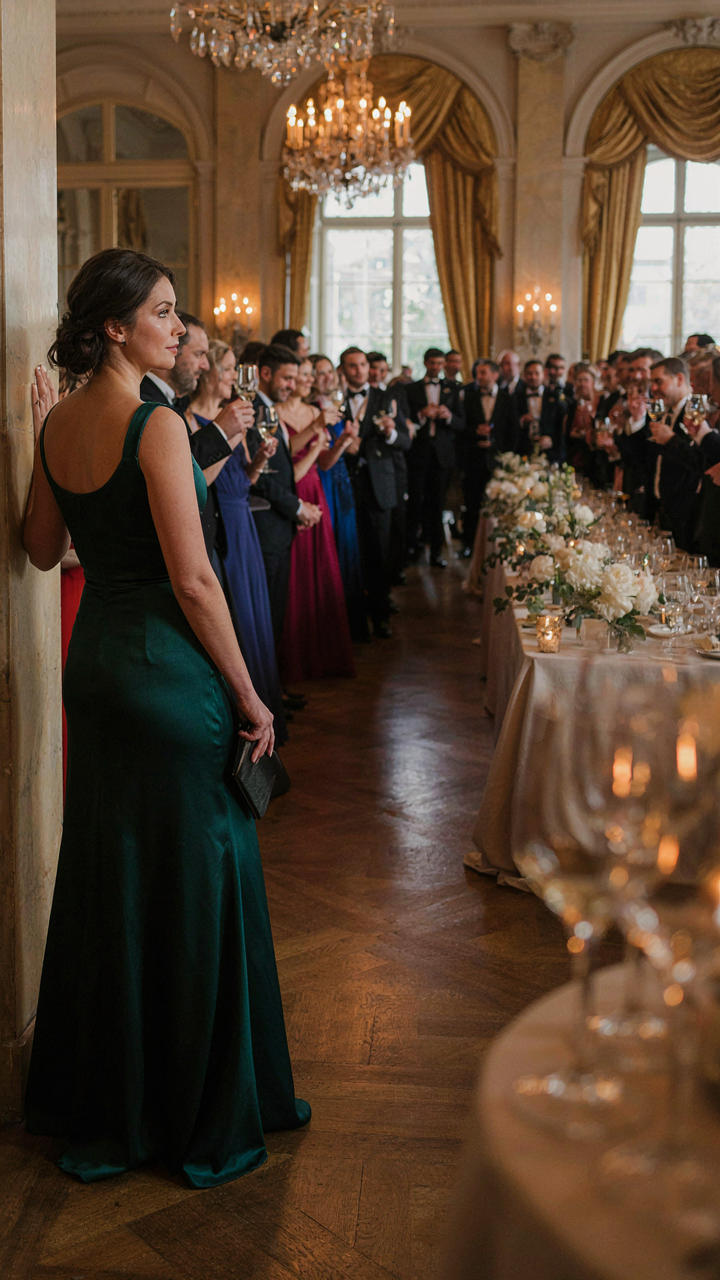
You’re hoping formal attire is a fixed code you can crack, so you never have to think about it again. It isn’t. Formal attire operates like a physics principle: the same object behaves differently depending on its environment. A sequined gown works at a gala but signals tone-deafness at a funeral. The mechanism is simple: formal dress codes exist to communicate alignment with the host’s intent, not to display wealth or taste. Your job is to decode what the host actually wants the room to feel like before you get dressed.

Most women check a dress code line and stop there. That’s incomplete. You need three data points: the event type, the host’s formality threshold, and who else will be there. A black-tie corporate event and a black-tie wedding operate by different rules. Corporate formal prioritizes professional respect and restraint. Wedding formal allows more personality and color. The distinction matters because wearing the wrong energy wastes everyone’s time, including yours.
The Venue, Host, And Guest Alignment
Formal attire means whatever the venue, host, and majority guest profile agree it means. A country club black-tie event expects different silhouettes and fabrics than a museum gala. Country clubs trend conservative, structured tailoring. Museums often host events where creative expression is part of the draw. The host’s background matters too: a tech executive hosting a formal dinner will tolerate more edge than a finance director at a hotel ballroom event.
The real move is calling someone if you’re uncertain. Not asking “what should I wear?” but asking “what will you be wearing?” or “who else is coming?” Get specifics about venue formality. Is it a historic mansion or a modern loft? Are most guests 25 or 55? Does the host emphasize elegance or innovation? These details collapse the ambiguity. Then you select pieces that fit both the formal requirement and the specific social context. That alignment is what separates looking appropriate from looking like you understand the moment.
Formal Attire Beyond Fabric: The Unseen Elements
Confidence: The Ultimate Accessory
You’re reading this because you’re afraid the dress alone won’t be enough, that you’ll walk in and get read wrong. Here’s what actually matters: confidence is the nervous system of formal attire. Without it, even perfect tailoring broadcasts anxiety. Psychology calls this the “halo effect”—one strong trait colors perception of everything else. In formal contexts, a woman who moves deliberately and holds her ground commands attention regardless of whether her hem hits exactly at the knee. The dress is permission. Confidence is power.

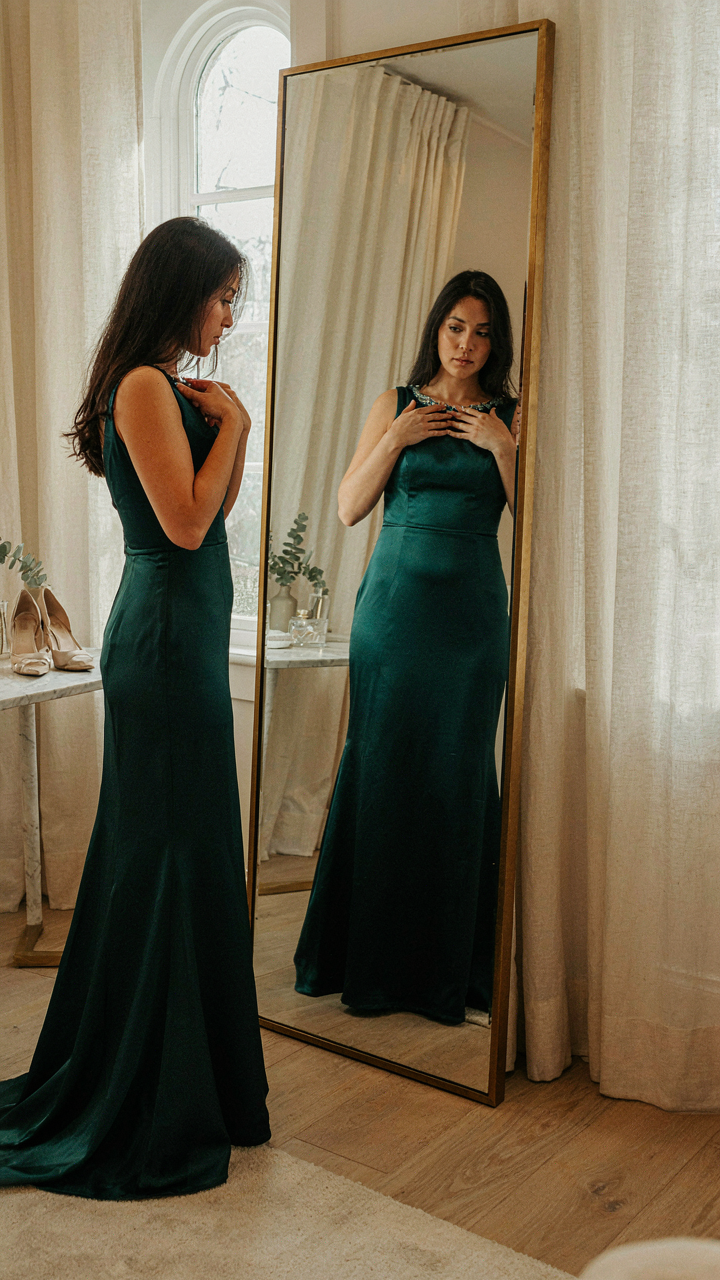
This isn’t about faking it. Real confidence in formal settings comes from knowing your clothing works because you’ve verified it beforehand. Try the outfit on. Walk in it. Sit in it. Do the movements you’ll actually do at the event. If something pulls, rides up, or makes you self-conscious, your body will telegraph that discomfort to every person in the room. They won’t know why they don’t trust you, but they’ll feel it. Remove the friction between your body and your clothes, and you remove the distraction. That’s when presence takes over.
Poise And Posture As Power Signals
Posture functions as a status indicator in formal dress codes. Military and law enforcement understand this: they engineer spine position into uniform protocol because vertical alignment reads as control and authority. Women in formal attire make the same statement through neck alignment, shoulder placement, and where weight sits in the hips. A collapsed spine or forward head position undermines even flawless tailoring. It signals deference. Formal events reward the opposite signal—that you belong there and expect to be taken seriously.
The specific mechanics matter. Shoulders back and down, not pinched. Chin parallel to ground. Weight distributed evenly across both feet when standing, or weight forward on one leg if standing idle for long periods—never both knees locked. This isn’t vanity posturing. These positions reduce fatigue, increase oxygen flow, and make your voice project with more authority when you speak. Women who maintain this alignment throughout an event report feeling less drained afterward. The body supports the mind, not the other way around. Protocol: check your posture in a mirror before entering the venue.
The True Sartorial Sin Isn’t Breaking A Rule, But Speaking In Whispers When You Should Be Commanding Attention
Wear What Signals Respect For The Room
You care about this because you’re afraid of being read as low-status or clueless. Here’s the mechanism: formal attire operates like naval rank insignia. The uniform communicates your acknowledgment of hierarchy and your willingness to follow protocol. This isn’t about conformity for its own sake. It’s about demonstrating you understand the room’s power structure and chose to show up appropriately.

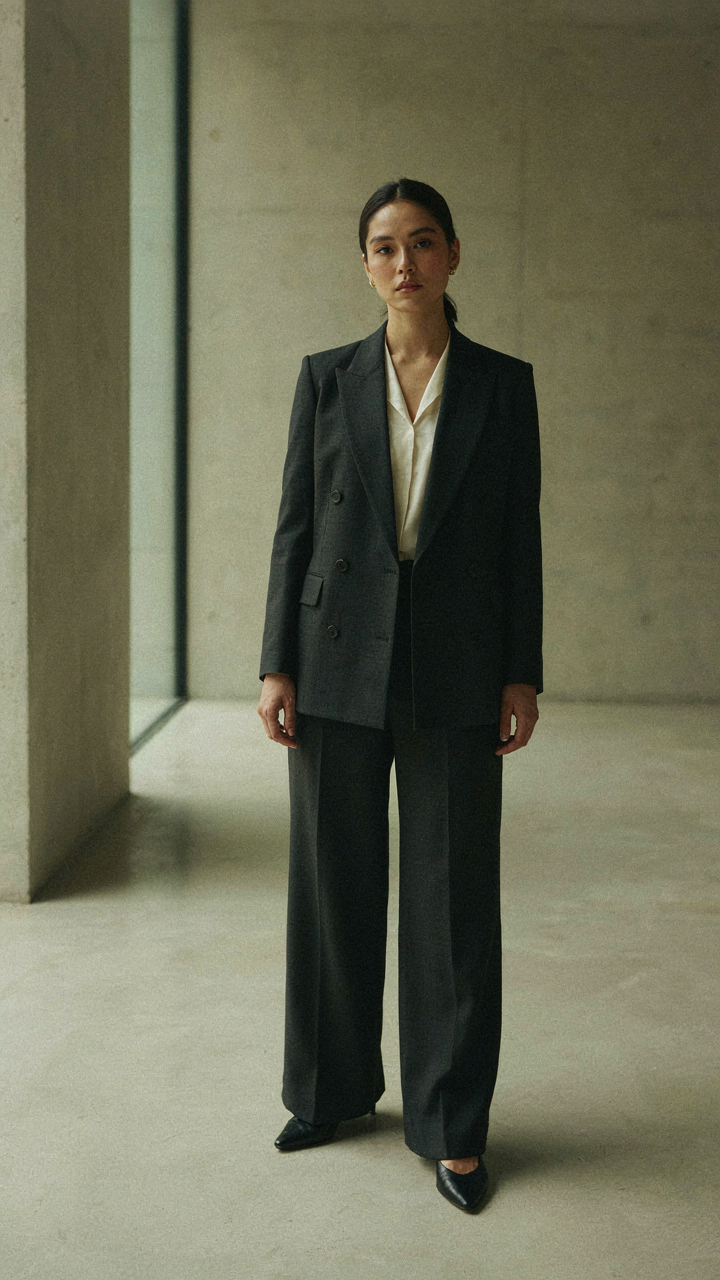
Formal wear for women means a floor-length gown, tailored suit with trousers or a skirt, or a midi dress with structured tailoring. Black tie demands a gown. White tie demands a gown with formal jewelry and minimal color variance. Black-tie optional and cocktail allow for shorter hemlines and lighter fabrics. The rule isn’t arbitrary. It exists because institutions use dress codes to filter signal from noise.
Command Through Clarity, Not Compliance
Abandon the myth that formal means invisible or safe. Formal attire actually demands you occupy more space, not less. The constraint of formality forces intentionality. You can’t hide behind patterns or casual layering. Every piece must earn its place through fit, color choice, and proportion. A woman in formal wear either looks in command or she looks like she’s wearing a costume.
Wear structured pieces that hold their shape. Choose colors with contrast to your skin tone, not ones that blend. Get tailoring done before the event, not after. Stand in your clothes for thirty minutes to ensure you can breathe, move your arms freely, and sit without tugging. The lasting impression comes from someone who clearly prepared and moved through the room without self-consciousness.
The True Sartorial Sin Isn’t Breaking A Rule, But Speaking In Whispers When You Should Be Commanding Attention
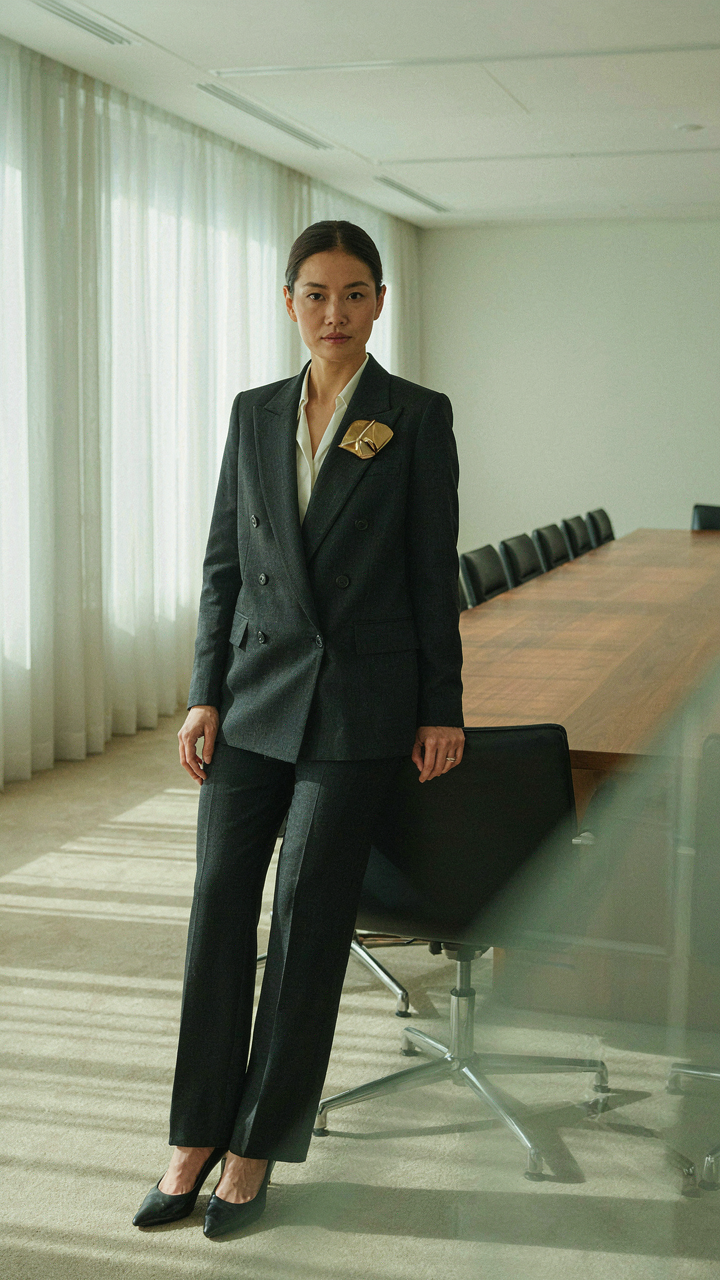
Formal attire means you’ve chosen to play a specific game with specific rules. But the real move isn’t memorizing those rules. It’s wearing them like armor, not chains. Most women dilute their presence by shrinking into “appropriate.” You don’t need perfect adherence. You need intention. Pick one element that makes you feel dangerous, then own it completely. Tonight, stop asking if your dress is formal enough. Ask yourself if you’re formal enough for the room.