


The Signaling Paradox: Why Most “Formal” Attire Fails

What “Business Formal” Actually Means
You care about this because you want to walk into a room and have people take you seriously without having to prove it twice. The real mechanism at work here is signaling theory from economics. In formal contexts, your outfit functions as a price signal. It tells people what you’re willing to invest in credibility before you open your mouth. Most women default to what they think “formal” means instead of what it actually communicates in their specific context.
Business formal in North America typically means a tailored suit jacket with trousers or a skirt, or a structured dress. The confusion starts here. Women receive guidance that splits into two camps: corporate-masculine (copy menswear) or corporate-feminine (add softness). Neither works because they miss what formal actually signals. Formality isn’t about following a rule. It’s about showing you understand the stakes of the room and dressed to match those stakes, not to blend or perform.
The Generic Professional Costume Problem
Formal attire fails most women because it becomes a uniform instead of a tool. When you wear what everyone else wears, you’ve eliminated your only advantage: differentiation within constraint. The real signal you’re sending isn’t “I’m professional.” It’s “I don’t know what I’m doing well enough to take a real position.” Consensus fashion choices telegraph anxiety, not authority.
The mechanism is social proof gone wrong. You copy what other women in your industry wear, assuming that replicates their authority. Instead, you replicate their invisibility. A well-fitted blazer signals competence. An identical blazer to seven other women in the room signals you defaulted to safety. The protocol is simple: choose one element that fits only you and is intentional. Not trendy, not risky, not “your personality.” Intentional.
Beyond The Black Suit: The Power Play Of Strategic Color
Color As Dominance Signal
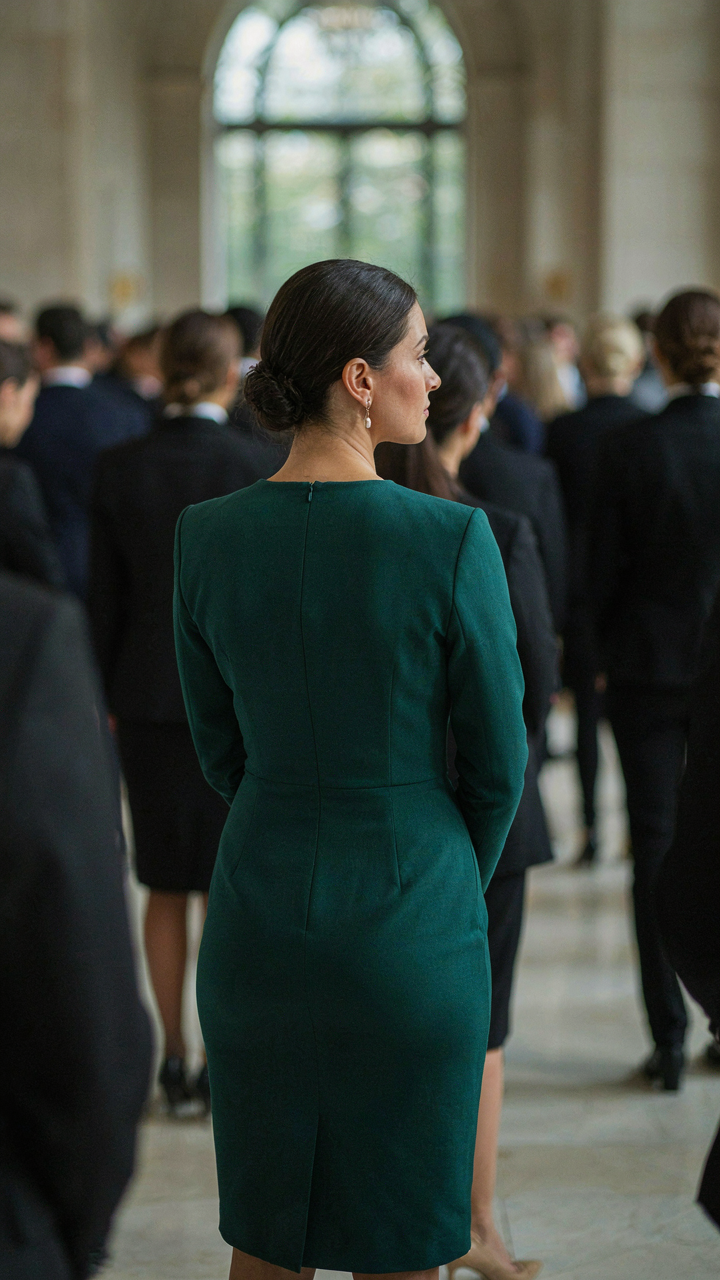
You want to know if wearing color instead of black makes you less serious. That’s the real question underneath this. The mechanism is simple: color communicates intent and control in rooms where most women default to neutrality. In game theory terms, you’re signaling asymmetric information—you know something about the room’s power structure that justifies breaking its unwritten rules. Black says compliance. Color says you decided.

Navy, charcoal, and black dominate business formal because they read as “safe.” Women adopt them for the same reason anyone adopts consensus—to avoid friction. But friction avoidance is also visibility avoidance. Strategic color in high-stakes dinners and events works because it forces the room to process you as a deliberate choice, not a default. You’re not safer in black. You’re just forgettable in a predictable way.
Calculated Breaks From The Neutral Baseline
The common advice is “add a pop of color with accessories.” That’s incomplete. Accessories are decoration. What actually moves the needle is color placement that commands visual hierarchy without reading as experimental. Deep jewel tones—emerald, sapphire, burgundy—in structured fabrics work because they anchor authority while departing from the monochromatic monotony that signals deference.
A burgundy or forest green tailored dress or blazer functions as a power move because it’s still formal, still controlled, but refuses invisibility. The mechanism is contrast: your eye movement and retention improve when one element breaks pattern. In rooms where 70 percent of attendees wear black or navy, the woman in structured emerald gets processed as intentional. Wear color in a cut that fits your frame precisely. The fit matters more than the hue.
The Gravitas Protocol: Commanding Presence Through Fabric And Fit
Fabric Quality As Signal
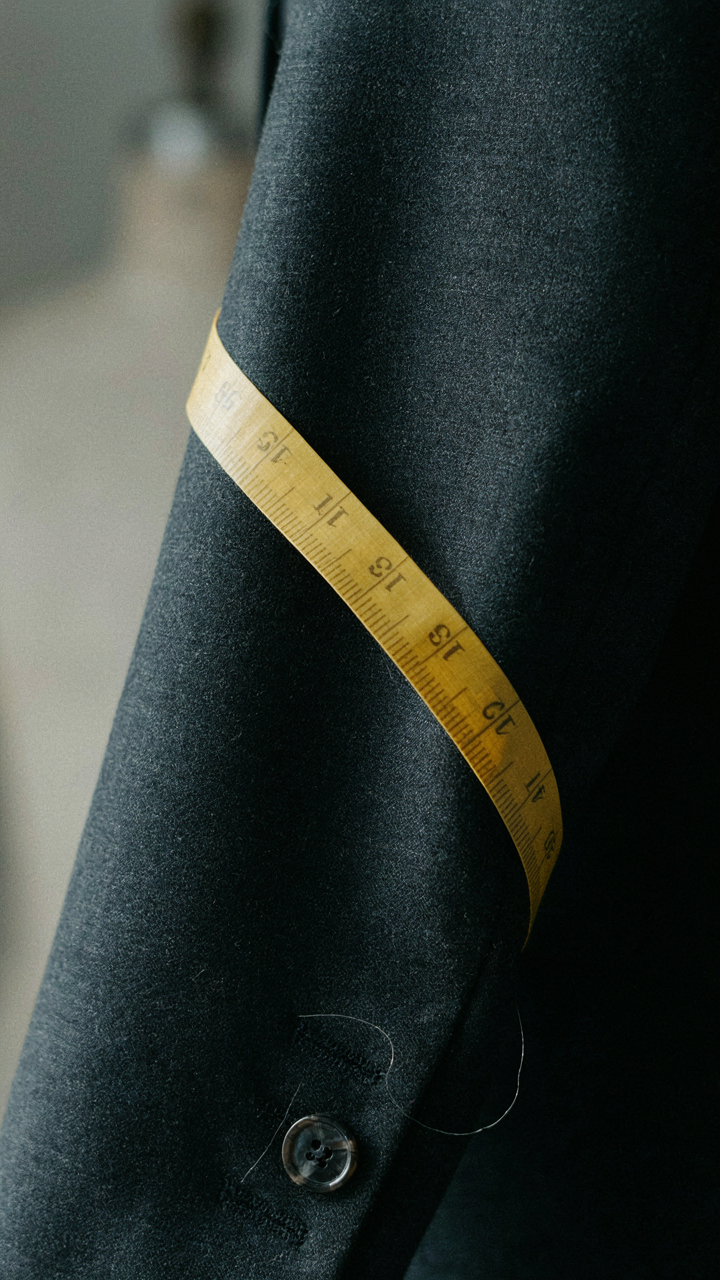
You want people to believe you belong in the room before you speak. That’s the mechanism here: fabric quality operates like currency in the economics of first impression. Natural fibers—wool, silk, linen, cotton—hold structure and drape differently than synthetics. They don’t pill, they don’t cling when you move, and they age visibly well. A woman in a wool blend blazer reads as someone who invests in permanence, not trends. The material itself does the signaling work.

Polyester blends and low-thread-count fabrics telegraph cost-cutting to anyone trained to look. Business formal for women demands 100% wool or wool-blend suiting for jackets and trousers. Silk or silk-blend blouses maintain their shape through multiple wearings and cleaning cycles. This isn’t about luxury—it’s about reliability. Cheap fabric creates friction, creates wrinkles, creates doubt. Your body temperature, movement, and the hours you spend in the garment all interact with fiber choice. Pick materials that work with your body, not against it.
Tailoring Removes The Guesswork
The common advice that tailoring is optional is wrong. Off-the-rack business formal attire for women fits nobody correctly because bodies vary. Tailoring is the difference between looking competent and looking like you raided someone else’s closet. The mechanism is simple: fit determines whether fabric hangs or clings, whether seams align with your shoulders, whether hemlines sit at the correct proportion to your frame.
Invest in tailoring at the point of purchase. Shoulder seams should hit the edge of your shoulder joint, not slope down your arm. Blazer length stops at your hip bone or just below. Trousers break lightly on your shoe at the back and hit your instep at the front. Waistbands sit at your actual waist, not your hips. Get three pieces tailored—one blazer, one pair of trousers, one backup—before you attend a formal dinner. You’ll have a visual standard for every other piece you add to rotation.
The Asymmetry Of Information: Accessories As Your Secret Weapon

What Signaling Actually Costs
You want accessories to do the work for you because you’re tired of proving yourself. Economics calls this signaling theory: a costly gesture that reveals information others can’t fake. In business formal settings, accessories function as your signal—they communicate status, taste, and discernment because they cost real money or real knowledge to select correctly.

The mechanism works because accessories are optional. A suit is required. Accessories reveal choice. When a woman wears a structured leather belt with precise buckle detailing or a watch with a metal bracelet that fits without gaps, she’s not trying hard—she’s demonstrating that she knows the difference between adequate and intentional. The observer processes this instantly as competence.
Strategic Selection Over Volume
The common advice is to add “meaningful pieces” or “statement jewelry.” That’s backwards. Meaningful pieces are noise if they scream instead of speak. Strategic selection means one excellent watch beats five mediocre ones. One leather portfolio beats a collection of bags. One pair of earrings that fits your face structure beats ten pairs that simply sparkle.
The actual mechanism: restraint signals control. Control signals authority. A woman who wears too much jewelry at a formal dinner looks like she’s compensating for doubt. A woman who wears one expensive piece and lets her clothing do the talking looks like she already knows her value. The accessory confirms what the suit promised. Choose pieces that fit without adjustment, maintain their finish under professional lighting, and can be worn for six years without looking dated.
The Effort To Impact Ratio: When To Break The Rules (And How)
When The Dress Code Actually Matters
You want permission to stand out without getting flagged as unprofessional. The mechanism is simple: business formal attire women operates like a contract. You follow the baseline to prove you understand the stakes, then you negotiate from a position of established credibility. Breaking rules without that foundation reads as ignorance, not intention.

The distinction matters because most formal dinner events operate on implicit hierarchies. Attendees scan for who knows the code. If you signal mastery of the standard first, one calculated deviation becomes a statement instead of a mistake. Start conservative, establish competence, then adjust. The room grants you permission through what you already proved.
Where Personality Becomes Strategic
Common advice tells you to “be yourself” in formal settings. That’s incomplete. What actually works is matching your deviation to the specific signal you want to send in that room, then ensuring nothing contradicts it. A bold shoe choice reads different depending on whether your hair is controlled, your makeup is minimal, and your silhouette is crisp.
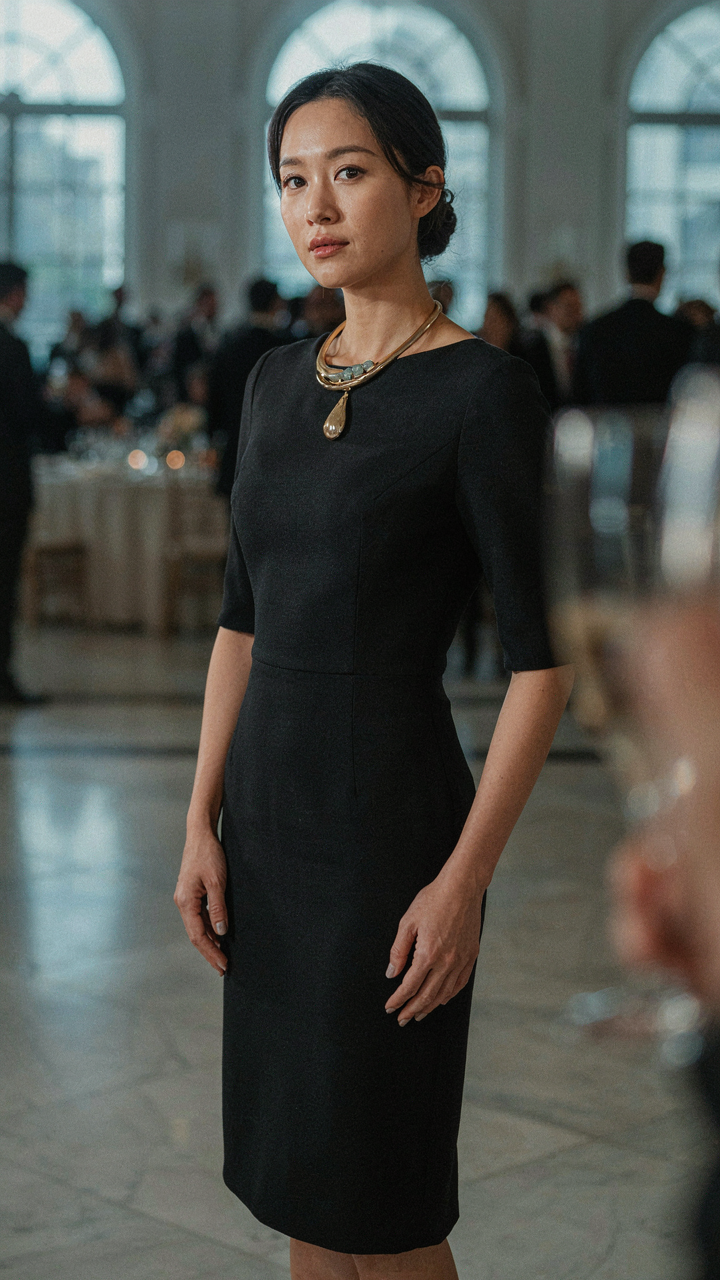
The leverage point is consistency of intent. One unexpected element works because everything else communicates discipline. If you wear a statement necklace but your blazer is oversized and your hemline wavers, you read as confused. If that same necklace sits against a tailored sheath dress in a solid color with structured footwear, it reads as calculated. Build the frame first, then insert the accent.
The 3 Tier Influence Matrix For Evening Events
The Non Negotiable Baseline
You want to look like you belong in rooms with decision makers without thinking about your clothes. Here’s what most miss: business formal attire women functions like a permission structure. Like supply and demand in economics, you control the perceived value of your presence by controlling how much cognitive friction your outfit creates for observers. The baseline tier removes friction entirely.

A tailored blazer in black, navy, or charcoal is non negotiable. The fit matters more than the fabric. Shoulders should sit at your actual shoulder point, not drooping or climbing past it. Pair this with a pencil skirt or flat front trousers in a matching neutral. The goal is invisibility in the right sense: nobody questions whether you’re credible because your silhouette confirms it before you speak.
The Distinction Play
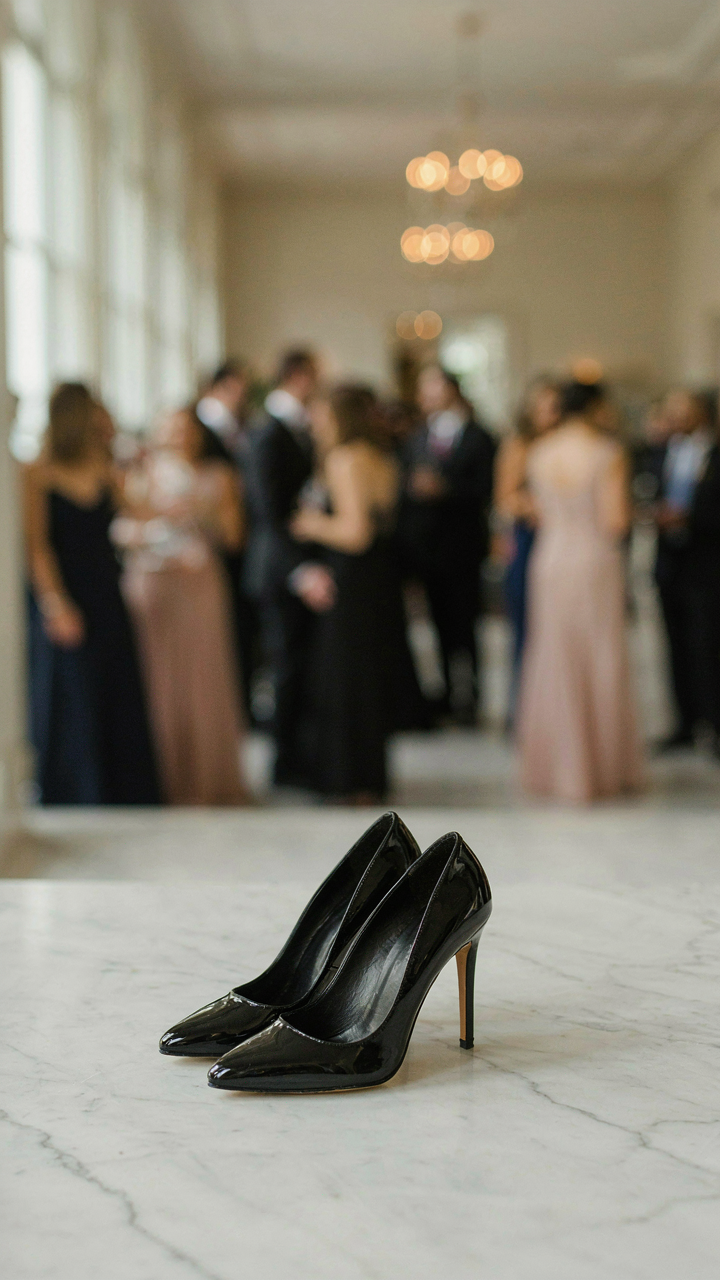
This tier separates competent from commanding. The common advice says add jewelry or change your shoes. Wrong frame. You’re introducing controlled contrast, not decoration. A white or cream silk blouse under your blazer creates tonal depth that reads as intentionality. Swap the flat shoes for a structured heel, two to three inches, in black leather or a complementary neutral. The heel changes your posture mechanically, which changes how your voice projects and where people’s eyes track when you move through a room.
A structured handbag in leather signals resource management. A belt at the waist creates definition and proportion if your frame requires it. These elements don’t scream expensive. They signal that you made deliberate choices about your presentation. That deliberation transfers socially to how people perceive your decision making in actual conversations.
The Untapped Power Of The Blazer: Not Just A Cover Up
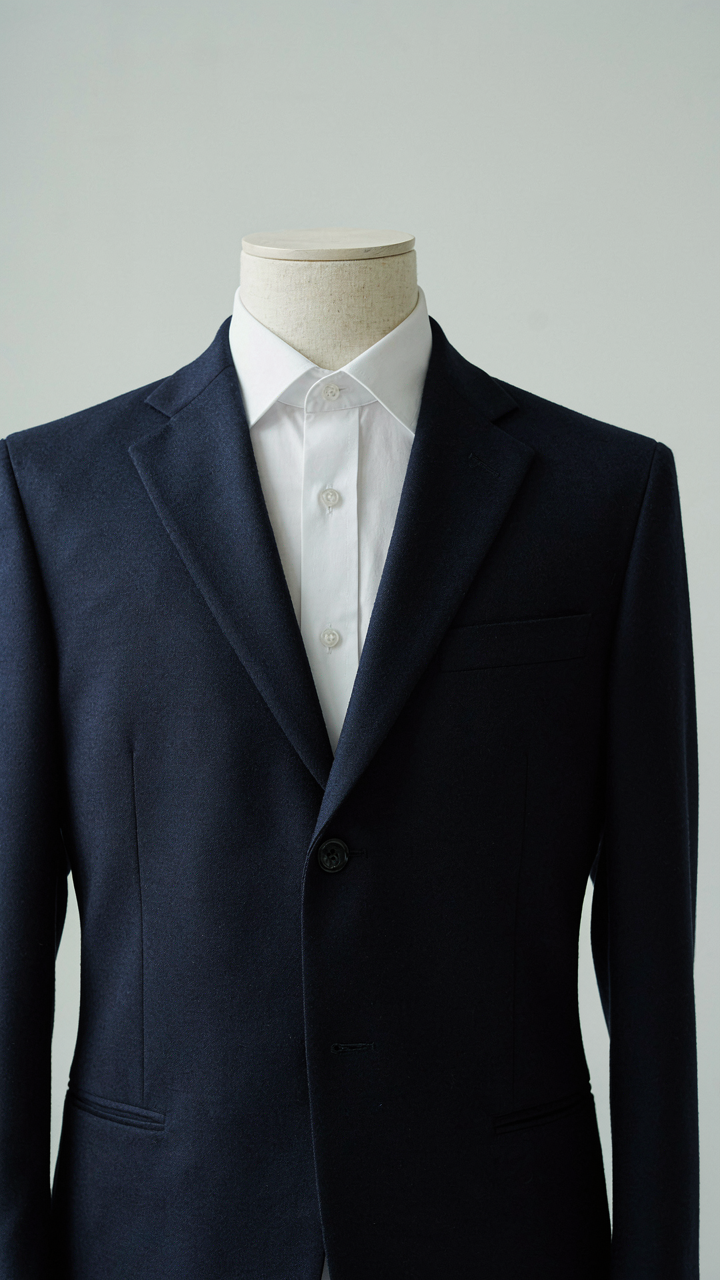
Structure Over Decoration
You want the blazer to do the work so you don’t have to think about what to wear underneath. The mechanism is simple: structured tailoring creates visual authority because it forces the eye to read you as intentional. The blazer isn’t a security blanket—it’s a framework that makes everything else subordinate. Fit matters more than fabric here. A blazer that skims your shoulders and nips at the waist does the heavy lifting alone.

Most advice treats the blazer as optional decoration. Wrong. In formal dinner settings, the blazer determines whether your entire outfit reads as “put together” or “I grabbed this.” The structured shoulder and defined waistline trigger pattern recognition in viewers: this person made a choice. That choice signals control. Choose a single-breasted cut in navy, charcoal, or black for formal events. The lapel style should match your frame—peaked lapels project more authority than notched ones, but notched works if your shoulders are narrow and you need visual weight.
Silhouette And Texture That Create Friction
Texture creates visual hierarchy because it breaks monotony and forces attention. Pairing a matte suiting fabric with a satin or silk camisole underneath produces contrast without clashing. The blazer exterior should be a smooth worsted wool or wool blend. Keep the interior clean. Lining in a solid neutral prevents visual noise and maintains the formal register.
Silhouette operates like tension in design: opposing forces make the look memorable rather than invisible. A fitted blazer worn over a pencil skirt creates one line. A slightly oversized blazer worn over wider trousers creates another. Formal dinners demand you pick one and commit to it. The blazer must have clean, unbroken lines through the torso and sleeves. Avoid patterns, embellishments, or texture variations that compete with the blazer’s structural role. Test the fit by raising your arms to shoulder height—the jacket should move with you, not pull or gap at the back.
Workwear Fashion For The Unconventional: Crafting A Unique Brand

Building Recognition Through Consistent Visual Choice
You want people to remember you. The mechanism is repetition, not variety. Most advice tells you to build a “diverse wardrobe” so you have options. That’s backward. Strong personal brands in business formal settings work like logo design: constraint creates recognition. When colleagues see you walk in, they should already know what to expect because you’ve trained their eye through deliberate repetition of silhouette, color, and cut.

Signature style means choosing one strong formula and executing it flawlessly across different events. This could be tailored trousers with structured blazers in a narrow color palette, or consistent dress silhouettes paired with the same jewelry. The constraint is the advantage. You’re not fighting for attention through novelty. You’re building authority through predictability. That consistency signals control, which signals competence.
The Formal Event Capsule Wardrobe
A functional capsule for business formal dinners and conferences doesn’t mean owning thirty pieces. It means owning the right pieces that create multiple complete outfits through intentional overlap. Think of this like military uniform strategy: base layers stay constant, details adapt to circumstance. Your capsule should solve real problems: transitions between day sessions and evening events, climates you can’t predict, and the need to appear fresh across multiple days.
- Two tailored blazers in neutral tones: One for day-to-evening layering, one for backup. Blazers are the anchor piece that validates everything worn beneath them in formal settings.
- Three bottoms in complementary shades: Trousers in charcoal, navy, and black create foundation variety without forcing you to hunt for matching tops across multiple purchases.
- Two statement dresses: One midi or maxi length for formal dinners, one knee-length for conference days. Both should work standalone or layered under a blazer.
- One high-quality white button-down shirt: Functions as blazer filler, solo piece under structured dresses, or layering element for temperature control in varying event spaces.
- Minimal jewelry in one metal: Stick to gold, silver, or rose gold. Switching metals fractures visual coherence and forces decision-making that erodes the system.
Execution matters more than volume. Every piece in your capsule should fit your actual body without alteration needs or compromise. A smaller wardrobe worn perfectly beats a larger one worn awkwardly. Test each combination before wearing it to an event. Know exactly which bottoms pair with which tops, which blazer works with which dress, and which shoes anchor the entire look. This removes friction and decision fatigue on event day.
The Digital Projection: Attire In A Hybrid World

How The Camera Rewrites The Dress Code
You care about this section because you’ve been caught off-guard by how different you look on video versus in the mirror, and that gap costs credibility. The camera applies compression: it flattens depth, kills contrast, and erases nuance that reads perfectly in person. Business formal attire operates on two simultaneous channels now—physical presence and digital image—and they require opposite strategies.

On video, texture disappears. A silk blouse that catches light beautifully in a conference room becomes a flat blob on Zoom. Patterns either vibrate chaotically or vanish entirely. Colors that photograph well lean toward jewel tones and deep neutrals rather than pastels or true white, which blow out and create a halo effect around the face. The physics of optics applies here: what reflects light uniformly across a fabric appears as a single tone on camera, not the dimensional surface you see with your eyes. Choose materials and hues that transmit information through compression, not lose it.
Presence Without The Room
The common advice here is garbage: “just wear what you’d wear in person.” That ignores the medium’s core constraint. You can’t use physical proximity, body language in motion, or the full spatial context of a room to anchor your authority. You have only the frame from shoulders up, a fixed angle, and a two-dimensional surface. Your attire must do the work that your presence normally does. This means contrast becomes your tool—between your garment and the background, between colors in your outfit, between fabric finishes.
Structure in business formal attire functions like punctuation in writing: it prevents ambiguity. A blazer with clean lines, a defined neckline, a garment that holds its shape all read as intentional on screen. Fabric weight matters more than it does in person. Lightweight silks drape in ways that look sloppy on video; a structured wool blend or cotton with body holds crisp lines and communicates control. Test your outfit on a video call before the real event. Record yourself and watch it back. What reads as commanding on camera, not in your mirror, is what you wear.
The Unspoken Rules Of Power Dressing: Beyond The Style Guide

Reading The Room Without Hesitation
You want this section because you’re afraid of looking like you don’t belong. That fear is the mechanism. Business formal attire for women operates like signal detection in military strategy: you’re reading noise to extract the real message. The real message isn’t about rules. It’s about what the room expects you to know without being told.
Corporate dinners split into visible and invisible dress codes. The visible one is written in the invite. The invisible one lives in who’s attending, what they profit from, and how much risk they take daily. A CFO at a conservative bank dinner wears different formal attire than a venture capitalist at a tech founder event, even when both say “business formal.” You adapt by observing three things before you arrive: the industry’s relationship with innovation, the specific company’s public image, and whether anyone in that room has visibly broken the rules before without consequence.
Deliberate Simplicity Under Pressure
The common advice says “let your confidence show through your clothes.” That’s incomplete. Confidence without precision reads as recklessness in formal settings. The art isn’t about effortless presentation. It’s about making every visible choice seem inevitable, so people stop noticing the attire and start listening to what you say.
Wear formal attire that requires no explanation or adjustment during the event. This means fit that doesn’t shift, fabrics that don’t wrinkle under normal movement, and colors that don’t demand lighting adjustments. A tailored blazer in navy or charcoal, pressed trousers or a midi skirt in matching tone, closed-toe shoes that you’ve already walked in for eight hours: these choices free cognitive load for the actual conversation. When nothing requires your attention, you control the interaction instead of managing yourself.
The Real Obstacle Isn’t The Dress Code; It’s Your Perceived Lack Of Agency

You already know what to wear. The dress code exists to eliminate decisions, not create them. What you’re actually wrestling with is permission. You’re waiting for someone to validate your choices before you own the room. Stop. Today, pick one piece you own that makes you feel sharp, then wear it to your next event without a second thought. The moment you stop asking if you look right, everyone else stops questioning it too.