

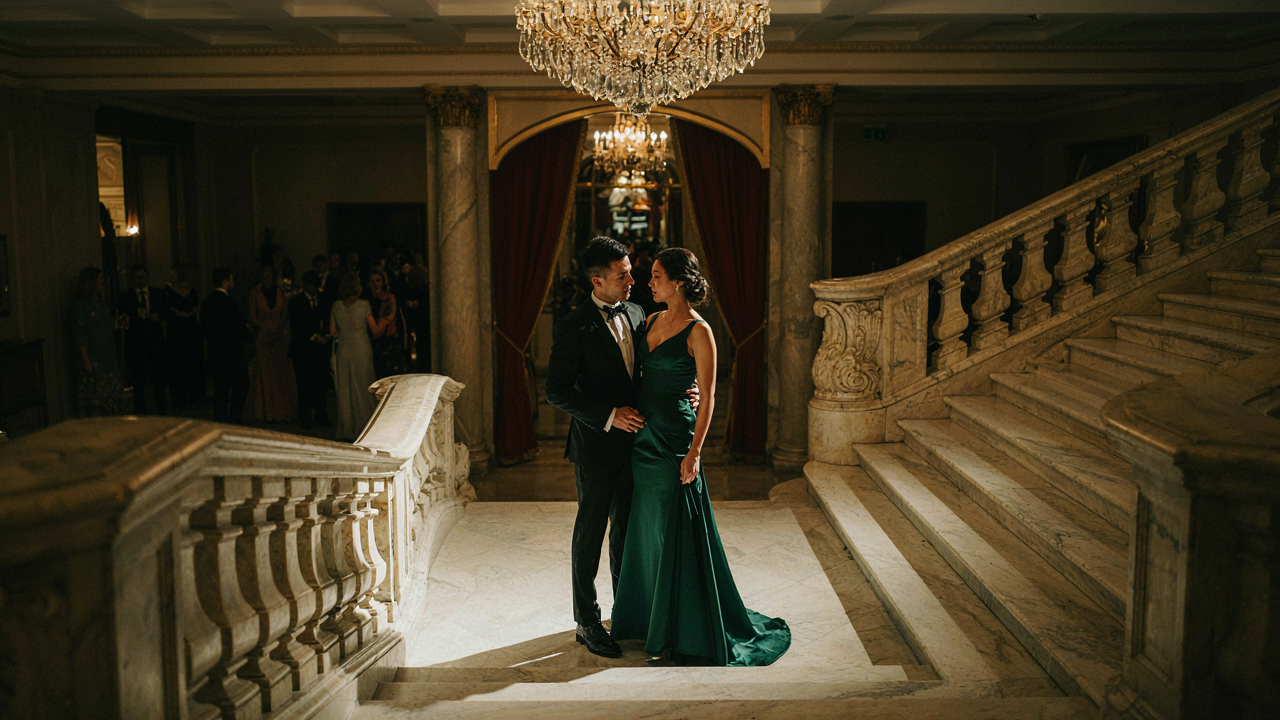
Beyond The Labels: Understanding The Purpose Of Formal Dress Code
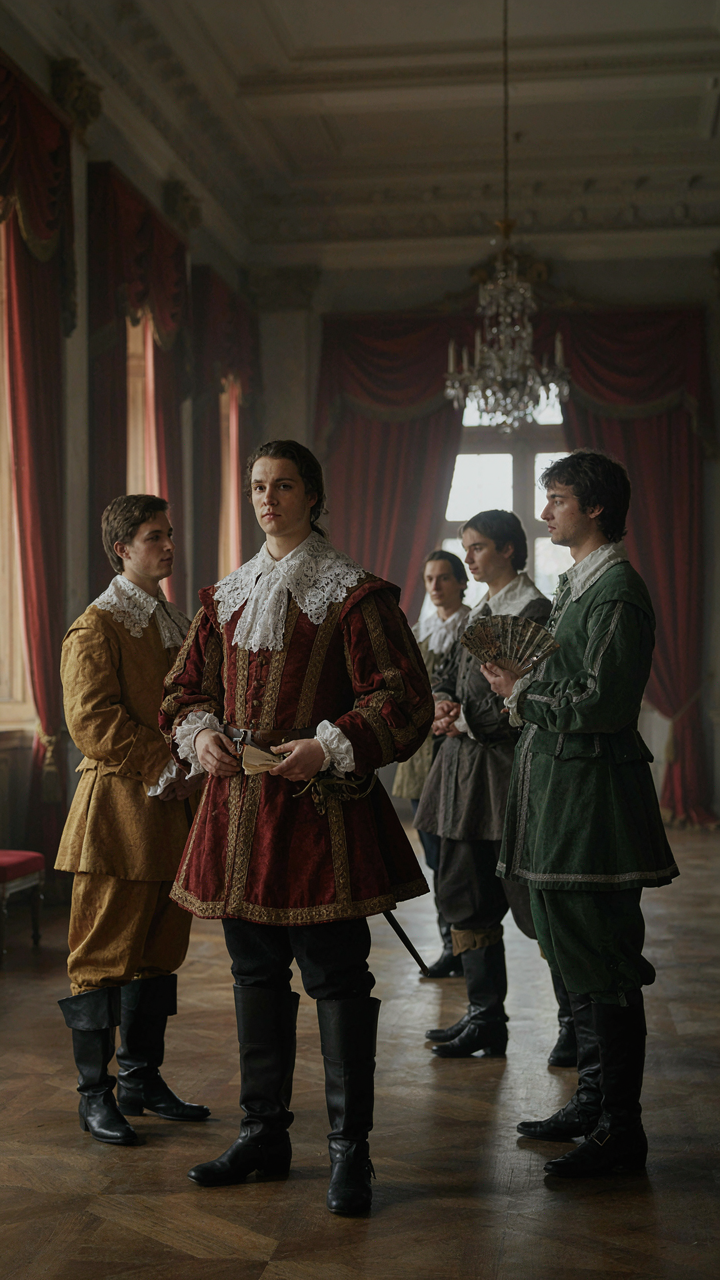
Where Formal Wear Actually Started
You care about this because you’re afraid of looking wrong in front of people who matter. That fear exists because dress codes are a compression algorithm—they communicate your understanding of a room’s rules without anyone speaking. Formal wear emerged in 17th century European courts as a system to visibly separate those with power from those without. The mechanism was simple: restrict access to expensive fabrics, cuts, and colors so that proximity to wealth became obvious at a glance. Black tie formalized later, in the 19th century, as an even tighter compression of that same signal.
The gap between formal and black tie isn’t decorative—it’s structural. Formal wear allows more variables. Black tie removes them. When a dress code gets stricter, it’s not because the event is fancier in some vague sense. It’s because the organizer has decided that ambiguity is a liability. Black tie events have something to protect: a brand, a tradition, an implicit ranking. Formal events still have room for personal interpretation because they trust the attendees to make reasonable choices within broader boundaries.
Status And The Unspoken Negotiation
Economics calls this signaling theory, and formal versus black tie difference is a perfect example of how signals escalate. The person who wears formal to a black tie event commits a specific error: they’ve misread which tier they occupy. The person who wears black tie to a formal event signals something different—either they didn’t listen, or they’re claiming a tier they weren’t invited to. Both are mistakes, but they communicate opposite things.
Formal and black tie both exist because humans need a shorthand for belonging. The dress code tells you whether you’ve been granted clearance to participate as a peer or as someone being evaluated. At a formal event, you’re expected to show up dressed well. At black tie, you’re expected to show up dressed exactly right. The actual mechanism isn’t about beauty or taste. It’s about demonstrating that you understand the rules well enough to follow them, or understand them well enough to know you can break them deliberately.
Black Tie Attire: A System Of Deliberate Constraints
The Actual Components
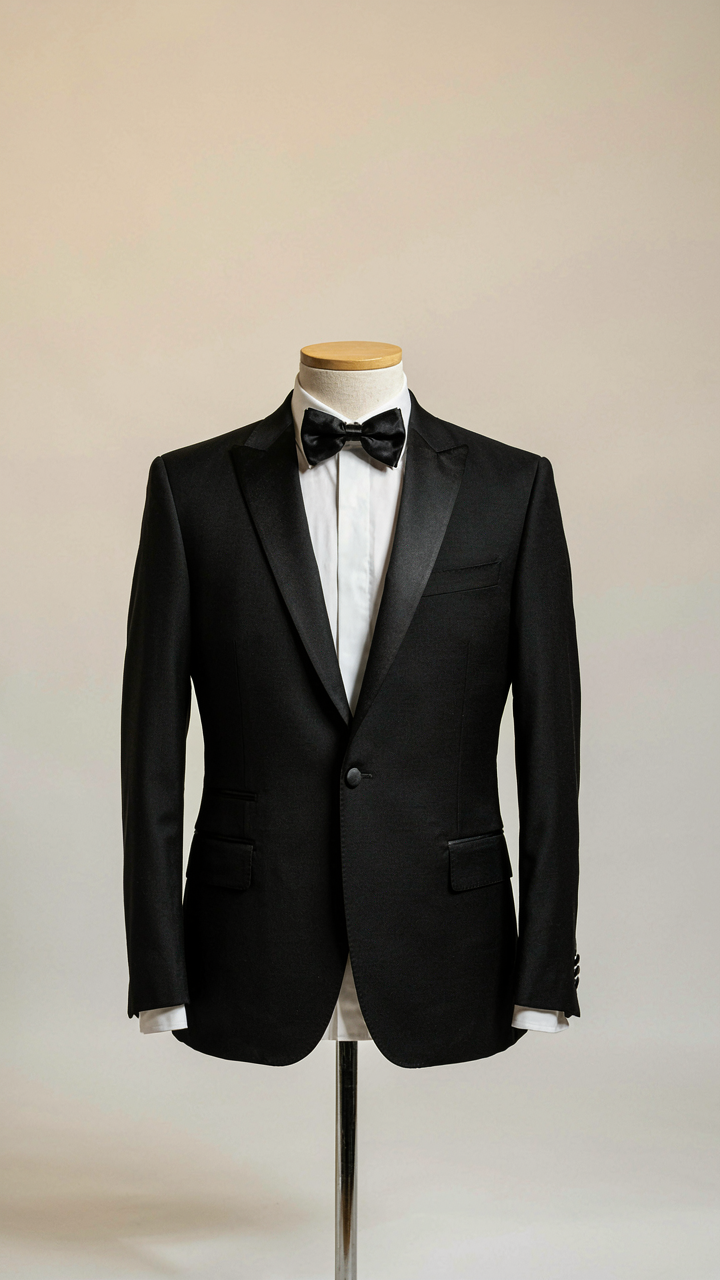
You want to know what to wear because you’re afraid of getting it wrong and looking foolish in front of people who notice. That fear is rational. Black tie isn’t casual because it operates like a constraint-based system in mathematics: each piece locks into place, removing your decisions. The mechanism is rigid specification. A black tie outfit demands a tuxedo jacket with silk lapels, a white dress shirt, a black bow tie, and black formal trousers with a silk stripe. Women wear either a floor-length gown or a formal black tie pantsuit. The shoes must be black and highly polished. Accessories stay minimal. There’s no room for interpretation or personal flair. Every element has a codified purpose, and deviation signals you either don’t know the rules or don’t respect the event.

The reason this specificity exists traces back to British aristocratic dress codes in the 19th century, where formality scaled with constraint. More formal events meant fewer options, not more. Black tie emerged as the evening uniform that communicated deference through conformity. Today that same mechanism still operates: when an invitation specifies black tie, the host is telling you the event requires visual alignment. You’re not dressing for yourself. You’re dressing to be visually consistent with everyone else present, which removes friction and focuses attention on the event itself, not the clothing choices. Wear the exact components specified, and you’ve solved the entire problem.
Why Each Piece Functions
The tuxedo jacket exists because it signals formality through its construction, not through decoration. Military uniform logic applies here: the formal coat establishes authority and structure through silhouette, not embellishment. The silk lapels catch light and create visual depth on the chest, making the wearer appear more substantial and grounded. The jacket must be black and typically single-breasted with peak or notch lapels. The key mechanism is that the jacket’s fit controls everything else. A poorly fitted jacket telegraphs carelessness faster than any other garment choice. The white shirt provides stark contrast to the black jacket, creating visual separation and making the face the focal point. Dark shirts kill this contrast and violate the black tie protocol.
The bow tie serves a tactical function beyond aesthetics. It sits higher on the neck than a necktie, creating visual balance with the lapels and framing the face upward. The silk stripe on the trousers mirrors the lapels, creating a unified visual echo that signals intentional formality rather than accident. Black polished shoes complete the vertical line and eliminate any visual disruption at ground level. Women’s gowns work on the same principle: floor-length fabric eliminates the distraction of varied leg length or shoe choices, standardizing the silhouette. Every component removes a variable. The more variables you remove, the more formal the system becomes. That’s the actual mechanism driving black tie dress codes.
Formal Vs. Black Tie: The Subtle Architecture Of Expectation
The Real Difference In The Dress Code Hierarchy
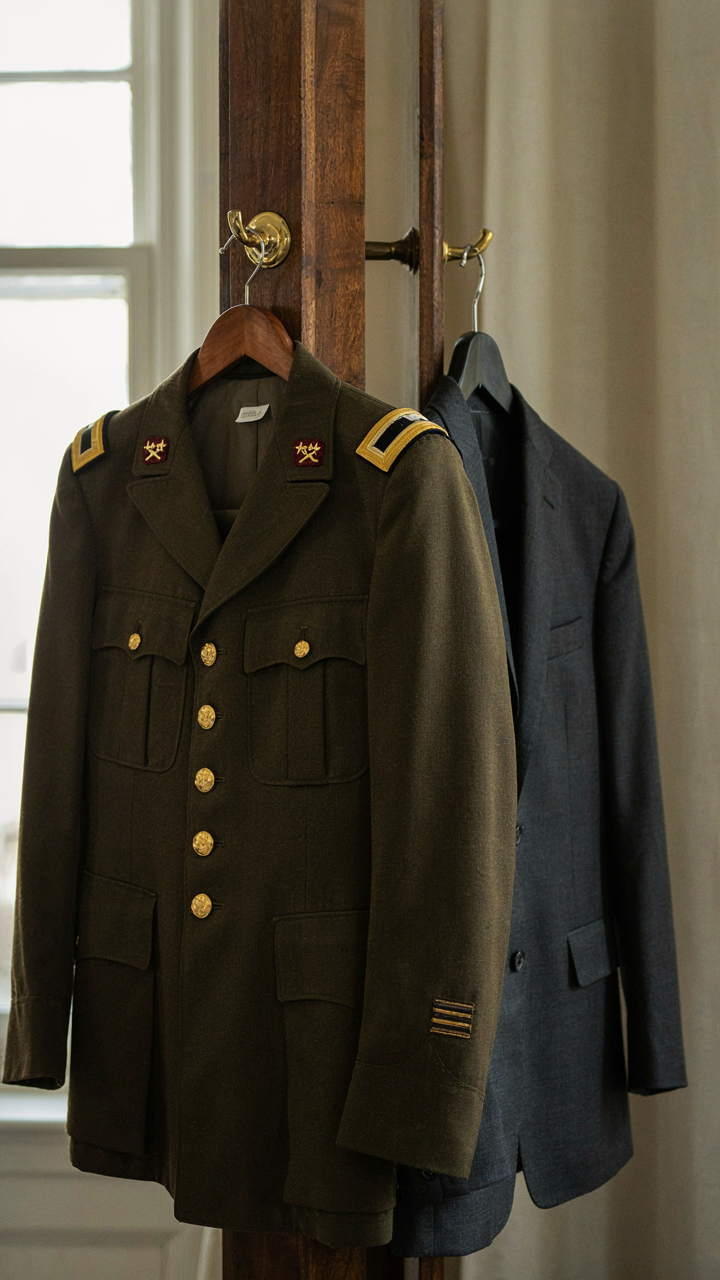
You’re worried you’ll get it wrong and look stupid in front of people who matter. The mechanism is this: formal and black tie aren’t just different levels of fancy. They’re different signals about who controls the room. Black tie is a uniform. Formal is a negotiation. Think of it like military rank insignia versus business casual hierarchy—one eliminates choice to enforce clarity, the other preserves it to allow status flexibility.

Black tie emerged in the 1800s as the evening opposite of morning dress. It’s unchanged because that’s the point. Formal wear (often called semi-formal or business formal) developed later as companies needed something between office clothes and black tie. Formal evolved. Black tie calcified. Women face an asymmetry here that men don’t: men’s black tie is prescribed down to cufflinks, but women’s formal and black tie are treated as interchangeable by most venues, which creates actual confusion instead of clarity.
When The Dress Code Is Really A Test
The common advice is to “match the venue vibe” or “ask what others are wearing.” This is incomplete. What’s actually happening is the event organizer is signaling exclusivity through specificity. Black tie on the invitation means one thing: they’re enforcing a boundary. Formal means they want elevated dress but they’re not policing the exact execution. One locks you in. One gives you room to perform.
If an invitation says black tie and you wear formal, you’ve announced you either didn’t understand or didn’t care about the boundary. If it says formal and you wear black tie, you’ve misread the setting as more rigid than it is. The protocol: black tie stays black tie. Formal is where you adjust based on the actual crowd—if it’s a law firm dinner, go darker and stricter. If it’s a nonprofit gala, you have latitude. The test is reading the room’s actual constraint, not the words on cardstock.
The Signal To Noise Protocol: Decoding Black Tie Optional Dress
How Dress Codes Create Feedback Loops
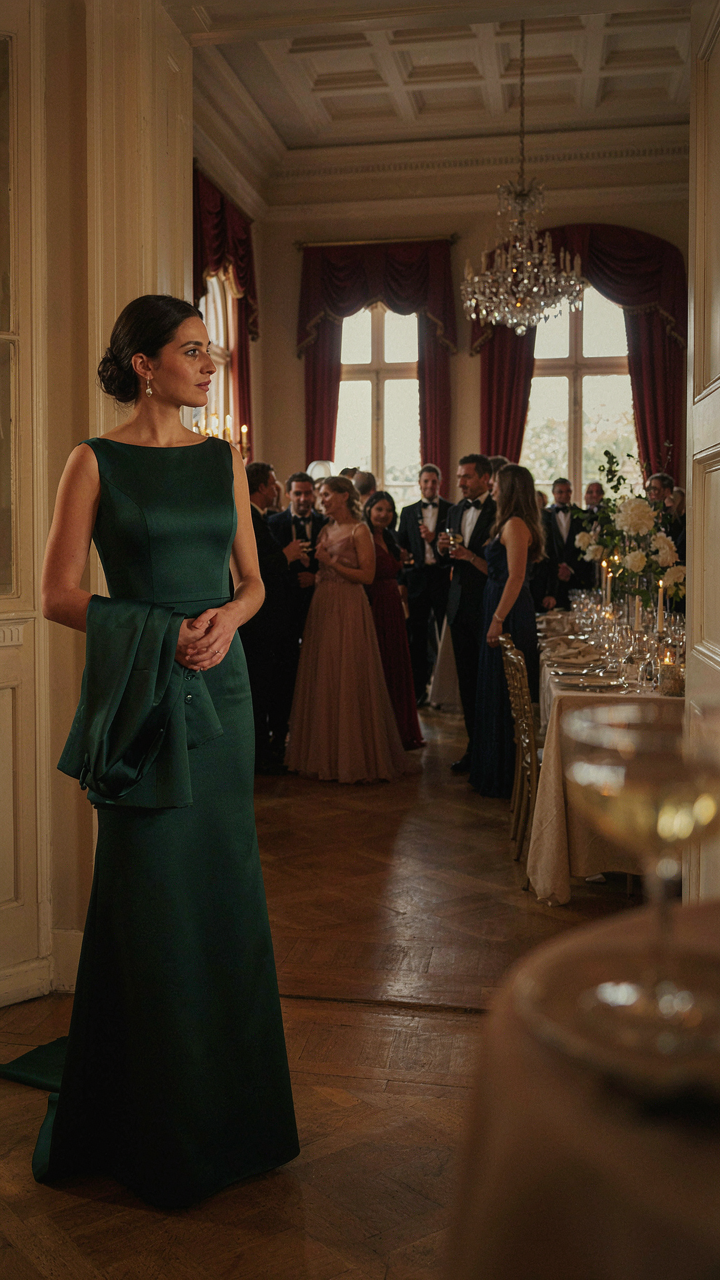
You’re anxious because you’re terrified of getting it wrong and looking like you don’t belong. That’s the real issue, and dress codes exploit it by design. Black tie optional exists as a feedback system: the event setter creates ambiguity, guests respond by scanning the room, and those responses trigger cascading adjustments. Think of it like cybernetics in fashion. The room itself becomes the control mechanism. Early arrivals set the signal. Latecomers calibrate against that signal. The dress code doesn’t enforce behavior; the observed behavior of others does.

Women often interpret “black tie optional” as permission to wear formal instead, which is the mechanical misread. The feedback loop punishes that choice silently. If ninety percent of attendees wear black tie, showing up in a formal gown signals you missed the room’s actual message. The protocol isn’t about the written rule. It’s about reading what the majority selected and matching their choice tier. Your job is to observe the first thirty minutes of arrival patterns, then adjust if you arrived underdressed. This corrective action is the mechanism most people pretend doesn’t exist.
The Adaptation That Wins The Room
Most advice tells you to “just pick one and commit,” which is incomplete guidance for a situation that rewards flexibility. Self-regulation in adaptive fashion means you build an outfit that can shift between two formality tiers without looking like a costume change. A black tie gown works for formal. A formal dress with the right fabric weight and line doesn’t shatter credibility if black tie dominates. The difference is silhouette depth and material density, not category crossing.
The winning move is strategic redundancy in your pieces. A sleeveless column gown reads formal on its own. Add a structured evening jacket or a second layer and it upgrades to black tie range without screaming “I changed my mind.” You’re not hedging between categories. You’re building a dress that operates across both thresholds. Walk in, read the room for ten minutes, and make your final choice about that jacket before mingling. That decision point is when adaptation becomes credibility.
Women’s Formal Attire: The Illusion Of Limitless Choice
Length, Fabric, And Silhouette Decoded
You’re reading this because you want permission to wear what feels good while still signaling you belong in the room. The mechanism is constraint, not freedom. Formal and black tie don’t offer choice—they offer guardrails that protect you from the anxiety of deciding alone.

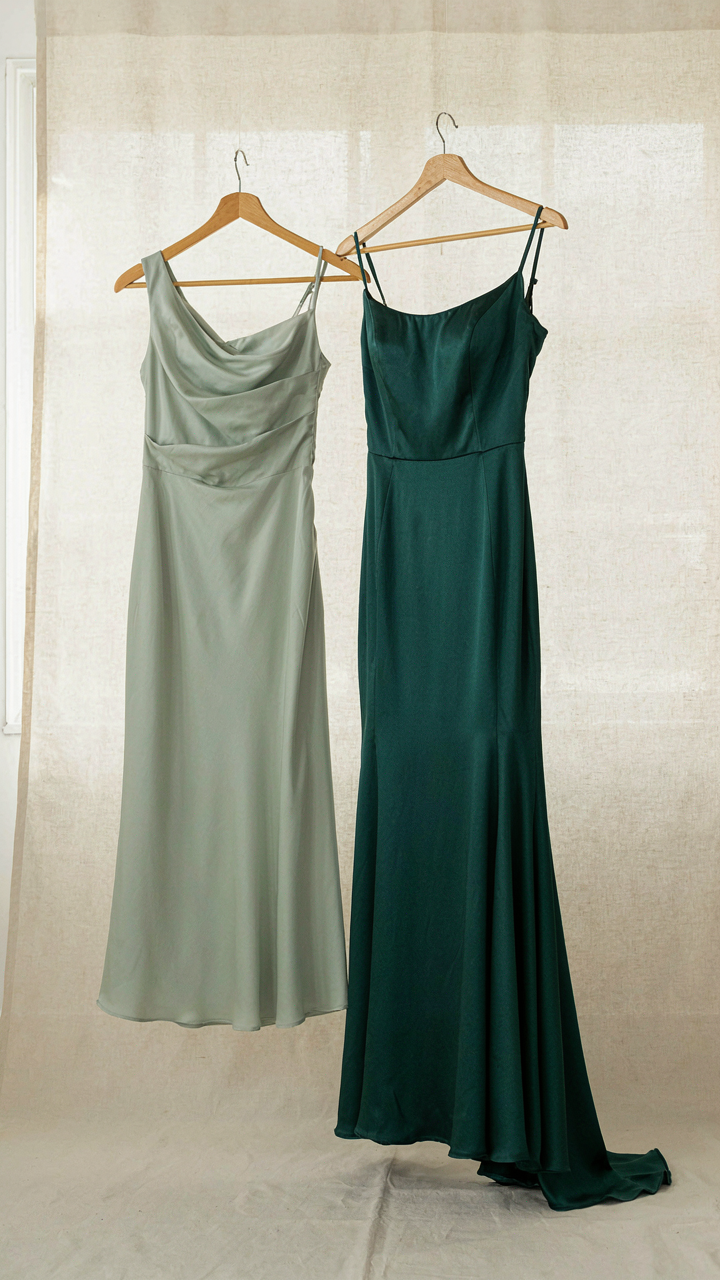
Length operates as the primary signal. Formal allows midi dresses, typically hitting the knee or mid-calf. Black tie demands floor-length. This isn’t arbitrary. The floor-length requirement compresses the visual field, forcing attention upward to face and shoulders. Midi breaks that compression. Fabric weight and drape matter equally. Black tie requires structured materials that hold shape: silk charmeuse, duchess satin, quality crepe. Formal tolerates lighter fabrics. Silhouette follows the same logic—black tie narrows to column or A-line shapes; formal permits wider, more varied cuts without penalty.
The Unspoken Protocol Of Restraint
Elegance operates like physics: restriction creates force. Adding volume, pattern, or novelty to black tie reads as fighting the dress code instead of honoring it. Common advice says “wear what makes you feel confident,” which is incomplete. The real answer: wear what disappears into the context so others focus on you, not your outfit.
Jewelry and color carry hard rules nobody states plainly. Black tie accepts statement jewelry because the silhouette and length already establish formality—the jewelry amplifies, not creates. Formal requires restraint here; one strong piece works better than layered accents. Color in black tie stays dark: black, navy, burgundy, deep jewel tones. Formal permits lighter shades because the shorter length and varied silhouettes already signal the occasion clearly. The last step: check the specific event’s dress code language for mentions of color or theme, then select your pieces only after confirming those details exist in writing.
Black Tie Wedding Guests: Mastering The Nuance Of Celebration
Signal Without Overshadowing The Couple
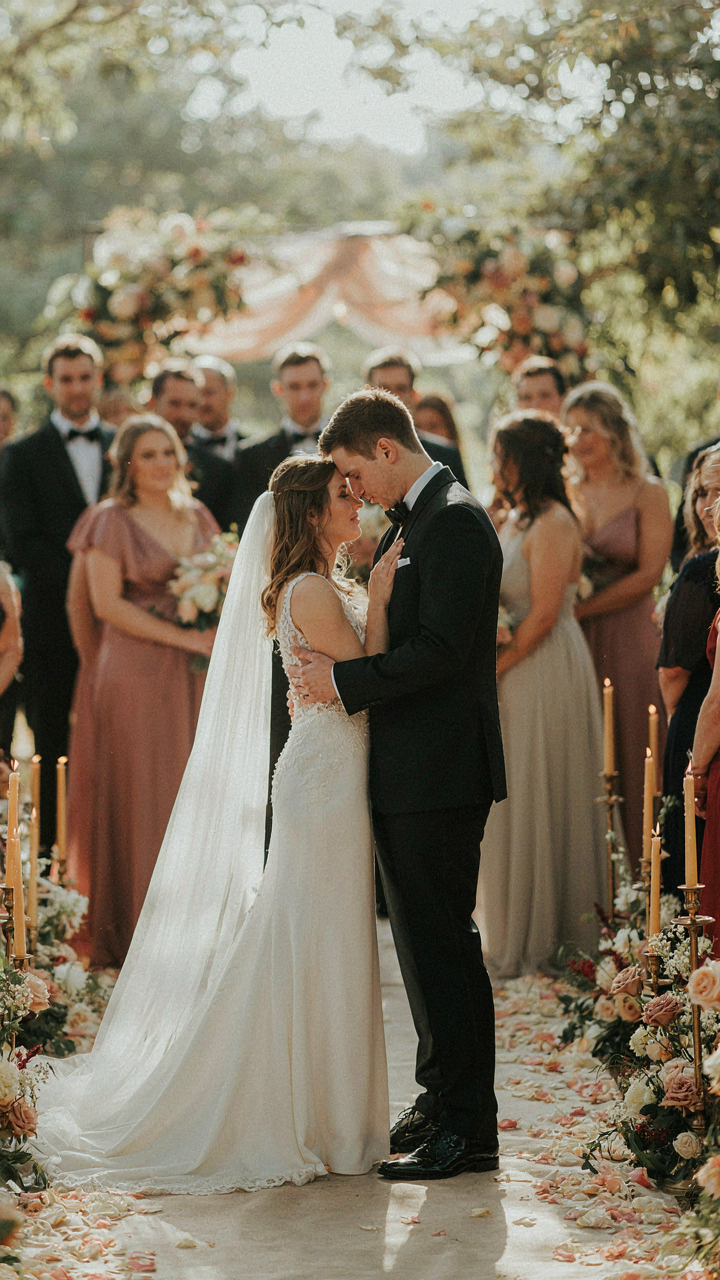
You’re worried people will judge you for not dressing up enough, but the real mechanism here is visual hierarchy. Black tie events borrow from military dress codes, where rank gets communicated through precision and restraint, not volume. Your job as a guest is to occupy the second tier, not the first. The bride and groom are the signal. You’re the supporting structure that makes them visible.

A black tie wedding guest outfit says you respect the event and the couple without announcing yourself. This means choosing fabrics and fits that work, not colors and cuts that grab attention. A floor-length gown in classic black, navy, or jewel tones signals competence. Metallics, neons, or experimental silhouettes signal you’re performing for the room instead of honoring the occasion. The distinction matters because guests who dress for themselves create visual noise that diminishes the couple’s moment.
Precision Over Interpretation
Most advice here is wrong. You’ll read that black tie means “formal with a twist” or “make it your own.” That’s lazy thinking and it costs you. Black tie has a defined code: floor-length gown or elegant separates, structured fabrics, minimal pattern, closed shoes or formal sandals. Interpretation is what people do when they don’t know the rules. Precision is what people do when they understand them.
The common mistake is treating black tie like a creative brief instead of a dress code. A floor-length gown with sequins everywhere isn’t bold. It’s untrained. A tailored pantsuit in silk charmeuse with a structured jacket is bold because it reads as intentional within the constraint. When you master the protocol first, your actual choices become sharper. Attend the wedding having already made the decision about the code. That’s when the outfit becomes invisible and only the celebration remains.
Tux Vs Suit: The Art Of Intentional Distinction
The Structural Gap Nobody Names
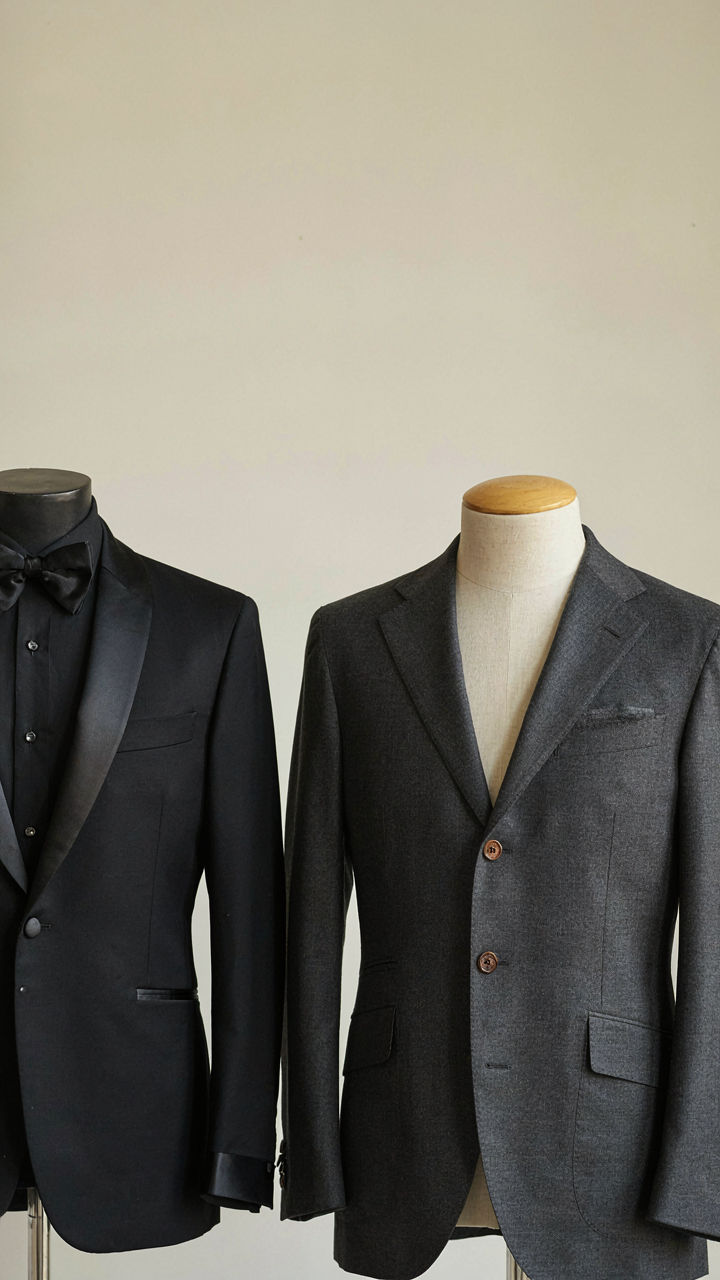
You want to know the difference because you’re afraid of showing up wrong and wasting the social capital you’ve built. Here’s the mechanism: a tuxedo and a suit are not two versions of the same thing. A tuxedo is formal evening wear engineered for specific visual contrast. A suit is daywear scaled up. The tuxedo uses satin facing on the lapels and buttons to catch light and signal formality through material opposition, not just cut. A suit uses matching fabric throughout because it doesn’t need that visual interrupt.

The jacket construction differs fundamentally. Tuxedos feature a grosgrain or silk stripe down the trouser leg. Suits have no stripe. The tuxedo’s bow tie and cummerbund or waistcoat aren’t accessories—they’re required components that complete the visual architecture. A suit’s four-in-hand tie is optional by comparison. Most people skip this and wear a suit to black tie, then wonder why they look underdressed standing next to someone in a tux. The difference isn’t preference. It’s whether you understood the dress code’s actual requirement.
Matching The Signal To The Event
Black tie demands a tuxedo. Period. Formal dress, depending on the host’s specifics, accepts either a tuxedo or a dark suit. This matters because the events that call for each have different stakes. A black tie gala, wedding, or awards ceremony has a visual uniformity expectation. Everyone in a tux creates a visual grid. Someone in a suit breaks that intentionally or accidentally. Formal events are looser—they include both possibilities because the organizers aren’t enforcing a unified visual presentation. They’re just saying “don’t wear business casual.”
The protocol is simple: read the invitation. If it says black tie, buy or rent a tuxedo. If it says formal or black tie optional, a quality suit works. If it says white tie, the rules shift entirely—but that’s another conversation. The mistake most people make is treating black tie as a color suggestion rather than a dress code category. It names the garment, not the tone. When you understand that distinction, you stop guessing. You execute. That execution is what separates people who dress appropriately from people who dress hoping.
Wearing A Tuxedo: For Women Who Understand The Game
The Power Play Behind Borrowed Codes
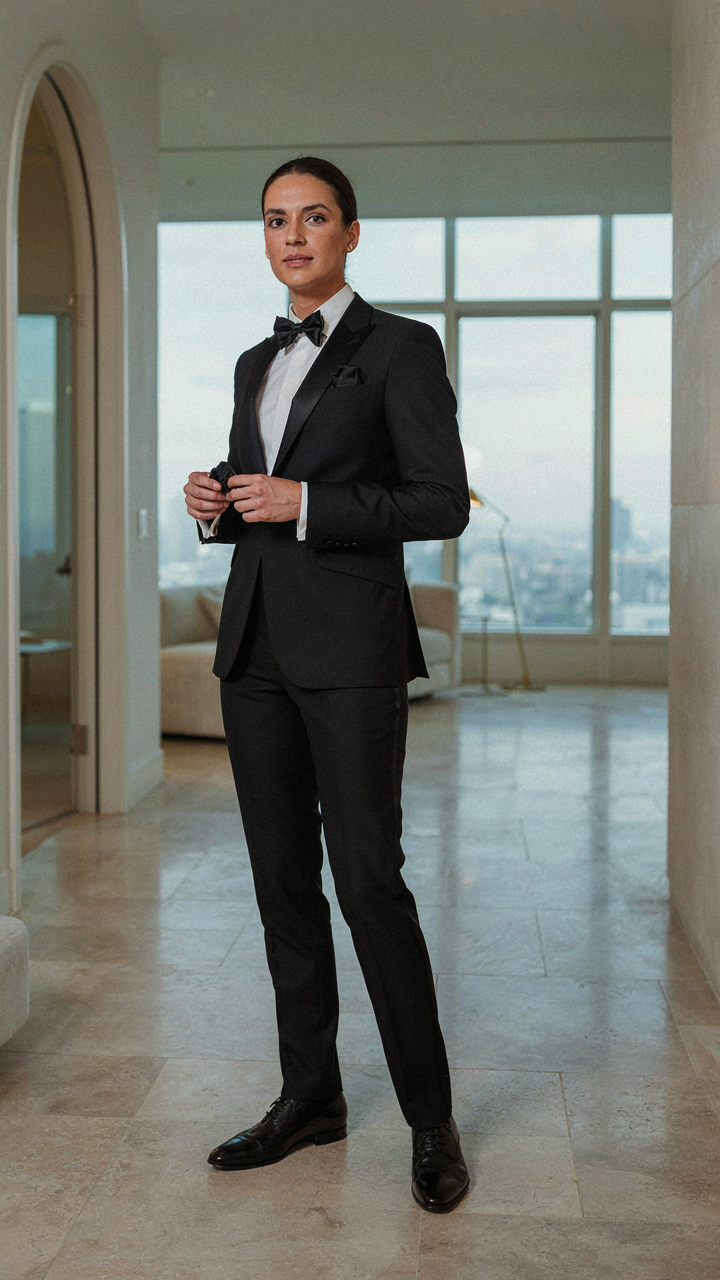
You want to wear a tuxedo to formal or black tie because it signals you’ve decoded the system and refuse to play by its original constraints. The mechanism is borrowed from military strategy: you’re adopting the uniform of authority without asking permission. Formal events use a dress code hierarchy. Black tie sits at the top. A tuxedo claims that space regardless of gender. The traditional tuxedo was designed for men because men controlled formal spaces. Wearing one as a woman doesn’t break the rules. It exposes them as arbitrary. The real signal isn’t rebellion. It’s competence. You understand the language and speak it fluently on your own terms.

Black tie calls for a tuxedo or equivalent formal evening wear. The difference between a men’s tuxedo and one tailored for a woman’s body matters more than most realize. A properly fitted tuxedo jacket should hit your hip bone, not your mid-thigh. The shoulders need to sit on your actual shoulder, not hang past them. Trousers either taper to your ankle or break one half inch above your shoe. A cummerbund or vest replaces the traditional bow tie if you choose. The formality remains identical to a man’s version. Your presence in the code doesn’t dilute it.
Cut, Fit, And The Statement You’re Actually Making
Most women approach tuxedo styling by softening it. They add jewelry, change the shirt, or pair it with heels that distract from the cut. This is wrong. The tuxedo’s power comes from its refusal to apologize for taking up space. A woman’s tuxedo should fit like armor, not like something borrowed. The jacket should have structure in the shoulders and taper at the waist if that’s your frame. No gathering. No excess fabric. Precision is the entire point. When the cut is right, you don’t need to add femininity to justify wearing it. The formality speaks.
Your shirt choices matter tactically. A white dress shirt with peaked lapels is the base. A black shirt underneath changes nothing about formality but signals a deliberate choice. You can leave the top button undone without losing formality. That small detail tells others you’re comfortable in the code, not constrained by it. Shoes should be flat or minimal heel. The silhouette stays clean. Everything is subordinate to the tuxedo’s line. Accessories stay minimal and metal. When you walk into black tie in a properly fitted tuxedo, you’ve already made your statement before speaking a single word.
The Unwritten Rules Of The Formal Dress Code: A Guide To Strategic Advantage
What The Invitation Actually Says
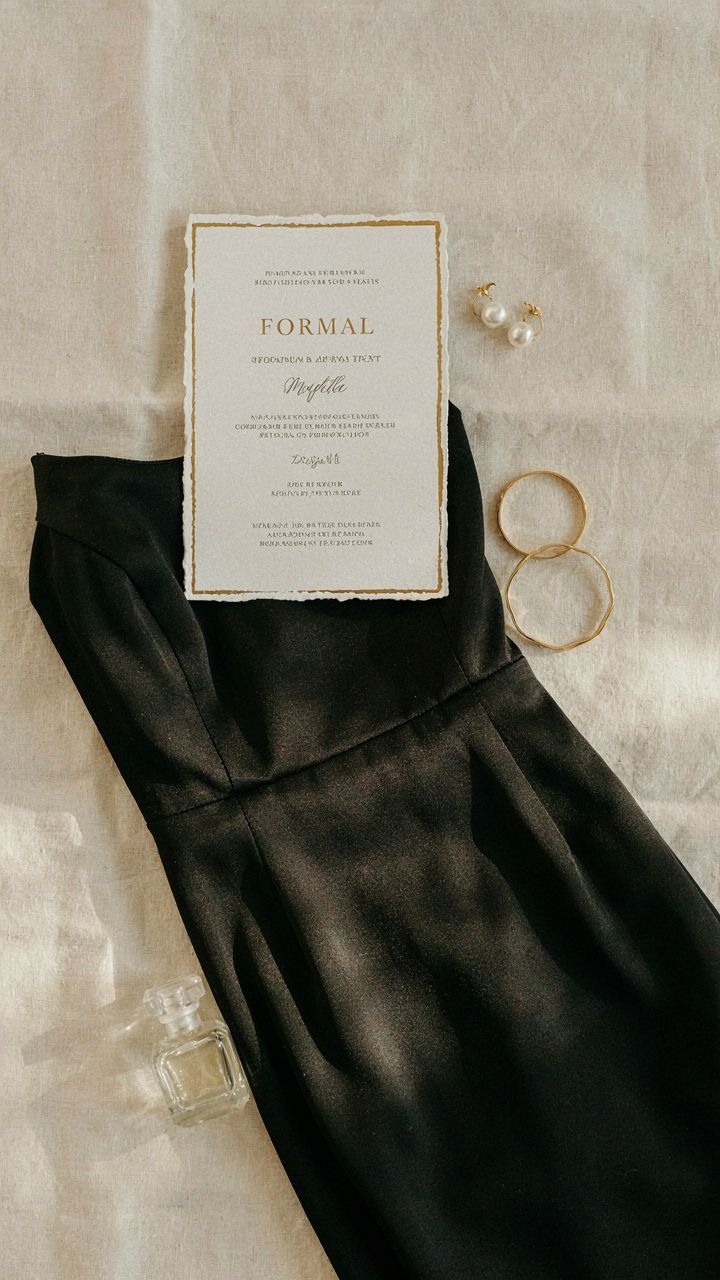
You’re scanning the invitation because you’re terrified of showing up wrong and looking like you don’t belong. That fear is real, but it’s also the mechanism that makes this section matter: most people mistake the invitation’s wording for instruction when it’s actually a hierarchy signal. Formal and black tie aren’t just different levels of formality. They’re different social statements. One says restraint. The other says ceremony. The invitation text reveals which one the host expects you to perform.

Most invitations fail to be precise. “Formal attire” gets used interchangeably with “black tie optional” by people who don’t know the distinction themselves. Read for context clues instead of taking labels at face value.
- “Black Tie”: Non-negotiable. Tuxedo with black bow tie, formal evening wear. No substitutions. This means a gala, state dinner, or high-stakes social event where the uniform matters.
- “Black Tie Optional”: The host permits black tie but doesn’t require it. Dark formal business wear works. This creates ambiguity on purpose, usually because guests span formality levels or the host wants flexibility.
- “Formal” or “Formal Attire”: Below black tie. Dark suit, blazer, or elegant dress. Not a tuxedo. This is business formality elevated, not evening ceremony.
- “Cocktail Attire”: Dress or suit, styled with personality. More color and texture allowed. Formal enough to show respect, relaxed enough to show you have opinions.
- Venue and time: Evening events at ballrooms signal black tie. Daytime events at clubs signal formal. A wedding at 6 PM likely means black tie. One at 2 PM means formal or cocktail.
When the invitation omits a dress code entirely, call or text the host directly. Ambiguity costs more than the thirty seconds it takes to ask. You’re not being difficult. You’re being precise.
Dressing For Optionality, Not Occasions
Building a formal wardrobe means acquiring pieces that work across multiple scenarios without looking like you’re attending the wrong event. Think like a military logistician: redundancy with purpose. Each piece earns its space by solving multiple problems at once.
A well-cut black blazer works for formal events and business settings. A silk or crepe evening dress moves between black tie optional and formal with a jewelry swap. Black pants and a white silk shirt create base layers that combine upward into either category. The goal is a core that assembles differently based on context, not a closet full of single-use gowns. This saves money and decision fatigue.
A dark, structured dress in a neutral fabric is your foundation. Black, navy, or charcoal work universally. Add shoes that transition: heels in black leather for formal and black tie, flat or kitten heel in metallics for flexibility. A structured clutch and simple jewelry set serve both codes. When you own pieces that layer and swap, you move through formal spaces without the visible stress of someone who owns only one outfit per occasion.
The Only Real Fashion Faux Pas Is The Failure To Control Your Own Narrative

Most women obsess over dress codes because they fear judgment. The real move? Stop treating formal and black tie as rules handed down from fashion gods. They’re signals you decode and weaponize. Pick the outfit that makes you feel like you own the room, then wear it like you built the dress code yourself. Confidence isn’t about following instructions perfectly. It’s about understanding them well enough to bend them on your terms.