

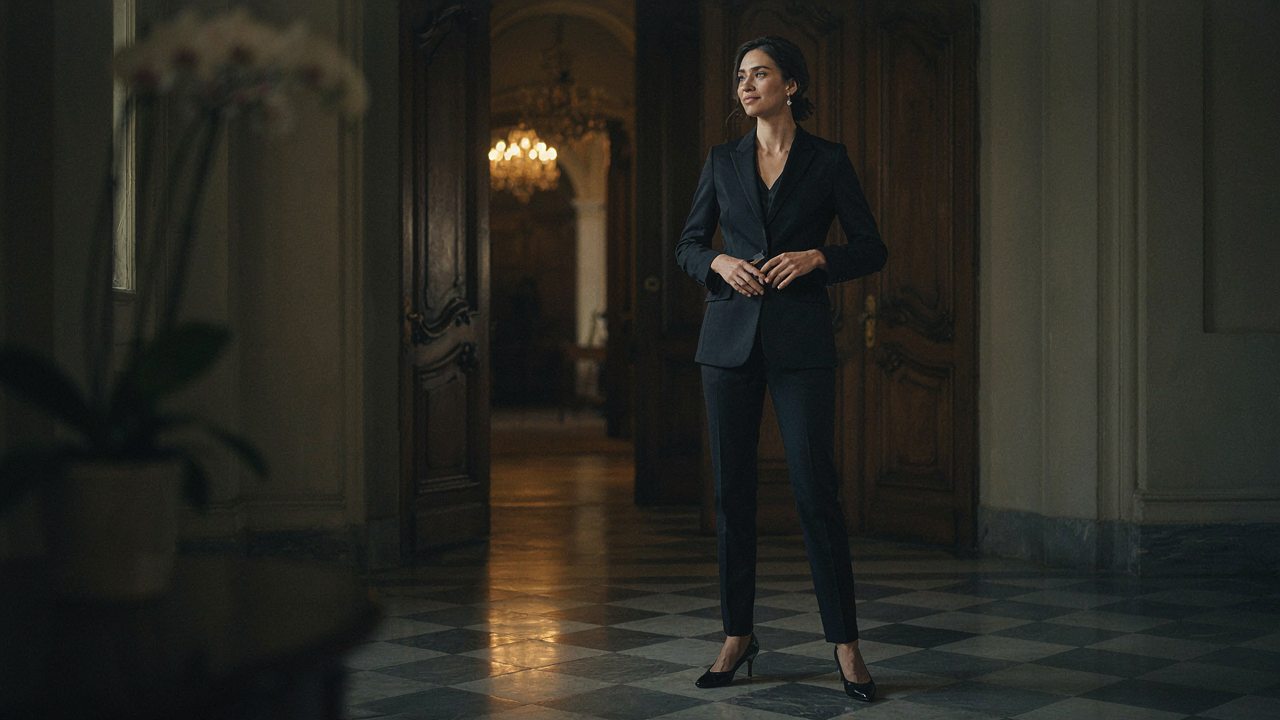
The Dominance Doctrine: Why “Dress Codes” Are Dead

The Actual Cost Of Following Rules
You care about this section because you’re afraid of making a social mistake. Here’s the mechanism nobody admits: dress codes aren’t rules that govern you—they’re signals you’re supposed to decode and then ignore selectively. In game theory terms, the player who understands the signal but chooses her own move wins the interaction. The woman who memorizes “black tie means floor-length gown” stays invisible. The woman who understands black tie exists to communicate formality, then subverts it with intention, controls the room.
The entire premise of “appropriate” is negotiable. What matters is whether your choice reflects deliberation or compliance. Venues post dress codes as minimum thresholds, not ceilings. A formal dinner that demands “cocktail attire” expects you to know that term—but it doesn’t own your interpretation of it. The mechanism is simple: understand what the code signals, then decide whether you’re signaling back or signaling something else.
The Silhouette Hierarchy That Actually Matters
Generic advice says formal means long gown, cocktail means knee-length, semi-formal means whatever splits the difference. This is incomplete. What matters is silhouette authority, not hemline. Silhouette is the shape your body makes from ten feet away—it’s what registers before texture, color, or detail. A structured, defined waistline broadcasts intention and formality faster than fabric length does. A gown with no clear construction reads as confused, regardless of whether it touches the floor.
Structure creates dominance. A nipped waist, a defined shoulder line, or a clean architectural seam tells the room you made a choice, not grabbed something. The actual protocol: choose silhouette first (structured or architectural), then build the outfit around it. Fabric, length, and embellishment follow silhouette, never precede it. If your silhouette is vague, nothing else saves the look.
The Gravitas Gambit: Engineering Presence With Fabric
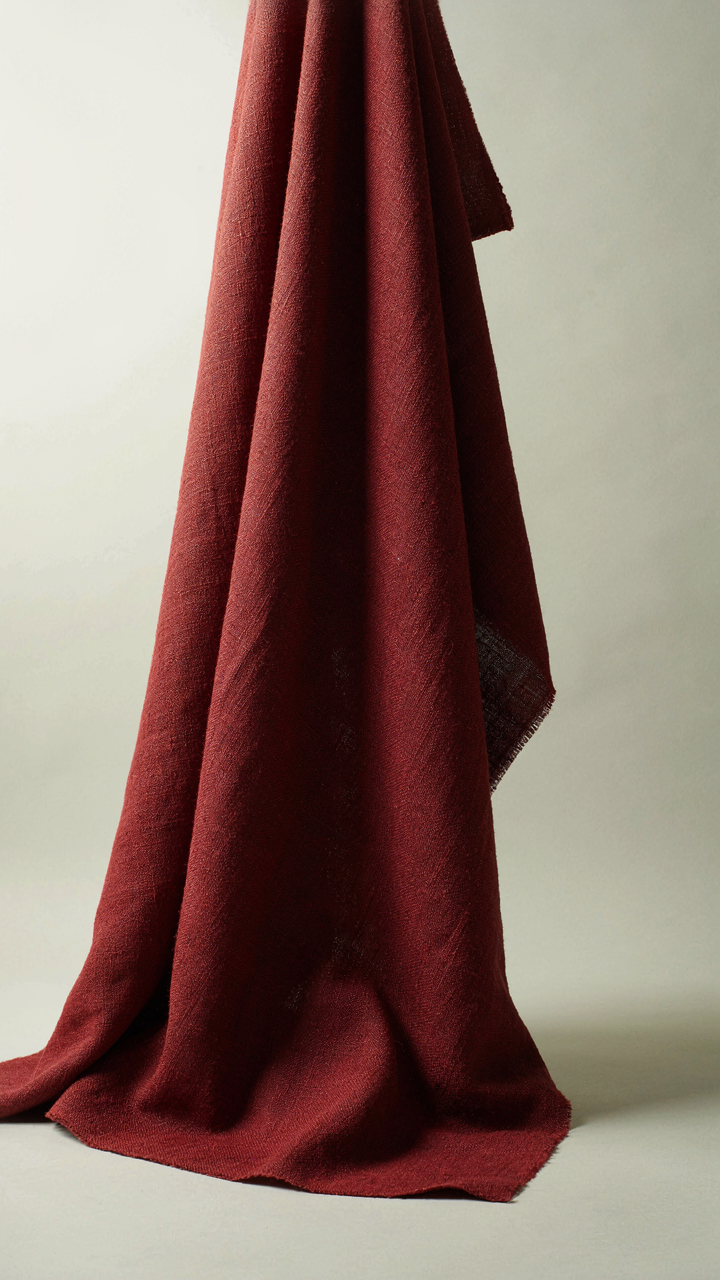
Weight Of Fabrics Determines Perceived Authority
You want people to take you seriously without saying a word. Here’s what nobody admits: fabric weight is physics applied to status. Heavier materials anchor your presence because they move with intention instead of fluttering. Silk charmeuse, wool crepe, and structured cotton blends don’t cling or shift. They hold shape. This is load-bearing capacity translated into visual stability.

The common advice says “wear what makes you feel confident.” That’s backwards. Confidence follows structure, not the other way around. A lightweight chiffon dress moves too much, demands constant adjustment, and reads as uncertainty. A substantial wool or silk blend sits on your body like a decision. The garment does work. You don’t have to think about it during conversation or negotiation.
Presence Projection Through Intentional Construction
Dinner outfits that land authority share one built mechanism: zero visual noise. A structured dress or tailored separates command attention because every element has a clear job. Seaming that follows your frame. Darts that create definition. A neckline that frames without distracting. The outfit doesn’t perform. It presents.
Layering with intention amplifies this. A fitted bodice under a structured jacket multiplies presence because the eye processes distinct garment geometry, not a shapeless mass. Dark, saturated colors in substantial fabrics read as deliberate choice, not default. When you walk into a room wearing a well-constructed black wool dress or a tailored blazer with clean lines, the garment’s weight and structure do the announcing. You arrive already established.
The “Elegant Evening Outfits For Women” Code: Decoding Intent
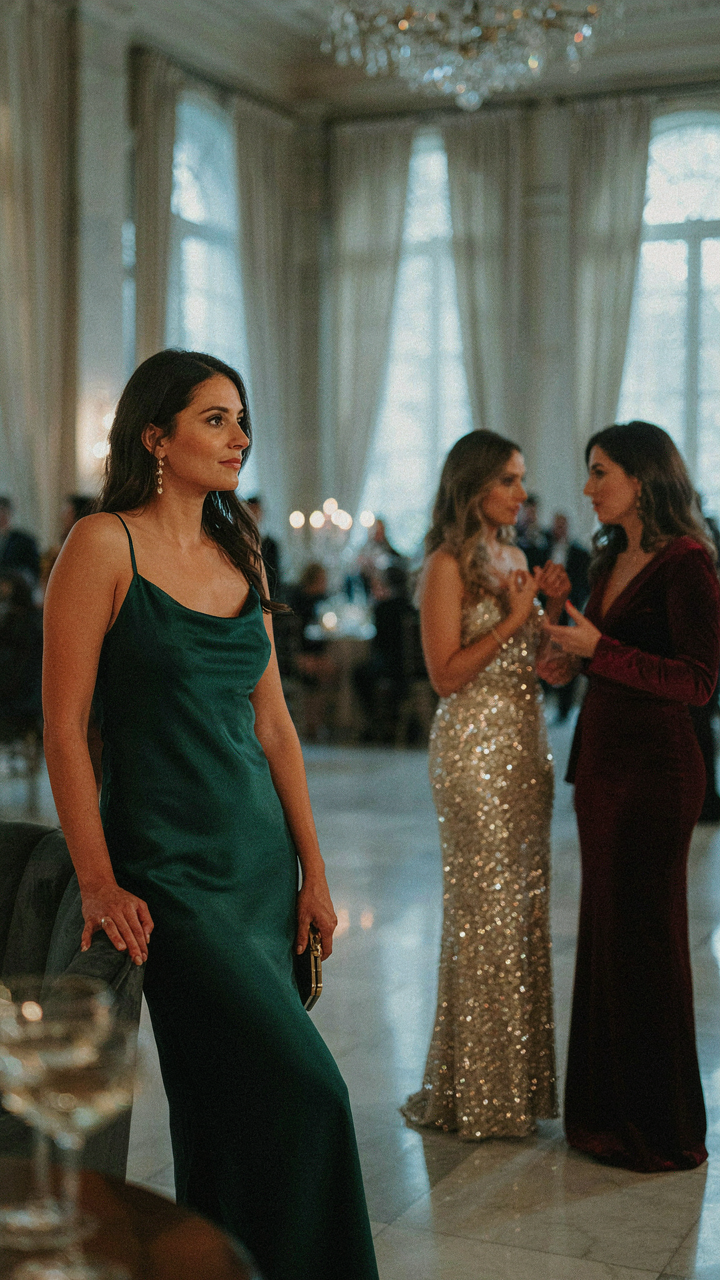
What The Invitation Actually Means
You’re worried you’ll get it wrong and look like you don’t belong. That fear is the real problem here, not the dress code. The mechanism is this: formal events operate on layers of unstated rules, and the invitation line (“black tie,” “cocktail attire,” “formal”) is just the surface. Beneath it sits the actual social contract—the unspoken hierarchy of who dresses to signal respect versus who dresses to signal status. Read the former, miss the event’s real texture.

The invitation’s wording telegraphs the event’s temperature and your role within it. “Black tie optional” means something different than “black tie.” “Cocktail” assumes movement and mingling. “Formal dinner” assumes stillness and observation. Each demands different fabric behavior, silhouette restraint, and color choice. The dress code isn’t about rules. It’s about reading what the hosts value and mirroring that value back through your clothing choice.
The Room’s Dress Temperature Shifts Before You Arrive
Most advice says “dress for the occasion.” That’s incomplete because the occasion changes based on who shows up and what they wear. Think of dress codes like thermodynamics—energy transfer happens when systems meet. Your outfit doesn’t operate in isolation. It reads against what others are wearing and instantly gets sorted into a hierarchy you didn’t consciously create. The real move is arriving early enough to see that hierarchy form, then adjusting your signal upward or downward accordingly.
Walk in and scan for three things immediately: fabric weight and sheen, silhouette tension, and color saturation. If most women wear matte fabrics in dark, desaturated tones, your satin in jewel tone signals you misread the room’s restraint level. If everyone glitters, your wool crepe reads as underdressed. This isn’t about conformity. It’s about clarity. Your outfit should communicate that you understand the event’s actual stakes, not just the invitation’s stated requirements.
The Strategic Silhouette Protocol: Mastering Optical Illusions
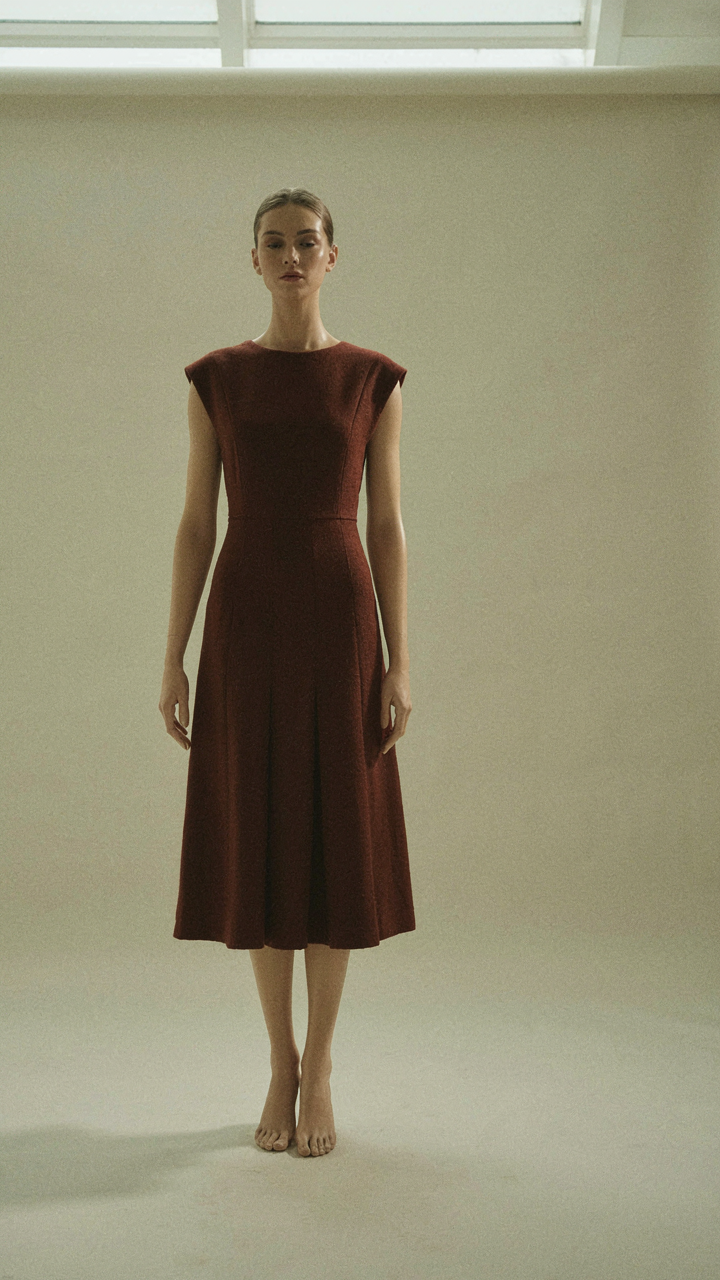
How Your Body Shape Dictates Fabric Choice
You care about this because dressing well feels like you’re hiding something—and you are. The real mechanism is simple: fabric and cut interact with your bone structure to either amplify or neutralize what’s there. This isn’t opinion. A draped neckline doesn’t flatter everyone equally because collarbones, shoulder width, and neck length are fixed variables. Strategic silhouette means choosing architectural elements that work with your proportions, not against them.

Borrow from tailoring’s first principle: grain and structure. A column silhouette works because vertical lines compress visual width. A peplum adds volume at the hip. A sweetheart neckline shortens a long neck. These aren’t stylistic choices—they’re spatial interventions. Test this: stand in front of a mirror in a fitted sheath dress, then in an A-line. The second one doesn’t just feel different because of fabric movement. It redistributes perceived mass. Your job is identifying which interventions solve your specific geometry, not applying trends.
Visual Weight Demands Equal Opposition
Physics teaches load distribution: weight requires counterbalance or it tips the structure. Evening wear works identically. A heavy beaded bodice needs an unadorned skirt. A voluminous ball gown needs a fitted waist. Common advice says “balance is key”—lazy thinking. Balance requires opposition. Asymmetrical embellishment on one side demands visual calm on the other. Dark fabric at the bottom grounds a light, ornate top. This isn’t aesthetics. It’s mechanics.
The protocol: identify where visual weight concentrates, then place opposing weight elsewhere. If you choose a low-cut neckline with intricate beading, minimize hip detail. If you wear a structured, corseted bodice, let the skirt move. When the eye has nowhere restful to land, the silhouette fails. Concentration of detail anywhere demands absence somewhere. Apply this consistently across fabric density, color intensity, and ornamentation.
Beyond The Gown: Women Suits Wedding And Power Plays
Redefining Feminine Power In Formalwear
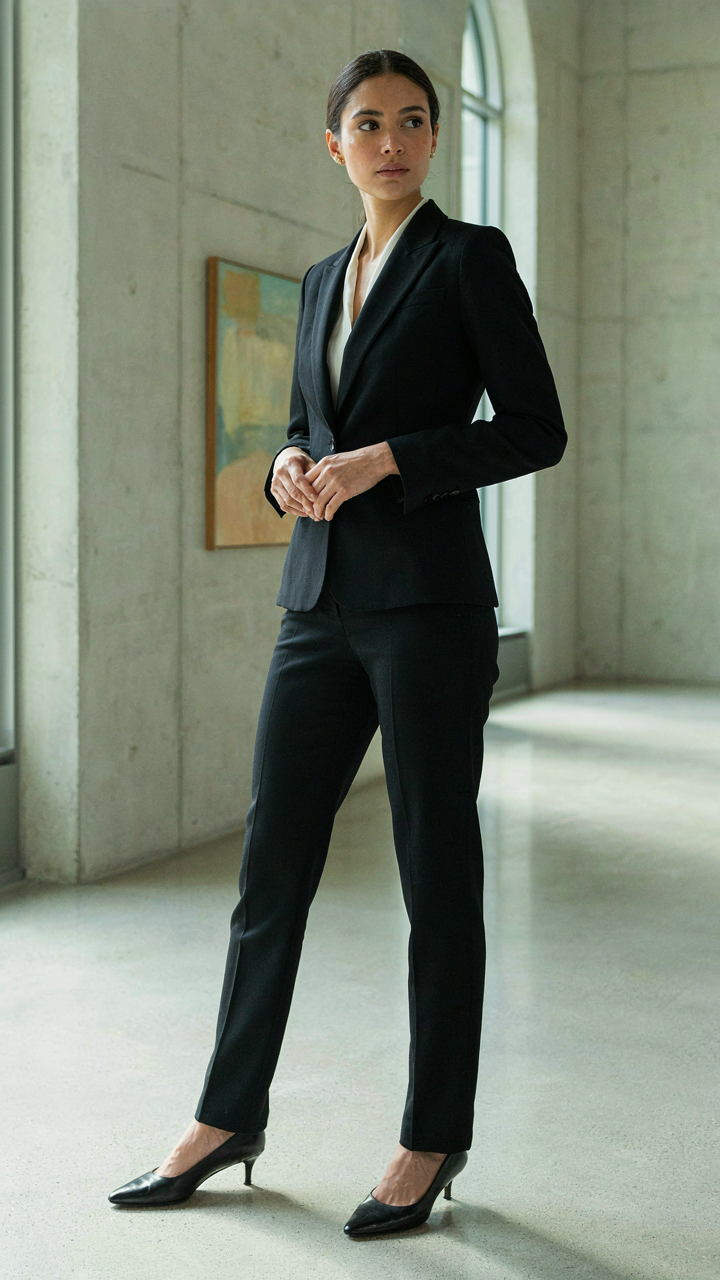
You want permission to wear a suit to a formal event without looking like you’re trying too hard or missing the point. The real mechanism is this: formal tailoring signals authority through line and structure, not through fabric or gender convention. Tuxedos and suits work at galas because they compress the body into clean, vertical geometry. A well-cut woman’s suit does the exact same thing. The cut matters more than the label or the wearer’s gender.

The mistake most advice makes is treating a woman’s suit as an alternative to a gown rather than as an equal formal option. A properly tailored evening suit in silk, wool, or wool blend creates the same visual weight and formality as a floor-length dress. Jacket shoulders, length, and trouser break all determine perceived authority. The fabric must hit evening grade: no casual blazer material survives formal scrutiny. Pair it with heeled footwear and minimal jewelry to anchor the formality.
Wedding Guest Pants: Subverting Expectations
Wearing tailored trousers to a formal wedding or gala works because formality is about precision, not silhouette. Most etiquette advice still defaults to dresses out of tradition, not function. A wide-leg or tailored pant in structured fabric paired with a formal top creates the same visual impact as a skirt. The key is material weight and fit precision. Flimsy fabrics or loose cuts read casual no matter the venue.
Wedding invitations rarely forbid trousers in their wording, though the assumption persists. Black or jewel-toned trousers with a silk blouse, beaded top, or tailored jacket telegraph formality as clearly as any gown. The break of the pant leg matters more than the pant itself. Hem the trousers to sit one-half inch above the back of your shoe heel. This single measurement makes the difference between looking intentional and looking unsure.
The Black Wedding Guest Dress Trap: Avoiding Conformity
Standing Out Without Being Ostentatious
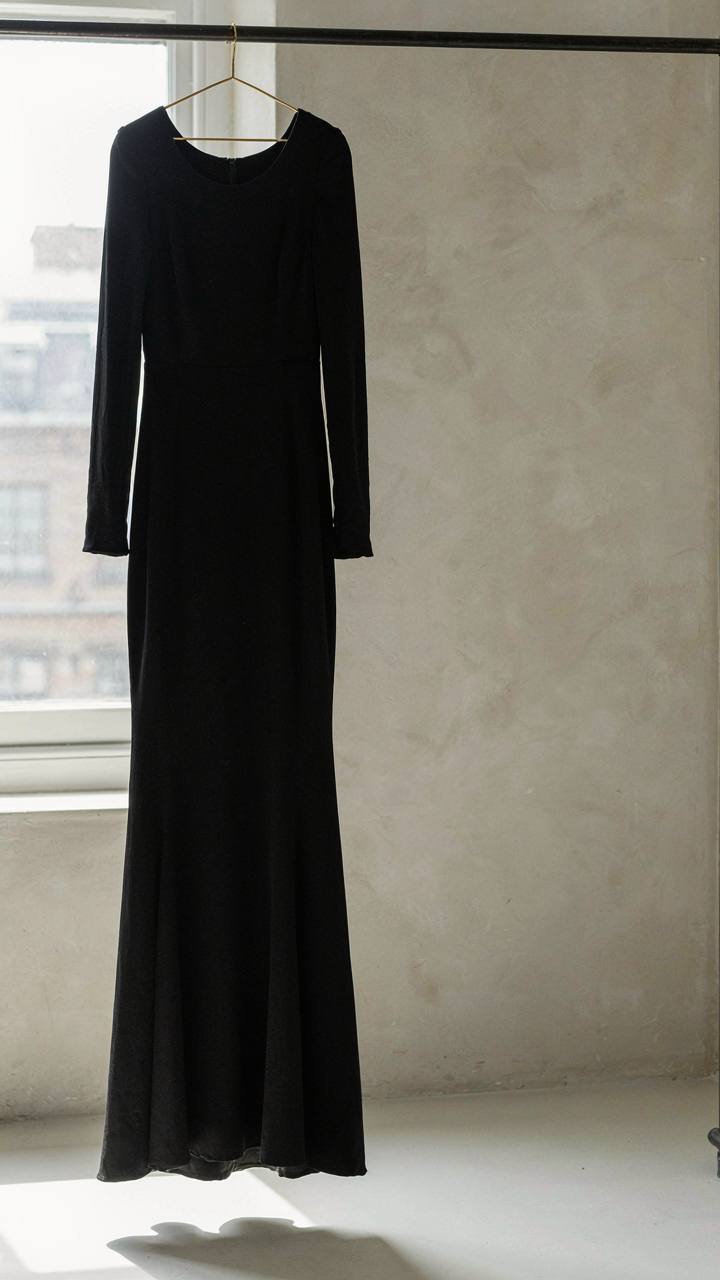
You’re worried people will judge you for breaking the unspoken rule, so you’ll blend in instead and resent it later. The real mechanism here comes from signaling theory: in formal settings, constraint equals credibility. The woman who wears black to a wedding isn’t breaking protocol—she’s signaling she understands the room well enough to operate within it differently. Guests notice restraint before they notice rebellion.

Black itself isn’t the trap. The trap is wearing black exactly like everyone else wore black five years ago. The cut, the fabric weight, the proportions—these are where differentiation happens without noise. A black column gown in crepe reads differently than black in structured taffeta. One reads refined; the other reads costume. The distinction costs nothing but attention.
Injecting Personality Into Classic Looks
The common advice says “add a statement necklace” or “wear bold lipstick.” This is lazy. Statement pieces don’t inject personality—they announce desperation to be noticed. Real personality lives in the edit: what you remove, what you choose to leave visible, how you proportion the silhouette against your frame.
- Architectural draping: Black fabric that creates intentional movement and line through construction, not ornamentation. The drape becomes the detail.
- Unexpected neckline placement: A cutout, an asymmetrical drop, or a high-low back in a classic silhouette. The body structure creates personality.
- Fabric contrast within monochrome: Matte silk with glossy charmeuse panels, or crepe with velvet accents. Texture reads as sophistication, not decoration.
- Minimal jewelry that breaks tradition: One substantial piece that serves structure rather than sparkle—a sculptural cuff or architectural earring in metal.
- Fit precision: A gown tailored to your exact proportions reads intentional. Off-the-rack black dresses fail because they fit no one specifically.
Personality in evening wear emerges from constraint, not abundance. You build it by making three deliberate choices about proportion, fabrication, and finish, then removing everything else. This is how you wear black to a formal event and own the room without trying to be noticed.
Hollywood Party Outfit: The Art Of Deliberate Understatement
Cultivating An Aura Of Effortless Exclusivity
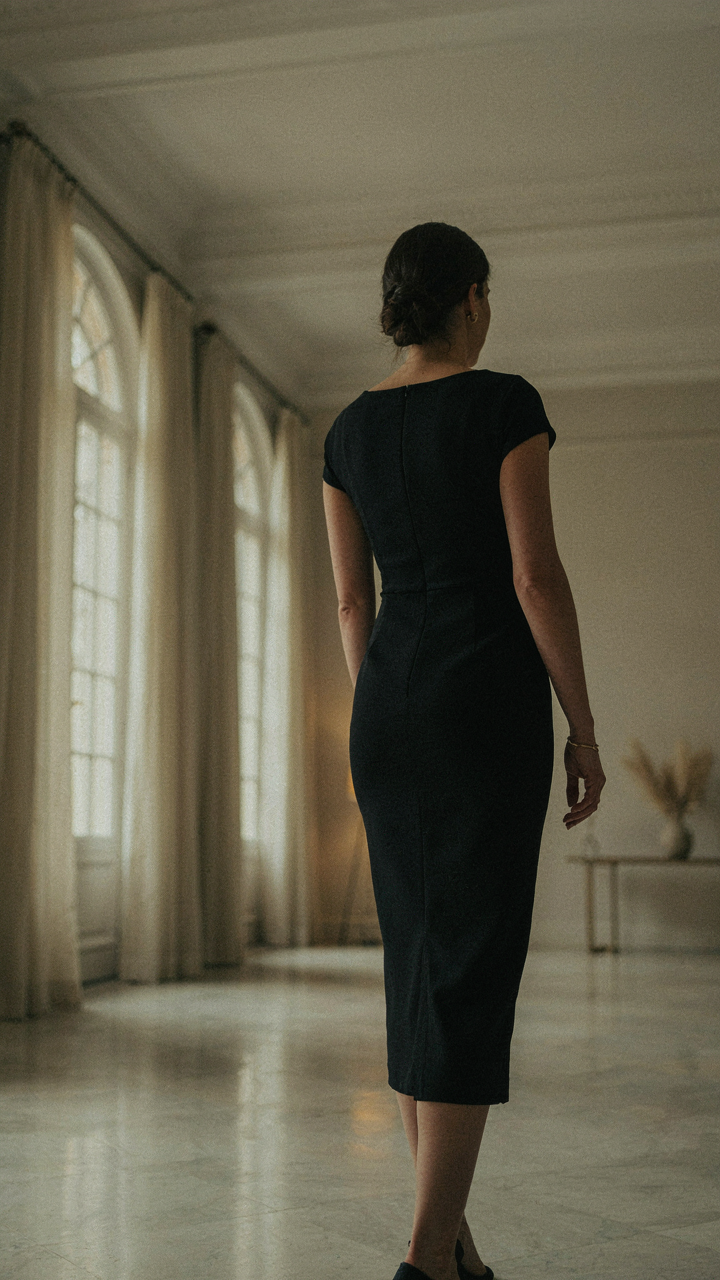
You want people to assume you belong there without trying. That’s the real mechanism at work. The old advice says “dress up” or “be bold.” Wrong. Hollywood exclusivity operates on scarcity of attention, not abundance of fabric or color. Think of it like signal theory from economics: the strongest signal isn’t the loudest one, it’s the one only insiders recognize. A woman in a perfectly fitted black column dress with minimal jewelry reads as someone who doesn’t need to announce herself. Restraint signals access.

The execution is mechanical. Choose one neutral base—black, navy, or charcoal. Fit must be exact at the shoulder and waist. One standout element only: a high-quality clutch, a single statement ring, or refined heels. Everything else disappears into the background. This isn’t about looking boring. It’s about looking like you’ve been invited to enough events that you know what works. The person who overdoes it signals hunger. The person who does less signals they’ve already arrived.
Gala Outfits For Women: Controlled Drama
Drama without desperation. Most women misread galas as permission to maximize visual volume. They add sequins, layering, jewelry everywhere, color clashes. The result looks like they’re compensating. Controlled drama means you choose one element that commands attention and build everything else to support it, then stop. A structured gown with clean lines and a bold cutout works. A column dress with unexpected draping works. A jeweled belt on an otherwise minimal silhouette works. But not all three.
The control comes from negative space and proportion. A slit up the leg pulls focus downward. A low back pulls focus backward. An asymmetrical neckline pulls focus upward. You pick one direction and commit to it. Every other detail becomes invisible. Matte fabrics over shiny ones. Jewelry clustered rather than spread. Hair and makeup intentionally minimal so the dress remains the story. This is how women who photograph well at galas do it. They’re not adding more. They’re subtracting everything that doesn’t serve the single focal point.
Evening Party Outfit: Owning Your Narrative
What You’re Actually Signaling
You’re not buying a dress to feel good. You’re buying it to control how people perceive your competence, wealth, and belonging. That’s the real transaction. In social psychology, this is called signaling—broadcasting information about yourself through observable choices. Your evening attire functions as signal: it tells the room who you are before you open your mouth. The fabric weight, cut, and color all transmit data. People decode these signals in seconds, and those first impressions anchor how they treat you for the entire event.

The mistake most women make is treating outfit selection as personal expression rather than strategic positioning. It’s not. Expression is what you do after you’ve secured attention and credibility. The outfit’s job is to eliminate doubt about whether you belong in that room. A silk charmeuse gown in navy reads differently than a polyester blend in the same color. The drape, the movement, the way it catches light—these mechanics communicate investment and intention. Choose your signal deliberately, or someone else’s assumptions choose it for you.
The Weight Of Color, The Shape Of Texture
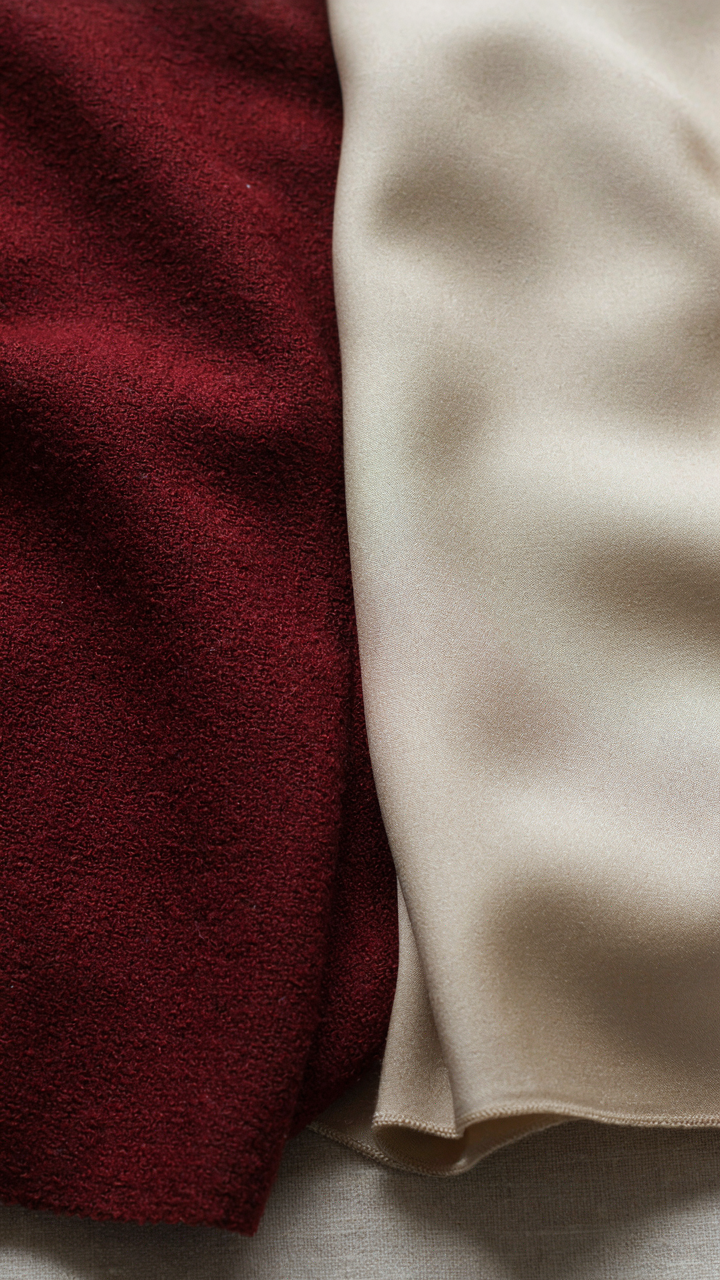
Color psychology applies here, but not in the spiritual way people peddle it—in the neurological way. Your brain processes color before it processes form. Deep jewel tones (emerald, sapphire, burgundy) trigger associations with depth, authority, and cost. Neutrals (black, navy, charcoal) compress visual noise and make the wearer appear more intentional. This isn’t preference. This is how human perception works. The event’s lighting matters too. Cool-toned venues favor jewel tones; warm venues favor warm neutrals with metallic accents.
Texture creates tactile weight perception. Heavy materials like silk charmeuse, crepe, and structured wool feel deliberate and grounded. Chiffon and lightweight silks read as ethereal and secondary. If your goal is to be remembered as substantial, choose dense fabrics that hold their shape. If the event’s social architecture requires you to blend into the background for strategic reasons, lighter textures do that job. The protocol: match your fabric weight to the authority level you need to project at that specific event. Dense fabric for rooms where your opinion should matter. Lighter fabrics for rooms where you’re gathering information.
Your Fear Isn’t Fashion Judgment; It’s The Terror Of Being Forgettable. Eliminate It
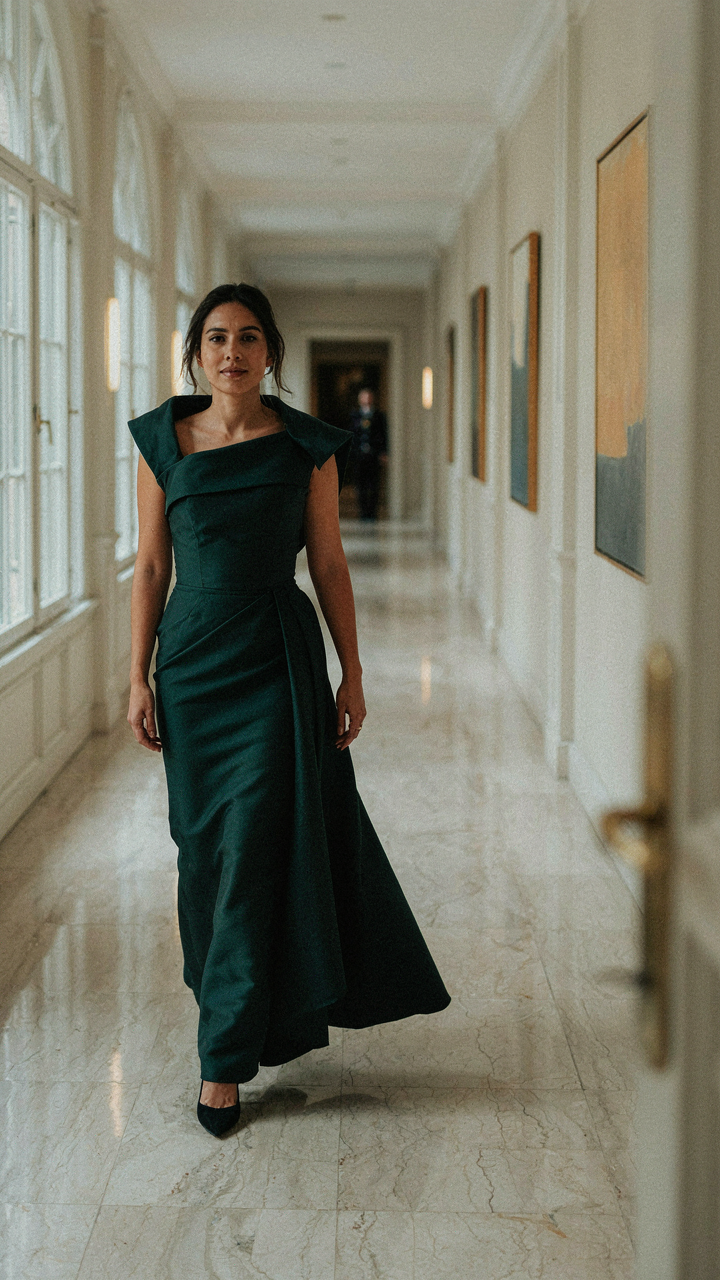
Most women freeze over evening attire because they mistake invisibility for safety. You don’t need permission to command a room. Stop asking if your dress is “appropriate” and start asking if it makes you feel dangerous. The only rule that matters is this: wear something that forces you to walk differently. Buy one piece today that scares you slightly. Confidence isn’t something you feel first. It’s something you wear until you become it.