

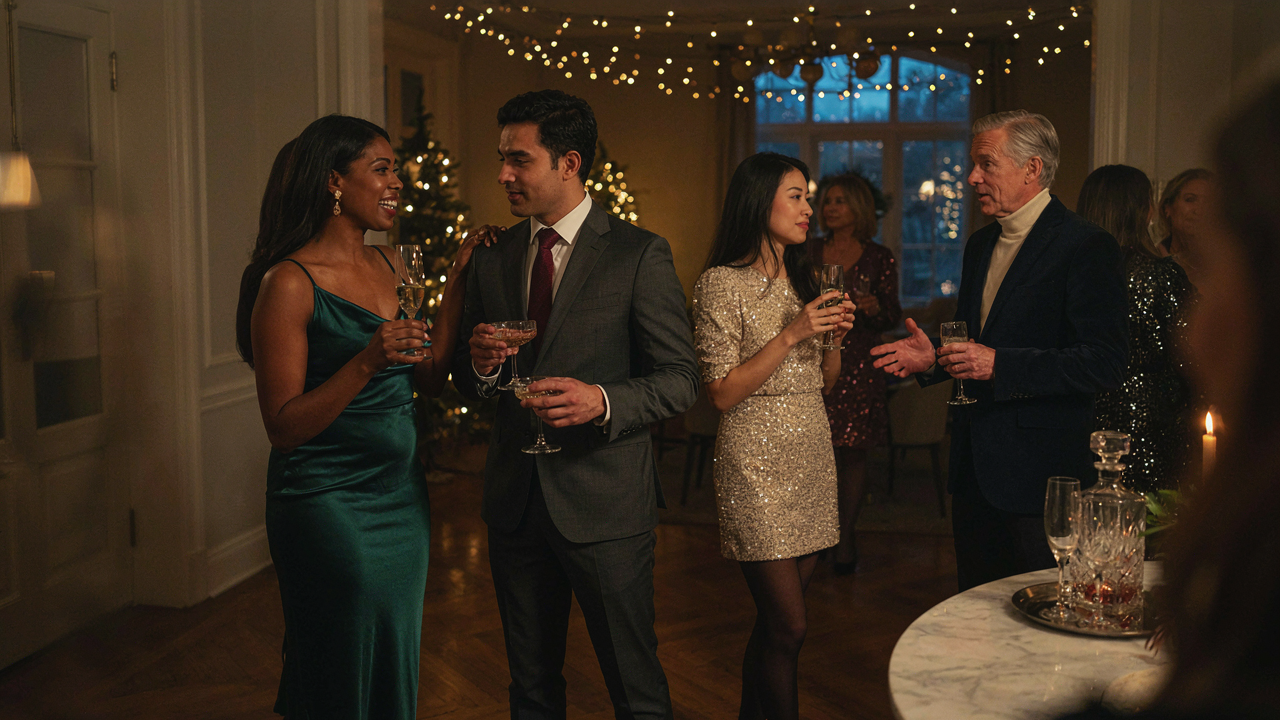
Beyond The Red And Green: Unpacking The Festive Attire Lie
When Holiday Colors Become A Crutch
You’re hoping a red sweater and some gold accessories will buy you credibility at the office party. That’s the real reason you care about this section. The truth is simpler and more brutal: festive attire dress code has almost nothing to do with color and everything to do with formality level signaled through fabric, fit, and intentionality. Red and green are visual noise. They’re what people grab when they have no actual framework for dressing appropriately.
Festive attire exists on a spectrum from business casual to black tie. Color is optional filler. The real code lives in whether you chose a structured garment, whether seams sit clean, whether you look like you made a decision or grabbed what was clean. A charcoal blazer with a silk tie reads more festive than a Christmas-print t-shirt because it communicates effort and respect for context. The mistake people make is treating festive like a costume category instead of a formality category that happens to occur in December.
Status Play Dressed As Tradition
Signal theory from economics explains why dress codes persist: they exist to communicate membership and adherence to group norms. In festive dress code, the signal isn’t about Christmas. It’s about whether you understand hierarchy and respect the occasion enough to plan ahead.
The hidden mechanism is conformity enforcement, not celebration. When an invitation says festive attire, it’s testing whether you’ll match the group’s expectations or stand out as the person who didn’t care enough to understand the room. People who show up overdressed or underdressed aren’t making a fashion mistake, they’re signaling they either didn’t know the code or chose to ignore it. Both damage standing. The event organizer uses dress code language to preemptively eliminate ambiguity and ensure everyone arrives calibrated to the same formality level, which makes the gathering feel intentional instead of chaotic.
The “Context First” Protocol: Decoding Event DNA
What The Host Actually Expects
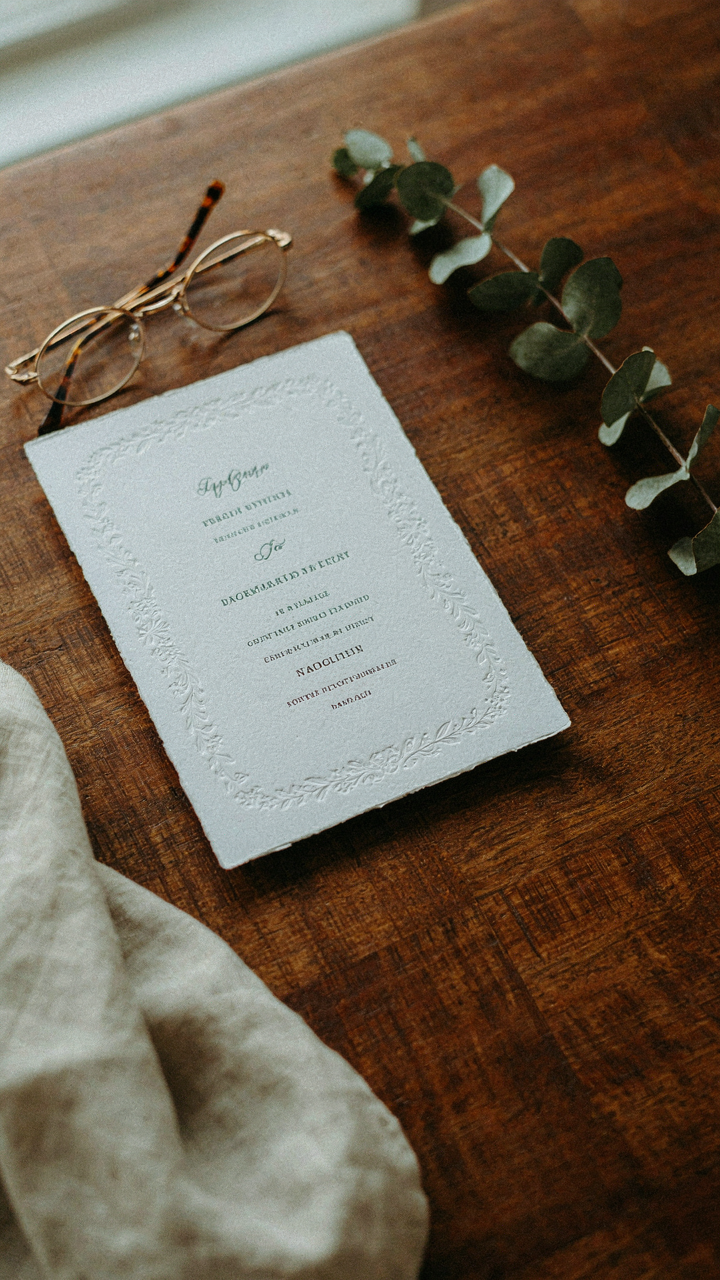
You care about this section because you’re afraid of getting it wrong and looking like you don’t belong. Here’s the mechanism: festive attire dress codes are contracts between the host and guest, but the host never states the full terms. They assume you’ll read the unspoken layer. The invitation wording, the sender’s social position, and the event’s purpose telegraph what they actually want you to wear. Most people miss this because they fixate on the explicit dress code label instead of the person enforcing it.

The host’s expectations live in a hierarchy. Formal invitations from established institutions signal stricter interpretation. Casual invitations from peers signal flexibility. A corporate holiday party expects you to stay within brand image. A family gathering expects you to signal respect through effort, not perfection. The gap between what the invitation says and what the host feels is where most dress code mistakes happen. Read the invitation again. Notice who signed it. Notice what they emphasized. That’s where the real code lives.
Venue And Time Shape What Works
Venue and time of day function like architectural constraints in building design, where the structure itself determines what can fit inside. You cannot ignore physics. A black-tie event at 7 PM indoors demands formal fabrics and coverage. The same dress code at a daytime garden event requires you to adjust for sun exposure and heat. Time of day shifts the formality ceiling. Morning events tolerate less formal clothing. Evening events demand upgrade. Cold venues support heavy fabrics. Warm venues expose over-dressing immediately.
Practical protocol: match formality to the venue’s physical reality first, then confirm against the stated dress code. An indoor winter ballroom supports velvet, silk, and structured tailoring. An outdoor summer celebration demands breathable materials and lighter layers. If the venue is transitional (outdoor early evening), prepare for temperature change. The person who shows up overdressed for the physical environment looks more obviously wrong than someone slightly underdressed for the stated code. Venue reconnaissance happens before clothing selection.
Dress Attire As Personal Brand: The Intentional Statement
Festive Fashion As Differentiation Strategy
You care about this because you know that blending in means invisibility. The real mechanism at work is signal theory from economics: you’re pricing yourself in a market of observers through visible choices. Festive dress codes exist precisely because they permit controlled deviance. Standard business attire locks you into compliance. Festive settings unlock permission to signal status, taste, and intentionality through deliberate departures from baseline.

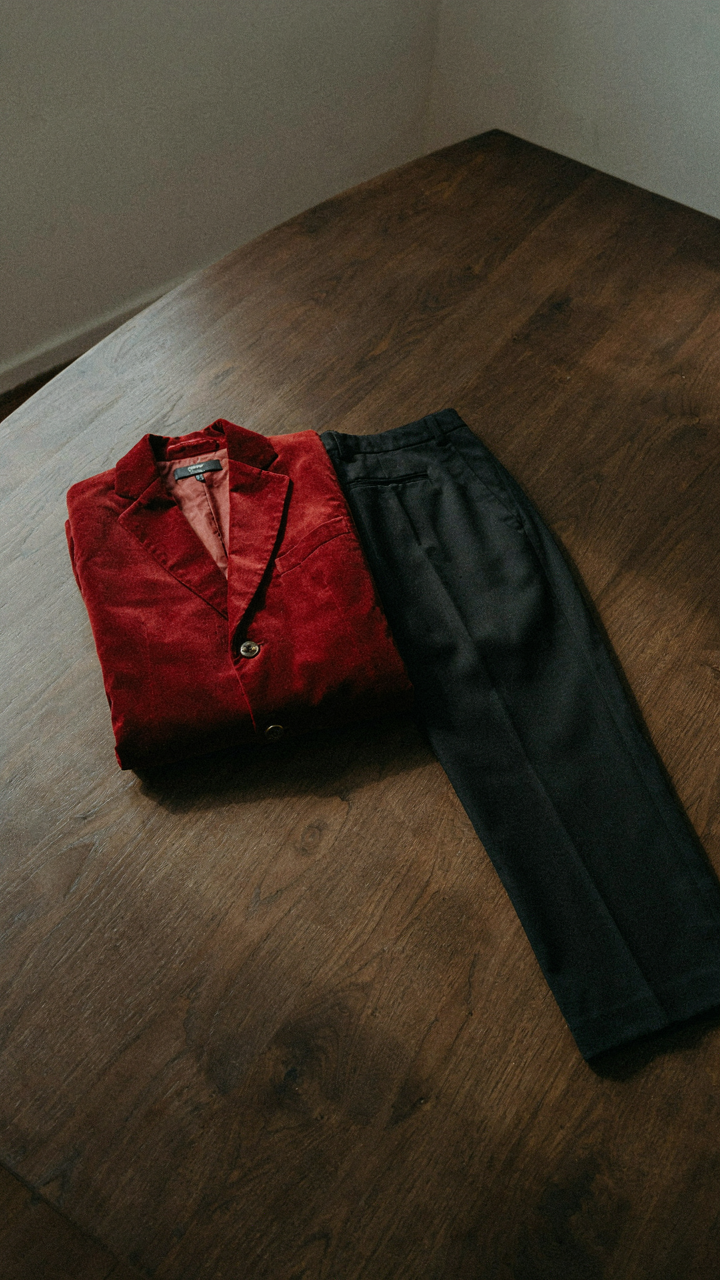
Most advice tells you to “express yourself” at festive events. That’s hollow. What actually works is constraint-based choice. You pick one dominant visual element—color, texture, or silhouette—that breaks from the statistical average of the room, then build everything else around restraint. This prevents you from reading as costume rather than intention. The person in the crimson velvet jacket paired with black trousers reads differently than the person in a costume shop’s entire inventory at once.
Color And Texture As Tactical Tools
The fashion industry separates color strategy into two categories: value and saturation. Value is lightness or darkness. Saturation is intensity. In a festive room dominated by safe blacks, golds, and silvers, your move is saturation play, not value play. Shifting from black to deep jewel tones or rich metallics works because you’re staying within the acceptable range while standing out through intensity, not aberration.
- Deep Jewel Tones: Emerald, sapphire, and burgundy carry luxury association historically tied to royal courts and rare dye access. They read as deliberate without reading as loud.
- Metallic Finishes: Gold and copper thread, sequin details, and lamé fabric catch light differently than matte fabrics. The mechanism is attention without aggression—light does the work for you.
- Textural Contrast: Velvet, brocade, or jacquard against smooth silk creates visual interest from up close while reading as cohesive from distance. Texture signals craft and intentionality.
- Monochromatic Depth: Wearing one color in multiple fabrics (satin, crepe, tulle) creates complexity without the risk of color clash. This is how luxury brands handle festive dressing.
- Strategic Neutrals With Accent: Black or navy as your base with one high-saturation accessory or lapel detail lets you control where attention lands. It’s anchored intentionality, not scattered energy.
The execution step is simple: choose your dominant color or texture first, then build backward into supporting pieces that recede. Every other choice becomes subordinate to that single decision. This prevents decision fatigue and reads as purposeful rather than overthought.
Guest Attire: Avoiding The “Costume” Trap
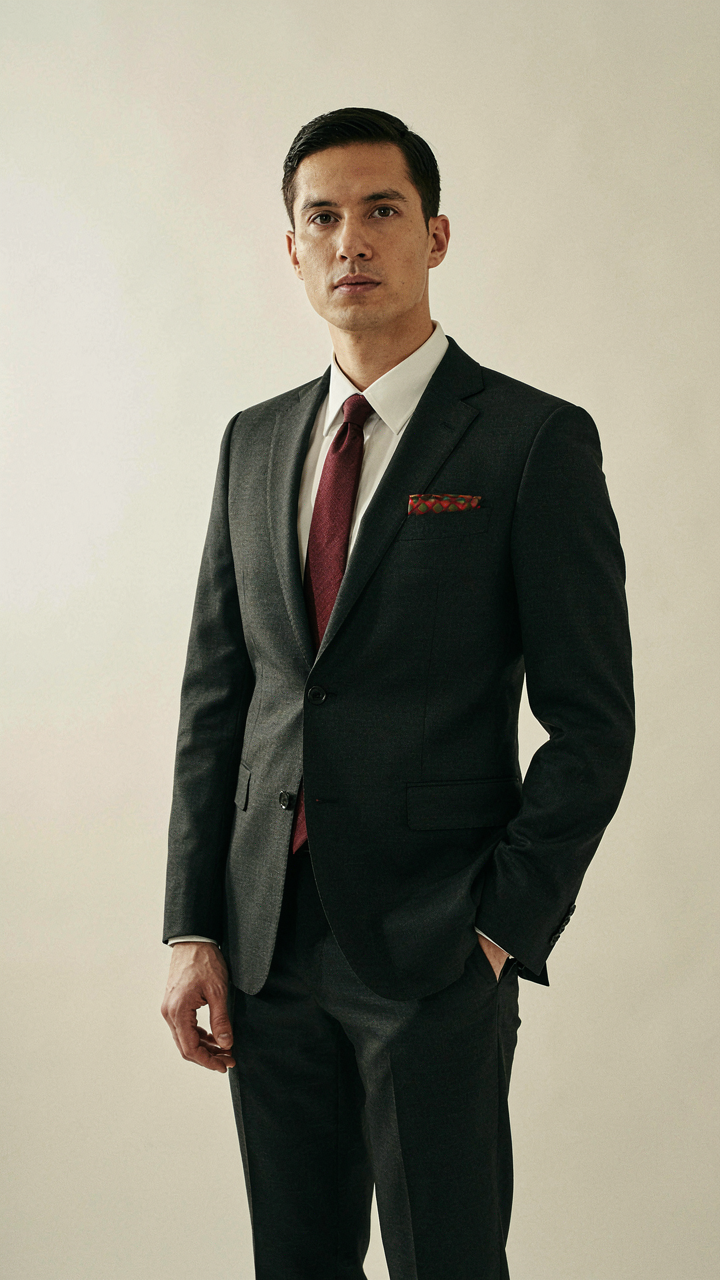
Elegance Over Excess: Subtle Holiday Nods
You’re worried people will think you tried too hard or, worse, didn’t understand the assignment. Here’s the mechanism: festive attire operates on signal density. In information theory, the channel capacity determines how much meaning you can transmit in a fixed space. Your outfit is that channel. Too many competing signals (tinsel, sequins, novelty prints, thematic accessories) and the message collapses into noise. One or two deliberate holiday elements read as intentional. Five or six read as costume.

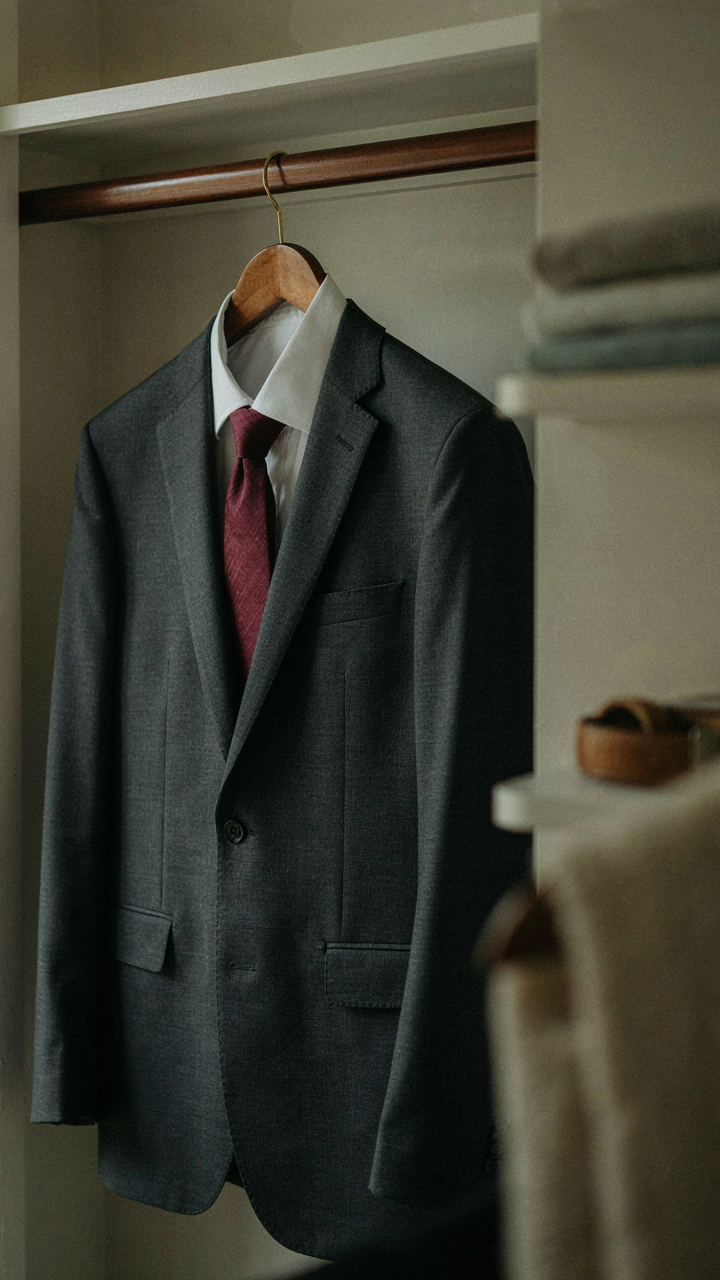
The distinction is restraint. A dark charcoal suit with a burgundy silk tie, paired with a single festive pocket square, signals occasion awareness. The same suit drowning in gold lamé, reindeer brooches, and light-up accessories signals something else entirely. Sophisticated guests recognize the difference instantly. Your job is to acknowledge the season through fabric choice, color palette, or one statement piece, not to announce it through volume. Pick one element: a jewel-tone dress, metallic accents on a neutral base, or holiday-appropriate fabric like velvet or structured satin. Let everything else fall neutral.
Appropriate Formality: Not A Theme Party
Common advice here is incomplete: “Match the dress code and add festive flair.” This misses why the distinction matters. Festive attire is a formal category, not a permission slip for deviation. The dress code defines the baseline. Festive modifies it through restraint, not rebellion. A black-tie event doesn’t become casual because it’s in December. The formality floor doesn’t drop because there’s a holiday theme.
What changes is your material selection and accent color. At a formal holiday dinner, you wear the same tailored structure as a non-holiday formal event, but perhaps in deeper jewel tones instead of black, or with subtle metallic threading in your fabric. At business casual festive, you skip the novelty prints entirely and anchor yourself in professional silhouettes. The formality requirement is your constraint. Your job is working within it, not around it. Reference the stated dress code first. Then make one intentional choice that acknowledges season without breaking formality.
The “Occasion Physics” Of Festive Wedding Attire

Where Formality Becomes Currency
You care about this because wearing the wrong thing signals you don’t belong, and belonging matters more than you admit. Formality works like gravitational pull in physics—the denser the occasion, the stronger the force pulling your clothing toward constraint. A festive wedding attire dress code isn’t suggestion. It’s a mass that bends what you wear around it.

Festive wedding events sit at a specific density on the formality spectrum. They’re not black-tie rigid, but they’re not casual either. The mechanism is this: the event’s formality level determines your garment weight, fabric sheen, and color saturation. A cocktail-hour festive wedding pulls you toward jewel tones, structured fabrics, and visible texture. A daytime festive celebration pulls you toward lighter colors, natural fibers, and matte finishes. The pull is directional. You either move toward it or away from it deliberately, but you don’t stay neutral.
What Tradition And Celebration Actually Demand
Everyone says tradition and celebration blend at festive events, but that’s lazy. They don’t blend—they compete for dominance, and which one wins determines your entire outfit strategy. Tradition anchors you to specific garment rules: men in jackets, women in dresses or formal separates. Celebration pushes you toward color, pattern, and personal expression. The tension between these two forces is real, not metaphorical.
The person who navigates this well doesn’t compromise between tradition and celebration. They execute tradition flawlessly first, then layer celebration on top through controlled choices. A man wears a structured suit jacket, then signals celebration through a bold pocket square or metallic tie clip. A woman wears a dress in a conservative silhouette, then signals celebration through statement jewelry or an unexpected fabric like sequined velvet. Your baseline clothing follows tradition. Your accessories and details follow celebration. This is the protocol.
Formal Wedding Attire: Upleveling Your Festive Game
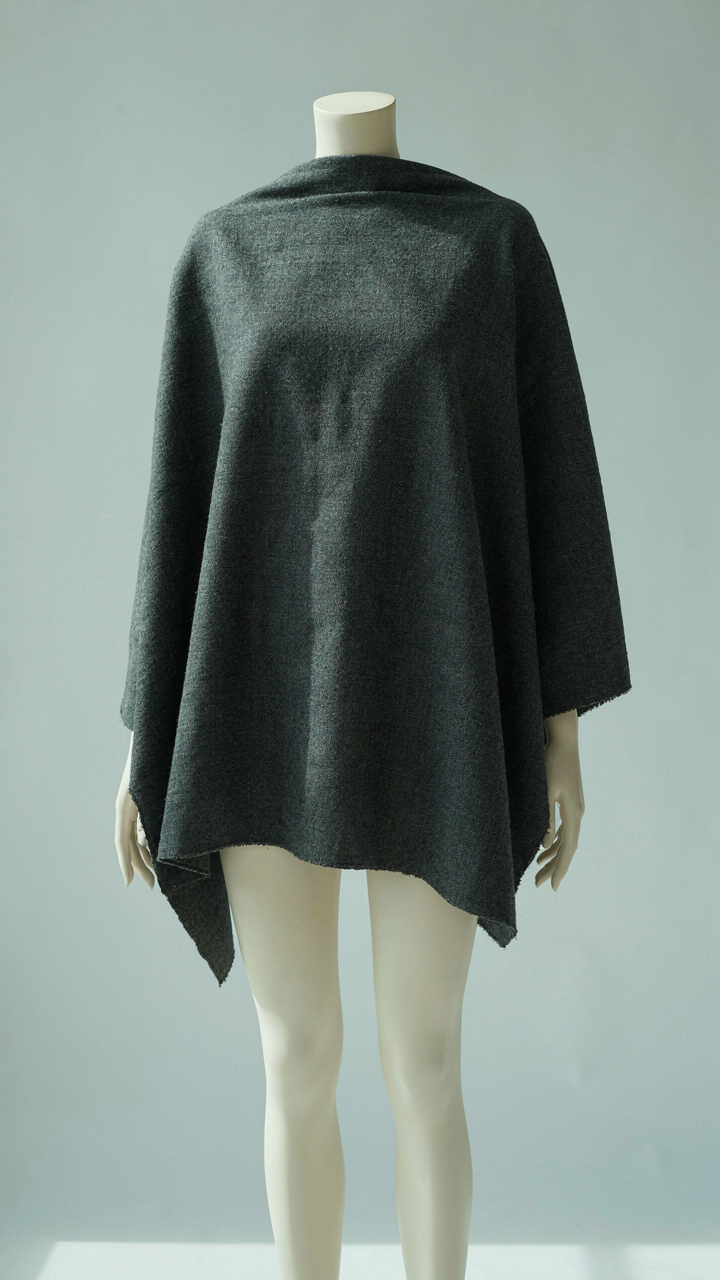
The Fabric Layer You’re Actually Missing
You want permission to spend more money and have it matter. That’s the real question here. The mechanism is simple: formal festive wear signals through material density and fiber composition, not cut. Most people wear the same suit weight year-round. Formal wedding events demand heavier base fabrics that photograph differently, move differently, and hold structure through a full evening.

Wool at 120-130 grams per square meter becomes your baseline for winter formal events. Silk blends in dresses add weight that creates intentional drape rather than clinging or floating. Linen, despite being lighter, reads formal in wedding contexts when the weave is tight and the finish is pressed. The fabric choice does the talking before anyone sees the garment shape.
Strategic Adornment, Not Decoration
Skip the advice about adding “just one statement piece.” That’s filler guidance that leaves you second-guessing. Real formal accessorizing works on contrast principle borrowed from design theory: one element breaks the baseline palette while everything else recedes. A metallic clutch works only if your shoes and jewelry stay neutral. A jeweled brooch demands your other accessories disappear into the background.
Purpose means each accessory solves a problem or completes a line. A structured coat finishes a bare-shouldered dress without competing for attention. A simple bracelet on a bare wrist looks intentional; five pieces look panicked. Build accessories backward from the statement piece. Pick one focal point, then let your other choices support it through restraint.
The “Holiday Party Attire” Deception: More Than Just Sparkles
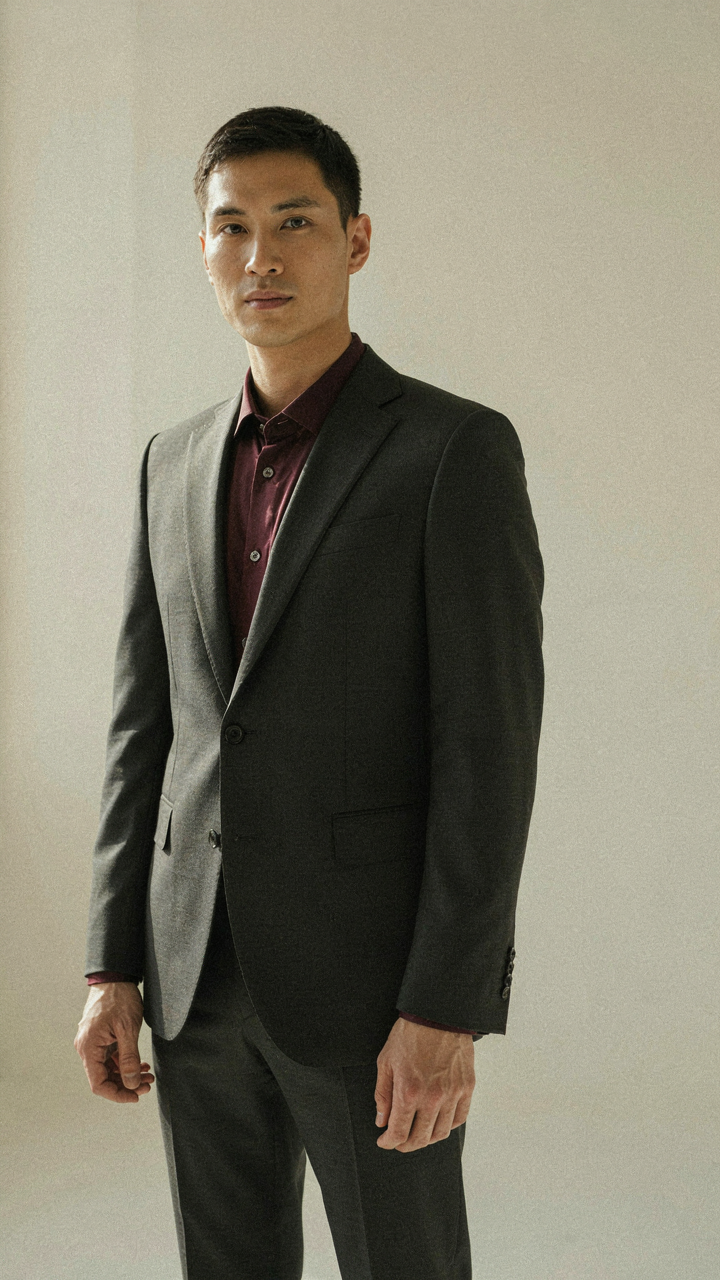
The Tension Between Festive And Professional
You’re worried people will judge you for either looking too stiff or too costume-like, and that anxiety is exactly why most people get this wrong. The real mechanism: festive attire operates on contrast. You’re not supposed to abandon professionalism and swap it for glitter. You’re supposed to signal restraint while breaking one rule. A charcoal suit with a burgundy silk shirt and subtle metallic cufflinks reads as controlled risk, not costume. The professional baseline stays intact. Only the accent shifts.

Most advice tells you to “add sparkle” or “go bold.” That’s backwards. You build from professional foundation, then introduce one element that breaks the monotony of your regular wardrobe. A pencil skirt in deep jewel tone instead of black. A structured blazer in navy with a gold brooch. The garment itself must fit like your normal clothes fit. Construction matters more than decoration. This is why a well-cut dress with minimal embellishment outperforms a poorly fitted gown covered in sequins.
Strategic Details Over Thematic Commitment
The costume mentality kills festive attire faster than anything else. You don’t need reindeer brooches, novelty sweaters, or full thematic alignment to signal you’re participating in the occasion. One thoughtful detail accomplishes what ten accessory impulse buys cannot. A watch with a leather strap in deep green. Shoes in metallic bronze instead of black. A pocket square in a silk pattern with winter tones. Each piece serves function while breaking your default palette.
The protocol: identify one element that deviates from your standard professional rotation, ensure it’s constructed well, and stop there. Restraint reads as intentional. Restraint reads as confidence. Restraint reads as someone who understands the room and chose to participate on their own terms, not someone who followed a checklist of “festive” purchases.
Christmas Cocktail Attire: The “Subtle Power” Method
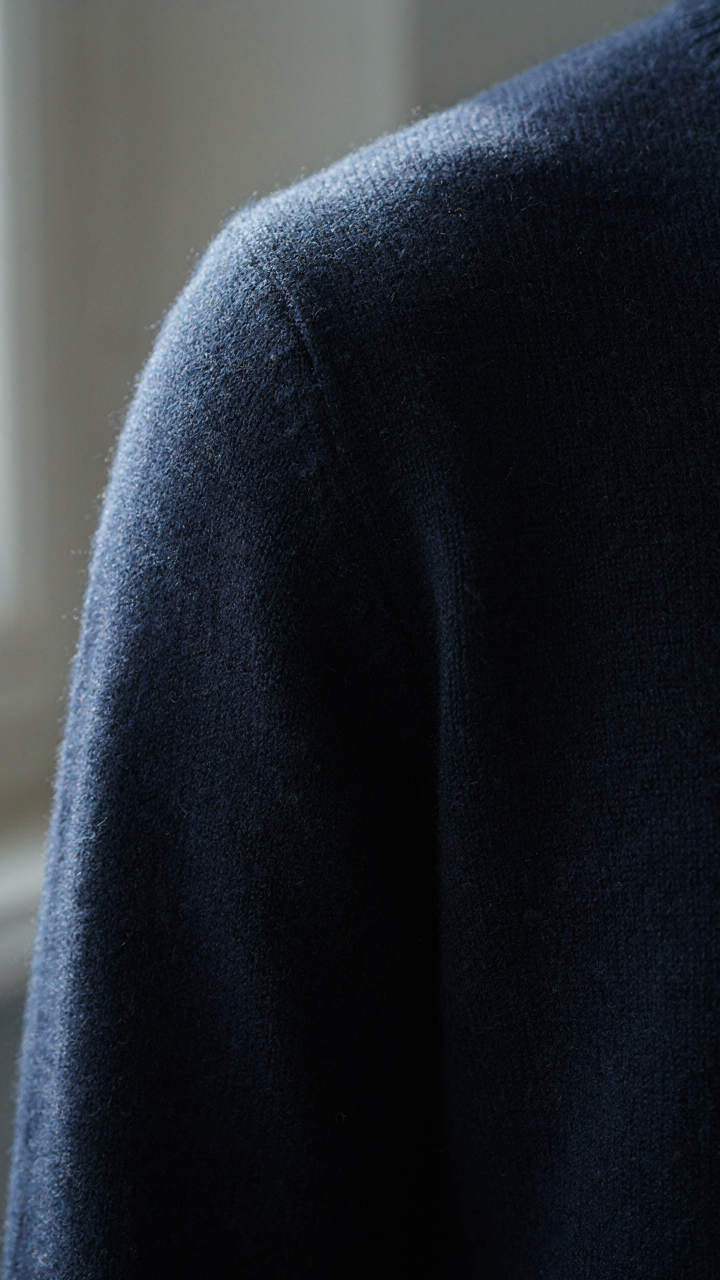
Refined Festivity: Less Tinsel, More Texture
You’re worried people will think you didn’t try hard enough, or worse, that you tried too hard. The mechanism is signal compression: restraint reads as confidence in a room full of noise. Dark fabrics with dimensional texture (wool, silk blends, structured knits) replace flat materials and bright decorative elements. You’re doing festive work through material quality instead of visual clutter. A charcoal blazer with a fine herringbone weave says more than a generic red sweater with metallic threading.

The common advice is to “add festive touches” without specifics, which leads people to grab whatever sparkles. Real execution means selecting one elevated textile and letting it carry the season. Cashmere in deep navy, a merino wool blend in burgundy, or a structured silk-cotton mix in forest green all read as intentional festive choices. The texture becomes the seasonal signal, not the decoration.
Color Psychology: Impactful Choices Beyond Red
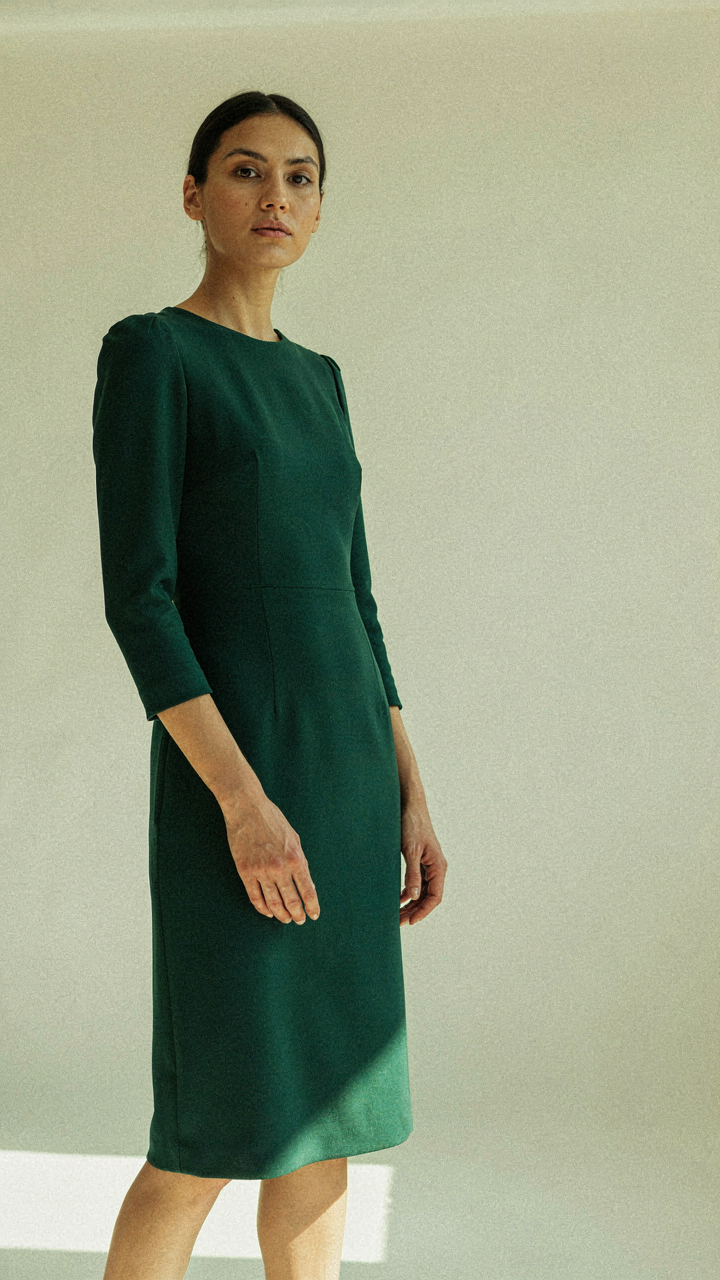
Color theory borrowed from marketing shows that saturation and value contrast drive perception more than hue alone. Most people default to bright red because it’s obvious, but psychology shows deep jewel tones create higher perceived status in formal settings. Emerald, sapphire blue, and burgundy carry festive weight without the visual aggression of primary red. Your choice of saturation level shapes how people categorize your presence at the event: sharp and considered or generic and compliant.
The mechanics work like this: muted jewel tones feel intentional because they require specific sourcing and styling discipline. A deep forest green tailored piece or midnight blue dress reads as rare. Pair these colors with neutrals (charcoal, cream, black) to let the hue do the work without competing elements. Skip the “festive red” trap entirely and land on one jewel tone as your seasonal anchor, then build everything else around supporting that single choice.
Colorful Cocktail Dress Code: Mastering The Hue Hierarchy
Color Choice Determines Social Reading
You care about this because you know color broadcasts status before you open your mouth. The mechanism is simple: your brain processes color in 250 milliseconds, before it processes anything else about your outfit. In design, this is called figure-ground contrast—the relationship between the dominant element and its background. At a holiday cocktail event, your color acts as the figure. The room’s lighting and other guests’ choices form the ground. The gap between them determines how much attention your presence commands.

Deep jewel tones—emerald, sapphire, burgundy, deep plum—read as intentional and controlled. These colors work because they don’t compete with skin tone or warm lighting. Pastels and muted tones do the opposite. They blur into background noise unless you have natural coloring that makes them pop. The real error people make is treating color as personal preference. It’s not. It’s a communication tool. The color you wear must account for the venue’s lighting temperature and the seasonal context of the event.
Saturation Separates Professional From Desperate
High saturation (pure, bright color) signals youth, energy, or informality. Low saturation (muted, grayed-out color) reads as mature and measured. Neither is inherently wrong, but mixing them sends a confused message. The common advice—”wear what makes you feel confident”—is incomplete. Your confidence doesn’t matter if your saturation level contradicts the event’s formality.
Choose saturation based on event type and your role in it. Corporate holiday party? Muted jewel tones or deep jewel tones with low saturation work. Social gathering among peers? You can push toward richer saturation. The protocol: select your base color first, then decide if you want it at full intensity or toned down. This decision shapes everything else—accessories, shoe choice, even fabric selection. The adjustment from one saturation level to another is what separates polish from costume.
The Only Dress Code That Matters Is Your Own Conviction
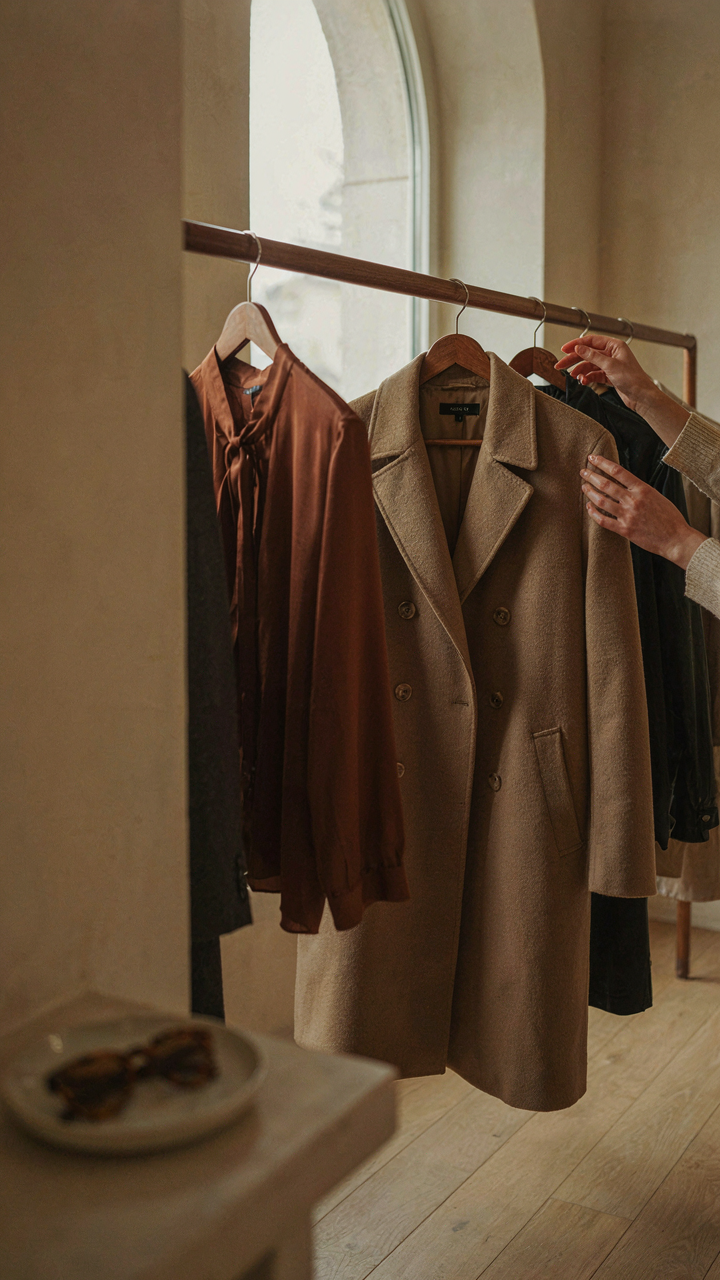
Most people wear what they think others expect. That’s backward. Pick one piece tonight that makes you feel like yourself, then build around it. Not the fanciest outfit wins. The person who knows why they wore it does. Confidence reads louder than any dress code rule ever written.



