

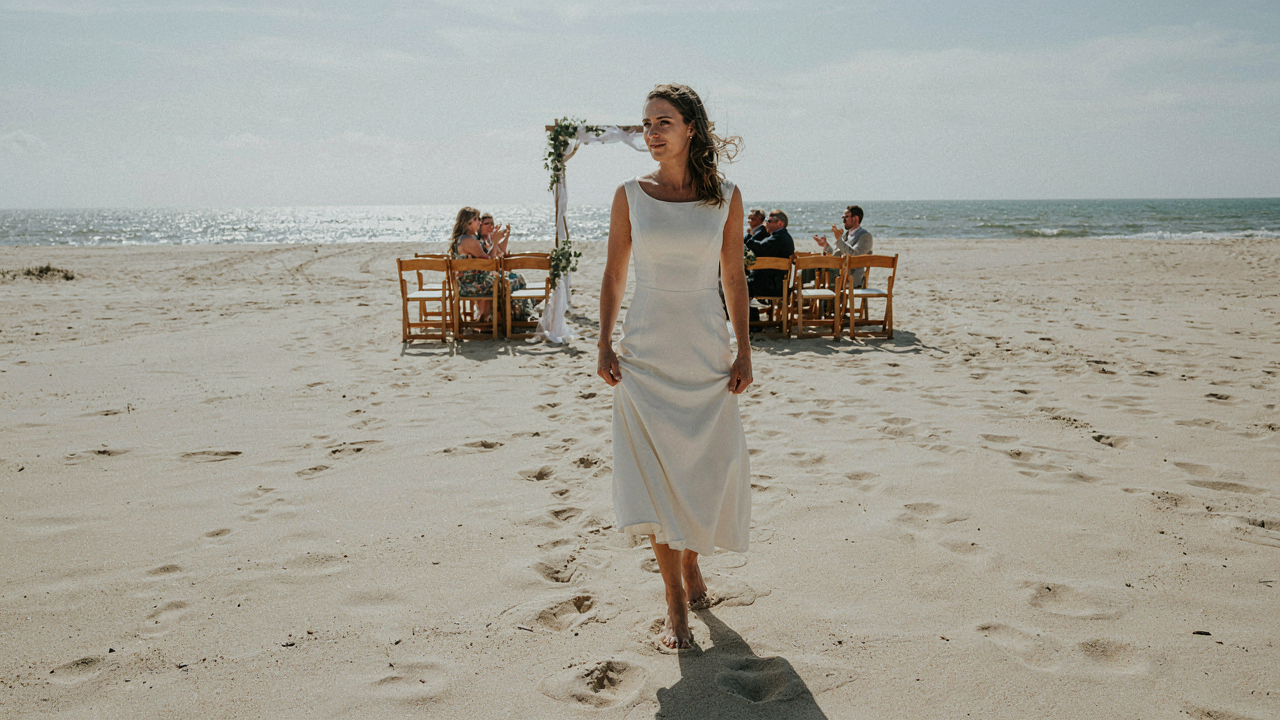
The False Dichotomy: Why “Beach Formal” Confuses Most Women
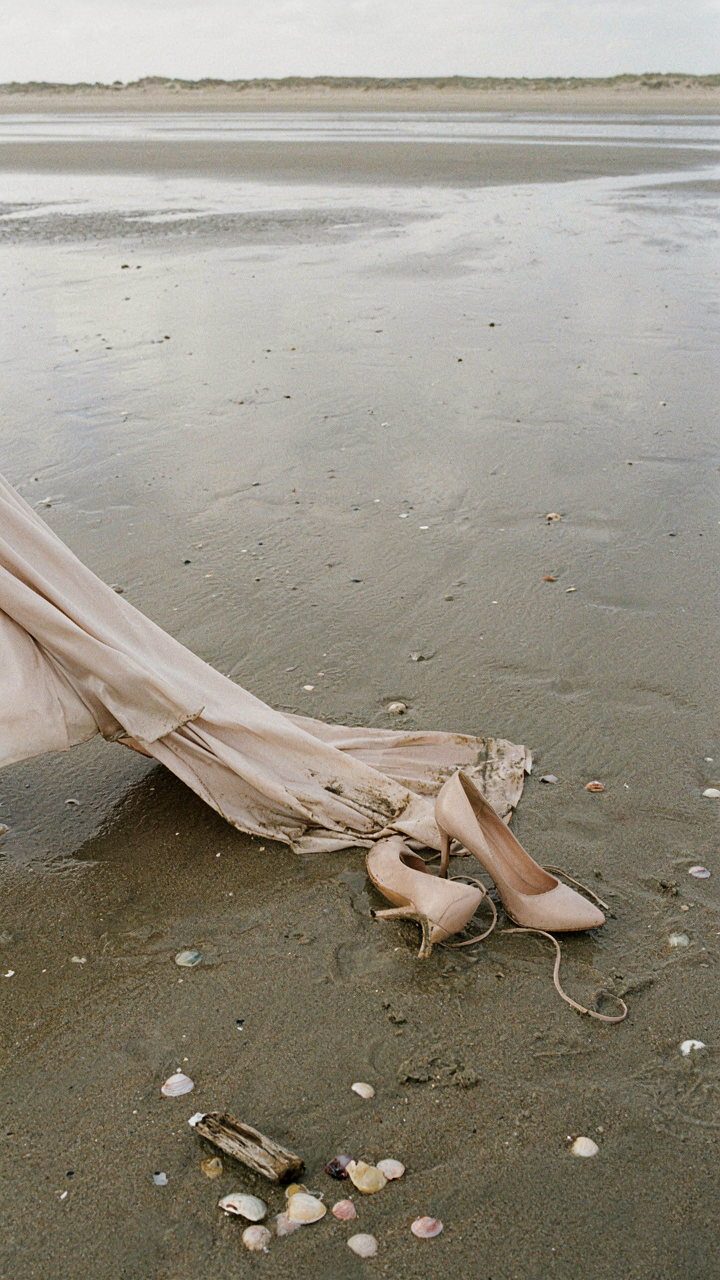
What “Beach Formal” Actually Means
You care about this because you’re terrified of showing up wrong and signaling low status to people who matter. The real mechanism is simple: beach formal isn’t a dress code. It’s a constraint problem. You’re solving for formality in an environment that destroys formality. Sand degrades fabric. Salt corrodes metal. Heat wilts structure. Formal wear assumes controlled indoor conditions. Beach formal requires you to maintain visual authority while the physical world actively works against it.
The confusion starts because fashion advice treats beach formal as a relaxed version of formal wear. It’s not. It’s formal wear redesigned for hostile conditions. The difference matters tactically. A traditional cocktail dress fails on sand because the hem drags, the fabric wrinkles unpredictably, and your shoes either sink or come off entirely. Beach formal solves these problems through specific material choices and silhouette strategies, not by lowering the formality threshold.
The Three Mistakes Everyone Makes
Most advice tells you to “just wear linen” or “go with flowing fabrics.” This is incomplete and sometimes wrong. The real pitfall is treating beach formal like casual wear with better styling. Women typically fail in three ways: choosing breathability over structure, assuming sandals count as formal footwear, and picking colors that look washed out against sand and sun glare.
The first mistake happens because beach environments feel inherently casual. You relax your standards for fit and line. Formal wear works through silhouette clarity. A structured linen dress maintains that clarity. An oversized, unstructured linen piece reads as resort casual, not formal. The second mistake is practical: bare feet or metallic sandals don’t project formality because they don’t anchor the outfit visually. The third mistake is about contrast and visibility. Pale neutrals that photograph beautifully in studios disappear against sand. You need intentional color strategy.
The Environmental Integration Method: Your Outfit As An Ecosystem
Adapt Or Perish In The Sand And Sun
You want to look effortless at a beach formal event because you’re terrified of looking overdressed or underdressed, and you think the outfit itself solves that problem. It doesn’t. The mechanism is adaptation. In biology, organisms survive by matching their structure to environmental pressures. Your outfit must do the same thing with sand, salt, humidity, and UV exposure. Every fabric choice, every closure, every layer either reinforces your presence at a formal beach event or undermines it. The difference between looking polished and looking corroded after four hours in the elements comes down to material selection before you ever leave your house.

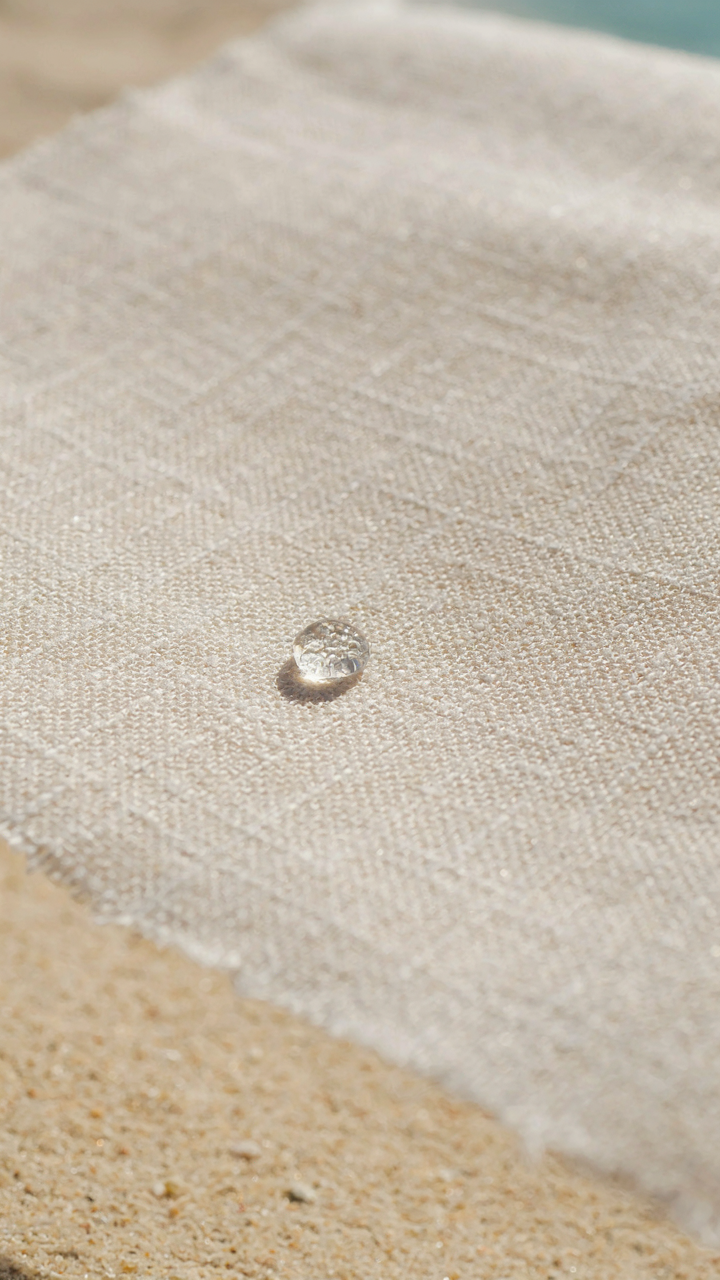
Cotton and linen dominate beach formal advice because they’re breathable. That’s incomplete. Linen wrinkles dramatically under humidity and salt spray. Cotton absorbs water and holds it, which creates weight and cling. The real play is high-thread-count cotton blends with synthetic fibers that wick moisture, or performance fabrics designed for UV protection that maintain structure without the sweat-stain problem. Silk charmeuse drapes well but deteriorates fast in salt air. Evaluate each garment by asking: does this fiber reinforce my formality as conditions worsen, or does it surrender to them?
Feedback Loops For Comfort And Style
Cybernetics studies how systems adjust to reach a goal through feedback. Your beach formal outfit operates the same way: every layer, accessory, and choice sends data back about whether you’ll maintain composure and appearance for the duration. You can’t separate comfort from style here because discomfort will force visible adjustments that break formality. A dress that rides up, a neckline that requires constant repositioning, or shoes that create a visible limp all communicate that you’re fighting your outfit, not wearing it.
Start with a test run in actual sun and humidity for at least an hour before the event. Walk. Sit. Stand. Eat. Observe what adjusts, what chafes, what fades in appearance. That feedback tells you which elements need modification. A woman in a well-fitted linen shift dress and minimal jewelry who moves unselfconsciously reads more formal than someone in technically correct beach formal attire who tugs at straps and shifts her weight constantly. The mechanism is this: adjust your outfit until your body can forget it’s wearing one, and your formality will increase, not decrease.
Fabric Forensics: Decoding Material Performance

The Breathability Trap
You want the outfit to look structured and intentional because loose fabric reads as sloppy, and you’re terrified of showing up underdressed at an event where status gets calibrated in seconds. Here’s the mechanism: breathability and structure operate on inverse tension in natural fibers. Linen breathes aggressively but wrinkles the moment humidity hits it. Cotton blends offer middle ground but lose recovery speed in heat. Silk crepes hold shape while trapping warmth against skin. The play isn’t choosing one. It’s layering fibers so the outer layer handles structure while the inner layer manages moisture.

Natural fibers dominate beach formal because synthetics activate sweat visibility and create that cheap sheen under sun exposure. Linen works when you accept the wrinkled aesthetic as intentional rather than fighting it with starch. Cotton sateen blends give you dimensional structure without the fragility of pure silk. The winning move: pick the fiber that fails gracefully in your specific humidity level, not the one that theoretically performs best on paper.
Wrinkle Resistance Without Compromise
The conventional advice says to chase wrinkle-free treatments, but those coatings trap moisture and negate breathability entirely, which defeats the point of wearing natural fabric on sand. Crease retention happens through fiber diameter and weave density, not chemical coating. Heavier linens hold creases longer than lightweight versions. Twill weaves resist wrinkles better than plain weaves because the diagonal structure creates mechanical resistance. High-thread-count cotton resists creasing more than low-thread-count because the tighter weave provides structure.
Packability requires different logic than wrinkle resistance. Garments that pack small tend to wrinkle fast because compression creates permanent folds. Acceptance protocol: choose garments cut loose enough that folding won’t create permanent creases, roll rather than fold, and pack with tissue between layers. For pieces you can’t compromise on, travel with a hand steamer rather than betting on the hotel iron. Wrinkles fade after two hours in ocean humidity anyway, so the real investment is choosing fabrics that wrinkle in ways that read intentional rather than neglected.
The Strategic Silhouette: Beach Wedding Guest Outfits Women

Dressing For Your Frame, Not The Fantasy
You’re worried people will judge your body on sand where nothing hides. That fear drives the real mechanism: silhouette choice determines how fabric behaves in salt air and movement, which either works with your proportions or against them. The cut of a garment—not its size—controls how it sits on your frame when you’re standing still or walking through soft ground.

Peplum hems and structured fabrics amplify curves by adding volume at specific points. A-line cuts from the waist distribute fabric evenly, working across most body types because they don’t cling or compress. Empire waists raise the visual baseline of your torso, lengthening legs on shorter frames. Wrap dresses create adjustable definition without relying on fitted seams that show every contour. The mechanism is simple: your silhouette controls where the eye lands first, and strategic fabric placement either balances proportions or creates contrast where you want it.
Movement Without Resistance
Physics governs fabric behavior on sand the way it governs anything else. Fluid dynamics applies here: a heavy, stiff fabric fights against your body’s motion, while lighter textiles flow with it. Beach formal wear demands materials that move when you move, not after you move, or the outfit reads as costume instead of intentional choice.
Linen and cotton blends breathe and shift without clinging to skin or dragging through sand. Bias-cut construction lets fabric drape at angles that follow your body’s architecture instead of working against it. Midi lengths in flowing materials don’t trap sand or require constant adjustment—they settle around your legs with intentional rhythm. The protocol: choose breathable fabrics in bias or fluid cuts, keep lengths at knee or below to avoid constant repositioning, and test movement by walking before committing to the outfit.
Accessorizing With Intent: Beyond The Bling
Footwear Mastery: Elegant Solutions For Sand
You’re worried that bare feet look underdressed and that shoes will sink or look absurd. The real mechanism is simple: formal footwear on sand signals intention and control, which registers as polish. Most women default to either nothing or impractical heels that destroy the silhouette and sink. The actual move is selecting shoes engineered for sand that maintain formal proportion.
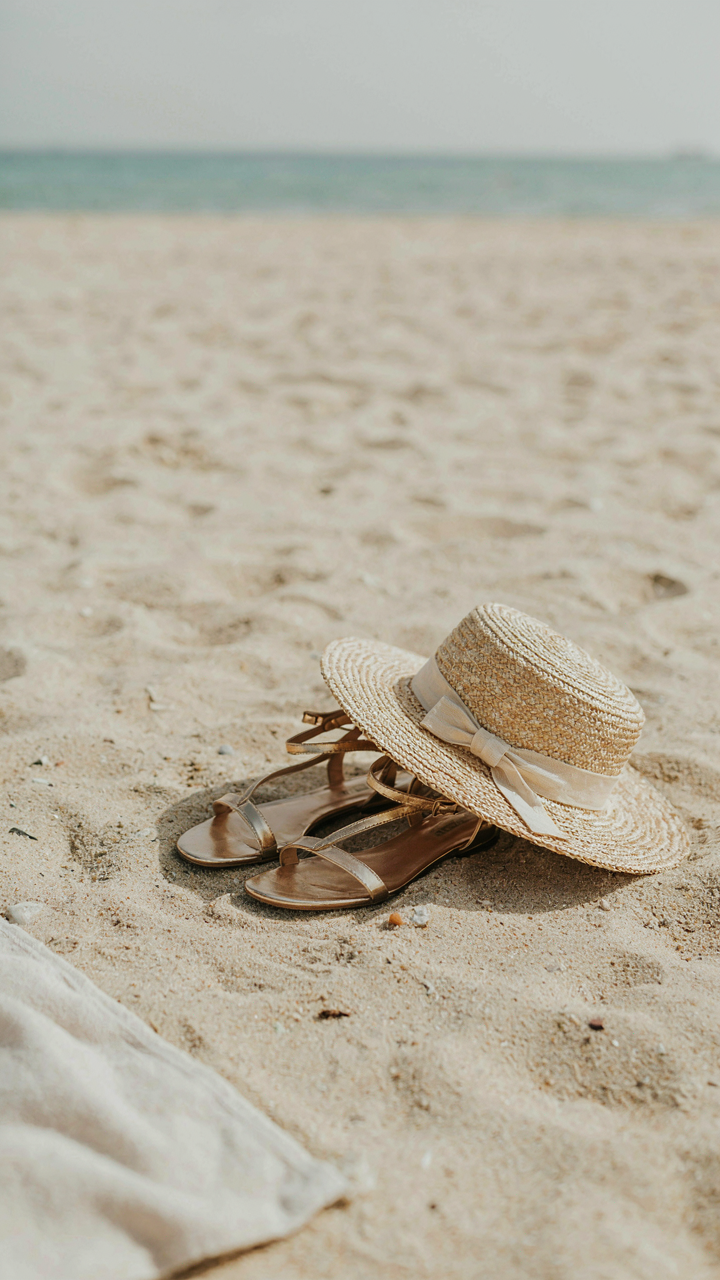
- Flat metallic sandals: Thin straps with minimal sole depth. Gold, silver, or bronze finishes catch light without adding visual weight. They slip on and anchor to the foot without digging into sand.
- Jeweled flip flops or thong sandals: Embellished straps elevate the casual form. Choose designs with structured soles rather than flimsy rubber. The embellishment does the formal work.
- Dressy beach sandals with ankle straps: Closed heel with decorative front. The strap prevents the shoe from shifting in sand while the closed back creates formality without bulk.
- Embellished slip on flats: Canvas or linen construction keeps weight down. Beading, embroidery, or metallic threading converts casual silhouettes into evening pieces.
- Leather thong sandals: Italian or Spanish construction uses quality leather that ages well. Minimal design reads formal when paired with structured clothing and keeps sand exposure low.

The formula is visible structure plus minimal material. Skip anything with thick cushioning, logos, or athletic features. Your shoe choice either reinforces or undermines the formality of your dress. Pick one with defined edges and a heel that stays in place without friction against sand.
Sun Protection As A Style Statement
The common advice treats sunscreen and hats as separate from your outfit. That’s wrong. In beach formal contexts, sun protection becomes architectural. A wide-brimmed hat isn’t an afterthought, it’s a silhouette choice that frames your face and extends your visual presence. The same applies to cover-ups and lightweight layers.
Select structured headwear that complements your dress neckline and color palette. A straw hat with a ribbon band reads intentional. A linen visor keeps formality without blocking your face. Lightweight linen or silk wraps worn as a shawl layer maintain your dress code while protecting shoulders and décolletage. The key is treating protection as part of your composition, not damage control. Your sun strategy should feel designed, not defensive.
Color Psychology In Coastal Settings: Beach Chic Outfit Wedding Guest
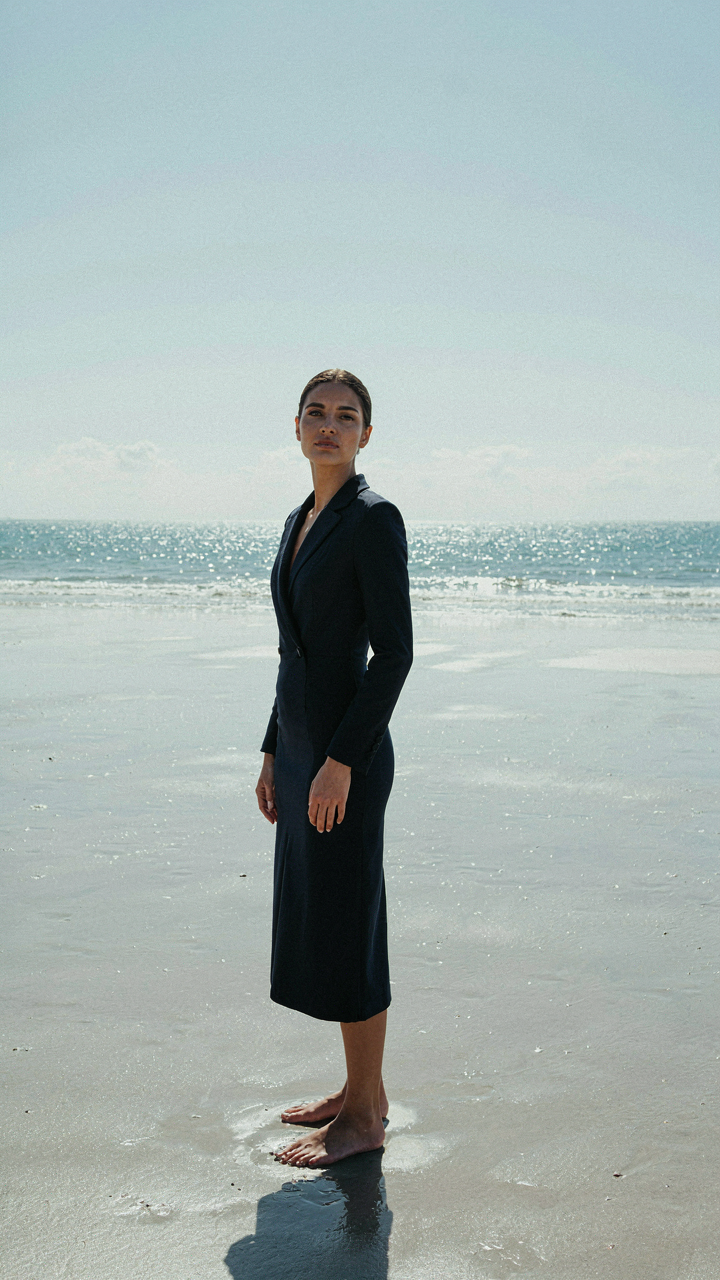
How Light Rewrites Color On Sand
You’re worried the outfit you picked will look wrong in photos. That’s the real concern. Here’s what actually happens: light behaves differently on sand than it does in your bedroom or office. Physics calls this the albedo effect—the reflectivity of a surface. Sand bounces light back up at your outfit, which means colors appear washed out or shift toward yellow unless you account for it.

Traditional advice says wear pastels at the beach. That’s incomplete. Pastels wash out faster under reflective sand light. The mechanism you need: darker, more saturated colors hold their integrity under upward light bounce. Navy, deep emerald, and jewel tones resist the bleaching effect. Test your outfit at noon on actual sand near water before the event. The venue matters more than the rule.
Saturation Choices For Coastal Formality
What most people miss about beach formal is that muted palettes signal uncertainty, not sophistication. Sophistication on sand requires the opposite. You need colors with enough pigment density to survive the environment’s visual noise—the water reflection, the bright sky, the competing textures around you.
Reach for colors with measurable saturation: rich burgundy instead of mauve, teal instead of baby blue, warm caramel instead of beige. Monochromatic dressing works here because a single saturated tone reads as intentional and contained, even in chaos. Neutral metallics like gold and bronze add definition without adding competing hues. Your outfit competes with the landscape for visual weight, so give it enough pigment to win that competition.
From Cocktail To Ceremony: Beach Cocktail Wedding Attire

The Dress Code Switch
You’re worried people will judge you for getting it wrong. The real mechanism is context collapse: you’re navigating two separate social expectations in one physical space, and most guidance treats them as one outfit problem when they’re actually two distinct signals. A beach cocktail wedding isn’t one event with one dress code—it’s a day phase and an evening phase operating under different rules.

Daytime beach events demand lighter fabrics, shorter hemlines, and visible skin because heat and sand are environmental facts. Evening events demand coverage, drape, and weight because darkness changes how fabric reads and because the social formality meter shifts upward. The women who handle this well don’t own one dress they modify. They own two pieces and rotate based on timing. Recognize the boundary between 4 PM and 7 PM as a hard costume change, not a minor adjustment.
Building Depth Without Bulk
Layering on sand has one constraint: weight kills the look faster than complexity does. Think in terms of systems thinking from product design—you’re stacking components where each layer serves a function and the sum creates perceived formality without creating actual burden. A lightweight linen cover-up isn’t decoration. It’s a tool that transforms a day dress into evening wear while remaining cool.
Structured wraps in natural fibers, thin kimonos in silk blends, and lightweight cardigans in cotton or linen add visual depth and authority without trapping heat. Pair these over sleeveless or short-sleeve day dresses in the same color family or in intentional contrast. The evening shift happens when you add footwear with weight and structure—a sandal becomes a heel-forward shoe—and when you swap minimal jewelry for pieces with actual presence. This two-step protocol converts a casual day outfit into something formal without requiring a complete wardrobe swap.
The Minimalist’s Manifesto For Beach Wedding Guest Dress Summer Classy
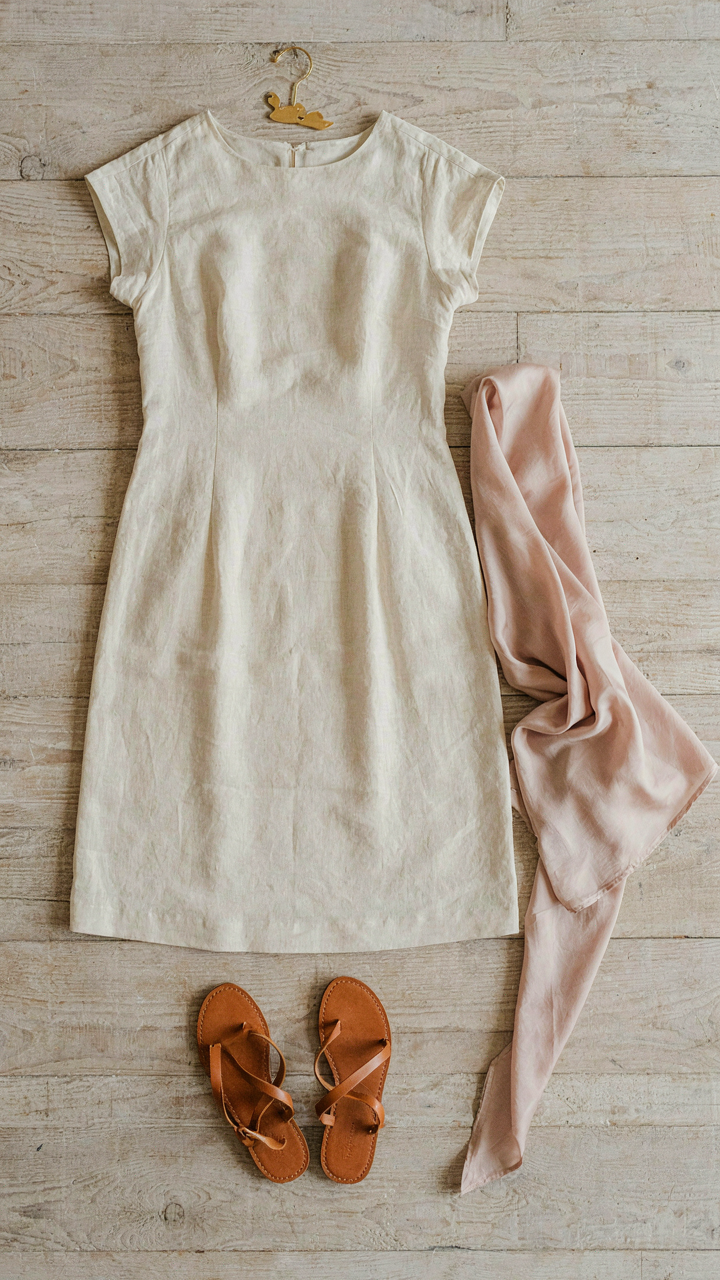
Build Your Core Around Constraint
You want to look effortless because you’re afraid that trying too hard reads as insecurity. The mechanism is simple: the fewer pieces you own, the harder you’re forced to make each one work. Constraint breeds intentionality. Start with three anchor pieces that tolerate salt water, sun exposure, and sand without degrading. These aren’t trendy. They’re structural.

A linen shift dress in neutral tone, a lightweight wrap in natural fiber, and one pair of flat sandals with minimal hardware form the skeleton. Everything else threads through these three. You’re not building a wardrobe. You’re building a system where every addition multiplies instead of cluttering.
Pieces That Survive Actual Conditions
Everyone says invest in quality. Nobody explains what quality means on sand. In materials engineering, tensile strength measures how much force a material withstands before breaking. For beach formal wear, tensile strength isn’t the real metric. Saltwater resistance and UV stability are. Linen outlasts cotton in sun and salt. Silk wrinkles but dries fast. Avoid synthetic blends that trap moisture and develop mildew in humid storage.
A structured linen or linen-blend dress maintains shape through a six-hour event and multiple seasons. Leather sandals with natural finishes age visibly but handle sand without pitting. A silk or linen wrap resists salt staining better than synthetics and layers over sleeveless cuts without bulk. Test these pieces before the event. One wear at a casual gathering exposes flaws before they sabotage you at the actual wedding.
Your Biggest Obstacle Isn’t The Dress Code; It’s Your Addiction To External Validation

You’ll buy the perfect linen dress, the right sandals, the ideal jewelry. Then you’ll still feel wrong because you’re waiting for someone else to confirm you look good. Stop. Pick one outfit that makes you feel like yourself and wear it without checking mirrors or reading the room. The dress code was never the problem. Your permission slip was always inside you.




