

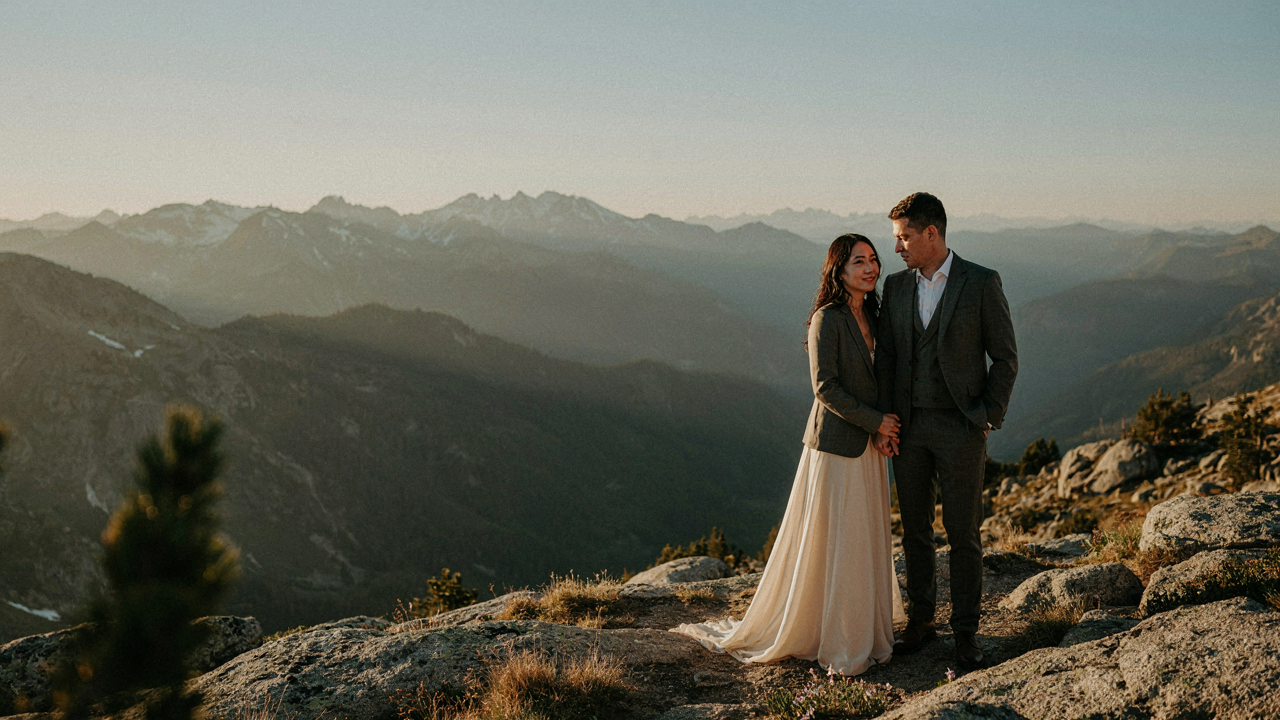
The Unseen Battlefield: Why Your City Clothes Fail
Mountain Microclimates Shift Faster Than You React
You’re worried you’ll look underdressed or overdressed, so you’re seeking permission to wear what you already own. Here’s the mechanism: mountains create their own weather systems independent of the valley forecast. A ridge intercepts wind and cloud cover that the base elevation never sees. Temperature can swing 20 degrees between sunny and shaded slopes in the same hour. Your city outfit was built for stable conditions. Mountains don’t offer stability.
The common advice says “layer up,” which is incomplete. Layering only works if you understand what triggers the shift. Wind speed increases with elevation gain. Direct sun at altitude burns harder than at sea level because less atmosphere filters UV. Shadows at a ridge line feel 15 degrees colder than full sun 50 yards away. You need fabrics that respond to these shifts, not just more pieces. Most wedding guests wear cotton or silk blends that trap moisture and fail under wind exposure.
Altitude Compresses Oxygen And Changes How Fabric Performs
This is applied physiology: your body compensates for lower oxygen by increasing respiration rate and heart rate, which means elevated core temperature. Breathability stops being optional at altitude. A fabric that wicks adequately at sea level becomes a heat trap at 8,000 feet because your baseline metabolic output is already elevated. Your sweat doesn’t evaporate as fast in thinner air, even if the air feels dry. Standard wedding fabrics weren’t engineered for this demand.
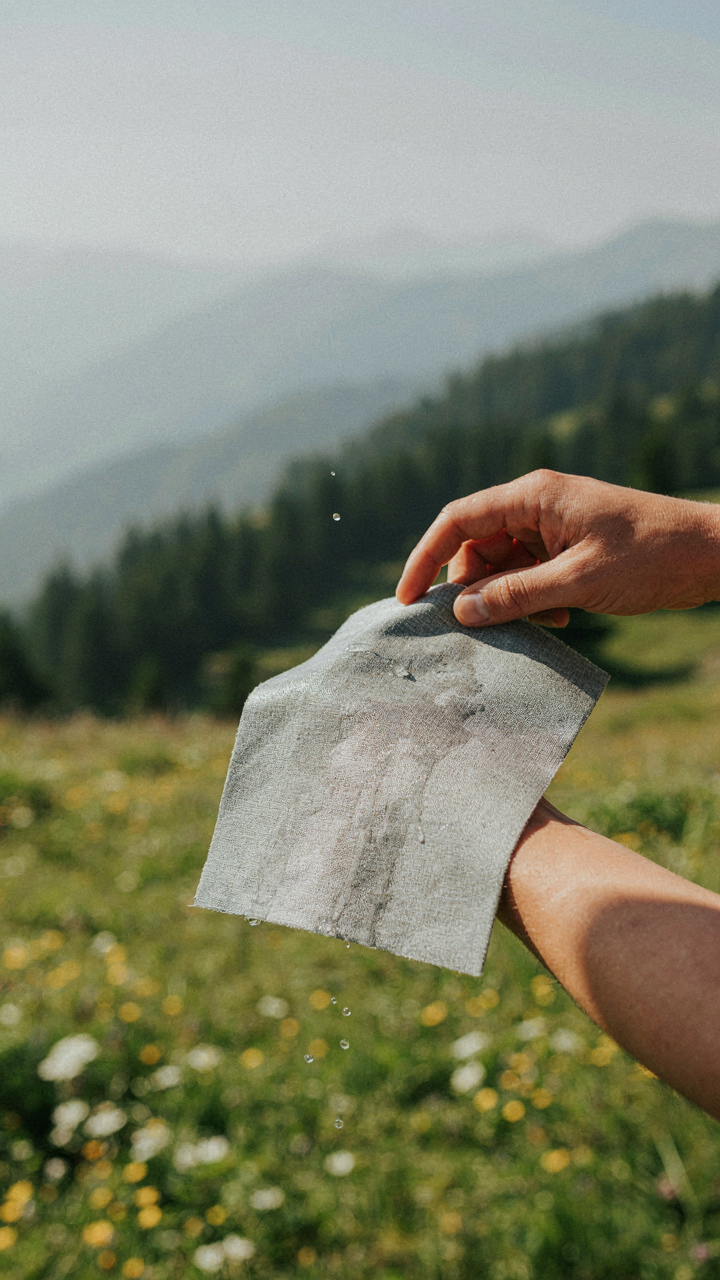
Synthetic blends outperform natural fibers in mountain conditions because they’re designed to move moisture away from skin rather than absorb it. Merino wool is the exception among naturals, but it’s rarely used in formal wedding clothing. Most “breathable” dress fabrics still rely on cotton as a base, which holds moisture. At altitude, moisture becomes a liability. Pick fabrics with polyester or nylon content. Test the garment’s dry time by dampening it under your arm for three minutes. If it’s still damp after five more minutes of sitting, it won’t work for a mountain venue.
Guest Attire: The “Layering Is Not A Suggestion” Protocol
Start With Fabric That Works, Not Fabric That Looks Good
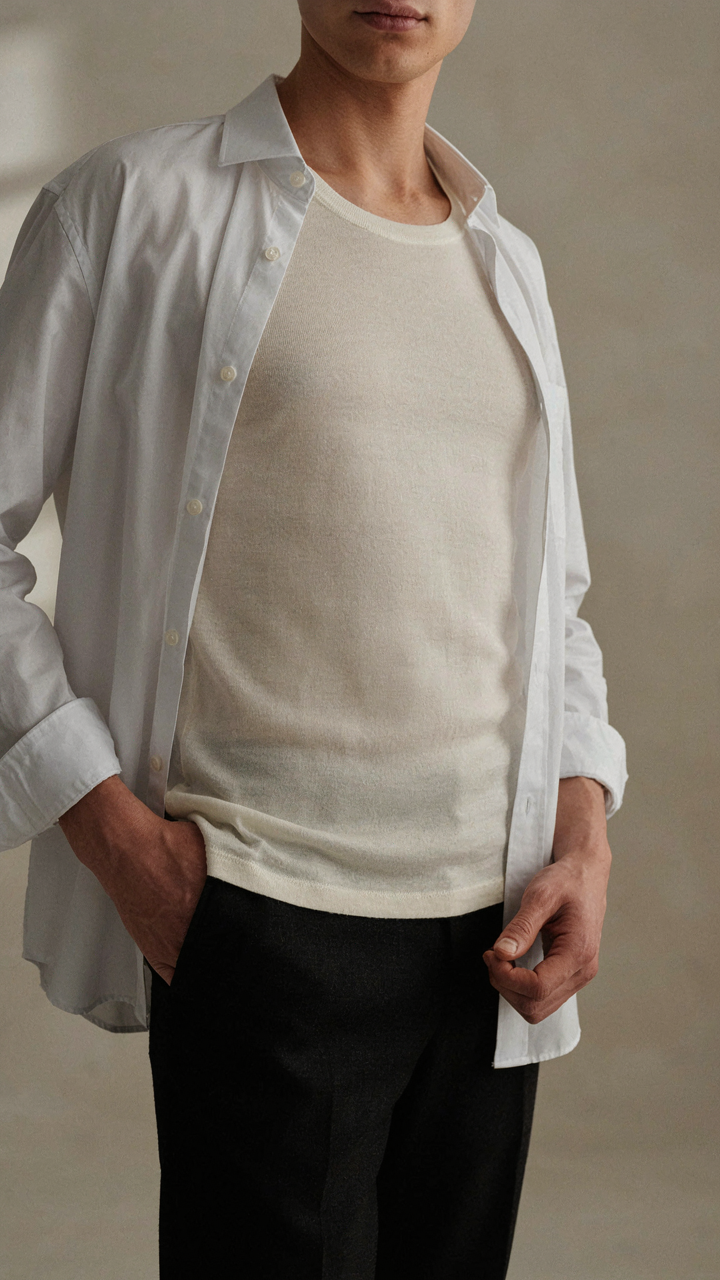
You’re worried people will think you didn’t try hard enough. That fear is real, and it’s also useless here because mountain cold doesn’t care about your outfit’s visual narrative. Thermoregulation in layering works like heat transfer physics: your base layer moves sweat away from skin, preventing evaporative cooling that drops body temperature fast. Cotton fails here. Merino wool or synthetic blends wick moisture and regulate temperature across a wide range. Wear them as your foundation, not as an afterthought under something prettier.

The base layer touches skin directly, so its job is mechanical, not decorative. Merino wool regulates temperature whether air is 65 or 35 degrees. Synthetic alternatives like polypropylene work equally well. The layer needs to fit snug without restricting movement, because loose fabric creates dead air pockets that trap cold instead of managing it. This is non-negotiable at altitude or in evening mountain air.
The Mid Layer Does The Real Work
Everyone tells you to throw on a shawl or a cardigan and call it done. That advice gets you cold. Mid-layers trap warm air your body generates and hold it stable. This is where you use structured materials with actual thermal mass: fleece, wool, or down. The mid-layer sits over your base and under your outer shell. It’s not visible if you choose right, and it’s the mechanism that keeps you functional when temperature drops twenty degrees between sunset and the ceremony’s end.
Fleece compresses if you need to move around, then expands to trap air again. Down works in dry conditions but fails if it gets damp. Wool mid-layers work in both scenarios. Pick one material and commit to it rather than layering three thin pieces that create bulk without benefit. Your outfit stays streamlined while you stay warm enough to actually enjoy the event instead of standing there calculating how long until you can leave.
Footwear As Foundation: The “Uneven Ground” Doctrine
Traction Versus Elegance: Where Safety Meets Appearance
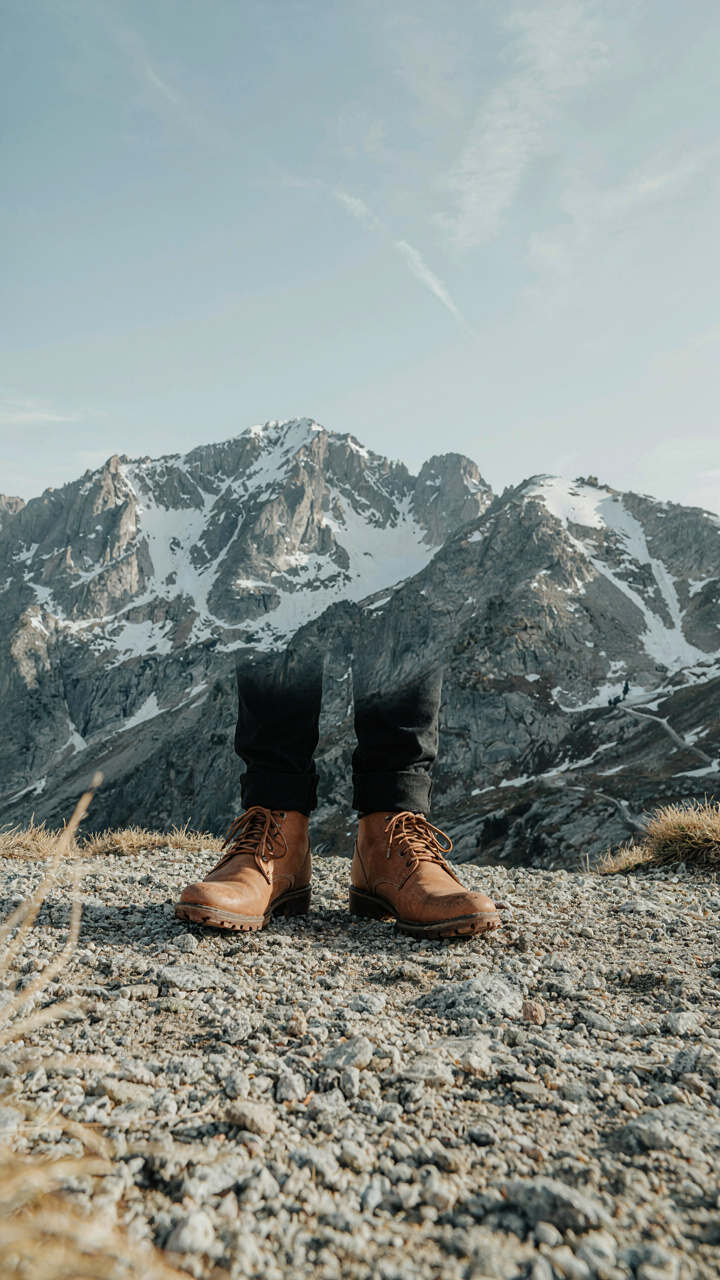
You’re afraid you’ll look out of place. That’s the real calculation happening when you’re deciding between the dressy shoe and the one that won’t roll your ankle on a rocky slope. The mechanism here is borrowed from engineering: friction. Shoe-to-ground friction determines whether you stay upright or become the wedding story nobody wanted to be. A shoe with zero tread on uneven terrain isn’t a choice, it’s a liability masquerading as style.

Most wedding advice says wear heels if you want to look formal. This is incomplete. A heel with a narrow contact patch on loose gravel or wet grass becomes a leverage point working against you. The real move is finding footwear with a wide base and genuine grip that doesn’t read as athletic. Leather-soled dress shoes fail on mountain terrain. Rubber or textured soles grip without announcing themselves.
Heel Stability And Ankle Support For Varied Terrain
Ankle support isn’t about wrapping your foot in a compression sleeve. It’s about the shoe’s architecture preventing inversion when your foot lands on an uneven surface. A shoe with a reinforced heel cup and a structured midsole keeps your ankle joint stable even when the ground beneath it shifts. Flat shoes on slopes force your foot to work harder to compensate. A modest heel, one to one and a half inches, paired with ankle reinforcement is the practical middle ground.
A thin, flexible sole lets your foot feel every rock and root. Your proprioception adjusts, but this creates fatigue and instability during a multi-hour event. A moderate midsole with firmness provides feedback without punishing your foot with every step. Choose footwear that sits snug at the heel with arch support built in. This prevents your foot from sliding inside the shoe as you navigate downslopes.
Mountain Chic Wedding Guest Attire: The Deconstructed Formal
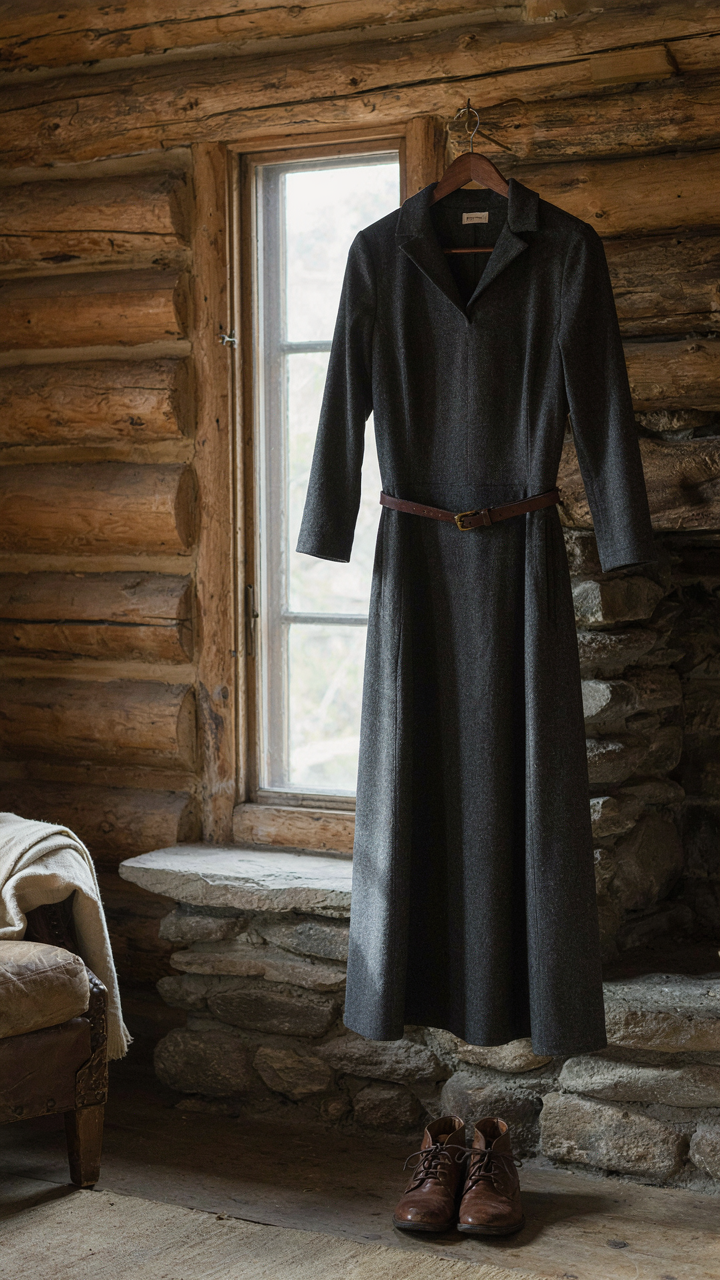
Wool, Cashmere, And Technical Blends
You want to look like you belong at the venue without looking like you tried too hard. The mechanism is material selection. Physics calls it insulation value, and mountain wedding dressing follows the same principle: you need fabric that traps heat without bulk, moves with your body, and doesn’t fail when the temperature swings twenty degrees between ceremony and reception.

Wool is the default for a reason. Merino wool specifically regulates temperature, wicks moisture, and resists wrinkles from sitting in a car for three hours. Cashmere adds refinement but demands care in outdoor conditions. Technical blends—wool mixed with synthetic fibers—give you the properties of both without the fragility. The synthetic component stabilizes the weave under stress and keeps the fabric from stretching out of shape on uneven terrain.
Silhouettes That Move, Not Restrict
Common advice says wear what you’d wear to a formal event, then add a jacket. That’s incomplete. A mountain venue requires you to navigate inclines, standing-room-only sections, and potentially muddy patches. Your silhouette must allow full hip rotation, unrestricted shoulder movement, and ankle mobility without looking like you’re wearing gym clothes.
Tailored trousers or structured skirts in stretch-blend fabrics accomplish this. The structure keeps the line clean while the stretch component—typically elastane at 2 to 5 percent—gives you actual range of motion. Avoid pencil cuts and heavily boned dresses. Opt instead for A-line, wrap, or tapered silhouettes that taper at the ankle without gripping. Your outfit moves with the terrain, not against it.
The Fall Mountain Wedding Guest Outfit Playbook

Color Strategy For High Altitude Environments
You want to look intentional, not lost. That’s the real fear here. The mechanism is simple: color absorption. In mountain light—especially at elevation where UV intensity peaks and shadows cut sharp—the colors that read as “put together” at sea level vanish. Earthy tones (rust, olive, chocolate, charcoal) and deep jewel hues (emerald, sapphire, burgundy) hold visual weight against rock and evergreen. They don’t fight the landscape. They claim space within it.

The common move is to “blend in,” but that’s backward. You’re not trying to disappear. You’re matching the visual density of your environment so you register as deliberate, not out of place. A burgundy wrap or olive dress reads as confident choice in fall mountain light. A pastels or bright white reads as someone who didn’t think through the venue. Fabric color matters more than cut at elevation because the light is harsher and more honest.
Texture As Load Bearing
Texture operates like structural engineering in fashion. A smooth silk dress catches wind and cold equally. A textured fabric—velvet, tweed, heavy lace—traps air dead space that insulates while adding visual depth. Fall mountain weddings demand this. Velvet absorbs light and cold simultaneously. Tweed’s weave creates micro-shadows that read as intentionality even when you’re standing still on uneven ground. Heavy lace layers without adding bulk because the openness lets wind pass while the fibers themselves hold temperature.
Don’t confuse texture with decoration. You’re not adding trim for visual interest. Textured fabrics function as a practical layer system that works without requiring a full coat. A velvet blazer over a fitted dress. A tweed skirt with thick tights. Heavy lace as overlay, not accent. This is load bearing, not styling. Test your fabric by holding it to strong light. If it creates shadow and has visible weave or pile, it works for mountain altitude. If it’s flat and light-transmissive, it fails.
Long Sleeve Dress Wedding Guest: Beyond Basic Coverage

Sleeve Design For Warmth And Versatility
You want the dress to work without looking like you planned for cold. That’s the real tension. The mechanism is sleeve construction: how fabric channels or traps air determines whether you stay warm or just look bundled. A fitted long sleeve creates minimal insulation because it sits flat against skin. A structured sleeve with internal seaming or a slight puff at the shoulder creates dead air space, which is where actual warmth lives. Material weight matters less than architecture here.

Most wedding guests choose sleeves that are either too thin to function or too heavy to layer under. The win is a sleeve thick enough to hold shape but cut with enough ease that a fitted cardigan or structured shawl slides over it cleanly. Test this by wearing the dress with your planned layer. If the sleeve pulls tight or bunches at the armhole, the construction fails under real conditions. Mountain venues drop temperature fast after sunset. Your sleeve needs to trap heat independently and accept an outer layer without friction.
Material Weight For Sustained Comfort In Cold
This isn’t about how the fabric feels in a store at room temperature. Thermal physics governs this: materials retain heat through fiber density and fiber type, not thickness alone. A dense silk crepe at 8 ounces per yard holds warmth better than a loose cotton blend at 10 ounces because the fibers pack tighter and limit air circulation through the weave. Mountain cold is dry and cuts through loose fabrics fast. Density wins.
Merino blend fabrics and structured cotton sateen dresses outperform lighter materials in sustained cold because they maintain body heat without requiring a separate layer to function. Synthetic blends with polyester content add durability on uneven terrain without sacrificing warmth retention. Check the fabric weight on a product listing, not the brand name. A dress labeled “evening weight” in a structured weave will perform better on a mountain at dusk than a “luxury” brand in an open weave, regardless of price. Verify the fiber content and construction before committing to the purchase.
Mountain Formal: The Tactical Elegance Mindset
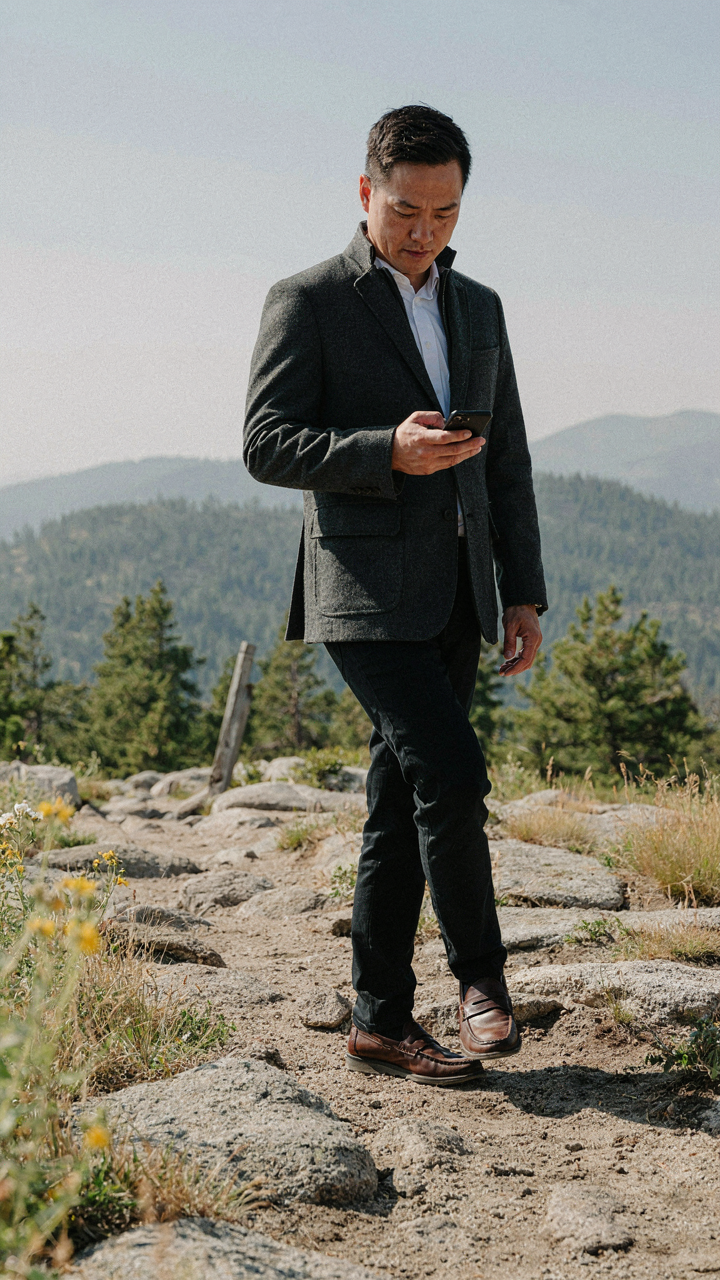
Preparedness Beats Improvisation
You want to look composed at a mountain wedding because appearing rattled signals you’re not in control. That’s the real anxiety here. Military strategists call this “operational readiness”—the capacity to respond to variables without breaking formation. A mountain wedding guest faces three variables civilians usually ignore: temperature swings of 20-30 degrees between noon and dusk, uneven terrain that destroys footwear choices, and weather shifts that arrive in minutes, not hours. You’re not dressing for one condition. You’re dressing for three simultaneously.

The mechanism is simple: build your outfit as a system of layers and contingencies, not a single look. A blazer isn’t decoration—it’s insurance. A long-sleeved shirt under a sleeveless dress isn’t layering for warmth alone; it’s a tactical shift between two complete outfits without changing clothes. Bring a structured jacket that works over formal wear. Choose fabrics that don’t wrinkle catastrophically when you sit on alpine grass. The goal is to move through the day’s environmental chaos without visible compromise.
Pockets And Discreet Function
Formal wear with functional pockets exists, and wearing it signals you understand that status isn’t about looking helpless. Most wedding guest advice ignores this entirely—it treats formal wear as purely decorative, which is how you end up holding a clutch and a phone and a lip balm in your hands like a person drowning in accessories. Tailored pants with hidden pockets. A jacket with interior chest pockets. A dress cut with side seams deep enough to grip a phone.
Discreet functional elements don’t announce themselves. A subtle interior zippered compartment in a blazer. A reinforced hem that won’t fray on rocky terrain. Choose fabrics with natural grip—structured cotton blends, gabardine, heavy linen—so you don’t slide on sloped ground in formal shoes. Your outfit should handle the uneven ground without requiring you to move like you’re walking on ice. Test your shoes on gravel before the wedding day arrives.
Accessorizing For Survival, Not Just Style
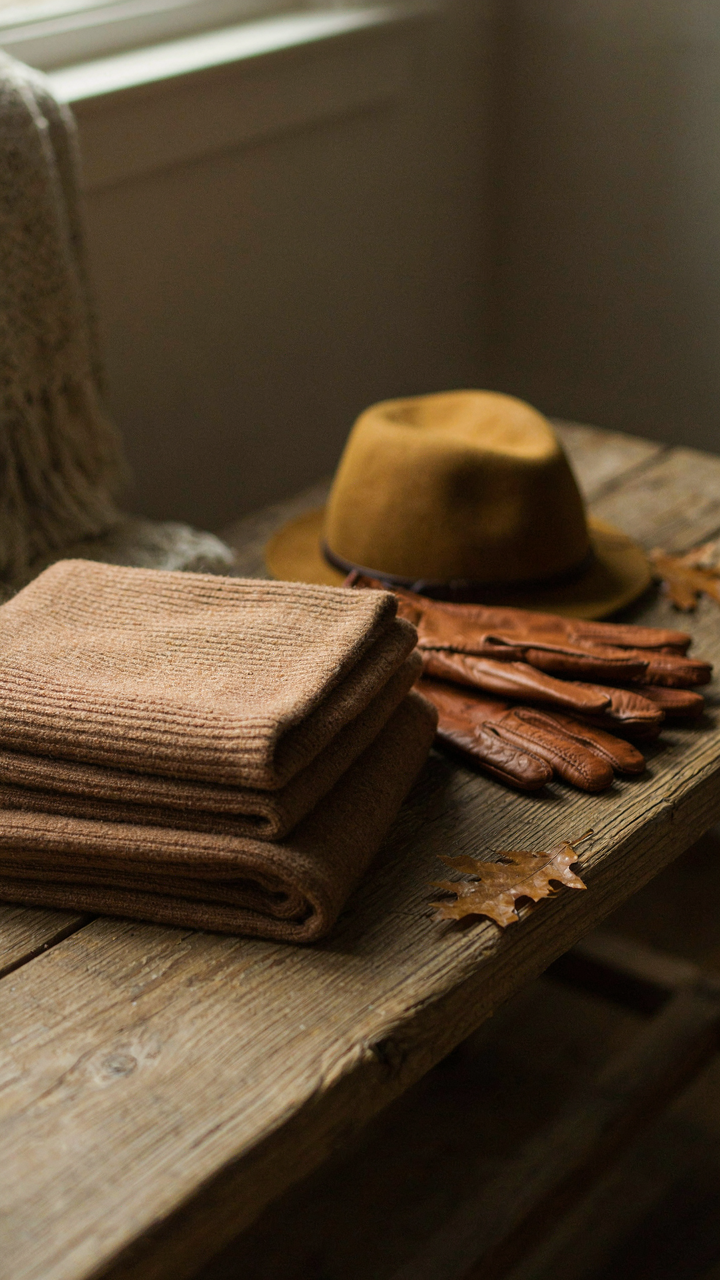
Layers You’ll Actually Wear
You want to look put-together without looking like you’re bracing for a blizzard. That tension is real, and it’s why most people either underdress and freeze or overdress and sweat through the ceremony. Think of layering as a load-bearing system in architecture: each component carries its own weight and distributes pressure downward. Scarves, gloves, and hats aren’t decorative add-ons. They’re the load path between your body and the mountain air.

A merino wool scarf works because it traps air and regulates temperature without bulk. Gloves matter at elevation where wind chill accelerates heat loss from extremities. A hat controls up to forty percent of body heat loss. Choose materials that compress small: merino, cashmere blends, or technical fabrics. Skip cotton entirely. Cotton absorbs moisture and dies as insulation. You’re not dressing for a photo. You’re dressing to stay functional during a four-hour outdoor event on uneven terrain where hypothermia creeps up faster than you’d expect.
Bags That Work, Not Clutches
A clutch looks intentional at a wedding venue where you can set it on a table. On a mountain with no tables, uneven ground, and no place to safely set anything down, a clutch becomes a liability you carry or drop. Shoulder bags and crossbody styles free your hands to balance on rocky terrain and keep you stable when walking between ceremony and reception. The mechanism is simple: your hands need to be available for self-correction. A small backpack, structured shoulder bag, or crossbody option lets you move safely without compromising your outfit’s visual weight.
Pick bags in neutral fabrics that match your base layer. Leather ages well and works in alpine settings. Technical fabrics designed for hiking wear the same way on a mountain as they do in everyday use. Capacity matters less than accessibility. You need pockets for your phone, a small first aid item, and maybe lipstick. That’s it. Store everything you carry to the ceremony in a separate bag left in your vehicle or at your accommodation. You’ll reclaim it at the reception when you’re no longer navigating terrain.
The Mountain Wedding Outfit Guest Checklist For Success
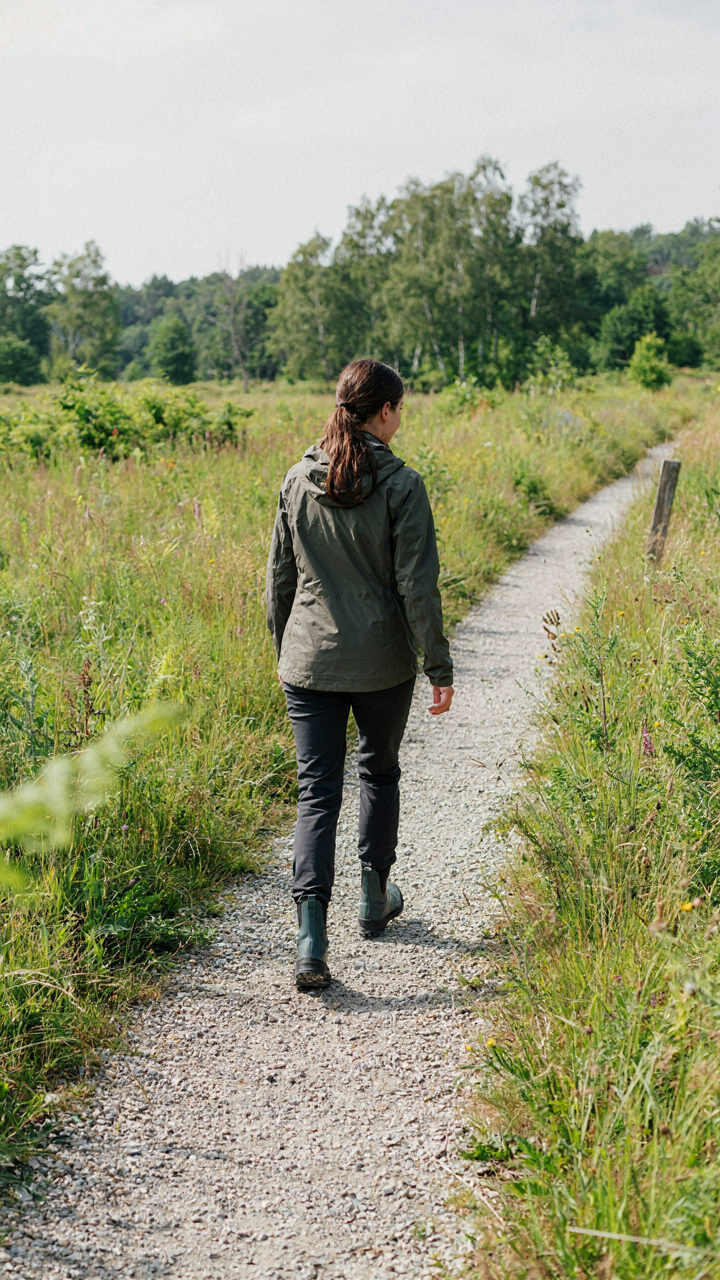
Check The Forecast Like Your Outfit Depends On It
You want to show up looking intentional, not scrambling. That fear of being underdressed or overdressed—that’s what drives this section. The real mechanism is this: mountain weather changes in vertical bands. A 20-degree temperature swing between valley and ridge is normal, not drama. The forecast tells you the baseline, but you need the specifics of elevation and time.

Pull the weather data for the exact wedding location and time, not just the town. Mountain venues sit at different elevations, which means different conditions. Check wind speed, not just temperature. A 40-degree evening at 8,000 feet with 15-mph wind feels like 25 degrees. This data point shapes whether you layer with a wool sweater or a technical shell. Accuracy here eliminates the guessing that leads to wrong choices.
Test Movement Before The Day Arrives
Before the wedding, wear your outfit on uneven ground for at least 30 minutes. Most people skip this step and regret it when they’re hiking to the ceremony or standing on sloped terrain.
- Walk on dirt or grass in your shoes: Test traction and ankle support on natural ground. A heel or smooth sole betrays you immediately on mountainside paths.
- Bend and sit in your outfit: Verify pants don’t restrict movement and fabrics don’t tear at stress points when you crouch or kneel.
- Layer in real conditions: Wear your full outfit outside in similar temperatures and wind. Static indoor testing doesn’t reveal how fabrics move or how layering actually feels.
- Check pockets and storage: Confirm your phone, keys, and jacket fit and stay secure during movement, not just when standing still.
- Test your footwear on slopes: Walk uphill and downhill on an actual slope or stairs to assess comfort and whether your feet slip or slide.
The trial run exposes what your brain missed when you assembled the outfit in your closet. If something fails this test, replace it now. You won’t have time to problem-solve on the wedding day when you’re already dressed and the ceremony starts in 20 minutes. One failure in movement or comfort cascades into the entire experience feeling wrong.
Debunking The “Just Add A Shawl” Myth
The Physics Of Perceived Versus Actual Warmth
You want to look intentional without admitting you’re worried about being cold. Here’s the mechanism: thin wraps operate on psychological comfort, not thermodynamics. A shawl or pashmina traps almost no air volume because the fabric sits flush against your body. Insulation works by trapping dead air space between layers. A wrap that weighs under four ounces and drapes flat creates the illusion of coverage while doing virtually nothing to slow heat loss at elevation where temperatures drop predictably as altitude increases.
The real problem people ignore: mountain venues drop 3 to 5 degrees Fahrenheit per thousand feet of elevation gain. A wrap at 8,000 feet doesn’t compensate for that physics. You feel better holding something, but your core temperature keeps dropping. Photographers catch you hugging yourself an hour in because the wrap slipped or proved useless. Invest in outerwear that actually insulates instead of performing warmth for the camera.
Real Outerwear Or Don’t Bother
Functional layers require density and construction. A quilted jacket with synthetic insulation (polyester or down alternative) creates trapped air pockets that resist heat loss. Merino wool blends offer the same mechanism but wick moisture, which matters at events where you’re standing around. Cotton and silk wraps look elegant and provide zero thermal protection. The wedding industry sells shawls because they’re cheap to produce and photograph well. Your body temperature doesn’t care about aesthetics.
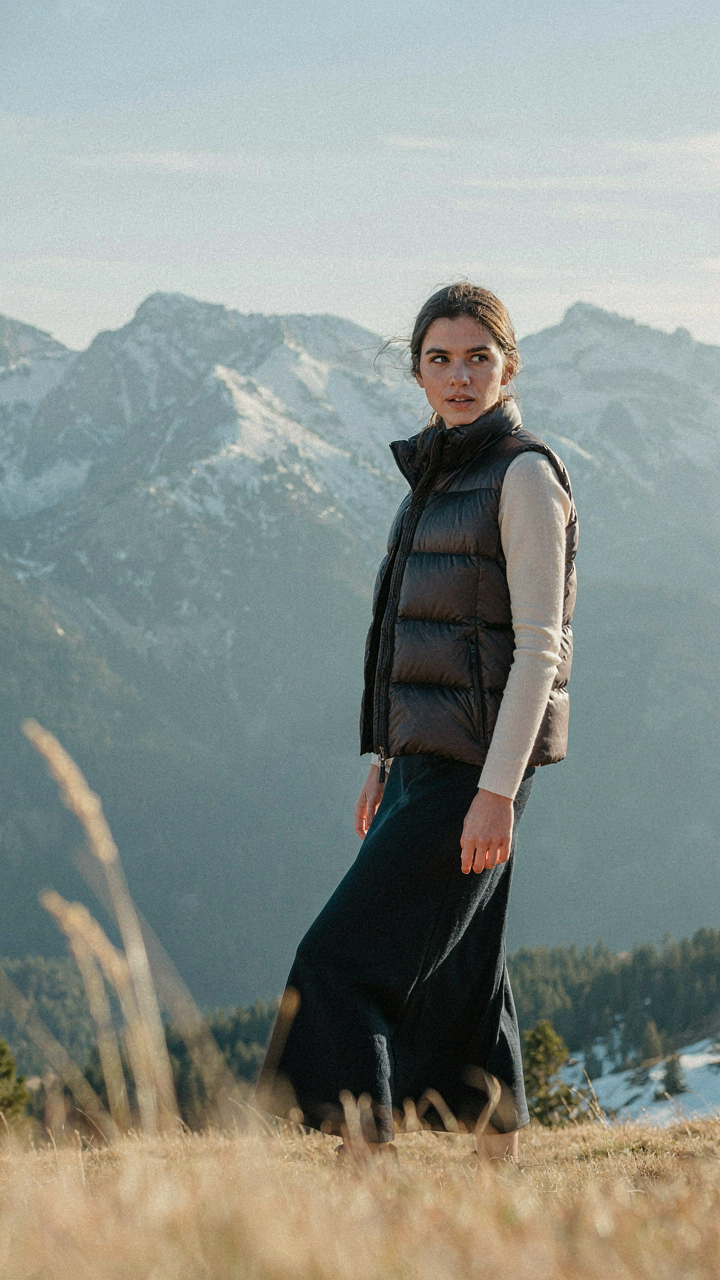
Pick a structured piece you’d wear hiking. A fitted puffer vest worn over your dress, a wool blazer with lining, or a technical outer layer designed for cold environments. These have weight and material density. They stay in place. You move without fussing. The mechanism is simple: more material mass equals more air trapping capacity equals actual warmth. Your outfit works because the garment functions, not because it matches the aesthetic.
Your Attire Fails Not Because Of The Dress Code, But Because You Optimize For Comfort Over Actual Utility
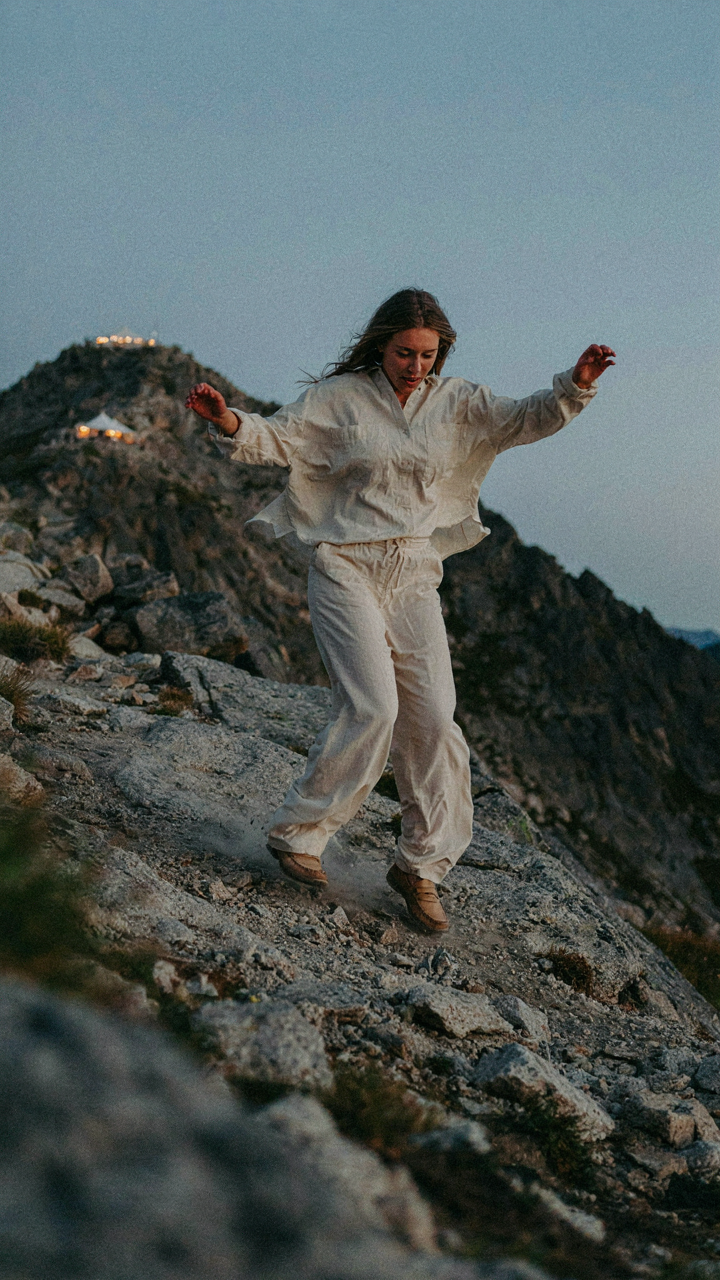
You pick soft fabrics and loose fits because they feel good in your living room. Then you stand on a rocky slope in the dark, shivering, slipping, regretting everything. A mountain wedding demands clothes that work, not clothes that whisper sweet lies about relaxation. Stop shopping for comfort and start shopping for performance. Buy one quality pair of flat boots with real grip today. Your outfit doesn’t fail because mountains are unpredictable. It fails because you planned for the wedding you imagined instead of the one actually happening.