

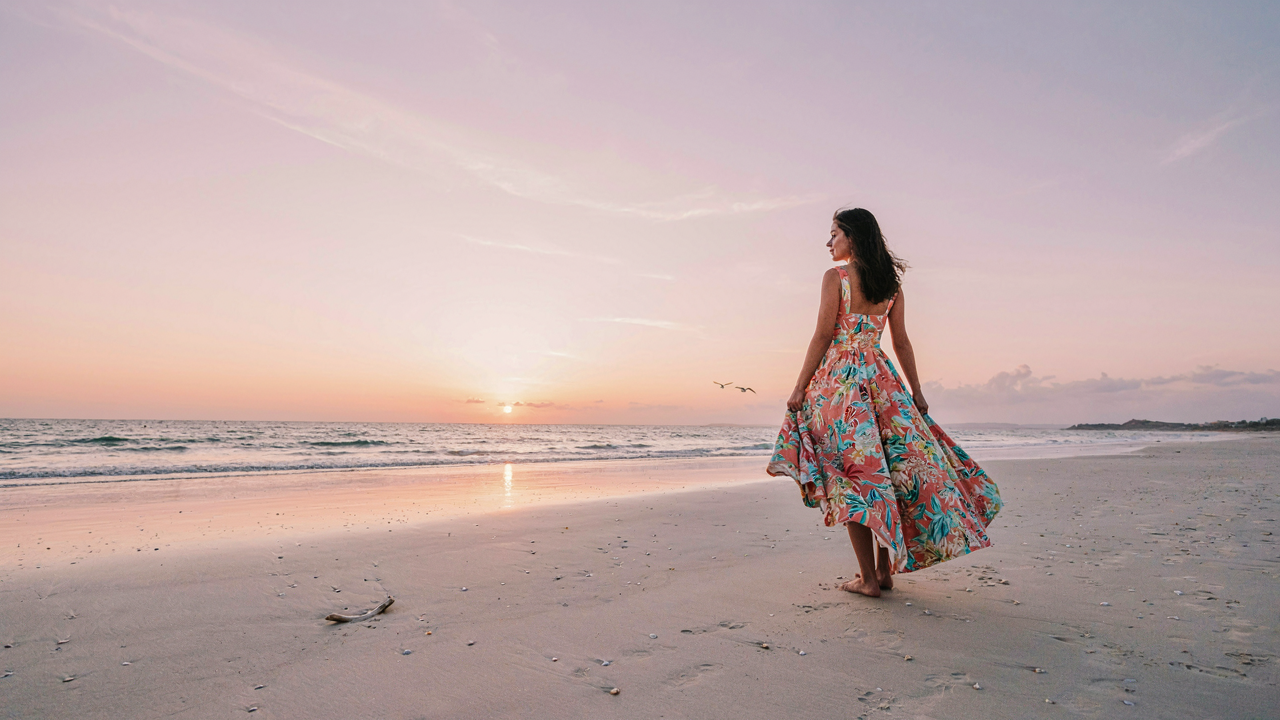
Tropical Wedding Guest Dress: Beyond The Brochure Aesthetic
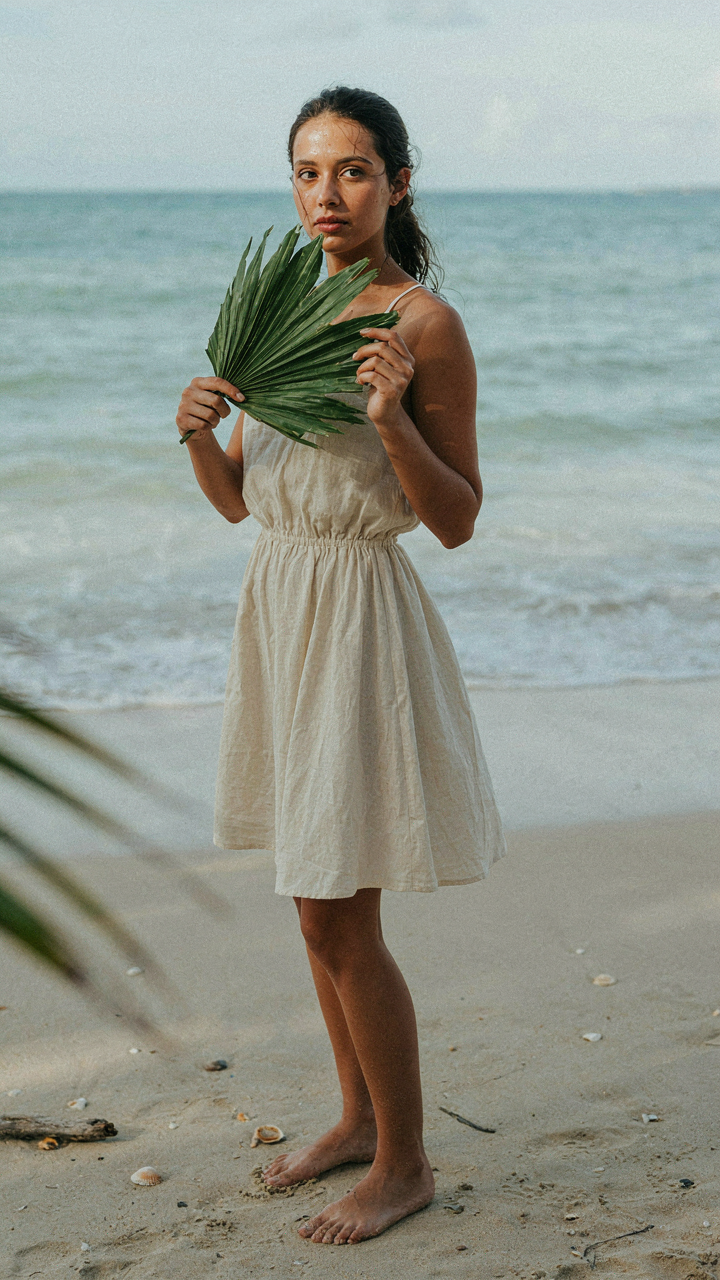
What Tropical Actually Means
You’re worried you’ll show up underdressed or look like you don’t belong—and that fear is pushing you toward the obvious choice. Here’s the mechanism: “tropical” isn’t a style. It’s a climate descriptor that gets weaponized by the fashion industry to sell you generic prints and call it sophistication. Real tropical dressing starts with geography and physics, not aesthetics. Humidity, UV exposure, and salt air degrade fabrics. Light colors reflect heat. Loose weaves allow air circulation. The print is almost irrelevant. Most people optimize for how they look in the photo, not how they feel for eight hours in 90-degree weather with 80% humidity.
The brochure aesthetic—hibiscus flowers, turquoise backgrounds, that particular shade of coral—exists because it photographs well and costs nothing to mass-produce. Strip that away. A tropical wedding guest dress solves a thermal problem first. Linen, cotton blends, and high-quality rayon handle sweat, salt spray, and UV without degrading. Dark colors absorb heat and show wrinkles faster. Structured synthetic blends maintain shape in humidity but trap moisture against skin. The print or pattern is decoration applied after the fabric choice is locked in. Choose the fabric for survival. Choose the print for preference.
Climate Type Determines Fabric Selection
Each island’s microclimate—humidity level, rainfall patterns, wind exposure, salt spray intensity—dictates which fabrics survive the day intact. This is a material science problem. Caribbean islands experience consistent heat and salt air. Pacific atolls face direct UV with sudden rain. Southeast Asian venues combine extreme humidity with frequent showers. Linen works in dry-adjacent tropical zones because its fibers swell when wet, tighten when dry, and recover structure naturally. Cotton blends offer versatility but absorb sweat visibly unless they’re dense enough. Rayon drapes well and dries faster than cotton, but cheap rayon loses strength when wet and pills easily.
The real decision tree isn’t about print or silhouette. It’s about which fabric maintains dignity under specific conditions. Research the specific island’s average temperature, humidity percentage, and rainfall during the wedding date—not the dry season, the actual date. A fabric that performs flawlessly in Barbados in March might fail spectacularly in Fiji in December. Linen and cotton blends perform best in Caribbean conditions. High-quality rayon and lightweight wool blends handle Southeast Asian heat. Synthetic blends with moisture-wicking properties work when humidity exceeds 75%. Once you match fabric to climate, the dress choice becomes straightforward rather than decorative.
The Contextual Contrast Protocol For Guest Attire
What Everyone Else Gets Wrong
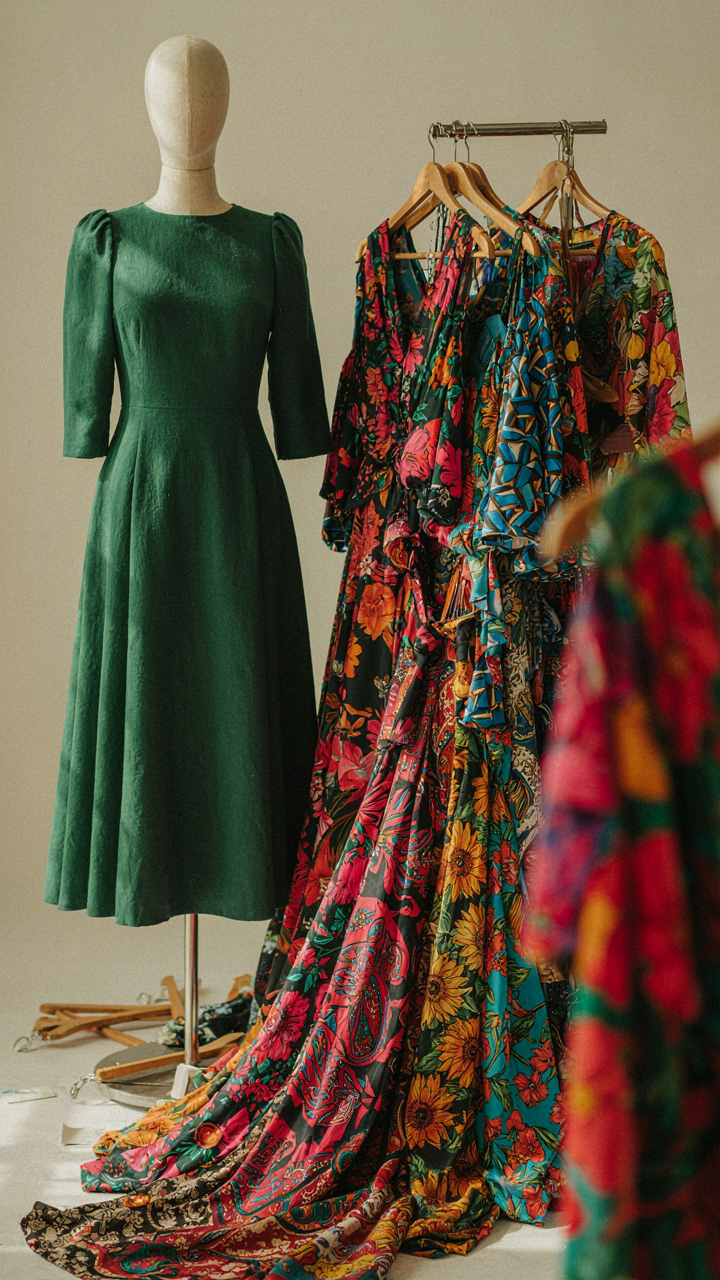
You’re worried about blending in when you should be worried about wasting money on something forgettable. The real mechanism at play here is signal theory from economics: what you wear communicates information, and most tropical wedding guests send noise instead of clarity. Everyone shows up in the same three palettes, the same fabrics, the same safe choices. You register as background. The protocol is simple: identify what the majority does, then deliberately invert it without breaking the actual dress code. This isn’t rebellion. It’s information design.

Most advice tells you to wear bright colors to tropical weddings. That’s incomplete and backwards. Bright doesn’t mean visible. A crowded beach ceremony with fifty guests in neon florals and hot pink means you disappear into the chromatic chaos. The contrast that actually reads comes from material choice and silhouette strategy, not from matching the environment’s natural saturation level. You need to move against the grain of what the herd selected, which means understanding what the herd actually selected first.
Fabric Weight As Your Differentiator
Think of fabric selection like density in physics: most wedding guests choose low-density materials in tropical settings. Cotton voile. Linen. Rayon. Lightweight and forgettable. They make sense thermally, so everyone lands there. The real contrast move is introducing strategic density through textile choice without overheating yourself. A structured linen blend with tighter weave, a subtle silk content that catches light differently, or a fabric with actual body to it creates visual separation. The garment reads as deliberate instead of default.
Pick fabrics that hold their shape in humidity instead of going limp after an hour. Linen-cotton blends at 55/45 ratios maintain structure better than pure linen. Viscose with a small polyester component resists wrinkling and clinging. A well-constructed tropical weight wool (yes, wool exists for warm climates) reads expensive and intentional. The fabric you select determines whether your outfit survives the ceremony looking sharp or collapses into wrinkles by the vows. Material density separates guests who thought this through from guests who grabbed something off a shelf.
Fabric Intelligence: Your Unfair Advantage In Tropical Wedding Guest Outfit
Performance Fabrics: Comfort And Wrinkle Resistance
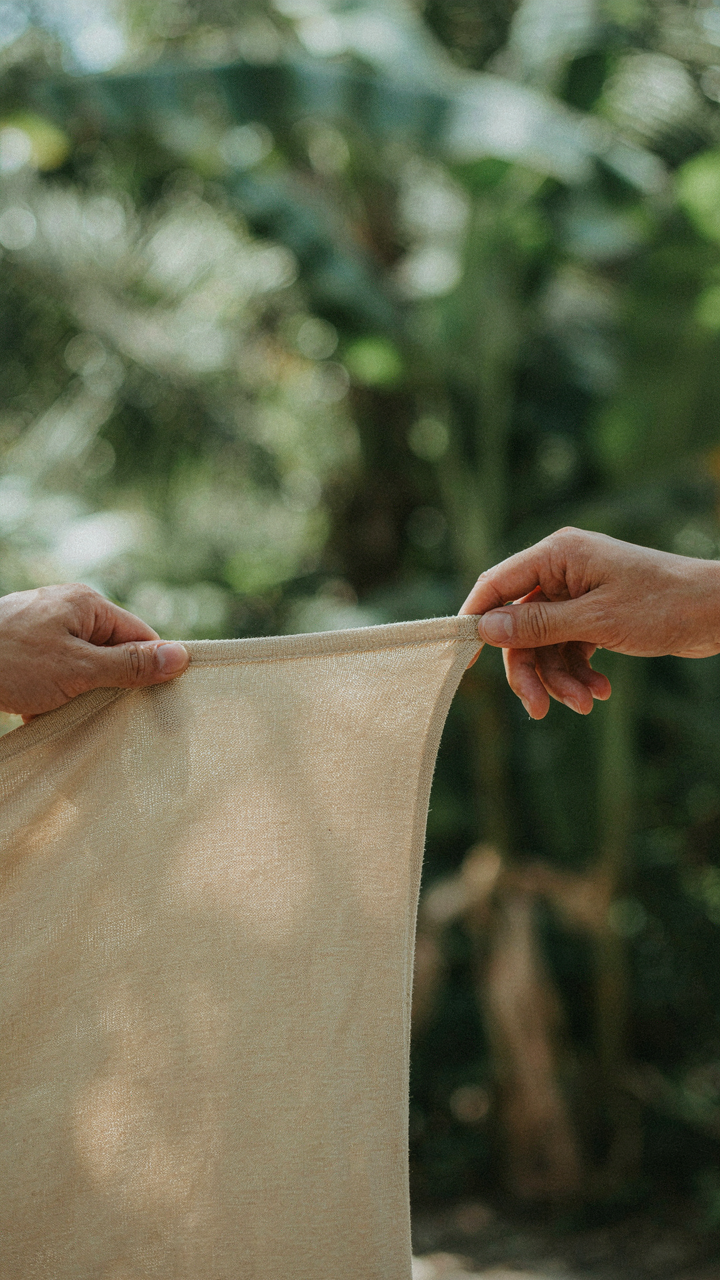
You’re actually afraid you’ll look disheveled in photos, and that fear is rational because humidity destroys most clothing. Borrowing from materials science, fabric performance operates on the principle of moisture management—how fast a material releases sweat vapor before it pools on your skin. Synthetic performance fabrics like polyester blends and nylon accomplish this through hydrophobic fiber structure, meaning water molecules slide off rather than absorb. This isn’t comfort marketing; it’s thermodynamics at work.

The wrinkle resistance comes from the same mechanism. Performance fibers don’t collapse and crease like cotton because they lack the hydrogen bonding that causes natural fibers to lock into wrinkled positions. Polyester holds its shape through temperature and humidity swings that would demolish linen or cotton. Wear a performance blend to a tropical wedding and you step off the plane looking pressed. Wear cotton and you’ll spend the ceremony looking like you slept in your dress.
Natural Fibers That Breathe Versus Fashion Traps
The common advice says natural fibers always breathe better, which is incomplete and costs you comfort. Linen does breathe exceptionally well, but only if you accept the wrinkle trade-off as permanent—linen wrinkles by design because of how cellulose fibers move. Silk feels luxurious and breathes, yet it absorbs moisture into the fiber itself, meaning you feel damp longer in tropical heat. Cotton sounds safe but traps humidity against your skin instead of releasing it fast, creating that sticky, exhausted feeling.
The real move is understanding fiber weight and weave structure over fiber type alone. A lightweight, loosely woven performance blend outperforms a heavyweight linen in pure sweat management because airflow through the weave matters more than the fiber’s origin story. Choose fabrics under 120 grams per square meter with an open weave pattern, whether that’s a technical nylon or a cotton-poly blend. Your dress should feel like it’s disappearing on your skin, not clinging to it.
The Signal Vs. Noise Principle Of Formal Tropical Wedding Outfit

What You’re Actually Communicating
You’re worried people will think you didn’t take the occasion seriously. Here’s the mechanism: in information theory, a signal is the intended message, and noise is everything that obscures it. Your tropical wedding guest dress is a signal. The signal you’re sending isn’t “I own expensive clothes.” It’s “I respect the couple enough to show up appropriately dressed for their specific context.” Tropical weddings operate on a different code than ballroom weddings. Formal here doesn’t mean uptight. It means you understood the assignment.

Most guests confuse formality with fabric weight and coverage. They pack heavy structured dresses or stiff jackets because that’s what formal means in their reference frame. Wrong. Tropical formality speaks through fabric choice, silhouette precision, and color discipline. A linen shirt in the right cut signals more respect than a polyester dress that screams discomfort. The signal travels through intentionality, not through thickness.
Cutting The Static Out Of Your Outfit
The common advice says “add statement jewelry” and “layer with a wrap.” Noise. These things don’t add signal; they dilute it. In a tropical setting, every piece competes with heat, light, and movement. Your job is subtraction. Remove the accessory you think looks good but serves no function. Remove the shoe that requires constant adjustment. Remove the undergarment that makes you sweat.
Discomfort is noise. It broadcasts weakness through your posture, your smile, your ability to engage. A guest constantly tugging at their neckline or fanning themselves sends a louder signal than their outfit does. Pick one piece that feels genuinely good on your body, then build around that anchor point. Build the rest with materials that move, breathe, and stay where you put them. Test the outfit in heat and humidity before the wedding day.
Accessorizing For Impact: Tropical Dress, Not Distraction
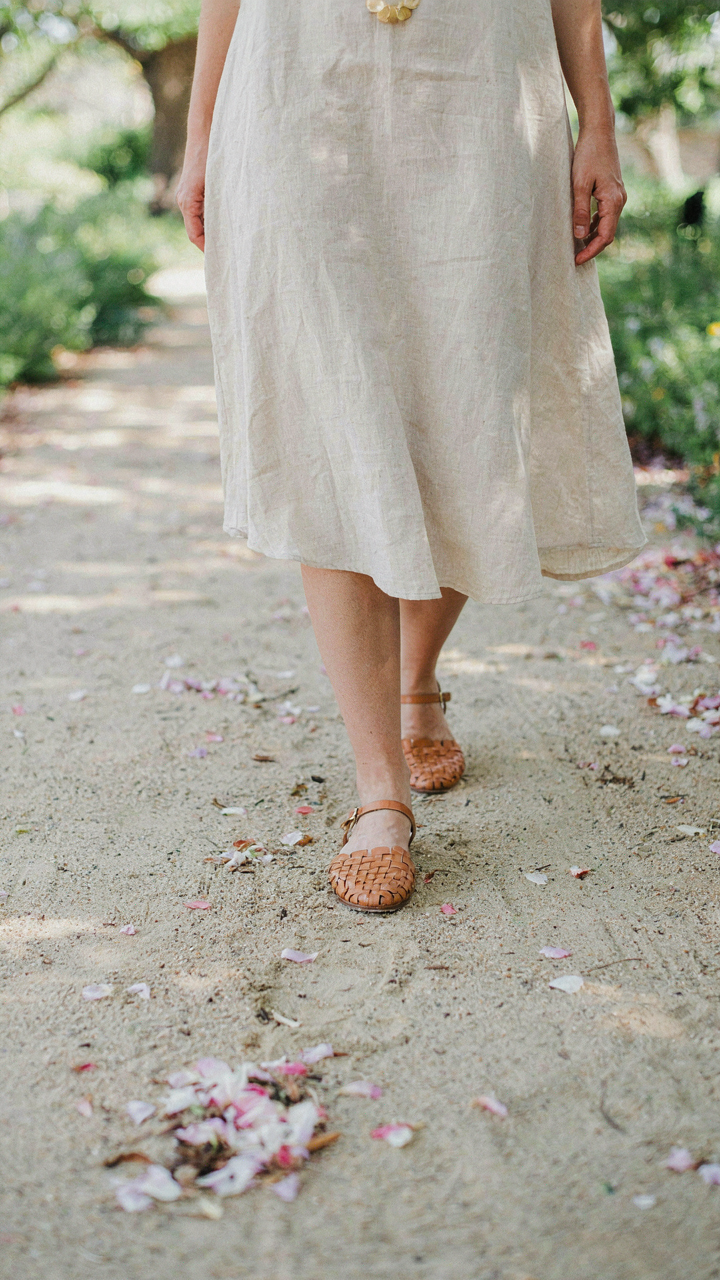
One Statement Piece Wins
You’re worried that showing up without a full accessory arsenal means you’ll fade into the background. That’s backwards. In signal theory, a single clear transmission cuts through noise better than scattered broadcasts. One strong accessory does the same work as five weak ones, except people actually remember it.

The mechanism is restraint. A bold statement necklace, a structured clutch in a contrasting color, or a quality headpiece gives your eye somewhere to land. Everything else becomes supporting player. This isn’t minimalism as trend. It’s efficiency. The dress already carries visual weight in a tropical setting. Adding more competes for attention instead of amplifying your presence.
Footwear Practical Elegance Over Painful Trends
Island weddings punish impractical shoes. Sand, salt spray, and uneven terrain eliminate most Instagram-worthy heel choices. The real play is shoes that survive the environment while looking intentional, not like a concession.
- Flat sandals in leather or suede: Grip better than metallic finishes and age well. Choose structured designs over flip-flop style to maintain formality.
- Embellished flats or dressy thong sandals: Metal accents catch light without requiring heel height. Verify they have firm soles to handle beach pathways.
- Dressy thong sandals with ornamental details: Minimalist silhouette paired with beading or jeweled straps. Practical for beach transitions, formal enough for ceremony.
- Lightweight slip-ons in metallic finishes: Easy to remove for barefoot moments. Choose materials that won’t oxidize in salt air.
- Woven or raffia sandals with minimal detailing: Natural materials complement tropical prints. Avoid over-decorated versions that read costume.
Skip heels entirely unless the wedding is at an indoor venue. The bride didn’t invite you to watch you stabilize yourself on uneven ground. Pick shoes you can actually walk in, then move on to the next decision.
The Adaptability Matrix For Your Tropical Wedding
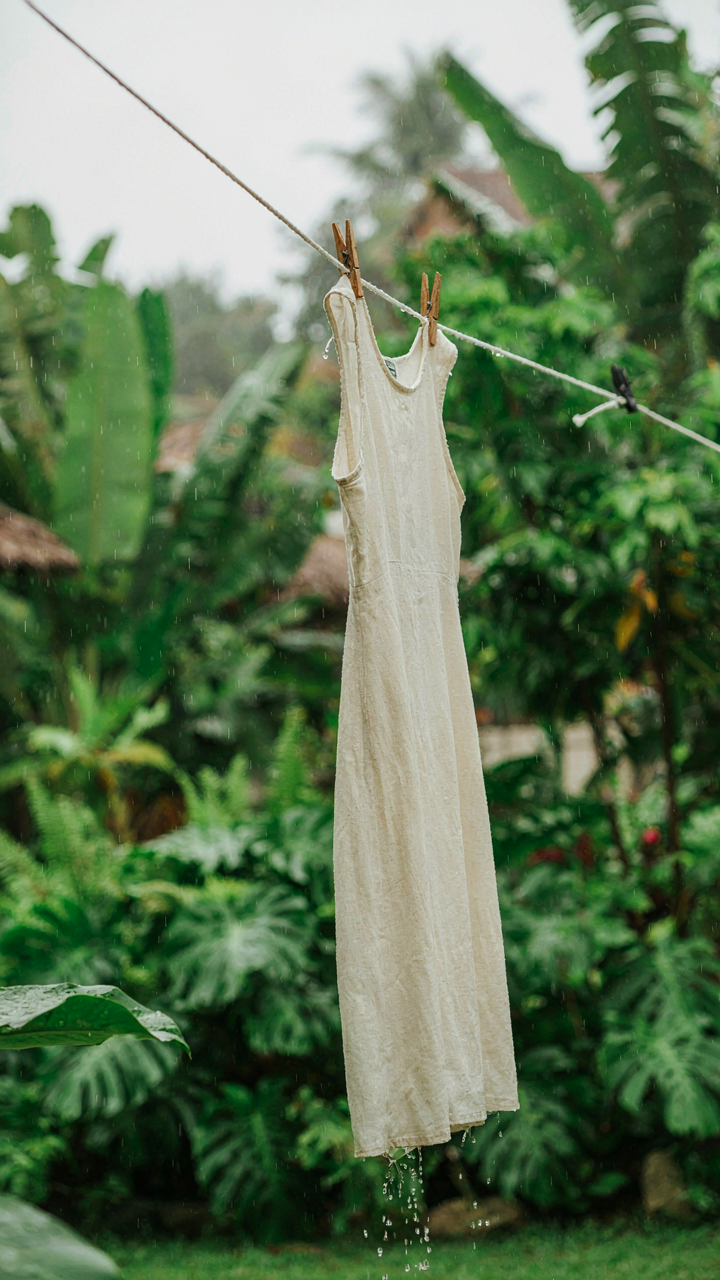
One Outfit, Multiple Functions
You’re worried you’ll look underdressed at the ceremony, then overdressed at the beach bar after. This is a real constraint, not vanity. The mechanism is simple: tropical weddings compress social contexts into a single day. Formal ceremony flows directly into informal reception without costume changes. Your outfit must toggle between registers without looking desperate or confused.

The solution is fabric and cut, not accessories. Choose a linen or linen-blend dress in a neutral or soft pattern. Linen’s structure holds formality in a ceremony setting but breathes for heat. Pair it with minimal jewelry and flat sandals for the ceremony. After, remove a layering piece (a shawl or overshirt), swap sandals for a dressy flip-flop or keep barefoot, and you’re reset for casual. The dress does the work. Avoid pieces that scream “formal” or “resort” exclusively.
Sun, Rain, And Humidity Protocol
Weather in tropical locations shifts fast and hard. You can’t predict it with certainty. Most guest guides suggest packing both lightweight and rain-ready options, which is technically accurate but useless if you’re traveling light or attending multiple events. The real mechanism: build your base outfit around fabric that handles all three conditions without degradation.
Moisture-wicking synthetic blends and quality cotton-linen hybrids resist humidity stains and dry quickly after rain. Skip silk unless you’re prepared to dry clean it on the island. Choose darker colors or busier prints to mask water spots and sweat marks that show immediately on pastels. A structured wrap or light coverup serves double duty: sun protection during the ceremony and a dry layer to throw on if weather turns. Pack a small, packable rain jacket designed for tropical climates, not a heavy raincoat. Test your outfit plan in humidity before the trip.
Men’s Tropical Formal Dress: Beyond Linen Guayaberas
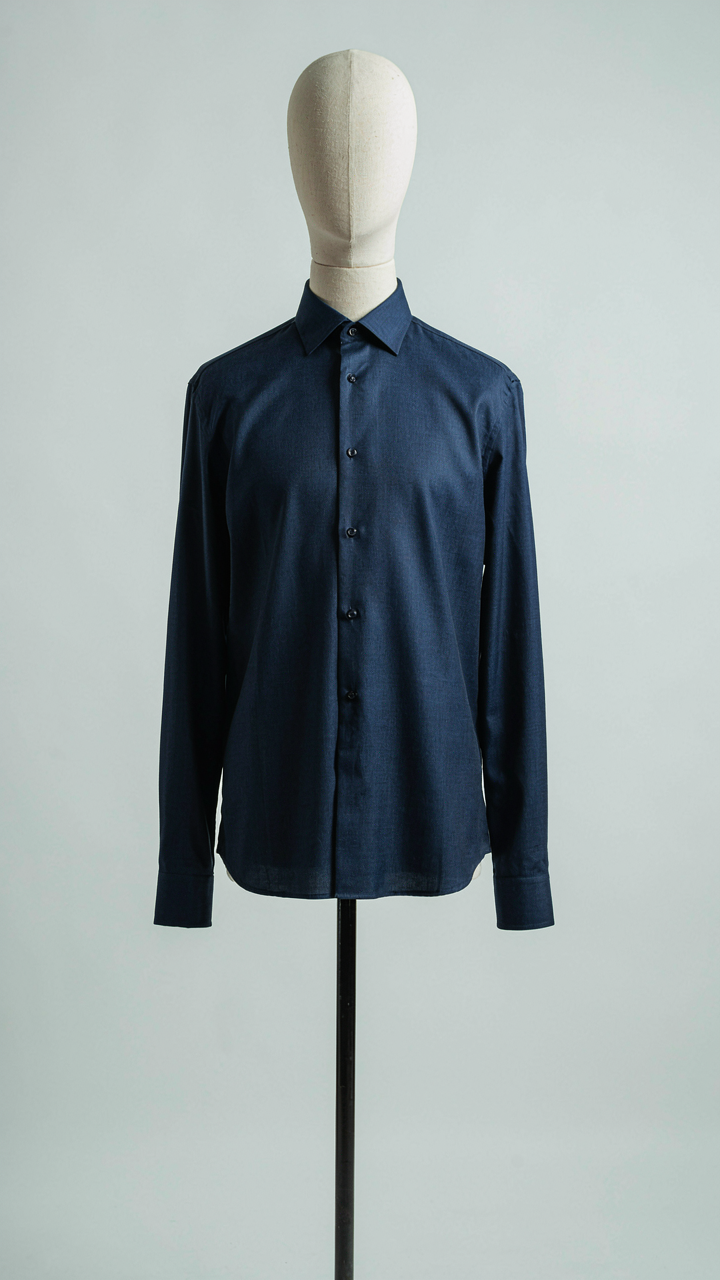
Texture Over Flatness
You want permission to wear something that doesn’t look like resort casual, and texture is how you get it. The real mechanism here is visual contrast. A flat linen shirt reads as vacation wear because your eye finds nothing to land on. Introduce surface variation—subtle jacquard weaves, open knit patterns, or raised dobby structures—and the brain recategorizes the garment as intentional. The shirt stays breathable and tropical. It stops looking like you defaulted to comfort.

The key is restraint. Pick one textural element per outfit and commit to it. A jacquard weave shirt pairs with flat-front trousers in plain cotton or linen. An open knit texture means your undershirt must be visible and neutral. Texture fights texture and you lose the gain. The contrast works because simplicity frames it.
Fit Under Compression
Heat demands loose fabric, but loose fabric on a man reads as slouch unless tailoring compensates. This is basic biomechanics: fabric drape responds to both gravity and body movement. Tropical humidity magnifies this. You need higher armholes than your standard suit jacket so the shirt pulls upward instead of hanging. Sleeve length hits right at your wrist bone, not your hand. The chest opens fractionally wider than a standard fit without becoming shapeless.
Button placement matters. On a guayabera or camp shirt, buttons sit slightly inset from the edge so the front closes with tension and definition rather than flap. Trouser rise should sit at your natural waist, not your hips, because the heat softens posture and a lower rise magnifies slouch. Get these three points right and you look composed instead of melted.
Unlocking Your Personal Brand With Formal Tropical Dress
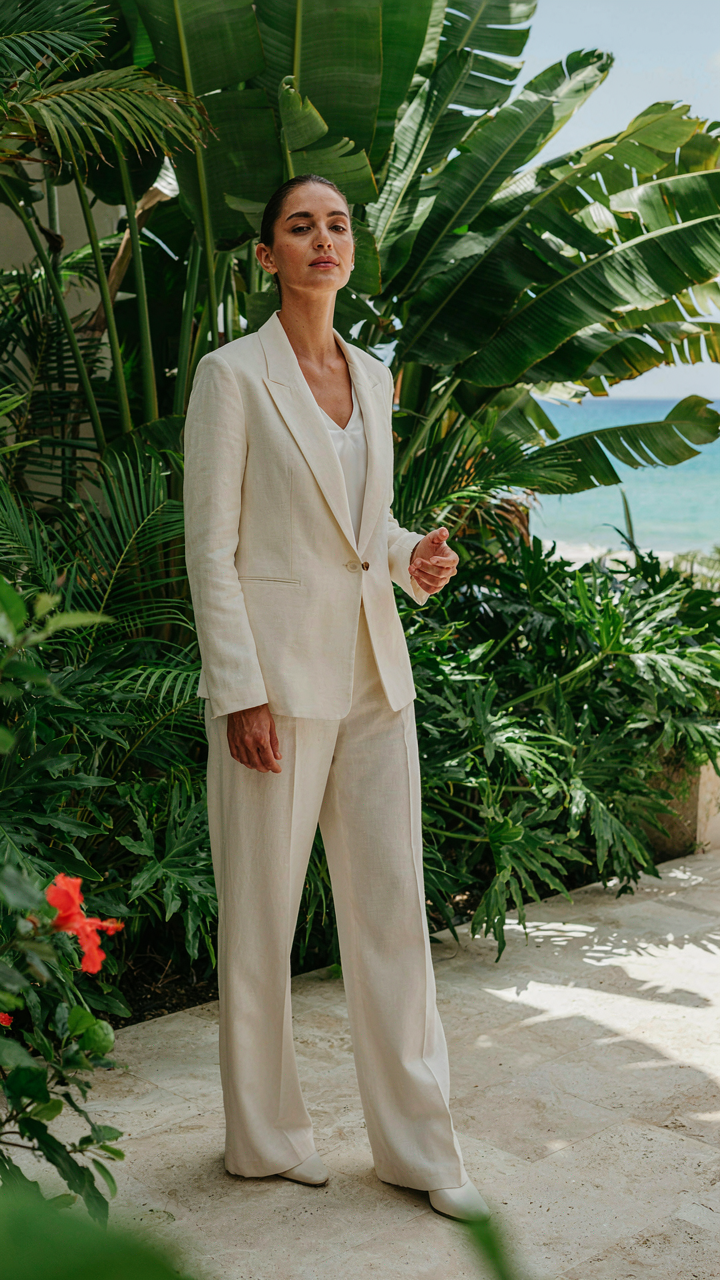
Match Your Archetype, Not The Room
You want permission to dress like yourself without looking out of place. Here’s the mechanism: tropical weddings create permission structures that don’t exist in other contexts. Formal dress codes at island ceremonies operate like a signal filter—they broadcast formality while the setting demands breathability and light. Your actual job is identifying which formal archetype you inhabit, then weaponizing the tropical palette to amplify it rather than dilute it.

The mistake everyone makes is treating tropical formality as a compromise between “dressy” and “casual.” It isn’t. A structured linen suit in cream or light gray reads as deliberately formal in an island context because the fabric choice costs something—it wrinkles visibly, requires maintenance, signals intentionality. A woman in a tailored midi dress with sharp lines and minimal pattern communicates authority through economy of decoration, not through fabric weight. Match your operating style first, then let tropical materials serve that style.
Confidence Through Restraint
The physics of clothing perception works this way: complexity creates noise, and noise obscures signal. Wear too many colors, patterns, or decorative elements at a tropical wedding and observers register “busy” before they register “you.” Confident dressing in formal tropical contexts means choosing one strong detail and letting it carry your presence. A single bold textile choice—a jacquard weave, a structured cotton blend, an unexpected but intentional color—outperforms multiple moderate choices.
Restraint communicates confidence in tropical formal wear because it runs counter to the environment’s visual abundance. A guest in a solid, well-cut dress with a single statement necklace reads as more deliberate than a guest in multiple coordinating prints. The mechanism is psychological: people perceive intentional subtraction as a marker of insider status. You’re not trying to maximize visual presence. You’re signaling you already have it.
The Post Ceremony Payoff: Leveraging Your Tropical Dress Selection
The Dress That Earns Its Cost
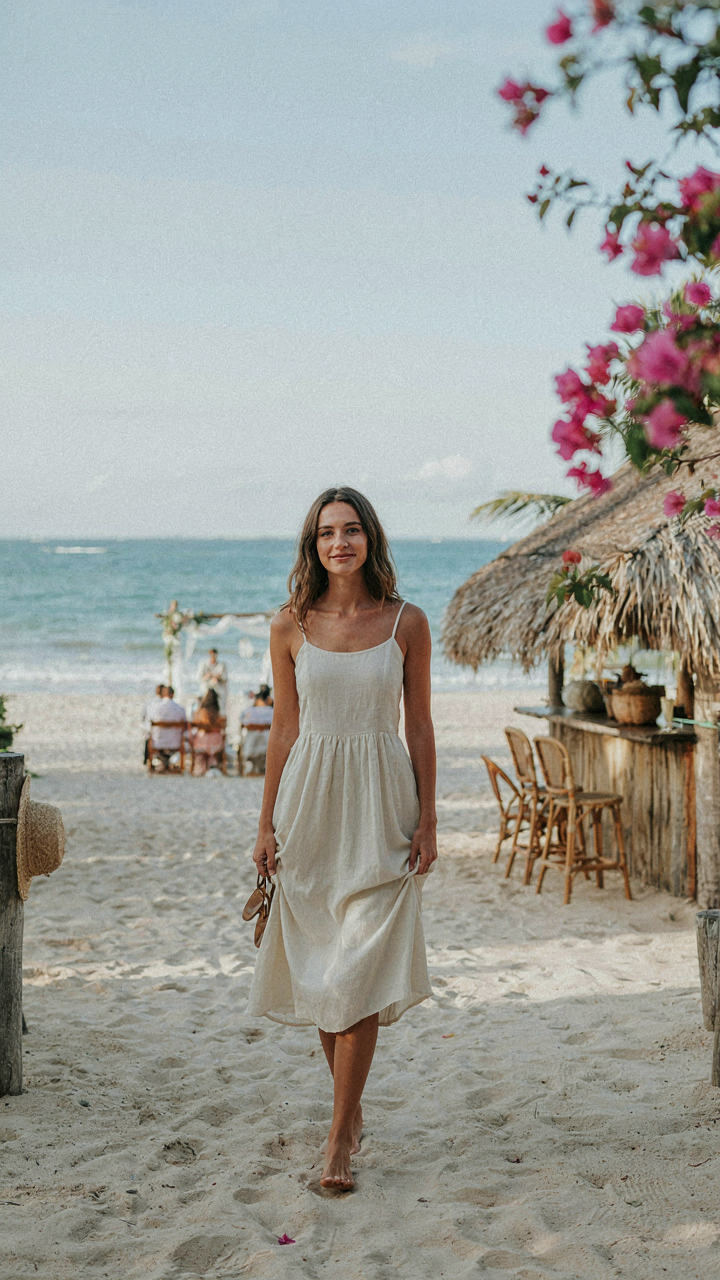
You’re really asking whether you’ll wear this thing again, because dropping money on a single-use outfit stings. Tropical wedding guest dresses work differently than formal wear in other climates because the design constraints—breathable fabrics, minimal structure, island-appropriate color palettes—overlap with everyday warm-weather dressing. A linen shift dress or lightweight wrap works at the ceremony, then transitions to resort dinners, beach bars, or casual travel wear without signaling you’re wearing “wedding clothes.” The math changes when versatility is built into the original purchase decision.

Most people buy tropical wedding guest dresses as if they’re purchasing occasion wear, then wonder why they never reach for them again. They’re not. They’re tropical basics with elevated finishing. Linen, cotton blends, and moisture-wicking synthetics hold up through multiple wears and washings better than delicate event fabrics. Choose neutral tones and simple cuts over prints or embellishments that date quickly. A well-chosen tropical dress compounds in value every time you pack it for travel or wear it to a casual gathering.
What The Photographer Actually Captures
Memory economics matter here: you won’t recall the dress itself, but you will recall whether you felt comfortable enough to be present. Tropical conditions test this relentlessly—humidity, heat, sand, salt spray. Dresses that cling, restrict movement, or require constant adjusting create a feedback loop of physical discomfort that damages how you remember the event and how you appear in photographs. A guest who feels at ease photographs differently than one managing a wardrobe malfunction or overheating.
The real impact compounds through social proof. Wedding photos circulate through networks. Other guests notice what worked—what didn’t wrinkle, didn’t show sweat marks, didn’t blow around in ocean breeze. Your choice becomes a reference point for their own tropical event dressing. This happens informally; nobody announces it. But it shapes how you’re remembered in that social circle: as someone who solved the problem, or someone who didn’t. Wear a dress that functions flawlessly in its environment and you become the guest people ask for recommendations.
Your Attire Isn’t Just Clothes; It’s A Strategic Projection Of Self-awareness
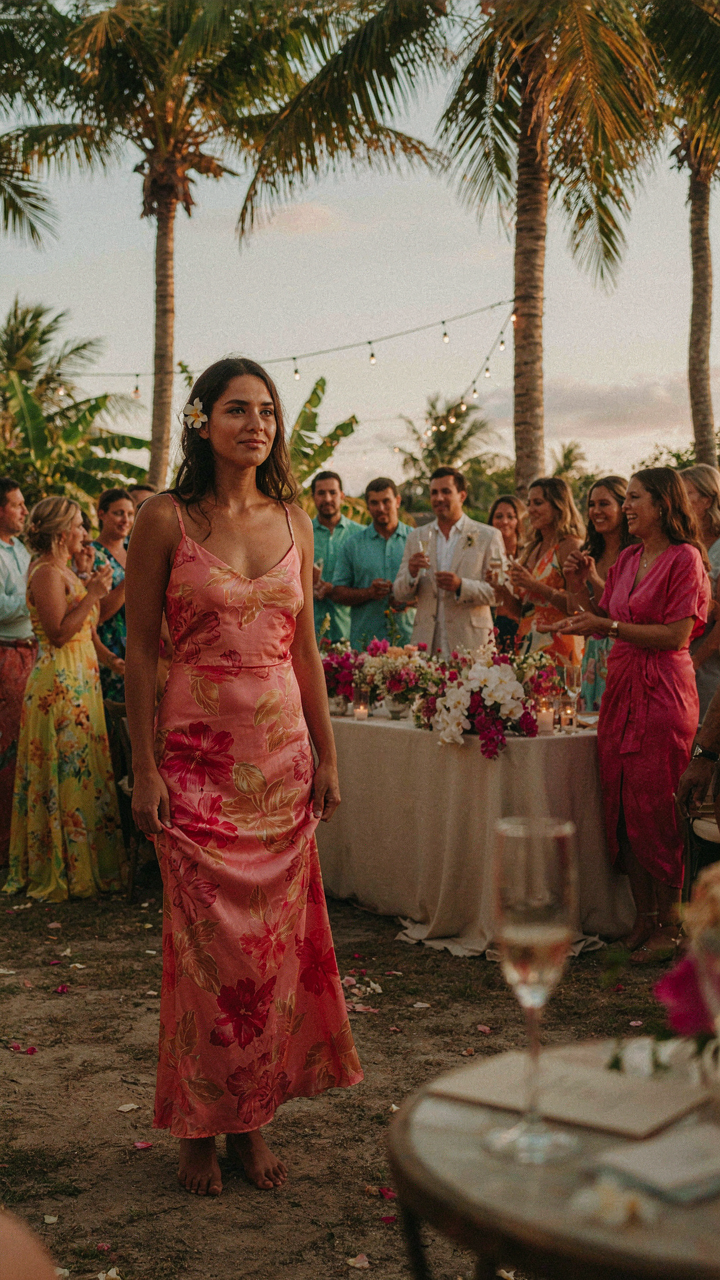
Most people wear a tropical wedding guest dress to blend in. Smart people wear one to stand out strategically. The difference is intention. You’re not picking fabric and color randomly. You’re signaling that you understand context, respect the couple, and refuse to disappear into the crowd. Before you buy anything, spend fifteen minutes scrolling real wedding photos from the specific venue you’re attending. Copy what the most confident guests wore. That’s your blueprint. The person who dresses with purpose always leaves the strongest impression, even when nobody can quite explain why.