
The Illusion Of Grandeur: Why Most “Advice” Fails Your Civil Ceremony

The Formal Trap Nobody Names
You’re afraid of looking cheap. That’s the real engine here. Generic advice tells you to wear formal and fussy because that’s the safe script everyone repeats, but courthouse ceremonies operate on different physics than traditional weddings. In economics, we call this “signaling”—you send a message through clothing. At a courthouse, fussy signals confusion about context, not respect for it. The couple invited you to a legal transaction, not a performance. Overdressing doesn’t show honor; it shows you missed the assignment.
Most advice defaults to cocktail attire or business formal because those categories exist and sound official. The problem: they’re built for environments with audience, music, and ritual. A courthouse has fluorescent lights, a judge’s bench, and paperwork. Your clothing should acknowledge the setting, not fight it. Discomfort matters here because you’ll sit still for thirty minutes. If your outfit requires maintenance or makes you hyperaware of how you look, you’ve already lost.
Confidence Operates Through Subtraction
The real motive isn’t dressing well. It’s proving you belong. You think underdressing reads as disrespect, so you layer on formality like armor. That’s backwards. Quiet confidence in a courthouse means showing up in clean, fitted clothes that fit the actual room and the actual function. You don’t need a blazer to prove you take the ceremony seriously. You need to not draw attention to yourself through either negligence or overcorrection.
The mechanism is simple: wear what works for a professional appointment you’d want to look sharp at, then stop. A dress shirt that fits. Pants without wrinkles. Shoes that aren’t sneakers. That’s the floor. Everything beyond that is you performing anxiety about judgment that nobody there is actually making. The couple is focused on paperwork and each other. The judge has seen five ceremonies already this week. Your restraint is what reads as respect, not your effort.
The “Sleek Simplicity” Protocol For Courthouse Wedding Guest Outfit
What Sleek Actually Means
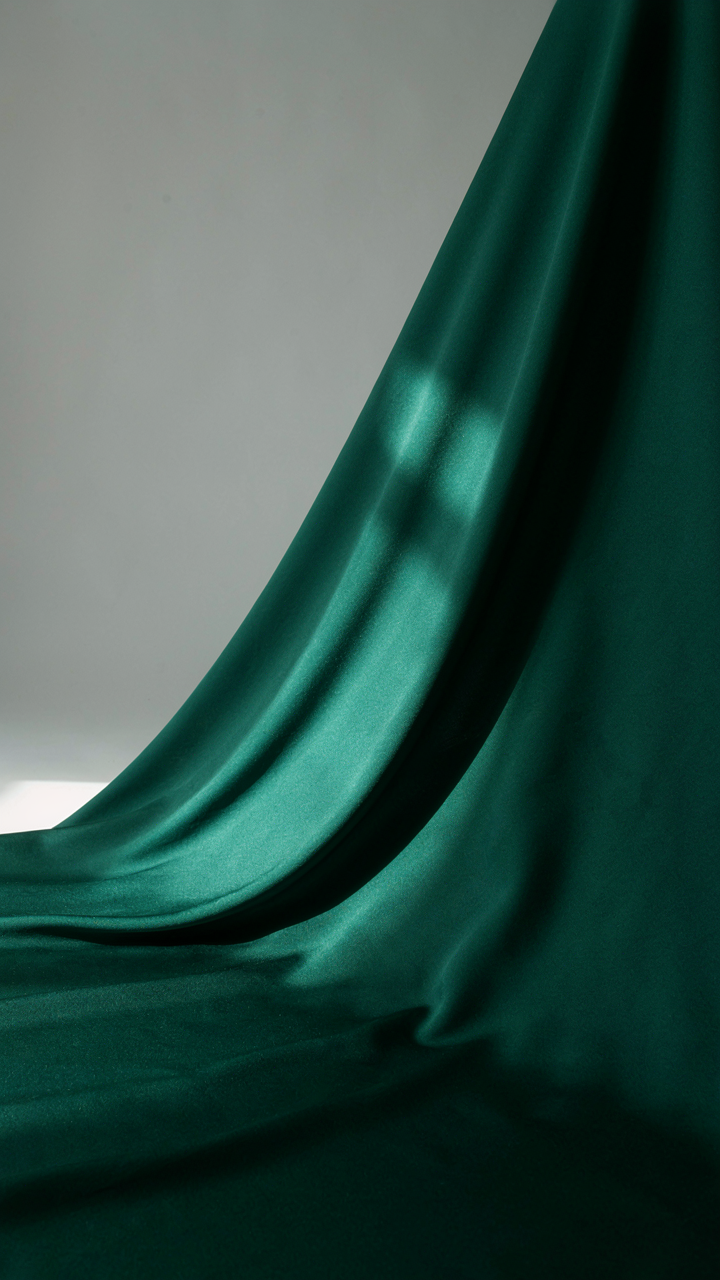
You’re worried you’ll look cheap if you don’t dress formally enough, so you’re searching for permission to dress down. Here’s the mechanism: sleek means the fabric and cut do the work instead of ornament doing it. A courthouse wedding demands restraint because the setting enforces it. Clean lines mean no unnecessary seams, no ruffles, no visual noise competing with the couple at the altar. Intentional fabrics mean natural fibers that drape or hold shape without distraction. Cotton, linen, wool, silk. Not polyester blends that cheapen the effect. Not synthetic shine that screams budget.

Sleek simplicity works in courthouses because it respects the space itself. The building has zero ornamentation—marble walls, functional lighting, austere architecture. Your outfit either harmonizes with that or fights it. When you fight it, you look like you’re trying too hard. When you harmonize, you disappear into the moment. The goal is to be present, not to be noticed. A well-cut navy blazer over a cream silk camisole does that work. No logo, no texture clash, no color that demands attention. The outfit becomes neutral backdrop instead of statement.
Choose One Focal Point, Everything Else Recedes
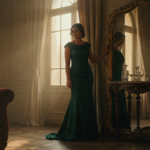
Conventional advice says “dress up the basics” or “add a pop of color,” which is lazy thinking. You get one element that captures attention. Everything else must support it without competing. If your focal point is a standout blazer in charcoal wool, the rest of your outfit shrinks: neutral trousers, simple jewelry, minimal shoes. If your focal point is a structured silk dress in deep emerald, you wear flat leather shoes, no necklace, a single ring. The focal point cannot be jewelry and outfit and shoes all at once. That’s not sleek. That’s scattered.
The tactic borrowed from naval strategy is the concept of concentrated force. Don’t distribute your visual weight across multiple elements. Concentrate it. One point of intentional design carries the outfit. Everything else becomes supporting infrastructure. This prevents the courthouse guest outfit from reading as costume or over-prepared. The couple remembers you were there, not what you wore. You achieve that by building hierarchy into your choices. Decide the focal point first. Then audit every other element for whether it competes or yields. If it competes, remove it or swap it for something neutral.
Dresses Vs. The Rest: Beyond The Obvious For Civil Ceremony
The Dress Assumption Trap
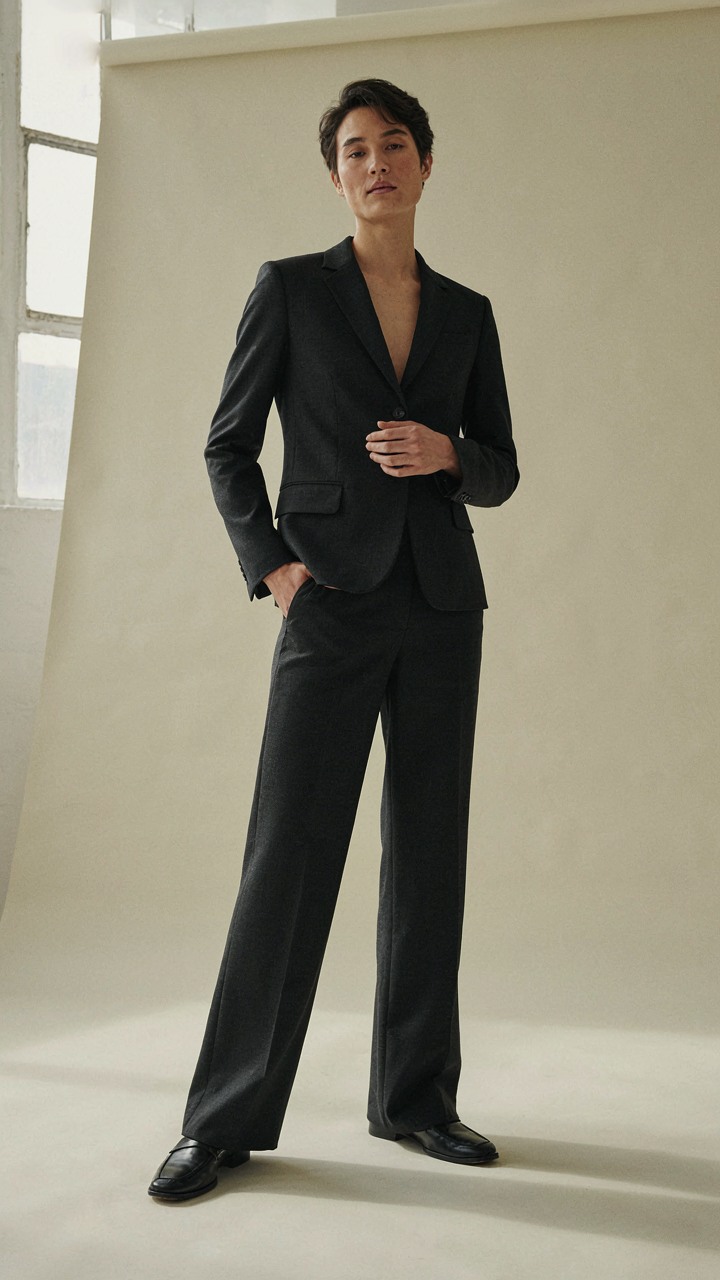
You want permission to wear something other than a dress without looking underdressed. That’s the real question hiding behind this section. The mechanism is simple: courthouse weddings operate on compressed formality, so the old hierarchy of “dress equals respectful” no longer holds. A tailored jumpsuit reads formal faster than a casual sundress because structure signals intentionality. The fabric weight, the seams, the fit matter more than the garment category.

Jumpsuits and tailored sets work because they solve the actual problem dresses create: ambiguity. A jumpsuit in structured fabric with proper tailoring reads as deliberate formal wear. A two-piece set with a fitted blazer establishes hierarchy through proportions and line, not through convention. Neither requires you to justify your choice to anyone. The courthouse cares about presence, not category.
How Clothes Actually Behave In That Space
Physics matters here, and the relevant principle is load bearing. Your outfit must handle standing on marble floors for forty minutes, sitting in a wooden chair that might not be comfortable, and moving through narrow spaces. A dress with loose fabric catches on things and requires constant adjustment. A jumpsuit or tailored set moves as one unit and doesn’t demand your attention mid-ceremony.
The secondary factor is wearability beyond the event itself. Courthouse weddings often happen mid-week or early in the day. Whatever you wear should integrate into your regular rotation without looking like formal wear sat in a closet for a month. A structured blazer with tailored trousers works the next week at work. A casual dress worn to a courthouse wedding reads as one-off and forces you to justify the purchase. Choose pieces with multiple contexts already built in.
Color Theory For The Unconventional Courthouse Wedding
Rich Tones Over Safe Neutrals
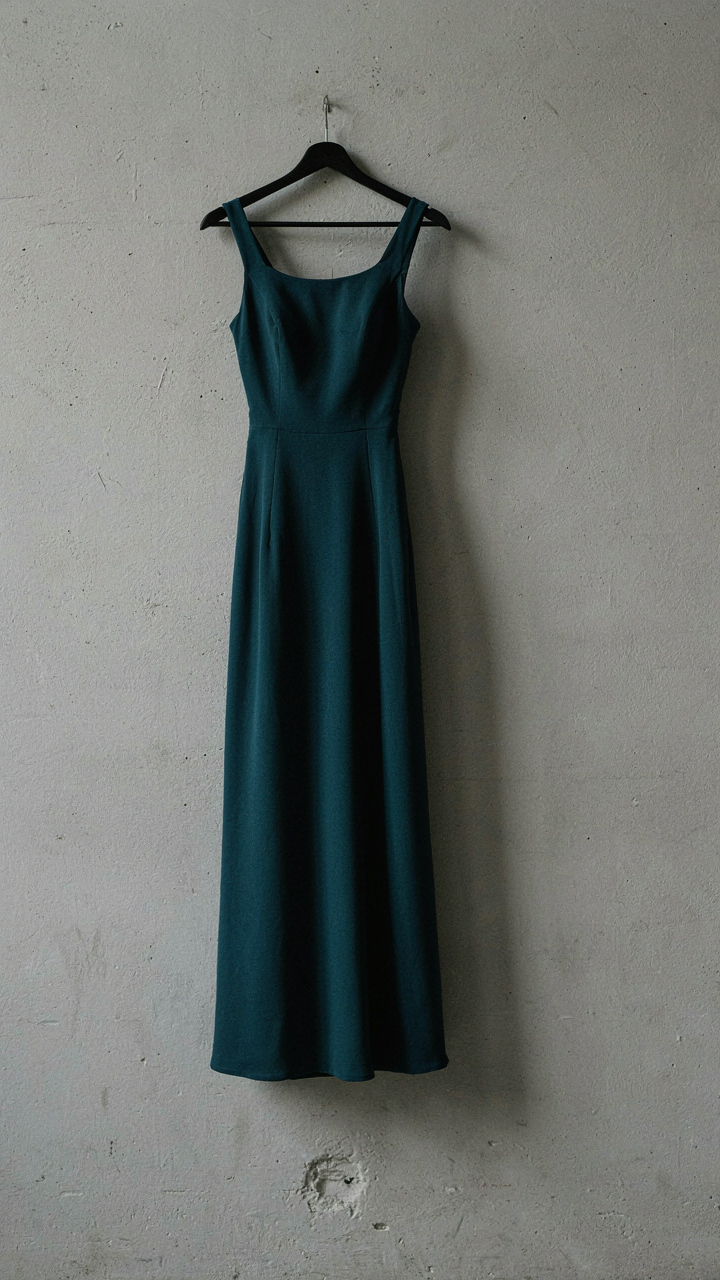
You’re worried that bold color signals you don’t understand the occasion. The actual mechanism is simpler: pastels and beiges disappear in courthouse fluorescent lighting, turning you invisible in photos and memory. Jewel tones, deep greens, burgundy, and charcoal hold visual weight under those lights. They read as intentional rather than cautious. The Bauhaus movement proved that color saturation communicates confidence more reliably than restraint. A saturated color in a courthouse photo stays legible. A muted one flattens into the walls.

Conventional advice says wear neutral to avoid upstaging the couple. That’s incomplete. Neutrals work when you have texture, tailoring, or fabric weight to compensate. Most people don’t. A deep teal dress or a charcoal suit with structure beats a beige anything without adding visual competition to the ceremony itself. The goal is to occupy your space fully, not disappear into it. Choose one dominant color with high saturation and let everything else in your outfit defer to it.
Contrast And Complement Without Noise
Color relationships follow the same logic as visual hierarchy in design: contrast creates focus, and complement creates harmony. You’re trying to achieve both without looking like you’re trying. The mistake most guests make is pairing colors of equal intensity, creating visual static. A deep navy suit needs either a crisp white shirt for contrast or a muted cream for complement, not a medium gray that commits to neither.
Test your color pairing by stepping back six feet from a mirror. If your outfit reads as one blurry blob, your colors are too similar in value. If your eye bounces between competing areas, your contrast is too aggressive. The protocol is simple: one dominant color, one supporting color that either contrasts sharply or complements subtly, and everything else neutral or muted. Your outfit should have a clear visual entry point, not a fight for attention.
Fabric Selection: The Unsung Hero Of A Great Courthouse Wedding Look
Structure And Drape Beat Trends Every Time
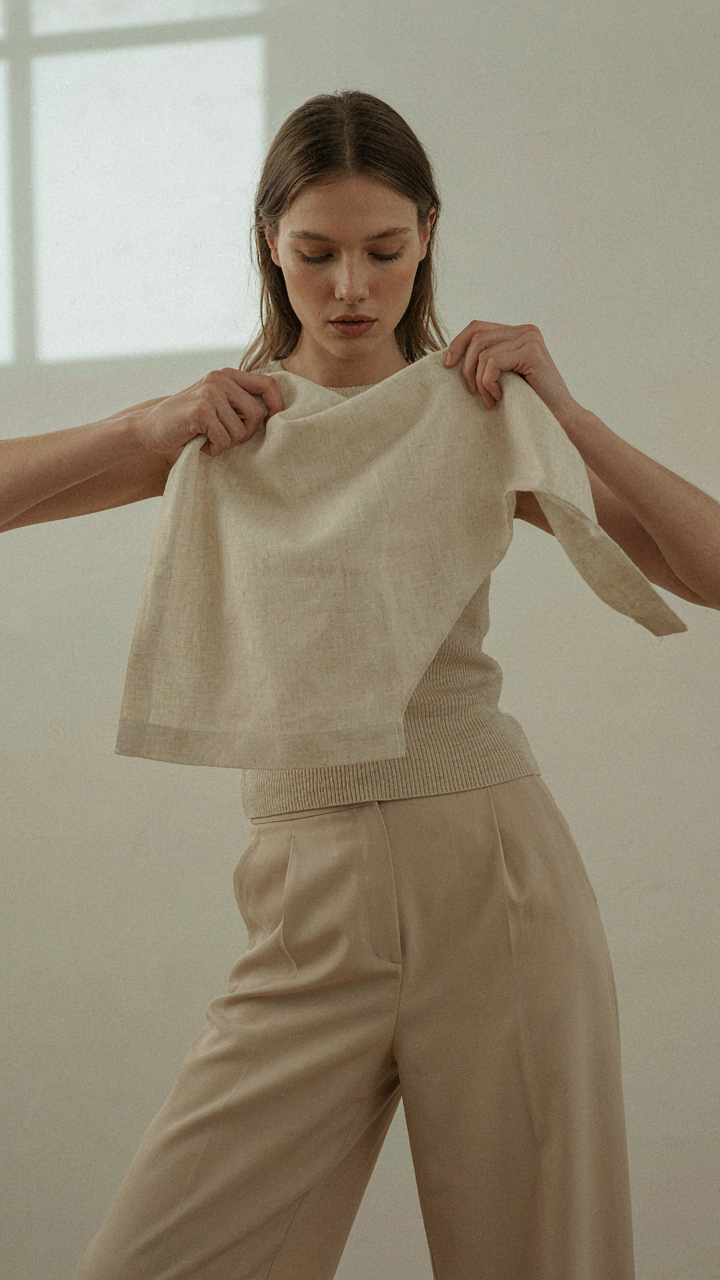
You care about this because you don’t want to look like you tried too hard or, worse, like you showed up unprepared. The real mechanism is simple: fabric choice determines whether you look intentional or accidental. In textiles engineering, drape refers to how material falls and moves on the body. A courthouse outfit’s drape signals either confidence or confusion. Natural fibers and quality blends hold shape without looking stiff. They move with you instead of against you. Polyester and cheap synthetics bunch, cling, or go limp depending on humidity and body temperature.

Cotton blends, linen, wool, and silk all perform differently based on season and fit. Summer courthouse visits call for breathable fabrics that won’t wilt by midday. Winter needs weight and structure. The mechanism works like this: select a fabric that naturally holds the silhouette you want, then buy the right weight for the season. You avoid needing pins, tape, or constant adjusting. The outfit stays where you put it.
Wrinkle Resistance Is A Practical Investment
Common advice says wrinkles don’t matter at courthouse weddings because it’s informal. That’s incomplete. Wrinkles read as neglect, not casualness. Your outfit speaks before you do. Natural linen wrinkles aggressively and signals you didn’t care enough to press or steam. Cotton-polyester blends resist wrinkling far better than pure cotton. Wool holds crease memory and sheds minor creases on its own. High-quality rayon blends balance drape with wrinkle resistance better than cheap rayon alone.
Test fabric before buying by checking how it bounces back after you crumple a swatch in your hand. If it springs back within seconds, it handles travel and sitting. If creases stay, you’ll spend the ceremony looking rumpled. Buy garments in natural blends or quality synthetics designed for minimal maintenance. Pack your outfit the night before in a way that avoids folding deep creases. Hang it as soon as you arrive at the courthouse location.
Accessorizing With Intent: The “Less Is More” Deception For Wedding Court
One Anchor Piece, Maximum Signal
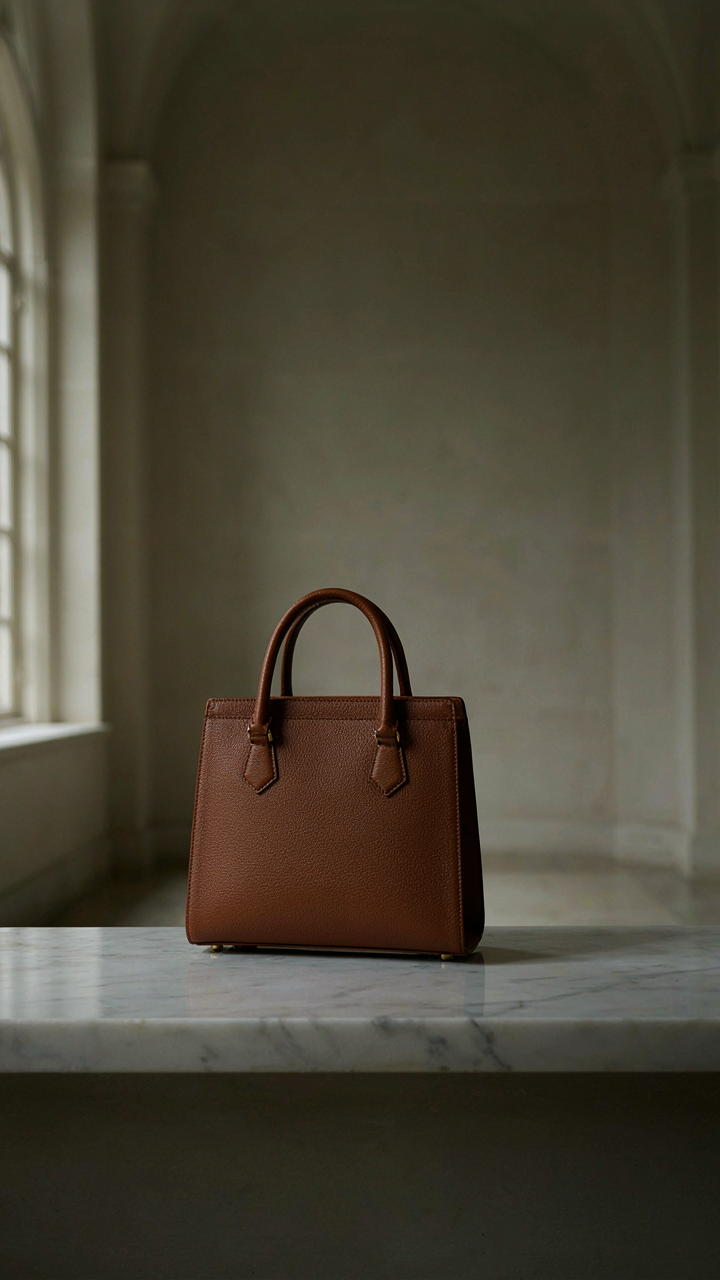
You’re worried that showing up underdressed means you don’t respect the couple. The real mechanism is this: in a courthouse setting, restraint reads as intentionality. Borrow from physics—leverage. One fulcrum moves the weight. One statement accessory—a structured handbag, a watch with presence, a pair of shoes that cost money—does the work that five pieces try and fail to accomplish. Everything else recedes. The courthouse’s formal architecture already dominates the visual field. Competing with it through accumulation loses.

Pick that single piece before you pick your outfit. Build backward from it. A silk scarf, a gold chain bracelet, leather gloves—these work because they require the wearer to have made a choice. Generic accessories scattered across your body signal the opposite: that you grabbed what was lying around. The anchor piece proves you thought about this enough to know what matters.
Strategic Silence Speaks Louder
Everyone says “less is more.” That’s true and meaningless. What actually works is understanding what noise distracts from your presence. Skip the jewelry box approach—multiple rings, layered necklaces, dangling earrings. Skip novelty accessories: fun pins, quirky socks, statement belts that broadcast personality. Skip anything shiny enough to catch courtroom lighting and pull attention downward. The real power move is the absence of distraction.
What you don’t wear in a courthouse creates a frame around what you do. Empty wrists matter. Bare earlobes matter. The courtroom has no softness—it’s marble, wood, fluorescent light. Your restraint matches the architecture and suggests you understand the occasion. This isn’t about being boring. It’s about letting the formal setting do its work without fighting it. Wear exactly what the moment requires, nothing surplus.
Footwear That Doesn’t Betray Your Style (or Your Feet)
The Heel Myth Doesn’t Apply Here
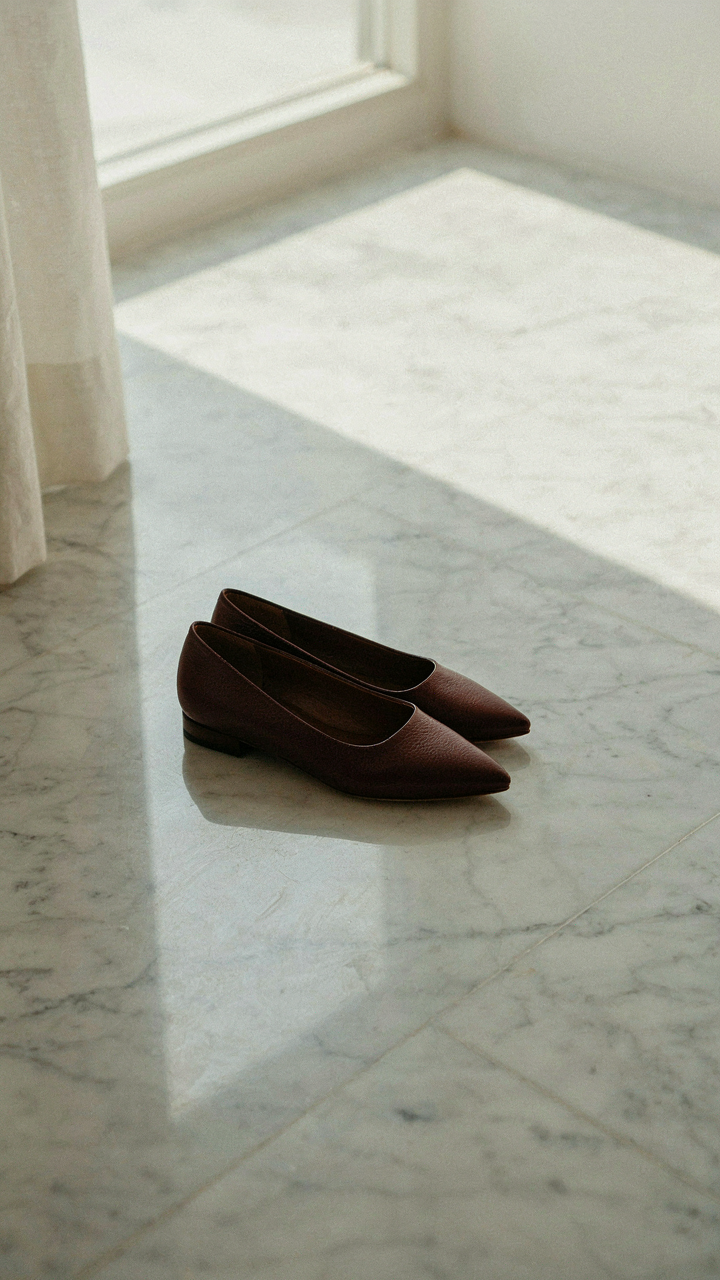
You’re worried heels signal respect and flats signal you didn’t try. That’s the real anxiety driving this question, and it’s backwards. Courthouse settings operate under different physics than formal events. In architecture, load-bearing capacity determines what structure survives stress. Your footwear does the same thing on marble or tile floors where you’ll stand for thirty minutes without moving. Heels create instability on hard surfaces. Flats create stability. The mechanism is literal.
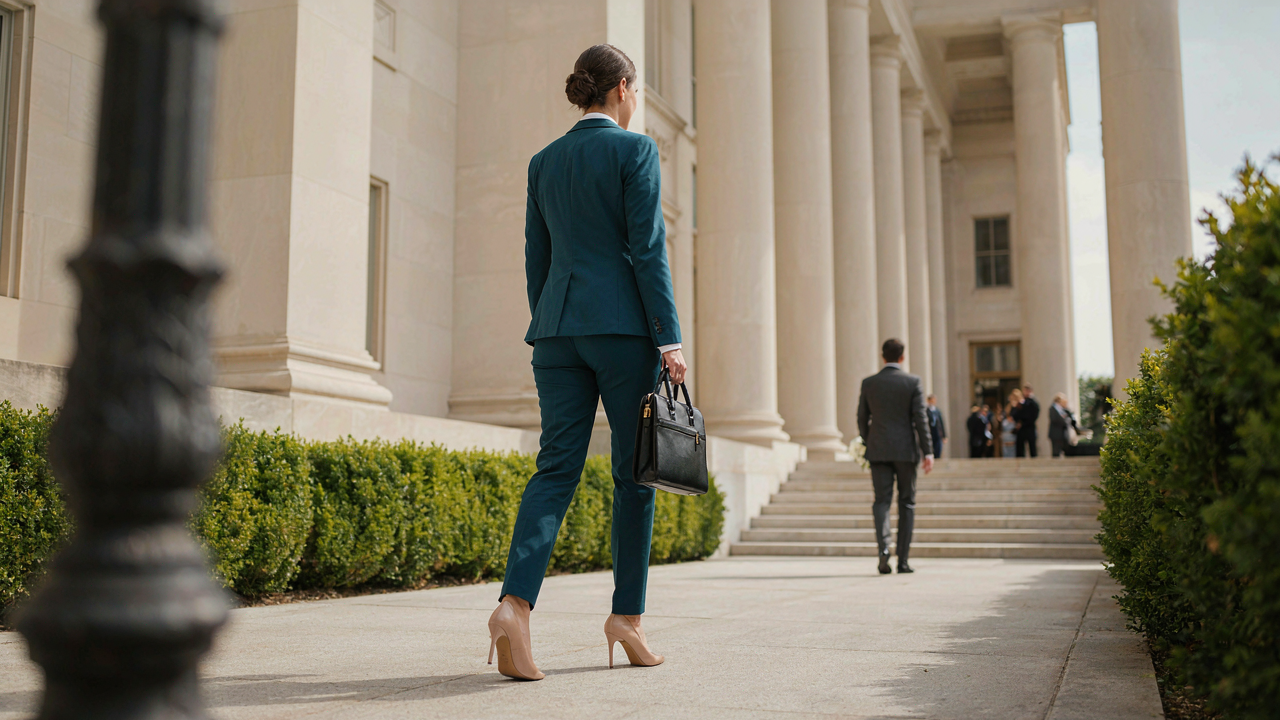
Sleek flats, elegant loafers, and low block heels all work because they keep you grounded. A pointed-toe flat reads as intentional. A structured loafer reads as controlled. A block heel under two inches reads as practical without sacrifice. Court buildings don’t care about heel height. Your ankles do. Pick footwear that handles standing still better than it handles making an entrance.
Standing Still Is The Real Demand
Comfort isn’t a nice feature here, it’s the entire operation. You’ll stand during vows, stand during paperwork, stand for photos. Wobbly ankles or pinched toes pull your attention inward and kill your presence. This isn’t about being nice to yourself. It’s about not becoming a distraction to the couple or yourself. Blistered feet mean you limp out of the building. Sore arches mean you sit down before it’s appropriate.
Test any shoe for thirty minutes at home before wearing it to the ceremony. Walk on hard floors, not carpet. Notice where pressure builds. If your feet hurt by minute twenty, the shoe fails the courthouse test. Bring backup soles or inserts if needed. The goal is to stand through the entire event without your body demanding attention.
Seasonal Adaptations: Don’t Get Caught Slipping (or Sweating)
Build Your Layers Like Thermal Regulation
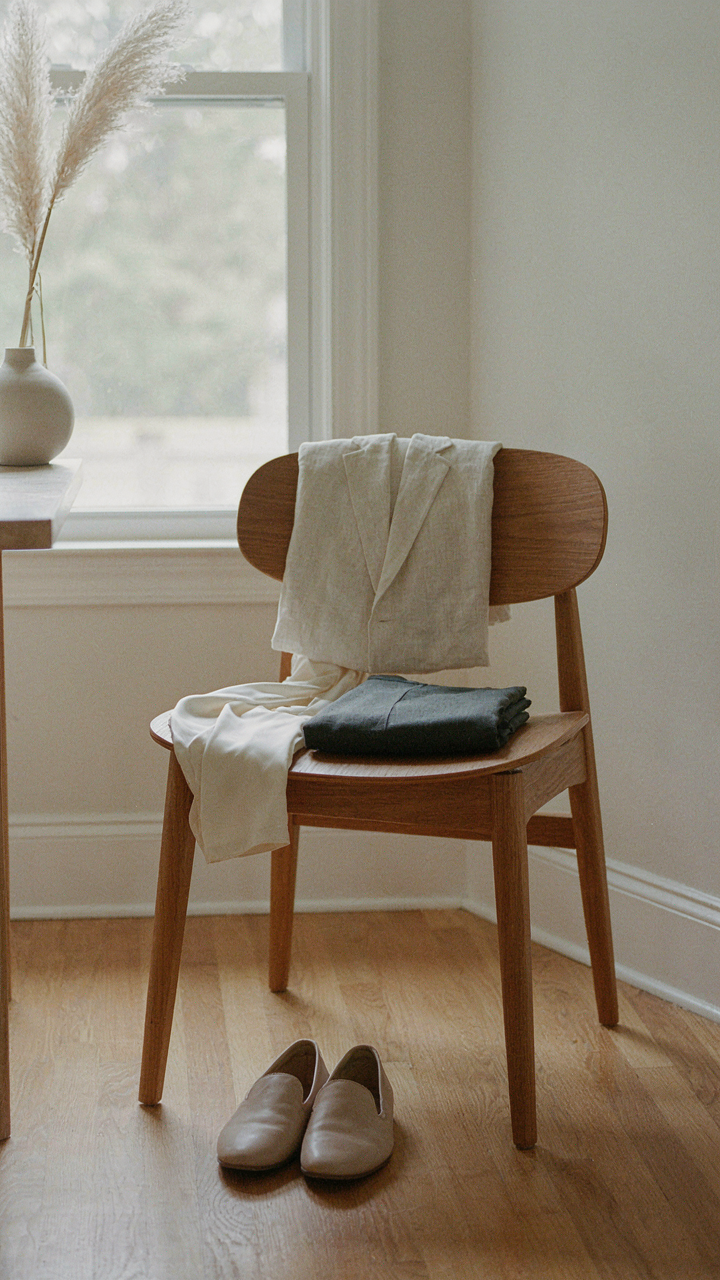
You’re worried about looking underdressed or overheated, which means you’re actually worried about losing control of the moment. The mechanism is simple: layering gives you a buffer against temperature swings without signaling that you didn’t plan. A light jacket, structured wrap, or tailored coat isn’t decoration—it’s infrastructure. You wear it in, remove it inside the courthouse, carry it out. The garment stays neutral and works in multiple climates.

The common advice here is generic: “just wear a blazer.” That misses the point. Your layers need to function across transitions. A linen jacket for spring moves seamlessly from street temperature to indoor air conditioning. A wool blend coat for winter handles the walk from parking lot to building without bunching under your outfit. The layer must feel intentional when worn and invisible when removed—no wrinkles, no bulk, no apologies.
Fibers That Perform Across Temperature Ranges
Think of material selection like engineering for specific load conditions. Summer demands linen or cotton blends because they release heat and breathe when humidity spikes. Winter demands wool blends because they trap warmth without the weight that creates visible bunching under structured pieces. The fiber choice determines how your outfit behaves, not how it looks.
Linen wrinkles by design, so courthouse settings accept that texture. Wool blends hold their shape through travel and sitting. Cotton-polyester blends split the difference for shoulder seasons. Pick one fiber family and stick with it for your main piece and layer. When you mix fibers randomly, you get unpredictable drape and temperature regulation that works against you instead of for you.
The “Courthouse Chic” Blueprint: What To Avoid And Embrace
What Not To Wear
You’re worried people will judge you for getting it wrong. That fear is real, but it’s backwards. The actual mechanism is this: courthouse weddings operate under constraint. Limited space, legal formality, intimate audience. Constraints demand precision. Casual undermines it. Flashy competes with it. Ill-fitting garments signal you didn’t prepare.
- Denim or athletic wear: Courthouse settings enforce legal gravity. Denim reads as indifferent to context, regardless of cost or quality. Save it for the reception.
- Novelty prints or loud patterns: Busy visuals distract from the ceremony itself. Bold florals, neon hues, or graphic tees pull focus toward your outfit instead of the moment.
- Wrinkled or stained fabrics: Visible creases and spots communicate carelessness. Courthouses photograph poorly with natural or fluorescent lighting, making wrinkles sharper and more obvious.
- Oversized or undersized silhouettes: Garments that don’t fit your frame look unintentional. Baggy fabric obscures your shape. Tight fabric restricts movement and photographs unflattering under harsh courthouse lighting.
- Excessive jewelry or accessories: Loud bracelets, dangling earrings, and multiple statement pieces fragment your visual coherence. Simplicity reads as intention in formal spaces.
- Transparent fabrics without layering: Sheer materials expose undergarments, which reads as incomplete dressing in legal settings. Layer or line transparent fabrics intentionally.

The pattern here is that courthouse environments amplify small errors. There’s nowhere to hide. Your outfit either demonstrates respect for the occasion or it doesn’t. Precision beats personality in this context.
Tailored, Confident, And Functional
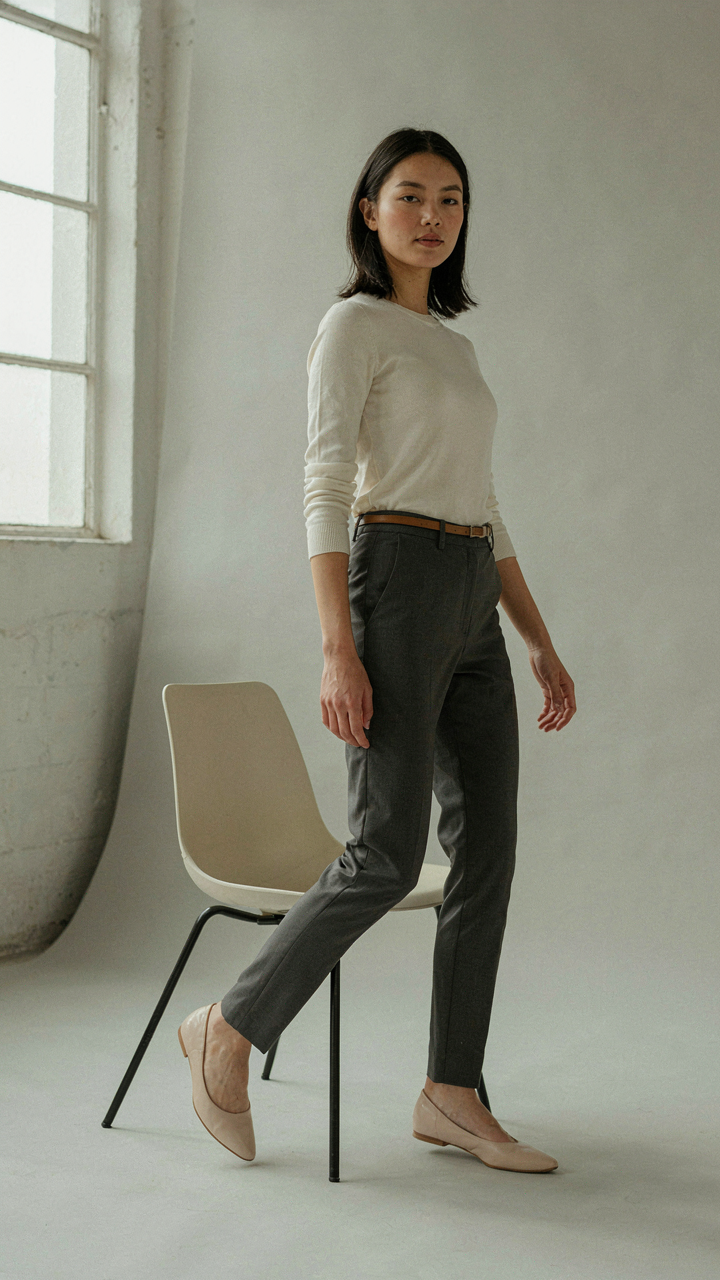
Tailoring isn’t a luxury detail. It’s the framework that determines whether your outfit registers as intentional. A well-fitted blazer, trousers hemmed to break at your shoe, or a dress that skims your frame without clinging signals you planned this. Confidence emerges from knowing your clothes fit correctly.
Comfort matters because courthouse ceremonies are brief but involve standing, walking to sign documents, and being photographed. Wear shoes you’ve broken in. Choose fabric that doesn’t require constant adjustment. Pick colors that don’t show sweat or wrinkles. Authenticity means dressing like a version of yourself that takes the occasion seriously, not reinventing yourself into an unfamiliar costume. Test your outfit beforehand. Sit, stand, walk, and reach. If any movement creates bunching, gapping, or pulling, fix it before the day. The final protocol: arrive thirty minutes early to adjust layers and confirm you’re camera-ready.
Beyond The Outfit: Your Presence Is The Real Statement At A Small Civil Ceremony

The Energy You Bring Matters More Than The Fabric
You’re reading this because you’re worried the outfit will define how the couple sees you. It won’t. The mechanism is simple: at a courthouse ceremony with maybe ten to thirty people, attention compresses. Everyone notices everything. What they remember is not the cut of your jacket but whether you were present or absent in the moment. Your body language reads louder than your clothes. Slouching through vows while checking your phone erases whatever you wore. Standing upright, making eye contact with the couple, and tracking what’s happening signals respect that no designer piece can manufacture.
The real mistake people make is treating a small civil ceremony like background noise where clothes do the talking. That’s backwards. The smaller the group, the higher the interpersonal stakes. You communicate through attention, not aesthetics. Show up mentally before you show up physically. Your outfit establishes baseline professionalism. Your presence establishes whether you actually care. The couple will tell that story for years. They won’t remember your shoes. They’ll remember if you were all in or just passing through.
Authentic Investment Beats Performed Emotion
Borrowed from theater, there’s a concept called “emotional truthfulness”—the idea that the audience detects when you’re faking. At a courthouse wedding, fake reads instantly because there’s nowhere to hide. A small room amplifies sincerity and exposes performance. The couple knows you well enough to spot the difference between genuine happiness and obligatory attendance. This isn’t about being loud or effusive. It’s about actually being glad they’re doing this.
Authentic investment shows in restraint, not excess. You don’t need to cry or cheer loudly. You need to be present enough to participate in the moment without making it about you. Ask them questions about what they’re feeling afterward. Remember small details they mention. Laugh at jokes. Respond naturally to the vows. This compounds into something the outfit cannot touch—real relationship capital that strengthens over time. The couple remembers who was genuinely there, not who wore the right thing.
The Real Secret To A Great Outfit Isn’t The Clothes; It’s Your Disregard For The Crowd
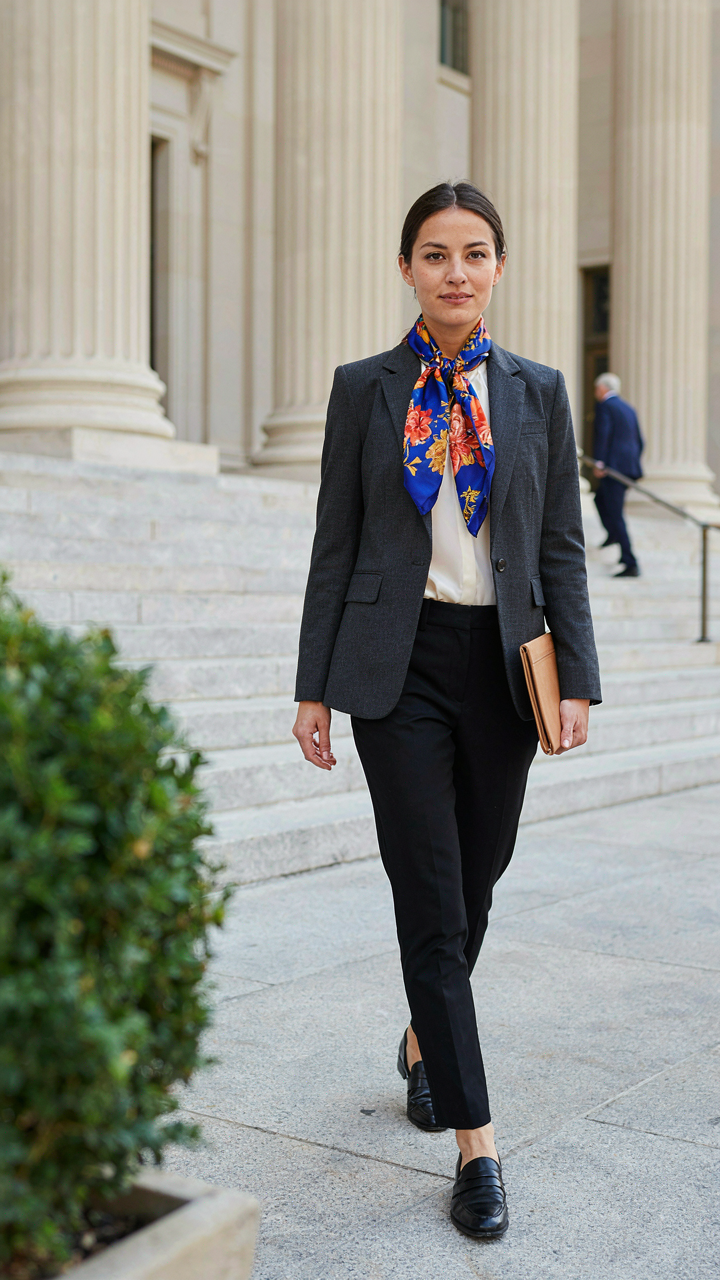
Most people dress for a courthouse wedding like they’re attending a funeral nobody planned for. They play it safe. They blend in. Here’s what actually works: pick one piece that feels like you, then build around it. Wear the color that makes you feel dangerous. Skip the matching bag nonsense. The couple got married at the courthouse because they didn’t care what the world expected. You show up the same way. Confidence in a courthouse beats perfection in a cathedral every single time.