


The Cognitive Load Of “Effortless” Style

Why The Casual Aesthetic Requires Brutal Planning
You want people to think you threw this together. That’s the real motive here, and it’s costing you time you don’t have. Effortless style operates like information theory: the fewer visible components, the more processing power required behind the scenes. A linen shirt that looks thrown on demands precise fiber selection, fit engineering, and strategic wrinkle management. The math is backwards from what you expect.
Magazine spreads and Instagram feeds built the “effortless” myth because they don’t show the studio work. A stylist spent four hours arranging a five-minute outfit. The narrative is manufactured to make you believe simplicity is natural. It isn’t. Simplicity is the output of constraint and decision fatigue, not the absence of effort. The destination wedding guest who appears casual has already eliminated ninety percent of the options you’re still considering.
The Architecture Of Looking Undone
Looking undone requires more decisions than looking polished. Polished has rules: match, coordinate, follow the hierarchy. Undone demands you understand which rules to break, when to break them, and how far. You need a framework before you can dismantle it. Most people skip the framework and land on “confused” instead of “effortless.”
The mechanism works this way: identify your core pieces first, then subtract. Start with a base outfit that actually fits and functions for the climate. Then remove one element that would normally be there. A linen shirt without a tucked base layer. A pair of trousers without the matching jacket. One strategic absence signals intent. You’re making a choice, not filling a checklist. Build your destination wedding guest outfit around what you’ve removed, not what you’ve added.
Warm Weather Travel: The Climate Control Protocol
Fabric As Your Personal HVAC System
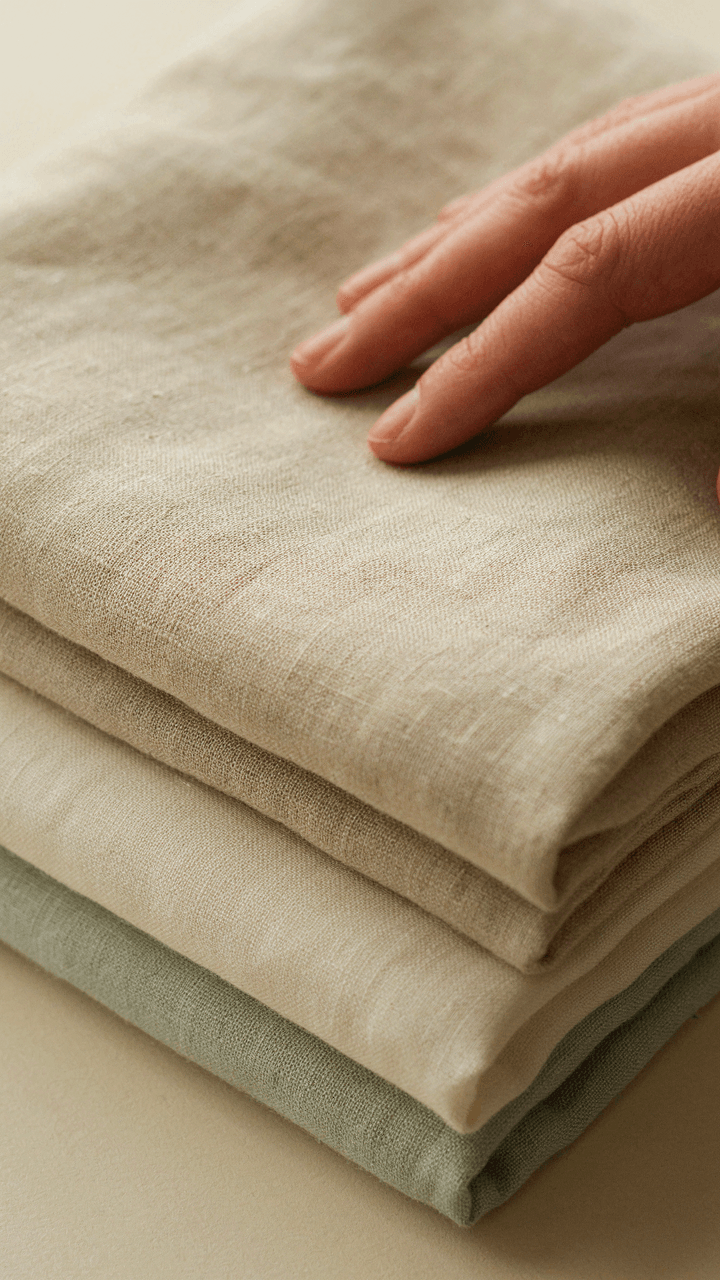
You’re worried you’ll look underdressed or sweat through silk like a nervous intern. Here’s the mechanism: fabric fiber construction determines how fast moisture evaporates from your skin, which controls your core temperature. Think of it in thermodynamic terms—different materials have different heat dissipation rates. Natural fibers with loose weaves outperform dense synthetics because air moves through them, not around them.

Linen and cotton are the baseline. Linen dries fastest because its fibers have a hollow core structure that wicks moisture away from skin. Cotton absorbs more water but still allows evaporation. Avoid polyester blends marketed as “breathable”—they trap heat and humidity against your body. Silk has a smooth surface that reflects heat, which works in direct sun, but it absorbs moisture slowly. Pick one fiber type per piece rather than blends, then layer around it.
Strategic Layering For Thermal Regulation
The common advice is “just wear a light jacket.” Wrong. Layering in warm climates isn’t about insulation—it’s about controlling radiant heat and creating air gaps. Each layer acts as a thermal buffer. A linen overshirt stops 40-60% of direct sun exposure before it hits your skin, dropping surface temperature significantly without trapping heat underneath.
Start with a moisture-wicking base in natural fiber. Add a loose, open-weave cover layer that sits away from your body. This creates a microclimate that lets heat escape while blocking UV radiation. Remove or add layers based on venue conditions: ceremony in direct sun requires the cover layer; reception under a tent allows removal. Timing matters—dress for the hottest hour of the event, not arrival temperature.
The “Beach Chic” Misconception: More Than Linen

What Beach Chic Actually Signals
You’re worried the casual setting means you can dress down and still belong. That’s the trap. “Beach chic” is a formality code, not a permission slip. In game theory terms, it’s a signal that communicates compliance with unspoken rules while appearing relaxed. The couple chose this setting to lower the temperature, not eliminate hierarchy. Linen wrinkles. Cotton breathes. But the real message is: you understand the difference between casual clothing and casual intention.

The mistake most guests make is treating “beach” as the operative word. It isn’t. “Chic” is. Chic requires intentionality. A sundress thrown on five minutes before departure reads as indifference. The same sundress paired with structured jewelry, a linen blazer held loosely, and purposeful styling reads as respect for the event and confidence in the setting. The fabric matters less than the coherence of the whole outfit. Formality never disappears at destination weddings. It just changes its costume.
Footwear That Doesn’t Betray You
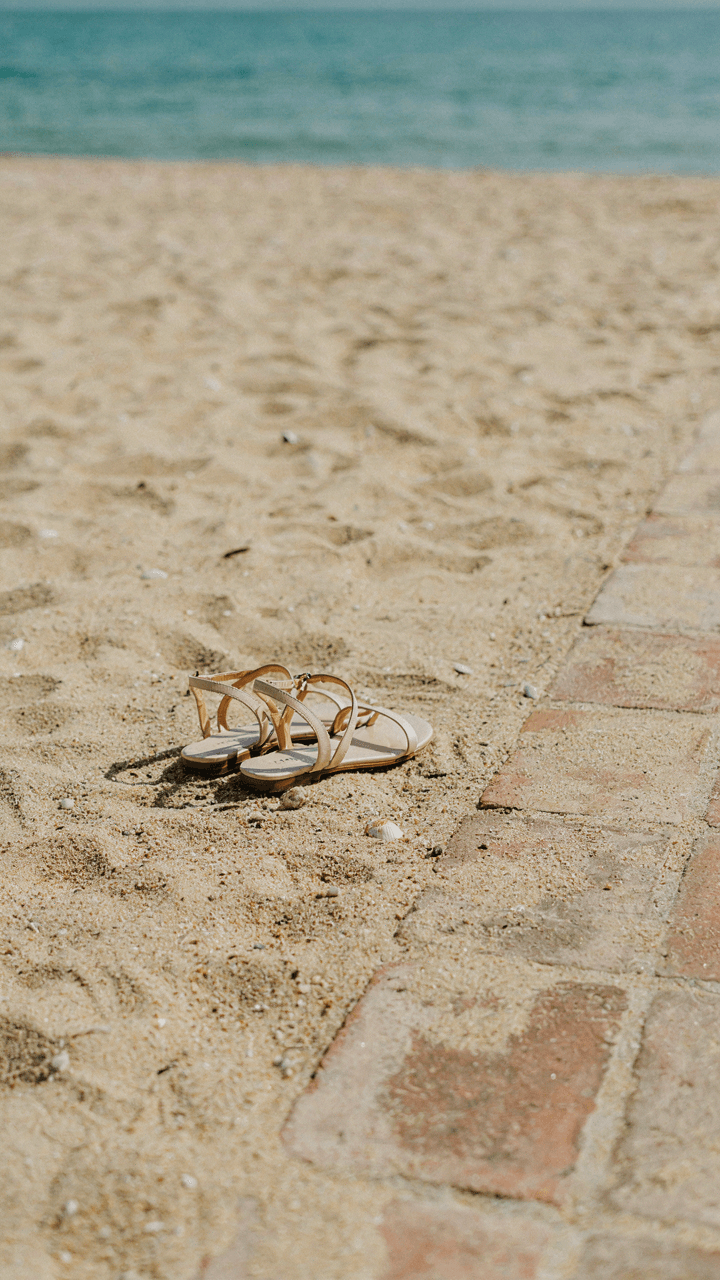
Skip the sandal-or-heels binary. It’s a false choice that forces the wrong decision either way. Metallic flat sandals anchor a look between casual and formal without apologizing for either. Dressy flip-flops don’t exist, no matter what retail tries to sell you. Strappy flat sandals in gold or silver work because they read as intentional and bridge the gap between barefoot and formal footwear without the contradiction. Your feet should look like they belong at dinner, not like you pivoted from the beach.
Here’s the mechanism: footwear is the first thing guests notice about each other during the reception. It’s the detail that confirms whether you understand the room. Opt for something that works both in sand and on a tiled reception space. Dressy sandals that fasten securely prevent the visual chaos of flip-flop walking. If the wedding is truly beachfront and the couple explicitly mentioned barefoot ceremony options, that’s different. Otherwise, plan to be shod. Your choice of shoe either confirms you read the room or announces you didn’t.
Formal Beach Wedding Guest Dress: The Signal To Noise Ratio

Terrain Analysis For Dress Code
You’re anxious about being read wrong. The real mechanism at work is dress code as terrain. Military strategists don’t fight on random ground—they read the landscape first. A formal beach wedding dress code is the same. The terrain tells you what survives and what doesn’t. Sand, salt, heat, and light exposure eliminate most fabrics and structures. Formal wear designed for indoor climate control fails here. The constraint isn’t the wedding. It’s the environment rejecting anything that wasn’t built for it.

Read the invitation’s specific dress code first, then the location’s climate data. A “formal beach wedding” in the Caribbean operates under different physics than one in Mexico. Humidity, UV intensity, and water access change which materials hold color, which garments stay crisp, and which collapse. Linen wrinkles by design but resists mildew. Cotton absorbs salt spray and degrades faster than technical blends. Silk loses sheen in direct sun. This isn’t preference—it’s material behavior under pressure.
Status Loops And Real Visibility
Cybernetics describes feedback loops where output becomes input, creating a self-reinforcing cycle. In a formal beach setting, your outfit generates two competing feedback loops simultaneously: social perception and environmental degradation. What reads as formal shifts the moment sweat, sand, or humidity hits the fabric. The guests watching you aren’t checking tailoring details from fifty feet away in sunlight. They’re reading whether you look comfortable or struggling.
The mistake everyone makes is importing indoor formal logic to an outdoor heat environment. Formal doesn’t mean stuffy or heavy here. A well-cut linen dress in a structured neutral, tailored shorts in premium cotton, or a lightweight silk blend blazer worn open reads formal because of fit and intention, not fabric weight. The feedback loop works when guests see someone who chose the right tool for the job instead of forcing the wrong tool to work. Pick one statement piece—tailored silhouette, crisp material, intentional color—and let everything else be invisible support. This is how formal operates on a beach.
Island Chic Outfit Wedding: The Local Adaptation Principle
Read The Room Before You Pack
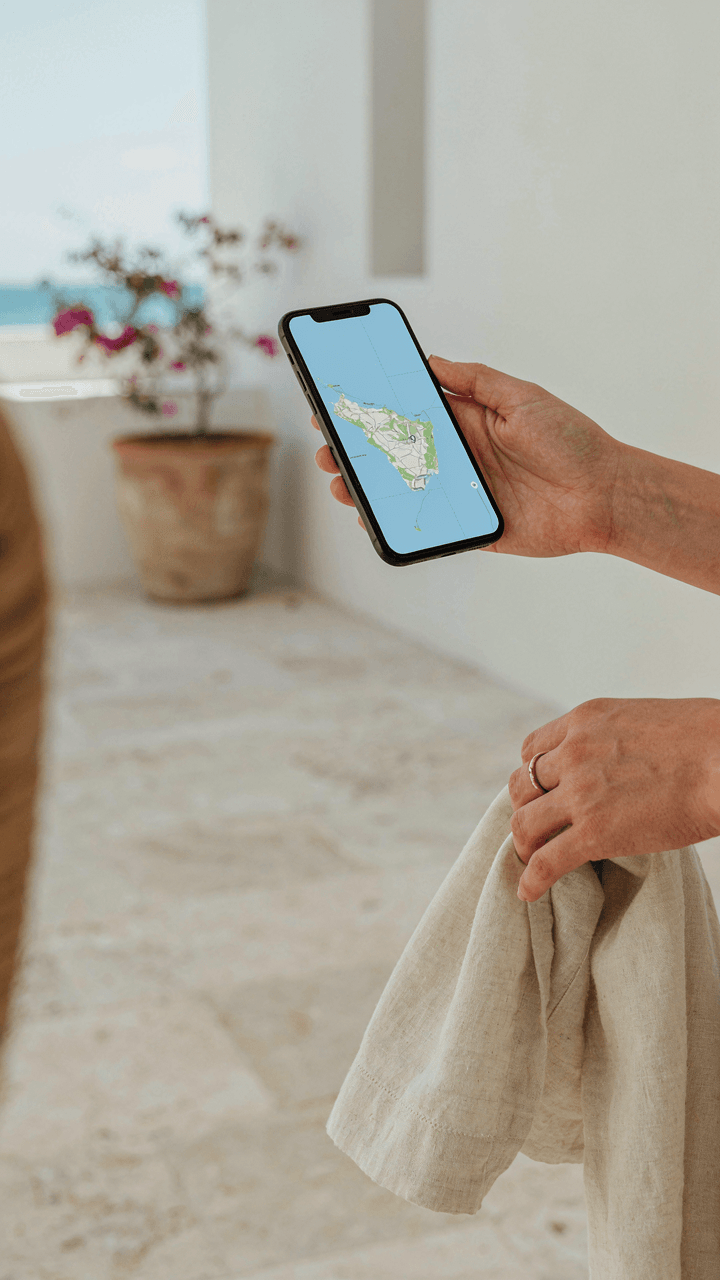
You’re afraid of looking like a tourist. That’s the real concern underneath all the outfit planning, and it matters because locals notice what visitors wear, and that affects how you move through the space. Think of this like signal detection in information theory: every outfit sends a message about whether you belong or you’re performing. The mechanism is simple. Research the actual dress code of the specific island or region, not generic “tropical wedding” advice. Call the couple. Ask what locals wear to formal events there. A black-tie wedding in Barbados looks different than one in Bali, and the difference isn’t just weather.

Most people skip this step and default to what they’ve seen in travel magazines. That’s how you end up in a resort-wear outfit at an event where the aesthetic runs toward understated elegance or traditional dress. The gap between assumption and reality costs you credibility before you sit down. What you wear signals whether you researched or guessed. Islands have their own formality codes, fabric preferences, and color associations. Some regions favor natural fibers and muted tones for formal events. Others expect bolder colors. Some have specific occasions where certain patterns or styles carry cultural weight. The work is asking specific questions, not making general predictions.
Pieces That Survive Multiple Events
Pack outfits that rebuild into different configurations instead of one-use costumes. This isn’t about volume or clever packing hacks. It’s about designing a wardrobe matrix where each piece plays multiple roles across ceremony, reception, and dinner. A neutral linen shirt works as a standalone piece, layered under a dress, or worn open over a tank. A silk slip skirt functions as formal wear with heels or transitions to daytime with sandals and a linen top. The math is straightforward: five core pieces create fifteen outfit combinations. Five separate outfits create five options.
Start with a base layer strategy. Pick one neutral that matches your skin tone and the destination’s light palette. Build formal outfits and casual pieces around it. Warm weather destinations demand breathable fabrics that pack small. Linen, cotton, and silk blends weigh less and compress better than synthetics. Choose a color story before packing anything. All your pieces should work together. One weak link ruins the matrix. When every item coordinates with at least two others, you eliminate decision fatigue and the constant problem of “nothing to wear” despite a full suitcase.
The Mediterranean Wedding Outfit: Beyond Blue And White

Color Contrast In Bright Light
You’re worried that standing out means looking wrong. The real mechanism is contrast reduction. In bright sun, color psychology inverts from how it works indoors. High saturation colors flatten under direct UV light. Your brain stops processing them as distinct. Muted tones and neutrals actually command attention because they hold definition in glare. This is why Mediterranean locals wear cream, taupe, and dusty pastels, not neon.

Soft white, warm beige, and pale terracotta read as intentional in daylight. Navy absorbs light and disappears into shadows. Jewel tones like emerald or sapphire lose their depth and turn muddy. The outfit that photographs well at the ceremony won’t be the saturated version you tested indoors. Choose fabrics in natural fibers that reflect light without glare: linen, cotton, silk blends. Test your final outfit in direct noon sunlight before travel, not in your bedroom.
Impact Through Restraint
Most wedding guest accessory advice treats your body like a bulletin board. Add more. Layer more. Stack more. Wrong approach. In Mediterranean climates, heat demands you strip down, which means every piece must justify its presence. One meaningful accessory beats three decent ones. The mechanism is cognitive load: your brain allocates attention based on visual complexity. Too many competing pieces diffuse focus. One standout piece becomes the anchor.
A structured leather belt, a single statement bracelet, or one pair of elevated sandals creates visual hierarchy without adding bulk or heat. Skip the layered necklaces and the coordinated bag-and-shoe sets. Choose one element that reflects light or texture differently than your base outfit. A woven clutch, a gold cuff, or a printed scarf becomes the fulcrum. You execute this by selecting your accessory first, then building the outfit around it, not the other way around.
Guest Attire: The “Don’t Be That Guy/Gal” Checklist
Mistakes That Signal You Didn’t Think
You’re worried about standing out for the wrong reason. That fear is valid. The real mechanism at work is that guests underestimate how visible they are in destination settings. Indoor venues contain chaos. Beach ceremonies expose everything. Your outfit either blends into the intentional aesthetic or it screams misalignment. There’s no neutral here.
- White or off-white clothing: Directly competes with the bride’s visual hierarchy. Wedding photography will expose this immediately. Neutrals like tan, cream, or pale yellow work instead.
- Overly casual fabrics in formal settings: Linen wrinkles by hour two. Showing up in workout-grade material signals you didn’t prepare. Choose breathable fabrics with structure like cotton blends or performance weaves.
- Footwear that doesn’t match the venue terrain: Stilettos sink into sand. Flip-flops look unfinished at cocktail hour. Flat sandals, dressy flats, or clean minimalist sneakers adapt to both surfaces.
- Logos and graphic prints: They compete for attention and date quickly. Solid colors and subtle patterns age better in photos and in your closet. Avoid anything that reads as casual wear dressed up.
- Heavy fabrics or long sleeves in 85+ degree heat: You’ll sweat through the ceremony. Cotton and linen breathe. Sleeveless or short-sleeve cuts prevent visible moisture and physical discomfort during the event.

The pattern underneath all of this is proportion matching. A guest outfit works when it acknowledges the venue’s climate, formality level, and visual environment without competing for hierarchy. Check the wedding website for dress code and venue type, then choose accordingly.
The Unspoken Social Calculus
Dressing well as a guest isn’t about looking expensive. It’s about signaling you understood the assignment. Game theory applies here: the host sets the rules, and you either align with them or you create dissonance. Most guests miss the actual power move, which is restraint.
Wear one intentional piece. A structured blazer in linen. A statement earring. A well-fitted dress in a color that complements the landscape. Skip the urge to layer accessories or mix competing patterns. One confident choice beats five attempts at visual interest. The people who remember you aren’t thinking about your outfit. They’re thinking about whether you seemed comfortable and present. Comfort comes from alignment, not decoration. Wear something you’ve tested in heat. Move in it before the wedding day. Show up and disappear into the celebration instead of into your own self-consciousness.
Beach Wedding Guest Dresses: Form Vs. Function Fallacy

Comfort Without Sacrificing Elegance
You’re worried people will think you cheap out if you prioritize how you actually feel in your clothes. The mechanism is simple: elegance isn’t about restriction. It’s about fit. A dress that moves with your body, breathes in humidity, and doesn’t require constant adjustment reads as polished because you’re not visibly uncomfortable. Natural fabrics like linen, cotton voile, and silk charmeuse drape well and wick moisture without clinging. The dress works for the climate instead of fighting it. This is the actual tell between someone dressed for a destination and someone dressed for an air-conditioned event back home.

The common advice says beach wedding guests should wear flowing, ethereal fabrics. That’s incomplete. Flowing fabric alone means nothing if it’s polyester that traps heat and reads clingy by evening. Silk crepe, cotton lawn, and linen blends regulate temperature while maintaining structure. A midi or knee-length dress with a fitted bodice and loose skirt solves the dual problem: you look intentional, and you can sit through the ceremony without sweating through the fabric. Test any dress option in direct sun before the event. If it clings to damp skin in natural light, it fails the beach test.
The Right Undergarments Change Everything
Undergarments operate on the same principle as load-bearing in construction: they distribute pressure evenly and prevent collapse. Wrong undergarments under a beach dress create visible lines, shifting throughout the day, and require constant repositioning. This kills elegance faster than any fabric choice. Invest in a seamless slip dress designed for the fabric weight of your outer dress. Microfiber or silk slips eliminate static, prevent transparency, and anchor the dress to your body. Skipping this step because “beach dressing is casual” is the exact mistake that makes casual look sloppy.
Bra selection requires the most strategic thinking. Strapless or clear-strap options prevent shoulder line visibility, but they also shift in humidity. A convertible bra with removable straps lets you adjust based on the dress design and how your body responds to heat and movement. For dresses with built-in bras or minimal support needs, some guests choose to skip bras entirely if the dress fabric and fit allow it without transparency. Test this combination at home, in daylight, before committing. The undergarment system you choose determines whether you spend the event managing your outfit or actually present at the wedding.
Formal Beach Attire: The Strategic Wardrobe Edit
The Economics Of Repetition
You’re worried people will notice you wearing the same outfit twice. That’s the real problem here, and it’s costing you money and luggage space. Clothing economics works on a principle: cost per wear. The fewer times you wear something, the higher its true cost becomes. A formal beach wedding guest who buys six outfits worn once each has paid six times more per appearance than someone who bought two and styled them differently.

The mechanism is simple: matchy-matchy thinking kills adaptability. A silk linen shirt in cream works alone, under a lightweight blazer, layered with a neutral vest, or paired with a second bottom you already own. Each combination looks intentional and different. This is how luxury travelers operate. They don’t buy more clothes. They buy pieces that talk to each other.
Compartmentalization Wins Packing Wars
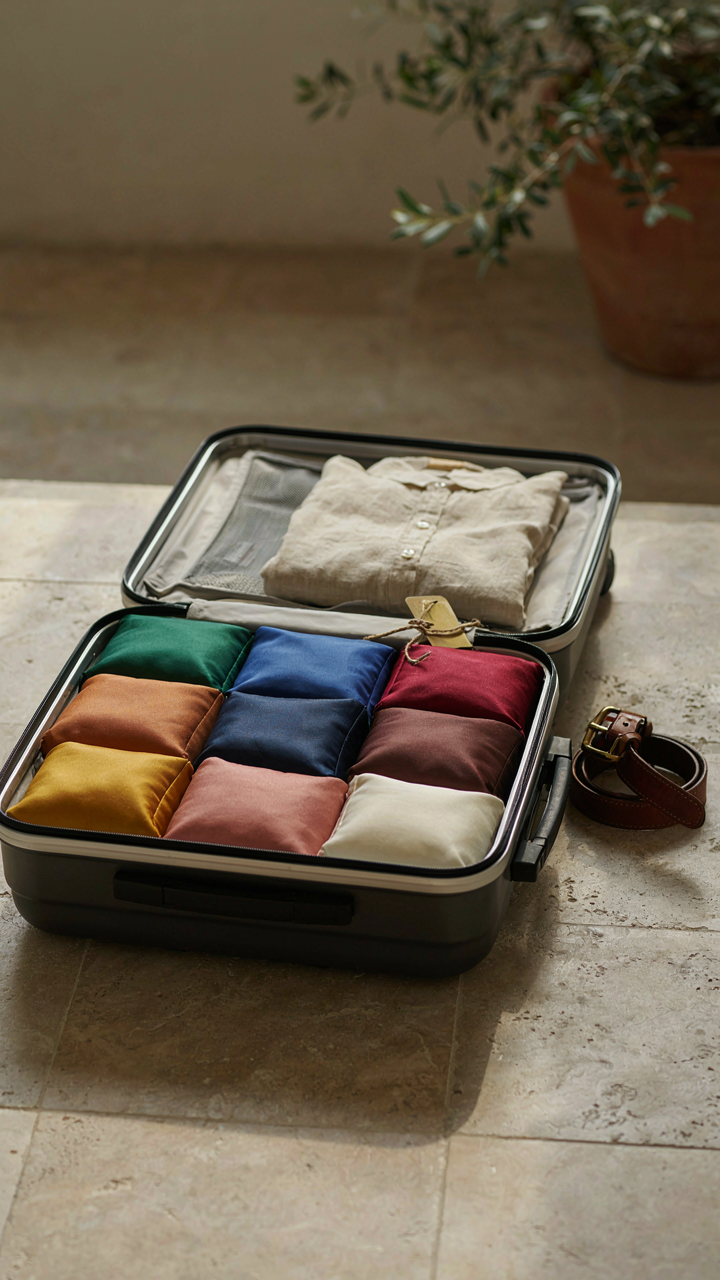
- Flat compression cubes: Store folded formal pieces without wrinkles. Stack vertically in luggage to see every outfit at once and prevent repacking waste.
- Clear-sided organizers: Visibility prevents duplicate packing. You see exactly which formal bottoms and tops are where, eliminating the “did I pack this” spiral.
- Dedicated accessory roll: Keeps jewelry, belts, and shoes separate from fabric. Prevents metal from snagging delicate formal wear and keeps everything retrievable.
- Shoe storage bags: Isolates footwear and prevents sand, salt, or moisture from transferring to formal pieces. Use individual cloth bags rather than plastic.
- Dry bag for contingencies: Holds backup formal pieces in waterproof isolation. Useful for unexpected weather or schedule changes without compromising primary outfits.
Organization isn’t about aesthetics. It’s about decision architecture. When formal pieces are visible and compartmentalized, you stop second-guessing what you packed. You grab what you need in thirty seconds instead of repacking everything twice. The system becomes invisible because it works.
The Real Obstacle Isn’t The Dress Code; It’s Your Fear Of Standing Out In A Sea Of Sameness

Most destination wedding guests choose safe. They wear beige. They wear navy. They disappear into the crowd because visibility feels risky. But here’s what actually happens: the people who remember weddings aren’t the ones who blended in. They’re the ones who understood that looking intentional beats looking afraid. Stop asking what’s “appropriate” and start asking what makes you feel like yourself in warm weather. Pick one outfit today, commit to it, and watch how confidence becomes the actual dress code.