
The Contextual Calibration Protocol: Beyond Dress Codes
Deciphering Unspoken Social Contracts
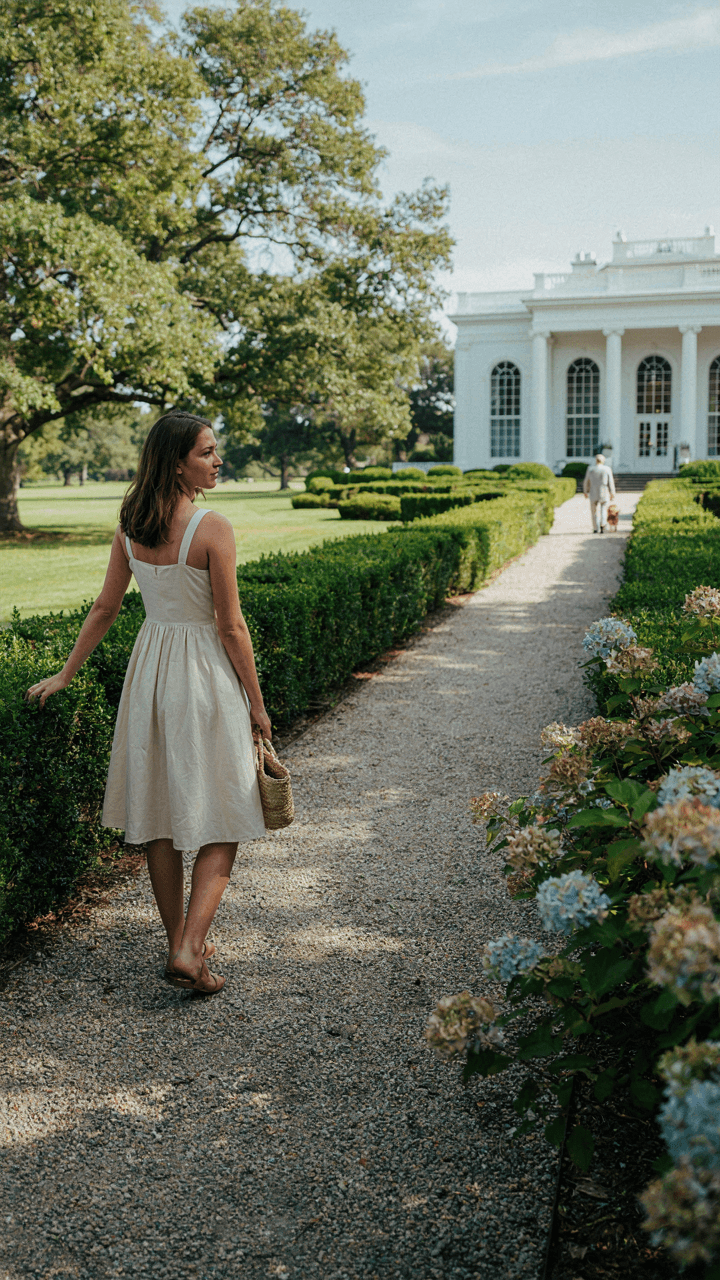
You’re worried about standing out wrong, not right. That fear drives most wedding guest clothing decisions, but the real mechanism is simpler: weddings operate like a signal system in economics. Your outfit broadcasts information about whether you understand the event’s actual status level, and misreading it costs social currency. The printed dress code is rarely the full instruction set. It’s a floor, not a ceiling. What matters is reading the gap between what the invitation states and what the venue, time, and couple’s social circle actually demand.
The unspoken contract works this way. A 10 AM outdoor ceremony in a public garden operates under different rules than a 2 PM ballroom reception at a country club, even if both say “cocktail attire.” The morning event tolerates more casual fabric choices, lighter colors, and simpler silhouettes because natural light and outdoor air change what reads as appropriate. Afternoon events in formal venues demand more polish. Your job is not to follow the stated code rigidly, but to observe what the combination of time, location, and formality level actually requires from you. People who navigate weddings well do this unconsciously. You need to do it deliberately.
Reading The Room, Not The Invite
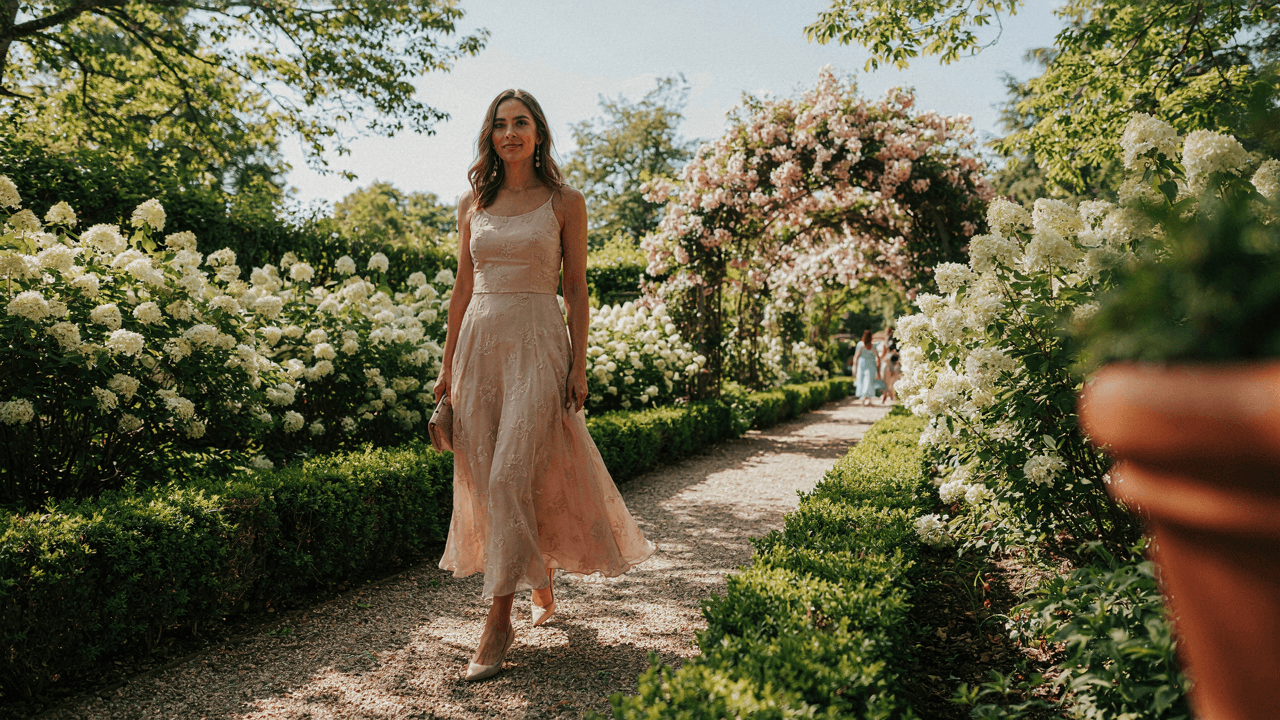
Most advice tells you to match the dress code to the time of day. That’s incomplete and misses the actual decision tree. The dress code is what they want you to know. The room is what they’re actually showing you. A 1 PM wedding at a botanical garden in summer requires different calibration than a 1 PM wedding at a downtown hotel in winter. Season, venue type, and regional formality norms override the clock. A Southern afternoon garden wedding tolerates florals and pastels. A Midwestern afternoon reception at a historic mansion expects darker fabrics and more conservative cuts. The invitation’s dress code tells you the category. The venue reveals the texture and intensity within that category.
Start with the stated code, then layer in these specifics: venue formality, time zone formality expectations, seasonal context, and the couple’s demonstrated style from engagement photos or wedding website. A “semi-formal” daytime wedding at a beachside venue in California reads entirely different from a “semi-formal” daytime wedding at a country club in Pennsylvania. Your daytime wedding guest dress succeeds when it fits the specific intersection of these variables, not when it simply matches the words on the invitation. Gather all four data points before deciding on fabric weight, color range, and level of ornamentation.
The “Occasion Value” Matrix For Daytime Wedding Guest Outfits Women
Reading The Room Before You Dress
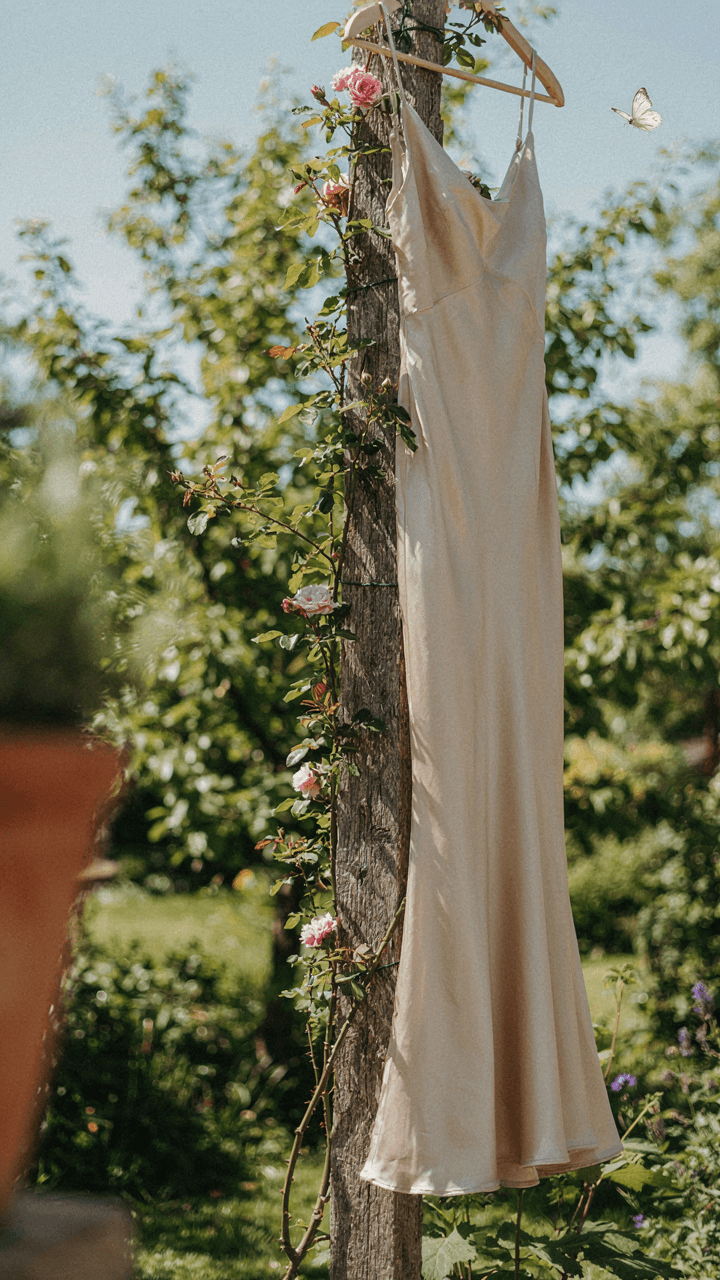
You’re anxious about being perceived as cheap or clueless, and that anxiety is exactly what makes you overdress to a casual ceremony or underdress to a formal one. The real mechanism is this: daytime weddings operate on a compression scale. Morning ceremonies (before noon) run formal to semiformal. Afternoon ceremonies (1 PM onward) swing toward cocktail or garden-party casual. The light itself signals the dress code, not tradition alone.

Formality compresses in daylight because sunlight exposes fabric weight, makeup intensity, and jewelry scale in ways evening light doesn’t. A silk charmeuse gown reads as try-hard at 10 AM. The same dress at 6 PM reads as appropriate. You’re not choosing a dress in a vacuum—you’re choosing it for a specific time of day where context dictates what lands as respectful versus ostentatious.
Calibration Without Apology
The common advice says “match the invitation wording,” which is incomplete. Invitations often omit clarity because hosts assume you know the unspoken rules. The real calibration works backward: daytime formality depends on venue formality, not ceremony time alone. A 2 PM garden wedding at a country club demands different attire than a 2 PM casual brunch ceremony at a public park.
Start with venue research. Check the location’s typical dress code online or call if needed. A hotel ballroom demands structured fabrics and closed-toe shoes. An outdoor lawn venue permits lighter silhouettes and softer edges. Next, cross-check guest list size and invitation design—formal invitations with specific formatting signal higher stakes. The outfit should never outshine the bride, but it should match the environment’s inherent formality level, not apologize for it.
Fabric Selection As A Strategic Asset: Applying Materials Science

Heat Management In Morning And Afternoon Light
You care about this because showing up uncomfortable signals you didn’t prepare, and guests notice. Thermal regulation works like insulation in reverse: the goal is controlled heat dissipation, not retention. Morning ceremonies run cooler; afternoon ones expose you to peak solar gain. Linen and cotton blends breathe by design, pulling moisture away from skin. Silk charmeuse holds heat longer but moves air across the surface efficiently. The mechanism is fiber structure: loose weaves have larger gaps for airflow, dense weaves trap warmth.

Choose fabric weight based on ceremony time, not season. A 4-ounce cotton voile works for 2 PM outdoor weddings because it transfers body heat fast. Morning ceremonies before 11 AM tolerate heavier fabrics like cotton sateen or cotton-blend blends without risk. Avoid polyester blends in afternoon ceremonies unless the dress has strategic ventilation like cap sleeves or open backs. Test the fabric against your inner wrist in direct sunlight before committing. The dress that breathes is the dress that photographs well because you won’t be visibly managing temperature.
Fabric Drape As Visual Proportion Control
Draping dynamics determine whether a dress flatters or overwhelms. Structured fabrics like cotton poplin or linen hold shape and create definition through geometry alone. Fluid fabrics like charmeuse or crepe require body understanding: they follow silhouette exactly, so fit precision matters more. The difference is stiffness versus flow, not quality. A poorly fitted dress in fluid fabric looks cheap; a well-fitted dress in structured fabric looks intentional.
Afternoon light exposes drape flaws because shadows sharpen. Crisp fabrics photograph cleanly in bright conditions because the fabric surface reflects light uniformly. Soft, draped fabrics create micro-shadows that either sculpt elegantly or read as rumpled depending on fit. Choose structured fabrics for afternoon events unless the dress silhouette specifically uses volume for design intent. Test the dress indoors first, then step into direct sunlight. The fabric you choose determines whether light works for you or against you.
Decoding Summer Dresses Wedding Guest Vs. Winter Wedding Guest Dress

What Season Actually Changes About Your Dress
You’re worried about looking out of place, which is understandable, but the real mechanism is thermal load and social visibility. Summer weddings demand fabrics that manage heat while maintaining structure. Winter weddings require fabrics that trap warmth without adding visual bulk. The difference isn’t aesthetic preference—it’s physics applied to fabric weight and fiber type.

Summer wedding guest dresses work in lightweight cottons, linens, and silk blends. These breathe and move. Winter guest dresses demand wool blends, crepe, and structured synthetics that insulate without looking puffy. Color signals season too. Summer tolerates pale, bright, and saturated tones because daylight intensity is high. Winter requires deeper, richer palettes because natural light is dim and cool-toned.
Layering That Doesn’t Broadcast Desperation
Layering isn’t about looking cautious—it’s about precision timing for comfort across ceremony to reception hours. A transitional daytime wedding guest dress works when you can remove or add pieces without disrupting the outfit’s visual logic.
Summer layering means a linen shirt jacket over a sleeveless dress, or a gauze wrap that feels intentional, not defensive. Winter layering means integrating a knit cardigan or blazer that matches the dress’s formality and color temperature. The mechanism: choose layers that either match or complement the dress exactly so removal reads as style evolution, not damage control. Wear the cardigan through photos and ceremony, shed it during dancing. That’s the only protocol that works.
The Art Of Discreet Distinction: Semi Formal Cocktail Dress Wedding Guest
Elevating Classics Without Stealing Focus
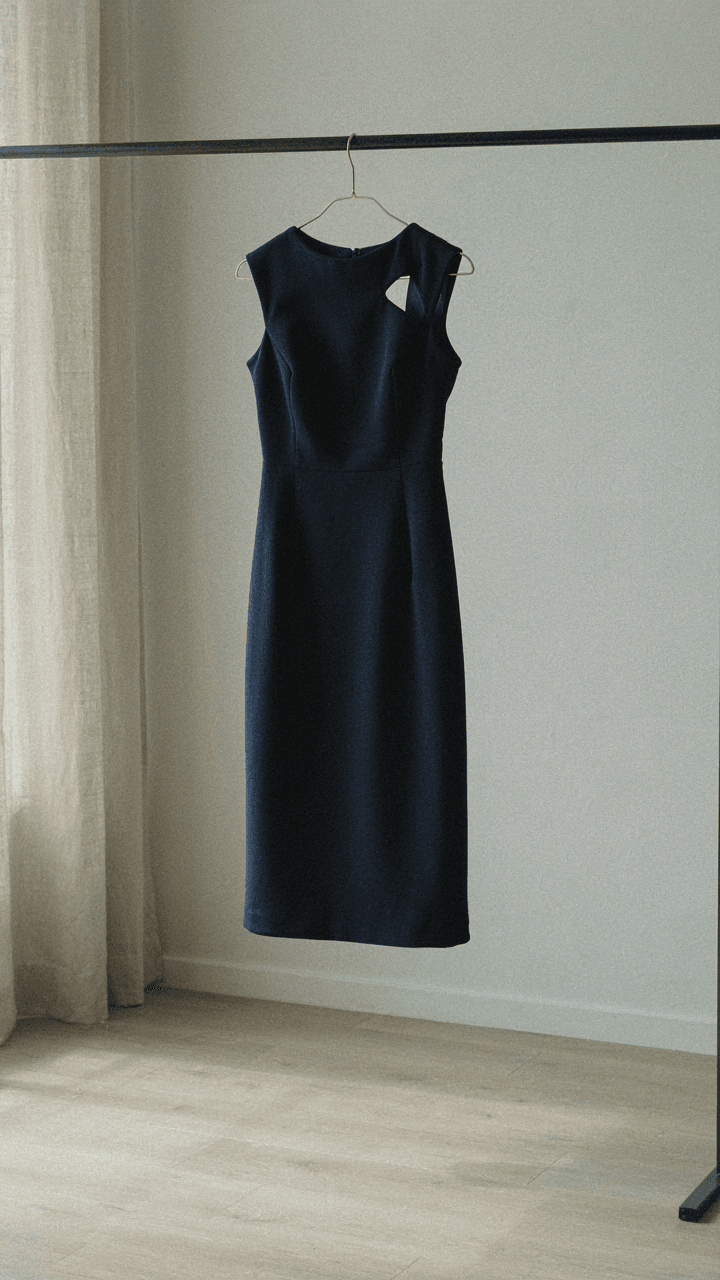
You’re worried people will think you don’t belong at a nice event, so you’re looking for permission to dress well without the bride noticing. Here’s the mechanism: semi-formal daytime wear operates on constraint, not abundance. Think of it like signal processing in communication systems—you’re filtering out noise while amplifying the right frequency. A structured sheath dress in navy or charcoal does this automatically. The formality comes from cut precision and fabric weight, not embellishment or color volume. A daytime semi-formal cocktail dress uses architectural tailoring to read as elevated without announcing itself.

The common advice says “add jewelry and a statement shoe.” That’s backward. Your dress should be the statement, and everything else should reinforce its structure through agreement, not contrast. A semi-formal cocktail dress at a daytime ceremony means midi or knee length, fitted through the torso, in a material that holds its shape—cotton blend, structured crepe, or ponte. Pair it with simple pumps in a matching or neutral tone. The dress does the work so accessories don’t have to.
The Power Of Subtle Detail
Details don’t save mediocre fabric; they amplify good proportions. A seamed waistline, a subtle pleat, or a defined neckline creates visual interest without requiring embellishment. The difference between a dress that reads as intentional and one that reads as accidental lives in how the dress handles its own geometry. A wrap waist, a princess seam, or a contrasting insert gives your eye somewhere legitimate to land without veering into costume territory. These details work because they’re structural, not decorative.
The mistake is thinking subtle means boring. A semi-formal cocktail dress can have a cutout at the shoulder, an asymmetrical hemline, or unexpected fabric blocking—as long as the detail serves the silhouette rather than fighting it. At a daytime ceremony, one architectural detail anchors the outfit and proves you understood the dress code. Everything after that is agreement: shoes that match the dress line, a bag that echoes its formality level, minimal jewelry that doesn’t interrupt the neckline. Your detail does the work so you don’t have to perform effort.
Floral: The Overused Default (And When To Break It)
Floral Patterns: Cliché Or Calculated?
You’re worried that showing up without floral means you’ll look boring, so you default to the pattern everyone else chose. The real mechanism is signal collapse: when a daytime wedding dress code doesn’t specify formality level, floral becomes the safe middle ground that communicates “I tried” without committing to anything. The problem is saturation. At a 2 PM ceremony, you’ll photograph next to six other guests in similar botanical prints because the pattern itself signals restraint and femininity without demanding risk.

Floral works for daytime because it reads as effort while staying readable in natural light. But “works” doesn’t mean “distinct.” Small-scale florals, ditsy prints, and pastel blooms are the uniform of the cautious guest. The calculation breaks down when you realize that the hosts notice coordination patterns across the guest list, not individual compliance. If you choose floral, make it structured: geometric florals, high contrast colorways, or unusual scale (oversized blooms) separate your choice from the consensus. Otherwise, you’re just confirming what everyone already assumed you’d wear.
Geometric Prints: Alternative Statements
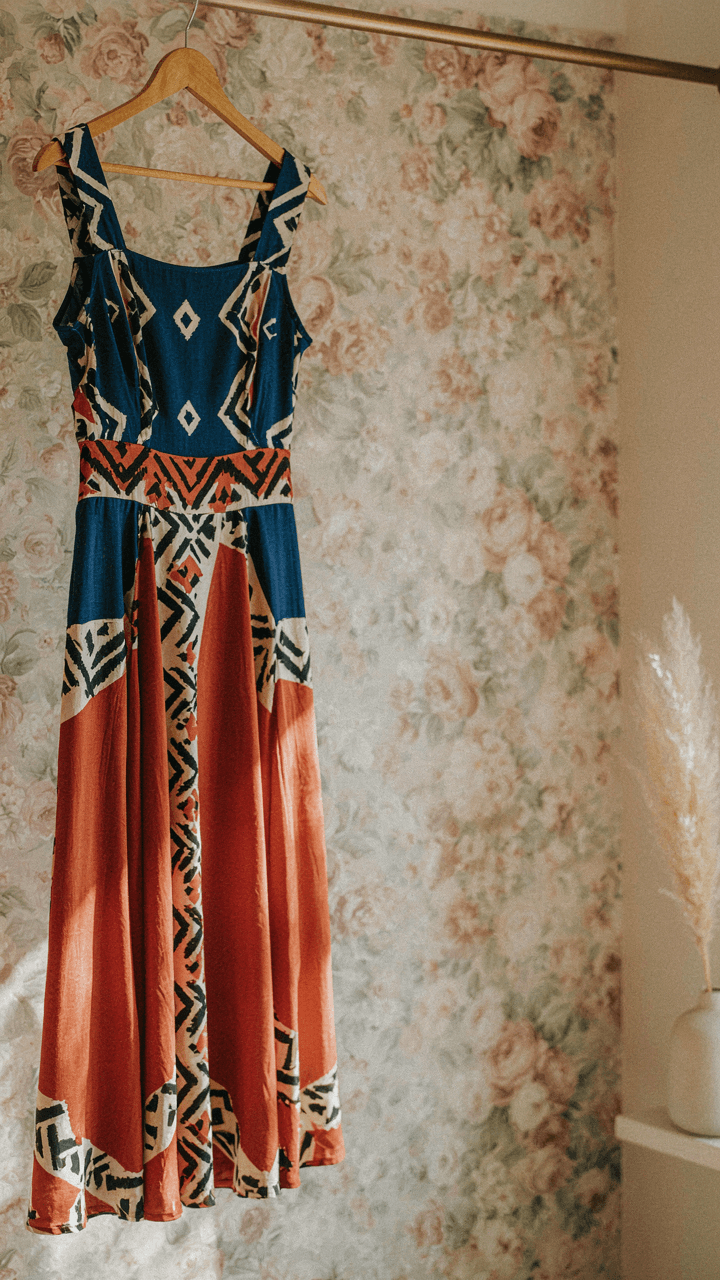
Geometric patterns operate on symmetry and structure, unlike the organic randomness of floral design. A bold geo print signals that you made a deliberate choice rather than defaulted to convention. Stripes, chevrons, color blocking, and abstract tessellations read sharper in daytime light than they do at evening events, which is why they work here when they might fail at night. Your choice becomes visible and intentional.
The tactical advantage: geometric prints narrow the guest pool immediately. Most daytime wedding guests don’t choose them, so you avoid the visual noise of repetition. A structured print also pairs with minimal jewelry and keeps the overall impression clean rather than decorative. When you dress for a 10 AM or 2 PM ceremony, choose geometric patterns with at least two solid colors in the base. This keeps the pattern functional for outdoor photography while separating you from the floral consensus. Skip small-scale geometrics; commit to visible, readable prints that photograph well in sunlight.
Accessorizing For Impact: Beyond The Basic
Jewelry And Footwear That Signal Intention
You’re worried the dress alone won’t read as “put together.” Here’s the mechanism: jewelry and shoes don’t decorate an outfit, they anchor its formality level. Think of this through signal theory from economics—your accessories broadcast either effort or indifference, and guests subconsciously register that signal before they register anything else about you.
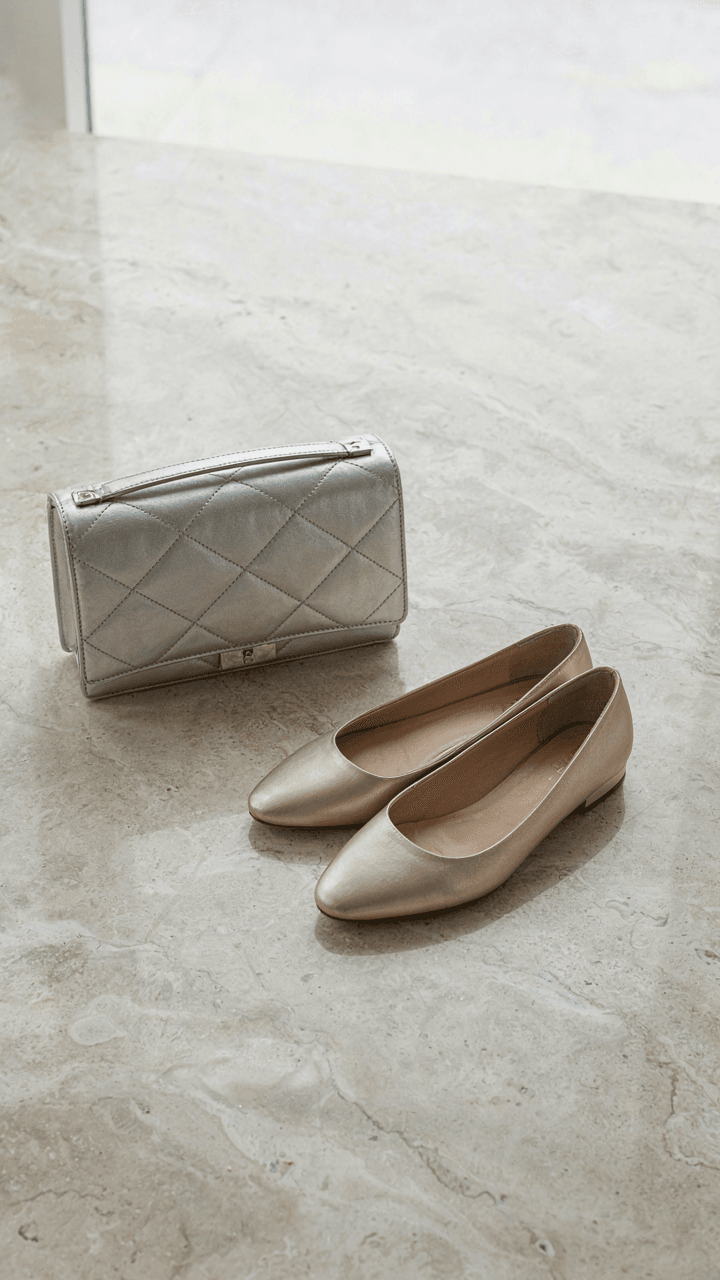
- Structured heels or dressy flats: Daytime ceremonies favor closed-toe shoes or refined sandals over casual sneakers. Select styles in metallics, neutrals, or jewel tones that complement your dress without competing for visual weight.
- Statement earrings over necklaces: Daytime light exposes detail harshly. Earrings catch that light naturally and frame your face without the bulk of a pendant that moves during sitting and standing.
- Delicate layered rings or a single cocktail piece: Multiple thin rings read modern and intentional. A single bold ring on the right hand signals restraint and elegance in formal daytime settings.
- Metal choice matters: Gold, silver, and rose gold each carry different weight. Stick to one metal throughout unless you’re deliberately mixing precious and costume pieces—which requires intentionality, not accident.
- Minimal dangling bracelets: Bracelets clink against tables and catch on fabrics. Choose fitted bangles or a single watch-style piece that stays put during the ceremony and reception.

The mistake most people make is adding more jewelry to feel “dressier.” The opposite happens. One quality piece per category beats three weak ones. Match your shoe formality to your dress formality—a casual sundress with stilettos creates visual noise instead of coherence.
Bags And Outerwear Complete The Frame
Bags and outerwear operate like bookends. They’re the first thing you carry in and the last thing people see you carry out, which makes them far more visible than most dress details. A bag that’s too casual undermines a formal dress. Outerwear that overwhelms the silhouette destroys the entire proportion you’ve built.
Choose a structured clutch, small shoulder bag, or woven purse that fits your phone and lipstick without sagging. Avoid oversized totes—they signal everyday errands, not celebration. For outerwear, consider a tailored blazer in a neutral or matching tone, or a lightweight shawl in linen or silk. Cardigans work for garden ceremonies but read less formal than a structured layer. The outerwear should disappear once you’re seated indoors and reappear when you leave—it shouldn’t dominate the photos or the moment.
Formal Attire For Wedding Guest: The Unspoken Hierarchy
Read The Invitation Like It’s A Contract
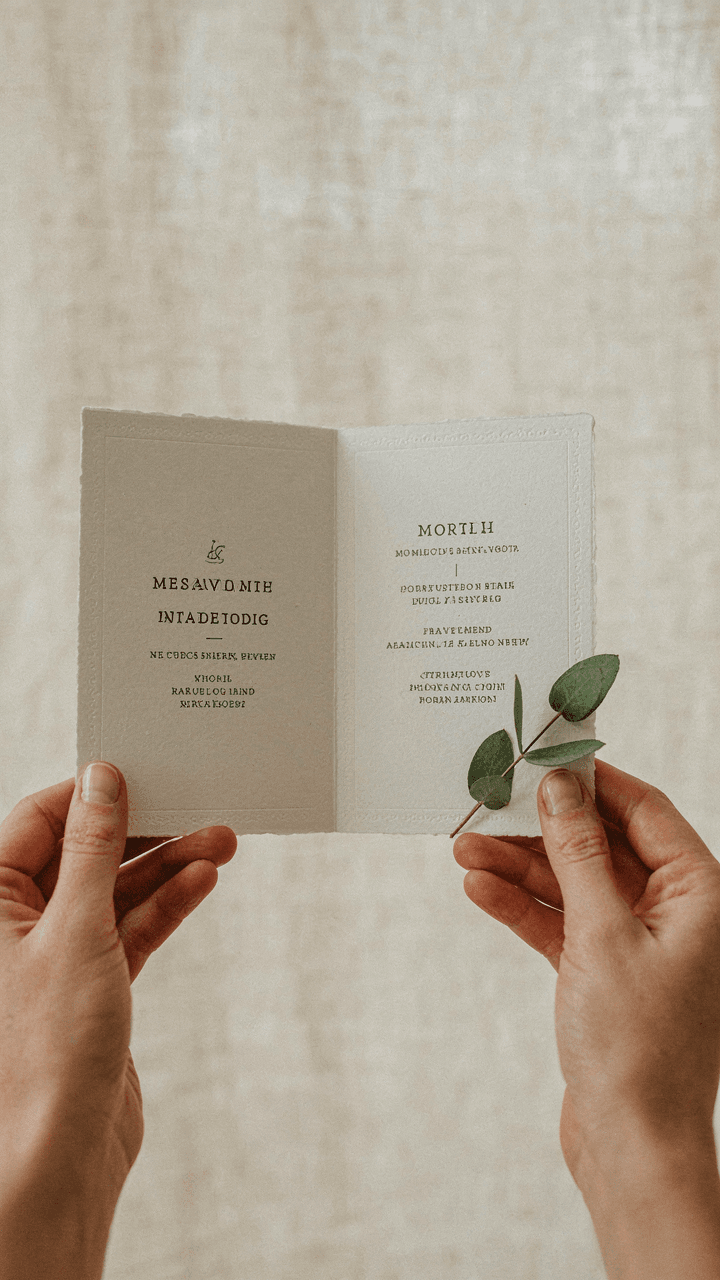
You care about this because getting it wrong feels like a public failure. The mechanism is simple: the invitation itself contains encoded signals about formality level, and most people ignore them. The dress code line isn’t optional guidance—it’s a constraint the host built specifically to control the visual tone of their event. “Black tie optional” means something different than “cocktail attire,” which means something different than no code listed at all. The host chose those words for a reason.

Daytime ceremonies operate under a different formality scale than evening events, similar to how military rank structures shift responsibilities based on context. A 10 a.m. wedding with “black tie” printed on the card is rare and signals either extreme formality or cultural tradition. Most daytime ceremonies cap out at “cocktail” or “business formal.” The invitation’s phrasing tells you the host’s tolerance for deviation. If it says nothing about dress code, you default to the time of day and venue type, not to whatever you own that feels “nice enough.”
The Real Cost Of Missing The Mark
Getting this wrong doesn’t just feel awkward—it creates a cognitive load for the host who now has to mentally sort you into the category of “guest who didn’t understand.” This isn’t about judgment; it’s about attention. A daytime guest in evening wear stands out in a way that pulls focus from the ceremony. A guest in underdressed casual wear does the same thing. The host notices because they’re already managing dozens of moving parts. You don’t want to be a variable they have to mentally account for.
The price compounds if you’re in the wedding party or close family. Underdressing signals either indifference or ignorance, both of which read as disrespectful regardless of intent. Overdressing to a casual daytime event reads as not understanding the host’s vision for the day. The solution is mechanical: match the dress code to the time of day, then adjust one formality level down if the venue suggests outdoor casual. That’s the protocol.
The Real Problem Isn’t The Dress, It’s The Lack Of Independent Thought In A Sea Of Conformity
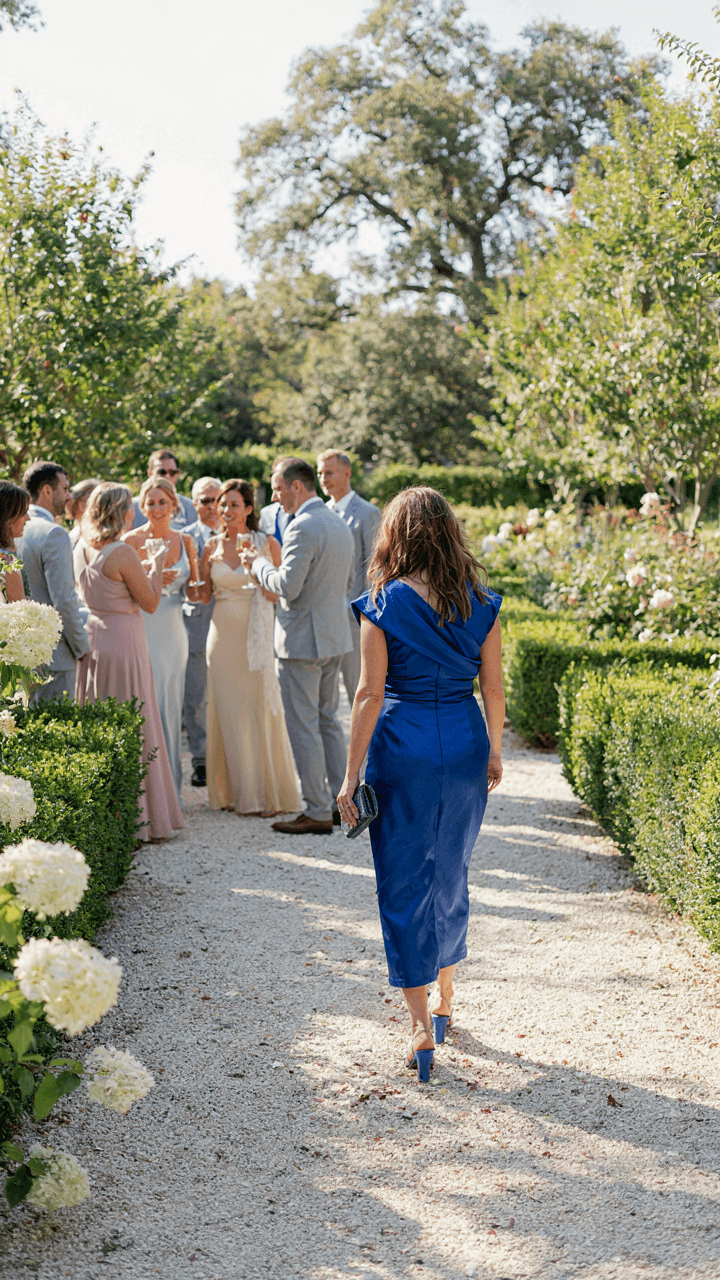
Most people copy what they see on Pinterest instead of asking what actually works for their body and lifestyle. You already know the rules. You know the formulas. What you don’t know is that breaking them strategically—wearing a bold color instead of pastels, choosing comfort over Instagram aesthetics—makes you memorable at a wedding. Stop seeking permission. Get dressed for the ceremony you’re actually attending, not the one you think you should attend. The best daytime wedding guest isn’t the one who followed the guide. It’s the one who trusted themselves enough to wear something different.