

The Cognitive Load Fallacy: Why Overthinking Your Holiday Party Outfit Is A Strategic Error
Decision Fatigue Energy Drain From Trivial Choices
You’re worried people will judge your outfit because you’re afraid they’ll judge you. Here’s the mechanism: every decision you make depletes the same mental resource. Psychologists call this ego depletion. You have a fixed pool of willpower and focus each day. Spend it on choosing between three blazers, and you have less for the actual work of connecting with people who matter at the party.
The common advice says “plan ahead to reduce stress.” That’s incomplete. Planning doesn’t solve the problem if you’re still cycling through options the morning of the event. Most people don’t decide once and commit. They decide, doubt, reconsider, then decide again. This loop burns cognitive fuel you need for conversation and reading the room. Set your outfit three days before, then stop revisiting it.
Opportunity Cost Focus On Networking Not Fabric Blends
Economists call this opportunity cost: what you give up by choosing one thing over another. You spend ninety minutes researching holiday party outfit colors and fabrics. That’s ninety minutes you don’t spend identifying who will be at the party, what they care about, or what you actually want from those conversations. The outfit matters far less than your preparation to add value to someone else’s evening.
The real leverage isn’t in the clothes. It’s in walking in knowing exactly who you want to talk to and why. One person you’ve mentally prepared to impress outweighs perfect tailoring on someone you haven’t thought about. Pick a functional outfit that fits and matches your industry’s baseline today, then spend your energy elsewhere. Your outfit’s job is to get out of the way, not earn compliments.
The “Silent Signal” Protocol: Decoding What Your Christmas Party Outfit Says
Restraint Works Harder Than Loudness
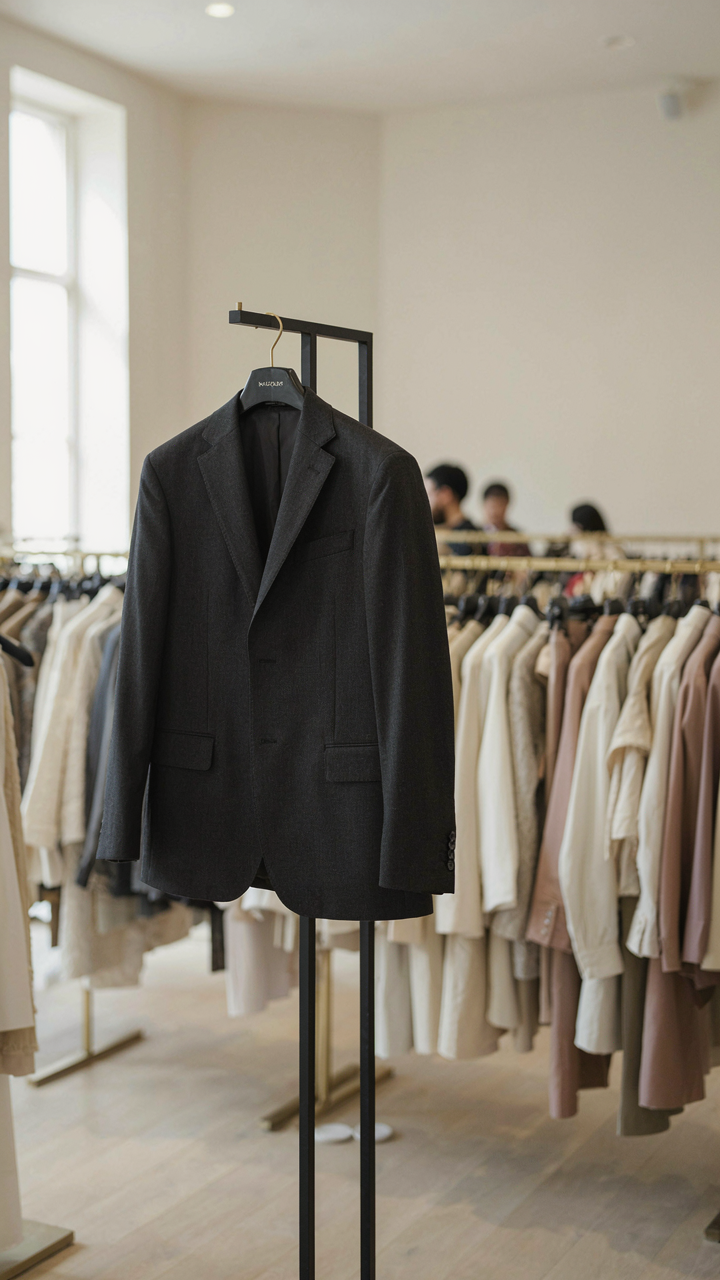
You care about this because you’re afraid people will judge you, and you think more decoration fixes that. They won’t. Restraint operates on signal theory from economics: when everyone else overdresses to prove status, the person in understated elegance signals they don’t need to prove anything. Scarcity beats abundance. A single high-quality piece commands more attention than layered patterns and accessories fighting for the eye.

The mistake most people make is confusing “professional” with “invisible.” Professional holiday wear should read as intentional, not safe. A well-cut charcoal blazer with no embellishment, dark trousers, and a simple white or cream shirt creates presence through proportion and fit, not decoration. That’s the mechanism: quality construction and accurate tailoring do the work your outfit tries to do with clutter.
Every Garment Earns Its Place
Sloppy advice tells you to “express yourself” at the holiday party. That’s how you end up in something that makes sense only to you. Real intentionality means each piece answers a specific tactical question: Does this fit my body correctly? Does this work with the venue lighting? Does this allow me to move and sit comfortably for three hours? Can I replicate this outfit next year?
Start by selecting one anchor piece, usually a blazer or structured dress. Everything else supports that choice. Your shoes must be practical enough to stand in. Your accessories should complement the anchor, not compete with it. Your color palette should contain no more than three colors total. This isn’t restriction. It’s clarity. When you remove options, you remove anxiety.
Beyond “Professional”: The Archetype Of The Office Holiday Party Outfit

Command Presence Through Tailoring
You want people to defer to you without resenting it. That’s the real problem. Tailoring works like leverage in mechanics: a small force applied at the right point multiplies your impact. A suit jacket that fits your shoulders says “I control this space” before you speak. Loose fabric broadcasts uncertainty. The mechanism is proportion. When seams sit at your actual shoulder point and sleeves hit your wrist bone, your frame appears deliberate and contained. This isn’t vanity. It’s the visual language of someone who makes decisions.

Fabric choice matters more than color. A structured wool blend holds its shape through a four-hour event while you’re moving between conversations. Cotton or linen wrinkles and reads as either too casual or too careless. Dark colors work because they hold their value under artificial lighting. The fit of your trousers or skirt matters equally. If the waistband gaps or the hem drags, the entire signal collapses. Get one piece tailored to your actual measurements. That single investment changes how the rest of your outfit reads.
Approachability Balanced With Authority
The mistake most people make is thinking approachability and authority conflict. They don’t. Texture does the work here. A blazer in solid wool reads formal and distant. A blazer in a subtle knit or a fine pattern says “I’m competent but not unapproachable.” Contrast this with a warm, fitted piece underneath. A cream sweater, a silk blouse, or even a fitted turtleneck softens the power signal while keeping the structure intact. The combination tells a story: you know your role, you’re comfortable in it, and you won’t make others uncomfortable in yours.
Fit one piece slightly closer to your body and keep the rest structured. Your goal is to look alert, not armored. A person in a sharply tailored jacket with sleeves that expose your wrists appears open. Someone in an oversized blazer appears defensive or unprepared. Accessories reinforce this balance too. A belt that defines your waist, shoes that fit precisely, and a watch or simple jewelry act as punctuation. They say “I noticed the details, including mine.” That attention signals both respect and confidence. End with a single memorable piece that reflects your actual taste, not the costume version of professionalism.
The Antifragile Wardrobe: Building Your Winter Office Party Outfits For Resilience
Pieces That Work Across Every Room
You’re worried people will judge you if you repeat an outfit or miss some unspoken dress code shift between the cocktail hour and the dance floor. The real mechanism is this: most office environments have no single dress code for holiday events, they have layered ones. You move between contexts—formal greeting lines, casual mingling, photo moments—and your outfit either adapts or fails.

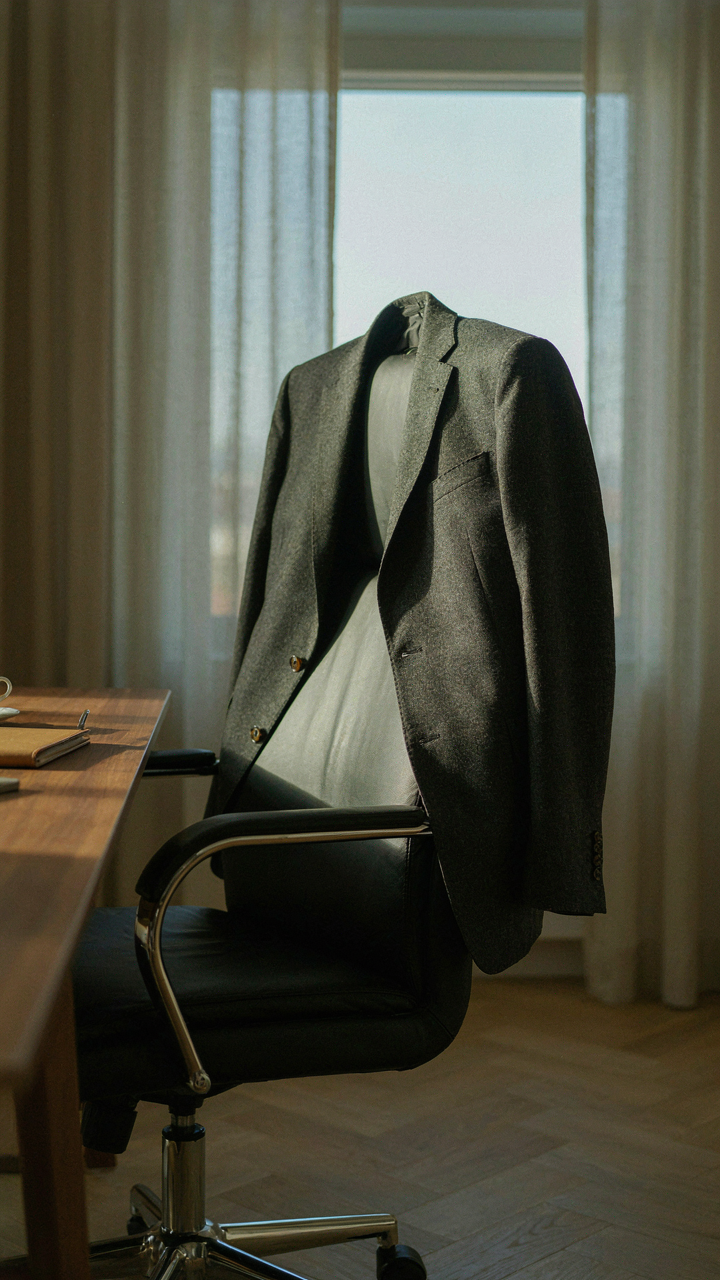
Build your work holiday party outfit around pieces that function across social distances and formality levels. A structured blazer worn open over a simple base works in both a tight circle of executives and a looser group near the bar. Tailored trousers or a midi skirt pair with both a silk blouse and a fitted sweater without looking out of place. The mechanism isn’t looking “versatile” in some vague sense; it’s choosing cuts and fabrics that don’t signal “this is only for one moment” the way a sequined top or heavily textured knit does.
Quality Compounds Across Years
The consensus says buy new pieces for the party. That’s wrong. A work holiday party outfit built on durability means choosing materials that survive repeated wear, cleaning, and temperature shifts across multiple years and multiple events.
Natural fibers—wool, cotton blends, silk—hold structure longer than synthetic alternatives. They breathe, resist pilling, and age predictably. A wool blazer worn to five holiday parties over three years looks better on year three than a polyester equivalent looks on day two. The cost-per-wear calculation flips immediately. Invest in a tailored base layer, a quality blazer, and one premium bottom in a neutral that matches most of your existing pieces. Rotate these pieces through different events and pair them with lower-investment accessories each year.
The Leverage Principle: Optimizing Your Work Christmas Party Outfit
Cost Per Wear Versus Perceived Value
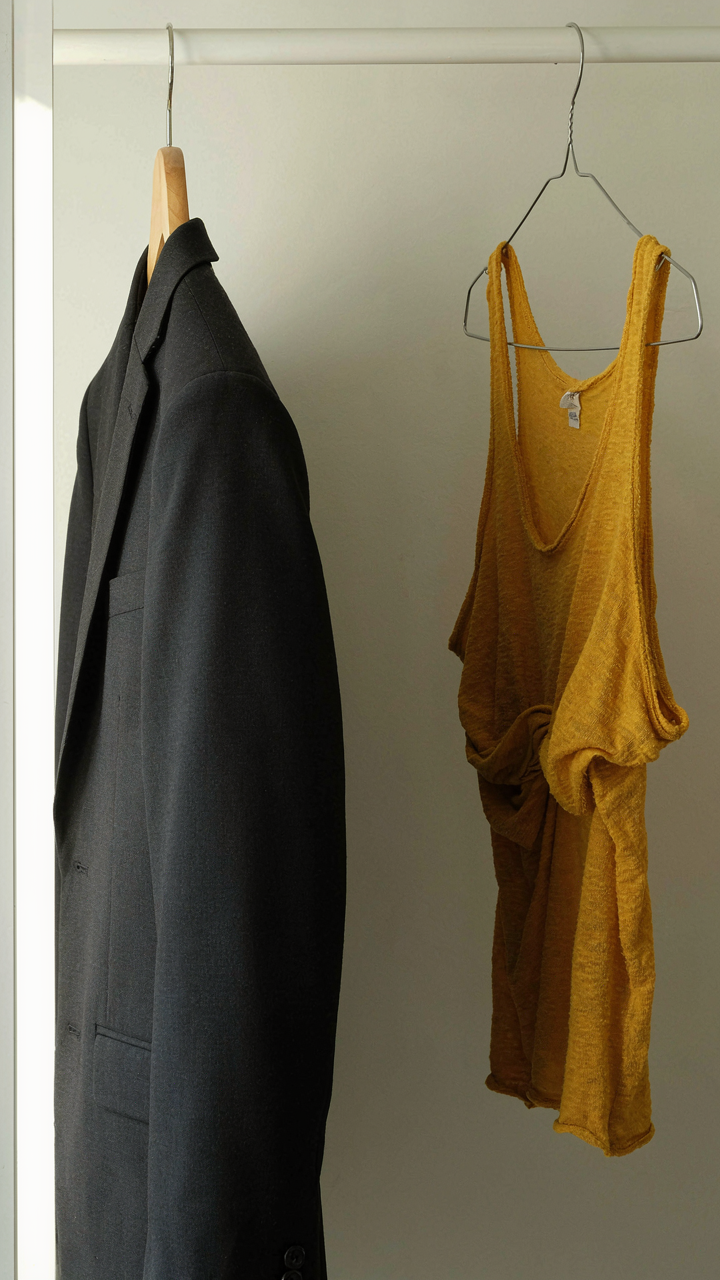
You want people to think you have your life together without actually spending money you don’t have. That’s the real question. Economics calls this “cost per wear”—how many times you’ll actually use an item divided into its price. A work holiday party outfit isn’t a one-off costume. It’s a foundation piece that rewires your professional image permanently because your coworkers will reference it for months.

Most advice says buy something cheap and trendy. Wrong. A cheap piece signals you treat the event as disposable, which signals you treat the impression as disposable. Invest in a structured blazer, quality dark trousers, or a midi dress in a neutral with clean lines. Wear it again in January. Wear it to client meetings. The math flips instantly. A hundred-dollar blazer worn twelve times costs 8.33 dollars per wear. A forty-dollar trend worn once costs forty dollars per wear. You lose money trying to save it.
Visual Weight And Strategic Drape
Physics governs how fabric sits on your body and how your silhouette registers in a room full of people. Heavy fabrics anchor downward. Light fabrics float and dissipate attention. At a party, you want controlled presence, not invisibility. Wear structured material on top (cotton blends, wool, linen) and let bottom pieces flow slightly. This creates visual balance without making you look like you’re playing dress-up.
The common move is to overdress or underdress based on what you think others will do. Ignore that noise. Wear something that fits your actual frame without bunching or gaping. A single wrinkle reads louder than you think in fluorescent office lighting. Fabric with slight weight—not stiff, not flimsy—maintains its shape through four hours of standing and sitting. Choose one accent piece (a belt, a necklace, a pocket square) that draws the eye upward toward your face, where professional credibility actually lives.
Deconstructing The “Festive”: Your Holiday Party Outfit, Devoid Of Clichés
Strategic Sparkle: When And How To Deploy Shine
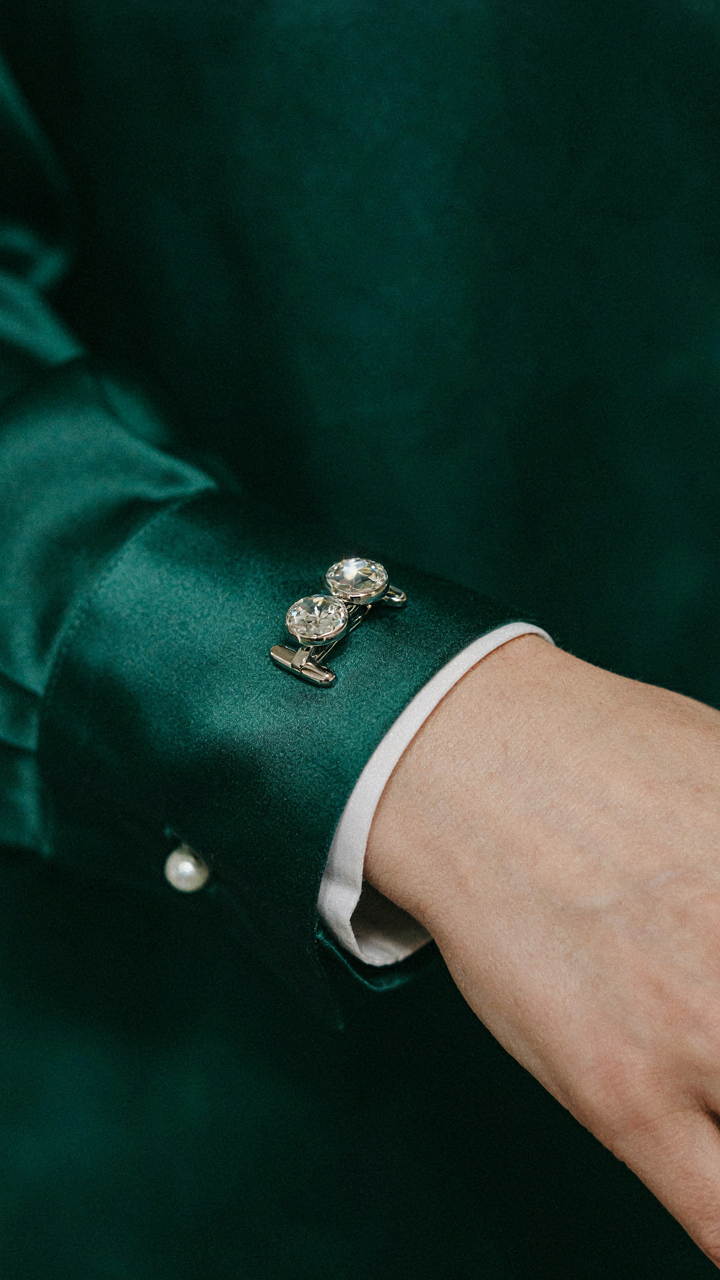
You want permission to stand out without looking desperate for attention. Shine works because it manipulates light physics: reflective surfaces demand eye contact and create the illusion of movement even when you’re standing still. The mechanism is simple. One focal point of shine beats scattered sparkle across your entire outfit.

Most advice says “add a touch of glitter” and stops there, which is useless. Place shine on a single anchor piece: a silk blouse with subtle luminosity, metallic cufflinks, or satin dress shoes. Your eye should travel to that one piece, not ping-pong across your body. The outfit gains intentionality and reads as controlled instead of costume-like. Control signals competence.
Color Psychology: Influence Through Subtle Hues
Navy and charcoal dominate office parties because they read as safe. Boring gets mistaken for appropriate. Swap that framework from psychology into actual influence: color communicates before words do, and the colors people expect cost you presence. Deep jewel tones (emerald, sapphire, burgundy) sit outside the beige consensus while remaining professional.
These hues work because they hold light differently than neutrals. Emerald appears richer under indoor fluorescent lighting. Burgundy photographs better and translates as deliberate rather than accidental. Pick one color to dominate your outfit, let the rest anchor in black, white, or grey. Your outfit stops being a costume choice and becomes a signal of intention. That signal is what colleagues remember.
The Contextual Calculus: Adapting Your Office Party Outfits To The Environment
Where You Are Matters More Than What You Think
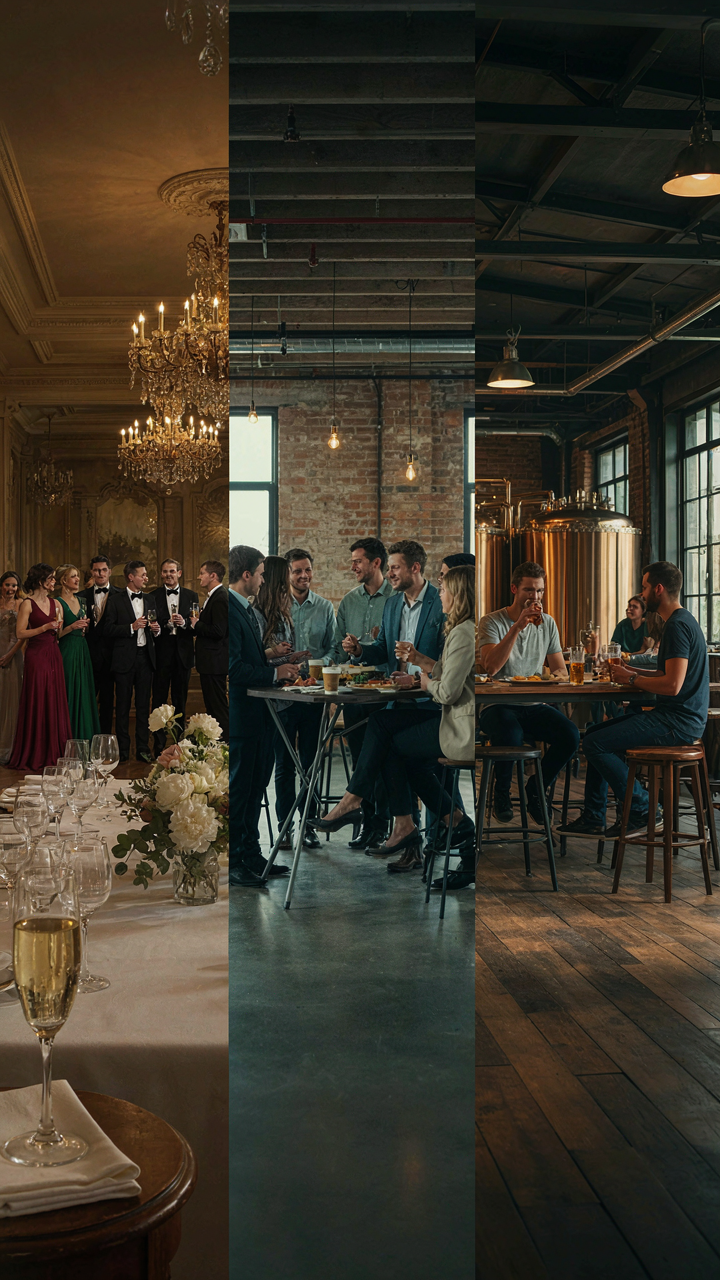
You’re worried the wrong outfit signals you don’t belong. That’s the real fear driving this section. Here’s the mechanism: venue functions as a constraint that narrows your acceptable range. A ballroom demands formality. A brewery demands relaxation. A museum demands subtlety. The space itself communicates the stakes and the expectations before you arrive.

The common mistake is treating all work holiday parties as identical. They’re not. A black-tie gala at a hotel requires a tuxedo or floor-length gown. A casual happy hour at a bar allows jeans and a blazer. An at-office celebration with a DJ falls somewhere between. The physical environment determines the dress code’s ceiling and floor. Scout the venue beforehand if possible. Ask a colleague who attended last year. The location you enter determines what outfit makes sense before you even factor in company culture.
Reading The Room Without Asking Direct Questions
Company culture broadcasts its dress code through artifacts, not words. The way senior leaders dress at casual events reveals what the organization actually values, not what the handbook states. If executives wear jeans to the office regularly, they’ll wear jeans to the party. If they maintain formal dress, they’ll expect the same at celebrations.
- Observe leadership at regular meetings first: Watch what executives and managers wear during standard workdays. Their casual outfit standard often matches their party standard directly.
- Check the invitation language for clues: “Business casual” means one thing. “Cocktail attire” means another. Vague invitations signal cultures that tolerate range and flexibility.
- Assess your department’s subculture separately: Marketing might dress differently than operations. Creative teams often push boundaries that finance won’t. Stay within your group’s norm first.
- Note how peers dressed at last year’s party: Ask colleagues directly what they wore. Their actual choices reveal the real dress code better than stated guidelines.
- Identify the party’s purpose in the organizational calendar: Client-facing events demand formality. Team morale events allow casualness. Fundraisers sit in between. Purpose shapes expectation.
The mechanism is simple: you match the formality level of those with power over your career trajectory. Not the median employee. The decision makers. Walk into the party dressed one step more formal than the person who evaluates your performance. This keeps you safe and visible without overextending. That single rule eliminates 90 percent of outfit anxiety.
The Minimalist Manifesto For Your Work Holiday Party Outfit
Build Your Core Pieces First
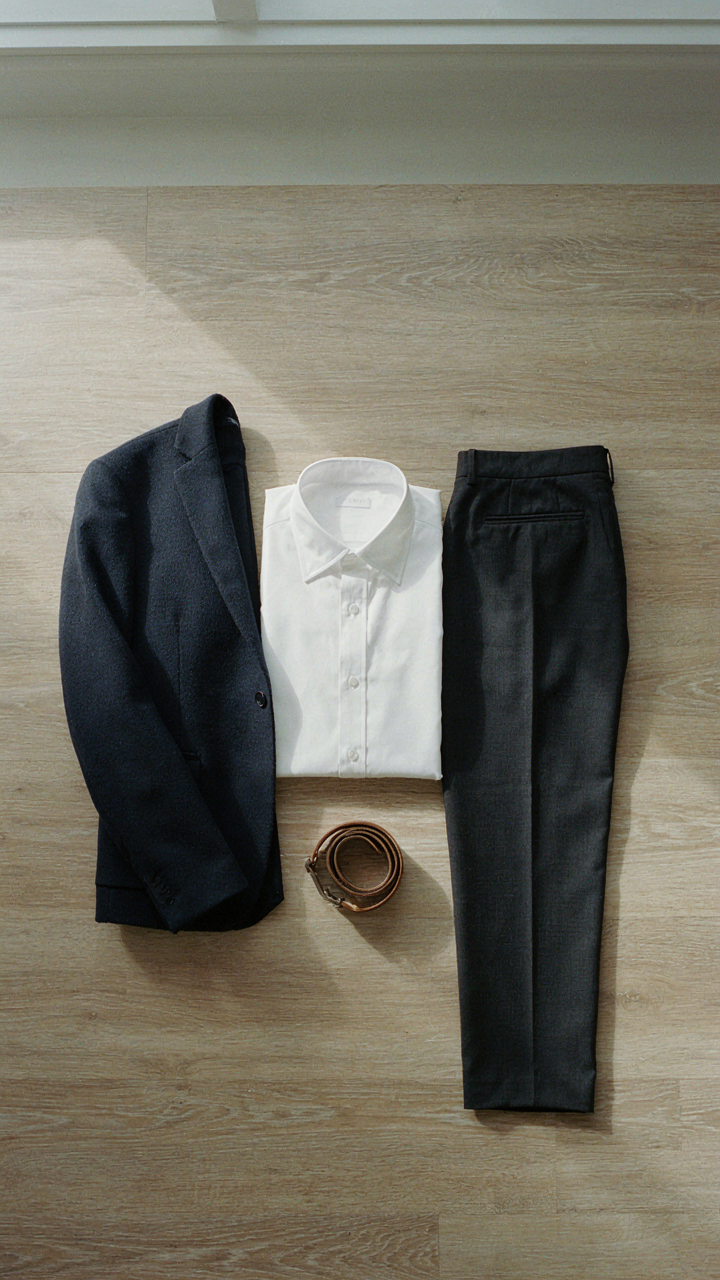
You care about this because you’re tired of overthinking and you want permission to stop. Here’s the mechanism: like inventory management in supply chains, your outfit works through rotation, not accumulation. A navy blazer, white dress shirt, dark trousers, and one statement piece—that’s your operating system. Everything else is waste. You wear these pieces across multiple contexts. They compound. The math is brutal: six items worn ten ways beats twenty items worn once.

The real constraint isn’t what looks good. It’s what you actually reach for when you’re in a hurry. Most people own clothes they never touch because those clothes require perfect conditions or perfect mood. That’s friction. Eliminate it. A tailored blazer in a neutral works at the office party, the client dinner, the family event. Dark trousers pair with everything. Your baseline outfit should bore you slightly—that’s how you know it’s working.
Dress Like Yourself, Not The Room
People mistake professional conformity for professional appearance. Wrong. The goal is presence, not invisibility. If you’re someone who wears boots instead of flats, wear the boots. If pattern language comes naturally to you, use it. The corporate uniform exists to protect people from judgment, but judgment happens anyway. You might as well be judged for something authentic.
The mechanism is simple: consistency builds recognition. Wear the same cut, the same colors, the same energy every time. People remember that. They don’t remember the person who tries too hard to fit in—they remember the person who fits in because they know who they are. Pick one detail that’s unmistakably you, then build everything else neutral around it. That detail becomes your signature, not your liability.
The “Effortless Excellence” Framework For Women’s Winter Office Party Outfits

Fabric Intelligence: What Actually Drapes
You’re worried people will judge you for looking either boring or trying too hard. Stop. The real mechanism is fabric physics. Heavy materials that drape well conceal fit problems while projecting intentionality. Wool crepe, silk blends, and structured cotton hold shape without clinging. They move with you instead of against you. This is why cheap synthetics fail at holiday parties—they stick to skin or wrinkle within an hour.

Drape quality determines silhouette readability from ten feet away. A well-draped navy dress reads “put together” instantly. The same cut in limp polyester reads “I grabbed what was clean.” Test fabric before buying by holding it at arm’s length and letting it fall. If it bunches or clings, move on. Winter weight fabrics are your advantage because they have natural structure.
Strategic Layering Changes The Equation
These aren’t accessories—they’re the difference between disappearing and being present.
- Structured blazer: Transforms a simple dress into boardroom-ready. Choose fitted cuts that skim the body without billowing.
- Statement belt: Defines the waist and adds visual anchor point. Wear over the dress layer, not under.
- Pointed-toe heels or flats: Elongates the leg line and signals intention. Neutral colors (black, gold, nude) work across all outfits.
- Minimal jewelry: One focal piece maximum. A single bracelet or earrings, not both competing for attention.
- Silk or satin clutch: Reflects light and signals quality. Keeps hands free and maintains silhouette without bulk.
The mistake most people make is adding accessories after deciding the base outfit is “done.” Reverse the process. Choose your base, then use one accessory category to shift the entire equation. A silk camisole under a blazer changes a casual dress into cocktail-ready without adding complexity. This single move converts budget pieces into luxury-looking ensembles.
The Unspoken Advantage: Your Outfit As A Competitive Edge

Confidence Amplifier: Feeling Good, Performing Better
You want to believe your outfit doesn’t matter because admitting it does means you’ve been leaving performance on the table. But neuroscience calls this “enclothed cognition”—your clothes literally alter how your brain processes social information and your own capability. Wear something that fits well and aligns with your role, and your nervous system recalibrates. You stand differently, speak with less filler, make direct eye contact. This isn’t psychology. It’s physiology.
The mechanism is straightforward: when your outfit removes doubt about how you look, your working memory frees up. Instead of burning cycles on self-consciousness, you allocate that bandwidth to listening, thinking, and responding. You remember names. You ask better questions. You’re present. A work holiday party is a low-pressure environment where this advantage compounds—people notice who’s engaged and who’s distracted. Your outfit either adds friction to that presence or removes it.
Memory Anchor: Making A Lasting, Positive Impression
People don’t remember what you said. They remember how you made them feel and what you looked like when you did it. Your outfit acts as the visual bookmark for that interaction. The common advice—wear something festive but professional—misses the point. You need something specific enough to trigger recall without being so bold it becomes the only thing people remember about you.
A well-chosen outfit creates an association between your competence and your appearance. When someone runs into you three months later and recalls the holiday party, your image matters more than the conversation. Choose something that reflects your actual role and the environment you operate in, then commit to it. The specificity is the tool. Consistency builds the anchor. People will place you before they place what you said.
The Only Metric That Matters: Your Holiday Party Outfit As A Force Multiplier
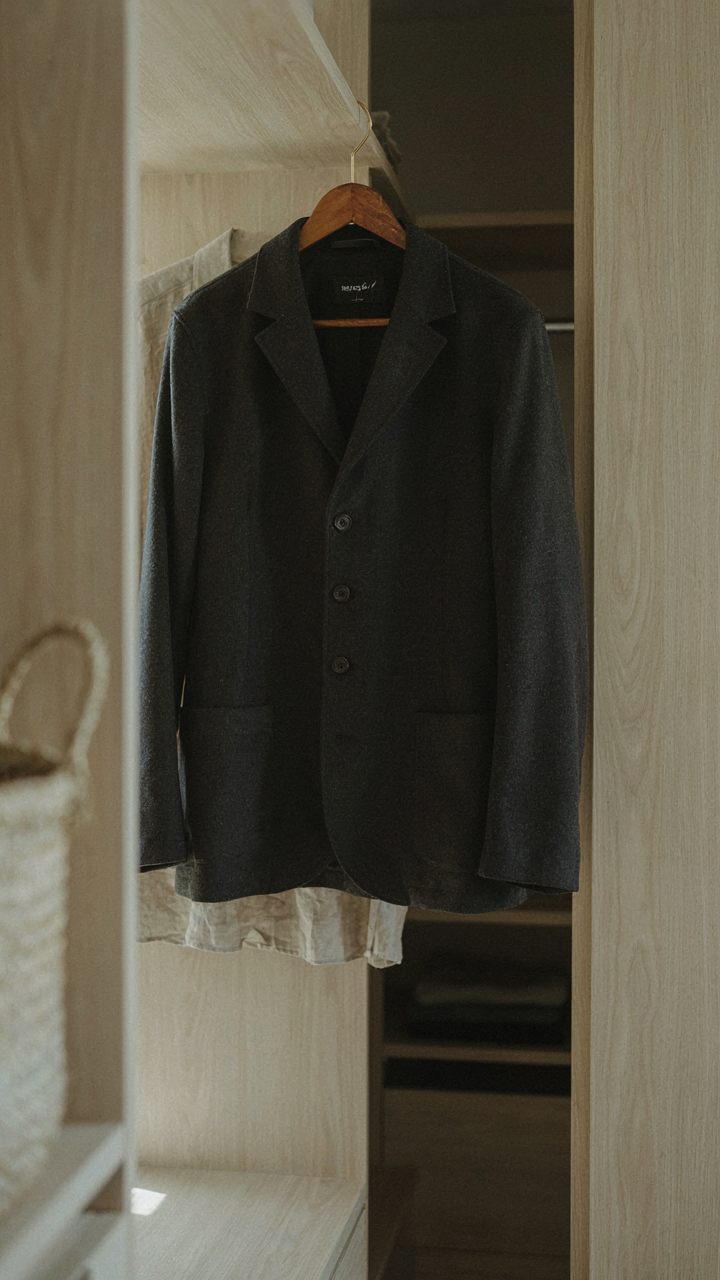
Your work holiday party outfit isn’t decoration. It’s a signal. The right choice compounds across conversations you haven’t had yet, decisions made about you before you speak, and opportunities that materialize months later. Stop treating it like an afterthought. Open your closet today. Pick one piece that makes you feel like the version of yourself people actually want to work with. That choice, amplified by consistency, is how you make yourself unforgettable at a party everyone forgets by January.