

The Myth Of “Effortless Style” In Dressy Casual

Why Everyone Gets This Wrong
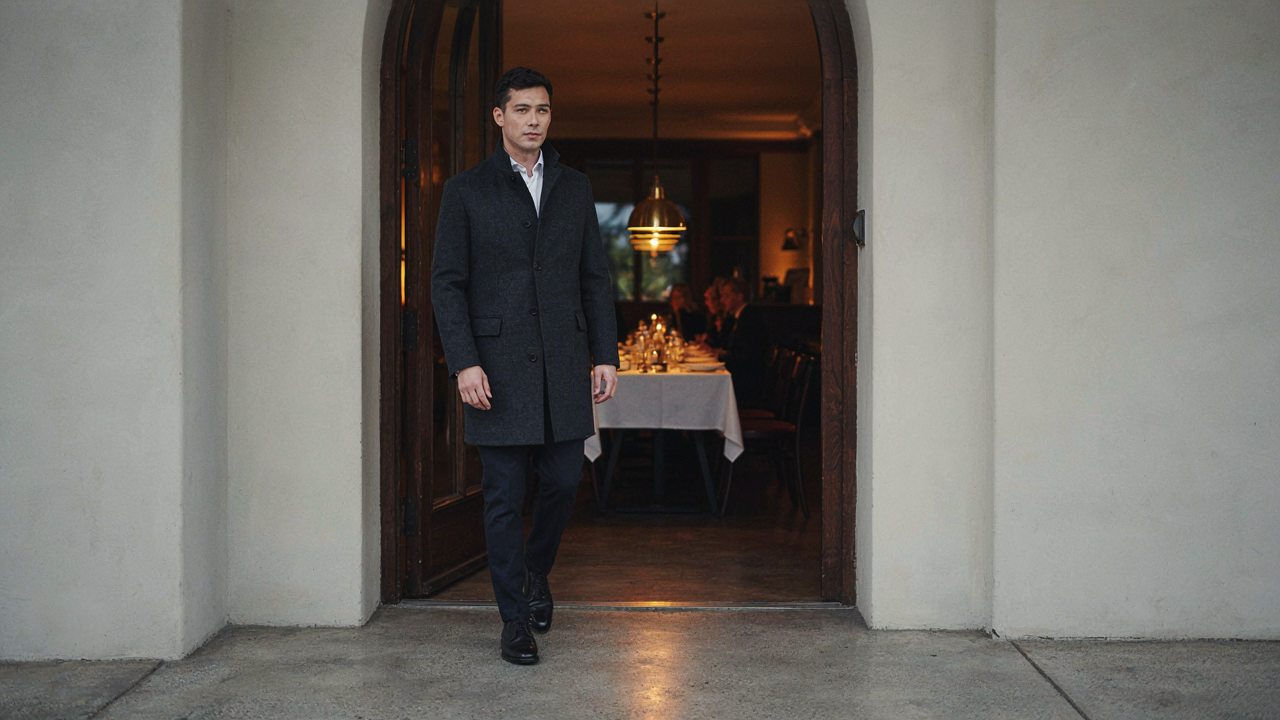
You want to look like you didn’t try. That’s the real fear underneath this whole thing. Most advice tells you to “mix casual pieces with dressier elements” or “let your personality shine through,” which is useless because it describes the output, not the mechanism. The actual game is signal stacking: you’re layering cues that tell the room you belong there without announcing effort. Dressy casual fails when people treat it as a formula instead of a hierarchy of decisions made before you get dressed.
The common guidance misses this because it avoids naming the real work. Effortlessness isn’t the absence of effort, it’s the concealment of it through strategic choices that look automatic. You don’t achieve this by picking random pieces. You achieve it by understanding what signals contradict each other and which ones neutralize the contradiction. The person who looks effortlessly put together has actually spent time auditing their closet for pieces that work together in a specific way.
The Invisible Labor Behind Looking Relaxed
Borrowing from economics, dressy casual operates on comparative advantage: each garment must pull its weight relative to the others. A tailored blazer loses its power if your shoes look like afterthought. A crisp shirt loses its signal if your pants fit loose. The mechanism isn’t “add blazer to jeans.” It’s “ensure every piece aligns to one coherent intent.” Most people skip this and wonder why they look confused instead of curated.
Looking effortless requires pre-work that never shows. You have to know your proportions, your color range, which fabrics read polished versus sloppy on your body. You test combinations before the event. You pick the blazer first and build around its formality level. You choose shoes that signal deliberation without screaming “I got ready.” Then, and only then, does the whole thing read as natural. The protocol is simple: audit your pieces for coherence, not variety. Build the outfit backward from the shoes.
Dressy Casual As Social Engineering: Calibrating Perception
What Your Clothes Actually Communicate
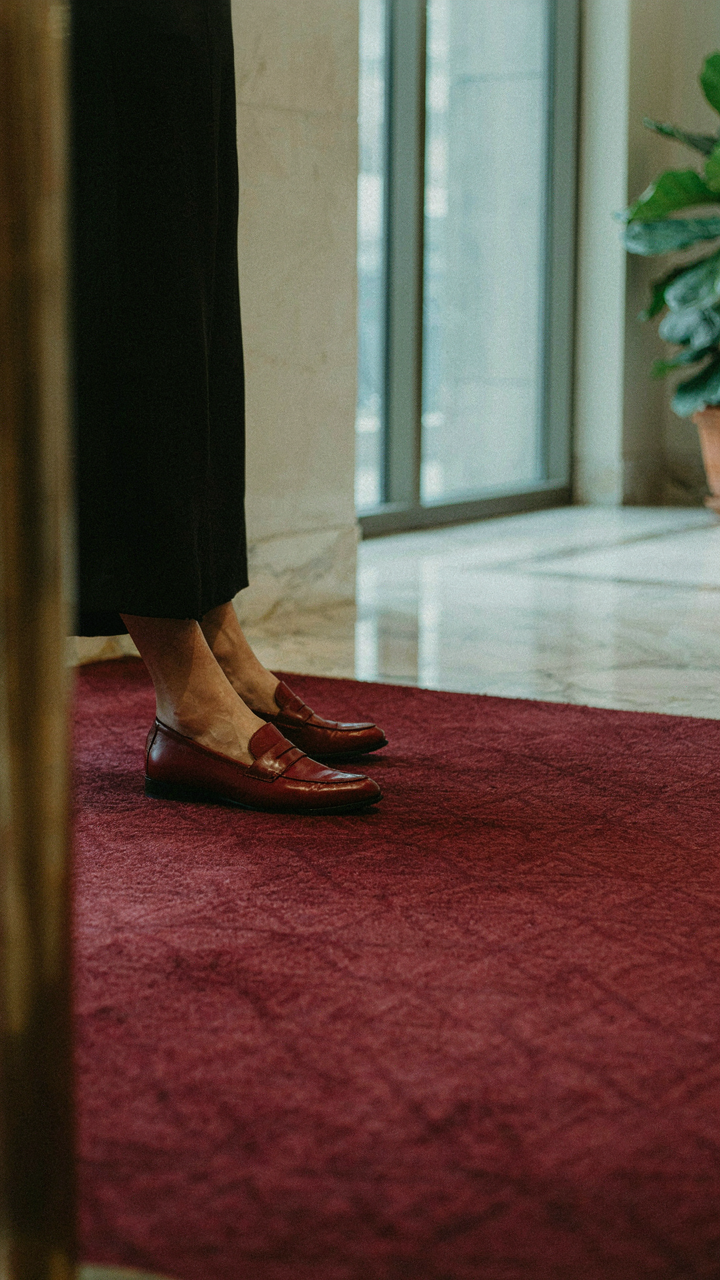
You care about this because you’re afraid of being wrong. Not morally wrong—socially miscalibrated. Clothes don’t just cover your body; they broadcast a decision you made about the room’s expectations. Dressy casual sends a specific signal: you understood the assignment, you didn’t overdress or underdress, and you respect the boundary between formal and relaxed. The mechanism is simple. People read fabric weight, neckline presence, and shoe finish in milliseconds before you speak.

Signals operate on a spectrum, not binary categories. A cotton button-up reads differently than a performance blend. A structured blazer reads differently than a cardigan. Dressy casual requires the middle ground: quality materials that don’t announce themselves, intentional grooming that looks effortless, and accessories that confirm you made a choice rather than defaulted. Your shoes matter more than most realize because they’re the last thing people notice, which means they land last in memory. The common advice says “just be yourself,” but that’s incomplete. You’re not being yourself. You’re being a version of yourself that matches the room’s unspoken dress code.
Reading The Room Before You Arrive
The host communicates the dress code through invitation language, venue choice, and who they’re inviting. Ignore generic signals and look for specificity: a dinner party at someone’s home skews more relaxed than a restaurant reservation. An event at a hotel or club skews formal. A cocktail hour before dinner requires one calibration; a seated dinner requires another. Most people miss this because they don’t treat the invitation as data.
Scout the venue online if you haven’t been. Check photos of the space. The lighting, furniture, and architectural details tell you whether the environment is polished or lived-in. A polished environment demands dressier casual. A lived-in environment allows for looser interpretation. When you arrive, observe the first three people you see and note their baseline. If you’re within one calibration level of them, you’re safe. Dressy casual means you’re intentionally one step above everyday but visibly not formal. That distance is your targeting mechanism.
The “Minimum Viable Formality” Protocol
What Actually Counts As Non Negotiable
You’re reading this because you’re afraid of being underdressed and looking cheap, or overdressed and looking like you don’t belong. The real mechanism at work is social permission architecture: dressy casual exists specifically to let you drop formality without dropping status. The non-negotiables aren’t about looking fancy. They’re about removing anything that signals negligence.

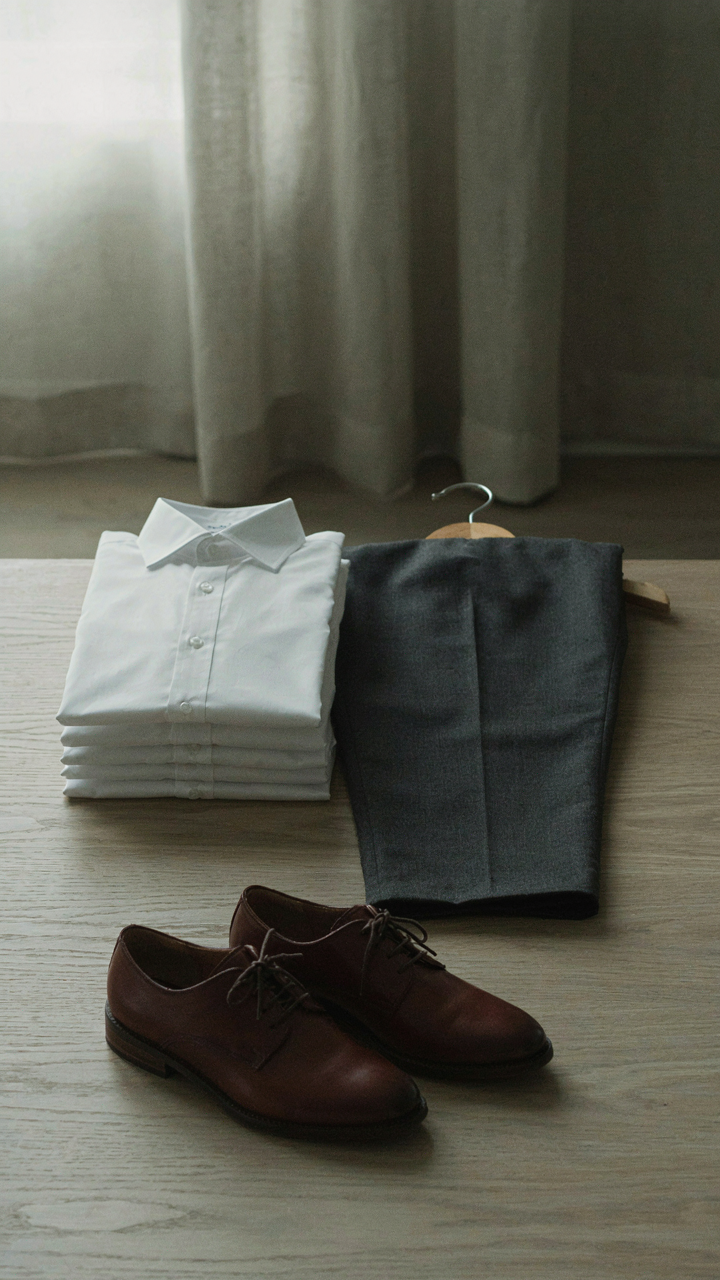
A collared shirt or blouse. Closed-toe shoes. Pants without visible wear or wrinkles. A blazer if the invite hints at evening context. No athletic wear, no visible logos larger than a quarter, no fabric pilling. The pattern here is simple: you’re eliminating the visual markers of laziness, not achieving the markers of luxury. Everything else is negotiable because the code isn’t “look expensive” it’s “look intentional.”
The Real Calculus Between Under And Over Shooting
The common advice says “when in doubt, dress up.” That’s incomplete and often wrong. Economics teaches us about transaction costs—the friction paid to execute a trade. Overdressing carries a social transaction cost: visibility, awkwardness, the subtle signal that you misread the room. Underdressing only matters if you’re visibly below the baseline. The strategic move is hitting the baseline, then stopping.
Walk in wearing what the host would wear to the same event if they weren’t hosting. Not what influencers wear to parties. Not what you think “dressy” looks like. What the actual person running the event wears when they attend something comparable. If you’re unsure, ask someone who’s been before or text the host directly. The mechanism is calibration, not escalation: match the energy level of the setting itself, not the fantasy version of it.
Beyond The Buzzwords: Deconstructing Dress Code For Women
What Dressy Casual Actually Signals
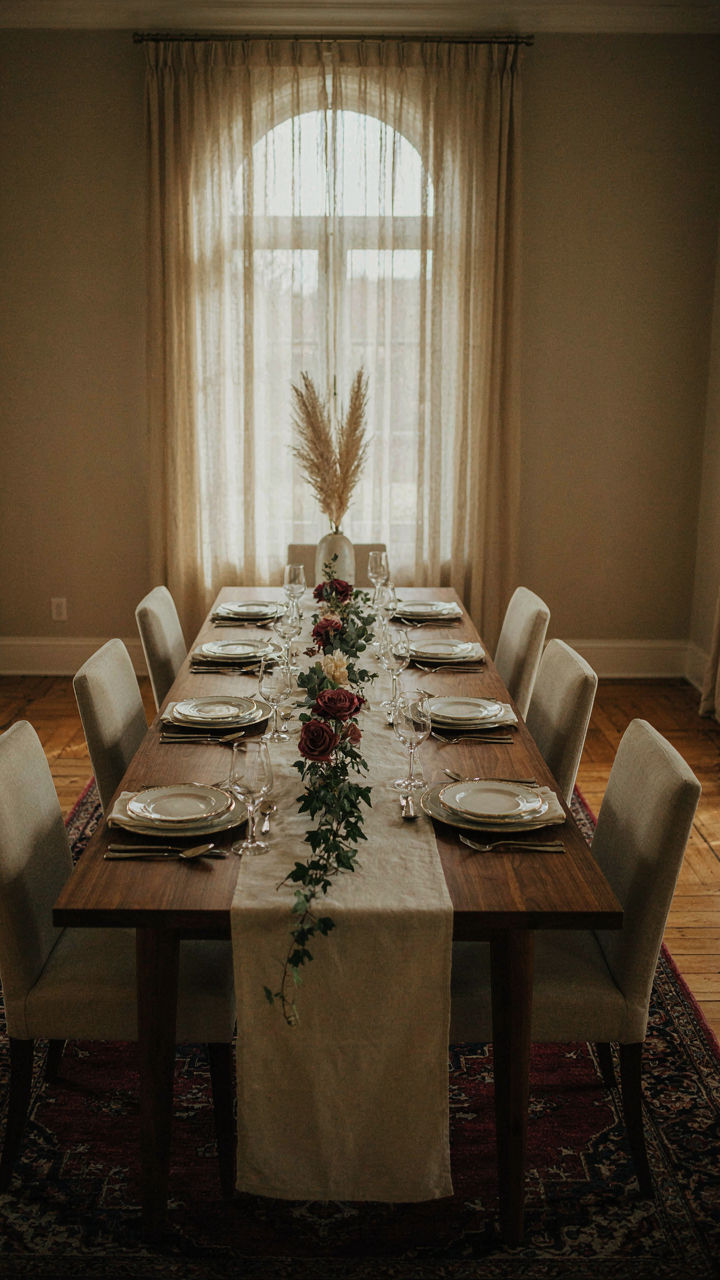
You’re worried people will judge you for getting it wrong. Here’s the mechanism: dressy casual exists because hosts need a middle ground between “show up in anything” and “wear formal wear.” It’s a signal control problem. The host wants effort visible but formality absent. Most advice tells you to “blend dressy and casual” which is useless. The real move is understanding that dressy casual means you dress for the occasion’s stakes, not its temperature. You’re dressing for a social event that matters enough to warrant intention, but not so formal it demands a uniform.

The dress code emerged from suburban entertaining culture in the 1990s and 2000s when dinner parties and cocktail events became more frequent but less rigidly structured than the formal events of previous decades. Dressy casual is the outfit you wear when the gathering has weight but not ceremonial weight. The practical translation: clothes that look intentional, fit well, and suggest you considered what to wear for this specific group. It’s the opposite of both gym clothes and evening gowns. Most women overthink this because the term itself is contradictory. Strip the confusion. Dressy casual means elevated casual, nothing more.
Reading The Room Before You Dress
The common advice here is worthless: “just ask the host what to wear.” You already know they’ll say “wear whatever you’re comfortable in” because hosts avoid being prescriptive. Instead, use environmental intelligence. The mechanism borrowed from signal detection: you’re looking for the signal-to-noise ratio in the event details. A dinner party at 7 PM on a Friday has different dress expectations than a Saturday afternoon garden gathering. Check the venue. A restaurant signals formality through its table setup and lighting. A home suggests relaxed but groomed. The time of day matters. Evening events tilt toward dressier. Daytime events allow more casual baseline.
Who’s attending? A work colleague’s dinner party requires different calibration than a close friend’s. The guest list tells you the social stakes. Corporate events embedded in casual settings still demand elevated polish. Once you’ve mapped the context, you dress one tier above what you’d wear to everyday activities in that location. This isn’t overthinking. It’s reading the actual environment instead of relying on a vague phrase. When in doubt, overdress slightly rather than underdress. The social cost of appearing to care is lower than appearing to not care.
The Capsule Wardrobe Outfits Multiplier Effect
Core Pieces Create Combinations
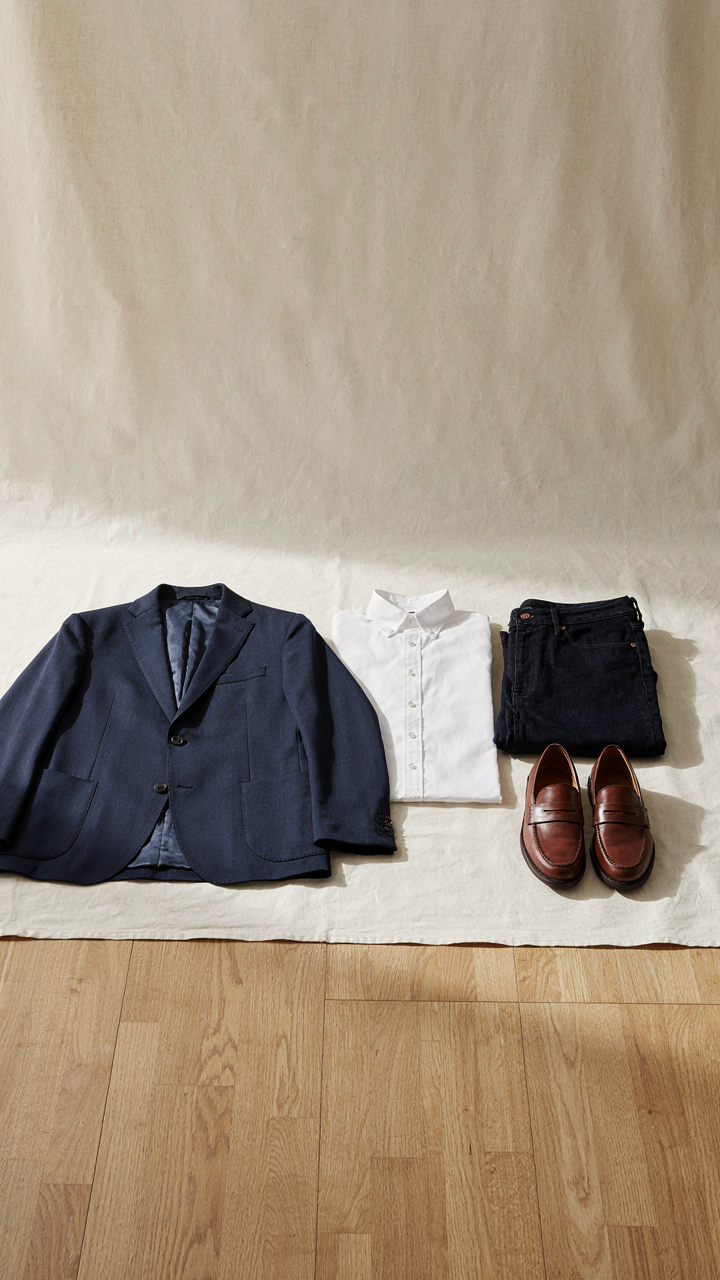
You want to look put-together without buying an entirely new wardrobe every time you get an invite. The real mechanism here is combinatorics: a small number of interchangeable pieces generates exponentially more outfit options than the same budget spread across disconnected items. Five core pieces create twenty distinct combinations. Ten create ninety. Dressy casual rewards this math because the dress code sits in the middle—formal enough to punish clashing pieces, casual enough to let you repeat items without looking like you’re rotating the same outfit.
- Neutral blazer (navy, charcoal, or camel): Works over everything from chinos to dresses. Instantly signals intention without overdressing.
- Dark jeans or chinos: The foundation piece that anchors both top and shoe choices. Neutral enough to pair with ten different upper pieces.
- Solid button-down shirt (white, light blue, or cream): Layers under blazers, wears alone, tucks into pants. No pattern means zero clashing risk.
- Simple knit sweater (crew or v-neck): Sits under blazers or stands alone. Bridges the gap between athletic and formal.
- One statement piece (textured fabric, tailored cut, or subtle pattern): Prevents the capsule from feeling boring. Worn with neutral anchors.

The math works because you’re not buying pieces that do one job. You’re buying pieces that serve multiple roles across different outfits. A camel blazer over cream shirt and dark jeans reads different from the same blazer over a textured knit. Same blazer, entirely different event. This is why fashion magazines tell you to invest in basics—they’re right, but they never explain why it actually matters.
Quality Stops The Replacement Treadmill
Everyone says buy less, buy better. What they don’t say: cheap fabric and construction force you back into stores constantly, which kills the whole capsule strategy. A twenty-dollar blazer sheds lint, pulls at seams, and loses shape after three wears. A one-hundred-fifty-dollar blazer holds its structure for years. The cost-per-wear flips. You wear the better piece more often because it actually looks good, which multiplies its return on investment across more outfits.
Dressy casual demands visible quality because the dress code inherently communicates effort. Loose threads, thin fabric, and poor tailoring register immediately at a dinner or party. The gap between cheap and mid-range is bigger than most people think. Seam construction, fabric weight, and collar structure become obvious when you’re dressed up. One solid blazer worn twenty times beats five cheap blazers worn twice each before they fall apart.
Feminine Style Types: Your Personal Algorithm For Dressy Casual
Find Your Style Archetype First
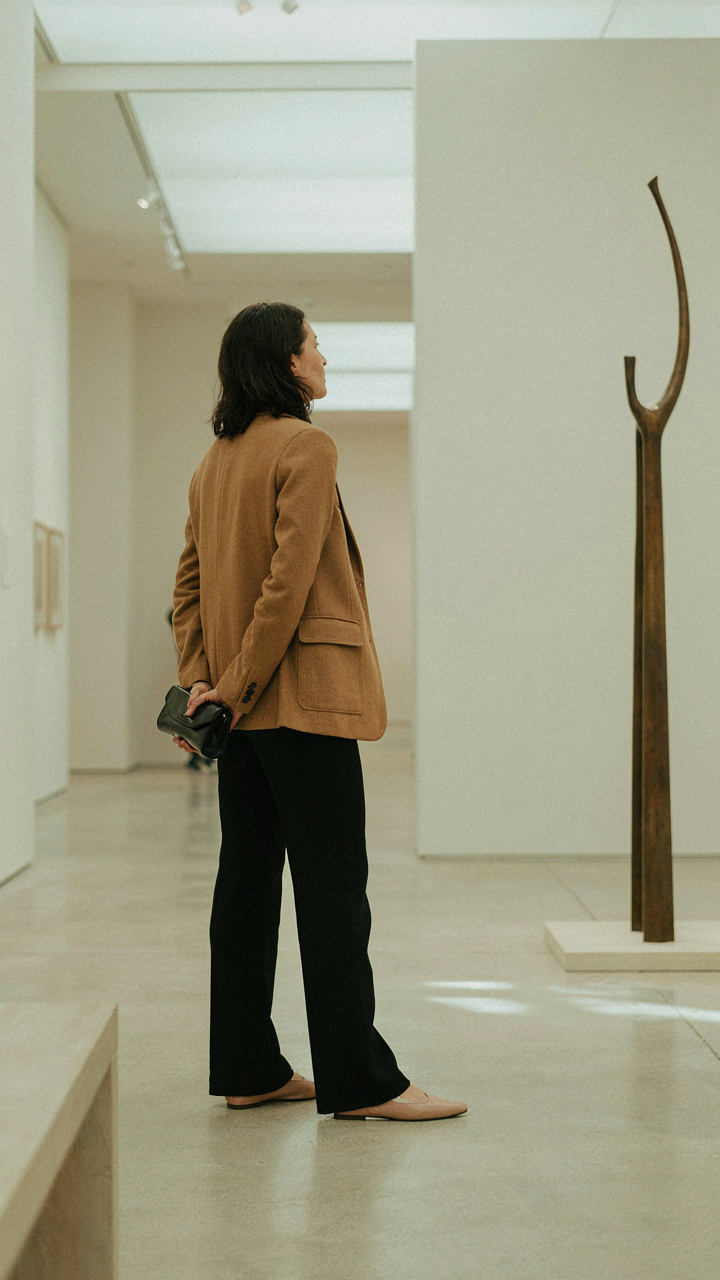
You want this section because you’re afraid you’ll show up wrong. The real mechanism is this: dressy casual fails when you treat it as a universal formula instead of a filter for your existing style. Your archetype is the operating system. The dress code is just the constraints you apply to it. Most women skip identifying their dominant style and grab whatever looks “fancy enough,” which produces the uncanny valley effect—overdressed for the occasion or trying too hard to fit a mold that doesn’t fit them.

Your style archetype isn’t about personality types or mood boards. It’s about the silhouettes, proportions, and materials you naturally gravitate toward and that actually flatter your body. The classic archetypes—romantic, dramatic, natural, ingenue, gamine—describe skeletal patterns that work. When you know yours, dressy casual becomes simple: elevate the baseline of your existing clothes instead of adopting a costume. A romantic doesn’t dress like a dramatic just because the event requires polish. She adds fabric weight, jewelry, and finish to romantic pieces she already owns.
Absorb Trends Without Abandoning Yourself
The common advice says “add trendy pieces to stay current.” That’s incomplete. Trends are context, not identity. The mechanism that actually works: adopt a trend’s core principle while executing it through your archetype’s language. If oversized tailoring is trending and you’re naturally dramatic, oversized already lives in your closet—you just refine it. If you’re romantic and a trend favors sharp lines, you translate the sharpness into fabric contrast or jewelry rather than abandoning curves.
This isn’t compromise. It’s how actual style works. Your archetype is stable. Trends cycle every 18 to 36 months. If you chase trends without the anchor of your archetype, you’ll rebuy your entire closet constantly. When you see a trend in a fashion publication, ask one question: “Does this trend’s core principle exist in my style language already?” If yes, integrate it. If no, skip it. For dressy casual specifically, this means you can follow the decade’s direction toward either formality or relaxation without losing the coherence that makes you look intentional instead of desperate.
Womens Casual Outfits: Elevating The Everyday To Event Ready
Accessories That Signal Intention
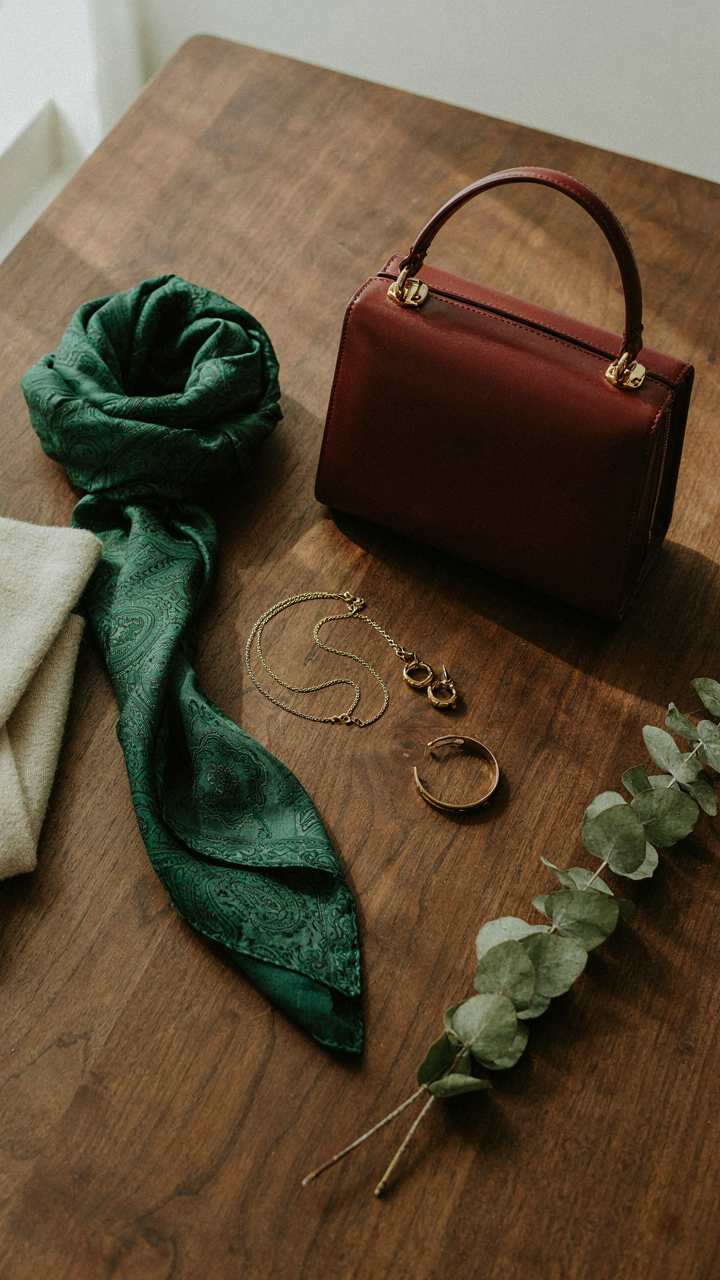
You want people to notice you worked for this without looking like you tried. That’s the real game. Accessories aren’t decoration in dressy casual—they’re the visible proof that a base outfit crossed from “everyday” into “event.” A structured bag, a single statement piece of jewelry, or a silk scarf changes the entire equation because they broadcast deliberate choice rather than default dressing.

The mechanism is simple: accessories compress status information into a single glance. Gold over silver shifts the tone upward. Real leather over canvas does the same thing. A minimal watch on a bare wrist reads differently than no watch at all. You’re not adding clutter. You’re adding the proof that you understand the occasion demands something beyond what you wore to the office that morning. This is where dressy casual actually lives—not in the clothes, but in what you choose to layer on top of them.
The Fabric Question Changes Everything
Common advice says “wear nice fabrics and you’ll look dressy.” That’s incomplete. In textile economics, we measure quality by two factors: fiber content and construction. The construction part is where everyone gets lost. A cotton blend with tight weave reads formal. Loose jersey reads casual, period. Dressy casual demands the wedge between them—structured enough to hold a shape, but relaxed enough that you didn’t wear a dress.
Silk charmeuse, cotton poplin, and wool blends occupy that middle ground. Linen works if it’s heavyweight and structured, not the crinkled beach version. The rule is mechanical: if the fabric clings or wrinkles too easily, it signals “casual.” If it stands rigid and holds creases, it signals “formal.” Dressy casual fabric maintains body without looking stiff. Choose accordingly before you ever pick a silhouette. Fabric choice is where you either win or lose the entire look before the event starts.
The Pareto Principle Of Pinterest Fashion

The 80/20 Rule Applied To Your Outfit
You’re scrolling through hundreds of outfit photos hoping one will solve your anxiety about looking wrong. Here’s what nobody says: most of that visual noise doesn’t matter. Economics calls this the Pareto Principle—80% of results come from 20% of inputs. In dressy casual, that means four core elements generate nearly all the impact: fit, color restraint, shoe choice, and one intentional detail. Everything else is distraction.

The mechanism is simple. Your brain processes fit and silhouette in under two seconds. Color psychology operates subconsciously—muted tones read as intentional, neons read as uncertain. Shoes either anchor the outfit or sabotage it. One polished detail (a watch, a belt, a structured bag) signals you made a decision. The remaining 80% of outfit variables—hem length micro-adjustments, obscure fabric blends, layering permutations—contribute almost nothing to whether you hit dressy casual or miss it. Stop treating them equally.
The Curation Filter Problem
Most people grab inspiration indiscriminately and end up paralyzed. They save 47 pins that all contradict each other, then freeze when getting dressed because the options feel infinite. The real problem is not finding inspiration—it’s deciding what stays and what gets deleted immediately.
Create a single folder with exactly 12 reference images. These should all feature the same body type as yours, the same coloring, and the same venue type as your event. Delete anything that makes you feel uncertain or that conflicts with your other saves. When you get dressed, you’re no longer choosing from infinite possibility. You’re choosing from 12 coherent options that all work. This eliminates decision fatigue and creates consistency without looking robotic.
The Antifragile Wardrobe: Embracing Imperfection For Classic Style Outfits
Skin In The Game: Why Your Choices Actually Matter
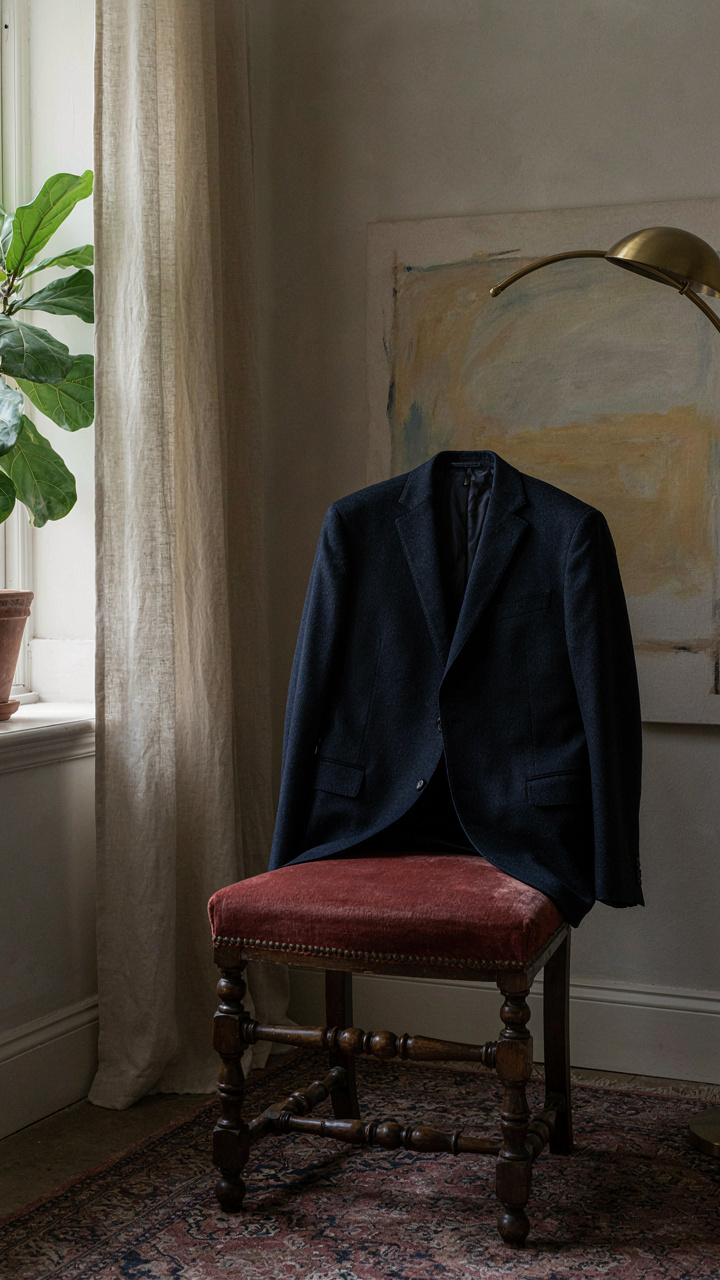
You care about this because dressing well signals you’re not chaos—that you can read a room and execute. But most people treat dressy casual like a riddle instead of a system. Evolutionary biology teaches us that antifragility means building in redundancy and variability so a system gets stronger under stress, not weaker. Dressy casual works the same way: it survives uncertainty because it’s built on pieces that function across multiple contexts, not items locked into a single occasion.

The mistake is thinking dressy casual demands precision. It doesn’t. It demands restraint paired with intentionality. You’re not trying to be formal or casual—you’re calibrating between them. The pieces you choose need to work in different combinations because you don’t know exactly what the event demands until you’re there. A blazer over chinos works. Chinos with a structured shirt works. Remove either element and you’re either too casual or too formal. The antifragile wardrobe builds in that breathing room.
Variability As Your Competitive Edge
Thriving on variability means your clothes work harder because they’re not specialized. The common advice says “buy basics” and calls it done. That’s incomplete. Basic pieces fail because they’re inert—they need the exact right combination to function. Smart pieces work in at least three different outfit scenarios without looking like you’re wearing the same thing. A Oxford button-down in white or light blue works under a blazer, alone with tailored trousers, or layered under a sweater. That’s variability. That’s antifragility.
Your dressy casual pieces should survive context shifts without adaptation. Navy wool trousers pair with both casual knitwear and structured dress shirts. A wool blazer functions at dinners, business events, and elevated casual settings. Leather shoes in brown or black bridge formal and informal territory depending on what you wear them with. When you build your wardrobe this way, you stop buying for events and start buying for systems. Each piece earns its place by solving multiple problems at once, not one.
The Simplicity Paradox: Why Less Clothing Means More Power

The Psychology Of Constraint
You want permission to buy less and still look competent. That’s the real question here. Turns out, cognitive psychology names this “cognitive load” – the mental tax your brain pays processing choices. Dressy casual solves this by narrowing your options to five core pieces instead of thirty. Your brain stops optimizing and starts executing.
When you show up to a dinner in one of three reliable combinations instead of a hand-wrung ensemble, something shifts. You’ve already won the internal battle. The outfit doesn’t demand your attention during the event. You talk, listen, make an impression. The clothes vanish. That’s power most people never experience because they’re too busy managing their own wardrobes.
The Operating System For Events
Event dressing isn’t about aesthetics – it’s about load management. Every decision you make before leaving home is a decision you won’t have to remake at the venue. Dressy casual is the operating system that handles this. You pick one pair of dark chinos or one midi skirt. One blazer or one structured top. One pair of shoes. Done.
The mechanism is simple: reduced friction equals increased presence. You arrive mentally sharp instead of costume-conscious. You remember what you said, not what you wore. This is why people who dress the same way consistently get mistaken for more confident than they are. They actually are more confident, but only because they’re not bleeding focus on their own appearance. Pick your dressy casual uniform now and execute it without revision.
Your Fear Of Misinterpreting Dress Codes Is A Symptom Of Seeking External Validation

You’re overthinking dressy casual because you’re waiting for permission to exist in a room. Stop. Pick clothes that fit your body and make you feel like you belong there. Wear them. Everyone else is too worried about themselves to audit your outfit. The real dress code violation isn’t wearing the wrong thing. It’s arriving apologetic.



