

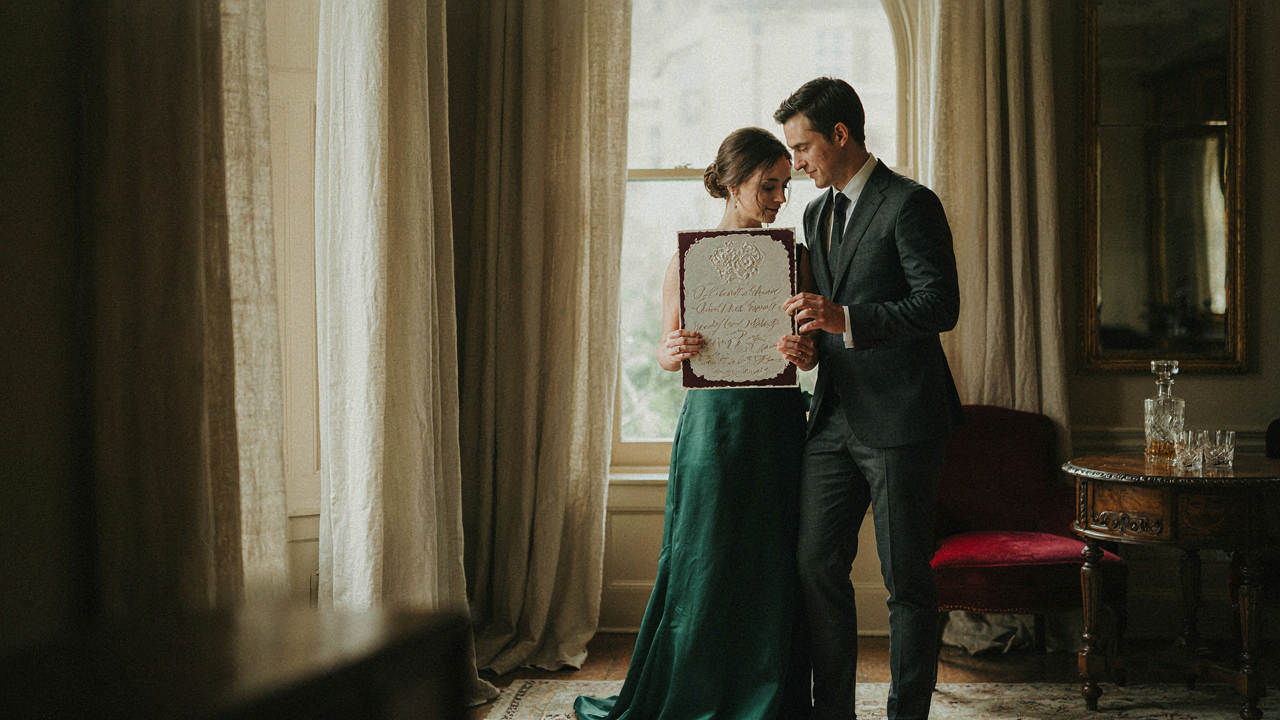
The Unwritten Rules Of Wedding Invitations With Dress Code
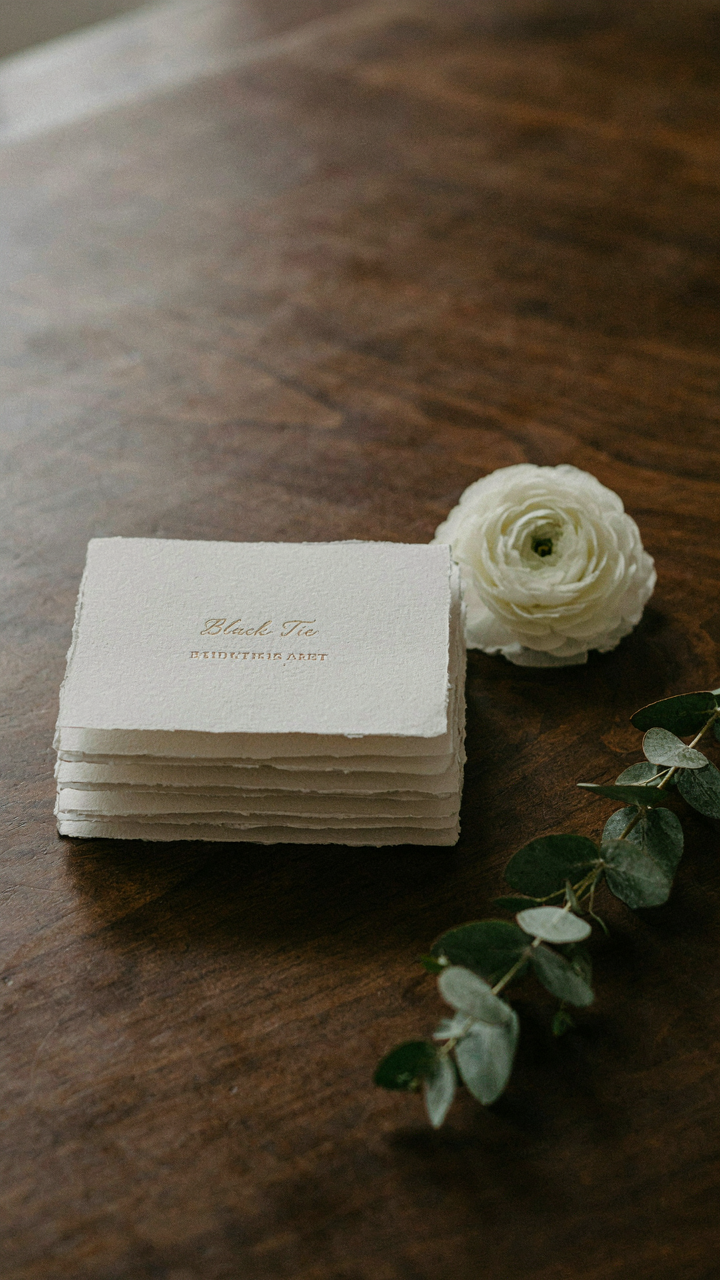
What The Card Actually Says Vs What It Means
You’re anxious about showing up wrong, and that anxiety is the real problem dress codes solve for hosts. The mechanism is simple: a dress code eliminates decision fatigue for guests by setting a boundary. The couple isn’t being controlling. They’re protecting you from the burden of choice. When you see “Black Tie” on cardstock, the host has already decided the visual tone. Your job is execution, not interpretation.
Most guests misread invitation language because they treat it as suggestion rather than specification. “Black Tie” doesn’t mean “close enough to black” or “your fanciest.” It means a specific formal standard established by etiquette conventions over decades. The card states this plainly because ambiguity costs the couple money, time, and cohesion. You either meet the standard or you don’t. The invitation trusts you to understand the difference between “Cocktail Attire” and “Semi-Formal” because there is one, and it’s measurable.
How Location Rewrites Everything
Think of dress codes like military rank systems where context determines authority. A “Black Tie Optional” in Manhattan operates under different rules than the same phrase in rural Montana. Geography doesn’t just change formality levels. It changes what people actually own, what they consider appropriate, and what the couple expects to see. The invitation’s location line is doing more work than most guests realize.
The venue type amplifies this gap. “Black Tie” at a downtown hotel ballroom means tuxedos and floor-length gowns. “Black Tie” at an outdoor garden wedding means the couple either misspoke or expects adaptation. Time of day matters equally. A 6 PM wedding labeled “Cocktail Attire” signals early evening formality. An 8 PM “Cocktail Attire” event might expect higher polish. Read the full invitation as one document, not isolated phrases. The location, time, and dress code together tell you exactly what the couple envisioned.
Decoding “Attire Guide For Wedding Invitation”: More Than Fabric

When Time And Place Actually Matter
You’re worried you’ll show up wrong and everyone will notice. The real mechanism is this: the invitation’s logistics—time, location, season—function like a signaling system in communication theory. Your job is to read the constraints, not decode the couple’s taste. A 6 PM garden wedding in July demands different fabric and weight than a 2 PM courthouse ceremony in February. The dress code phrase only works if you understand what the environment demands first.

Most people read “cocktail attire” as a vibe when it’s actually a constraint. Outdoor winter events eliminate thin fabrics and light colors. Evening affairs eliminate casual silhouettes. The invitation’s date and venue aren’t decoration. They’re the actual ruleset. A rooftop venue at sunset means sun exposure and wind. A ballroom at night means you’re indoors under controlled lighting. These details change what works, not because the couple chose them arbitrarily, but because physics and logistics create hard limits.
The Couple’s Choices Are The Real Tells
Forget reading between the lines about their personality. Their actual choices on the invitation reveal their operating constraints and values, period. A couple printing formal black-tie dress codes typically operates in a world where that’s normal and expected. A couple specifying “lounge suit” versus “black tie” isn’t expressing personality preference—they’re signaling what their social circle and venue actually require. The dress code phrase exists because misalignment creates friction.
When a couple leaves dress code deliberately vague or writes “wear what makes you comfortable,” they’ve made a choice too: they’re either confident their crowd self-selects correctly, or they’re signaling lower social formality. Either way, that choice tells you more than guessing. Read what they actually wrote and what they didn’t. The absence of a dress code requirement is itself information. Then match your clothing to that signal, not to an imagined version of the event.
The Dress Code On Wedding Invitation Protocol
Read The Actual Formality Level
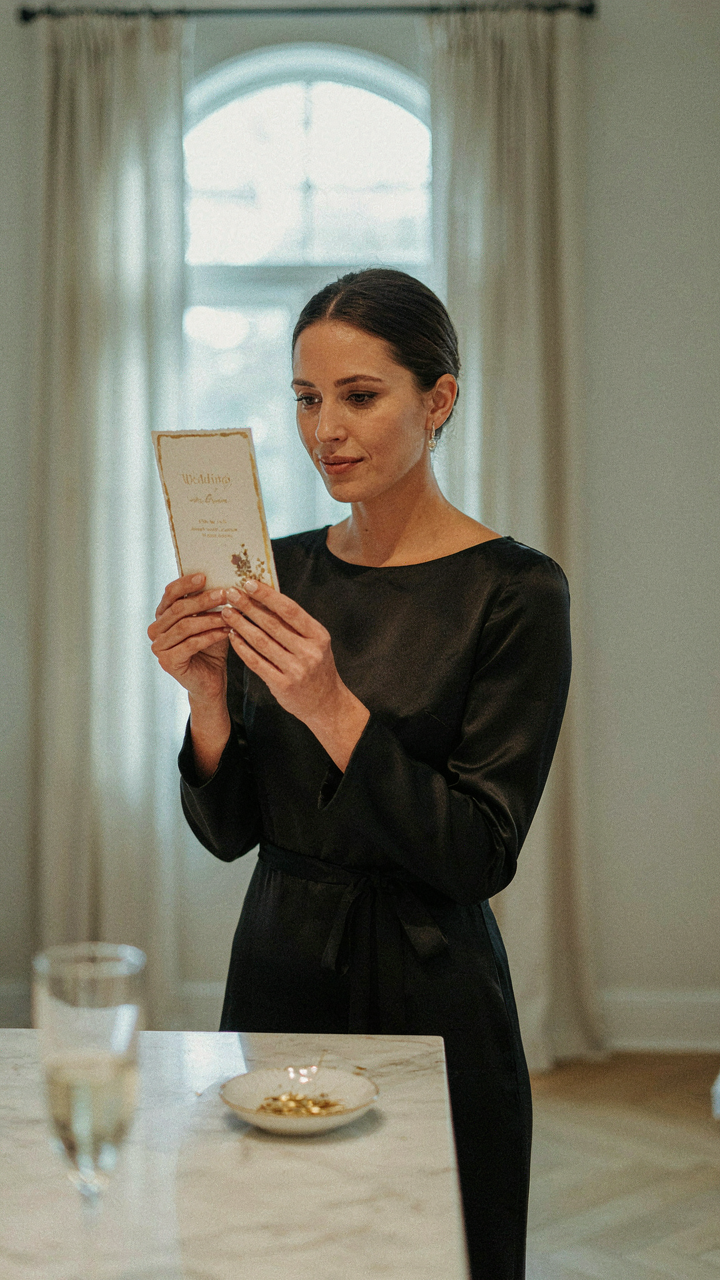
You care about this because wearing the wrong thing signals you didn’t pay attention, and that stings more than the outfit itself. Here’s what actually matters: the dress code on a wedding invitation isn’t a suggestion. It’s a contract between you and the couple about the visual tone they’re setting. The mechanism is simple. Formal events require visual cohesion. Everyone dressed at the same level creates atmosphere. You break that by underdressing or overdressing, and the couple notices because they’ve already seen proofs.

The invitation text tells you the rule, but the venue and time whisper the truth. A black-tie event at a country club at 6 PM means something different than black-tie at a barn at 4 PM. Print materials, typography, and paper weight also signal intent. Cardstock with letterpress screams formality. Digital invites with casual fonts don’t. Cross-reference the stated code with these details before you shop. If they conflict, the more formal signal wins.
Dress To Blend, Not To Impress
The goal isn’t to look better than everyone else. It’s to look like you belong in the room. This is a principle borrowed from military dress codes: uniformity creates unit cohesion, not individuality. When guests dress at the same formality level, the focus stays on the couple, not on who wore it best. The second you optimize for standing out, you’ve already lost.
Formality bands exist for a reason. Within black-tie, you’re not reinventing the wheel. You match the stated code and adjust only for fit, coloring, and personal grooming. A well-fitted dress or suit in the correct formality tier will always outperform a flashier option that breaks the protocol. Check the details once before buying: dress length, shoe type, accessories. Then stop second-guessing and show up dressed like you understood the assignment.
Dress Code Invitation Ideas: Signaling Your Savvy
When Overdressing Beats Underdressing
You’re worried about looking like you don’t belong. That’s the real reason you’re reading this. Here’s the mechanism: dress codes function like a social contract where violation signals either contempt or incompetence. Both damage you equally. Overdressing gets misread as enthusiasm or nerves. Underdressing gets read as disrespect.

The math is simple. Overdressed guests blend into the formality. Underdressed guests create visual friction the host notices. Wedding photos capture everything. You can’t edit out jeans in a formal setting. When you’re uncertain about the gap between what’s written and what’s expected, close it upward. The cost of being slightly too formal is zero.
The Fabric And Fit That Actually Matter
Details don’t elevate. Precision elevates. The common advice says “match the dress code,” but misses the real tell: fit and material quality signal whether you understand the event’s tier. A cheap suit stretched tight reads louder than the wrong color. A dress in thin polyester that clings wrong communicates carelessness faster than anything else.
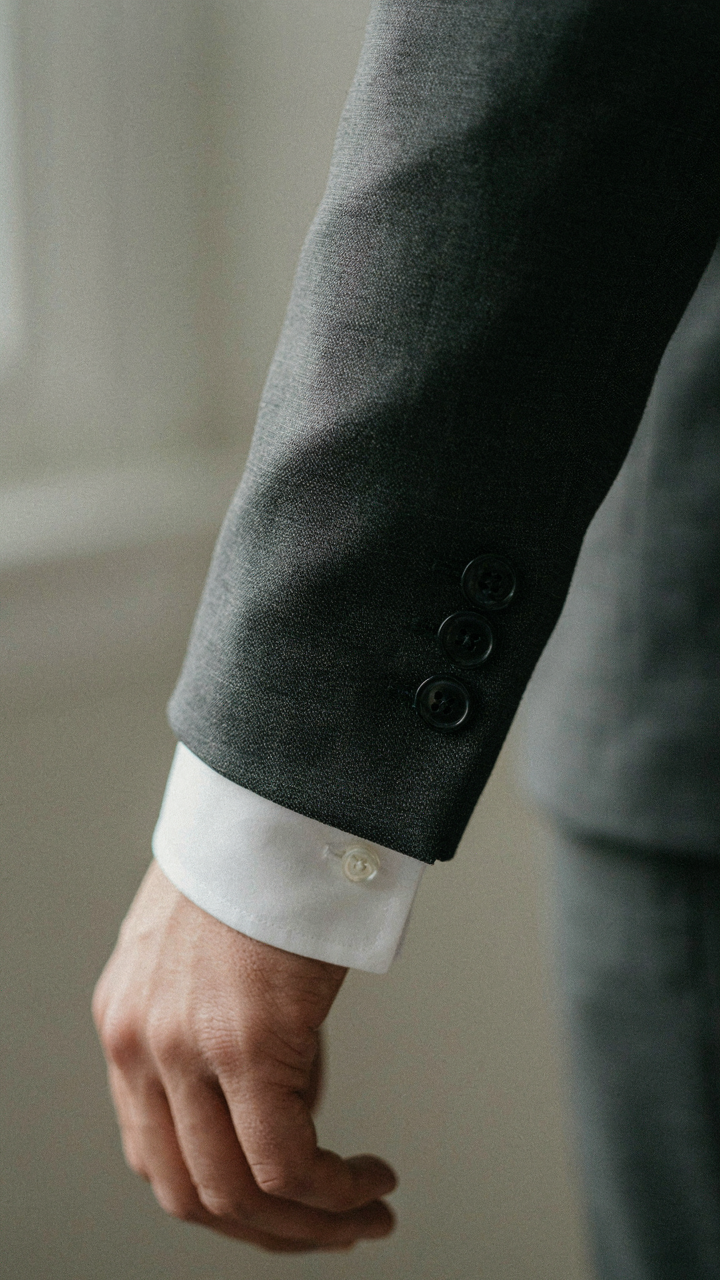
Fabric weight matters. Heavy natural fibers like wool, cotton blends, and quality silk hold their structure and reflect light the way formal events expect. Cheap synthetics wrinkle, cling, and look dull under photography lighting. Fit means tailoring, not off-the-rack approximation. A properly fitted mid-range suit outranks an expensive one that doesn’t match your proportions. Check the length of sleeves, the break at your ankle, and whether your jacket buttons close without pulling.
Wedding Dress Code Ideas: The Power Dynamics Of Presentation
Social Currency: Your Attire As An Asset
You care about this because showing up wrong feels like a public failure. The real mechanism is simpler: dress codes function as economic signals. Economists call this “signaling theory.” On a wedding invitation, the dress code signals what social tier the event occupies and what tier you occupy if you comply. Black tie signals formality and resource commitment. Business casual signals budget constraints or casual confidence. The couple writes the code. You either read it or misread it.

Guests often treat dress codes as suggestions rather than instructions. They’re not. A dress code is a contract about how you show up. Ignoring it doesn’t make you authentic or relaxed. It makes you someone who didn’t bother to decode what the couple actually needed from the room. The couple chose that code because it shapes the energy they want. When you match it, you’re not conforming. You’re participating in the event they designed. When you ignore it, you’re inserting your preferences into their production.
Reading The Room: A Lesson In Game Theory
Game theory teaches us that outcomes depend on everyone’s moves, not just your own. Dress codes at weddings work the same way. Your outfit choice interacts with every other guest’s choice to create the collective visual that either matches or breaks the couple’s vision. If the invitation says cocktail attire and half the guests show up in jeans, the code collapses. The event loses coherence.
People assume dress codes are about restriction. They’re actually about coordination. The couple needs everyone playing the same game so the aesthetic, formality level, and energy align. You read the room by recognizing what role the code plays in that coordination. Formal codes create visual order and distance. Casual codes create approachability. Smart casual codes create professionalism without coldness. Your job is to match the code exactly, not interpret it through your personal style. Interpretation breaks the system. Compliance builds it.
Beyond The Black Tie: Real “Wedding Invite With Dress Code” Meanings

Smart Casual Is Where Hosts Lose Control
You’re reading this because you’re terrified of showing up wrong, and “smart casual” feels designed to punish you for that fear. Here’s the mechanism: smart casual is the dress code equivalent of economic signaling theory—it forces the guest to make a costly display of judgment. The host isn’t specifying because they want to see who understands the implicit rules of their social circle. It’s a filter disguised as flexibility.

Smart casual actually means tailored pieces in neutral colors with zero visible logos or wrinkles. A blazer over a solid shirt, flat-front pants, leather shoes that aren’t sneakers. The word “casual” here is a trap—it doesn’t mean relaxed. It means you chose restraint over comfort. Skip the tie and pocket square; add them and you’ve signaled you misread the room. The real cost is the mental energy spent decoding ambiguity instead of the dress code being specific enough to eliminate it.
White Tie Requires You To Respect Its Actual History
White tie descends directly from formal court dress of the 18th century, not from fashion trends. When a host writes it, they’re invoking a protocol with weight—not suggesting you wear your nicest suit. Most advice here is incomplete: it’s not just a tuxedo with a white bow tie. It’s a white piqué shirt with a white waistcoat, black tailcoat, black trousers with a silk stripe, and specific shoe expectations. The whole system exists to eliminate variation and enforce uniformity.
This dress code persists because it works as a social technology—it tells everyone instantly that formality matters and that the event justifies the effort and cost. You don’t negotiate white tie. You either own the pieces, rent them correctly, or decline the invitation. The mechanism isn’t snobbery; it’s a time-tested system that removes ambiguity entirely, which is exactly what the host is paying for.
Dress Code Wedding As A Social Filtration System

What The Dress Code Actually Controls
You care about this because you don’t want to be visibly wrong at an event where people judge. The real mechanism at work here isn’t about clothing—it’s about information density. A dress code statement functions like an economic signal in game theory: it reduces the decision space for guests so the couple controls the visual narrative of their event. When a couple specifies “black tie,” they’re not being precious. They’re pre-eliminating the cognitive load of guests showing up in conflicting aesthetics that fracture the photo composition and the mood they engineered.

The dress code works as a boundary. It tells you which guests understand the assignment and which ones don’t. Couples use it to separate people who will follow instructions from people who won’t, people who respect their event’s tone from people who show up to be noticed. This isn’t subtle. It’s intentional sorting. A guest who ignores the stated dress code reveals something about their relationship to the couple or their relationship to boundaries in general.
The Unspoken Layers Beneath The Wording
The language on an invitation betrays the couple’s actual expectations and values. “Black tie optional” is not the same as “black tie.” One signals flexibility and accessibility. The other signals non-negotiable tradition. “Cocktail attire” means business formal but one notch down—it’s the dress code of people who know formality but won’t perform rigidity. “Casual elegant” is what couples say when they’re afraid of alienating guests with money anxiety, but they still want everyone to show up looking like they tried. The specific words chosen reveal whether the couple is prioritizing inclusion, aesthetic control, or social positioning.
The timing of when the dress code appears on the invitation matters too. If it’s buried in small print at the bottom, the couple doesn’t believe it’s essential. If it’s prominent or repeated across multiple invitation materials, they’re serious about enforcement. Pay attention to how explicitly the couple states consequences for non-compliance. No mention at all suggests they’ve already mentally sorted which guests will comply. Explicit mention or repetition signals concern that someone won’t get it, which means they already know who the problem guest is.
Avoiding The “Dress Code” Trap: A Minimalist Approach
Build Your Foundation First
You’re stressed about dress codes because you don’t want to look broke or clueless in front of people who matter. The mechanism is simple: most guests own scattered pieces that don’t work together, so they panic and either overdress or underdress. You fix this by owning core pieces that function across multiple dress codes without modification.

A tailored blazer in navy or charcoal becomes your anchor. Pair it with dress trousers that fit your actual body, not a guess. Add a white dress shirt that fits your shoulders properly. These three items work at black tie events, cocktail weddings, and business functions. Quality matters here because cheap tailoring makes everything look desperate. One solid investment beats ten mediocre outfits.
The Adapter System
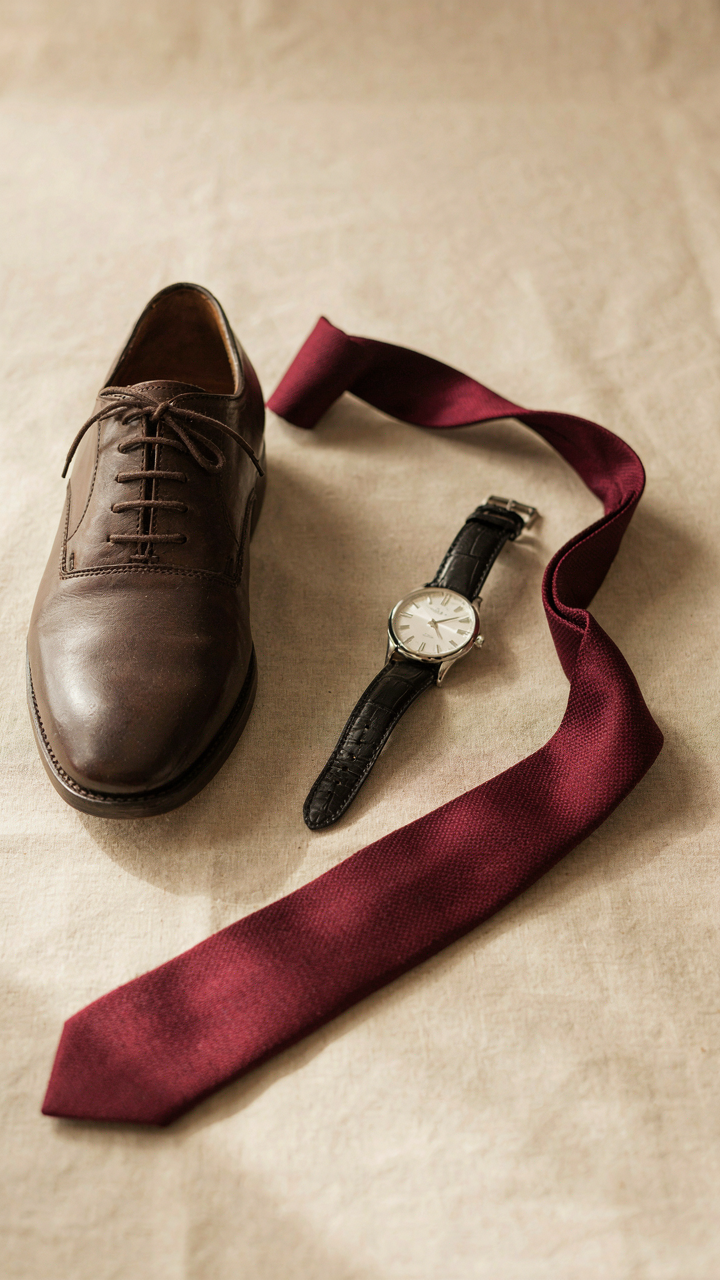
Accessories aren’t decoration—they’re the control system for formality levels. Think of them like volume dials on audio equipment: turn them up or down without replacing the base unit itself. A pocket square, cufflinks, or a specific tie raises formality instantly. Remove them and the same outfit drops two tiers.
This is why you need two or three versatile shoes. Leather oxfords work at formal events. Loafers bridge the gap between formal and smart casual. Knowing which shoe signals which code saves you from buying separate outfits. Your belt, watch, and shoes must match in tone or the entire system breaks. Keep your accessories minimal and intentional—they’re tools, not personality statements.
The Feedback Loop Of Fashion: Mastering Your Wedding Invitation Attire Guide
What People Actually Notice About Your Outfit
You care about this because you’re afraid of standing out wrong. The mechanism is simple: social feedback isn’t random noise—it’s data about whether your outfit choice matched the room’s actual norm, not the stated dress code. What guests compliment or ignore reveals the gap between the invitation’s words and what people actually wore. That gap is where most people fail.

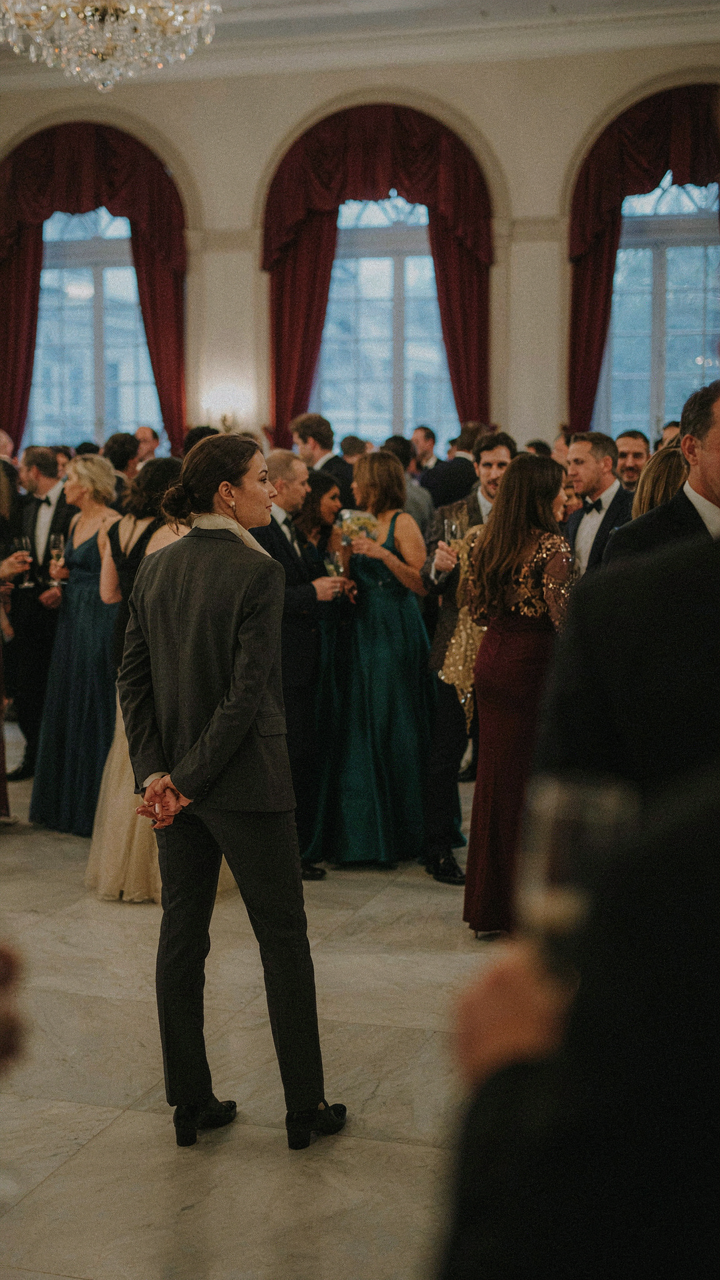
Every wedding has two dress codes. One is printed on cardstock. The other lives in what the first fifty guests chose to wear. You gather this second code by observing patterns—fabric weight, formality level, shoe type, jewelry density. Nobody discusses this. Hosts certainly won’t clarify it. You extract it by paying attention to what succeeded in similar contexts and what fell flat.
Refining Your Choices Through Real Results
The common advice says “dress for the formality level.” That’s incomplete. It ignores that feedback isn’t just compliments—it’s also the absence of eye contact, the way someone photographs you, whether the host seats you strategically or relegates you to a corner. These micro-signals tell you whether your read was accurate. Track them across multiple events. Build a personal dataset.
When you attend your next wedding, notice three things: which guests seem overdressed, which underdressed, and which invisible. Invisible is the goal. Then ask yourself one question: what specific garment choice made the difference? Was it sleeve length? Shoe material? Fit in the shoulders? Document the pattern. Your next invitation gets dressed by your last fifty observations, not by panic or imitation.
When “Dress Code” Is Just A Suggestion: The Art Of Strategic Disobedience

Know When The Rule Actually Binds
You want permission to ignore the dress code without looking like you don’t respect the couple. Here’s the mechanism: dress codes signal two things simultaneously—one about the event’s formality, one about the couple’s control over their image. Breaking the code only works when you preserve the first signal while rejecting the second. A casual outdoor wedding with “black tie optional” printed on the invite gives you room. A formal evening wedding with explicit dress code does not. The difference is whether the couple is curating an aesthetic or simply communicating logistics.
Ignore the common advice that says “dress codes are always flexible.” That’s wrong. Dress codes are flexible only when they signal flexibility themselves. “Black tie optional” means the couple built wiggle room into the plan. “Black tie” means they did not. A tuxedo rental costs money, but showing up in a blazer when the invite said tuxedo costs social capital you don’t get back. The mechanism is simple: deviation works only when the couple designed their dress code to allow it.
What Happens When You Deviate Anyway
Deviating from an explicit dress code creates a visibility problem. The couple’s attention diverts from the ceremony to your outfit. You become a micro-anomaly in their curated environment. Close family notices. The photographer notices. You’re not being judged harshly—you’re being noticed, which means the couple now holds information they didn’t plan to process. Dress code deviation at a formal wedding is equivalent to a background actor moving during a take. The action is small. The effect is disproportionate because everyone else followed the script.
The consequences scale with how tight the dress code is and how small the guest list is. A 300-person formal wedding where you skip the tie gets lost in the visual noise. A 50-person black-tie ceremony where you show up in business casual gets filed into the couple’s memory permanently. If you choose to deviate, do it with intention—know exactly why you’re breaking the protocol and accept that the couple will process your choice as information about your priorities. Then move on. Don’t apologize or explain. Your outfit choice was deliberate.
The Dress Code Isn’t About The Clothes; It’s About Your Understanding Of The Game
The couple wrote those words on your invitation because they’re communicating a social contract, not fashion advice. You either respect the boundary or you don’t. Before your next wedding, pull up that invitation and ask yourself what the dress code actually demands, then commit to it completely. The guests who understand this distinction are the ones people remember, and not because of their outfit.



