

What Does Cocktail Attire For A Wedding Actually Mean?
What Cocktail Attire Actually Is
You care about this because you’re afraid of looking wrong in front of people who matter. The real mechanism: cocktail attire exists because weddings need a dress code that sits between formal and casual, creating a social permission structure. It emerged in the 1920s when evening events needed less rigidity than black tie but more intentionality than street clothes. Cocktail attire signals you understand context and respect the event without performing excessive formality.
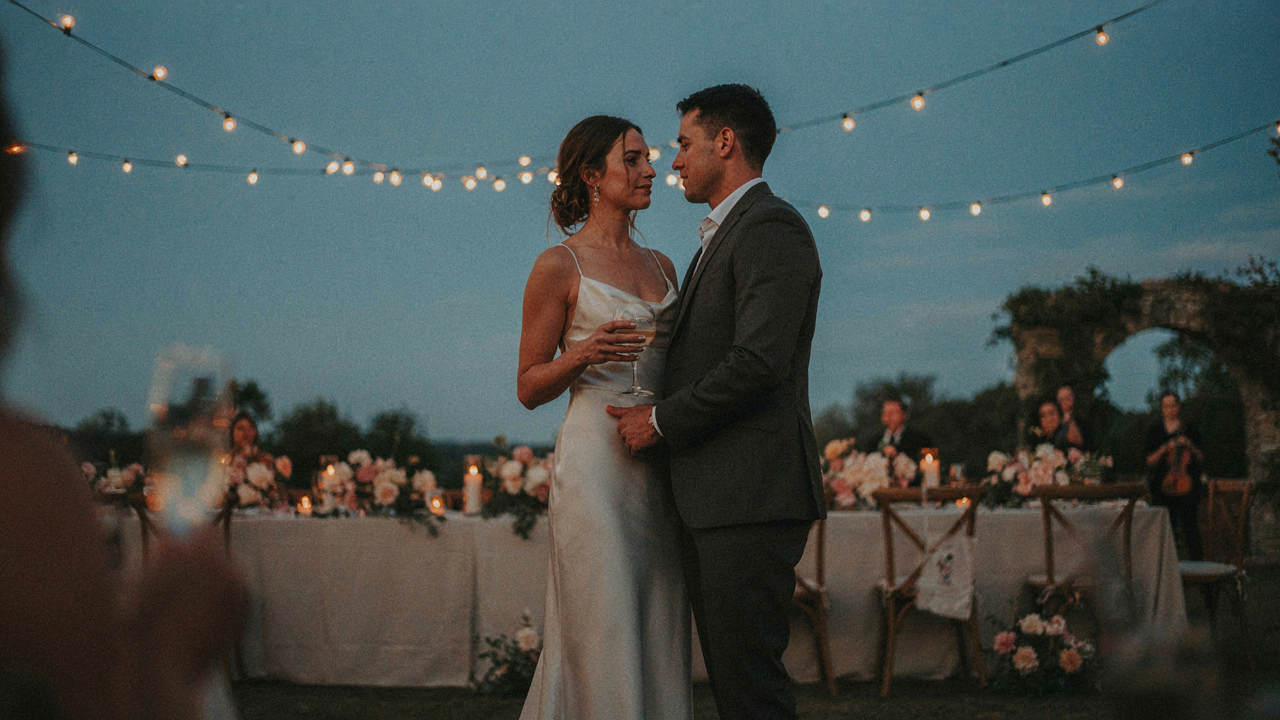
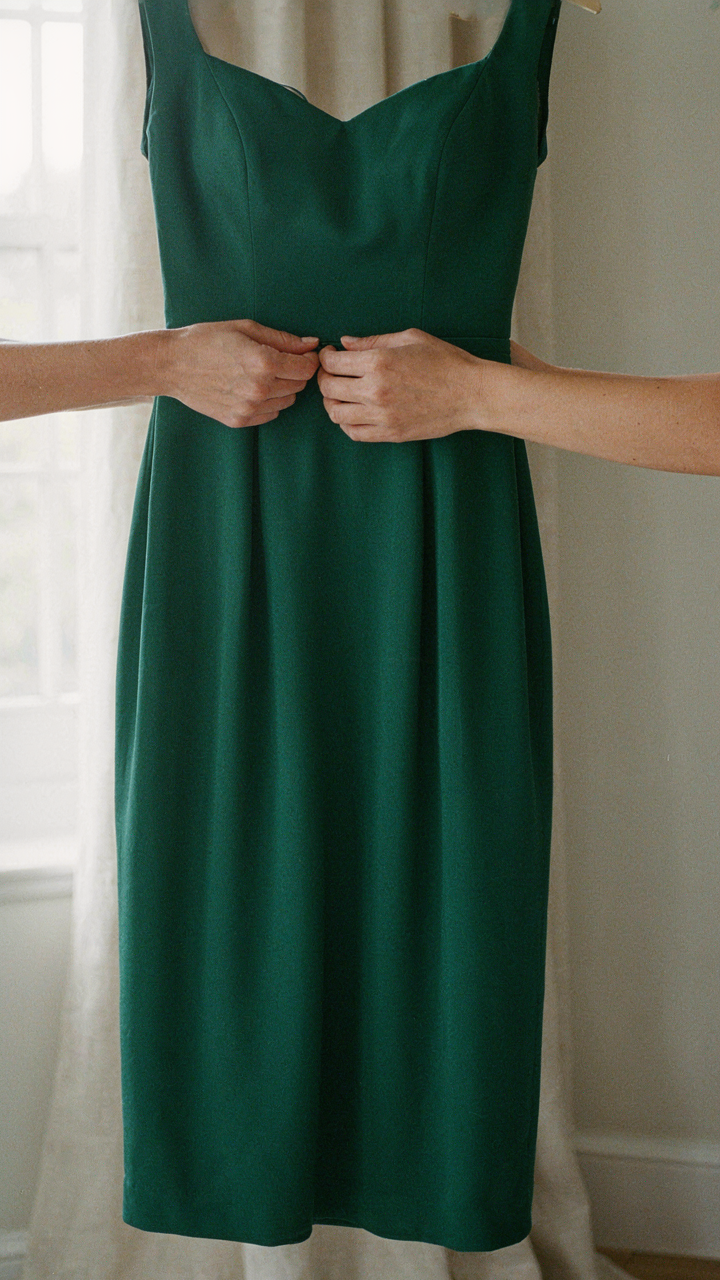
Cocktail attire means a knee-length dress for women, dress pants with a button-down shirt for men, and optional jackets. The dress code is event-specific, not a universal standard. Some weddings interpret it relaxed, others strict. The invitation sets the tone through word choice and timing. Late afternoon weddings typically run more casual than evening receptions. Your job is to read the specific wedding’s signals, not memorize a rulebook that doesn’t exist.
The Actual Status Game In Wedding Dress Codes
Using economic game theory, wedding dress codes function like price signals in a market: they communicate investment level and social positioning. The code tells you how much effort the couple expects from guests and what tier of formality the venue demands. Black tie signals maximum stakes and resources. Cocktail attire signals the couple wants polish without pretense. Casual signals either comfort or budget constraints. The unspoken hierarchy works like this: black tie at the top demands tuxedos and formal gowns; cocktail attire sits in the middle and requires intentional dressing but not rental gear; casual at the bottom permits everyday clothes styled with slight elevation.
Most wedding guests miss the real signal: the couple chose cocktail attire because they want you visibly present but not competing for attention. Wear something that shows you made a choice without announcing how much you spent. The mechanism is straightforward: pick something you own that fits well, coordinates intentionally, and looks pressed. Black tie requires conformity. Cocktail attire requires judgment. Show you have both by dressing better than you would for work but stopping before the formality pyramid’s peak.
The Cocktail Attire Wedding Code: A Deconstructed View
Where Formal Ends And Semi Formal Begins
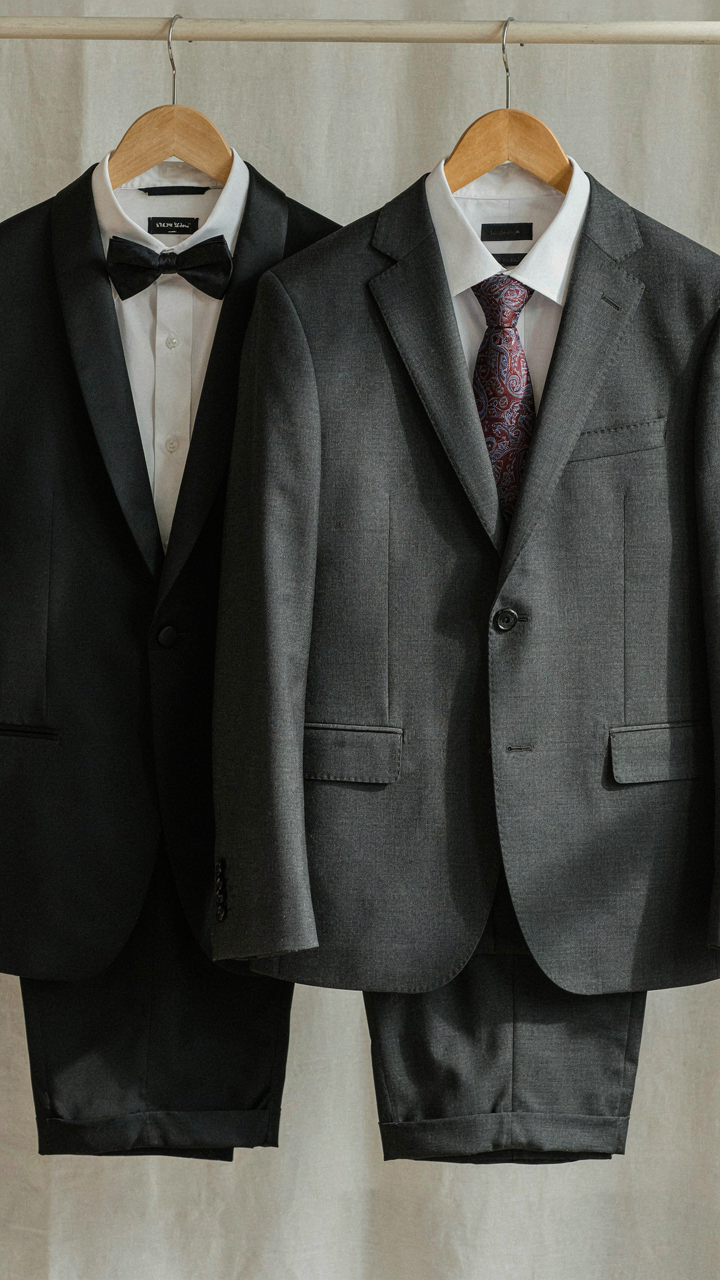
You care about this distinction because wearing the wrong one broadcasts something about your judgment to everyone in the room. The mechanism is simple: formal cocktail requires a tuxedo or tailcoat. Semi-formal cocktail accepts a dark business suit. Both use a tie. The difference is not aesthetic preference—it’s a rule encoded into dress codes for over a century. Formal cocktail signals black-tie adjacent events. Semi-formal cocktail signals the couple wanted elegance without the full rigidity of formal evening wear.

The gap between them matters tactically, not philosophically. A business suit at a formal cocktail wedding reads as underdressed. A tuxedo at a semi-formal cocktail wedding reads as either over-eager or confused about the invite. The invitation text should specify which one. If it says “cocktail attire” without qualification, assume semi-formal. If it says “black-tie cocktail” or “formal cocktail,” rent or wear the tuxedo. Most wedding invitations that say cocktail attire alone mean business suit territory, not tuxedo territory.
When Rules Matter And When They Don’t
The common advice here is generic: follow the dress code, be respectful, blend in. That’s incomplete. The real mechanism comes from economics—it’s a coordination problem. Everyone benefits when everyone shows up in roughly the right register. One severely underdressed guest doesn’t ruin the event. Fifty guests in the wrong category creates visual chaos that the photographer catches and the couple notices. Tradition serves a function: it solves the coordination problem without requiring negotiation.
Tradition hinders when the couple actually wants something different and fails to communicate it. If your wedding allows jeans with cocktail attire, say so explicitly. If cocktail attire means something regional or cultural that diverges from standard definitions, state that upfront. The default rule protects most guests from error. Deviation from the default requires clarity from the host. Assume the written dress code means what it says.
What Is Considered Cocktail Attire? The Investment Mindset
Wardrobe As An Asset, Not A Costume
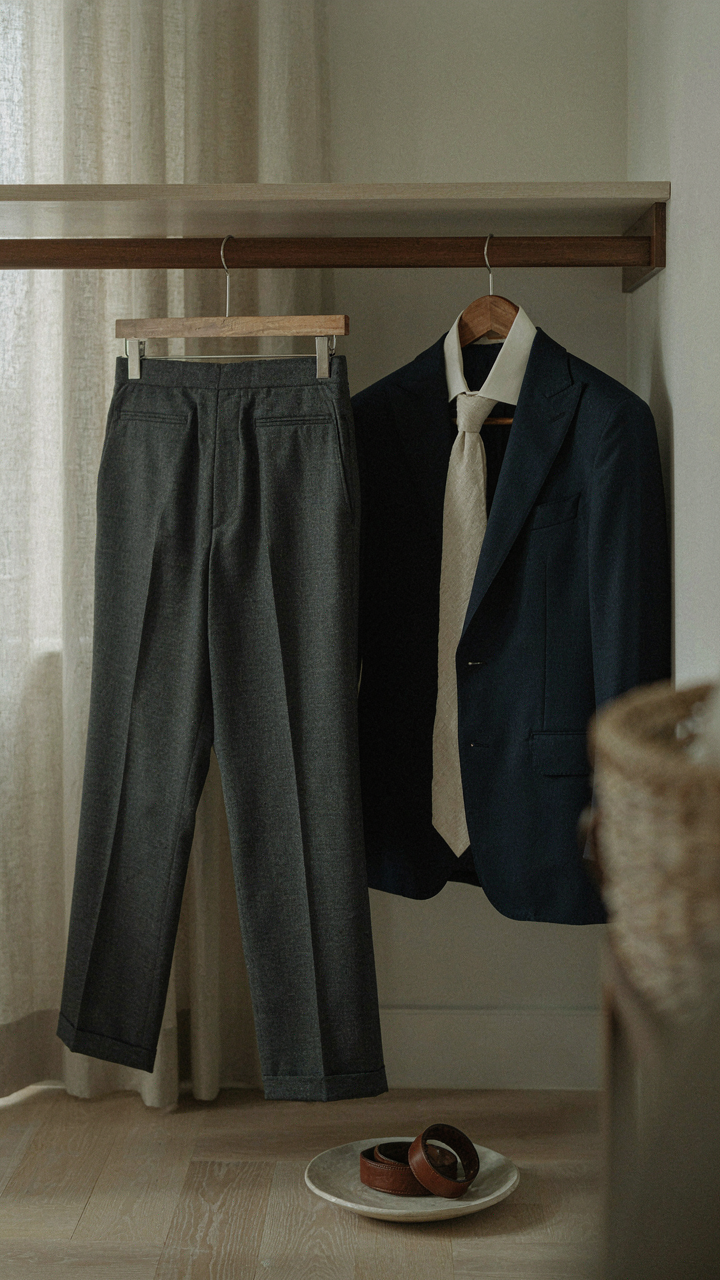
You want permission to spend money without feeling guilty about it. That’s the real question here. Economics calls this “capital allocation,” and your closet works the same way: you’re either buying throwaway pieces or building equity. Cocktail attire demands specificity because the dress code itself is a filter. A navy blazer worn to one wedding gets worn to ten more events over five years. A costume worn once sits in a closet. The mechanism is simple: restricted dress codes force you to buy pieces that work across multiple contexts, not just one night.

The difference between a guest and someone who understands dress codes is this: they buy pieces that solve multiple problems. A wool blend dress pants in charcoal works for cocktail weddings, rehearsal dinners, business events, and date nights. A silk tie in a neutral pattern does the same. You’re not buying for the wedding. You’re buying for the next fifteen events where cocktail attire appears on the invitation. This is how high-earners think about clothing. Every purchase must earn its place through repeated use.
Cost Per Wear Principle For Timeless Pieces
Most advice tells you to match colors or follow trend cycles. That’s wrong. A better frame: ask how many times you’ll wear this piece per year, then divide the cost by that number. A two hundred dollar blazer worn thirty times annually costs six dollars per wear. A one hundred dollar trendy shirt worn four times costs twenty five dollars per wear. Cocktail attire demands pieces built to last, not pieces built to trend. Natural fibers like wool, silk, and cotton hold their structure and appearance across years. Synthetic blends fade and pill faster, forcing replacement cycles that destroy the math.
Buy pieces in colors that already exist in your closet. Charcoal, navy, cream, black, and white are your anchors for cocktail events. A new piece only makes sense if it combines with what you own. One purchase should unlock three outfit combinations minimum. This is the protocol: before buying anything for cocktail attire, inventory what you have, identify the gaps, then buy only pieces that expand existing combinations. That discipline turns your closet into an asset.
The Fit First Protocol For Cocktail Wedding Dress Attire
Tailoring Trumps Everything Else
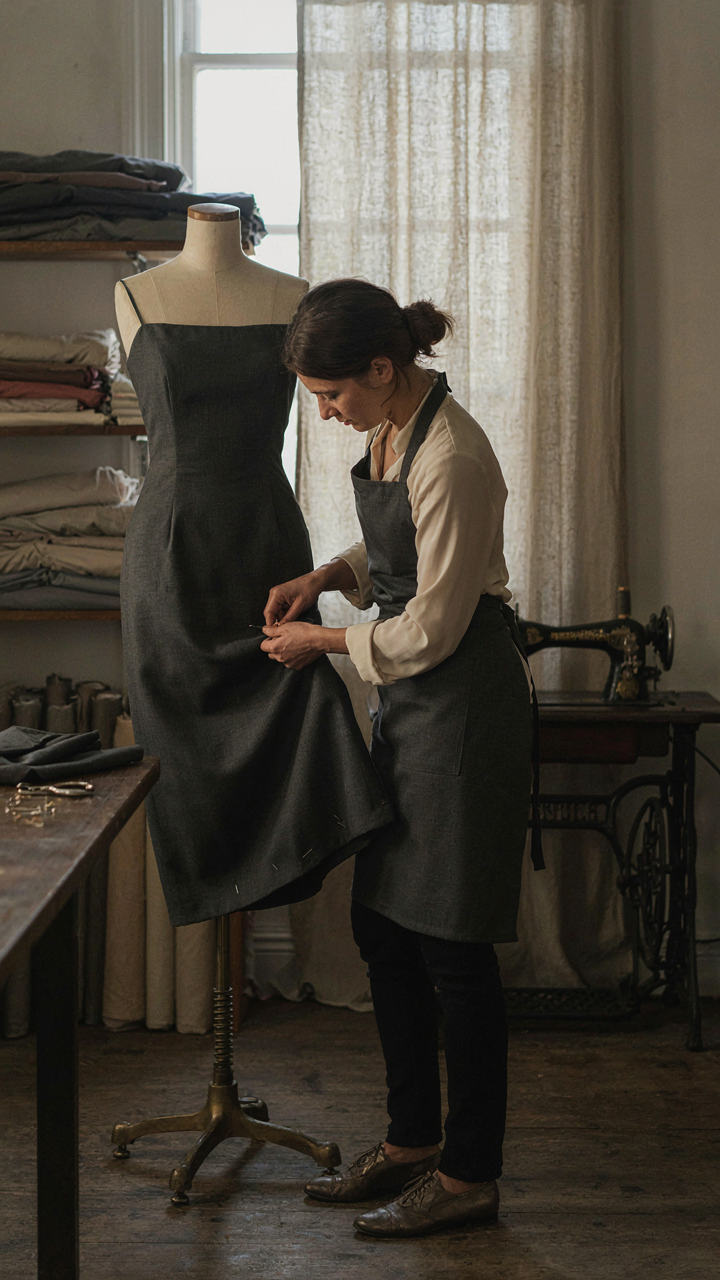
You want people to notice you looked intentional. The real mechanism is simple: tailoring creates the illusion that the clothes were made for your body instead of manufactured for a generic frame. Most people skip this step because it costs money and requires a second trip. They wear off-the-rack pieces that fit 70 percent right and wonder why they look like everyone else at the event.

A well-tailored cocktail dress or suit reads as expensive and deliberate even if you bought it on sale. The tailor adjusts sleeve length, waistband position, and hem to your actual proportions. This single move matters more than fabric quality, brand name, or trend alignment. A $90 dress tailored to fit beats a $400 dress that bunches at the shoulders every time.
The Work You Actually See Versus Hidden Work
People confuse visible effort with effective effort. Wearing a statement necklace, dramatic makeup, or a bold color reads as trying. The real work happens before you arrive: the garment fits your frame, the hem sits at the right angle on your leg, and the shoulders don’t pull when you move. Tailoring is invisible labor. Nobody comments on it. They just register that you look sharp.
The common advice says to focus on makeup and accessories to elevate a simple cocktail outfit. This is backwards. Start with a garment that actually fits your body. Then add accessories if you want. The fit creates the foundation. Everything else is optional. Most wedding guests won’t remember your earrings. They will register whether your clothes moved with you or against you.
What Does Cocktail Attire Look Like: Beyond The Dress
The Signal You’re Actually Sending With Your Accessories
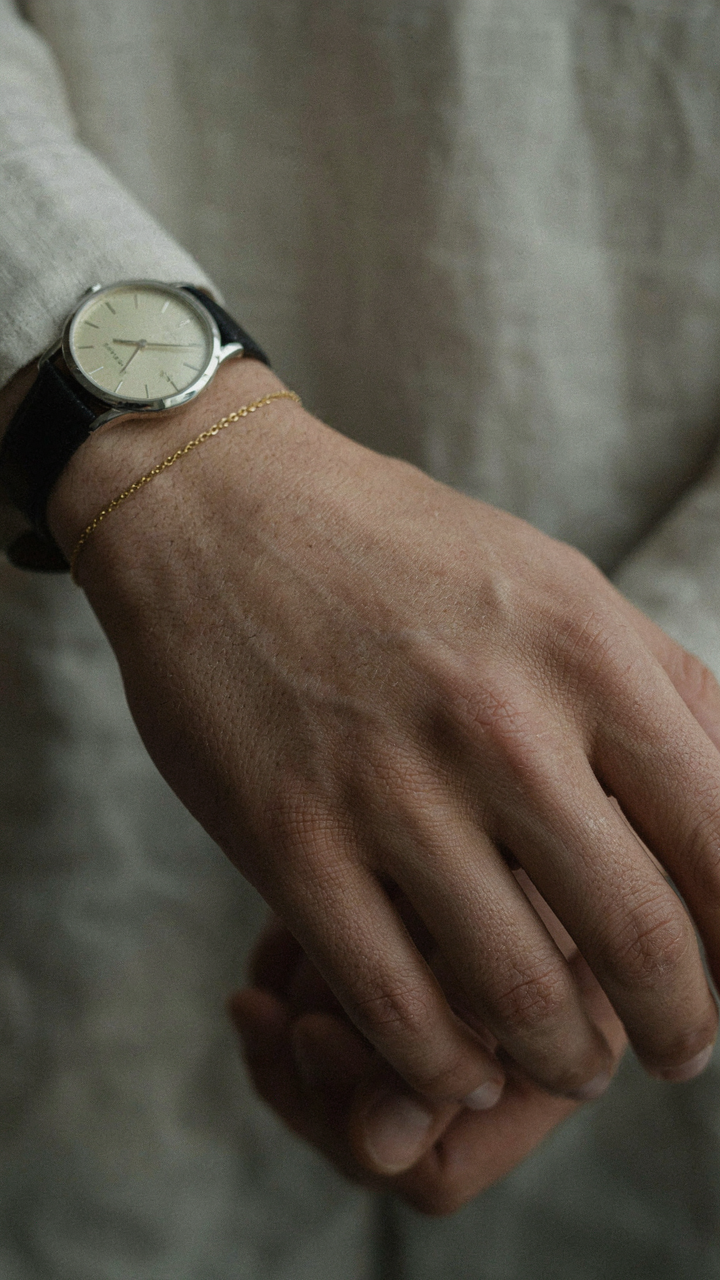
You care about this because you’re afraid of looking like you don’t belong. Accessories work like semaphore in military signaling: they’re the secondary channel that confirms or contradicts your primary message. A cocktail outfit without intentional accessories reads as incomplete, which is code for “didn’t plan ahead.” The mechanism is simple. People scan your accessories first—jewelry, watch, bag—to determine whether you invested thought into the outfit. This takes three seconds. They’re not evaluating taste. They’re checking if you took the event seriously enough to coordinate.

The rule everyone gets wrong is that cocktail accessories should be minimal. That’s dress code advice copied from formal wear. Cocktail actually demands more accessory presence than formal events because it’s less structured. You need jewelry to add definition. A statement bracelet or watch anchors your wrist. A necklace breaks up torso space. Earrings frame your face and signal intentionality. Skip these and you look like you grabbed the first thing that fit. Choose metals that match your watch or other jewelry. Consistency is the real signal. One coherent metal story beats scattered pieces every time.
Foundation And Fit Everything Else
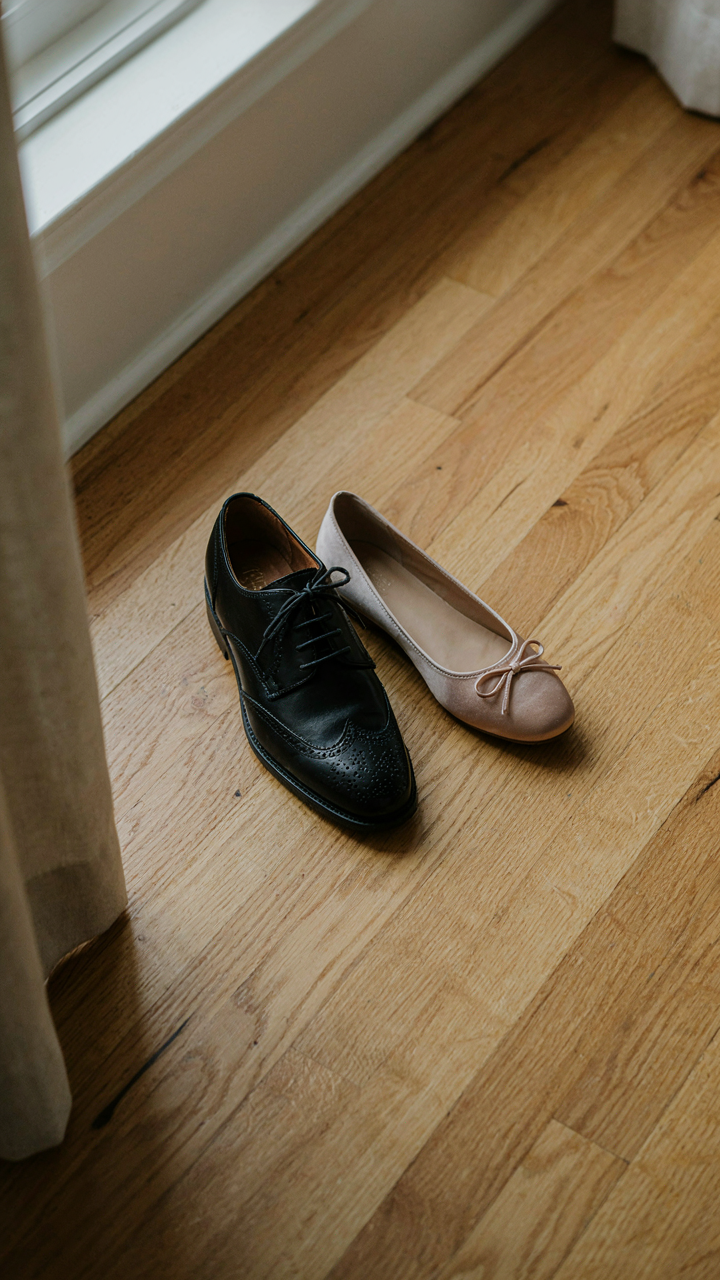
Shoes determine whether your entire outfit registers as intentional or accidental. The shoe is where cocktail attire gets concrete because fabric and fit become measurable. Heels (typically two to three and a half inches) or polished flats work for women. Men wear leather dress shoes: oxfords, loafers, or monk straps. The material matters more than the style. Scuffed shoes undermine a tailored dress. Pristine shoes elevate a basic one. This is not subjective. A scuff is visible evidence you didn’t prepare.
Cocktail footwear must clear a specific bar: it has to look intentional for an event, not practical for a Wednesday. This disqualifies sneakers, sandals, and anything primarily designed for comfort over presentation. Ballet flats work because they’re deliberately dressy despite being flat. Oxfords work because they signal formality. Wedges and dressy flats sit in the gap where you’re clearly trying. Your shoe choice directly controls whether people perceive your entire outfit as coherent or thrown together. Pick shoes that match your outfit’s formality level first, then ensure they’re clean and polished.
Cocktail Attire Wedding Examples: The 80/20 Rule
The Foundation Pieces Everyone Needs
You want examples because you’re afraid of getting it wrong and looking like you don’t belong. Here’s what actually matters: cocktail attire operates on signal economy. Like in economics, where a small input produces outsized output, you’re trading minimal effort for maximum correctness by nailing the base layer first.
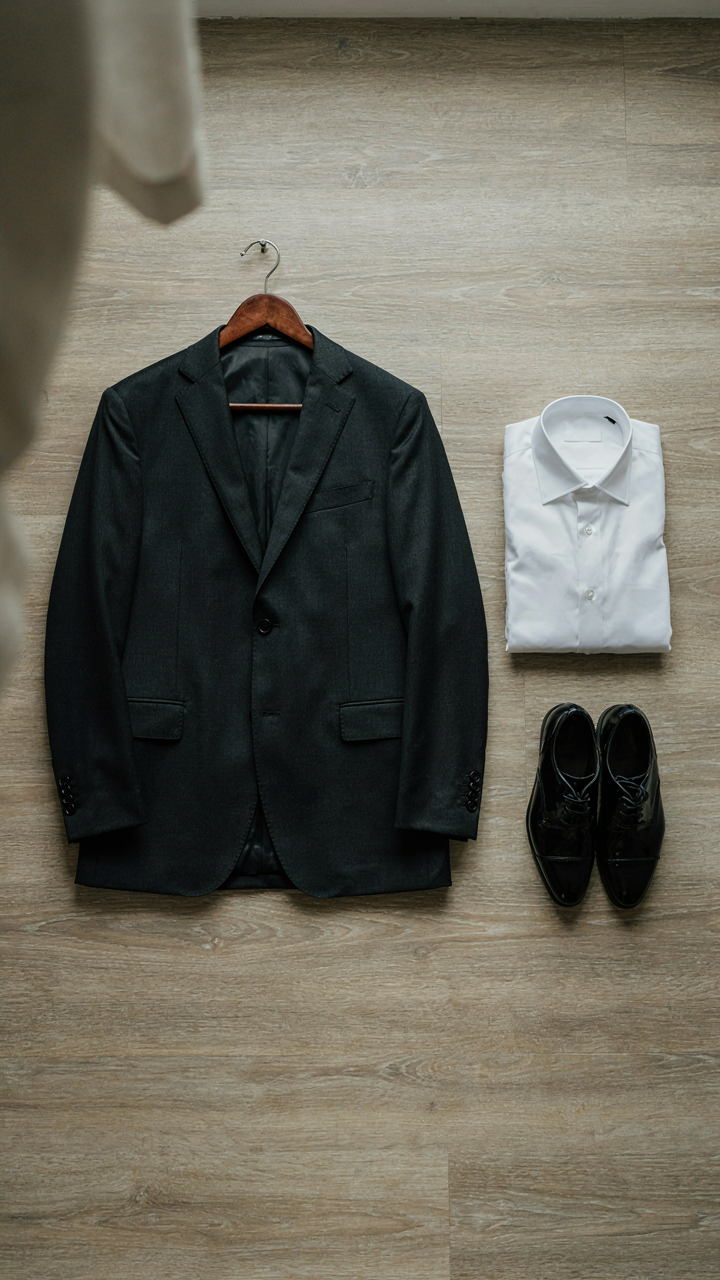
- Dark suit jacket with dress pants: The non-negotiable anchor. Charcoal or navy wool. Fits the shoulders clean. Works for any cocktail wedding regardless of season or venue formality.
- White or light blue dress shirt: Crisp cotton or cotton blend, long sleeves. Tuck it in. This is the contrast that makes the whole outfit read as intentional instead of accidental.
- Leather dress shoes in black or brown: Oxford or loafer. Polished, not scuffed. Dress shoes matter more than most people admit because they’re in your sight line all night.
- Optional tie or pocket square: A silk tie in a solid color or subtle pattern adds formality. A pocket square reads as deliberate without demanding a tie.
- Watch or minimal jewelry: One functional piece. A wristwatch works for men. For women, earrings or a bracelet, not both competing for attention.

These five pieces solve the problem. They work because they follow the actual code of cocktail dress: formal enough to show respect, loose enough to move and talk. You’re not trying to look like a groom or a waiter. You’re trying to look like someone who read the invitation and took it seriously.
The Mistake Isn’t What You Wear, It’s What You Believe About Basics
The common advice says “make it personal” and “add flair.” That’s incomplete. What actually separates correct from wrong is execution, not creativity. A well-fitted basic blazer beats a trendy jacket that pulls at the shoulders every time. Basic isn’t boring when the fit is tight and the fabric has weight.
Cocktail dress fails because people confuse understated with invisible. A navy suit with a white shirt that fits properly is not generic. It’s legible. At a wedding, legibility is the goal. You want guests to register that you dressed appropriately, not to scrutinize your outfit choices. The moment someone has to think about whether you’re dressed right, you’ve already lost. Execute the foundation flawlessly, then let your posture and movement do the personality work.
The Game Theory Of Wedding Cocktail Attire
What Your Outfit Actually Signals
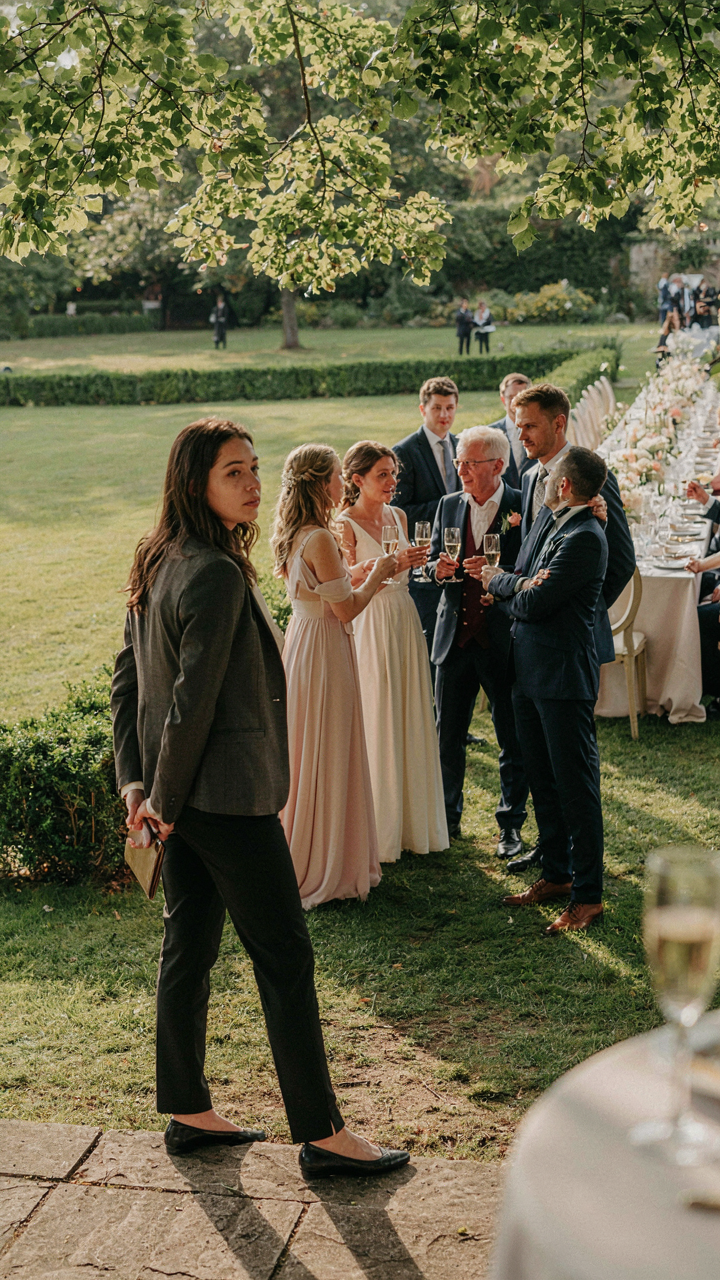
You’re worried about being judged. That’s the real reason you’re reading this. Economics calls this “signaling” – you broadcast information about yourself through choices before you open your mouth. Cocktail attire is a constrained signal. You can’t dress like you’re going to the beach or a black-tie gala. The boundaries exist precisely so guests can differentiate themselves within acceptable limits without breaking the social contract the couple established.

The mechanism is simple: cocktail attire says you respect the occasion enough to dress up, but not so much that you make it about you. You’re choosing restraint. That signals maturity and social awareness. Underdress and you communicate carelessness. Overdress and you signal either ignorance of the code or deliberate attention-seeking. Both create friction. The optimal zone is narrow, which is why this matters enough to research.
Reading The Room And Adjusting Accordingly
Common advice tells you to “dress for the time of day” and “follow the invitation.” That’s incomplete. You need to factor in venue type, geographic region, and guest demographics because those things reshape what cocktail attire means in that specific context. A cocktail wedding at a country club in the South operates under different unwritten rules than one in a Brooklyn loft. The couple signals their formality level through venue choice. You’re reading their bet about how formal things will actually be, then placing your own bet on whether they’re right.
Anticipate this: if you see the venue is upscale and traditional, lean formal. If it’s contemporary and casual, lean informal. If you’re genuinely uncertain, ask a friend who knows the couple or check if other guests post photos. The protocol is this: gather signal data first, choose your outfit position within the cocktail range second, then commit without second-guessing yourself at the event. Confidence in a well-chosen outfit matters more than perfection.
The Subtle Art Of Standing Out (Not Sticking Out)
Your Clothes Are Not About You
You’re worried people will judge you for dressing wrong. That fear is valid, but it’s also the exact thing that makes you dress conspicuously. The real mechanism here is signal alignment. In social settings, your job is not to be remembered for your outfit. Your job is to prove you understand the context. Cocktail attire is a dress code contract. Breaking it doesn’t make you interesting. It makes you the person who didn’t read the invitation.

The guests who vanish into the event seamlessly are the ones who dress within the established parameters and stop thinking about it. They chose appropriate pieces, confirmed the fit, and moved on. That restraint is what allows them to actually engage with people instead of managing perceptions of their appearance. Cocktail attire exists precisely to remove outfit anxiety from the equation. The second you violate the code, you become the outfit instead of the person wearing it.
The Line Between Personalized And Performative
Common advice says “let your personality show through your outfit.” This is incomplete. You can absolutely integrate personal style into cocktail attire without turning the event into a costume party. The distinction is between refinement and novelty. A well-fitted blazer in a classic color with an interesting pocket square is personalization. A novelty tie with cartoon characters is performance.
The constraint of cocktail attire is actually the framework that makes sophisticated personalization visible. Within the formal structure, small choices in fabric, fit, and finish become the legible signals of taste. Someone notices the quality of your shoes because everything else follows the dress code. Deviation from cocktail standards doesn’t expand your options for expression. It shrinks the credibility of whatever you’re trying to express. Choose pieces that feel authentic to you, then verify they sit inside the cocktail attire boundaries before you leave.
Cocktail Party Dress Code: Venue As A Variable
Read The Room Before You Dress It
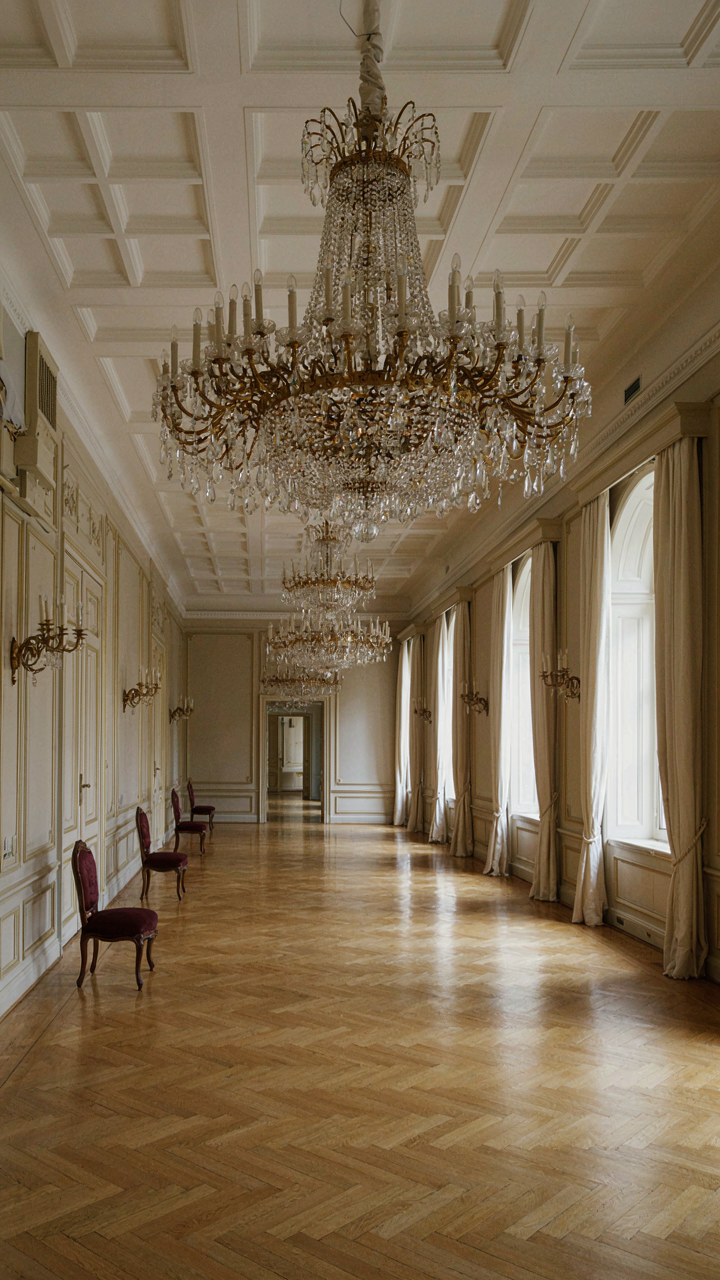
You’re anxious about standing out wrong, not right. That fear drives the real mechanism: venue dictates formality level because it controls the social friction cost. Think of formality as signal strength in information theory. A rooftop bar broadcasts casual. A country club broadcasts rigid. The venue isn’t a backdrop. It’s the constraint that determines what “cocktail attire” actually means in that specific moment. Ignore it and you’ve misread the code entirely.

The venue reveals expectations through materials, lighting, and staff presentation. Marble and chandeliers signal formal restraint. Exposed brick and dim mood lighting signal elevated casual. Staff uniform tells you the venue’s operating standard. Polished servers in white gloves mean tighter dress codes. Bartenders in rolled sleeves mean looser ones. Walk through the space mentally before deciding what to wear. The venue has already answered the question for you. You’re just learning to read it.
Outdoor Spaces Demand Different Physics
Outdoor venues change the equation because weather, daylight, and sightlines alter what reads as appropriate. Think of formality as a material property. Indoor formal wear holds its shape and signal. Outdoor casual wear must function against wind, temperature shifts, and shadow. A cocktail dress looks crisp in climate control. That same dress photographed at golden hour against trees looks overdone or vulnerable to elements. Outdoor venues typically read more casual because they’re working against natural variables. Your clothing must prove it can perform in open air.
Evening outdoor venues near water shift this calculation backward toward formality. A rooftop garden at dusk or a lakeside pavilion after sunset justifies fuller, more structured pieces. Daytime outdoor venues stay casual no matter the dress code label. Sunlight exposes details and movement patterns that formality actually hides. Footwear becomes critical outdoors: heels sink into grass, flats ground you better. Material weight matters. Lightweight fabrics get pushed by wind. Choose density that holds line and intention when exterior forces test it.
Wedding Cocktail Attire: The Long Term Play
Building Formal Foundations That Actually Work
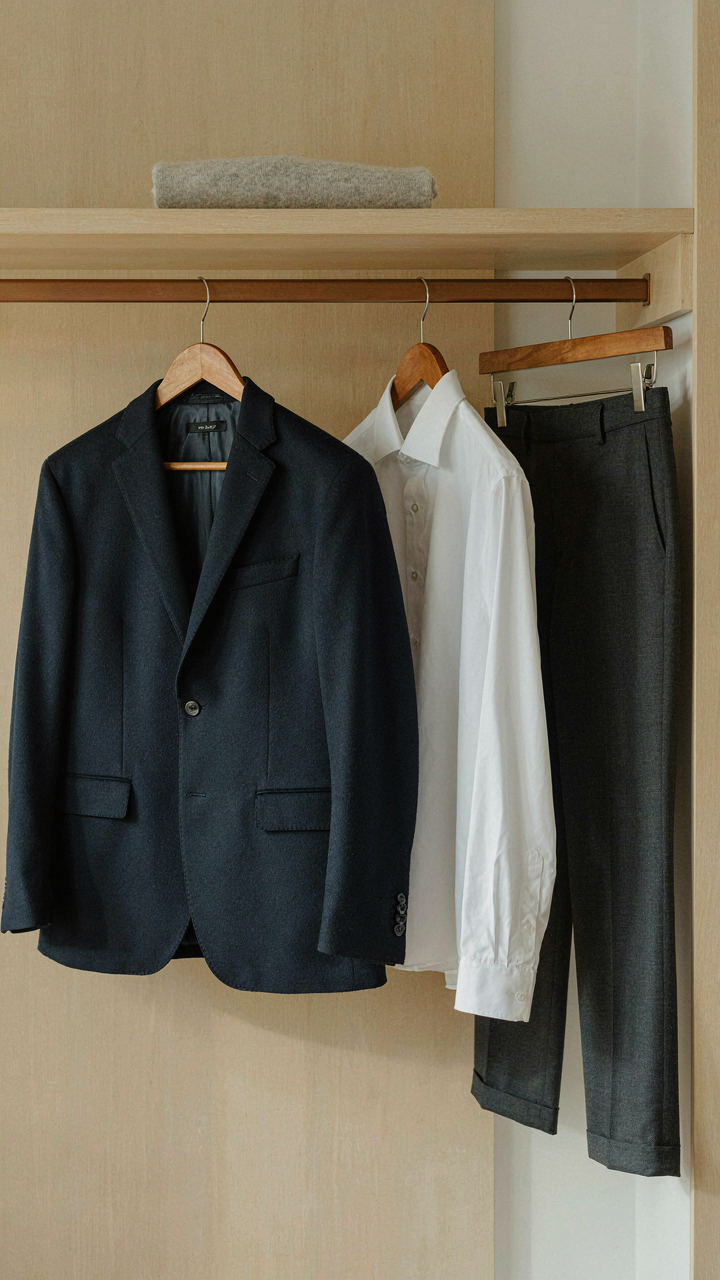
You want this section to justify spending real money on clothes you’ll wear maybe four times a year. Here’s what matters: cocktail attire demands pieces that function across multiple contexts, which means you’re not buying for one wedding. You’re building infrastructure. A navy blazer worn to a wedding works at a client dinner, a theater night, a funeral. That’s the mechanism. You’re not collecting event costumes. You’re constructing a system where each piece earns its cost through repeated deployment.
Start with the non-negotiables because they’re the load-bearing walls. A well-fitted navy or charcoal blazer in wool. A white dress shirt. Dark trousers with a straight hang. Black leather shoes that don’t flex or crease wrong. These don’t require trends to validate them. They work because the cuts match human proportions across decades. Don’t overthink fabric weight or lapel width yet. Get the silhouette right first. Everything else compounds from there.
The Compounding Returns Of Sartorial Consistency
This borrows from compound interest logic in finance: small consistent choices accumulate into disproportionate results. Each time you wear cocktail attire correctly, you’re not just showing up dressed. You’re training your eye for fit, learning what actually moves well on your body, understanding which colors work with your skin tone under different lighting. Most people skip this phase and wonder why they look flat in photos.
The hidden return is this: when you stop improvising and start building on proven pieces, getting dressed becomes friction-free. You know what works. You grab it. You spend zero mental energy on whether the fit is close enough. This frees your attention for the actual event. You’re present instead of paranoid about your collar. Repeat this protocol for three weddings minimum. Notice what gets reached for. Notice what sits unworn. Cut the unused pieces. Reinvest in more of what worked.
The Only Dress Code That Matters Is Your Own
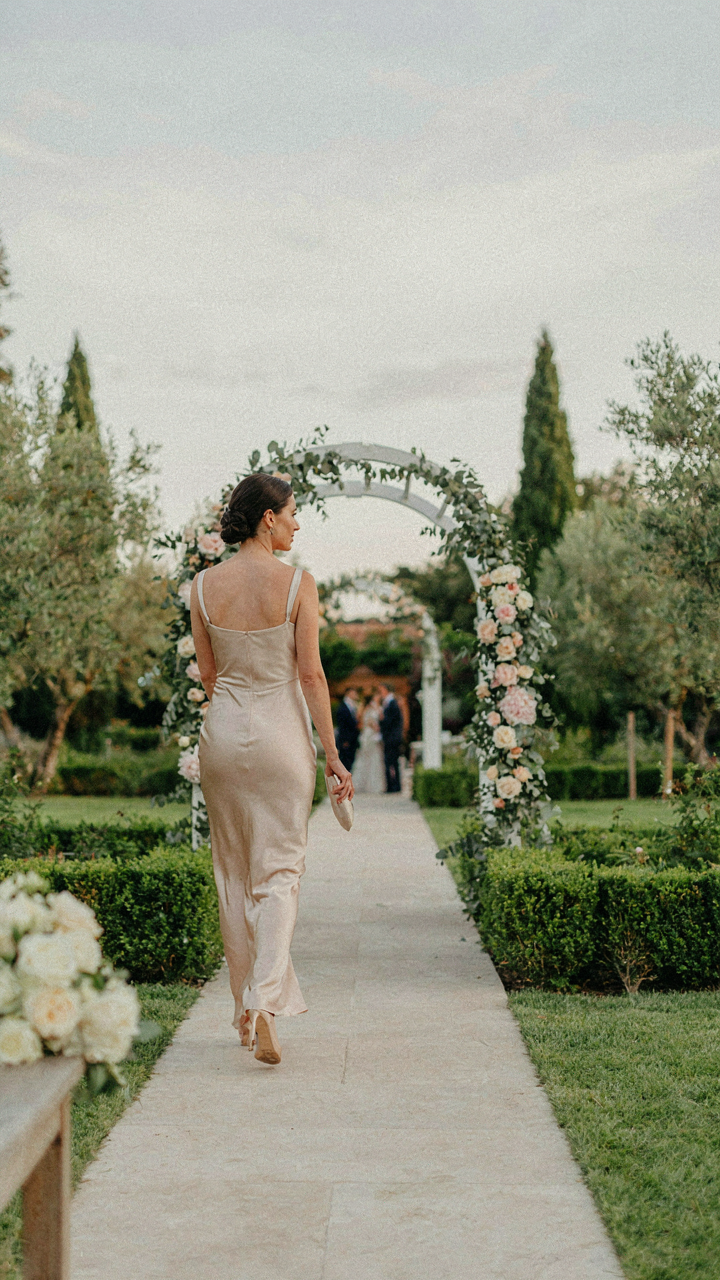
Stop treating cocktail attire like a rulebook handed down by fashion gods. The couple invited you because they want you there, not because they want you uncomfortable. Pick pieces that fit your body, let you move, and make you feel like yourself. Before you leave for the wedding, ask one question: would I wear this if nobody was watching? If the answer is no, change it. Confidence beats compliance every single time.