

The Illusion Of Choice: Why More Clothes Mean Less Freedom

The Weight Of Unnecessary Options
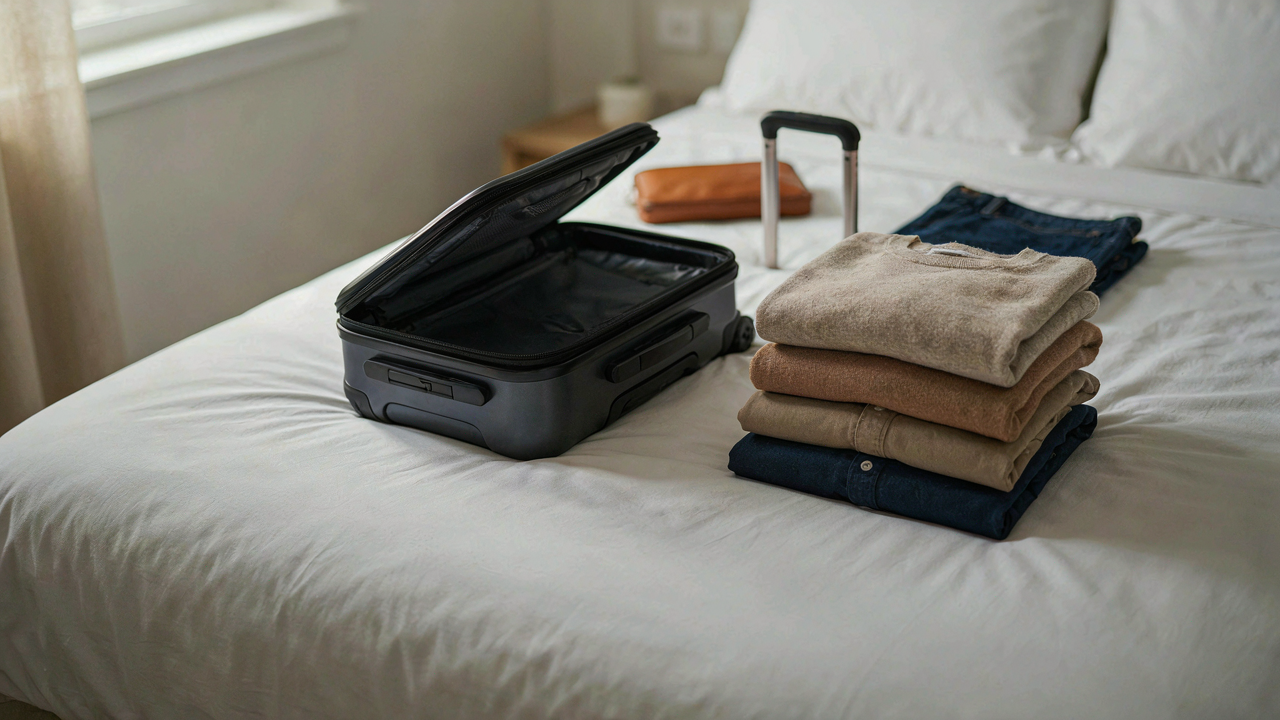
You pack extra because you’re afraid of looking unprepared. Here’s the mechanism: your brain treats each additional item as insurance against a specific social scenario. In economics, this is called the paradox of choice. Applied to a packing capsule, every extra piece of clothing you add reduces your actual decision-making speed during the trip. You stand in front of more options and freeze longer each morning.
Most people misunderstand overpacking as a safety net. It’s actually a friction engine. Each unused item creates cognitive load. Your brain catalogs it, wonders if you should wear it, then dismisses it. Repeat this fifty times across a week and you’ve spent hours on decisions that didn’t matter. A capsule eliminates this tax by design.
The Preparation Trap
You believe more planning means fewer problems. The opposite happens. Prepare for seven specific scenarios and trip number eight blindsides you anyway. The real advantage of constraint isn’t that it covers every case. It’s that it forces you to become adaptable on the spot.
A smaller capsule teaches you to layer, mix, and repurpose. You develop actual problem-solving skills instead of relying on a backup outfit for every mood. When you land with fewer options, you stop seeking permission from your clothes and start making decisions. Pack the minimum that covers three climate states and one formal context. Everything else is theater.
The 3x3x3 Travel Outfits Protocol: Your Operational Minimum
Core Kit Foundation
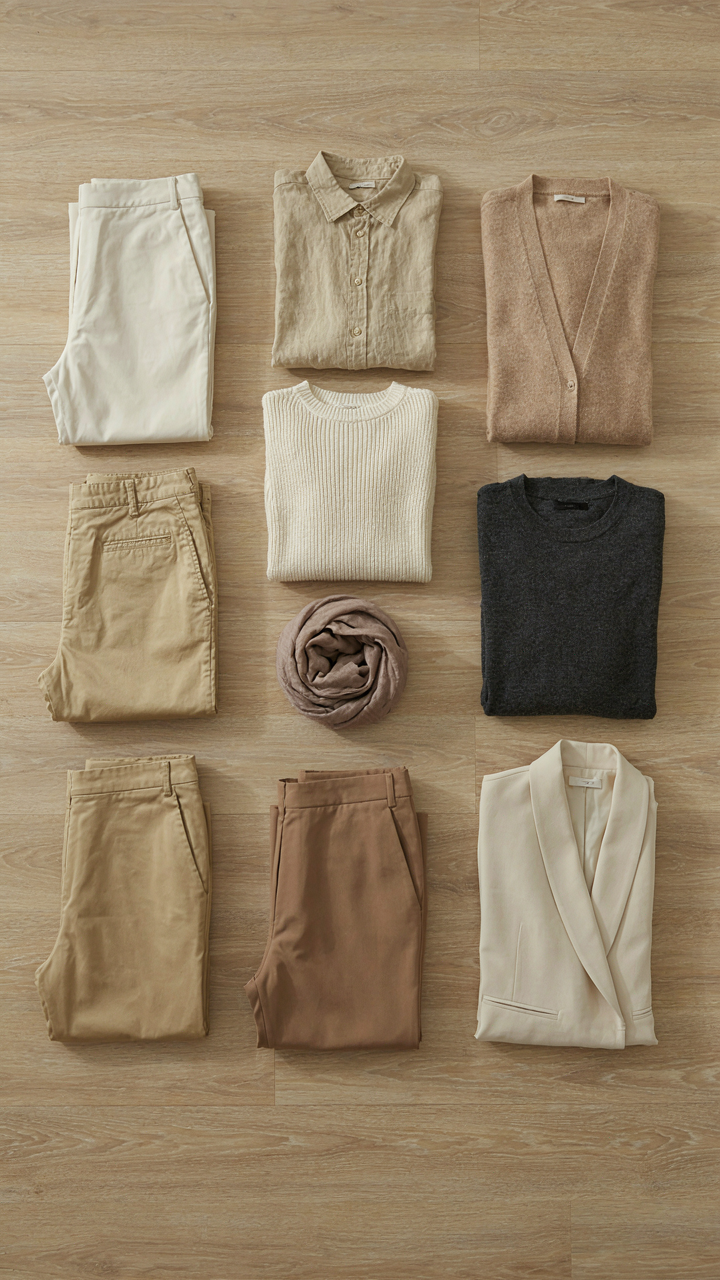
You want proof that you don’t need much. That’s the real reason you’re reading this. The mechanism is simple: most travelers pack based on fear of running out, not on what they actually wear. Three bottoms, three tops, three layers. That’s your operational minimum. Everything else is redundancy disguised as safety.

The 3x3x3 protocol comes from systems thinking in military logistics. The concept is “sufficient redundancy”—you have enough variation to handle multiple scenarios without waste. Each piece must work with at least two others. A neutral bottom pairs with three tops. A top layers under three jackets. No orphan items. No pieces that only work one way. Build outfits by intersection, not by item count.
Density Through Fabric Choice
Everyone says “mix and match.” That’s lazy advice. The real multiplier is fabric. A merino wool top regulates temperature, resists odor, and works across ten days without washing. A technical cotton blend bottom dries in four hours instead of twelve. Material choice determines how many outfit combinations you actually get from nine pieces. It’s the difference between three real outfits and nine theoretical ones that fail in reality.
Your goal is density of utility per ounce. Merino wool, technical blends, and performance synthetics aren’t luxury. They’re the operational requirement that makes a capsule functional. A heavy cotton shirt requires more pieces to replace it. A merino top replaces three. The math compounds. When every item earns its weight through multiple wearings and temperature ranges, you stop thinking about packing and start thinking about systems.
Minimalist Packing: Beyond The Hype, Into The Practical
The “Just In Case” Trap
You want permission to pack less because it sounds responsible and mature. The real mechanism at work here is probability bias: you overweight the likelihood of rare scenarios and underweight the cost of carrying dead weight for five days straight. Airlines lose bags at 0.7 per 1,000 passengers. You will not need that backup phone charger, the “emergency” outfit, or the three pairs of shoes.

The trap works because it masquerades as prudence. You pack a bulky item and tell yourself you’re prepared. What you’ve actually done is traded daily friction for theoretical safety. Every time you open your bag, you move past dead weight. Every time you change locations, you carry it. Rare scenarios don’t justify regular burden. Remove anything you haven’t used in the last three trips you took.
Moving Less Costs Less
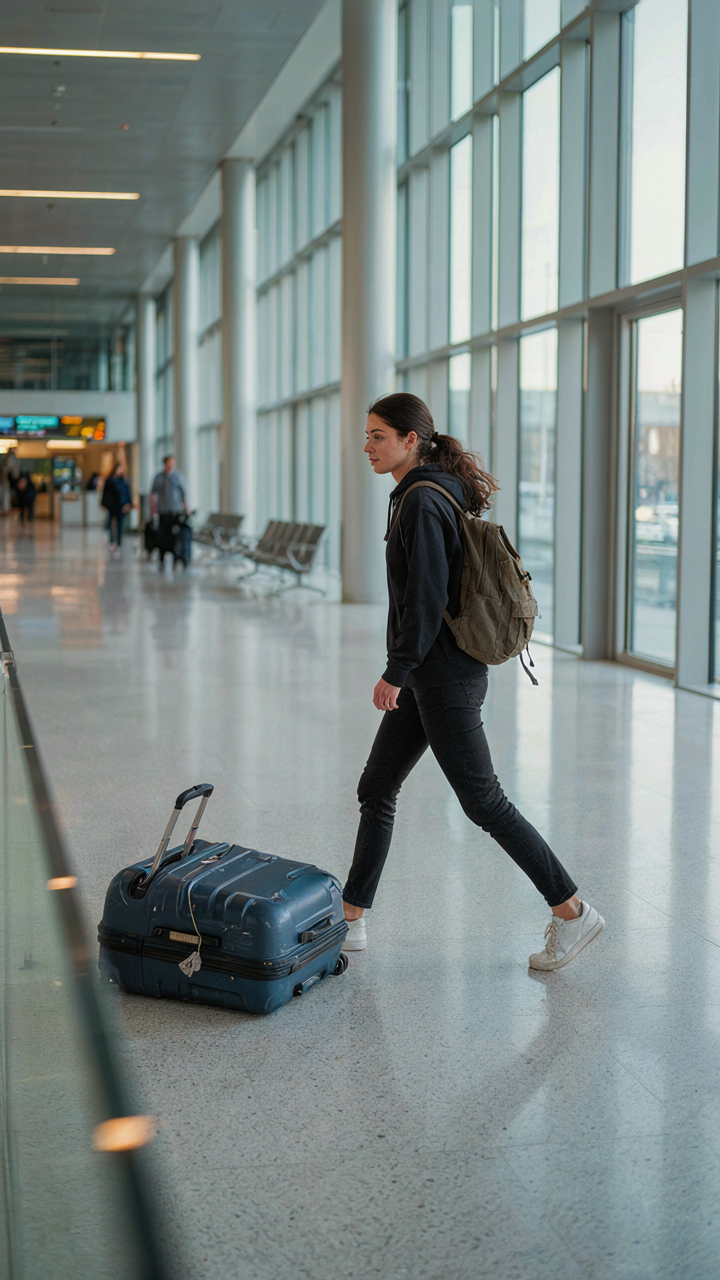
In logistics and supply chain theory, the concept of throughput velocity explains why moving fewer units faster outperforms moving more units slower. Apply this to your solo trip: less weight means faster transitions between locations, fewer items to track, and reduced mental load. You move through airports smoother. You change hotels without inventory anxiety. That’s not philosophy. That’s operational efficiency.
The real value isn’t aesthetic minimalism or Instagram aesthetics. It’s decision fatigue elimination. Fewer clothes means no outfit paralysis each morning. Fewer items means no “where did I put that” searches at 6 AM before your flight. You pack once, you know your inventory, you execute. This removes friction from your actual trip, freeing bandwidth for the experiences you flew across the world to have. Pack only what solves a real problem during your specific trip.
Carry On Packing: The Art Of Strategic Limitation
Space Is A Constraint That Forces Real Decisions
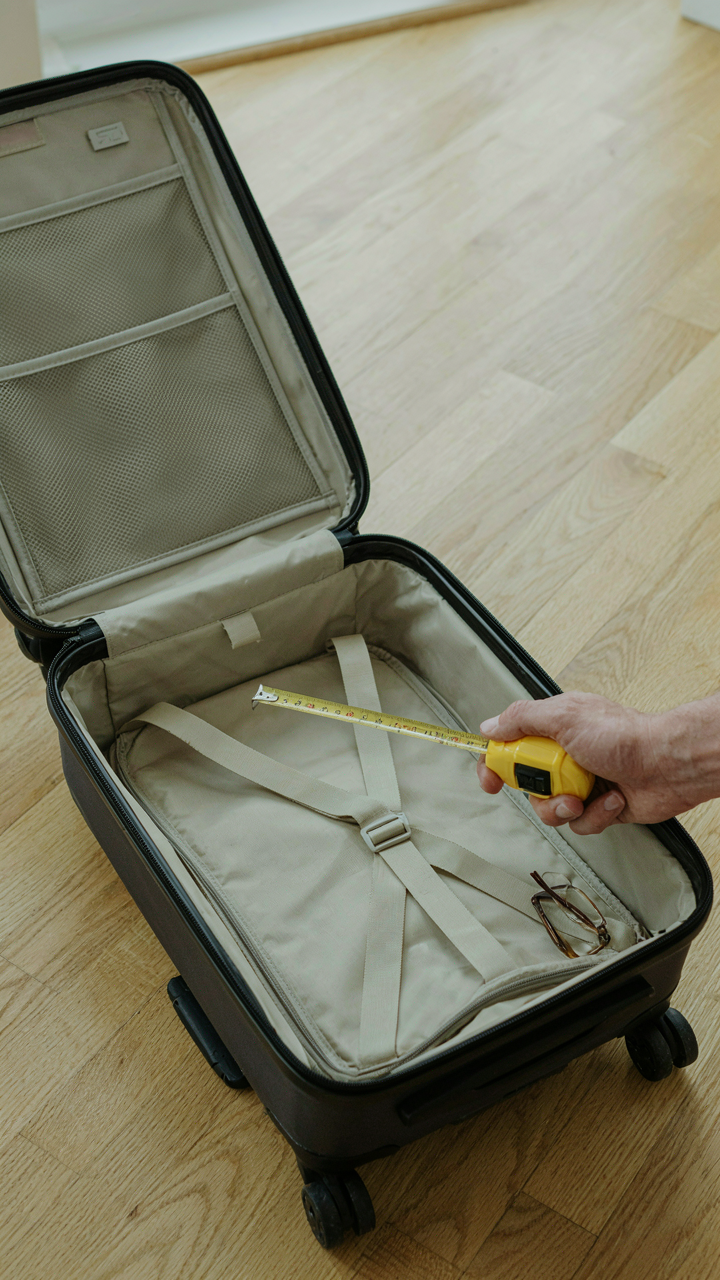
You want to pack light so you look competent and unburdened. That’s the real reason. But here’s what actually matters: carry-on packing uses the constraint model from industrial design. In design, constraint forces innovation. You don’t get creative with unlimited resources. A 22-inch roller and personal item mean you stop guessing and start choosing. Every item must justify its existence by function or by layering potential. This is the opposite of “take less stuff.” It’s take the right stuff because you literally cannot take wrong stuff.

The mechanism is volume accountability. Before you pack anything, measure your bag’s usable cubic inches. Subtract 20 percent for compression losses and structural padding. That number is your budget. Now every item competes for space based on density and utility. A 4-ounce merino wool shirt takes the same space as a 8-ounce cotton shirt but performs twice as hard. You stop buying based on what you like and start buying based on what fits your constraint. That shift makes everything else easier.
Function Over Form In Every Layer
The common advice here is balance your outfits. Wrong. You don’t build a capsule around outfits. You build it around functions. A solo trip capsule solves specific environmental and social problems: temperature shifts, moisture management, wrinkles, and context changes. Pick your functions first. If your trip spans three climate zones, temperature regulation becomes your primary function. If you’re moving daily, wrinkle resistance matters more than style matching. If you’re in transit 40 percent of the trip, water resistance trumps aesthetics.
Once you name the functions, the pieces select themselves. You need a moisture-wicking base because your body creates sweat in transit. You need a mid-layer that compresses because hotels vary in temperature. You need an outer layer that handles weather without bulk. A lightweight down jacket does three functions: insulation, compression, and packability. A single pair of versatile pants in a neutral color handles business meals, hiking, and everyday movement. The outfit variation problem disappears because every piece layers, not because every piece matches something specific. Your packing list becomes a functional system, not a fashion equation.
The Travel Capsule Wardrobe: An Economic Perspective
What You’re Really Afraid Of Losing
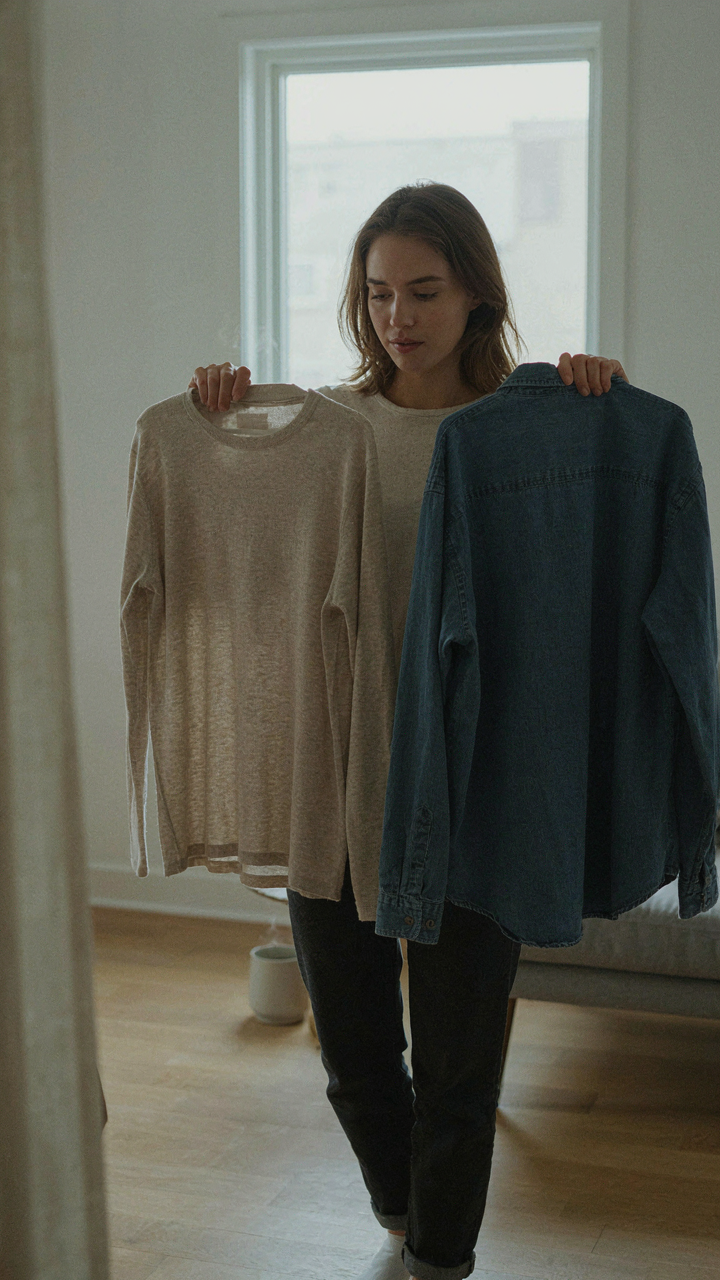
You want permission to pack less because you’re terrified of looking unprepared. That’s the real anxiety. But here’s the mechanism: economics calls this opportunity cost, and your packing capsule operates on it constantly. Every item you bring is a vote against something else. The shirt you pack is luggage weight you can’t use for flexibility, movement, or comfort. Most people ignore this tradeoff entirely and just add more.

The capsule forces a choice that most travelers avoid. You either pay in physical burden or pay in mental flexibility. A solo trip packing capsule makes that exchange visible. You can’t hide bad decisions in a 40-liter bag the way you can in a checked suitcase. The constraint isn’t a limitation; it’s a truth revealer. You stop packing for hypothetical scenarios and start packing for actual behavior.
Wear Frequency Determines Real Value
Every item in a capsule wardrobe has a return on investment measured in actual wears per trip, not in theoretical versatility. A base layer you wear five times across a week generates five times more value than a specialty piece you wear once for a photo. This isn’t sentiment; it’s accounting. Track what you actually put on your body and ignore what lives in the suitcase.
Most packing advice treats all garments equally. It doesn’t. A neutral long-sleeve shirt worn on day one, day three, and day five against different layers gives you three separate outfits from one item. A patterned piece with limited color overlap gives you one outfit. The difference is compounding return per unit of weight and space. Build your capsule backward: list your actual daily activities first, then select pieces that appear in multiple activity combinations, not pieces that feel useful in isolation.
Seasonal Strategy: Summer Packing Outfits & Beyond

Climate Variables Demand Specificity, Not Guessing
You want a packing list that works everywhere so you don’t have to think. That’s the trap. The real mechanism is this: climate variables aren’t obstacles to work around—they’re the actual constraints that determine what you pack. Ignoring them means carrying dead weight or arriving unprepared. Summer alone spans 40-degree temperature swings depending on altitude, latitude, and time of day. A beach town at sea level operates under different physics than a mountain region 8,000 feet up.
The common advice says “just layer.” That’s incomplete. You need to map your specific destination’s temperature range, humidity, and sun exposure first. Then build backward. A summer trip to the Mediterranean requires different base protection than summer in the Pacific Northwest. Research the average high and low for your dates. Check historical data, not just current forecasts. Then choose your capsule pieces to hit that specific range, not an imaginary “all summer” scenario. This eliminates guessing and reduces what you actually need to carry.
Layers Work When You Build Them Backwards
Layering isn’t about stacking random pieces. Military load-bearing systems teach us one principle: you build from the core outward based on the environment you’re entering. A solo trip packing capsule works the same way. You start with what touches your skin, then add shell pieces only when your destination demands them. Most people reverse this and pack everything, then wonder why they brought unnecessary weight.
- Base layer (moisture-wicking): Merino wool or synthetic fabric that moves sweat away from skin. Essential in warm, active conditions. Dries faster than cotton and regulates temperature shifts.
- Mid layer (insulation): Lightweight fleece or a thin wool sweater. You only pack this if your destination gets cold at night or you’re visiting higher elevations. Skip it for pure summer beach trips.
- Outer shell (wind and water protection): A packable rain jacket or windbreaker. Every summer trip needs this because weather changes and summer storms happen. Choose one that compresses small.
- Accessories (adjustment tools): A lightweight scarf or buff. Protects from sun, wind, and unexpected cold. Takes minimal pack space and solves multiple problems.
- Footwear options (ground contact): Sandals for warmth, closed shoes for cooler evenings or uneven terrain. Pick based on your specific itinerary, not general summer assumptions.
The key is matching each layer to real conditions you’ll face, not creating a theoretical buffer for every scenario. Pack your base layer for all summer trips. Add mid-layers only if temperatures drop below 60 degrees at your destination. Include a shell always. Then verify everything compresses or nests efficiently. This system keeps your capsule tight while staying functional across genuine seasonal variation.
The 4 Day Trip Outfits Blueprint: Short Term Mastery
Build Around One Anchor Piece
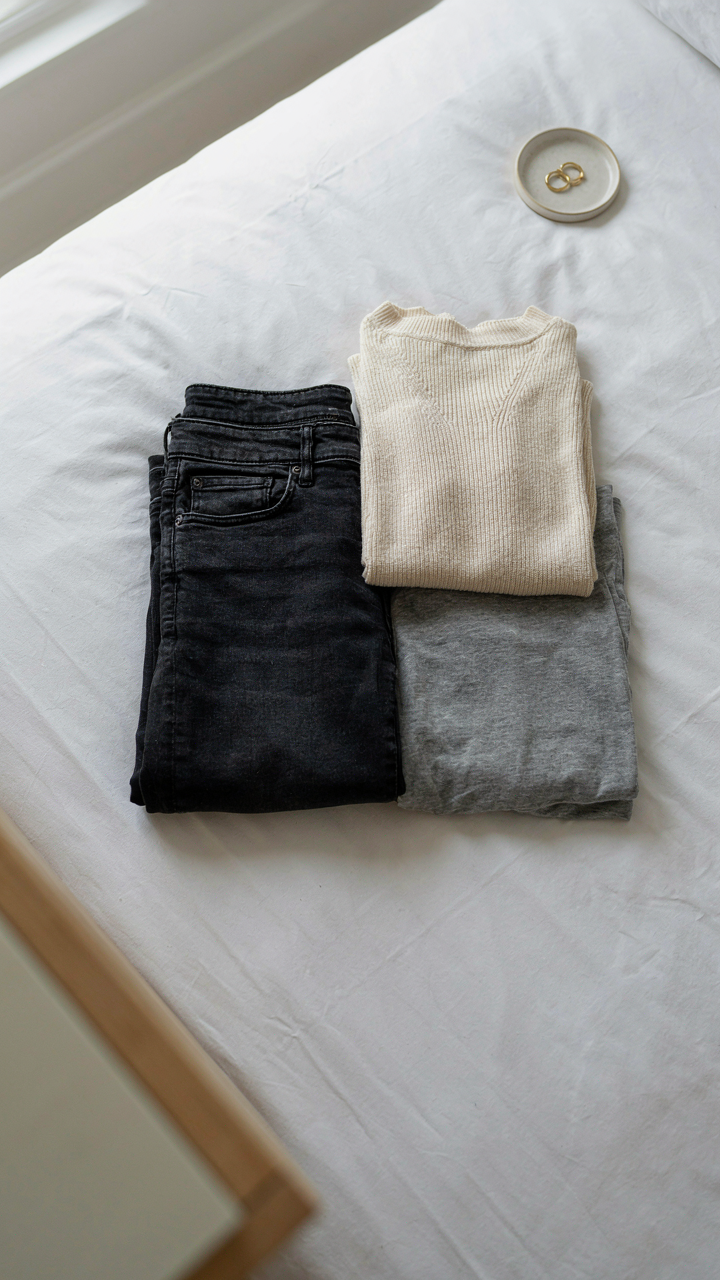
You want to feel like you packed smart. That’s the real reason you’re reading this. Here’s what actually works: treat your packing like inventory management in operations—you need a constraint that forces efficiency. Pick one anchor piece. Not a color palette. One physical garment that everything else orbits around. For most trips, this is dark jeans or neutral chinos. Everything you pack must layer with or complement it without negotiation.

This anchor solves the real problem people ignore. You don’t actually have outfit variety on a four-day trip. You have outfit repeatability with psychological distance. One anchor piece eliminates decision fatigue and creates the illusion of different outfits when you’re wearing the same bottoms three days running. The math is simple: two tops plus one anchor equals four different-looking days. Add a light layer and you’re done.
Laundry Resets Your Cycle
Most packing advice tells you to bring enough clothes for every day. That’s bloat. What actually happens on four-day trips is this: you shower on day two or three. That’s your reset point. Plan your outfit rotation around that laundry moment, not around arbitrary daily variety.
Day one and two use your first outfit set. You shower before day three. Now those first clothes wash and dry while you wear outfit set two. By day four, the first set is ready again and people won’t remember what you wore on day one anyway. This isn’t about being clever. It’s about matching your packing to the physical reality of how laundry works in hotels and Airbnbs. You need two complete outfit sets, not four.
Minimal Packing For A Week: The Sudoku Packing Method
Building An Interchangeability Matrix
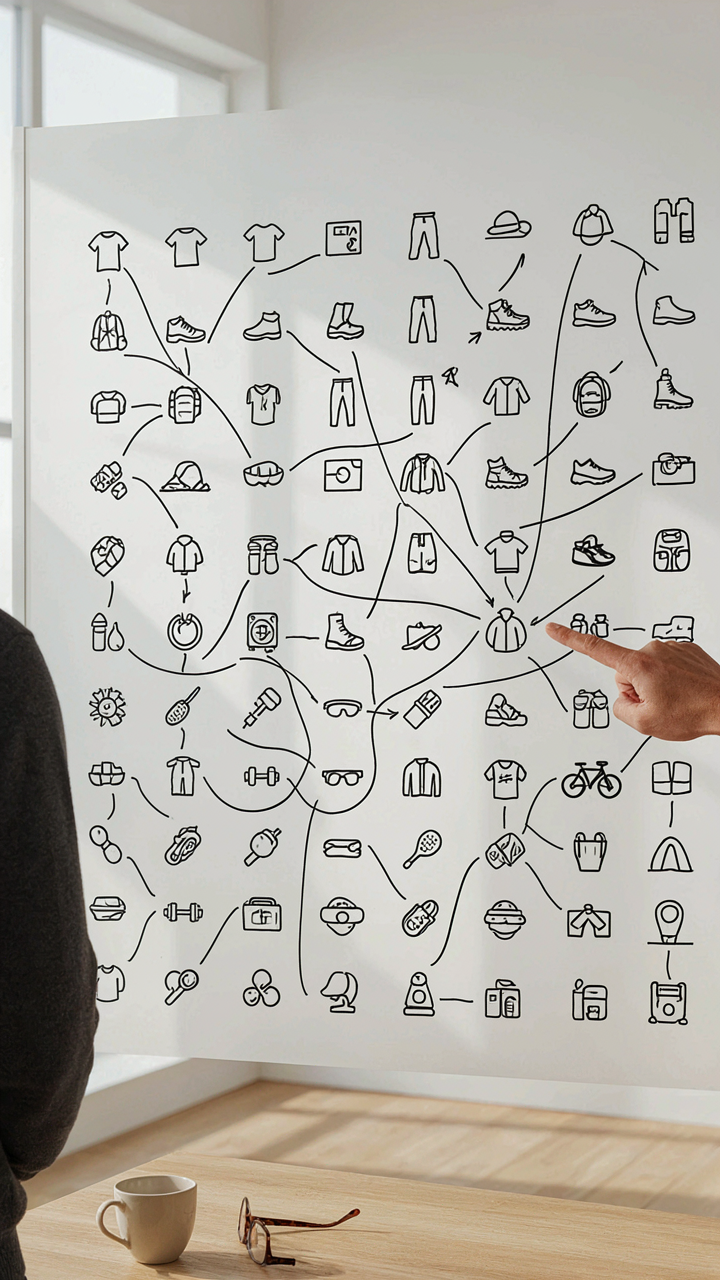
You want proof that seven days doesn’t require thirty pieces. What you’re really after is permission to travel light without looking unprepared. The mechanism is constraint-based design borrowed from systems engineering: each item must occupy multiple functional positions simultaneously. Think of your packing matrix like a circuit board where every component serves at least two purposes. A neutral linen shirt becomes both a layer under jackets and a standalone piece. Dark jeans work as day wear and sleep pants. The matrix isn’t about owning less. It’s about owning items that refuse to stay in one category.

Start by listing every activity you’ll actually do on the trip. Not what you might do. What you will do. Then list every climate state you’ll experience. Now reverse engineer: which single items satisfy the intersection of those two lists? A merino wool base layer handles morning runs in cool weather and serves as sleepwear in warmer climates. That’s one item blocking two rows in your matrix. Build the entire capsule by filling only intersections where items pull their weight across categories. You’ll hit seven days with roughly eight to ten pieces because nothing sits idle.
Stripping Redundancies Before They Start
Most packing advice says “pack versatile pieces” and stops there. That’s incomplete. The real work happens upstream by identifying which activities and climate states you’ve invented rather than confirmed. You’re bringing a formal dinner outfit for a solo trip to Southeast Asia. You’re packing a gym shirt because you think you’ll work out despite never doing it at home. These aren’t versatility problems. They’re honesty problems.
Systematically eliminate redundancies by applying a simple rule: one piece per function, one function per piece, with exceptions only for layering. You don’t need neutral pants and neutral shorts if your trip stays below eighty degrees. You don’t need two jackets of different weights if the temperature range is narrow. Each redundancy you remove isn’t a sacrifice. It’s a decision to stop paying baggage fees for insurance against hypothetical scenarios. After stripping confirmed redundancies, you layer defensively: one base, one mid, one shell. That covers every climate within reason and fills your matrix without waste.
Beyond The Bag: The Mental Freedom Of Less

Your Brain Stops Working When It Tracks Too Many Objects
You want to believe packing less makes you feel good. The real mechanism is neurological. Cognitive psychology calls this decision fatigue, but for your packing capsule it works like memory bandwidth. Every item in your bag demands micro-decisions: wear this or that, bring this backup or not. Each decision consumes glucose and attention. Strip the bag down and you eliminate the background noise that erodes focus during travel.

A tight capsule forces constraint-based thinking. You stop asking “what if I need this” and start asking “what solves the actual problem.” This isn’t motivation or discipline. It’s removing the tax on your working memory so your brain has cycles left for navigation, conversation, and noticing the place you traveled to see. The packing capsule isn’t about minimalism as a virtue. It’s about cognitive efficiency as a tool.
Where Your Attention Actually Goes
The gap between what you packed and what you used reveals everything. Most travelers experience this disconnect without naming it: you bring eight options and wear three, carry backup solutions that solve problems that never arrive. This misdirection of attention is the cost of overpacking. Your mind splits between managing inventory and experiencing the environment.
A capsule forces different behavior. You stop managing and start living. You notice the light differently when you aren’t mentally cataloging what’s in your bag. You engage with locals, with meals, with the actual texture of being somewhere else because no part of your cognition is devoted to logistics. This isn’t transcendence. It’s basic attention allocation. Fewer objects mean attention can migrate from management to presence, from preparation to perception.
Your Overpacked Bag Isn’t A Safety Net; It’s An Anchor. Cut The Cord
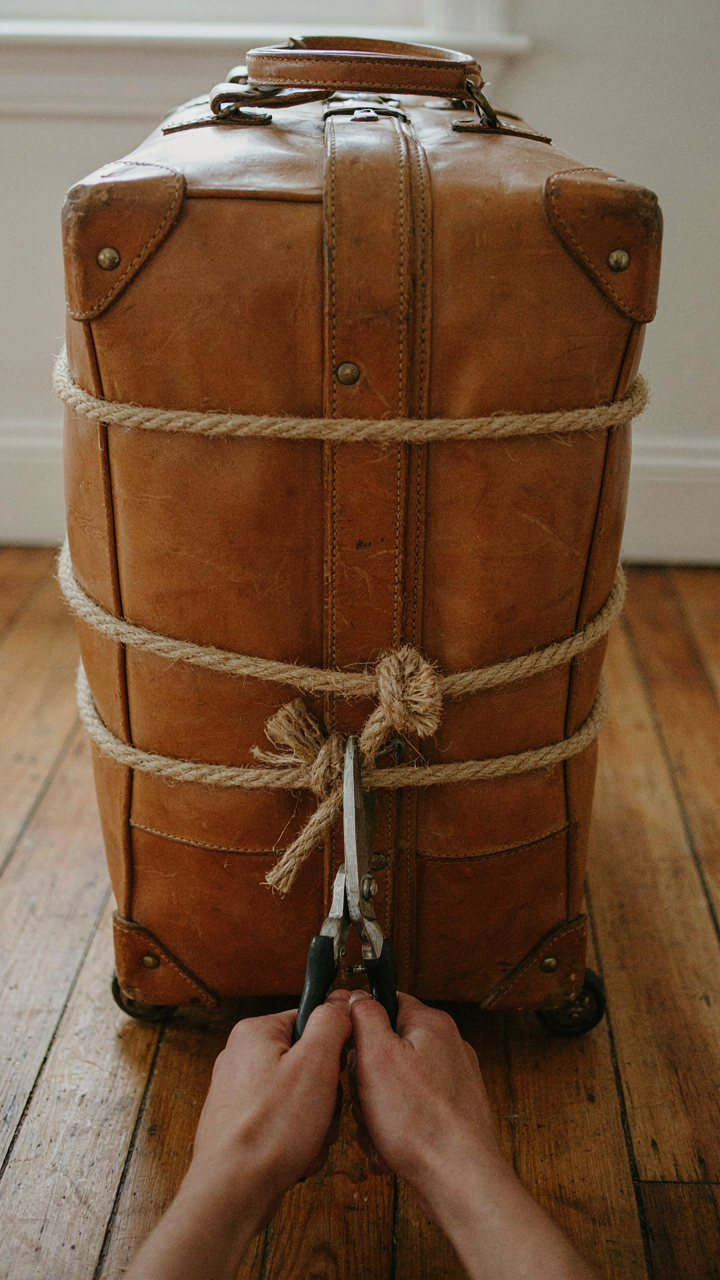
Most travelers pack like they’re preparing for apocalypse. Extra shoes, backup outfits, just-in-case items that never get used. You’re not protecting yourself. You’re hiding from uncertainty. A real packing capsule forces you to trust your judgment and move faster than your anxiety. Pull out half of what you think you need right now. Lay it on the bed. Ask yourself honestly: would I buy this again if I lost it? If the answer is no, it stays home. Travel light, or don’t travel at all.