


The Minimalist Fallacy: Why Less Isn’t Always More
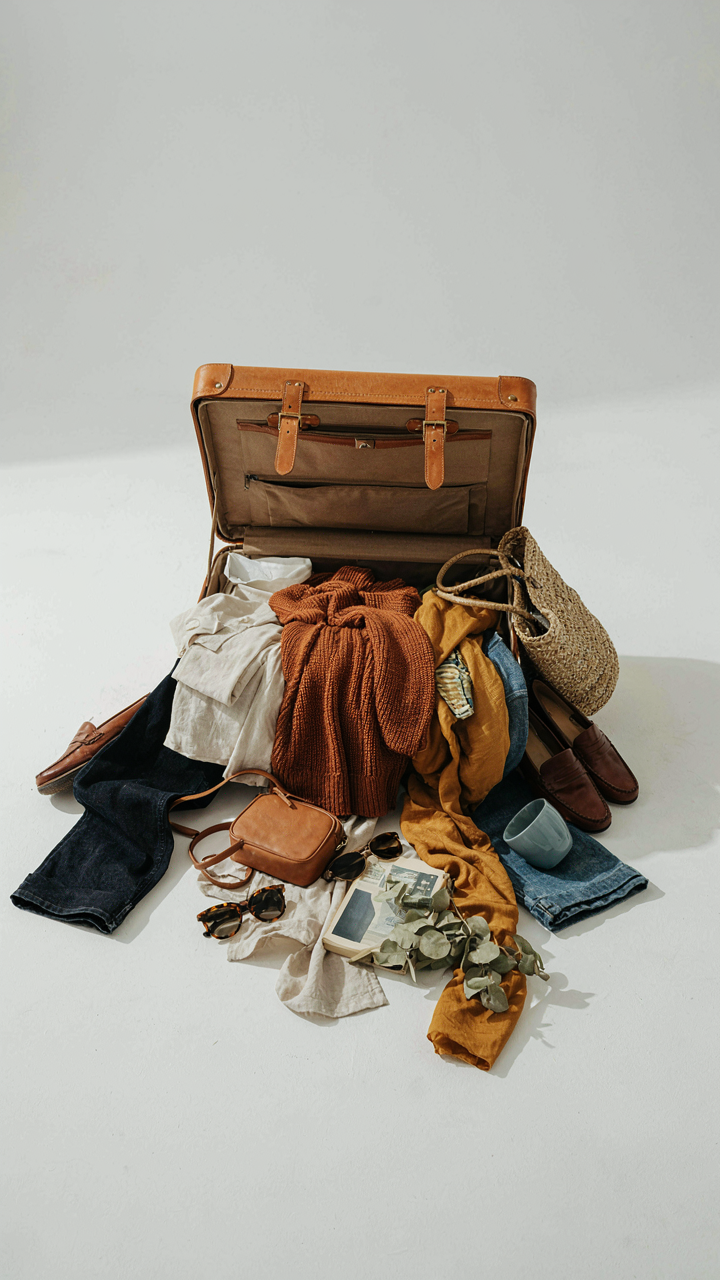
Minimalism As Status Signal, Not Strategy
You want people to know you can travel light because it signals discipline and sophistication. Here’s the mechanism: minimalism operates like a supply chain. In economics, just-in-time inventory cuts costs by eliminating buffer stock. You’re applying this to clothing, but you lack the data systems that manufacturers use. One delayed wash, one weather miscalculation, one social event, and your system collapses.
The minimalist travel narrative sells because it sounds smart. Marie Kondo made sparking joy a personality trait. But two weeks is long enough to reveal what happens when you optimize for image instead of function. You’ll rewear items faster than they dry. You’ll avoid activities because your outfit limitations won’t allow them. You’ll make worse decisions because you’re managing scarcity instead of managing your trip.
The Real Cost Of Under Packing
Most packing advice says to lay out everything, then remove half. That’s backward. Start with function, not fashion. You need redundancy built in because laundry service fails, weather changes, and you’ll do things you didn’t plan for. A two-week trip isn’t a three-day minimalism photo shoot.
Under-packing forces trade-offs that waste more than space saves. You skip workouts because gym clothes aren’t in your bag. You decline dinner invitations because you’ve worn your one nice shirt twice. You overpay for laundry service because you miscalculated drying time. You buy items you didn’t need because what you brought didn’t work. The hidden cost isn’t pounds or liters. It’s decision fatigue, missed experiences, and money spent fixing what you should have planned for initially. Pack deliberately, not defiantly.
The Redundancy Protocol: Engineering For Unpredictability
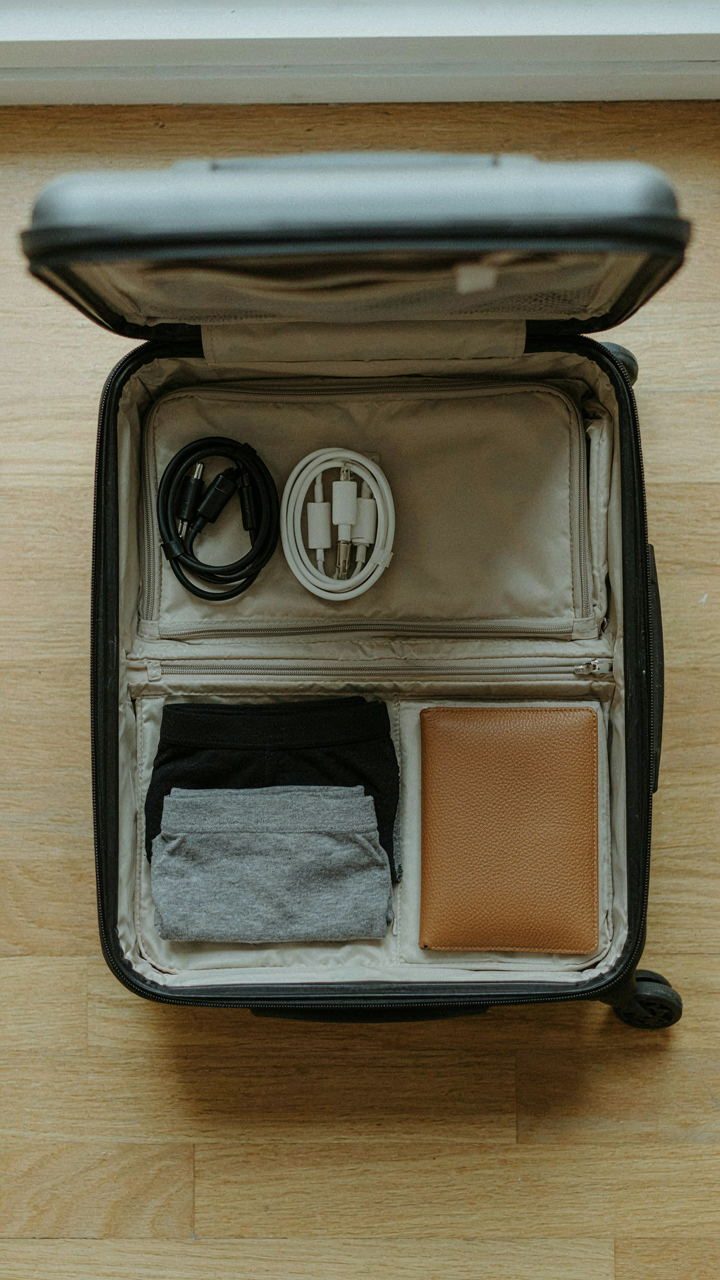
When Your Backup Fails, Your Backup Fails
You want redundancy to feel like insurance you’ll never need to use. The real mechanism is simpler: you’re betting against probability, and probability wins half the time. In engineering, redundancy means building duplicate systems so failure of one doesn’t cascade into system failure. A two-week solo trip in one carry-on operates under the same constraint. Your clothes tear, your charger breaks, your toiletries leak. You can’t call maintenance. You can’t order a replacement overnight. You duplicate the things that matter most and accept the trade-off: less capacity for everything else.

The common advice says “pack extra socks.” That’s incomplete. You need to duplicate the tools that solve problems outside your control. A second micro-USB cable. Two pairs of underwear from different materials. A backup payment method that isn’t your primary debit card. Not because you’re paranoid, but because you’re traveling alone. When something fails, you’re the only one troubleshooting it. Duplication isn’t insurance. It’s your failsafe when you’re both the operator and the safety net.
When Space Wins, Flexibility Loses
Buffers exist in aviation, where pilots hold fuel reserves they hope never to burn. You apply the same principle to your packing: space reserves you hope never to use. Most people interpret this as “bring extra items” and fail immediately. They run out of carry-on room halfway through week one. The real buffer isn’t items. It’s negative space. One completely empty compression pocket. Two inches of zipper room in your main compartment. A side pocket you don’t fill.
This space absorbs the unexpected without forcing you to choose between leaving something behind or exceeding carry-on limits. You find a booklet from a museum. You buy a souvenir that matters. Your laundry takes longer to dry than predicted and you need an extra shirt while you wait. You didn’t plan for these. The buffer accommodates them without breaking your system. Build your packing list for ten days of rotation, not fourteen. Leave the remaining capacity intentionally empty. This is how you stay mobile for two weeks without becoming a mule.
The Contextual Loadout: Beyond Generic Two Week Capsule Wardrobe Advice

Climate Dictates True Utility
You want permission to look intentional while traveling, and a capsule wardrobe promises that without the work. Here’s what actually happens: most people pack for an imaginary version of their trip, not the real one. Climate isn’t decoration. It’s a constraint that determines which pieces survive contact with reality and which waste luggage space. Temperature, humidity, and season don’t care about your aesthetic preferences.

Summer heat in Southeast Asia demands different fabric behavior than summer in Northern Europe. Moisture-wicking synthetics in 95-degree humidity prevent mildew and bacterial growth on fabric. Natural fibers like linen breathe better but wrinkle aggressively and dry slowly in damp conditions. You’re not choosing between cotton and polyester for style reasons. You’re choosing based on evaporation rates and how fabric behaves when wet from sweat or tropical downpours. Check the actual forecast for your destination week by week, then reverse-engineer your pieces from that data point.
Activities Shape What Actually Gets Worn
The advice to pack neutral colors and mix-and-match pieces is incomplete, and here’s why it fails: it assumes all days are the same. Your real packing strategy lives in the specific activities you’ll do on specific days, not in some abstract color theory. If you’re hiking four days, sitting in cafes three days, and attending one dinner, those three contexts require different pieces entirely. Activity dictates function. Function dictates what you bring.
A two-week trip isn’t fourteen identical days. It’s maybe three to five distinct activity clusters. Map each cluster to the clothes it actually needs. If you’re island hopping, you need quick-dry pieces. If you’re exploring cities on foot, you need comfortable walking shoes and one layer for air-conditioned spaces. If you’re doing nothing but sitting and working, you need almost nothing. Build your capsule backward from the activity schedule, not forward from some universal packing list. This eliminates dead weight and ensures everything you carry earns its space through actual utility.
The “One Bag” Lie: Your Carry On Isn’t A Virtue
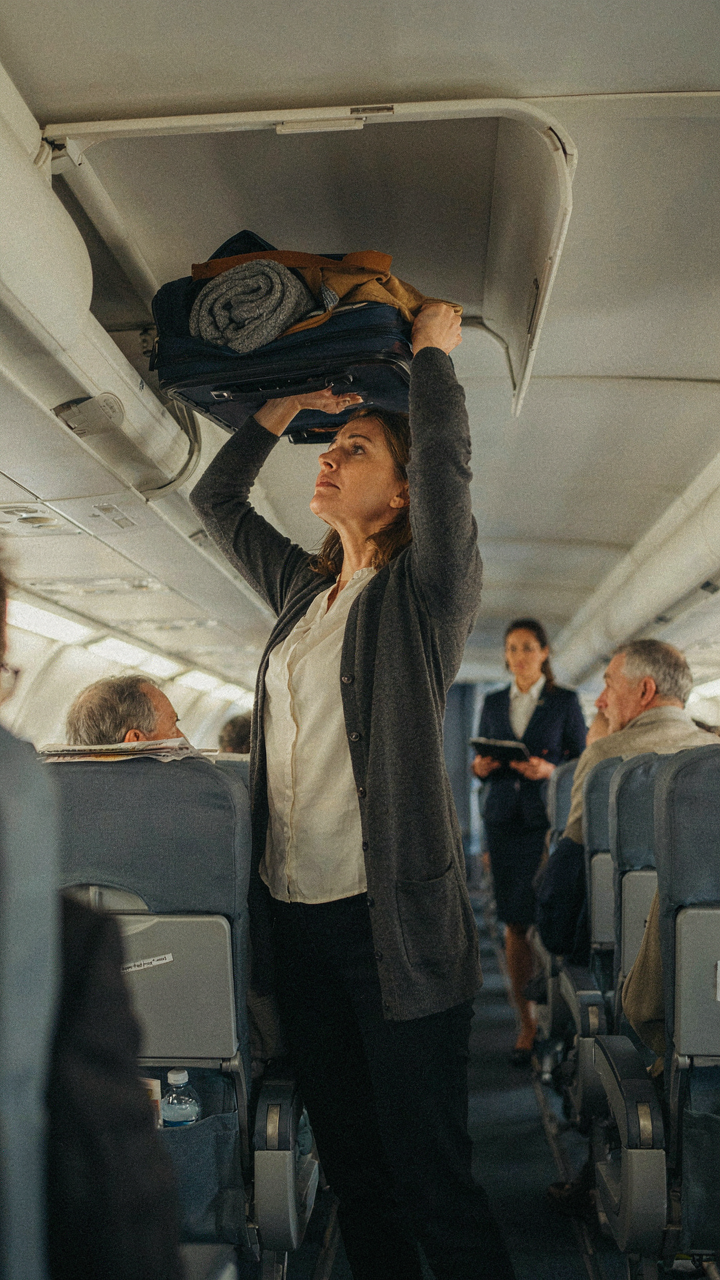
The Hidden Cost Of Extreme Consolidation
You want people to think you’re disciplined. That’s why the carry-on-only narrative appeals to you. But extreme consolidation creates friction that eats time, creates decision fatigue, and forces you into worse gear choices than the problem deserves. The mechanism is simple: constraint optimized for appearance, not function, shifts your actual burden from packing to living. You spend two weeks playing Tetris with your belongings instead of moving freely through your destination.

A checked bag removes the cognitive load of micromanaging space. You pack what works, check it, and stop thinking about it. The trade-off is real, but not in the direction everyone assumes. You lose speed at the airport but gain it everywhere else. No rearranging items to fit an overhead bin. No choosing between clean clothes and toiletries. No wearing the same six shirts in rotation because they’re the only things that compress well enough. Carry-on-only works as a marketing narrative. As a practical framework for two weeks, it’s often the wrong call.
When A Checked Bag Wins The Math
Checked luggage loses time at one bottleneck: the airport. You wait at baggage claim for maybe twenty minutes extra per direction. That’s forty minutes total across the entire trip. Compare that to two weeks of continuous friction. You wear clothes that don’t fit well because you couldn’t pack enough. You shower and re-wear items because laundry decisions become weight decisions. You skip activities because your bag can’t hold what you’d need. That forty minutes of airport time buys you back ten hours of quality living.
The real decision framework comes from logistics, not lifestyle aesthetics. A checked bag makes sense if you value comfort, clothing variety, or carrying items worth more than the checked luggage fee. It makes sense if you’re moving between multiple hotels rather than staying in one place. It makes sense if you plan to buy things during your trip. Two weeks is exactly long enough that the math flips. A carry-on works for weekend trips. For fourteen days, pack what actually works and check it.
The Adaptability Algorithm: Clothing As A Utility, Not A Statement

Each Item Serves Multiple Distinct Functions
You want to feel put-together without hauling a closet. That’s not the real problem. The real problem is you’re still thinking about clothes as identity when you need to think about them as tools. Borrow from engineering: modularity means zero redundancy. A merino wool sweater isn’t a sweater. It’s a base layer, an insulator, a standalone top, and a travel pillow. Every piece must earn its weight by solving at least two problems simultaneously. This is the difference between someone who packs fifteen items and someone who packs eight and looks better.

The math is ruthless. Two weeks demands roughly four top options and two bottoms maximum. A navy Merino long-sleeve works over a t-shirt or under a jacket. Chinos function as business casual and hiking pants. A lightweight button-up becomes formal or casual depending on layering. Neutral colors aren’t boring. They’re force multipliers. Brown, black, navy, and cream combine infinitely. Pick one color story and stick to it. Your brain stops making decisions. Your luggage stays light.
Layering For Temperature Swings And Social Contexts
Fall in Europe doesn’t read linearly. You cross temperature zones daily. A trip from Barcelona to Amsterdam means thirty-degree variance. Layering isn’t about warmth. It’s about optionality. You need a system that shifts from café to museum to club without changing bags. Start with a moisture-wicking base. Merino wool is the standard because it regulates temperature, kills odor, and doesn’t wrinkle. Add a mid-layer that compresses small. A technical fleece or merino cardigan weighs nothing and insulates while damp. Then a weather shell: a packable down jacket or a waterproof windbreaker that folds into itself.
The real move is dressing for the coldest moment of your day, then removing layers as needed. Morning walking tours require more than evening restaurant hours. Stairs heat you up. Sitting doesn’t. Social settings matter too. Museums stay cold. Clubs stay warm. You need the ability to shed or add without digging through luggage. Keep your heaviest piece accessible. Wear your shell jacket or down jacket on travel days. That removes the single biggest packing problem.
The Investment Paradox: Why Cheap Clothes Cost More
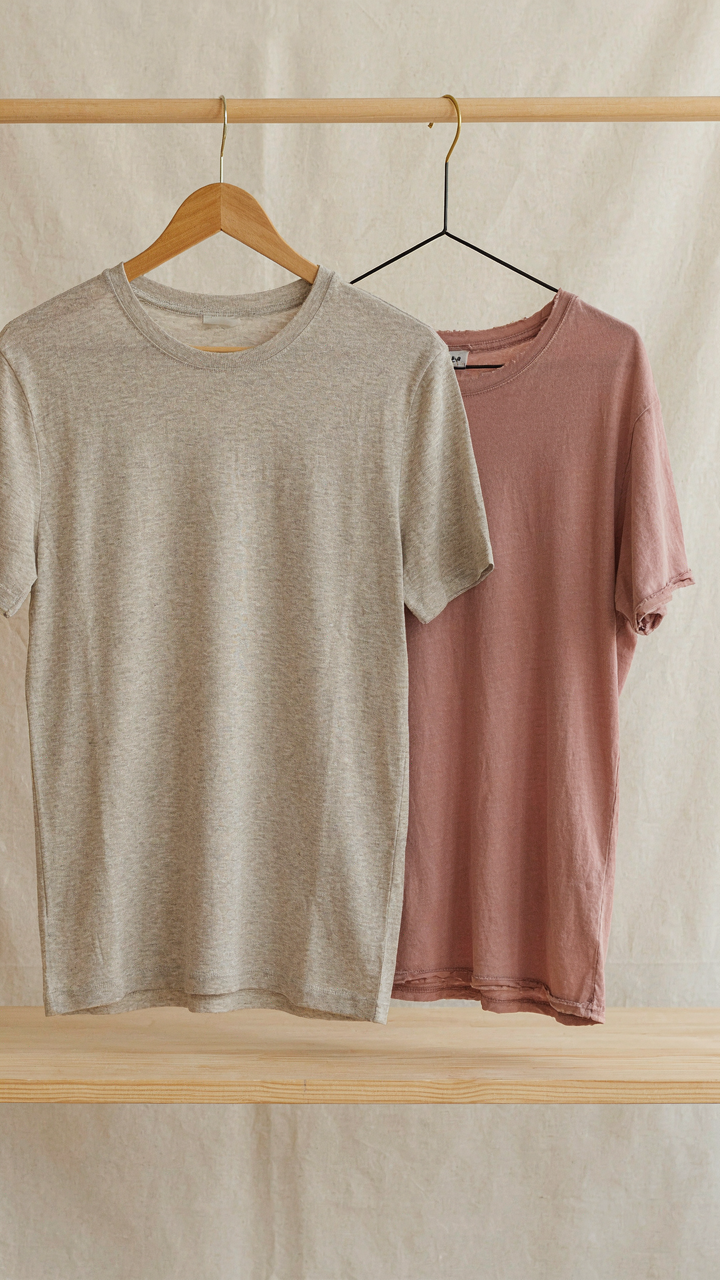
Durability: The Economic Advantage Of High Quality Fabrics
You’re hoping cheap gear will stretch your budget without cutting into your trip fund. Here’s the mechanism: fabric quality determines how many wear cycles a piece survives before degradation makes it unwearable. Economics calls this the cost-per-use calculation, and it applies directly to two-week capsules where you repeat the same rotation five to seven times.

A synthetic blend shirt from a fast-fashion retailer degrades visibly after fifteen to twenty washes. The fibers break down. Elasticity fails. The garment pills, stretches unevenly, or develops odors that detergent can’t fix. A merino wool or high-quality cotton piece lasts fifty-plus wash cycles with minimal degradation. Over a two-week trip where you wash pieces twice, you’re wearing something that performs the same on day thirteen as it did on day one. The cheap shirt? It’s already compromised by day eight.
Single Pieces That Outwork Three Mediocre Ones
Most packing advice tells you to buy more items so you have choices. That’s incomplete. Versatility isn’t about quantity—it’s about architectural design. A piece with real versatility works across weather, formality, and activity because its color, weight, and cut accommodate multiple contexts. Three cheap pieces with narrow use cases create laundry problems and dead weight.
One quality neutral linen or cotton blend shirt layers under jackets, works solo in warm weather, and dresses up or down depending on context. Three cheap graphic tees lock you into specific moods and limit layering combinations. You end up washing more often, carrying backup pieces you don’t use, and running out of clean clothes mid-trip. Buy one piece that does five jobs instead of three pieces that each do one. This is how you pack a two-week trip in a carry-on without compromise.
The “Social Signal” Fallacy: Ditching Fashion Anxiety

Conformity Is Expensive: Wear What Serves You
You’re worried people will judge your clothes because you believe others are paying attention. They aren’t. Most travelers wear the same five neutral items on repeat because wearing clothes is a logistical problem, not a status game. The mechanism is simple: fashion brands profit from your belief that variety signals worth. A two-week trip destroys this illusion fast.

Every extra piece in your bag costs weight, space, and mental load. Conformity demands you own options for hypothetical social contexts. A dinner that requires different pants than hiking. A beach day that demands distinct casual wear. Strip this away. Wear the same dark jeans five days straight. Wear the same technical shirt three times. Nobody remembers your outfit from Tuesday. You solve the capsule constraint by rejecting the premise that fashion choices matter to strangers.
Authenticity Trumps Trend: Project Confidence, Not Couture
Confidence reads the same in all clothing. Anxiety reads the same too. The real signal you send is comfort with repetition, which communicates purpose. You’re not there to perform. You’re there to move through the world.
Choose pieces that function first, then fit your body. A well-fitting plain shirt and neutral pants worn with ease outperforms a trend piece worn self-consciously. The solo traveler who wears the same outfit twice and moves on projects more authority than the one swapping pieces for perceived variety. Stop adding clothes. Start wearing what you already packed without mental friction.
The “What To Pack For Europe In September” Deception: Seasonality Is A Spectrum

Microclimates And Cultural Nuances Beyond Weather Apps
You want the packing problem solved so you stop second-guessing yourself. The real mechanism here comes from ecology: a microclimate is a localized atmospheric condition that differs from the surrounding region. Your two-week capsule needs to account for this because September in Lisbon operates under completely different thermal and humidity rules than September in the Alps, even though both exist on the same continent in the same month.

Weather apps show you average conditions. They hide the variance. A September day in Barcelona hits 28°C at noon but drops to 14°C after sunset. The app shows you 21°C and calls it solved. You pack one layer, arrive unprepared, and waste capsule space buying a sweater you didn’t account for. The mechanism: seasonal averages mask daily temperature swings that determine what actually fits in your carry-on.
Prepare For Exceptions Not Just Averages
Most packing lists give you the modal day, not the outlier days that break your system. An exception-based approach means building redundancy into pieces that work across temperature ranges, not betting everything on the forecast being correct. You’re not predicting the weather accurately. You’re eliminating the cost of being wrong.
The protocol: identify the lowest and highest temperatures your two-week route could plausibly hit, then pack for the gap between them using layerable pieces. A merino wool base layer works in 8°C and 22°C. A lightweight overshirt bridges 14°C swings. You build a range, not a point estimate. This compresses your capsule because each piece handles multiple scenarios instead of one specific day.
The Cognitive Load Tax: Freeing Up Mental Bandwidth

When Every Item Is A Decision
You want a capsule because you think it looks clean. The real reason you need it is because your brain is hemorrhaging energy on trivial choices. Borrowed from cybernetics, decision fatigue operates like system entropy: the more variables in your environment, the faster your decision-making capacity deteriorates. Each clothing option, toiletry, or charger you pack becomes a recurring micro-choice during your trip. You make that choice dozens of times. The math is brutal: seven shirts means seven mornings of selection paralysis instead of one.

The solution isn’t motivation or willpower. It’s constraint. Limit your options to six to eight core pieces you’ve worn together before. Black, navy, and one neutral base color. One pair of shoes that works for walking and casual dinners. This isn’t minimalism as aesthetic. It’s minimalism as a productivity tool. You’re purchasing mental clarity by eliminating low-stakes decisions before they steal your attention during the trip.
Feedback Loops Shape Your Next Trip
Real packing isn’t a one-time event. It’s a system you refine through iteration. Travel itself generates data: which items you actually used, which stayed in the bag, what you grabbed first, what you regretted leaving home. Most people ignore this feedback. They pack the same way every time and wonder why they overpacked again. That’s broken. Document three things during your trip: what you wore daily, what you wished you had, and what you never touched. Write it down or photograph your packing list and make notes. After you return, review the gap between what you packed and what you used. That gap is your packing tax. Cut one item from your next trip based on disuse. Add one item based on regret. This feedback loop compounds. Your second two-week capsule will be tighter than your first. Your third will eliminate another 15 percent of dead weight.
The mechanism here is simple: you adjust based on evidence, not intuition. Most travelers trust their memory. Memory is notoriously bad at capturing what actually happened. A written record forces you to see the difference between what you thought would work and what actually worked. That’s where optimization lives.
The Solo Travel Capsule’s True Advantage: Autonomy, Not Aesthetics

Self Reliance Your Gear Empowers Independent Action
You want to believe this is about looking put-together. It’s not. It’s about not being trapped. A two-week solo travel capsule is an application of the economic principle of optionality: you preserve your ability to act without constraint. Every item you eliminate is friction removed from your decision-making process. Every item you include is a tool that keeps you moving on your terms, not on logistics.
When your entire wardrobe fits in a carry-on, you control when and where you move. No checked bag delays. No laundry dependency. No “I have to stay here because my stuff isn’t ready” moments. The gear doesn’t make you stylish. The gear makes you autonomous.
- Carry-on restriction: Forced you to eliminate redundancy, leaving only items that perform multiple functions or address non-negotiable needs.
- Neutral color palette: Pieces combine across outfits without planning, reducing decision fatigue and packing permutations on the fly.
- Wrinkle-resistant fabrics: Synthetic blends and merino wool eliminate dependency on laundry services or hotel pressing, keeping you mobile between cities.
- Dual-purpose items: A lightweight jacket doubles as a pillow cover; a scarf becomes a beach cover-up, yoga mat, or headwrap depending on context.
- Minimal footwear: Two to three shoes rated for different conditions replace eight shoes requiring different outfits, cutting packing variables.
The real advantage isn’t that you look deliberate. It’s that you move without apology. You can book a last-minute flight, change plans, walk eight hours through a city, or catch a train at dawn without logistical overhead. Your gear becomes invisible to your decision-making because it’s already solved.
Unburdened Exploration Freedom From Baggage Literal And Figurative
The common mistake is treating a capsule like a fashion exercise. You’re not building an Instagram-compatible wardrobe. You’re eliminating decision points so you can focus on what you’re actually there to do. Traveling with one carry-on isn’t a constraint. It’s a filter that forces intention. Every day you carry less, you think more clearly about what matters.
Luggage weight compounds across time. A five-pound bag feels light for one day. By day seven, that five pounds becomes exhausting. By day fourteen, a heavy bag isn’t just physical fatigue. It becomes mental weight: where to store it, how to secure it, whether you can navigate stairs or take the scenic route. Light gear removes these micro-decisions that accumulate into decision paralysis.
You move faster through spaces. You navigate stairs, narrow streets, and transit without negotiating yourself and your belongings. You don’t have to track a bag in a hostel or negotiate storage fees at a hotel. You don’t have to choose between seeing a neighborhood and babysitting luggage. The moment you board your return flight, you already have your luggage in your hands. You’re not waiting. You’re not dependent on someone else’s timeline. You leave when you decide to leave.
The Real Obstacle Isn’t What You Pack, It’s Your Addiction To Comfort

You’ll convince yourself you need more stuff. Your brain will fight minimalism because minimalism demands you actually experience discomfort. A two-week capsule forces you to shower in hostels with broken locks and wear the same shirt twice. Most people don’t travel to see the world. They travel to bring their couch with them. Stop negotiating with your comfort and pack the carry-on tomorrow. Travel isn’t about having options, it’s about having no choice but to show up.