

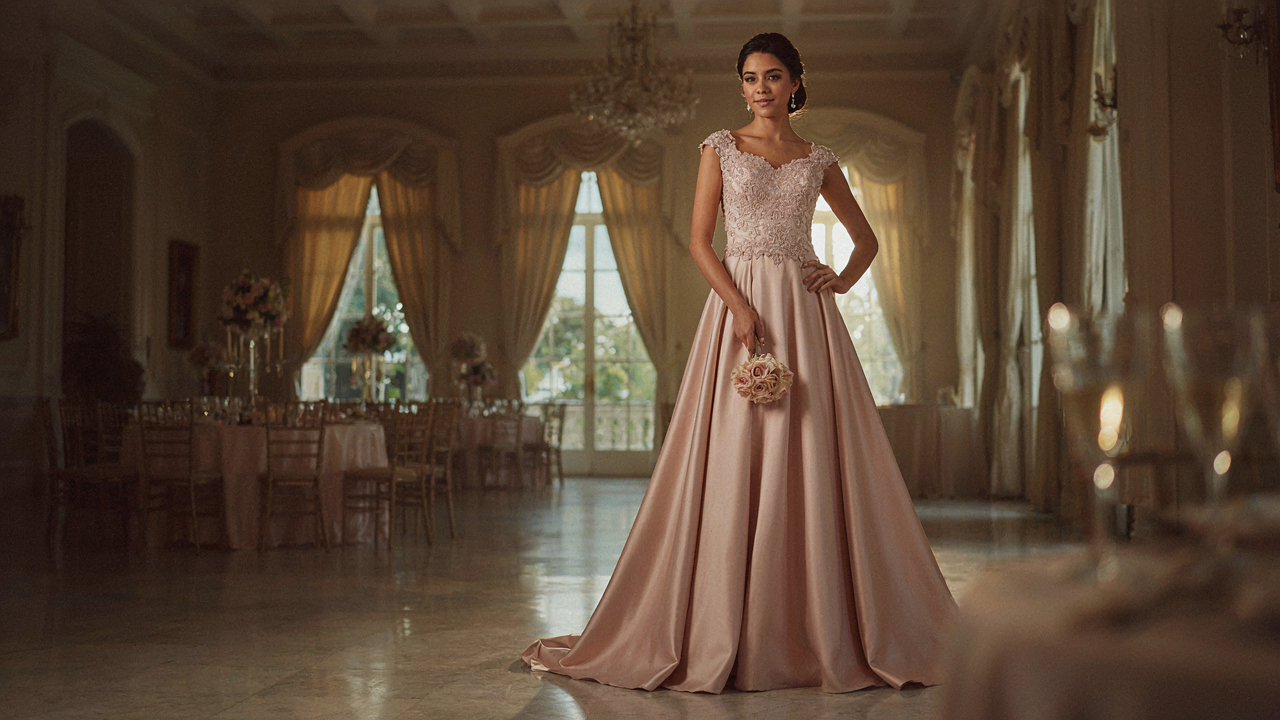
The “Context Is King” Protocol For Quince Guest Attire
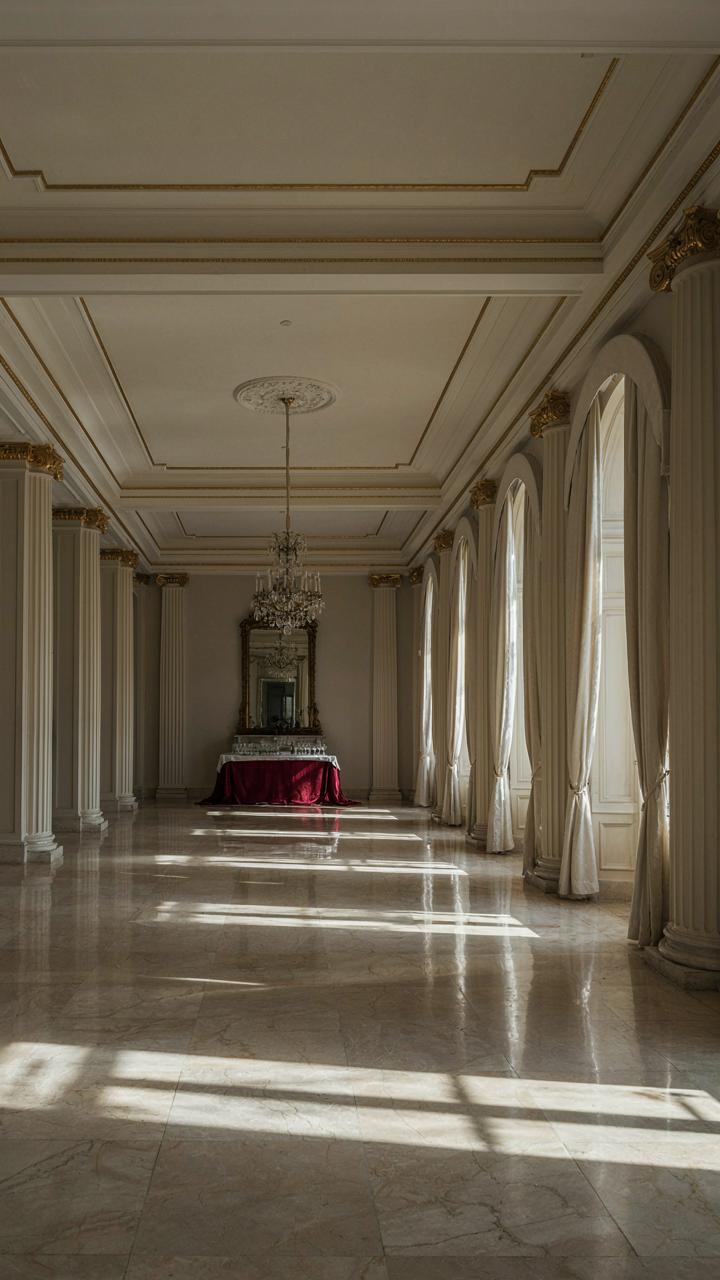
Where The Event Lives Determines What You Wear
You’re anxious about standing out wrong, so you’re looking for permission to dress safely. Here’s what actually matters: the venue is the primary signal for formality level, and most guests ignore it completely. Think of venue selection like signal detection in physics. The venue transmits a formality frequency, and your outfit either matches it or clashes. A backyard celebration broadcasts casual. A church followed by a ballroom broadcasts formal. A restaurant with ambient lighting broadcasts semi-formal. Miss the signal and you’ll be overdressed or underdressed, which creates social friction you feel immediately.
The mechanism is straightforward. High-ceiling ballrooms with marble floors and orchestrated lighting demand structured fabrics like satin, jacquard, or taffeta in darker jewel tones or metallics. Outdoor venues or casual venues call for lighter fabrics like chiffon, cotton blends, or linen in brighter or softer colors. Before you pick a dress, know the venue. Ask the host or check the invitation. The venue dictates the fabric weight, sheen level, and color palette that will make sense in that specific light and space. Ignoring this step guarantees you’ll feel wrong in what you’re wearing.
Time Of Day Controls The Rules
Evening events change the material and color math entirely because light behaves differently after sunset. A color that reads fresh at 2 PM reads flat at 8 PM under artificial light. Evening light is warm and often dim, which means matte fabrics absorb that light and disappear while satin and silk reflect it and command attention. Darker jewel tones, metallics, and rich saturated colors work. Pastels and pale shades flatten. Lightweight fabrics like chiffon catch light beautifully at night. Cotton and matte cotton blends look dull.
Afternoon quinceañeras run the opposite direction. Natural daylight is bright and direct, so matte fabrics read true and lighter colors don’t wash out. You can wear pastels, soft neutrals, and brighter hues without looking faded. Cotton blends, linen, and matte jersey fabrics work. Satin and heavy silk can read too formal or costume-like in daylight. Time of day is not decoration. It’s infrastructure. Check the invitation, confirm whether the event starts before or after sunset, and select your fabric and color based on that fact alone.
Decoding The Invitation: Beyond The RSVP
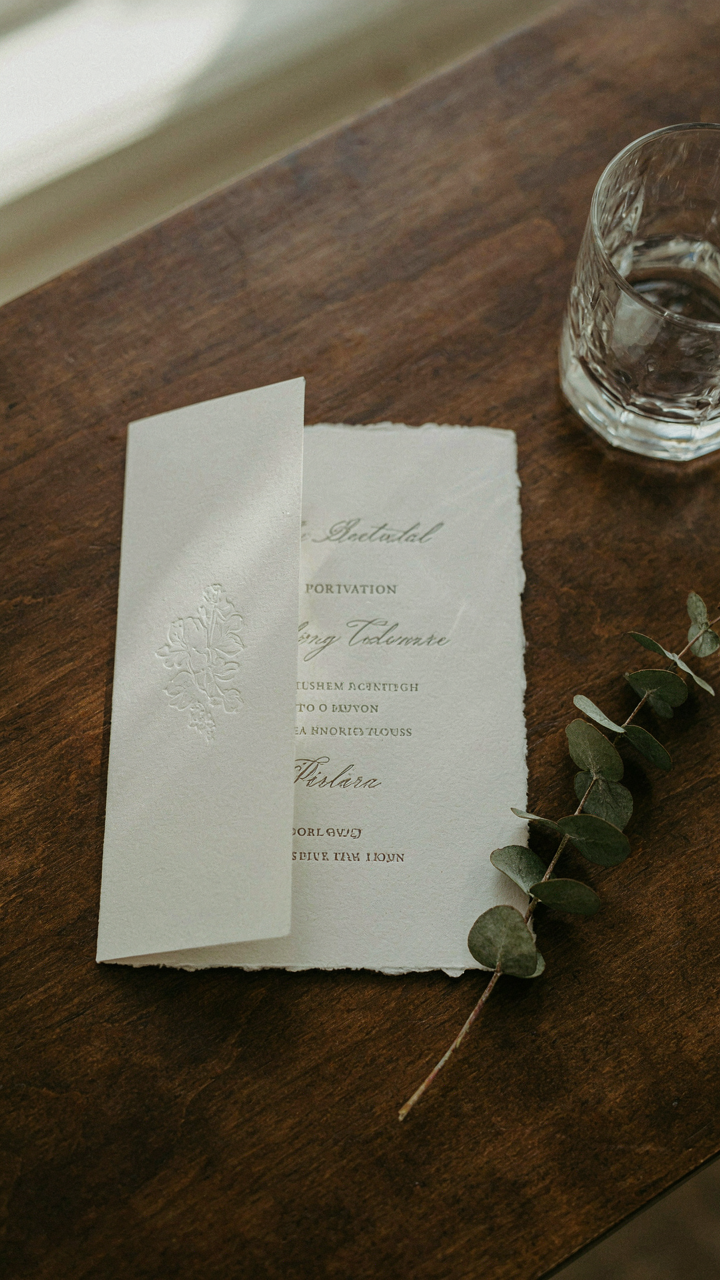
What The Dress Code Actually Means
You’re anxious because you don’t want to look out of place, and the invitation won’t give you a straight answer. Here’s the mechanism: dress codes function like social equilibrium. In physics, equilibrium means all forces balance. At a quinceanera, the guest dress code balances the family’s formality level with what the venue and event type will support. The printed words are a filter, not the full picture.

“Formal” at a church quinceanera means something different than “formal” at a nightclub venue with the same family. The invitation uses these terms because they’re default language, not because they’re precise. Look at three actual signals instead: venue type, time of day, and whether the family specified “black tie” versus just “formal.” Black tie means tuxedos exist in the room. Formal without that qualifier means cocktail dresses and dress pants work. The gap between them is real, and it changes your entire approach.
Cultural Standards For Formality Levels
Most advice treats quinceanera dress codes like any other formal event. That’s incomplete. The quinceanera tradition originates from Latin American culture, particularly in Mexico, Puerto Rico, and Central America, where the event marks a girl’s transition to womanhood. Formality expectations here carry cultural weight beyond aesthetics. The family’s honor and respect for tradition tie directly to how guests present themselves.
Regional and family differences matter more than a single rule. Some families expect chapel-appropriate modesty: sleeves, knee-length or longer, conservative necklines. Others host black-tie galas where floor-length gowns and full formal wear are standard. The generational approach shifts too. Immigrant families often hold stricter formality standards than second or third-generation families. Call the host or check your invitation for specific details about the venue’s religious affiliation, if any. That single fact clarifies the modesty expectation faster than any generic dress code could.
Color Theory For Impact, Not Blending: Pink Frocks & Beyond
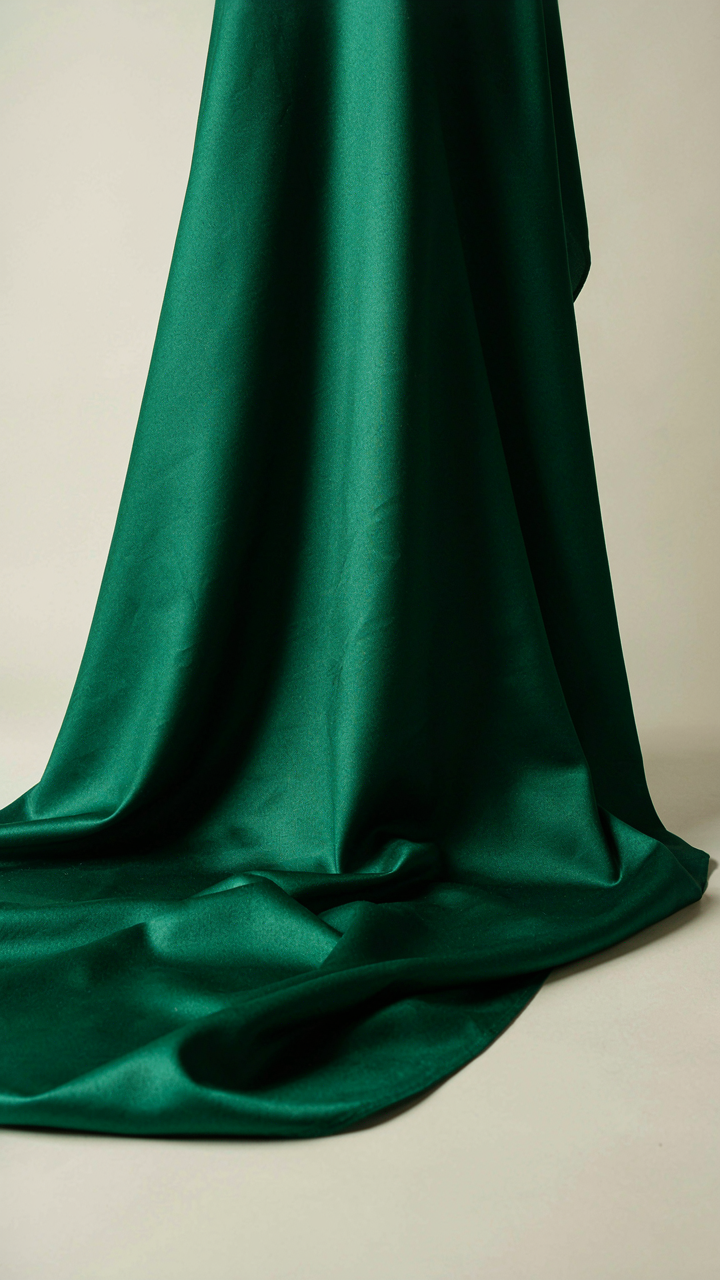
Color As Visual Contrast, Not Decoration
You’re worried about disappearing into the background while everyone else gets noticed. That’s the real fear. Here’s the mechanism: color functions like contrast ratio in design. You need enough separation from the quinceanera’s dress and the room’s dominant palette to register as intentional rather than accidental. The quinceanera wears white, champagne, or blush pink in most traditional celebrations. You need the opposite strategy: go deep or go saturated, never muted.

Most guests default to safe pastels and jewel tones that blur together in group photos. The problem isn’t the colors themselves. It’s that they all occupy the same visual weight. A structured emerald, navy, or deep burgundy cuts through because it claims space without screaming. Fabric finish matters more than hue here. Matte silk reads darker and more intentional than satin in the same color. Choose depth first, then refine the shade.
What Most Advice Gets Wrong About Pink
The conventional wisdom says wear pink to a quinceanera because it’s “festive” and “fits the theme.” Wrong framing. Pink at a quinceanera is a trap. The guest of honor dominates the pink spectrum, usually in pale or blush tones that telegraphed femininity without friction. If you wear pink, you’re competing in her lane, not creating your own. Any pink you choose will either match hers, making you look coordinated by accident, or clash so obviously that it reads as tone deaf.
Avoid fuchsia, hot pink, or coral unless they appear nowhere in the celebration’s decor or the quinceanera’s palette. Even then, test it against the venue lighting first. The real move is to abandon pink entirely and own a color the event isn’t already claiming. Emerald, sapphire, eggplant, or even a rich taupe outperforms pink because it signals deliberate taste rather than theme participation. You’re a guest with presence, not a supporting player in her color story.
Fabric Selection As A Statement Of Intent

Texture And Drape Signal Your Role In The Room
You care about this because you don’t want to look like you’re trying too hard or, worse, like you don’t understand the event’s stakes. Fabric choice works like physics: mass and weight determine how material moves through space. A heavy satin reads formal and anchored. A lightweight chiffon reads ethereal and secondary. The guest dress fabric must communicate that you’re present but not competing with the quinceañera. Satin, crepe, and structured blends hold their shape. They occupy space with intention. Flimsy materials collapse and fade into background noise.

The drape of fabric determines perceived formality faster than any other single element. Stiff fabrics like taffeta or dupioni silk project deliberate structure and ceremony. Fluid fabrics like charmeuse or jersey suggest ease within formality. Most generic advice says “wear what makes you feel comfortable.” That’s incomplete. Comfort matters, but fabric weight is what actually signals respect for the event. A 100-denier fabric reads casual. A 200-plus denier blend reads intentional. Match your fabric density to the event’s formality level, not your mood.
Seasonal Context Changes What Works And Why
Summer events require different physics than winter celebrations. Heat and humidity degrade certain materials. A heavy brocade worn to an outdoor June quinceañera becomes a liability, not an asset. Cotton blends and linen move moisture away from skin and maintain their appearance. Winter events allow structured wools, velvets, and thick crepes that would be unwearable in heat. The mechanism is basic: thermal regulation affects how you move, how fabric behaves on your body, and how polished you’ll appear after two hours of standing and dancing.
Indoor climate-controlled venues in winter eliminate some constraints but add others. Velvet and heavy silks work brilliantly indoors where temperature stays stable. Outdoor spring or fall events demand mid-weight fabrics that breathe but hold shape. Check the venue type and time of year before finalizing your fabric choice. A matte crepe works year-round and in most conditions. A glossy satin works better in controlled indoor settings. Match seasonal context to fabric behavior, not fashion trend.
The “Architectural Silhouette” Method For Quinceanera Guest Outfits
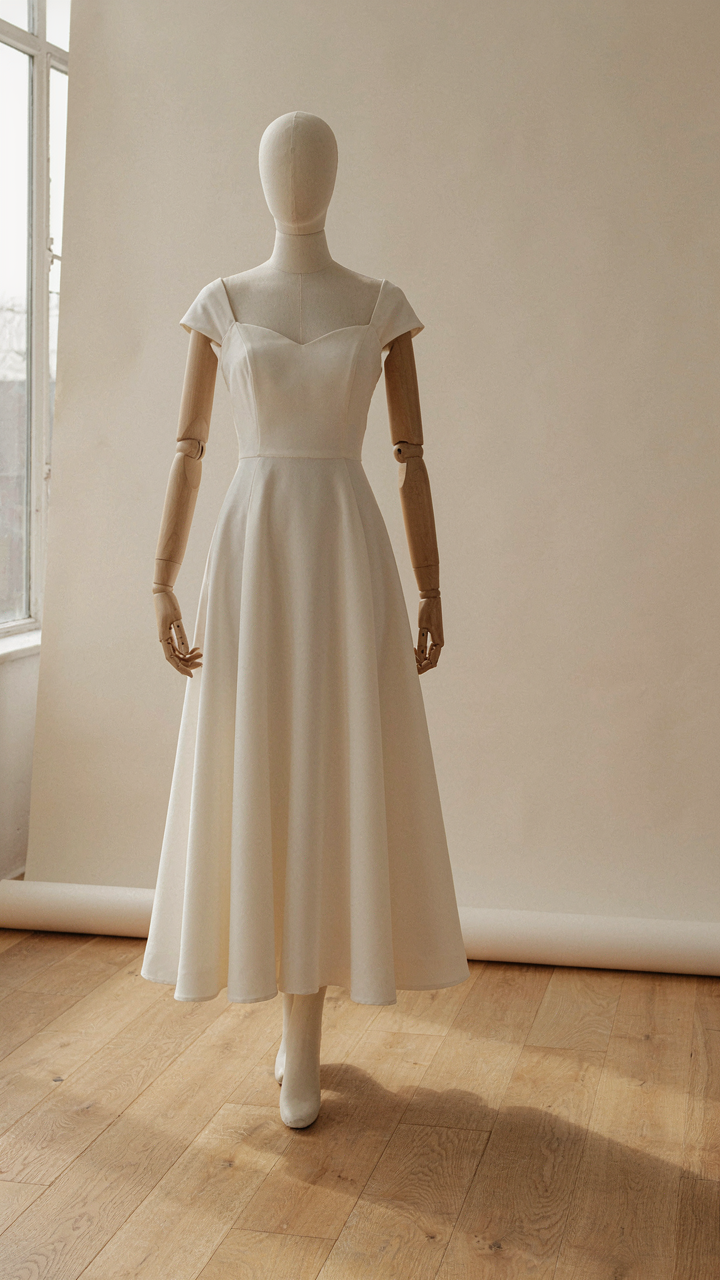
Structure Versus Movement
You want to look intentional without trying too hard, which means you need a framework that handles both concerns at once. Borrow from architecture: buildings work because they balance load-bearing structure with open space. Your outfit needs the same tension. A structured bodice paired with flowing fabric below isn’t decoration—it’s the difference between looking like you chose your clothes and looking like you wore them by accident.

The mechanism is simple. Fitted elements anchor attention to your center. Flow elements prevent you from looking rigid or costume-like. A midi dress with a defined waist and structured bodice works because the structure tells the eye where to focus, and the flow gives you permission to move without the outfit fighting back. Skip both elements and you disappear into the crowd. Overdo structure alone and you look uncomfortable.
Visual Hierarchy Through Form Language
Most advice about guest dresses tells you to “balance bold and simple” or “let the event shine,” which is meaningless. Form language—the actual shapes your outfit creates on your body—controls whether people register you as composed or chaotic. Bold color means nothing if your silhouette reads as formless.
Create hierarchy by anchoring one statement element: a defined shoulder line, a structured neckline, or a tapered waist. Everything else recedes. A sweetheart neckline with a fitted bodice and an A-line skirt works because three visual layers exist in order. Your eye lands on the neckline first, traces the bodice definition second, and registers the skirt volume last. This sequence is the actual reason the outfit lands. Build your guest dress by deciding which single form element carries weight, then let everything else support it without competing.
Accessories: The Amplifier, Not The Afterthought
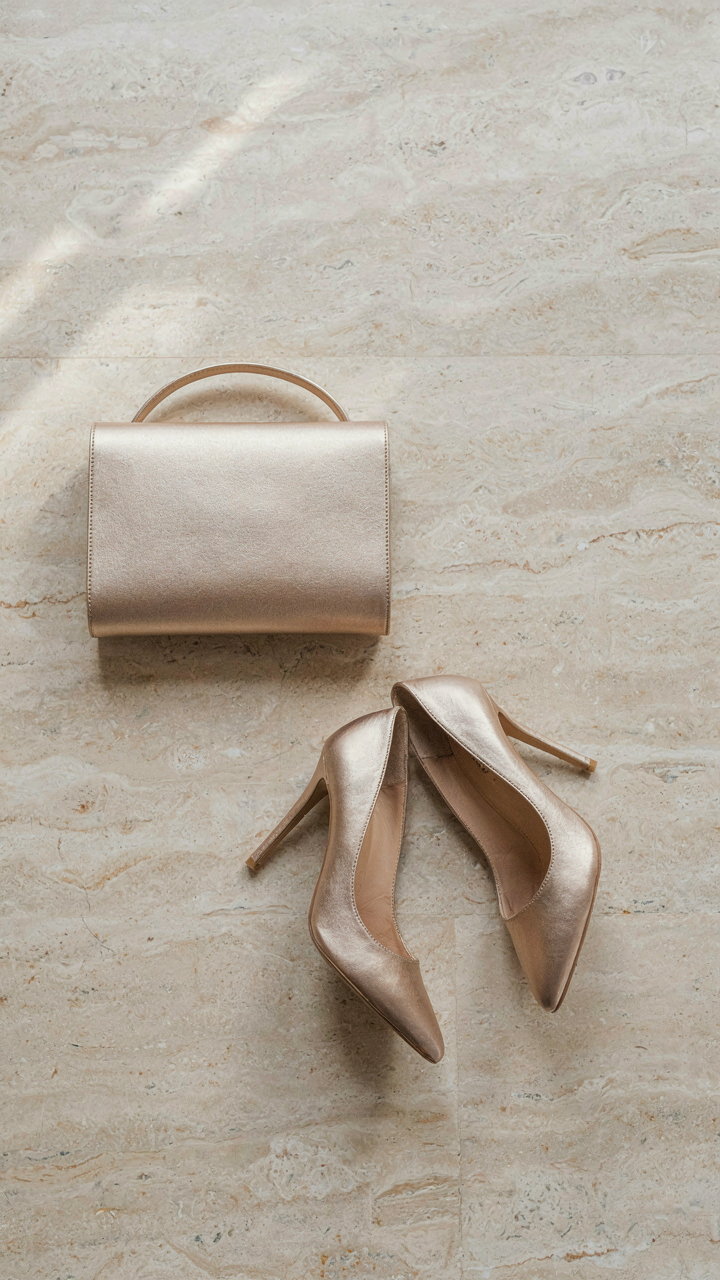
Statement Pieces Versus Subtle Complements
You’re worried accessories will make you look try-hard or, worse, steal focus from the quinceañera. Here’s the mechanism: accessories work like a financial portfolio. You can’t put everything into one high-risk position and expect balance. The real constraint isn’t boldness—it’s distribution. One statement piece demands that everything else recede. A chandelier earring means simple jewelry everywhere else. A bold clutch means minimal necklace.

Most advice says “let your dress guide your accessories,” which is useless because it doesn’t tell you what that actually means. What it means: identify your dress’s visual weight first. If your gown commands attention through embellishment, draping, or color intensity, your accessories become negative space—they disappear to let the dress work. If your dress is minimal, one thoughtful accessory becomes the counterweight that keeps you from looking incomplete. The math is simple: visual complexity is fixed. You allocate it to dress or accessories, not both.
Footwear And Bag As Cohesive Elements
Footwear and bags aren’t separate decisions. They’re a system that either anchors your look or fractures it. Most people treat them independently, which creates visual chaos—a metallic clutch with nude heels, or worse, a gold bag with silver shoes. The actual protocol: choose your metal finish first (gold, silver, rose gold, or warm bronze), then build everything else around it. Your shoes and bag must share the same finish. They don’t need to match exactly, but they must speak the same material language.
The second layer is proportion. A structured, architectural bag pairs with defined heel shapes—stilettos, block heels, pumps. A soft, draped clutch works with fluid heels or sandals. A small crossbody bag demands that shoes don’t compete for attention. Size your footwear and bag so neither dominates the silhouette you’ve already chosen. Match the metal, match the style family, then step back and check whether they feel like they belong to the same outfit or crashed into it from different events.
Navigating The “Wedding Guest Dress Blue” Fallacy
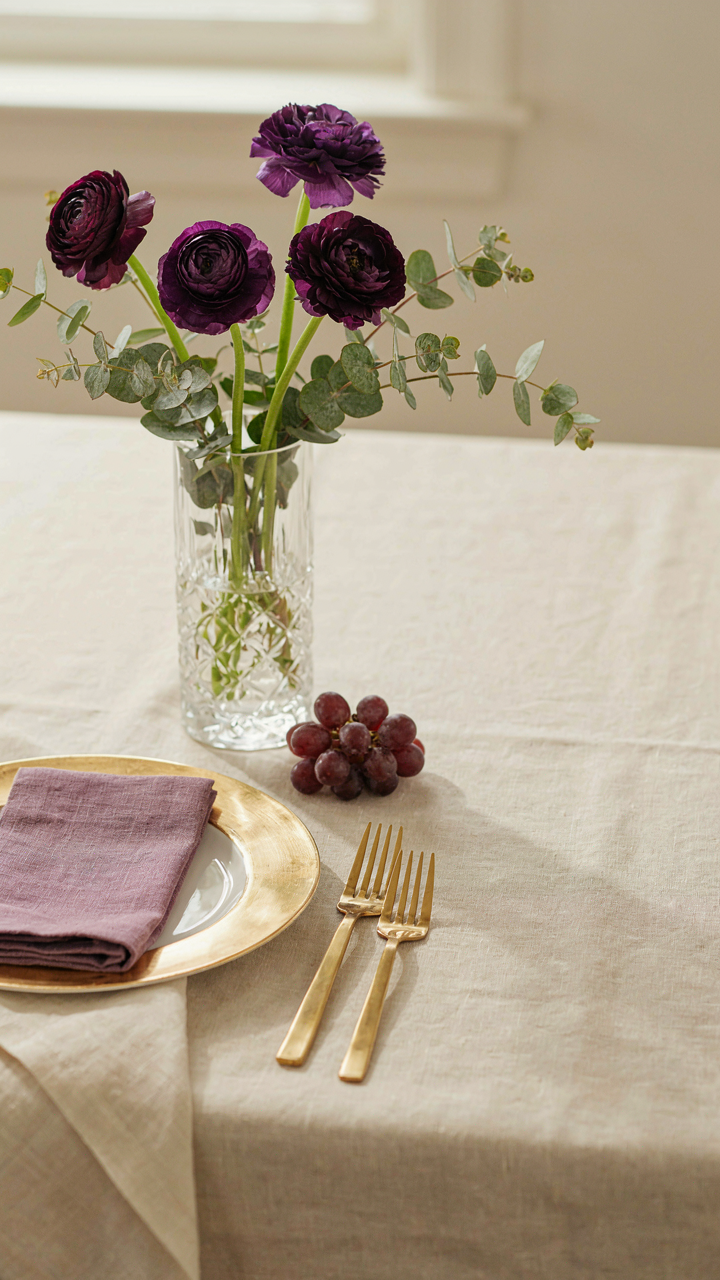
Wedding Rules Don’t Fully Apply Here
You’re looking for this section because you’re afraid of getting it wrong and standing out for the wrong reason. Here’s the mechanism: a quinceañera operates under different social codes than a wedding, even though both are formal celebrations. Wedding guest etiquette prioritizes not upstaging the bride. A quinceañera prioritizes honoring the birthday girl’s family vision and the event’s cultural weight. The rules feel similar on the surface, but they solve different problems. Wedding guests dress conservatively to fade into the background. Quinceañera guests dress formally to show respect and participation in a rite of passage.

The mistake is treating them identically. Wedding guest dress codes flatten complexity into “don’t wear white, avoid black, pick something neutral.” Quinceañera events demand you read the specific invitation, the family’s aesthetic, and the venue’s formality level separately. A black dress works at many quinceañeras where it would undermine a wedding. Bright color restrictions differ. The cultural context changes what fabric, neckline, and embellishment communicate. You’re not just following rules. You’re speaking a different dress code language entirely.
The Quinceañera Specific Attire Code
Quinceañera dress codes track formality and family preference, not universal wedding-adjacent guidelines. Think of dress codes like information systems: each one encodes different priorities. Wedding dress codes encode “don’t compete with the bride.” Quinceañera dress codes encode “match the family’s vision and the event’s celebration level.” Invitations specify this directly. Formal quinceañera events expect floor-length or midi dresses in structured fabrics. Semi-formal events allow knee-length dresses and more variation. Casual quinceañeras (rare but real) permit cocktail-length dress.
Color at a quinceañera isn’t about erasure; it’s about coordination. The event’s color scheme matters. Many families choose specific colors for their quinceañera’s theme. Guests who match or complement those colors show they paid attention. Gold, silver, jewel tones, and pastels work depending on the theme. Black works at elegant quinceañeras where the family hasn’t specified otherwise. Navy is always safe. The protocol step: check the invitation for color guidance or family theme details before shopping. If nothing is specified, ask the person who invited you directly.
The Guest Attire For Quinceanera Personalization Blueprint
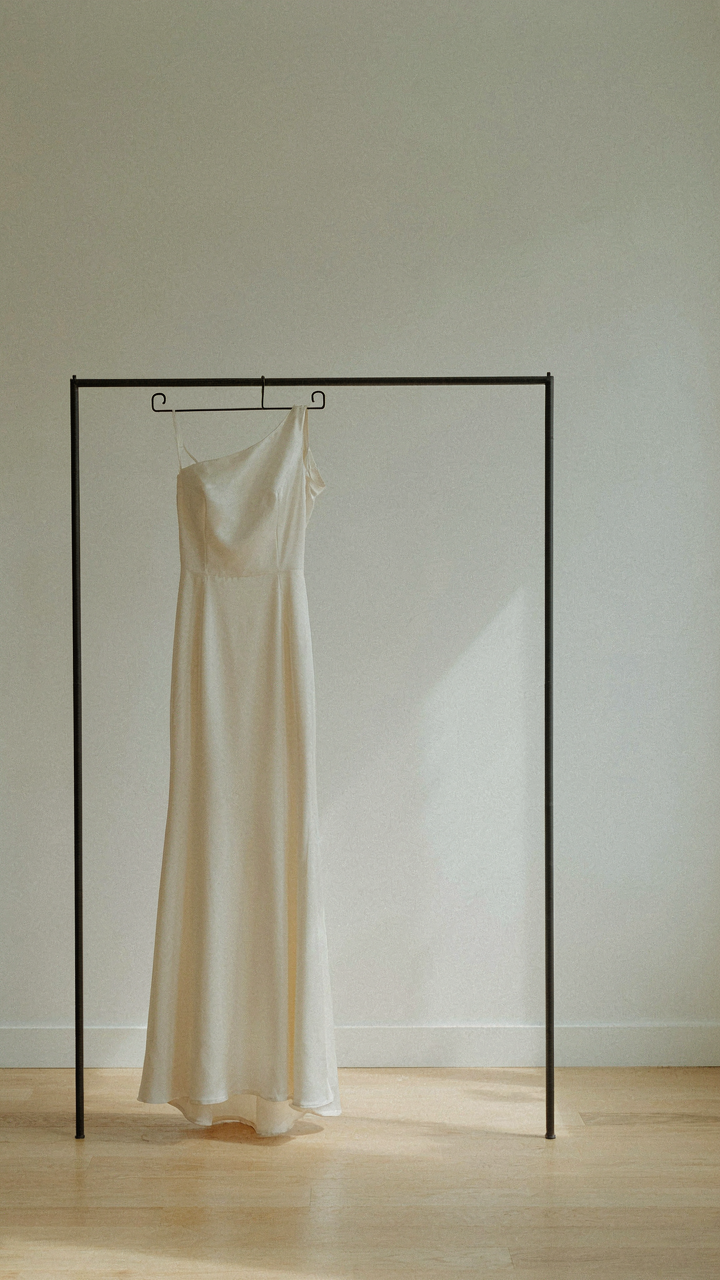
Stand Out Without Stealing Focus
You want permission to wear what feels like you instead of what the dress code technically requires. The mechanism here is constraint. A quinceanera guest dress code exists not to limit you but to establish a visual hierarchy—the quinceañera is the focal point, and everyone else operates within defined boundaries. This is basic composition. Work inside those boundaries instead of against them.

The real move is choosing pieces that express your taste while respecting the color palette and formality level the family set. If the invitation specifies jewel tones, pick emerald or sapphire instead of the obvious navy. If it says formal, choose a silhouette that fits your body differently than what other guests will wear. You’re not inventing new rules—you’re making deliberate choices within existing ones.
Modern Cuts Meet Time Honored Tradition
Most advice says “blend old and new” without explaining what that actually means. Here’s the truth: quinceanera tradition values elegance and respect for the occasion’s religious and cultural roots. Modern fashion values comfort and authentic self-expression. These don’t conflict if you separate structure from decoration.
Traditional quinceanera guest etiquette prioritizes modest coverage, floor-length or knee-length hems, and closed-toe shoes. Modern tailoring lets you achieve this with contemporary silhouettes: asymmetrical necklines, sleek column cuts, or structured fabrics that feel current. A contemporary dress that respects these requirements works better than a dated traditional gown that makes you uncomfortable. The protocol is simple: check the invitation’s dress code, then build from fabric and fit rather than era.
Common Traps: What To Wear To A Quinceanera Guest And What To Avoid
The Hierarchy Problem You’re Actually Worried About
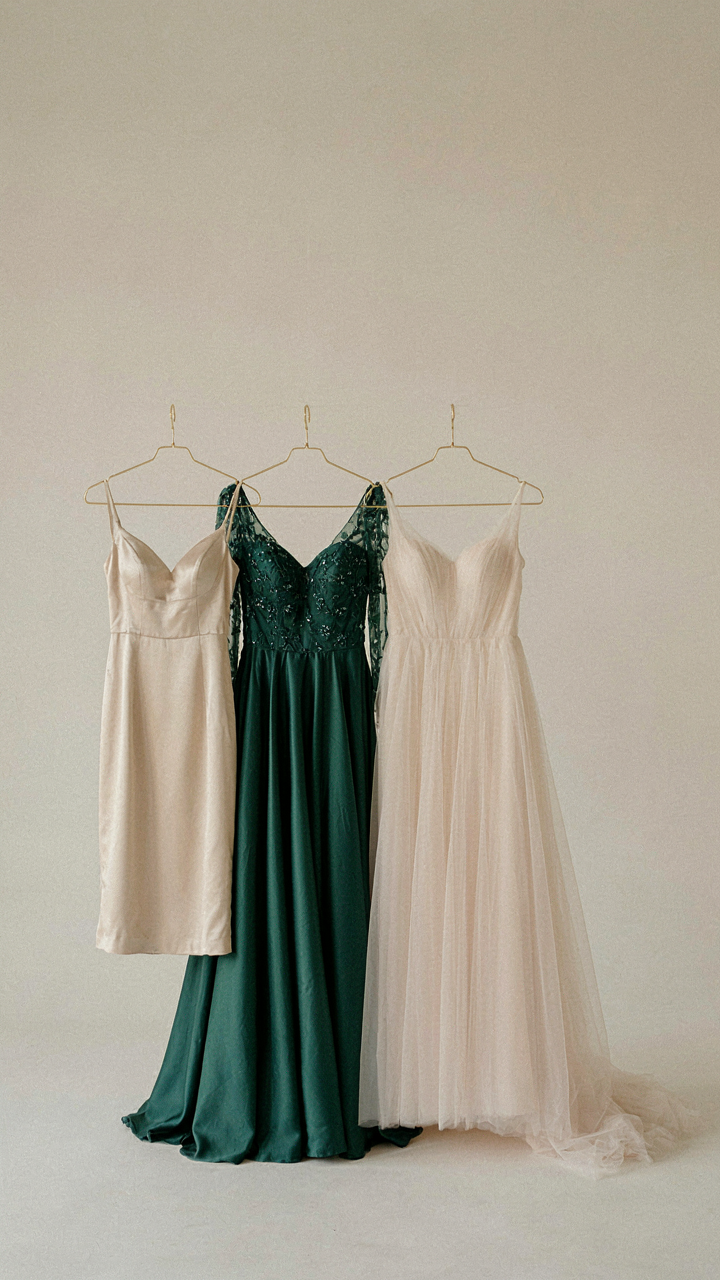
You’re afraid of looking either invisible or like you’re competing with the guest of honor. That’s the real calculation happening. The mechanism is simple: a quinceanera operates on a strict visual hierarchy. The quinceañera occupies the top tier. Family in the court occupy tier two. General guests fill tier three. Dressing above your tier reads as presumptuous. Dressing too far below it signals disrespect for the event itself.

The common advice to “just wear something nice” misses the point entirely. Nice is relative and useless as instruction. What matters is that you dress one tier below formality, not two. If the quinceañera wears a ball gown with a full train and tiara, you wear a cocktail dress or formal separates. If it’s a dinner reception with business formal dress code, you wear a dressy dress or suit jacket and tailored pants. You acknowledge the occasion without competing for visual real estate.
Fabrics, Fits, And Patterns That Signal The Wrong Thing
- Sheer or transparent fabrics without lining: These read as either underdressed or attention-seeking depending on context. If you wear sheer material, it must have a camisole, slip, or opaque lining underneath. Bare skin under sheer fabric breaks the formality code.
- Overly casual fits like stretch jersey or athletic cuts: These materials and silhouettes belong at brunches, not formal celebrations. Quinceanera dress requires structure. Cotton jersey, jersey blends, and athletic-inspired tailoring read as lazy regardless of price point.
- Loud or novelty patterns in large scale: Tropical prints, neon geometric patterns, or statement graphics pull focus to you. Florals, damasks, and subtle jacquards are acceptable. Large-scale animal prints or trendy patterns from fast fashion read as costume rather than formal wear.
- Clingy knits without structure: Bodycon dresses made from thin ribbed knit or spandex blends look cheap and underdressed. Formal events require fabrics with weight and drape: crepe, charmeuse, structured cotton blends, or technical performance fabrics designed specifically for formal wear.
- Denim in any form: Denim is inherently casual. No amount of embellishment or tailoring changes this. Dark wash, light wash, designer or not, denim violates the formal dress code at a quinceanera celebration.
The fit rule operates like supply and demand in economics: tight fits signal desperation for attention, loose fits signal indifference to the event. You want neutral ground. The dress should skim your body without clinging or billowing. Sleeves matter too. Sleeveless, thin straps, or off-shoulder styles work. Oversized or dropped sleeves on a guest dress often look unintentional or sloppy. When you check the mirror before leaving, you should feel contained, not exposed or buried.
The Power Of Outfit For Quinceanera Guest Confidence
Wear What You Actually Own
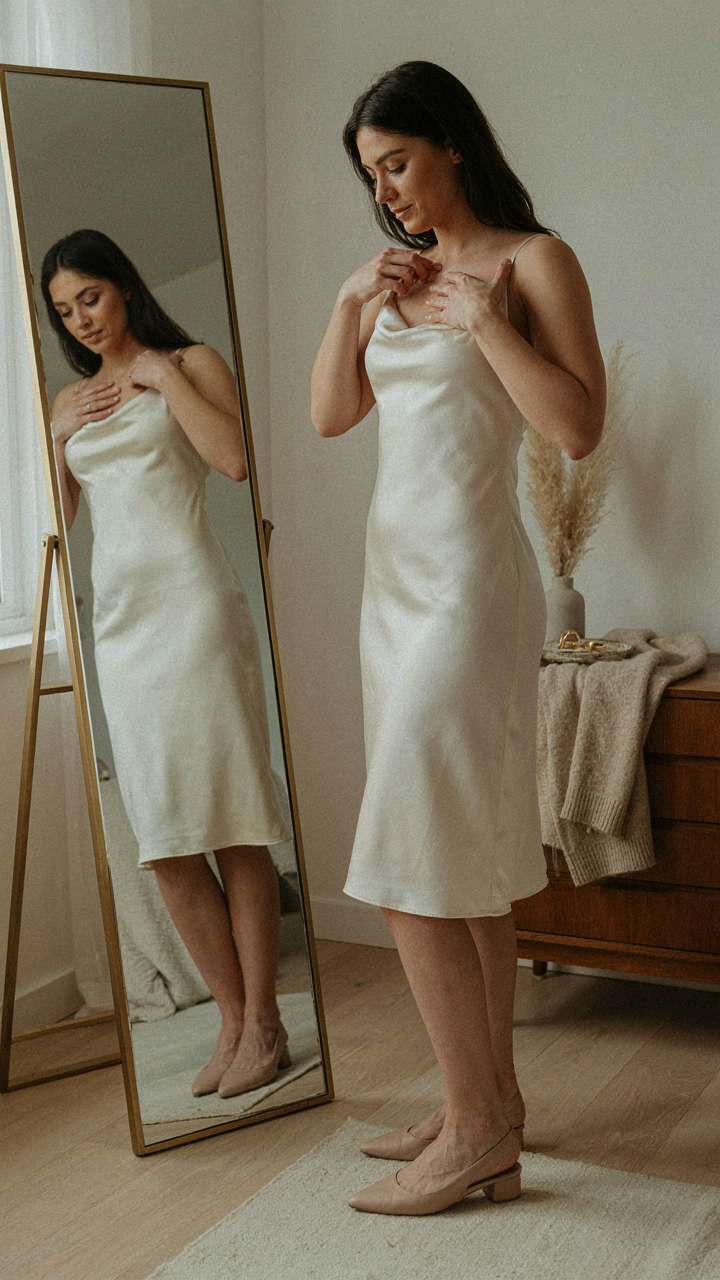
You’re worried people will judge your dress choice, and that fear is costing you mental real estate before the event even starts. Here’s the mechanism: authenticity reads as confidence because you’re not performing a role. You’re showing up as yourself. The moment you stop borrowing someone else’s aesthetic—whether that’s a trend you don’t actually like or a style that doesn’t fit your body—your presence changes. People don’t remember fabric or price tags. They remember whether you seemed comfortable in your own skin.
The common advice is to “just be yourself,” which is useless without the actual constraint. Your constraint is this: wear something you’ve worn before in a social setting where you felt stable. Not comfortable like sitting on your couch. Stable like you weren’t thinking about your clothes. That memory is your baseline. A quinceanera guest dress works when it comes from your existing wardrobe logic, not from aspirational shopping. Your body language shifts when you’re not managing a garment that doesn’t match how you normally move.
Choices That Signal Intention
Strategic presence isn’t about standing out—it’s about standing still. In game theory, a signal is only valuable when it costs something to send it and when receivers can verify it’s genuine. Your dress becomes a signal the moment you make one specific choice and commit to it completely. That means color, silhouette, or formality level. Pick one dimension and own it. Not three competing ideas in one outfit.
Most people soften their presence by hedging their choices—adding a cardigan over something sleeveless, breaking up a monochrome look with conflicting accessories, pairing formal and casual pieces like they’re unsure. Stop. Intentional choices are visible because they’re restrained. A floor-length dress in one color is more noticeable than a mix-and-match attempt at sophistication. Decide whether you’re projecting formality, warmth, or tradition before you get dressed. Then select one piece that carries that weight and let everything else support it without comment.
The Illusion Of Fitting In Is The Real Constraint; Authentic Presence Is The Only True Currency
You don’t need a quinceanera guest dress that disappears into the crowd. You need one that lets you show up as yourself. Most people waste energy matching an imaginary standard nobody actually cares about. Pick something that fits your body, aligns with the venue, and makes you feel like yourself. Then stop thinking about it. The real power move? Walking in comfortable in your own skin while everyone else performs. Your presence matters infinitely more than your outfit ever will.



